





قسمت 36: جولیا واتسون، پروفسور دانشگاه هاروارد و کلمبیا، آنچه را که باید از معماری بومی بیاموزیم توضیح می دهد.
جولیا واتسون، طراح، فعال، دانشگاهی و نویسنده طراحی Lo-TEK توسط بومیان رادیکال
یکی از مواردی که ما برای شنوندگان آماده کرده ایم، مصاحبه با جولیا واتسون است که در زیر و در کانال پادکست مورد علاقه شما از سه شنبه 19 جولای در دسترس است.
Julia is a leading expert of Lo—TEK nature-based technologies for climate-resilience. Her eponymously named studio brings creative and conceptual, interdisciplinary thinking to طرح پروژهها و شرکتهایی که به تغییرات سیستماتیک و پایدار علاقهمند هستند.
جولیا واتسون یک مورخ معماری مشهور است، اما به ویژه برای کارهایش در مورد معماری بومی شناخته شده است.
Julia Watson is a renowned architectural historian and the author of several books on the history of architecture. She is a professor at the University of Texas at Austin and has taught at Harvard University, Yale University, and Columbia University. Julia Watson is one of the world’s leading experts on the history of architecture and has published numerous articles and books on the subject.
او یک مرجع بسیار مورد احترام در مورد این موضوع است و کار او به طور گسترده توسط همسالانش مورد احترام است. جولیا واتسون صدای مهمی در زمینه تاریخ معماری است و خواندن آثار او برای هر علاقه مند به این موضوع ضروری است.

معماری بومی چیست؟
معماری بومی اصطلاحی است که برای توصیف معماری سنتی مردم بومی به کار میرود. معماری بومی با استفاده از مصالح طبیعی، ارتباط با زمین و تمرکز بر جامعه مشخص میشود.
معماران بومی همچنین اغلب جنبههایی از فرهنگ خود، مانند داستانها، نمادگرایی و مراسم را در طرحهای خود میگنجانند. معماری بومی نه تنها مربوط به گذشته است، بلکه به حال و آینده نیز مربوط میشود.
Indigenous architects are using their knowledge to design sustainable buildings that will allow Indigenous people to maintain their cultural traditions while also adapting to the changing world around them.
مردم بومی با پیوند مجدد با میراث معماری خود، آیندهای روشنتر برای خود و سیاره زمین خلق میکنند.
Lo-TEK
یادگیری از خرد بومی و همزیستی اکولوژیکی.
چکیده
In an era of high-tech and climate extremes, we are drowning in information while starving for wisdom. Enter Lo—TEK, a design movement building on indigenous philosophy and vernacular infrastructure to generate sustainable, resilient, nature-based technology. Designers responding to the challenges ahead, could be imagining radical nature-based urban typologies that can sustain growth, where indigenous innovation is hybridized with contemporary materials and ساخت و ساز techniques. From the scale of the module, to the structure, to the infrastructure, and ecosystem, indigenous wisdom and ecological symbiosis can be reimagined to reduce density, rebuild diversity and shrink both the individual and urban footprint. Spanning 18 countries from Peru to the Philippines, Tanzania to Iran, Lo—TEK explores millennia-old human ingenuity on how to live in symbiosis with nature.

منظرهای از شالیزارهای مقدس ماهاگیری
From the Greek mythos, meaning story-of-the-people, mythology has guided mankind for millennia. Three hundred years ago, intellectuals of the European Enlightenment constructed a mythology of technology. Influenced by a confluence of humanism, colonialism, and racism, the mythology ignored local wisdom and indigenous innovation, deeming it primitive. Guiding this was a perception of technology that feasted on the felling of forests and extraction of resources. The mythology that powered the Age of Industrialization distanced itself from natural systems, favoring fuel by fire.
با کنار آمدن با آینده ای نامطمئن و مواجهه با رویدادهای اقلیمی که قابل پیش بینی نیستند و شکست های اکوسیستم که نمی توان آنها را متوقف کرد، بشریت وظیفه دارد راه حل هایی برای محافظت از بیابان باقی مانده و متحول کردن تمدن هایی که ما می سازیم ایجاد کند.
Today, the legacy of this mythology haunts us. Progress at the expense of the planet birthed the epoch of the Anthropocene — our current geological period characterized by the undeniable impact of humans upon the environment at the scale of the Earth. Charles Darwin, scholar and naturalist who is seen as the father of evolutionary theory, said “extinction happens slowly,” yet sixty percent of the world’s biodiversity has vanished in the past forty years.1 Coming to terms with an uncertain future and confronted by climate events that cannot be predicted, species extinctions that cannot be arrested, and ecosystem failures that cannot be stopped, humanity is tasked with developing solutions to protect the wilderness that remains, and transform the civilizations we construct. While we are drowning in this Age of Information, we are starving for wisdom. Only a sliver of the technologies that existed at the time of the Enlightenment were valued and shepherded through to the present. Meanwhile, an alternative mythology of technology has been with us since well before the Enlightenment. It is unacknowledged, existing at the far ends of the Earth, with its contributors deemed primitive for centuries. While “modern” societies were trying to conquer nature in the name of progress, these indigenous cultures were working with it.
Indigenous technologies are not lost or forgotten, only hidden by the shadow of progress in the remotest places on earth. While society values and preserves the architectural artifacts of dead cultures, like the four- thousand-year-old Pyramids of Giza, those of the living are displaced, like the six-thousand-year-old floating island technology of the Ma’dan in the southern wetlands of Iraq. Extending the grounds of typical design, Lo—TEK is a movement that investigates lesser-known local technologies, traditional ecological knowledge (TEK), indigenous cultural practices, and mythologies passed down as songs or stories. In contrast to the homogeneity of the modern world, indigeneity is reframed as an evolutionary extension of life in symbiosis with nature.
بومی گرایی رادیکال برای بازسازی دانش بحث می کند و فلسفه های بومی را که قادر به ایجاد گفت و گوهای جدید هستند را بررسی می کند.
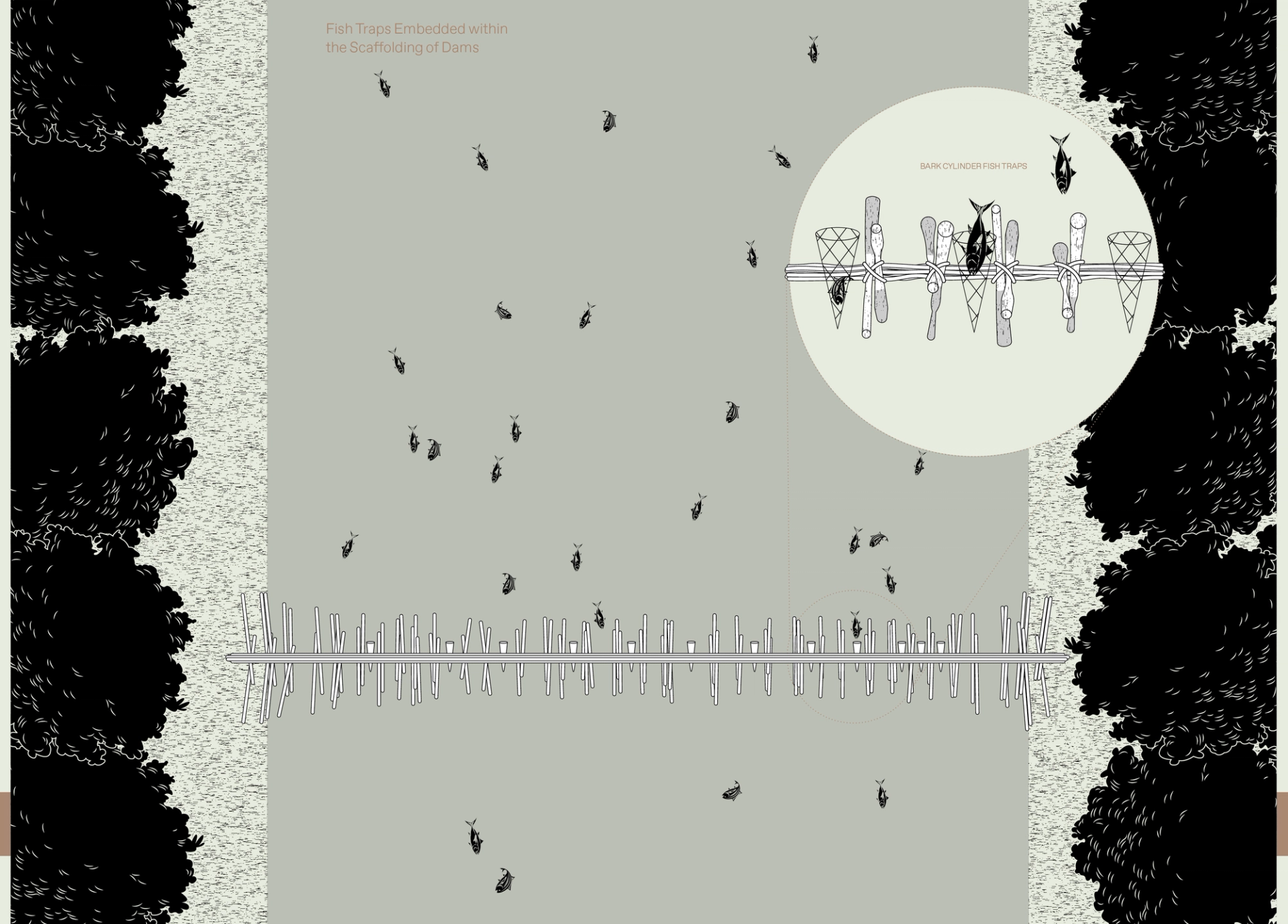
سد ماهی، تصویر. با حسن نیت از جولیا واتسون.
بومیان رادیکال که توسط پروفسور پرینستون و شهروند ملت چروکی ایوا ماری گاروت ابداع شده است، برای بازسازی دانش بحث می کند و فلسفه های بومی را بررسی می کند که قادر به ایجاد گفتگوهای جدید هستند.2 مفهوم بومی رادیکال نام خود را از مشتق لاتین کلمه "رادیکال" گرفته است: radix به معنی "ریشه". طراحی توسط بومیان رادیکال جنبشی را تصور می کند که درکی از فلسفه های بومی را در رابطه با طراحی بازسازی می کند تا زیرساخت های پایدار و مقاوم در برابر آب و هوا را ایجاد کند. Lo-TEK ما را به سمت اسطورهشناسی متفاوت فناوری سوق میدهد. یکی که اومانیسم را با بومی گرایی رادیکال تکامل می دهد.
حوزه طراحی در یک لحظه کلیدی است و برای رویارویی با مشکلات پیچیده ای که نیاز به پاسخ های قوی و انطباقی دارد، در حال گسترش است. با فروپاشی محیطی و اجتماعی قریب الوقوع در دهه های آینده، طراحی در تقاطع انسان شناسی، بوم شناسی و نوآوری مهم ترین بحث زمان ما است.3 یک اسطوره جدید که Lo-TEK را تصدیق می کند برای پیشبرد همزیستی انسان با طبیعت بسیار مهم است.
در حالی که دانش علمی یک حقیقت اساسی در نظر گرفته می شود، در واقع یک اسطوره دائماً در حال تکامل است.
در حالی که دانش علمی یک حقیقت اساسی در نظر گرفته می شود، در واقع یک اسطوره دائماً در حال تکامل است. در مقابل، جامعه ما باورهای معنوی بومی را به عنوان اسطوره نادیده می گیرد، علیرغم اینکه آنها دانش زیست محیطی با قدمت هزاران ساله را در بر می گیرند. بی اعتباری علمی که فرهنگ و معنویت را با هم ادغام می کند در بحث و جدل پیرامون کشف همزمان نظریه انتخاب طبیعی توسط آلفرد راسل والاس و داروین، که اصل راهنمای تفکر بوم شناختی از عصر روشنگری بوده است، نمونه است. ابهام نسبی والاس را می توان هم به بهره برداری داروین از کار مشترک آنها و هم به پیوند والاس با معنویت نسبت داد. والاس در نهایت توسط همتایان خود به دلیل نسبت دادن معنای معنوی به پدیده های علمی طرد و بی اعتبار شد.
With beliefs and mythology forming a large dimension of Lo–TEK, the struggle between science and spiritualism overshadows indigenous people, who remain the unrecognized ecological innovators of the planet. Compounding this problem, history also reveals a legacy of indigenous appropriation without attribution. The very origin of the term sustainability can be traced back to The Great Lore of the Iroquois people, and its Seventh Generation Principle, considering actions as they affect the seventh generation after them.4 این ارتباط ناشناخته باقی می ماند، شاید از ترس بی اعتبار ساختن اعتبار علمی آن با باورهای معنوی، درست همانطور که رابطه مردم بومی با فناوری پایدار ناشناخته باقی مانده است.
اساطیر بومی دانشی را در مورد فعل و انفعالات پیچیده درون اکوسیستم هایی که انسان ها در آن جاسازی شده اند بازگو می کنند. امروزه معنویت به عنوان پایه و اساس صنعت زیست محیطی پذیرفته شده است. فرهنگ عامه شستشوی سبز را ترویج می کند، رویکردی سطحی و نه سیستمی به محیط زیست.
In the indigenous world, spirituality in the landscape is directly related to sustainability and resource management through belief systems, and customs in which we “remember to remember.” Indigenous mythologies recount knowledge about the complex interactions within ecosystems in which humans are embedded. Today, spirituality has been adopted as a foundation of the eco-industry. Popular culture promotes green washing, a superficial rather than systemic approach to the environment. In contrast to the dismissal Wallace faced, the coexistence of the spiritual and scientific is welcomed in our eco-friendly time. Individuals are conscious and concerned about the environment and their place in it. While the action of individuals is important, it is action at the scale of infrastructures, designed with a mythology connecting individuals to ecosystems, that can catalyze a global shift.
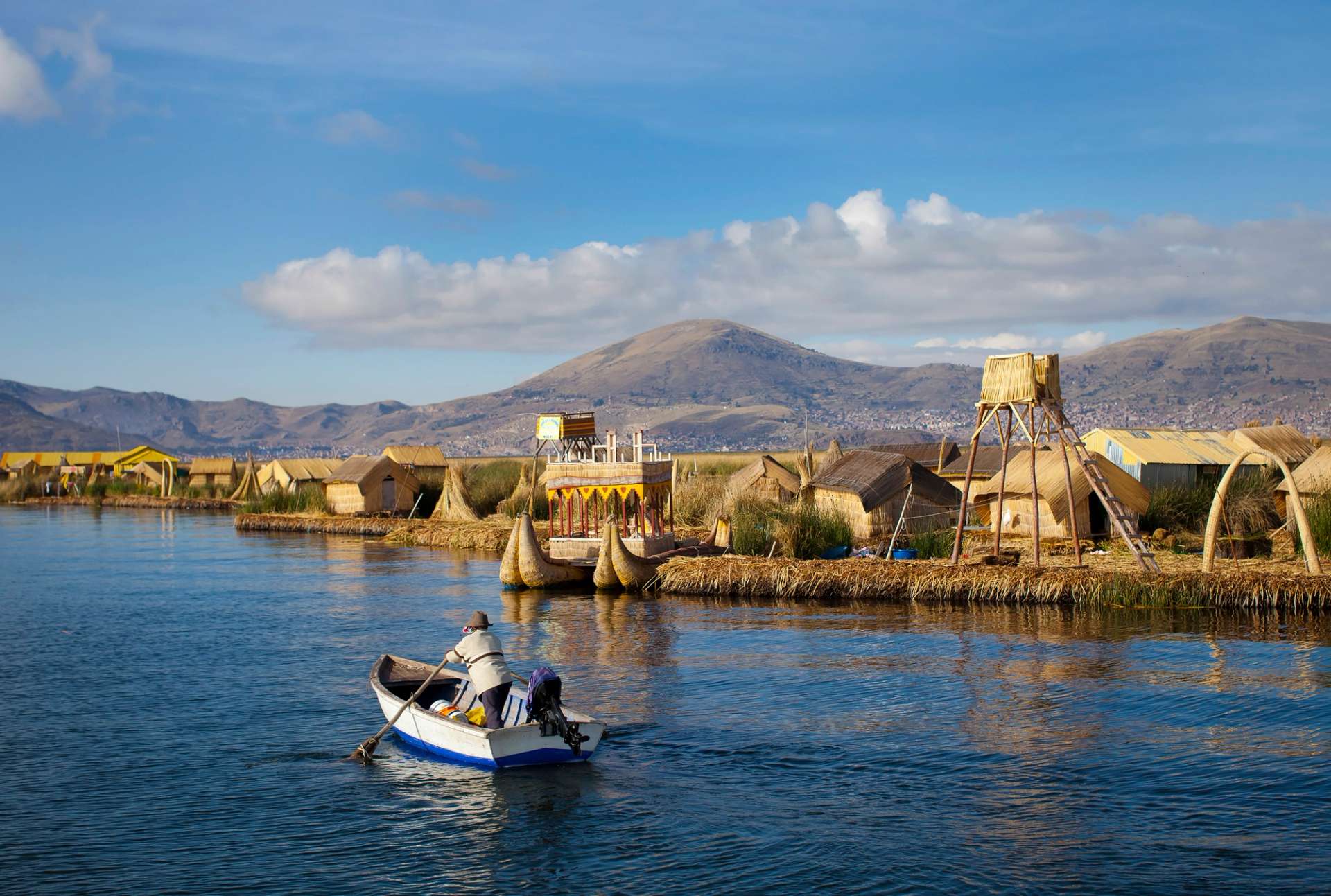
شکل 4
در این دوره از آنتروپوسن، بشر باید اسطورهشناسی فناوری را دوباره تعریف کند تا نوآوریهای بومی را در بر بگیرد.
در این دوره از آنتروپوسن، بشر باید اسطورهشناسی فناوری را دوباره تعریف کند تا نوآوریهای بومی را در بر بگیرد. فرهنگهای بومی جهان باید بهجای ابتدایی بودن بهعنوان مبتکر شناخته شوند و دانششان در تفکر آینده ما گنجانده شود. دکتر ادوارد او. ویلسون، استاد دانشگاه هاروارد، پیش بینی می کند که در طول صد سال آینده، حفاظت از تنوع زیستی بالاترین اولویت ما خواهد بود.5 However, species’ extinction alone won’t be the twenty-first century’s greatest loss. The same forces that drive species extinction endanger the indigenous technologies that may hold a key to humanity’s survival. With indigenous communities being one of the groups most impacted by climate change, and many of the activities that, in the name of progress, have precipitated it, their knowledge is in fact an essential part of the solution.
In the age of the Anthropocene, humanity’s impact on the planet is undeniable. By destruction and even by conservation, all ecological systems are impacted by human action. We are now at a crossroads where we can either continue a narrow view of technology, informed by our distance from nature, or we can acknowledge that this is just one way and not the only way for humans to live. Designers today understand the urgency of reducing humanity’s negative environmental impact, yet perpetuate the same mythology that relies on exploiting nature. We cast Nature both as a menacing force now retaliating against us, and as a forlorn figure, surrendering to our ‘saving by way of savvy’ technological innovation.
امروزه طراحان فوریت کاهش اثرات منفی زیست محیطی بشر را درک می کنند، با این حال همان اسطوره ای را که بر بهره برداری از طبیعت متکی است، تداوم می بخشند. ما طبیعت را هم بهعنوان نیرویی تهدیدآمیز که اکنون علیه ما تلافی میکند و هم بهعنوان چهرهای بیحوصله، که تسلیم «پسانداز از طریق نوآوری فنآوری هوشمند» شده است، میکنیم.
با ایجاد زیرساختهای سخت و حمایت از طراحی همگن با فناوری پیشرفته، دانش هزارهای را در مورد نحوه زندگی با طبیعت در همزیستی نادیده میگیریم. تلاشهای اولیه جنبش حفاظت از طبیعت برای «نجات طبیعت» که در دوران قبل از تغییرات اقلیمی متحمل شده بود، بهطور پیشبینیشدهای همان اسطورهشناسی فناوری را تداوم بخشید و مردم بومی و نوآوریهای آنها را نادیده گرفت. زمینهای حفاظتشده بهعنوان بیابان محافظتشده در نظر گرفته میشدند که زندگی انسان از آن حذف شد. مناظر و گونه های کاریزماتیک به جای روابط همزیستی بین گونه هایی که از اکوسیستم ها حمایت می کنند محافظت می شدند. با تلاش برای حفظ طبیعت، رویکرد از بالا به پایین برای حفاظت اغلب آن را فرسایش داده است. این جنبش مباشران را حذف کرد، دانش را پاک کرد و فناوریهای انعطافپذیری را که هزاران سال چالشهای آب و هوایی را کاهش میداد نادیده گرفت.
اجداد آمریکایی حفاظت نمی توانستند تصور کنند که این جنبش در سطح جهانی پذیرفته شود و میلیون ها نفر از مردم بومی را جابجا کند و انقراض دسته جمعی گونه ها را تسریع بخشد. در سایه جنبش حفاظت، داستان پنهان پناهندگان حفاظت است. میلیون ها نفر از مردم بومی که به طور سیستماتیک از سرزمین های خود حذف شده اند تا مناطق حفاظت شده ایجاد کنند.6 همراه با این جابجایی جمعی، از دست دادن نوآوری های Lo-TEK است که بر حیوانات، مواد، اسطوره ها و انسان تکیه کرده و از آنها محافظت می کند.
در حالی که جنبش حفاظت با جاه طلبی های تحسین برانگیز تصور می شد، بر اساس تفکر علمی آن زمان بود که طبیعت را به عنوان یک بیابان بکر که باید نجات می داد ارتقا داد، در حالی که مردم بومی و فناوری های آنها کاملا نادیده گرفته شدند. با ارج نهادن به علم بر سنت، فرد بر اجتماع، و بیابان بکر بر مردمان بومی، اسطورهشناسی رایج فناوری تقویت شد.
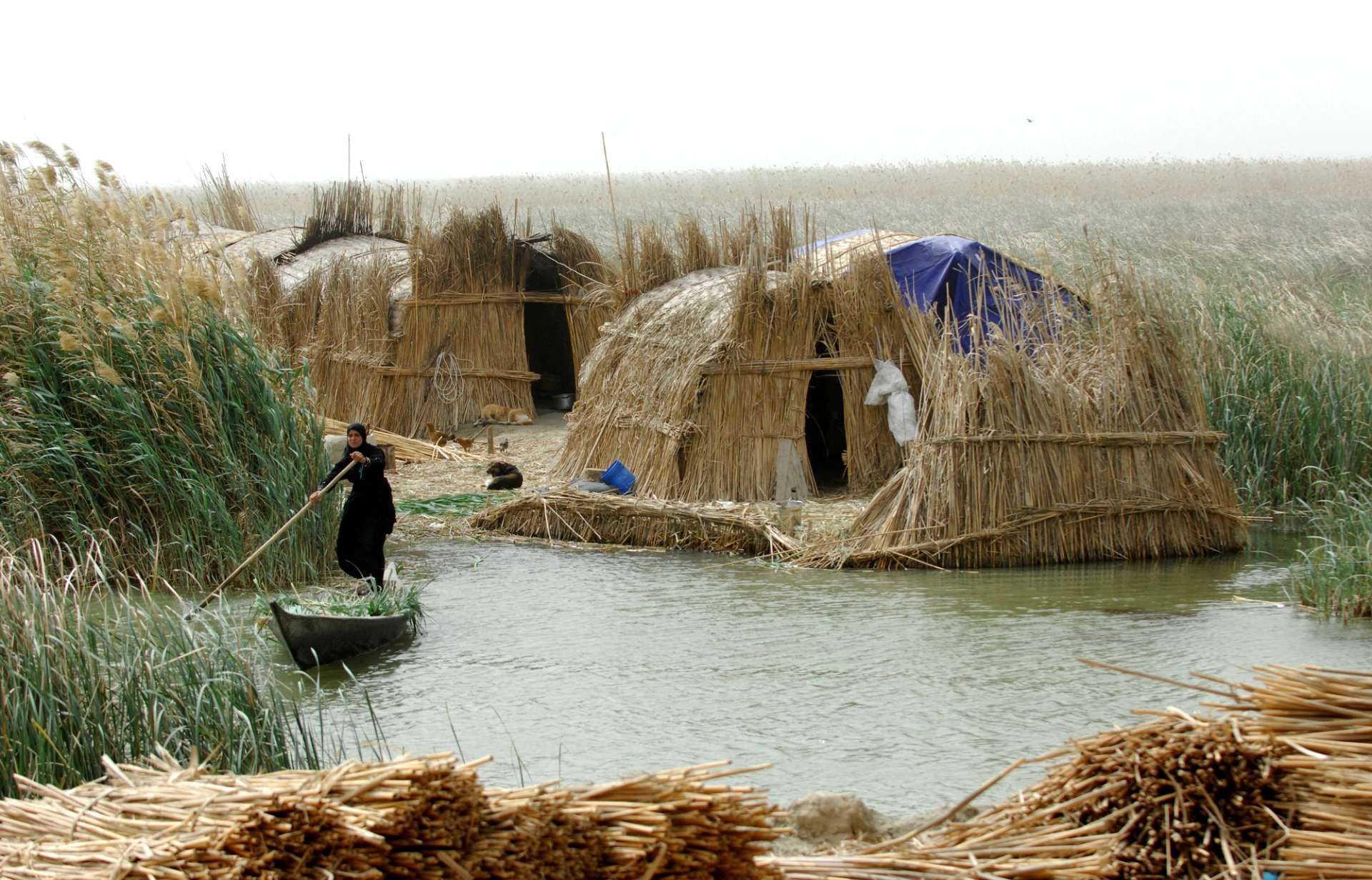
شکل 5
کاوش جایگزینهای اساطیر مسلط و شکست در حفاظت، وجود دانش ارزشمند بومی را آشکار میسازد که در معرض انقراض است. ما باید نحوه نگرش خود به آنتروپوسن را تغییر دهیم.
We cannot find solutions to the problems we face with the same ideology from which those problems emerged. Exploring alternatives to the dominant mythology and the failure of conservation reveals the existence of the invaluable indigenous knowledge facing extinction. We need to change how we view the Anthropocene. While human impact is ubiquitous, it does not mean all interactions have led to destruction. This mindset distances both us from nature and nature from us. In contrast, the mindset of indigeneity sees humans as part of nature and has evolved technologies that use biodiversity as a building block. A new mythology of technology in the era of the Anthropocene can replace the pending threat that nature will destroy us with the optimism that a collaboration with Nature can save us.
Climate change has shown us that our survival is not dependent upon superiority, but upon symbiosis. In the shift towards designing resilient cities, indigenous technologies are critical in the conversation for designers addressing climate change, as they are living examples that embody resilience thinking. We need to expand our definition of sustainable technology. Acknowledging the mistakes of modernity and the failure of conservation, we can shift our position of authority to one of collaboration with Nature. This will involve incorporating the nuances of indigenous innovation.
ساخت زیرساختهای با فناوری پیشرفته، همگن و سخت در واکنش به تغییرات آب و هوا، اسطورهشناسی قدیمی فناوری را تداوم میبخشد. با در نظر گرفتن افزایش شدید سطح دریا، رویدادهای طوفانی مکرر و سایر اثرات غیرقابل پیشبینی تغییرات آب و هوایی، زیرساختهای ثابت در پاسخ به تغییرات پویا محدود شدهاند. بدون پیادهسازی سیستمهای نرم که از تنوع زیستی به عنوان یک بلوک ساختمانی استفاده میکنند، این زیرساختها ذاتاً ناپایدار باقی میمانند. در عصر تکنولوژی پیشرفته اتوپیایی و افراطهای آب و هوایی بیسابقه، ما غرق در اطلاعات هستیم، در حالی که گرسنه خرد هستیم.
ما باید شروع به گفتن یک اسطوره نوظهور و در عین حال باستانی فناوری کنیم، جایی که پیشرفت فقط در شیفتگی ما به آینده نیست. به عنوان طراح، نقش ما ایجاد زمینه جدیدی برای تعامل مثبت با طبیعت است. برقراری مجدد این رابطه به معنای اذعان به این است که انسان ها همیشه با سیستم های طبیعی زندگی کرده اند. مردم بومی دریاچه های بزرگ توسط دستورالعمل های اصلی هدایت می شوند.7 اینها اسطورههایی هستند که در مراسمی که حاوی حکمت گذشته است، نسلها منتقل شدهاند. آنها دستورالعمل نیستند، اما مانند یک قطب نما، جهت گیری را به جای نقشه ای برای آینده ارائه می دهند.8 نوآوری را می توان در دانش گذشته یافت، و آداب و رسومی که به ما می آموزند «به یاد بیاوریم که به یاد بیاوریم».
به عنوان طراح باید به خاطر داشته باشیم که بخشی از طبیعت هستیم. بقای جهانی ما وابسته به تغییر تفکر ما از «بقای شایسته ترین ها» به «بقای همزیست ترین ها» به عنوان اولین گام حیاتی است.
به عنوان طراح باید به خاطر داشته باشیم که بخشی از طبیعت هستیم. بقای جهانی ما وابسته به تغییر تفکر ما از «بقای شایسته ترین ها» به «بقای همزیست ترین ها» به عنوان اولین گام حیاتی است.9 جوامع بومی که هزاران سال پیش این تفکر را اتخاذ کردند، اکنون بانک جهانی هوش بومی و نوآوری بومی را در اختیار دارند که بیتردید ارزشمند است، اما به شرطی که روی آن سرمایهگذاری کنیم. در آینده ای قابل پیش بینی، انقراض این فناوری ها در کنار انقراض گونه ها به عنوان یکی از زیان های بزرگ قرن بیست و یکم خواهد بود.
برگرفته و اقتباس شده از جولیا واتسون، Lo-TEK. طراحی توسط بومیان رادیکال (تاشن، 2019).
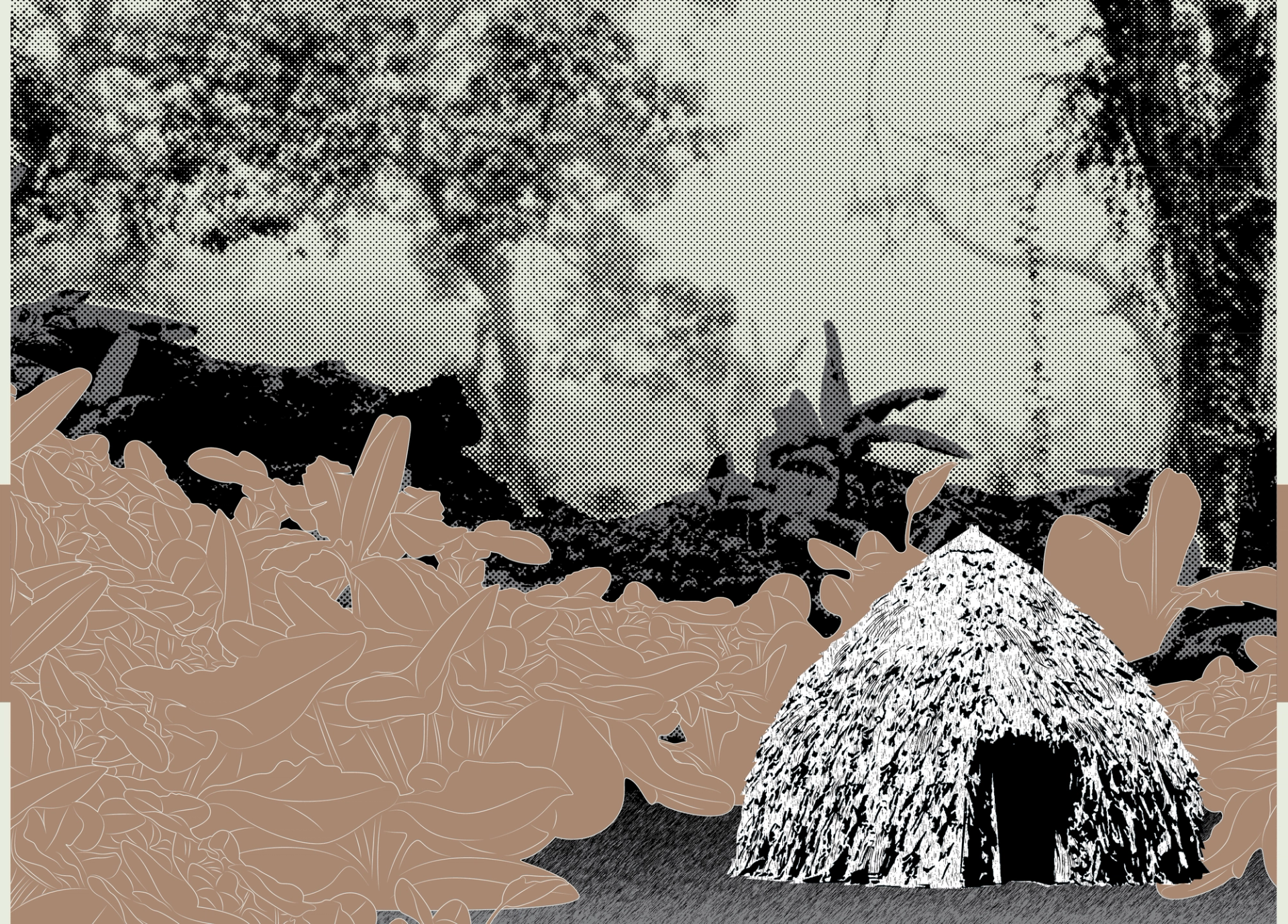
باغ های جنگلی کیهامبا، تصویر. با حسن نیت از جولیا واتسون.
یادداشت
1 چارلز داروین، در مورد منشاء گونه ها از طریق انتخاب طبیعی، یا حفظ نژادهای مورد علاقه در مبارزه برای زندگی. (لندن: جی. موری؛ WWF، 2014)
2 فیکرت برکس، Sacred Ecology: Traditional Ecological Knowledge and Resource Management (Philadelphia PA: Taylor & Francis, 1999).
3 دامیان کارینگتون و پل ارلیش، "فروپاشی تمدن یک قطعیت تقریباً در طی چند دهه است" گاردین (مارس 2018). موجود در: shorturl.at/akzPY
4 گرو هارلم بروندلند، گزارش کمیسیون جهانی محیط زیست و توسعه: آینده مشترک ما. سازمان ملل متحد، 1987.
5 ادوارد او ویلسون، «گلوگاه» علمی آمریکا (بهمن 2002): 83-91. موجود در: https://www.scientificamerican.com/article/the-bottleneck/
6 مارک دووی، پناهندگان حفاظتی: درگیری صد ساله بین حفاظت از محیط زیست جهانی و مردم بومی (بوستون: MIT Press، 2011).
7 ملیسا نلسون، Original Instructions for a Sustainable Future (روچستر، Vt.: Bear & Company، 2008).
8 رابین وال کیمرر، بافندگی Sweetgrass (Minneapolis، MN: Milkweed Editions، 2013).
9 لین مارگولیس، سیاره همزیست: نگاهی جدید به تکامل (نیویورک: کتاب های پایه، 1998).
لیست تصاویر
شکل 1 نمایی از تراس های برنج مقدس ماهاگیری، بخش کوچکی از سیستم کشاورزی هزار ساله معروف به سوباک، که منحصر به جزیره بالی، اندونزی است. © دیوید لازار
شکل 2 خطی از دهانه های مار با فاصله مساوی در امتداد سطح بیابان از کوه های مرتفع البرز تا دشت های عراق و تنها شواهدی از یک جریان آب نامرئی و زیرزمینی ساخته دست بشر به نام قنات است که اولین بار توسط قنات ساخته شد. ایرانیان در سالهای اولیه هزاره اول پیش از میلاد. ©علیرضا تیموری
شکل 3 در تالاب های جنوبی عراق، یک خانه کامل مدنی معروف به مذیف که تماماً از نی قصاب بدون استفاده از ملات یا میخ ساخته شده است را می توان در یک روز پایین آورد و دوباره برپا کرد. ©جاسم علاسدی
شکل 4 Las Islas Flotantes یک سیستم جزیرهای شناور در دریاچه تیتیکاکا در پرو است که توسط اوروسها زندگی میکنند که تمام تمدن خود را از نی توتورا که به صورت محلی رشد میکند، ساختهاند. ©Enrique Castro-Mendivil
Fig. 5 Qasab reed has long served as raw material for homes, handicrafts, tools, and animal fodder with the distinctive mudhif houses of the Ma’dan people appearing in Sumerian artwork from five thousand years ago. ©Esme Allen
شکل 6 یک ماهیگیر جوان زیر یک پل ریشه زنده در روستای Mawlynnong هند راه میرود. در رطوبت بی امان جنگل های مگالایا، مردم خاسی برای قرن ها از ریشه های تربیت پذیر درختان لاستیکی برای رشد پل های ریشه ای زنده جینگ کینگ دینگ جیری بر روی رودخانه ها استفاده کرده اند. © آموس چپل
بیوگرافی
طراح، فعال، دانشگاهی و نویسنده، جولیا واتسون یک متخصص برجسته در زمینه فناوری های بومی مبتنی بر طبیعت است. عملکرد غیر متعارف او منجر به تحقیق، نوشتن و پروژههای طراحی با الهام از زیارت مکانهای بومی شد، در حالی که تحصیلات رسمی او به سمت تدریس در دانشگاههای هاروارد، کلمبیا، RISD و رنسلر انجامید. کار جولیا به طور گسترده در مجلاتی مانند SPOOL، Topos Journal و Indigenous Peoples and Climate Technologies Guidebook منتشر شده است. در سال 2019 منتشر کرد Lo-TEK. Julia’s studio work involves speaking, writing, landscape architecture and urban design, alongside futures consulting for Fortune 500 companies. She’s held fellowships with Summit REALITY & Pop!tech, received a Christensen Fund grant, an Arnold W. Brunner award for Architectural Research, a New York State Council of the Arts Architecture + Design award, and ws a Disruptive By Design Ambassador for WIRED.
“We’re beginning to understand a great irony of climate change: that the people most affected by it often did the least to cause it. What’s less discussed is that many of those people also have the technology, philosophy, and knowledge that could have prevented the rising temperatures, the uncontrollable wildfires, and the dying coral reefs in the first place. They’re people like the Chagga in Tanzania, whose forest-agriculture systems support Mount Kilimanjaro’s rich biodiversity and feed a rapidly-growing population. Or the Kayapó in the Amazon Basin, who use fire to cultivate their crops, replenish the soil, and protect their land from deforestation. In Iran, Persians have developed qanats, or underground aqueducts, which serve as natural foils to our energy-intensive pumps and wells. Then there’s the Khasi people of Meghalaya, India—known as the wettest place on earth—who have a solution for navigating heavy rains and monsoons: They’ve trained rubber fig trees to grow across rivers. Over the course of decades, the massive roots grow, tangle, and strengthen into the only bridges—natural or otherwise—that can withstand surging water levels and powerful storms. These are people who were embracing regenerative agriculture, zero-waste living, and nature-based solutions long before they were 2020 buzzwords. Architect, landscape designer, and Harvard and Columbia professor Julia Watson travelled across 18 countries for six years to visit these communities and document their ways of life in her new book, Lo-TEK: Design by Radical Indigenism, published by Taschen earlier this year. Beyond shining a light on their cultures and innovations, Watson illustrates how indigenous methods actually benefit the planet—and how they might be adopted worldwide in the face of climate crisis.”



کاوش در طراحی شهری ونکوور با الکساندرا استید
1 سال پیشچالشهای تراکمسازی: با رشد شهر، الکساندرا نگرانیهایی را در مورد نبود زیرساختهای سبز قوی برای مدیریت افزایش آب طوفان و حفاظت از تنوع زیستی ایجاد میکند. […]
فلجین خوزه در مورد ساخت خیابانها، خانهها و راهآهنهای سازگار با اقلیم
ماه 8 پیش[…] اتصال DART+، MetroLink و اتوبوسهای بهتر به محیط ساختهشده: خانههای متراکمتر در نزدیکی ایستگاهها، پیادهروی و دوچرخهسواری امنتر، خیابانهای اصلی احیا شده و فضاهای عمومی […]
نظرات بسته شده است.