


خبر خوب: نگاهی نو به پایداری و جنگلهای کوچک و مقاومسازی در ایرلند
در این نسخه نشاطبخش از پادکست «صداهای سازنده، خبرهای خوب»، مجموعهای کوتاه و جذاب از داستانهای مثبت از محیط ساختهشده را با چاشنی الهامبخشی برای حفاظت از محیط زیست برای شما آوردهایم.
در کمتر از ۶ دقیقه گوش دهید، یاد بگیرید و روحیه بگیرید
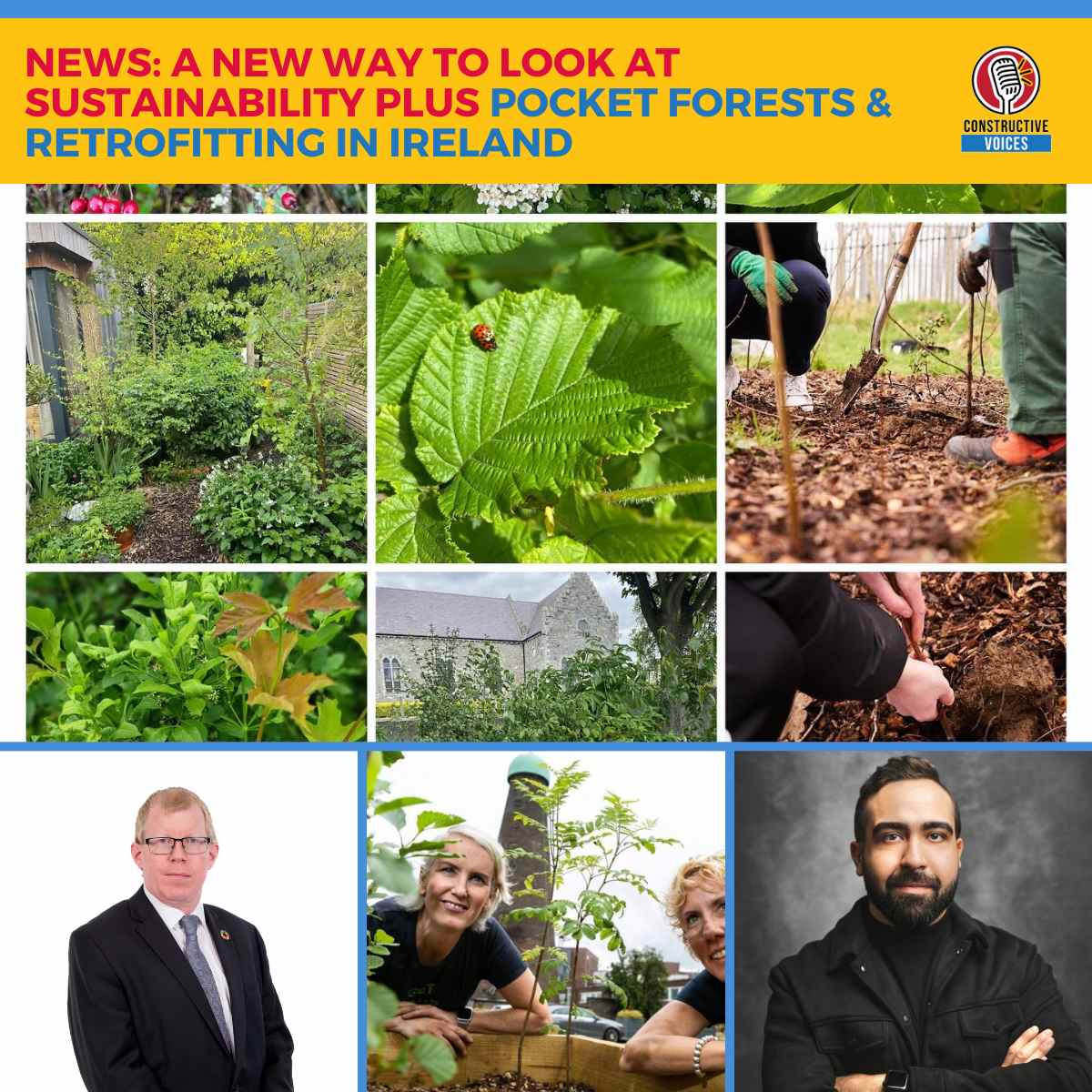
روشی جدید برای نگاه به پایداری: پایداری عصبی
ما با یک مفهوم جذاب شروع میکنیم که به همان اندازه که به محافظت از ذهنهایمان مربوط میشود، به محافظت از سیاره زمین نیز مربوط میشود - پایداری عصبی. مجری برنامه، جکی دی بورکا، با محمد هشام خلیل، که تحقیقات پیشگامانهاش در دانشگاه کمبریج به بررسی چگونگی ... میپردازد، صحبت میکند. محیط زیست ساخته شده است affects our brain health, mental wellbeing, and cognitive performance.
“That shift… from experiencing the built environment in a specific way and then going back was an alert to start seeing this relationship between the built environment and the human brain.” — محمد حسام خلیل
Discover how architecture, neuroscience, and nature intersect — and why this matters more than ever post-lockdown.

ایرلند سبز: جنگلهای جیبی
Next, volunteer reporter Sarah Austin speaks with Catherine Cleary, co-founder of Pocket Forests, about transforming small urban spaces into thriving native woodlands. With over 125 sites planted — from car-parking-space-sized micro-forests to half–tennis-court plots — these dense plantings are changing soil health, تنوع زیستی، و ارتباطات اجتماعی.
«ما درختان بسیار جوانتری را میکاریم... خیلی نزدیکتر به هم... نتیجه این است که آنها خیلی سریع این ریزاقلیم را ایجاد میکنند.» — کاترین کلیری
برای مطالعهی کامل و عمیق، قسمت ویژهی ما را ببینید سبز کردن ایرلند از جنگلهای کوچک تا جنگلهای بومی در وبسایت ما.

کاترین کلیری و اش کنراد-جونز، بنیانگذاران جنگلهای پاکت.
تصویر از Pocket Forests
شتاب مقاومسازی ایرلند
We round things off with encouraging retrofitting news: in early 2025, Ireland saw 11,910 home energy upgrades supported through government grants — a 2% rise from the previous year.
These upgrades avoided 15,000 tonnes of CO₂ emissions, reinforcing Ireland’s national push toward energy efficiency and climate action.
Bookmark this page to check for the podcast episode that deep dives into this topic with Dr. Ciaran Byrne, the Director of National Retrofit at Sustainable Energy Authority of Ireland (SEAI).
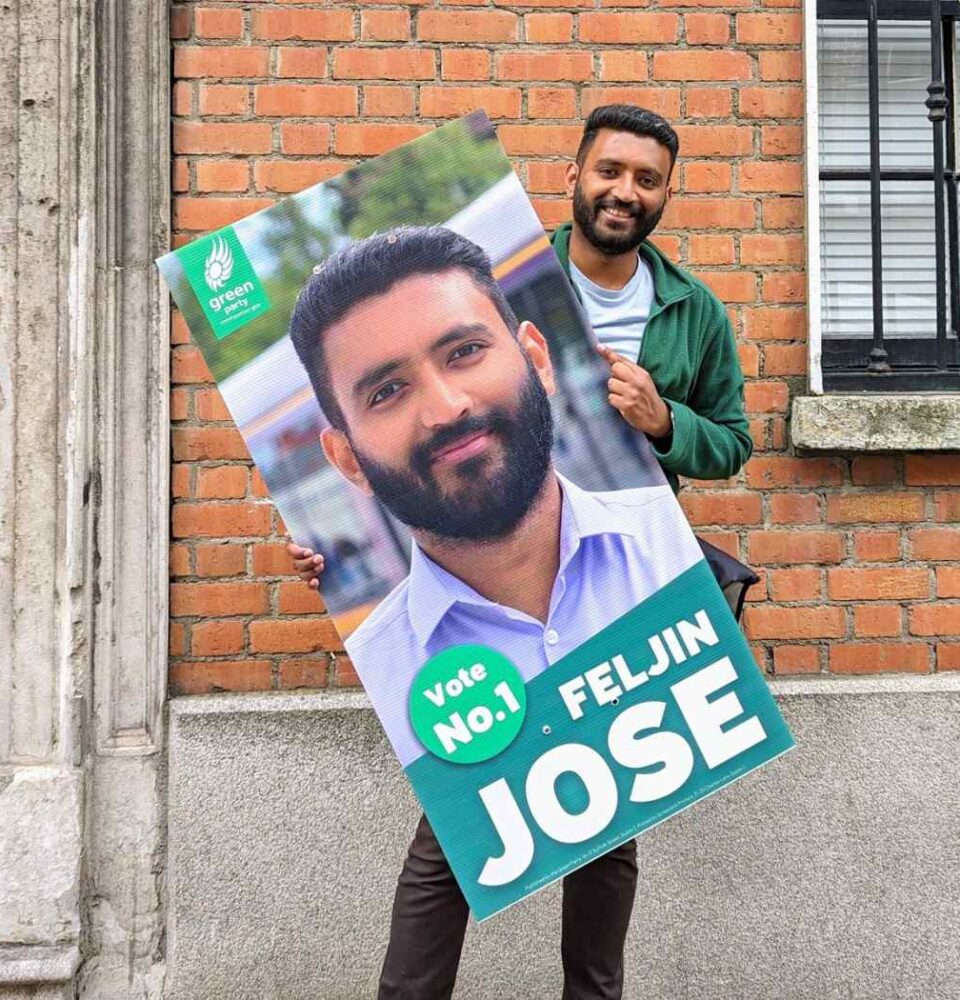
ساخت خیابانها، خانهها و حمل و نقل سازگار با اقلیم با فلجین خوزه
ساختن خیابانهای سازگار با اقلیم، خانه و حمل و نقل عمومی با فلجین خوزه، مدافع حمل و نقل عمومی و عضو شورای شهر دوبلین، فلجین خوزه به ... میپیوندد.
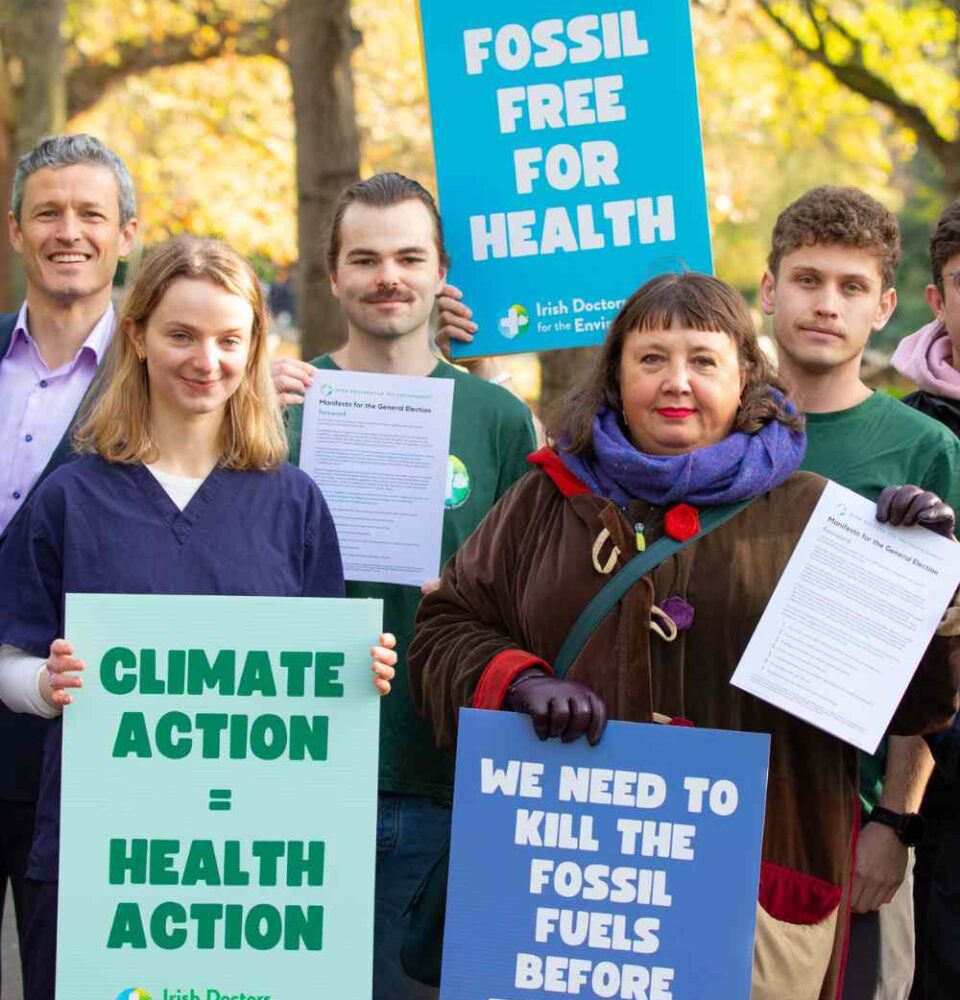
نقش مراقبتهای بهداشتی در تغییرات اقلیمی با پزشکان ایرلندی برای محیط زیست
نقش مراقبتهای بهداشتی در تغییرات اقلیمی با پزشکان ایرلندی برای محیط زیست محیط ساخته شده و البته محیط زیست ...

چرا اعتبار طبیعت مهم است - با برایان مکشری، آژانس محیط زیست اروپا
چرا اعتبارات طبیعت مهم است - با برایان مکشری، آژانس محیط زیست اروپا بررسی اینکه چگونه اعتبارات طبیعت میتواند مسیر ... را تغییر دهد

نقشه راه کمیسیون اروپا برای دستیابی به اعتبارات طبیعت چیست؟
نقشه راه کمیسیون اروپا به سمت اعتبارات طبیعت چیست؟ «وقتی برای اولین بار خبر نقشه راه اتحادیه اروپا را دیدم...

مسابقه بازسازی ایرلند — با دکتر سیاران برن (SEAI)
مسابقه مقاومسازی ایرلند با دکتر سیاران بیرن (SEAI) چگونه ایرلند خانهها را گرمتر، ارزانتر و با کربن کمتر میسازد—در...

دستورالعمل عملکرد انرژی ساختمانها (EPBD): انقلابی در پایداری ساختمانهای اروپایی با استیون برت از IGBC
دستورالعمل عملکرد انرژی ساختمانها (EPBD): انقلابی در پایداری ساختمانهای اروپایی، با حضور استیون برت از IGBC،...

نگاهی گذرا به وضعیت پایدار شهر کوب: اقدام محلی، پیامدهای جهانی، فصل ۴، فصل ۱۴
نگاهی گذرا به وضعیت پایدار شهر کوب: اقدام محلی، پیامدهای جهانی، فصل ۴، فصل ۱۴ «من فقط امیدوارم که همه این تحولات جدید...»

ایرلند سبز: از جنگلهای کوچک تا جنگلهای بومی با کاترین کلیری، فصل ۴، فصل ۱۱
سبز کردن ایرلند: از جنگلهای کوچک تا جنگلهای بومی با کاترین کلیری «سبز کردن ایرلند: از جنگلهای کوچک تا جنگلهای بومی...»

زندگی در دهکده زیستمحیطی کلافجوردن - طرحی برای زندگی اجتماعی پایدار - قسمت پادکست: S4، E6
زندگی در دهکده زیستمحیطی Cloughjordan – طرحی برای جامعه پایدار زندگی زندگی در داخل روستای بوم گردی Cloughjordan – طرحی برای...

S3، E5 دکتر Ciaran Byrne، مدیر SEAI در مورد بازسازی داستان های موفقیت، چالش ها و فرصت های ایرلند
S3، E5: دکتر Ciaran Byrne، کارگردان، SEAI در مورد بازسازی داستان های موفقیت، چالش ها و فرصت های ایرلند در این قسمت روشنگر...


عوارض عصبی پنهان آتشسوزیهای جنگلی
ماه 11 پیش[…] خبر خوب: روشی جدید برای نگاه به پایداری و جنگلهای کوچک و مقاومسازی در ایرلند […]
چرا اعتبار طبیعت مهم است - با برایان مکشری، آژانس محیط زیست اروپا
ماه 10 پیش[…] خبر خوب: روشی جدید برای نگاه به پایداری و جنگلهای کوچک و مقاومسازی در ایرلند […]