

Ọnụ ọgụgụ akwara ozi zoro ezo nke ọkụ ọhịa
- Jackie De Burca
- August 22, 2025
Ọnụ ọgụgụ akwara ozi zoro ezo nke ọkụ ọhịa
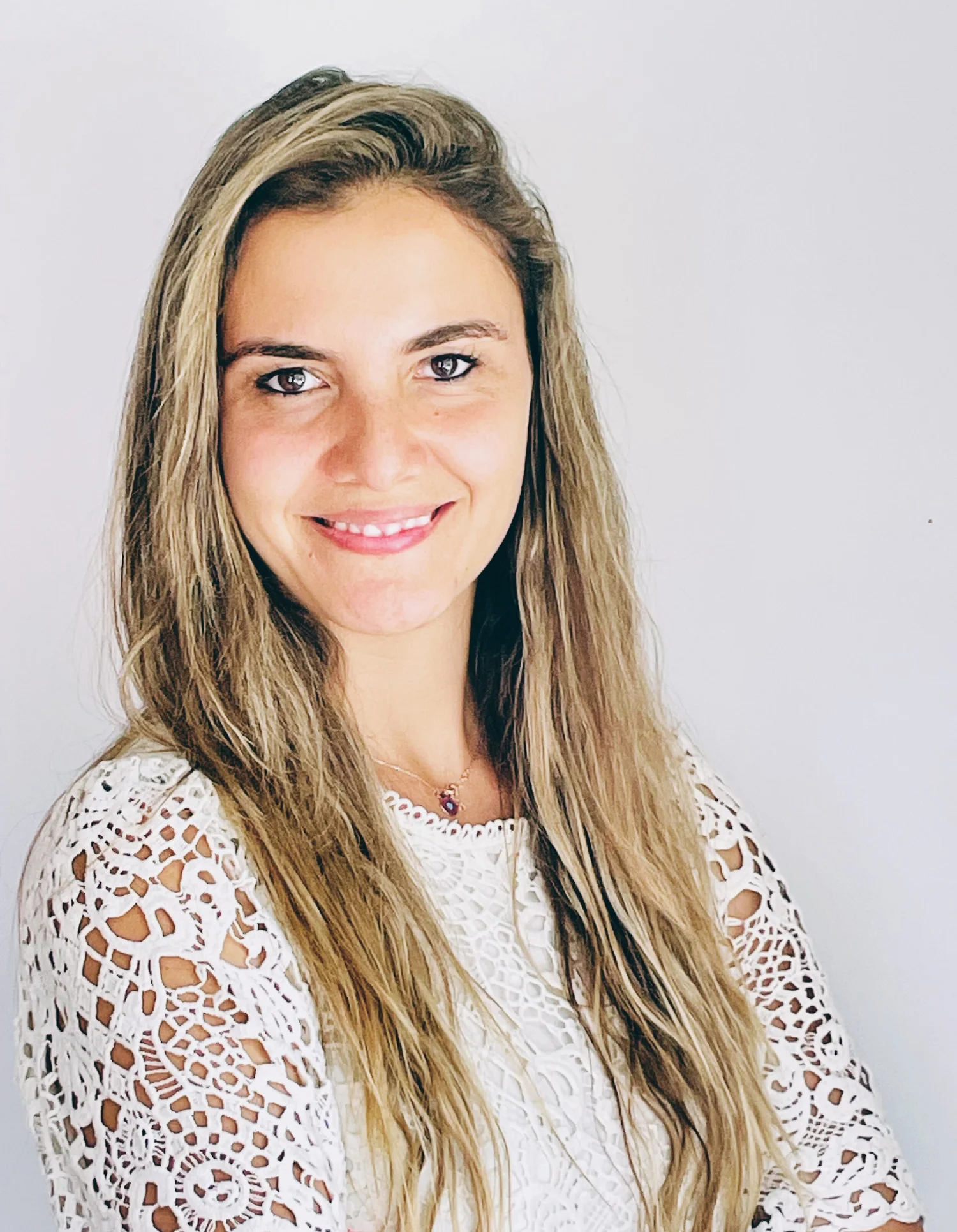
na mbụ bipụtara na STAT, By Burcin Ikiz na Clayton Page Aldern
Aug. 19, 2025
Ikiz is an award-winning neuroscientist, the founder of EcoNeuro, the chair of the International Neuro Climate Working Group at Columbia University, and an adjunct lecturer in the Department of Psychiatry at Stanford University.
Chọpụta ihe ndị ọzọ na webụsaịtị ya: Burcin Ikiz PhD

Site n'ikike nke Clayton Page Aldern
Aldern is a senior data reporter at Grist, a research affiliate at the University of Washington’s Center for Studies in Demography & Ecology, and the author of "Arọ nke okike: ka ihu igwe na-agbanwe agbanwe si agbanwe ụbụrụ anyị."
Ka ị nweta atụkwu ederede Aldern, gaba na 'Onye ọ bụla nwere ebe mgbawa': ka nsogbu ihu igwe si emetụta ụbụrụ anyị, na The Guardian.
Ị nwekwara ike mụtakwuo na webụsaịtị ya: https://claytonaldern.com/
Kedu ka ọkụ na-agba n'ọhịa si emebi mmepe ụbụrụ ụmụaka
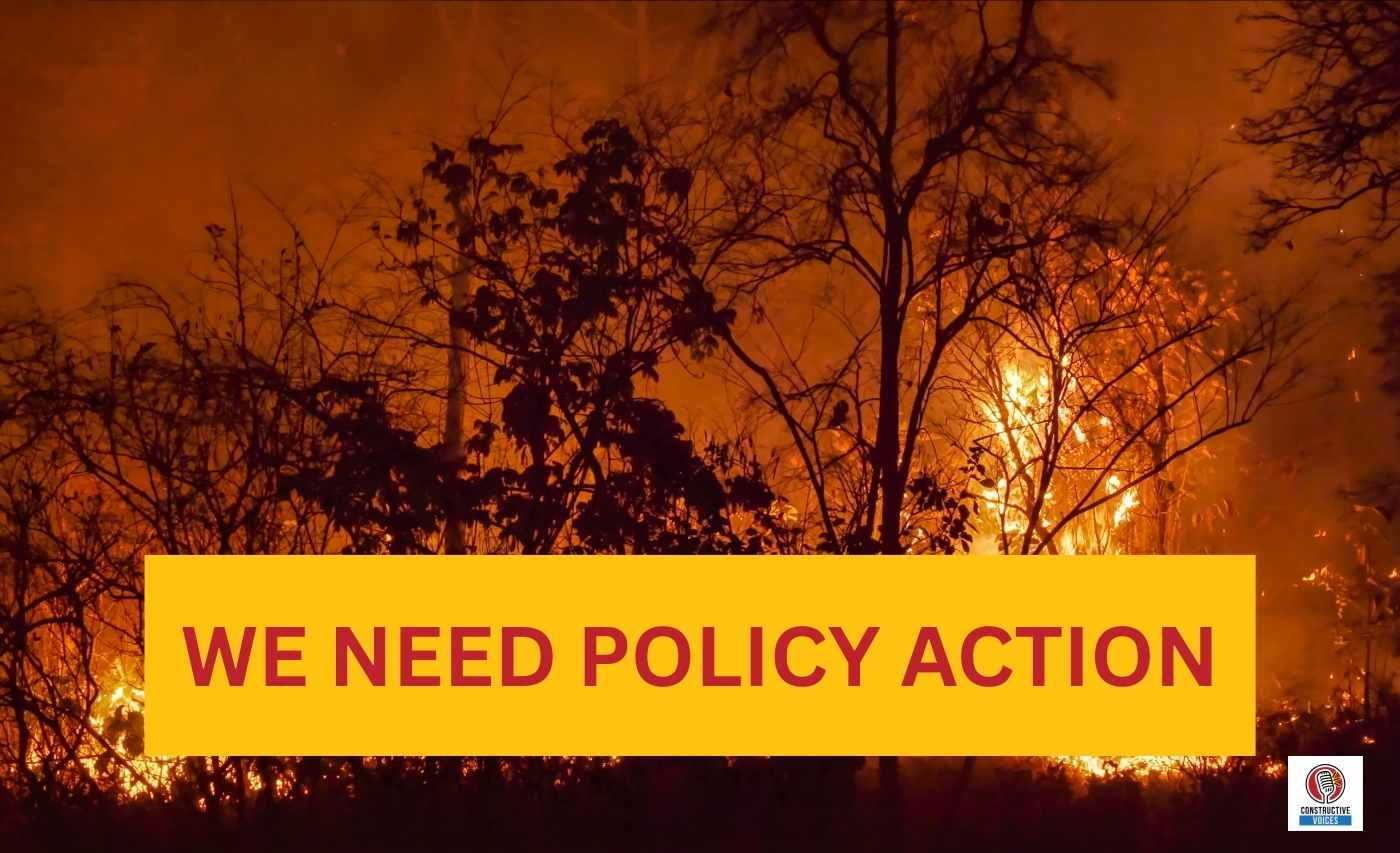
Na Jenụwarị 2025, otu n'ime Ọkụ na-egbu egbu kacha egbu n'akụkọ ihe mere eme US bibiri ọtụtụ mpaghara na mpaghara Los Angeles, gụnyere Pacific Palisades na Altadena. Ọnụ ọgụgụ ndị ahụ ozugbo dị egwu: opekata mpe, mmadụ iri atọ nwụrụ, ihe karịrị mmadụ 200,000 chụpụrụ, na ihe karịrị 18,000 obibi na ihe owuwu bibiri. Ọzọkwa, a nnyocha ekwuru na ọkụ ndị a jikọtara ya na ọnwụ karịrị 440 na mpaghara ahụ.
N'agbanyeghị nke a, ọnụọgụgụ ndị a anaghị ejide oke mmebi ahụ. Mmetụta ọdachi ahụ na ụbụrụ anyị na-amalite na-apụta
Ihe akaebe nke oge a dị egwu. Ikpughe anwụrụ ọkụ na ọgbaghara n'oge windo mmepe dị oke egwu nwere ike gbanwee nhazi na ọrụ ụbụrụ. Otu ọmụmụ ihe n'ala found that prenatal exposure to air pollution — the kind generated by wildfires, for example — was associated with measurable changes in fetal brain morphology, including reduced cortical folding and increased cerebrospinal fluid space. These changes were most pronounced when exposure occurred during mid-to-late pregnancy.
Ihe ọ pụtara dị omimi. Ụmụ nwanyị dị ime ndị na-ekuru anwụrụ ọkụ dị ize ndụ n'ime ụbọchị January ndị ahụ na LA nwere ike ịmụ ụmụaka nwere mgbanwe dị nro ma dị ịrịba ama na mmepe ụbụrụ. Ndị na-eto eto a nwere ike ịnwe nnukwu nsogbu nke nsogbu nlebara anya, nkwarụ mmụta, na ihe ịma aka omume nke nwere ike ọ gaghị apụta ruo mgbe ha ruru akwụkwọ.
Mmetụta na-agbatị karịa afọ ime. Nnyocha a na-eme ugbu a has illustrated that exposure to fine particulate matter from wildfires is a greater risk factor for dementia than that from other sources (like car exhaust). Similarly, a study on California’s 2018 Camp Fire kpughere na ikpughe na trauma sitere na ọdachi ihu igwe na-agbanwe n'ụzọ bụ isi na-agbanwe ikike ime mkpebi. N'iji nkà na ụzụ na-ese onyinyo ụbụrụ, ndị ọrụ ibe chọpụtara na ndị lanarịrị ọkụ n'ọhịa gosipụtara nhazi ụgwọ ọrụ na-adịghị mma na mgbanwe ọrụ akwara na mpaghara dị mkpa maka nlebara anya na ọrụ nchịkwa. Nke kasị enye nsogbu, mgbanwe ndị a nọgidere ruo ihe karịrị otu afọ mgbe ọdachi ahụ gasịrị.
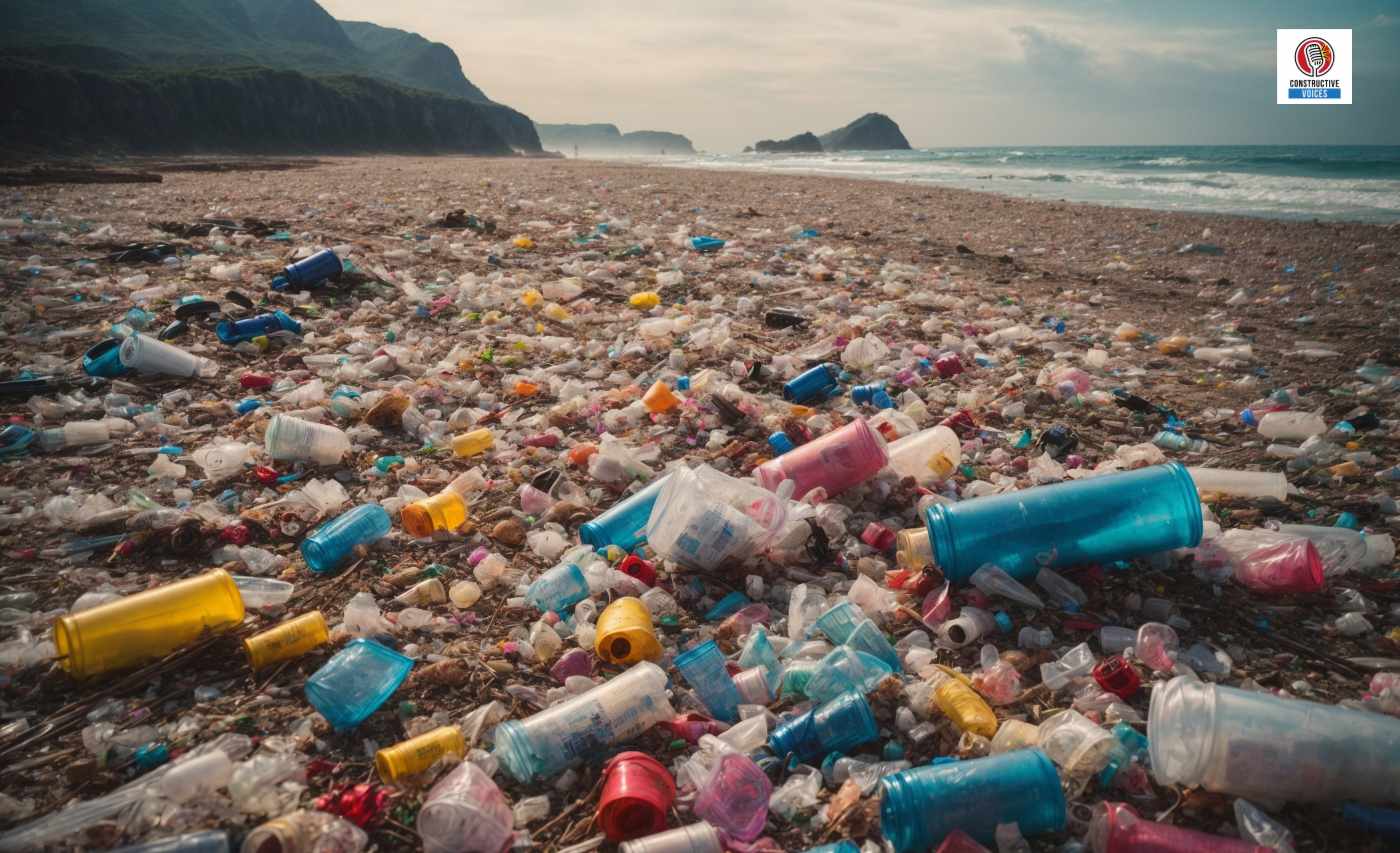
Ụmụaka na-enwekarị nsogbu. Otu nnyocha e mere na nso nso a nsochi ụmụaka ekpughere mmetọ ikuku n'oge mmalite mmalite hụrụ mbelata arụmọrụ ọgụgụ isi yana usoro ụbụrụ gbanwere nke nwere ike ịdịgide ruo n'oge uto. Ụbụrụ na-emepe emepe na-enwe mmetụta dị ukwuu na nsị gburugburu ebe obibi, na mmanya mmanya nke mmetọ na-ewepụta mgbe agbata obi na-ere ọkụ - gụnyere ọla dị arọ, plastik, na ọtụtụ ogige kemịkalụ (gụnyere ọkụ ọkụ na-eji emenyụ ọkụ) - na-ebute ihe egwu na-enwetụbeghị ụdị ya.
N'ezie, ụfọdụ n'ime ihe egwu ndị a nwere ike ịpụta na obere oge. Mana ndị obodo ka na-amalite ịghọta mmetụta na-adịte aka nke ikpughe ihe ndị na-emetọ ikuku na-emerụ ikuku, ala, na mmiri ma na-aga n'ihu na-eme ya ka mkpocha ihe mkpofu na-amalite mmetọ karịa.
Understanding these long-term health impacts is particularly complex because the neurological effects in question aren’t limited to smoke exposure. The psychological trauma of losing homes, communities, and loved ones creates what researchers call “climate trauma”: a distinct form of mental and cognitive health impairment that affects brain function in measurable ways. Behavioural and psychological effects have been documented in recent iche echiche ahụ ike nyocha nke LA na Maui ndị lanarịrị ọkụ ọhịa. Nyocha ụbụrụ nke ndị lanarịrị ọdachi show hyperactivity na mpaghara jikọtara ya na nchekasị na nchekasị, tinyere ọrụ na-adịghị mma na mpaghara ndị na-ahụ maka ime mkpebi na nhazi mmetụta uche.
Ikekwe nke kachasị, nhụsianya akwara ozi ndị a na-apụta na-abawanye n'ọgbọ.
Nnyocha na-apụta na-atụ aro na mmerụ ahụ na mkpughe gburugburu ebe obibi nwere ike ịgbanwe usoro okwu mkpụrụ ndụ ihe nketa nke a na-enyefe ụmụaka na ụmụ ụmụ, ihe a maara dị ka ihe nketa epigenetic. Ọ nwere ike were ọtụtụ iri afọ ịghọta mmebi nke ọkụ ọhịa ndị a na-adịbeghị anya.
N'agbanyeghị ihe akaebe a na-arị elu, usoro nzaghachi ọdachi anyị ugbu a adịghị njikere nke ukwuu iji dozie mmetụta ahụike akwara ozi. Usoro ihe mberede na-elekwasị anya na mkpa ahụike ozugbo na ebe obibi dị mkpirikpi, na-enweghị obere echiche maka ichekwa ahụike ụbụrụ ma ọ bụ nyochaa nsonaazụ akwara ogologo oge. Amụma ịnshọransị anaghị ekpuchi ntule pụrụ iche achọrọ iji chọpụta mgbanwe nghọta aghụghọ, yana Ike uche akụrụngwa na-anọgide na-enwechaghị ego. Ọzọkwa, nkwụsị nke usoro nlekọta ahụike na-egbochi nlekọta na-aga n'ihu nke ndị nwere ọrịa akwara ozi ma ọ bụ ọnọdụ ahụike uche na-adabere na ya, nke nwere ike ime ka ọganihu ọrịa dịkwuo elu ma ọ bụ mee ka mgbaàmà dịkwuo njọ.
Anyị kwesịrị ịgbanwe ụzọ anyị si aga. Ka ọdachi ihu igwe na-akawanye njọ ma na-akawanye njọ, ichebe ahụike akwara ozi ga-abụ akụkụ bụ isi nke nkwadebe ihe mberede na mbọ mgbake.
Anyị chọrọ usoro ahaziri ahazi iji nyochaa mmetụta ahụike ụbụrụ n'ime ndị mmadụ ekpughere, ọkachasị ụmụaka na ụmụ nwanyị dị ime. Anyị chọrọ mmemme itinye aka n'oge iji kwado mmepe ụbụrụ kacha mma n'ime obodo ndị metụtara.
And we need policies that account for the full neurological cost of climate change when making decisions about everything from urban planning to health care resource allocation.
Ọkụ ndị a na-egosipụtakwa ajụjụ ndị dị oke mkpa banyere ikpe ziri ezi. Ogbe ndị nwere agba na agbataobi ndị na-akpata obere ego, bụ ndị ekpugherela na mmetọ ikuku na-ezighi ezi, na-ebute ihe ndị a. ibu kacha arọ nke mmetụta ọkụ ọhịa. Otu obodo ndị a na-enwekarị ohere ịnweta akụrụngwa nlekọta ahụike dị mkpa iji dozie nsonaazụ nke akwara ozi, na-emepụta usoro gburugburu ebe obibi na esemokwu ahụike nke ga-adịgide ruo ọtụtụ ọgbọ.
N'ịga n'ihu, anyị ga-atụgharịrịrị n'ụzọ zuru ezu ka anyị si atụ mmetụta ọdachi. Mmebi ihe onwunwe na ihe ndị e merụrụ ozugbo na-anọchi anya naanị ntakịrị ntakịrị nke ọnụ ahịa obodo. Ọnụ ọgụgụ akwara ozi - adịghị ike nghọta, nkwarụ mmụta, nsogbu nlebara anya, na igbu oge mmepe - ga-emetụta ọtụtụ ezinụlọ ruo ọtụtụ iri afọ na-abịa. Nyocha gbasara akụ na ụba na-eleghara ụgwọ ndị a zoro ezo anya na-eleda ezigbo ọnụ ahịa mgbanwe ihu igwe anya.
Naanị nyocha ezughi oke. Anyị chọrọ ike ọha ndị ọrụ na-ewere nchedo akwara ozi nke ọma, ndị na-eme atụmatụ obodo na-atụle ahụike ụbụrụ na nhazi nhazi, na ndị na-eme iwu na-aghọta na ọgụ megide mgbanwe ihu igwe bụ isi ọgụ maka ọdịnihu nke cognition mmadụ.
While we cannot undo the fires, we can still work to protect the developing brains of the next generation if we act with the urgency this crisis demands.
Ọ dabara nke ọma, ụbụrụ - karịsịa ụbụrụ na-eto eto - na-agbanwe agbanwe nke ukwuu. N'ihi neuroplasticity ya, ụmụaka na-enwekarị ikike ịgbake site na mkparị gburugburu ebe obibi, wughachi njikọ akwara, na imeghari omume ha, nyere nkwado ziri ezi, nchekwa, na nlekọta. Ma oge adịghị n'akụkụ anyị. Ihe mberede ihu igwe bụkwa ihe mberede akwara ozi, anyị kwesịrị ịgwọ ya dị ka nke a.
Burcin Ikiz PhD will be part of a series on Neurosustainability in October 2025, featuring the work of Mohamed Hesham Khalil.