




생물 다양성을 높이는 아키텍처는 무엇입니까?
11 월 2024 업데이트
어떻게 했는지 궁금하신가요? 건축은 생물 다양성을 촉진할 수 있다? There is a growing trend in the design industry to create nature-positive buildings that prioritize environmental sustainability and enhance 생물 다양성. Nature-positive architecture considers the ecological impact of buildings and aims to create structures that work in harmony with nature. Here is how architecture increases biodiversity.
Over the years, human activities have caused significant harm to the environment and resulted in a decline in biodiversity. However, through thoughtful design, architecture can help reverse this trend by creating habitats for wildlife, improving air quality, and reducing carbon emissions. In this article, we will explore how architecture can increase biodiversity and foster a healthier and more sustainable environment.

스카이티비 캠퍼스 알렉산드라 말
생물 다양성과 그 이점 이해
생물다양성(Biodiversity)은 지구상의 생명체의 다양성을 의미하며, including the variety and variability of all living organisms, including ecosystems, species, and genetic diversity. Biodiversity contributes to a healthy and sustainable environment by providing essential ecosystem services such as air and water purification, nutrient cycling, and climate regulation, all of which are crucial for human well-being.
The benefits of biodiversity in relation to architecture are numerous. Biodiversity-friendly architecture can help create a balance between human-made structures and the natural environment, promoting a sustainable and healthy coexistence. With rapidly expanding urban areas, incorporating biodiversity into architectural design can create habitats for local flora and fauna, increase green spaces, and enhance the aesthetic beauty of urban landscapes.
Architecture can also play a crucial role in preserving and restoring biodiversity in areas affected by habitat loss and fragmentation, such as urban areas. By blending the built environment with green infrastructure, architects can help create a healthier and more sustainable future.
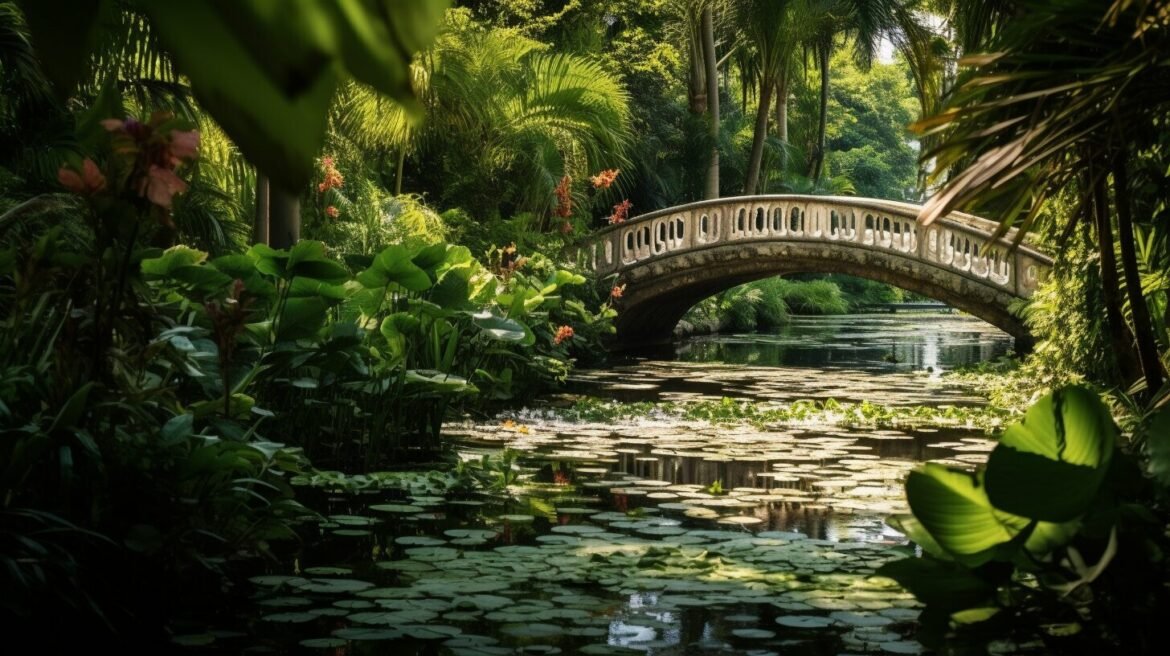
“생물다양성 친화적인 건축은 인간이 만든 구조물과 자연 환경 사이의 균형을 만들어 지속 가능하고 건강한 공존을 촉진하는 데 도움이 될 수 있습니다.”
생물 다양성 보존에서 건축의 역할
Architecture has a crucial role to play in biodiversity conservation. By designing buildings and landscapes that prioritize nature, architects can help to create environments that support and enhance local ecosystems. This can improve biodiversity, which is important for maintaining healthy and sustainable environments.
Biodiversity refers to the variety of life on Earth, including all forms of plants, animals, and microorganisms. It is essential for maintaining the balance of ecosystems and providing humans with resources such as food, fuel, and medicine. By conserving biodiversity, we can help to ensure the long-term health and sustainability of our planet.
Architects can contribute to biodiversity conservation by considering the potential impact of their designs on the local environment. This means designing buildings and landscapes that are sensitive to the needs of local ecosystems and that incorporate features that support wildlife and plant life.
| 생물다양성을 지원할 수 있는 건축적 특징의 예: | 지역 생태계에 대한 이점: |
|---|---|
| 녹색 지붕과 살아있는 벽 | Provide habitat for plants and insects, reducing urban heat island effect and improving air quality. |
| Wildlife habitats in building design | 새와 박쥐가 둥지를 틀 수 있는 기회를 만드세요. |
| 자연 채광 및 환기 극대화 | 에너지 사용을 줄이고 실내 공기질을 개선합니다. |
| Sustainable material choices and construction practices | Reduces waste and carbon footprint. |
건축이 지역 생태계에 미치는 영향
건축 설계는 지역 생태계에 큰 영향을 미칠 수 있습니다. 건물과 풍경은 다음과 같은 여러 가지 방식으로 지역 환경에 영향을 미칠 수 있습니다.
- 자연 배수 패턴의 변화
- 새와 다른 동물의 이주 패턴 중단
- Fragmentation of habitats, which can reduce the population of native species
- Increased pollution and greenhouse gas emissions
건축가는 이러한 요소를 고려하여 설계가 지역 생태계에 미치는 영향을 최소화하고 생물 다양성을 촉진하기 위해 노력할 수 있습니다.
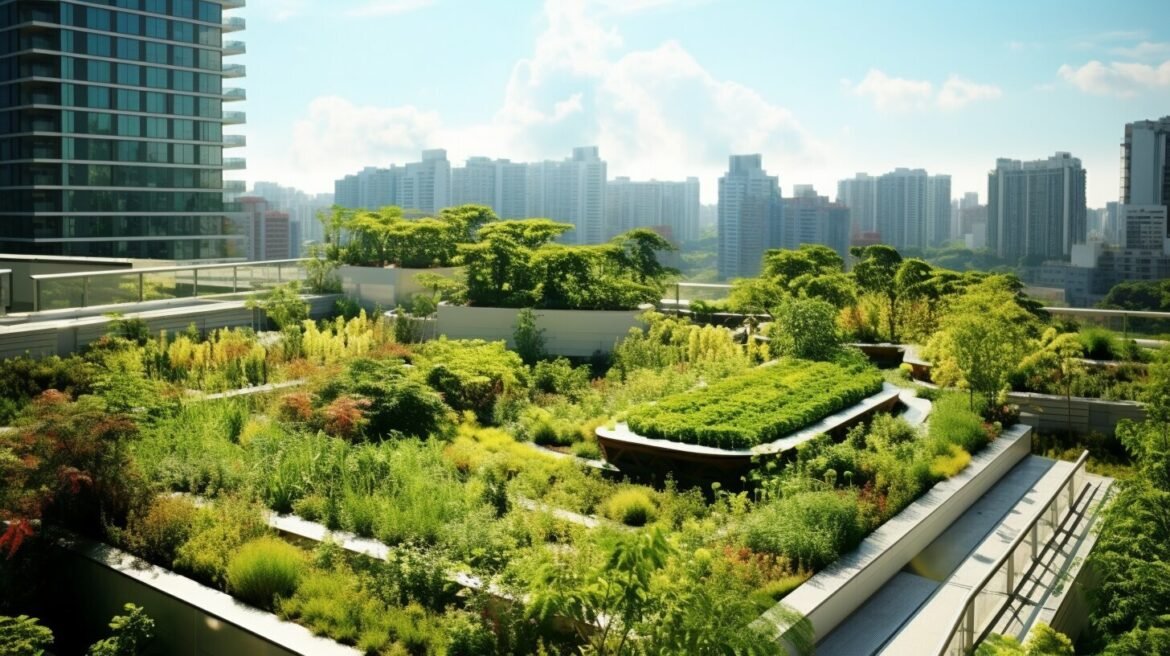
Integrating the needs of local ecosystems into architectural design can provide significant benefits for both the environment and human communities. Nature-positive architecture has the potential to create healthier, more sustainable environments that support biodiversity and promote a better quality of life for all. 너는 또한 찾아 낼지도 모른다 도시 자연 기반 솔루션을 제공하는 방법 유능한.
도시 건축에 생물다양성을 통합하다
Urban areas often experience a lower level of biodiversity due to the prevalence of hard surfaces and lack of green spaces. However, architecture can play a crucial role in promoting biodiversity in urban environments through nature positive design.
도시 건축에 생물다양성을 통합하기 위한 효과적인 전략 중 하나는 녹색 지붕과 살아있는 벽을 사용하는 것입니다. 이러한 기능은 새, 곤충 및 기타 야생 동물에게 필수적인 서식지를 제공하고 공기 질 개선 및 에너지 비용 절감을 포함하여 건물 거주자에게 다양한 이점을 제공합니다. 녹색 지붕과 생활 벽에 대한 설계 고려 사항에는 지역 환경에 적합한 식물 종을 선택하고 물과 햇빛에 대한 적절한 접근을 보장하는 것이 포함됩니다.
도시 건축에서 생물다양성을 촉진하는 또 다른 중요한 측면은 건물 설계에 야생동물 서식지를 통합하는 것입니다. 여기에는 새집, 박쥐 상자 및 지역 야생 동물에게 피난처와 둥지 기회를 제공하는 기타 기능이 포함될 수 있습니다. 예를 들어, 박쥐 상자를 건물에 통합하면 곤충 개체수를 통제하고 합성 살충제의 필요성을 줄이는 데 도움이 될 수 있습니다.
Maximizing natural light and ventilation can also play a role in enhancing biodiversity in urban architecture. By optimizing building designs to take advantage of natural resources, architects can create healthier and more sustainable environments while also promoting biodiversity. For example, incorporating shading devices and orienting buildings to reduce direct sunlight can help to regulate temperatures and reduce energy consumption, while also providing habitat for shade-loving plants and animals.
Sustainable material choices and construction practices are another key element of biodiversity-friendly architecture. Using eco-friendly materials, such as recycled or low-emission products, can help to reduce the environmental impact of a building project. Additionally, minimising waste during construction and implementing sustainable building techniques, such as passive solar heating, can help to create more sustainable and biodiverse environments.
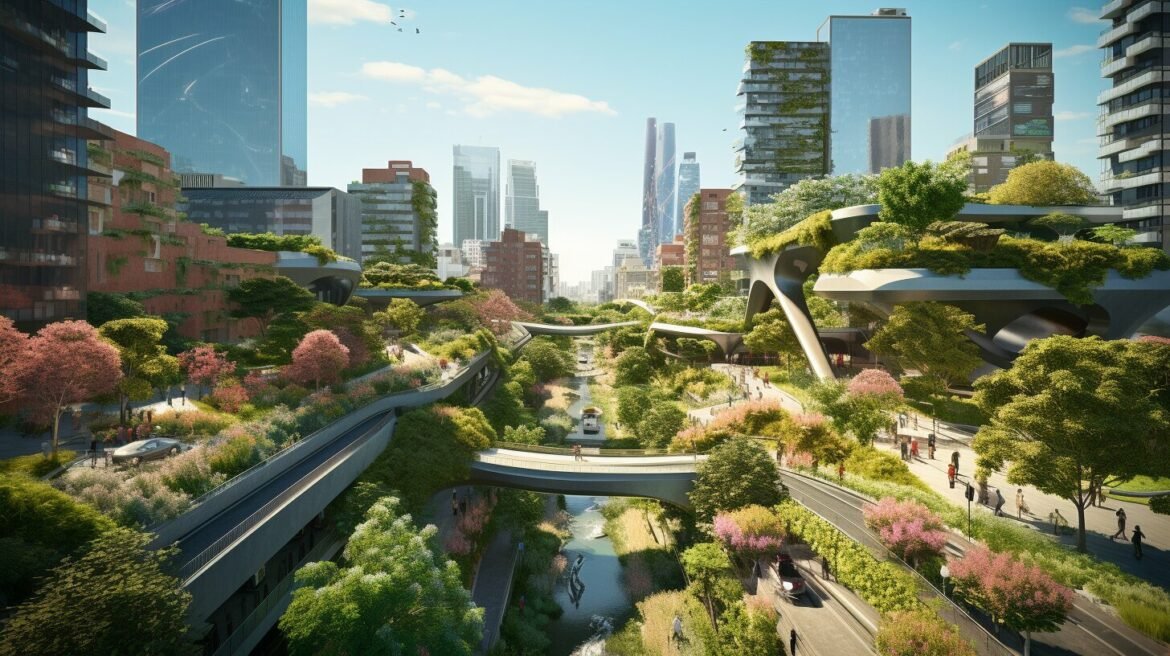
자연 친화적인 도시 건축의 혁신적인 사례
One example of successful nature-positive urban architecture is the Bosco Verticale in Milan, Italy. This unique residential building features over 900 trees and over 2000 plants, creating a vertical forest that promotes biodiversity and reduces air pollution. Another example is the Namba Parks building in Osaka, Japan, which incorporates a series of rooftop gardens and terraces that provide essential habitats for local wildlife.
| 주요 요점 |
|---|
|
녹색 지붕과 살아있는 벽
녹색 지붕과 살아있는 벽은 미적 매력뿐만 아니라 환경에 유익한 영향을 미치기 때문에 현대 건축에서 점점 인기를 얻고 있습니다. 이러한 기능은 콘크리트 정글과 같은 환경을 번성하는 생태계로 변화시켜 생물 다양성을 높이고 대기 질을 향상시킬 수 있습니다.
옥상 정원으로도 알려진 녹색 지붕은 건물 옥상에 식물을 설치하여 하늘에 미니 공원을 만드는 것을 포함합니다. 열을 흡수하고 자연 단열을 제공하여 건물 난방 또는 냉방에 필요한 에너지를 줄임으로써 도시 열섬 효과를 줄이는 데 도움이 됩니다. 또한 빗물을 흡수하여 빗물 유출을 줄여 홍수 위험을 줄이는 데 도움이 됩니다.
Living walls, or vertical gardens, are another way to incorporate greenery into urban environments. These walls can be made up of a variety of plants, including flowers, ferns and herbs, creating a vertical garden that can improve air quality and offer a habitat for pollinators such as bees and butterflies.
녹색 지붕과 살아있는 벽을 설계하고 유지하려면 신중한 고려가 필요합니다. 토양 깊이, 수분 보유, 관개 시스템과 같은 요소는 이러한 기능의 성공에 매우 중요합니다. 누출이나 건물 구조 손상과 같은 문제를 방지하려면 지역 기후에 적합한 식물을 선택하고 적절한 유지 관리를 보장하는 것이 중요합니다.
그러나 생물 다양성을 촉진하고 도시 환경을 향상시키는 녹색 지붕과 생활 벽의 이점으로 인해 모든 자연 친화적 건축 프로젝트에 대한 가치 있는 투자가 됩니다.
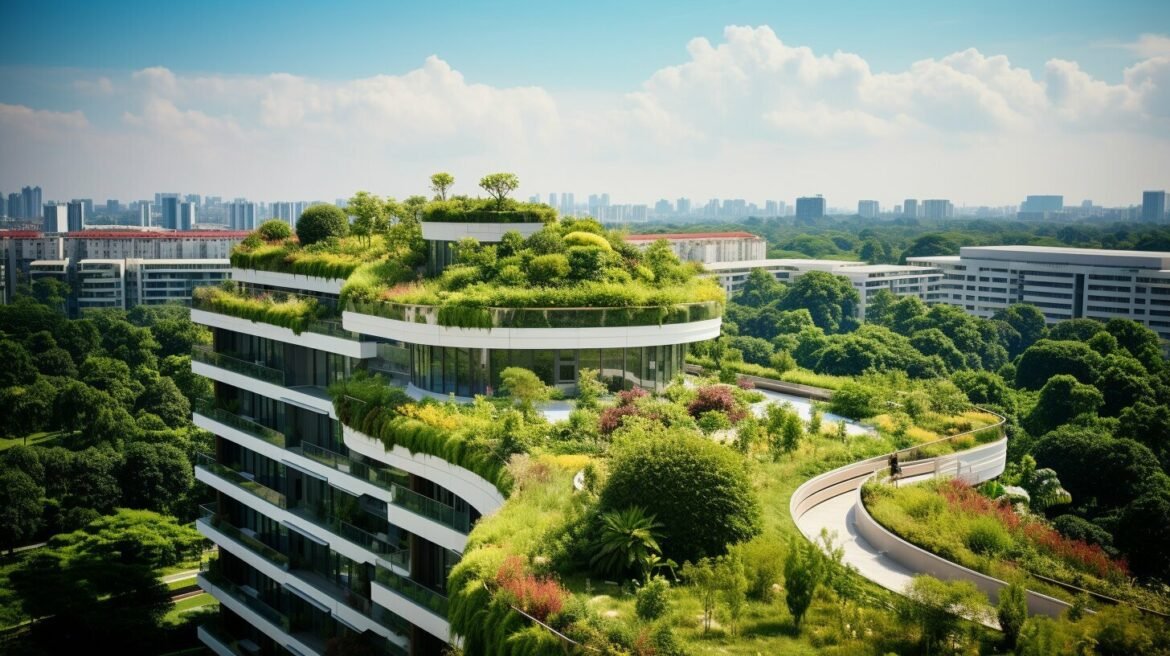
생물 다양성 보존에서 건축의 역할
건축은 생물다양성 보존에 중요한 역할을 합니다. 도시와 농촌의 건물 설계는 지역 생태계에 상당한 영향을 미칠 수 있습니다. 생물 다양성을 지원하는 요소를 통합함으로써 건축가는 인간과 야생 동물 모두에게 이익이 되는 지속 가능하고 건강한 환경을 만들 수 있습니다.
생물다양성 친화적 건축의 중요한 측면 중 하나는 건물 설계 내에 야생동물 서식지를 조성하는 것입니다. 새집, 박쥐 상자 및 지역 야생 동물을 지원하는 기타 기능을 통합하기 위해 혁신적인 접근 방식이 취해졌습니다. 예를 들어, 런던에 본사를 둔 회사인 Studio Weave는 새들이 벽에 둥지를 틀 수 있도록 특별히 디자인된 속이 빈 벽돌을 갖춘 건물을 만들었습니다. 컬러 생태학(Ecology of Colour)으로 알려진 이 프로젝트는 이전에 불모지였던 도시의 지역에서 생물 다양성을 높이는 데 도움이 되었습니다.
건축물이 생물 다양성을 지원할 수 있는 또 다른 방법은 자연 채광과 환기를 극대화하는 것입니다. 천연 자원을 활용하도록 건물 설계를 최적화함으로써 건축가는 생물 다양성을 향상시키는 동시에 에너지 소비를 줄일 수 있습니다. 이러한 접근 방식은 지역 생태계를 지원할 뿐만 아니라 지구 환경 문제를 해결하는 데도 도움이 됩니다.
| 자연 채광 및 환기 극대화의 이점 |
|---|
| 에너지 소비 감소 |
| 생물 다양성을 향상시킵니다 |
| 글로벌 환경 문제를 지원합니다. |
Sustainable material choices and construction practices are also important in biodiversity-friendly architecture. The use of recycled materials, minimising waste, and implementing eco-friendly building techniques can significantly reduce the environmental impact of construction projects and support local ecosystems.
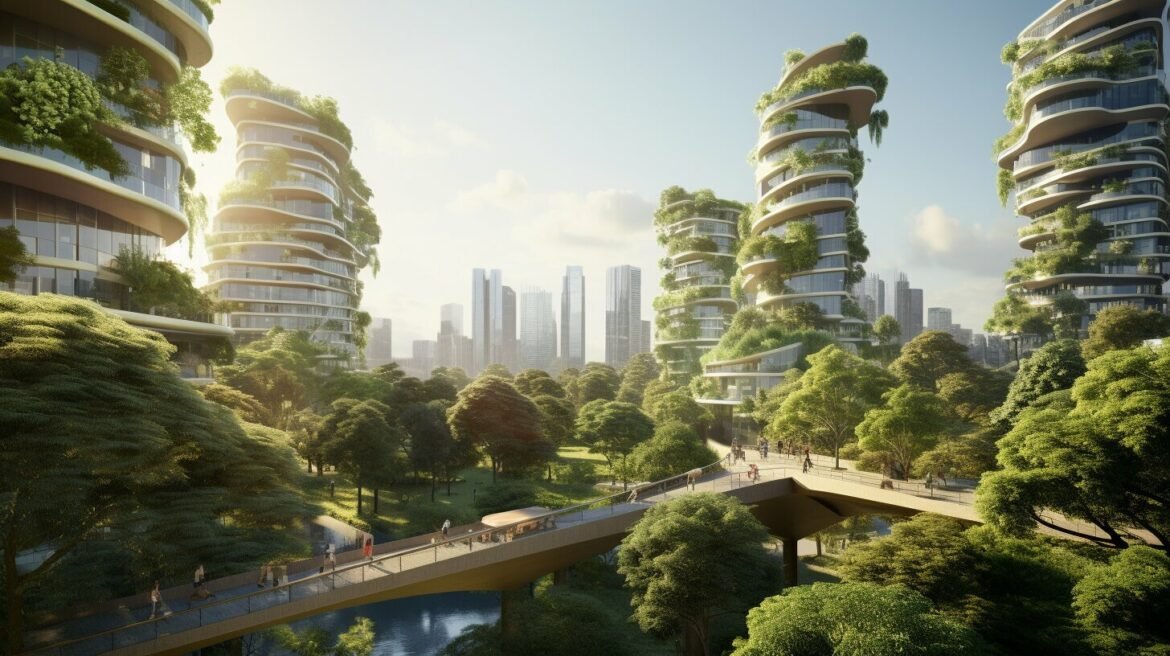
건물 설계에 야생동물 서식지 통합
건물 설계 내에서 야생동물 서식지를 만드는 것은 도시 환경의 생물 다양성을 향상시키는 효과적인 전략입니다. 건축가는 녹색 지붕, 살아있는 벽, 새 및 곤충 서식지와 같은 기능을 통합하여 지역 야생 동물을 지원할 수 있습니다.
녹색 지붕은 도시 지역에서 점점 인기를 얻고 있으며 인간과 야생 동물 모두에게 다양한 이점을 제공합니다. 이는 도시의 열섬을 줄이고, 대기 질을 개선하며, 단열을 제공하고, 다양한 동식물 종의 서식지를 만드는 데 도움이 됩니다. 또한 녹색 지붕은 빗물 유출을 줄이는 데 도움이 되어 오염과 홍수 위험을 줄일 수 있습니다.
"건물 설계 내에서 야생동물 서식지를 만드는 것은 도시 환경의 생물 다양성을 향상시키는 효과적인 전략입니다."
살아있는 벽은 도시 지역의 생물 다양성을 향상시키는 또 다른 효과적인 방법입니다. 건축가는 건물 외부를 식물로 덮음으로써 다양한 식물과 동물 종의 서식지를 만들 수 있습니다. 살아있는 벽은 또한 도시 열섬을 줄이고 공기 질을 개선하는 데 도움이 될 수 있습니다.
건축가는 새와 곤충 서식지를 건물 설계에 통합할 수도 있습니다. 이러한 기능에는 새집, 박쥐 상자 및 지역 야생 동물을 지원하는 기타 구조물이 포함될 수 있습니다. 건축가는 건물 설계 내에 이러한 서식지를 조성함으로써 도시 지역의 생물 다양성을 강화하고 건강한 생태계를 지원하는 데 도움을 줄 수 있습니다.
- 녹색 지붕은 인간과 야생 동물 모두에게 혜택을 제공합니다
- 살아있는 벽은 다양한 식물과 동물 종의 서식지를 만들 수 있습니다.
- 조류와 곤충 서식지는 지역 야생동물을 지원하고 생물다양성을 향상시킵니다.
지속가능하고 건강한 환경을 조성하기 위해서는 생물다양성 친화적인 건축이 필수적입니다. 건축가는 지역 생태계를 지원하는 요소를 통합함으로써 인간과 야생 동물 모두에게 이익이 되는 건물을 만들 수 있습니다.
자연 채광 및 환기 극대화
생물 다양성을 촉진하는 건축물을 만들 때 자연 채광과 환기가 지역 생태계를 향상시키는 역할을 고려하는 것이 중요합니다. 이러한 천연 자원에 대한 접근성을 극대화하도록 건물을 신중하게 설계함으로써 건축가는 보다 지속 가능하고 주변 환경에 더욱 친근한 공간을 만드는 데 도움을 줄 수 있습니다.
자연 채광과 환기의 이점은 다양합니다. 예를 들어, 인공 조명과 에어컨의 필요성을 줄여 에너지 소비를 줄이는 데 도움이 될 수 있습니다. 이는 결과적으로 탄소 배출을 줄이고 모두를 위한 보다 지속 가능한 미래에 기여할 수 있습니다. 또한 자연 채광과 환기는 기분과 생산성을 향상시키는 것으로 밝혀진 신선한 공기와 자연 채광에 대한 접근을 제공함으로써 건물 거주자의 웰빙을 개선하는 데 도움이 될 수 있습니다.
하지만 건축가는 어떻게 생물 다양성을 촉진하면서 이러한 이점을 극대화할 수 있습니까? 한 가지 접근 방식은 채광창, 창문, 환기 시스템과 같은 기능을 통합하여 천연 자원에 더 많이 접근하는 것입니다. 이는 공간이 부족하고 녹지가 제한적인 도시 환경에서 특히 효과적일 수 있습니다.
By prioritizing natural light and ventilation, architects can help to create buildings that are both functional and sustainable, while also enhancing the local ecosystem. Whether you’re designing a new building from scratch or retrofitting an existing structure, it’s important to consider how you can make the most of these natural resources.
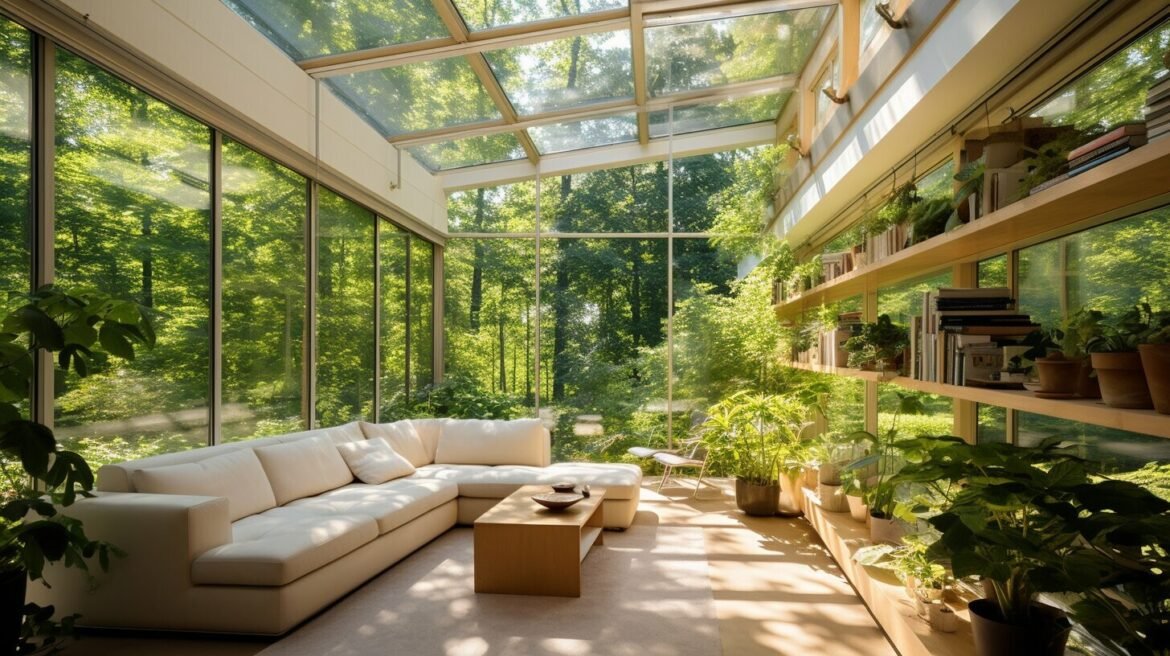
지속 가능한 재료 선택 및 건설 관행
Aside from creating beautiful and functional spaces, architecture has a significant impact on the environment. The construction and operation of buildings account for a significant portion of global greenhouse gas emissions. Therefore, it’s essential to use sustainable materials and construction practices to mitigate the environmental impact of architecture while promoting biodiversity.
생물다양성 친화적인 프로젝트를 계획할 때 건축가는 내재에너지가 낮은 자재, 재활용 가능하거나 바이오 기반 건축 자재 및 제품을 고려해야 합니다.
Using recycled materials and minimizing waste can also reduce a project’s environmental impact. By reusing building materials, architects can reduce the amount of waste that goes to landfills. Choosing locally available, renewable materials also reduces transportation costs, energy consumption, and greenhouse gas emissions.
건설 과정은 지속가능성 노력에도 중요합니다. 패시브 태양광 설계와 같은 친환경 건축 기술은 에너지 소비를 줄일 수 있으며, 녹색 지붕과 벽은 도시 열섬 현상을 줄이고 공기 질을 향상시킬 수 있습니다.
지속 가능한 자재 선택과 건축 관행을 우선시함으로써 건축가는 환경에 대한 피해를 최소화하면서 생물 다양성을 촉진하는 프로젝트를 만들 수 있습니다.
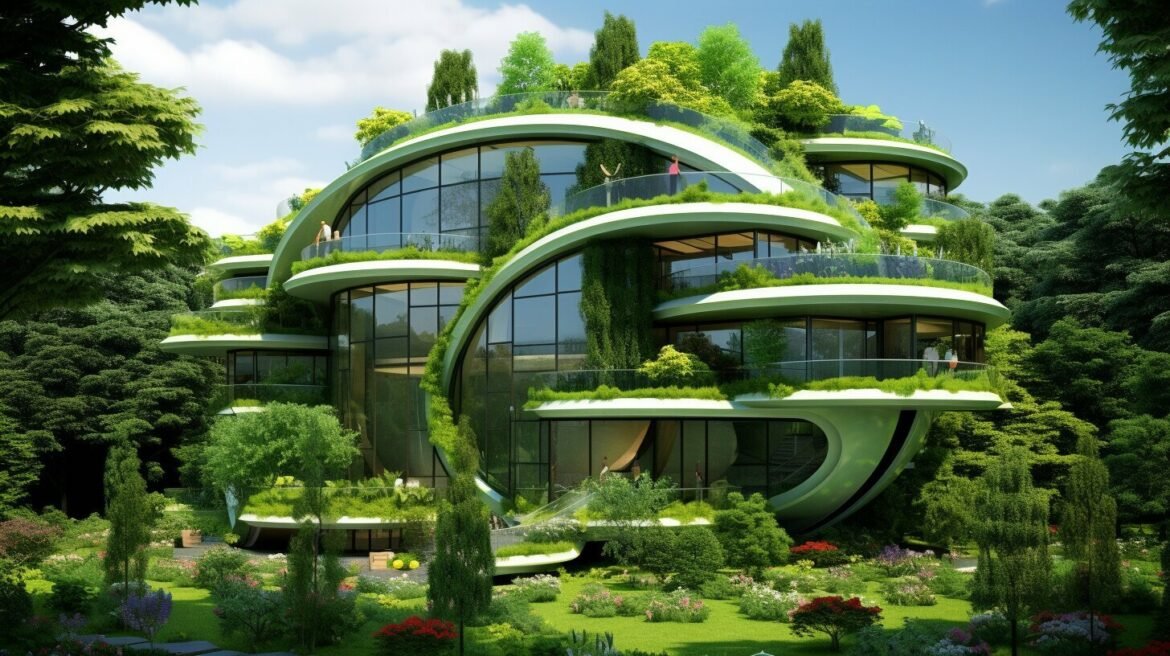
지속 가능한 재료 선택과 건축 관행을 통합하는 것은 건축의 생물 다양성을 촉진하는 데 중요합니다.
생물다양성 보존에 있어 지역사회 참여의 역할
Community involvement is crucial to the success of biodiversity-friendly architectural projects. Engaging local communities in the planning and development process can create a sense of ownership and responsibility for the sustainable development of their surroundings. By raising awareness of the importance of biodiversity and involving residents in decision-making, architects can foster a sense of pride and respect for the natural environment.
There are many ways to engage communities in biodiversity conservation efforts. Holding public consultations and workshops can provide a platform for residents to voice their concerns and ideas, as well as learn more about the project. This can help to build trust and positive relationships between architects, developers and the community.
건축가는 생물다양성 친화적인 프로젝트에 지역 학교와 교육 기관을 참여시킬 수도 있습니다. 교육적 요소를 디자인에 통합함으로써 건축가는 학습 기회를 창출하고 미래 세대가 환경을 소중히 여기고 보호하도록 영감을 줄 수 있습니다.
또한 건축가는 지역 NGO 및 보존 단체와 협력하여 프로젝트의 장기적인 지속 가능성을 보장할 수 있습니다. 이러한 파트너십은 생물다양성 친화적인 프로젝트를 위한 귀중한 전문지식, 자원, 자금을 제공할 뿐만 아니라 지역사회 내에서 지원과 추진력을 구축하는 데 도움이 될 수 있습니다.
지역 사회를 생물다양성 친화적 건축에 참여시키면 더욱 성공적이고 지속 가능한 프로젝트로 이어질 수 있습니다. 건축가는 주민들을 계획 및 개발 과정에 참여시킴으로써 자연 환경에 대한 소유감과 책임감을 조성하고 생물다양성 보존 문화를 육성할 수 있습니다.
건축은 Alexandra Steed URBAN과 함께 생물다양성을 증가시킵니다.
Alexandra Steed is a distinguished landscape architect and founder of URBAN, a London-based practice dedicated to creating spaces that harmonise the human experience with the natural environment. Her work emphasises sustainability, biodiversity, and the transformative power of landscapes. Below is an overview of some of her notable projects:
1. SEEPark Pathfinder 1단계
이 프로젝트는 센트럴 템스 습지의 경관을 재구성하여 Coalhouse Fort와 Leigh-on-Sea와 같은 주요 목적지를 연결하는 14.7km 경로 네트워크를 만듭니다. 이 설계는 생물다양성 강화, 자연적 홍수 완화, 지속 가능한 건설 지역 야생 동물의 방해를 최소화하면서 재료를 사용합니다.
출처: “SEEPark Central Thames Marshlands Pathfinder Phase 1.” Alexandra Steed URBAN. 출처 알렉산드라스테드어반닷컴.
2. SKY BiBB Plaza 및 Grant Way
Located in London, this project involves transforming the central plaza and avenue of the SKY TV campus. The design enhances pedestrian comfort and safety, increases green spaces by approximately 2,000 square meters with the addition of 79 new trees, and creates a central campus destination that fosters connectivity and community engagement.

출처: “SKY BiBB Plaza Phase 01.” Alexandra Steed URBAN. 출처 알렉산드라스테드어반닷컴.
3. SKY 온실과 벌집
SKY 캠퍼스의 기존 풍부한 식재에 통합된 이 프로젝트는 수분매개자를 위한 서식지와 부지 내에서 사용되는 식물을 재배하기 위한 묘목 공간을 제공하여 지역 생물다양성을 지원합니다. 또한 SKY 직원에게 근무 시간 동안 휴식과 영감을 얻을 수 있는 공간을 제공합니다.
출처: “SKY 온실과 벌집.” Alexandra Steed URBAN. 출처 알렉산드라스테드어반닷컴.
4. AlUla 프레임워크 계획 및 지침
In Saudi Arabia, this comprehensive plan covers 25 million hectares and aims to transform AlUla into a premier destination for nature, culture, and heritage. The framework emphasises sustainable development, biodiversity enhancement, and the protection of the region’s unique geological and cultural features.

출처: “AlUla 프레임워크 계획 및 지침.” Alexandra Steed URBAN. 출처 알렉산드라스테드어반닷컴.
5. 왕립 공원 프레임워크
Focusing on Hyde Park in London, this project proposes proactive improvements to address climate change and biodiversity challenges. The design includes ecological interventions and master planning to enhance habitat diversity while accommodating increasing visitor numbers and various uses.
출처: “Royal Parks Framework Competition.” Alexandra Steed URBAN. 출처 알렉산드라스테드어반닷컴.
생물다양성 친화적 건축에 대해 자주 묻는 질문
다음은 생물다양성 친화적 건축과 관련된 몇 가지 일반적인 질문과 우려 사항입니다.
생물 다양성은 무엇입니까?
생물다양성은 특정 생태계에 서식하는 생물의 다양성을 의미합니다. 여기에는 종의 수, 유전적 변이, 그들이 서식하는 다양한 생태계가 포함됩니다. 생물다양성은 생태계 기능에 필수적이며 인간의 복지에 중요한 이점을 제공합니다.
생물다양성 친화적 건축이란?
생물다양성 친화적 건축은 자연 요소와 생태계를 건축 환경에 통합하는 것을 우선시하는 건축 설계 접근 방식입니다. 이는 생물다양성을 강화하고, 지속가능한 발전을 촉진하며, 인간과 야생동물 모두의 삶의 질을 향상시키는 것을 목표로 합니다.
생물다양성 친화적 건축의 장점은 무엇인가요?
생물다양성 친화적 건축에는 수많은 이점이 있습니다. 이는 공기와 수질을 개선하고, 온도를 조절하고, 에너지 소비를 줄이고, 재산 가치를 높이고, 야외 레크리에이션 및 교육 기회를 제공하는 데 도움이 될 수 있습니다. 생물다양성 친화적인 건축은 또한 지역 생태계에 대한 장소감과 연결성을 조성하여 환경에 대한 공동체 의식과 책임감을 키울 수 있습니다.
건축가는 어떻게 생물 다양성을 자신의 디자인에 통합할 수 있습니까?
건축가는 다양한 방식으로 생물다양성을 자신의 디자인에 통합할 수 있습니다. 예를 들어, 건물 경관에 자생 식물을 사용하고, 건물 설계에 야생 동물 서식지를 통합하고, 자연 채광과 환기를 극대화하여 에너지 소비를 줄일 수 있습니다. 건축가는 지속 가능한 재료와 건축 방식을 사용하여 환경에 미치는 영향을 최소화할 수도 있습니다.
성공적인 생물다양성 친화적 건축 프로젝트의 사례는 무엇입니까?
Some notable examples of successful biodiversity-friendly architecture projects include the Bosco Verticale in Milan, Italy, which features vertical forests that provide habitat for birds and insects. The Nk’Mip Desert Cultural Centre in British Columbia, Canada, uses 지속 가능한 건축 자재 그리고 건물 설계에 사막 서식지를 통합합니다. 영국 런던에 있는 자연사 박물관의 지붕은 새와 곤충의 서식지를 제공하는 동시에 건물의 에너지 소비를 줄이는 녹색 지붕을 특징으로 합니다.
지역사회가 건축을 통해 생물다양성 보존에 어떻게 참여할 수 있나요?
Communities can get involved in biodiversity conservation through architecture by participating in community engagement initiatives, such as public consultations, workshops, and design charrettes. They can also work with architects and designers to identify ways to integrate biodiversity into their built environment and advocate for sustainable development practices that prioritize the conservation of natural resources.
생물다양성 친화적 건축과 관련된 과제는 무엇입니까?
Some challenges associated with biodiversity-friendly architecture include the need for specialized knowledge and skills, the limited availability of appropriate materials and technologies, and the higher initial costs of designing and constructing these buildings. Additionally, there may be regulatory barriers, such as zoning laws, that limit the implementation of biodiversity-friendly design strategies.
생물다양성 친화적 건축에 대해 더 자세히 알아보려면 어떻게 해야 하나요?
There are many resources available to learn more about biodiversity-friendly architecture, including books, websites, and professional organizations. Some notable resources include the International Living Future Institute, the Biophilic Cities Project, and the Sustainable Sites Initiative.



건축 환경에서 생물 다양성을 선도하는 10대 도시
3 년 전[…] 어떤 건축이 생물다양성을 증가시키는가? […]
도시 자연 기반 솔루션을 제공하는 방법
3 년 전[…] 어떤 건축이 생물다양성을 증가시키는가? […]
다양성을 위한 설계: 건축가가 생물 다양성을 향상할 수 있는 방법 - Constructive Voices에서 알아보기
2 년 전[...] https://constructive-voices.com/what-architecture-increases-biodiversity/ [...]
자연에서 영감을 받은 건축: 도시 환경의 생물다양성 증진
2 년 전[...] https://constructive-voices.com/what-architecture-increases-biodiversity/ [...]
Eco-Architect: 지속 가능한 디자인을 통한 생물 다양성 육성 - Constructive Voices에서 배우기
2 년 전[...] https://constructive-voices.com/what-architecture-increases-biodiversity/ [...]
친환경 건축물의 대세: 건축 설계에 생물 다양성 통합
2 년 전[...] https://constructive-voices.com/what-architecture-increases-biodiversity/ [...]
야생동물을 위한 옥상 풍경: 생물 다양성을 증진하기 위한 건축 혁신 - Constructive Voices에서 배우기
2 년 전[...] https://constructive-voices.com/what-architecture-increases-biodiversity/ [...]
서식지 설계: 생물 다양성 보존에 대한 건축가의 기여
2 년 전[...] https://constructive-voices.com/what-architecture-increases-biodiversity/ [...]
살아있는 건축: 생물다양성과 공존하는 건물을 디자인하다
2 년 전[...] https://constructive-voices.com/what-architecture-increases-biodiversity/ [...]
서식지의 조화: 생물 다양성 복원을 위한 건축가의 전략 - Constructive Voices에서 알아보기
2 년 전[...] https://constructive-voices.com/what-architecture-increases-biodiversity/ [...]
생물다양성을 고려한 건축: 생태적 회복력을 위한 건축 솔루션
2 년 전[...] https://constructive-voices.com/what-architecture-increases-biodiversity/ [...]
케냐의 생물다양성: 동물과 식물의 종과 위협받고 있는 것
2 년 전[…]는 풍부한 생물다양성으로 유명하며 다양한 동식물 종이 서식하고 있습니다. 장엄한 아프리카코끼리부터 […]
키르기스스탄 생물다양성: 동식물 종과 위협받고 있는 것
2 년 전[…]는 다양한 동식물 종이 서식하는 생물다양성이 풍부한 나라입니다. 그러나 이러한 생태적 다양성은 […]
브라질 생물다양성과 건축환경
2 년 전[…]는 다양한 종류의 […]를 포함하여 놀라운 생물다양성으로 유명합니다.
스페인 신성한 자연 지역과 생물 다양성
2 년 전[…] 보존을 위한 생태적 다양성? 이러한 사이트는 생물다양성 보존과 문화적 전통에 기여한 것으로 인정받았으며, 스페인을 자연과 영적 […]의 독특한 허브로 만들었습니다.
신경 지속가능성: 두뇌가 번성할 수 있는 공간 설계 - 건설적인 목소리
5 개월 전신경 지속가능성, 신경과학, 건축을 다룬 이 미니 시리즈의 두 번째 에피소드는 긴박하면서도 놀랍도록 흥미로운 대화를 담고 있습니다.