

에리트레아 그린빌딩의 역사
Eritrea has a rich history of green building practices, encompassing both modernist influences and traditional architectural techniques. Throughout its colonial past and into the present, the country has been committed to sustainable construction and eco-friendly design.
주요 집 약 :
- Eritrea’s green building history is influenced by its colonial past and traditional architecture.
- During the Italian colonial period, Asmara saw the construction of modernist buildings, some of which are recognised as 유네스코가 지정한 문화적 중요성.
- Mud bricks, stone, and wood have been traditionally used in Eritrea’s sustainable construction practices.
- The government has implemented regulations to protect the environment, including the prohibition of plastic bags and sustainable management of water resources.
- Eritrea promotes community-led conservation efforts and tree planting initiatives to address deforestation and promote a healthier environment.

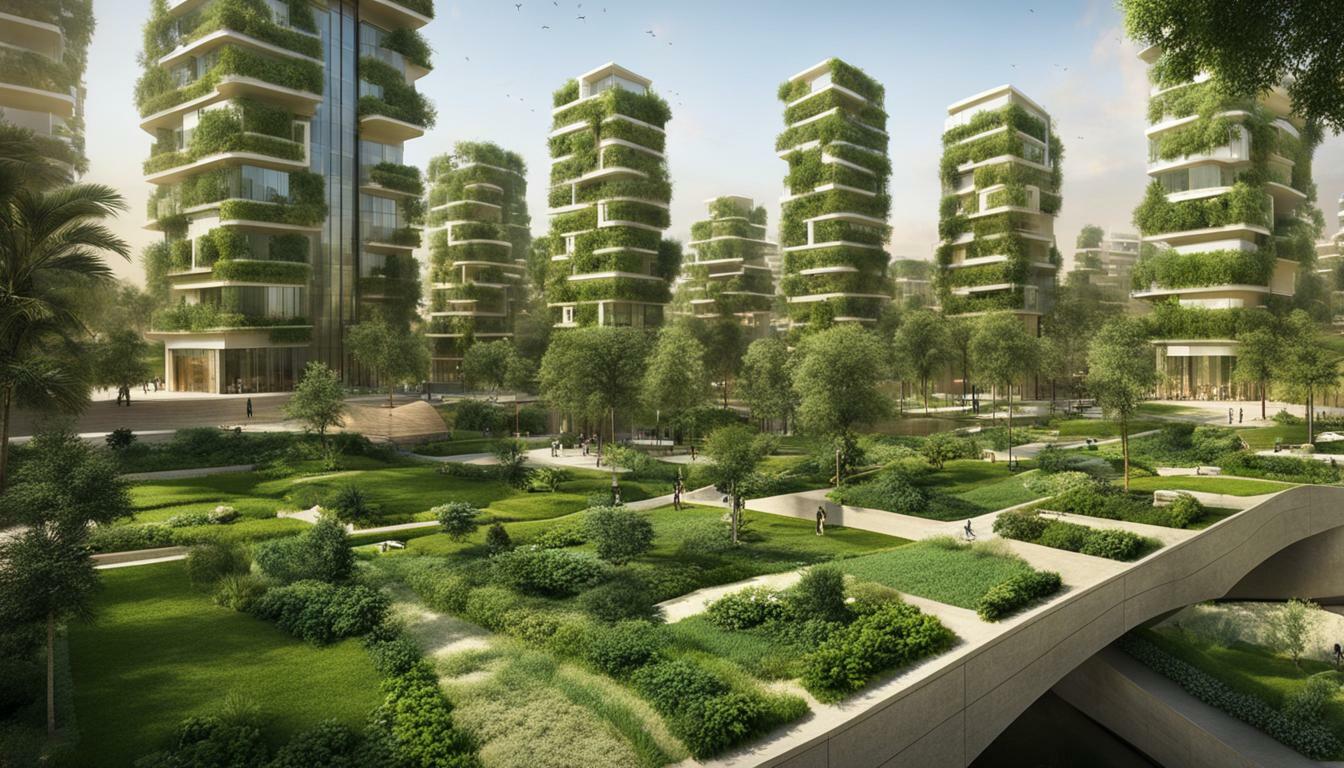
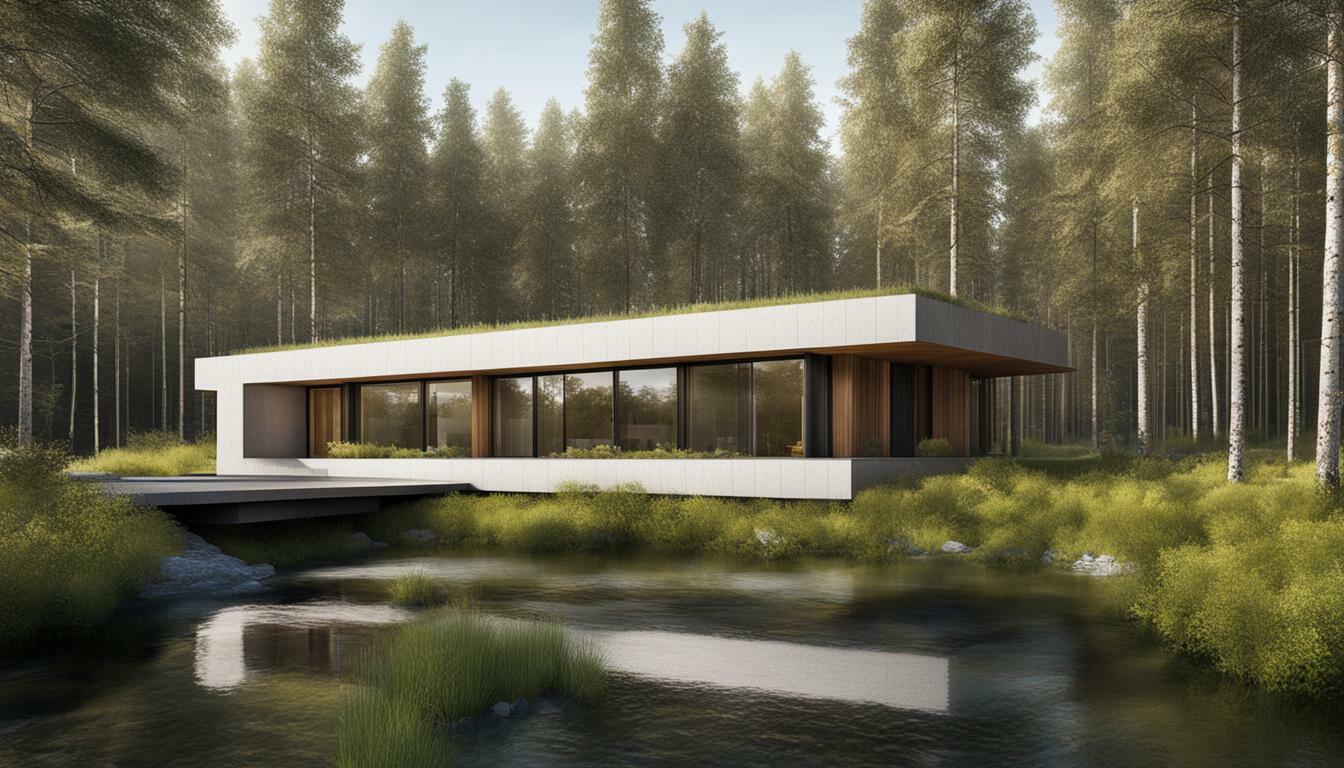
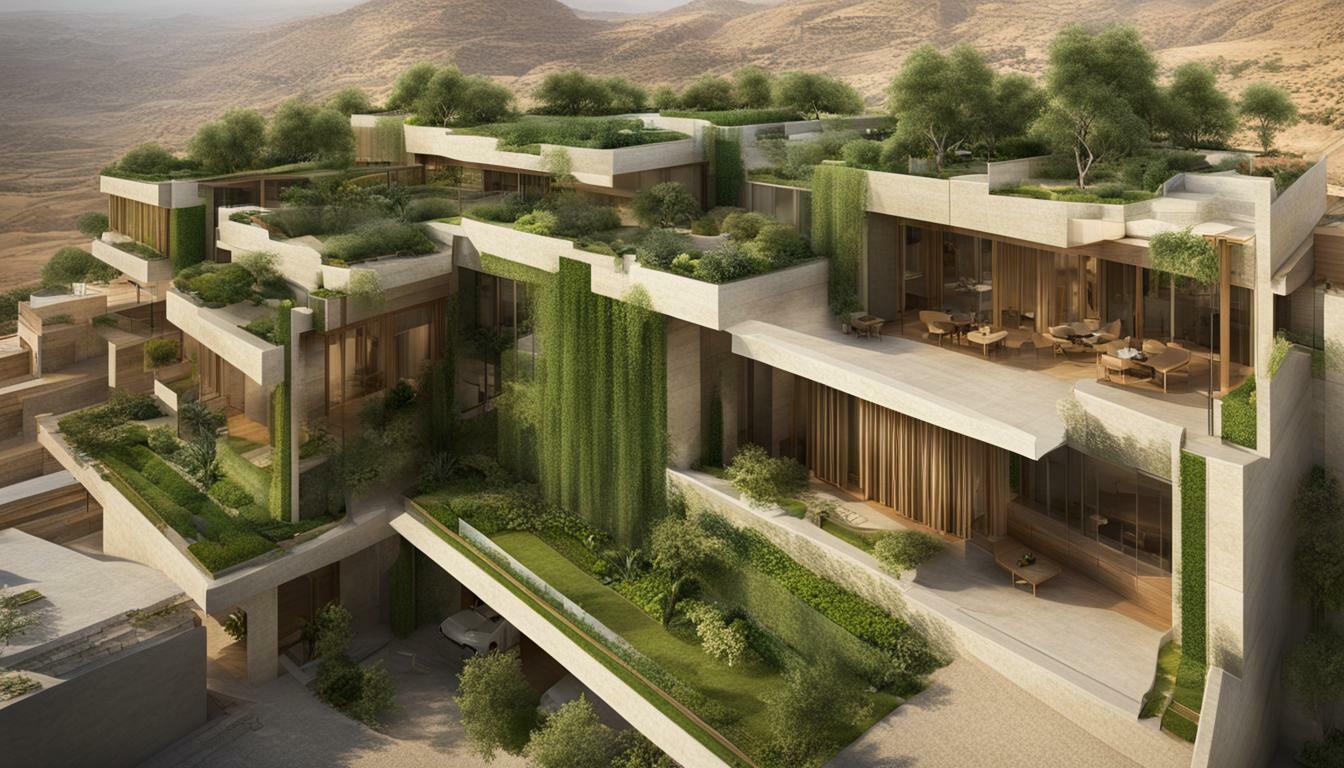
Eritrea Green Building History, AI representation
식민지 시대와 모더니스트 건물
During the Italian colonial period, Eritrea witnessed the construction of numerous modernist buildings in Asmara, the capital city. These architectural marvels still stand today, serving as a testament to Eritrea’s rich heritage and commitment to sustainable construction. Notably, the Fiat Tagliero petrol station and the Town Hall are recognized by UNESCO as culturally significant landmarks.
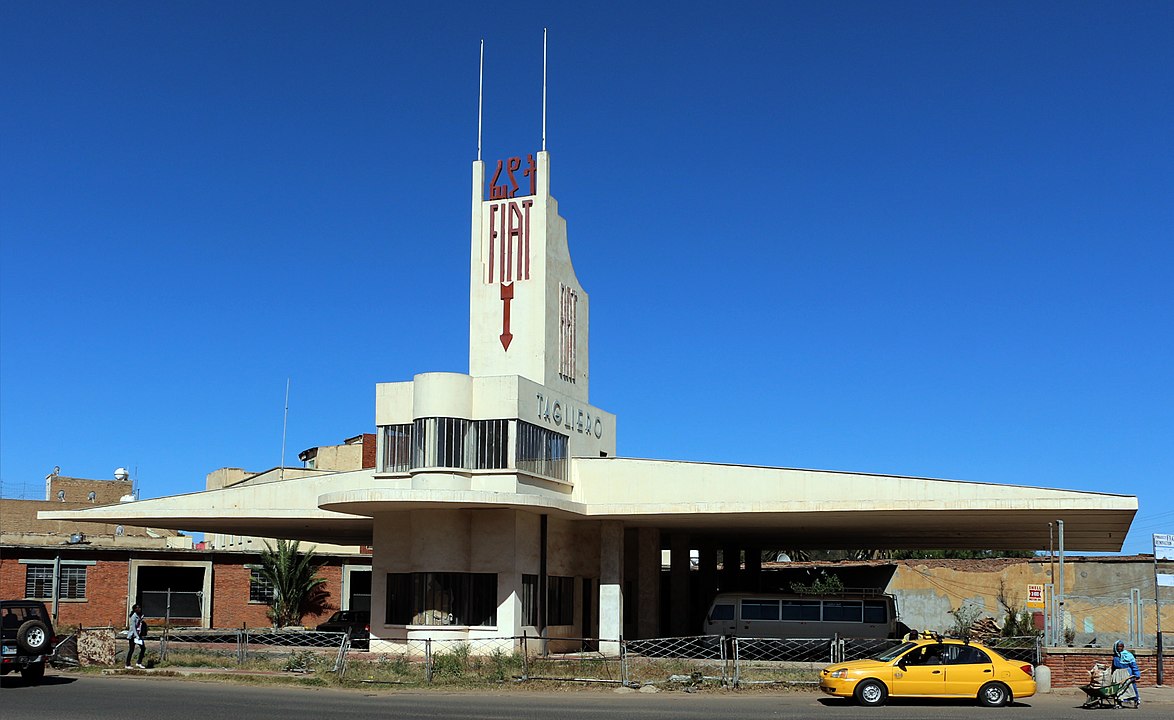
나에 의해, 세일코, CC BY-SA 3.0, (링크)
이탈리아 건축가가 디자인한 피아트 탈리에로 주유소 주세페 페타치, is a striking example of Eritrea’s eco-friendly architecture. Its futuristic design and use of sustainable materials made it a pioneering structure of its time. The station’s cantilevered roof, shaped like an airplane wing, showcases the ingenuity and creativity of Eritrea’s architects.
또 다른 상징적인 모더니스트 건물인 시청은 이탈리아 합리주의와 지역 건축 전통의 요소를 모두 통합했습니다. 대칭적인 외관과 우아한 기둥은 식민지적 영향과 에리트레아 장인 정신의 조화로운 조화를 만들어냅니다. 건물은 자연광과 환기를 사용하여 친환경적 디자인을 더욱 강조합니다.
| 식민지 시대와 모더니스트 건물의 주요 특징 | 건축학적 하이라이트 |
|---|---|
| 지속 가능한 건축 자재 | 진흙 벽돌, 돌, 나무 |
| 혁신적인 디자인 | 캔틸레버식 지붕, 항공기에서 영감을 받은 구조물 |
| 식민지 영향과 지역 영향의 혼합 | 이탈리아 합리주의와 에리트레아 장인정신 |
| 친환경적 특징 | Natural light, ventilation, and energy efficiency |
Eritrea’s colonial era and modernist buildings serve as sources of inspiration for contemporary architects and designers. They demonstrate the country’s commitment to sustainable construction practices and emphasise the importance of preserving Eritrea’s 건축 유산 미래 세대를 위해.
전통 건축과 지속 가능한 건축 자재
Eritrea’s architectural heritage includes the use of sustainable building materials such as mud bricks, stone, and wood, which have been incorporated into modern designs. Throughout its history, Eritrea has relied on these locally sourced materials to construct not only basic residential houses but also significant cultural and religious structures like temples. The integration of traditional architectural features into modern buildings not only pays tribute to the country’s rich heritage but also promotes 지속 가능한 디자인 원칙.
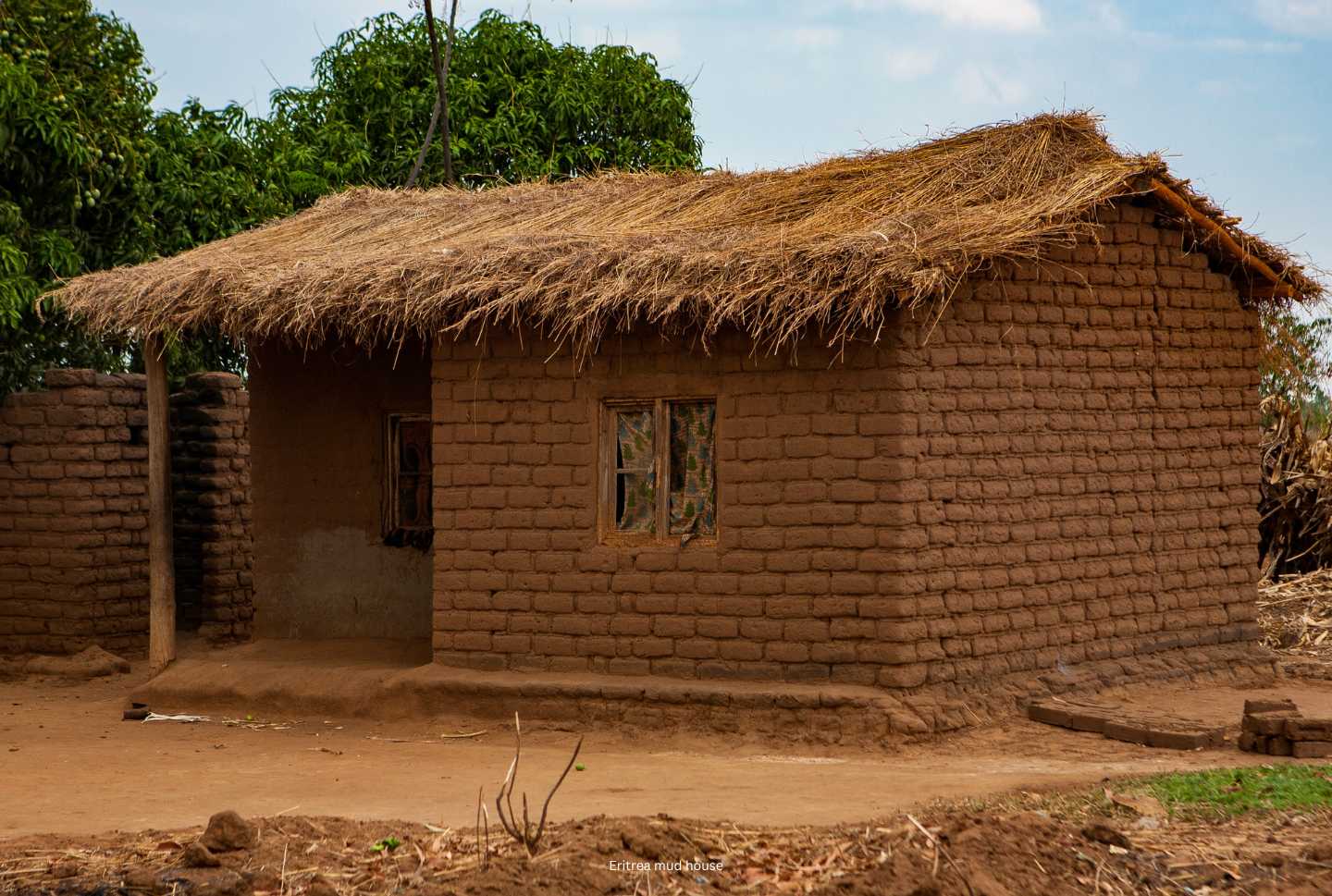 에리트레아 전통 가옥으로 알려져 있습니다. 제메네 메스커, 진흙벽돌을 사용하여 건설되었는데, 진흙벽돌은 내구성이 뛰어나고 환경 친화적인 것으로 입증된 재료입니다. 이 벽돌은 점토, 모래, 물을 섞어 만든 다음 햇볕에 말립니다. 그 결과 튼튼하고 에너지 효율적인 건축 자재가 되어 자연 단열재를 제공하여 더운 여름에는 실내를 시원하게, 추운 겨울에는 따뜻하게 유지합니다.
Eritrea’s use of stone in construction is also prevalent, particularly in areas with an abundance of natural resources. Stone buildings not only offer aesthetic appeal but also provide excellent thermal mass, further enhancing energy efficiency. The use of locally sourced wood, such as acacia, is another sustainable practice seen in Eritrean architecture. Wood is typically used for structural elements and interior finishes, adding warmth and character to the buildings.
"전통적인 건축 특징을 현대 건물에 통합하는 것은 국가의 풍부한 유산에 대한 경의를 표할 뿐만 아니라 지속 가능한 디자인 원칙을 장려합니다."
This seamless blend of traditional and modern architectural practices in Eritrea not only showcases the country’s unique identity but also demonstrates its commitment to eco-friendly design. By incorporating sustainable building materials into contemporary structures, Eritrea contributes to the preservation of its architectural heritage while also reducing the environmental impact of construction.
지속 가능한 건축 자재에 대한 에리트레아의 건축 유산:
| 자재 | 장점 |
|---|---|
| 진흙 벽돌 | 현지에서 조달되고 에너지 효율적이며 자연 단열재를 제공합니다. |
| 돌 | 열 질량을 제공하고 미적 매력을 더합니다. |
| 목재 | 현지에서 조달되어 건물에 따뜻함과 개성을 더해줍니다. |

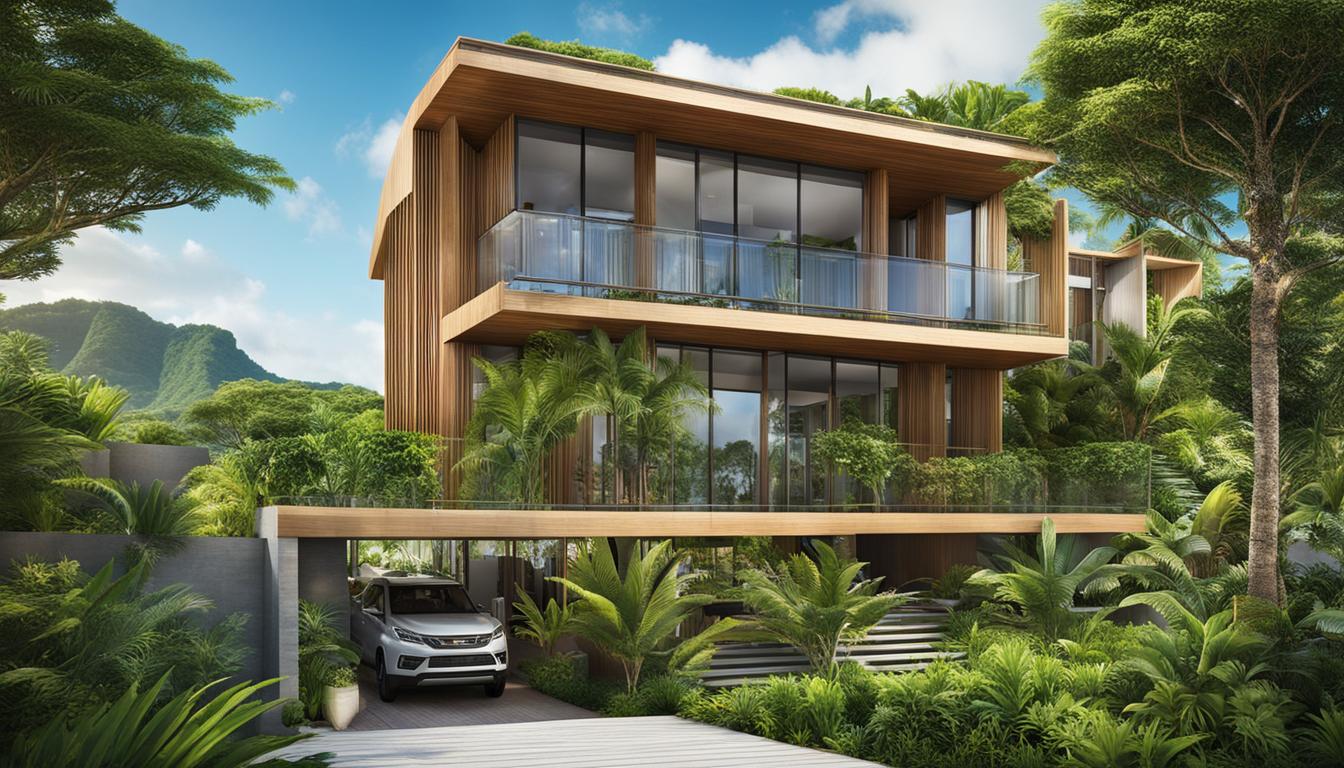
에리트레아 그린 빌딩 역사 AI 표현
Eritrea’s sustainable architecture is not just about preserving the past but also about building a sustainable future. By using materials that are readily available and reducing the reliance on resource-intensive construction methods, Eritrea sets an example for other nations striving to achieve sustainable development and eco-friendly design.
환경 규제 및 보호
Eritrea has implemented various regulations and measures to ensure environmental protection and sustainable development. The government recognises the importance of preserving its natural resources and 생물 다양성 현재와 미래 세대의 행복을 위해.
중점을 두는 주요 분야 중 하나는 비닐봉지 규제였습니다. 에리트레아는 비닐봉지 생산과 유통을 금지하는 등 적극적인 접근 방식을 취했습니다. 이 법안은 플라스틱 폐기물과 토지 및 수원 오염을 포함하여 환경에 해로운 영향을 줄이는 것을 목표로 합니다. 비닐봉지 사용을 제한함으로써 에리트레아는 환경 친화적인 대안을 장려하고 보다 지속 가능한 관행으로의 전환을 장려하고 있습니다.
Eritrea has also prioritised the regulation of pesticides to protect both human health and the environment. The government has established strict guidelines for the importation and use of pesticides to ensure their safe and responsible application. This measure helps to minimise the negative effects of chemical pesticides on ecosystems and promotes the use of environmentally friendly alternatives.
Additionally, Eritrea has established comprehensive water resource management strategies. The government has implemented measures to ensure the sustainable use of water, including the development of irrigation systems, the construction of water reservoirs, and the promotion of water conservation practices. These initiatives aim to address water scarcity and promote the efficient use of this vital resource.
환경관리 및 재활
Recognising the importance of environmental management and rehabilitation, Eritrea has put in place a framework to protect its biodiversity and promote sustainable development. The government has established institutions and programmes dedicated to addressing environmental issues, such as land degradation, deforestation, and wildlife conservation.
Through community involvement and education, Eritrea encourages local communities to actively participate in conservation efforts. This includes initiatives focused on soil and water conservation, as well as tree planting projects. By involving communities, Eritrea aims to foster a sense of ownership and responsibility towards the environment, ensuring the long-term success of these conservation efforts.
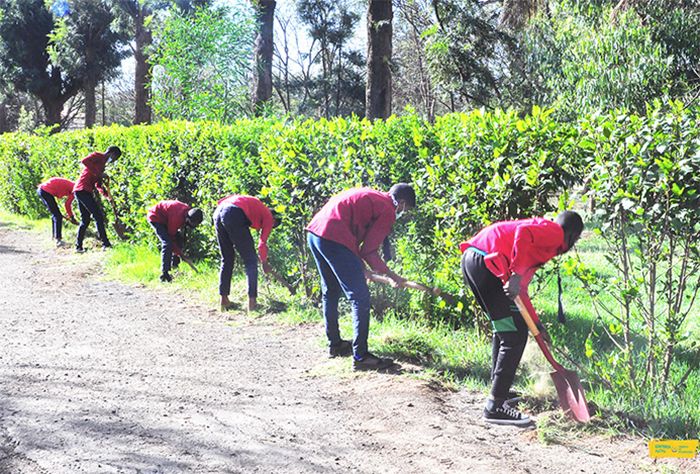
에리트레아인들은 대중 참여에 대한 강한 감각을 가지고 있습니다. 사진 제공: 에리트레아 정보부
전반적으로 환경 보호와 지속 가능한 개발에 대한 에리트레아의 헌신은 규정, 자원 관리 전략, 지역 사회 주도의 보존 계획을 통해 분명하게 드러납니다. 에리트레아는 적극적인 접근 방식을 통해 국가의 천연 자원을 보존하고 생물 다양성을 보호하는 보다 친환경적인 미래를 위해 노력하고 있습니다.

| Environmental Regulations and Measures | 영향 |
|---|---|
| 비닐봉지 생산 및 유통 금지 | 플라스틱 폐기물과 토지 및 수자원 오염을 줄입니다. |
| 농약 규제 | 생태계에 대한 부정적인 영향을 최소화하면서 안전하고 책임감 있는 사용을 보장합니다. |
| 수자원 관리 | 지속 가능한 물 사용을 장려하고 물 부족 문제를 해결합니다. |
환경 보호와 지속 가능한 개발에 대한 에리트레아의 헌신은 규제와 자원 관리에 대한 적극적인 접근 방식에서 분명하게 드러납니다.
에리트레아 그린빌딩의 역사
Eritrea actively promotes community-led conservation efforts and tree planting initiatives to combat deforestation and foster a sustainable environment. Recognising the importance of preserving its natural resources, the country has implemented various initiatives to protect its rich biodiversity and promote sustainable development.
One of the key initiatives is community-led soil and water conservation. Eritrea encourages local communities to actively participate in the conservation and restoration of soil and water resources. These efforts involve the construction of terraces, check dams, and other structures to prevent erosion and improve water infiltration. By involving the community, Eritrea ensures the long-term success and sustainability of these conservation projects.
In addition to soil and water conservation, Eritrea emphasises tree planting initiatives. The country recognises the role of trees in combating deforestation, promoting carbon sequestration, and enhancing ecosystem health. Through community involvement, Eritrea encourages the planting of trees in both rural and urban areas, contributing to the restoration of forests and the creation of green spaces.

Furthermore, Eritrea has implemented sustainable construction techniques and practices to support its commitment to green building. The use of eco-friendly materials, energy-efficient design, and waste reduction strategies are integral to Eritrea’s approach to sustainable construction. By incorporating green infrastructure and sustainable architecture, Eritrea not only reduces its environmental footprint but also creates healthier and more livable spaces for its citizens.
제품 개요
Eritrea’s green building history showcases a harmonious blend of modernist influences, traditional architectural practices, and a strong commitment to environmental sustainability. From the preservation of historic modernist buildings to the use of sustainable building materials, Eritrea has made significant strides in promoting eco-friendly construction and community-led conservation efforts. Through its initiatives, Eritrea aims to protect its natural resources, combat deforestation, and create a sustainable future for generations to come.
맺음말
에리트레아의 친환경 건축 역사는 현대주의 영향, 전통적인 건축 관행, 환경 지속 가능성에 대한 강한 의지가 혼합되어 있음을 보여줍니다. 이 나라의 건축 유산은 유네스코가 문화적으로 중요한 것으로 인정한 상징적인 피아트 탈리에로(Fiat Tagliero) 주유소와 시청과 같은 아스마라의 현대식 건물에서 분명하게 드러납니다.
역사 전반에 걸쳐 에리트레아는 주거용 주택과 사원과 같은 중요한 구조물의 건설에 일반적으로 사용되는 진흙 벽돌, 돌, 목재 등 지속 가능한 건축 자재를 채택해 왔습니다. 현대식 건물에도 전통적인 건축적 특징이 통합되어 국가의 풍부한 유산을 보존하고 있습니다.
에리트레아는 또한 비닐봉지와 살충제 사용을 제한하는 규정을 시행하고 수자원의 지속 가능한 관리를 보장하는 등 환경 보호를 위해 중요한 조치를 취했습니다. 국가는 환경 관리 및 재활을 위한 강력한 프레임워크를 구축하여 생물 다양성을 보호하고 지속 가능한 개발을 촉진하겠다는 의지를 보여주었습니다.
삼림 벌채 문제를 해결하기 위해 에리트레아는 나무 심기 계획과 함께 지역사회 주도의 토양 및 수질 보존 노력을 적극적으로 장려해 왔습니다. 이러한 이니셔티브는 현재와 미래 세대를 위해 더욱 건강하고 지속 가능한 환경을 조성하는 데 매우 중요합니다.
요약하자면, 에리트레아의 친환경 건축 역사는 현대주의 영향, 전통 건축 관행, 환경 지속 가능성에 대한 강한 의지를 결합하는 능력을 입증하는 것입니다. 유산 보존과 환경 보호에 중점을 두고 있는 에리트레아는 건축 및 건설 분야에서 지속 가능한 발전에 대한 영감을 제공하고 있습니다.
FAQ
에리트레아의 친환경 건축 관행의 역사는 무엇입니까?
에리트레아는 식민지 시대와 전통 건축 양식의 영향을 받아 친환경 건축에 있어 풍부한 역사를 가지고 있습니다. 에리트레아의 건축 유산에는 이탈리아 식민지 시대의 모더니스트 건축물과 전통 건축에 지속가능한 건축 자재를 사용한 사례가 포함됩니다.
에리트레아의 주목할만한 모더니즘 건물에는 어떤 것이 있습니까?
에리트레아의 주목할만한 모더니스트 건물로는 Fiat Tagliero 주유소와 Asmara의 시청이 있습니다. 20세기 중반에 지어진 이 건물들은 유네스코에 의해 문화적으로 중요한 것으로 인정받고 있습니다.
에리트레아에서는 어떤 지속 가능한 건축 자재가 사용되었습니까?
에리트레아는 전통적으로 주거용 주택과 사원과 같은 중요한 구조물을 건설하기 위한 주요 재료로 진흙 벽돌, 돌, 목재를 사용해 왔습니다. 이러한 지속 가능한 건축 자재는 여전히 현대식 건물에 통합되어 국가의 건축 유산을 보존하고 있습니다.
에리트레아에는 어떤 환경 규제 및 보호 조치가 시행되고 있나요?
에리트레아 정부는 비닐봉지의 생산 및 유통을 금지하고, 살충제의 수입 및 사용을 규제하며, 수자원의 지속 가능한 관리를 보장하기 위한 규정을 시행했습니다. 또한 국가는 생물다양성을 보호하고 지속가능한 발전을 촉진하기 위해 환경 관리 및 재활을 위한 프레임워크를 구축했습니다.
에리트레아에서는 어떤 보존 노력이 이루어지고 있나요?
에리트레아는 삼림 벌채 문제를 해결하고 나무 심기 계획을 장려하기 위해 지역 사회 주도의 토양 및 수질 보존 노력을 장려하고 있습니다. 이러한 계획은 에리트레아의 현재 세대와 미래 세대 모두를 위해 더 건강한 환경을 조성하는 것을 목표로 합니다.
왼쪽의 주요 기능 이미지
나에 의해, 세일코, CC BY-SA 3.0, (링크)