 Constructive Voices

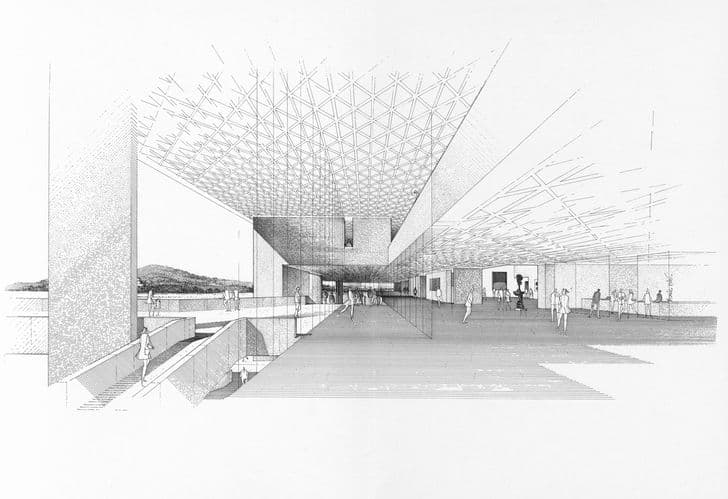
National Gallery of Australia celebrates 40th anniversary with new book
12/15/2022
Australia · Architecture · Books
Falls the Shadow: 40 Years of the National Gallery of Australia
The National Gallery of Australia turned forty in 2022, and marked it with a book — Falls the Shadow: From Idea to Reality — that tells the story of one of the country’s most consequential public buildings. It is a case study in how architecture carries national ambition, and in what it costs.
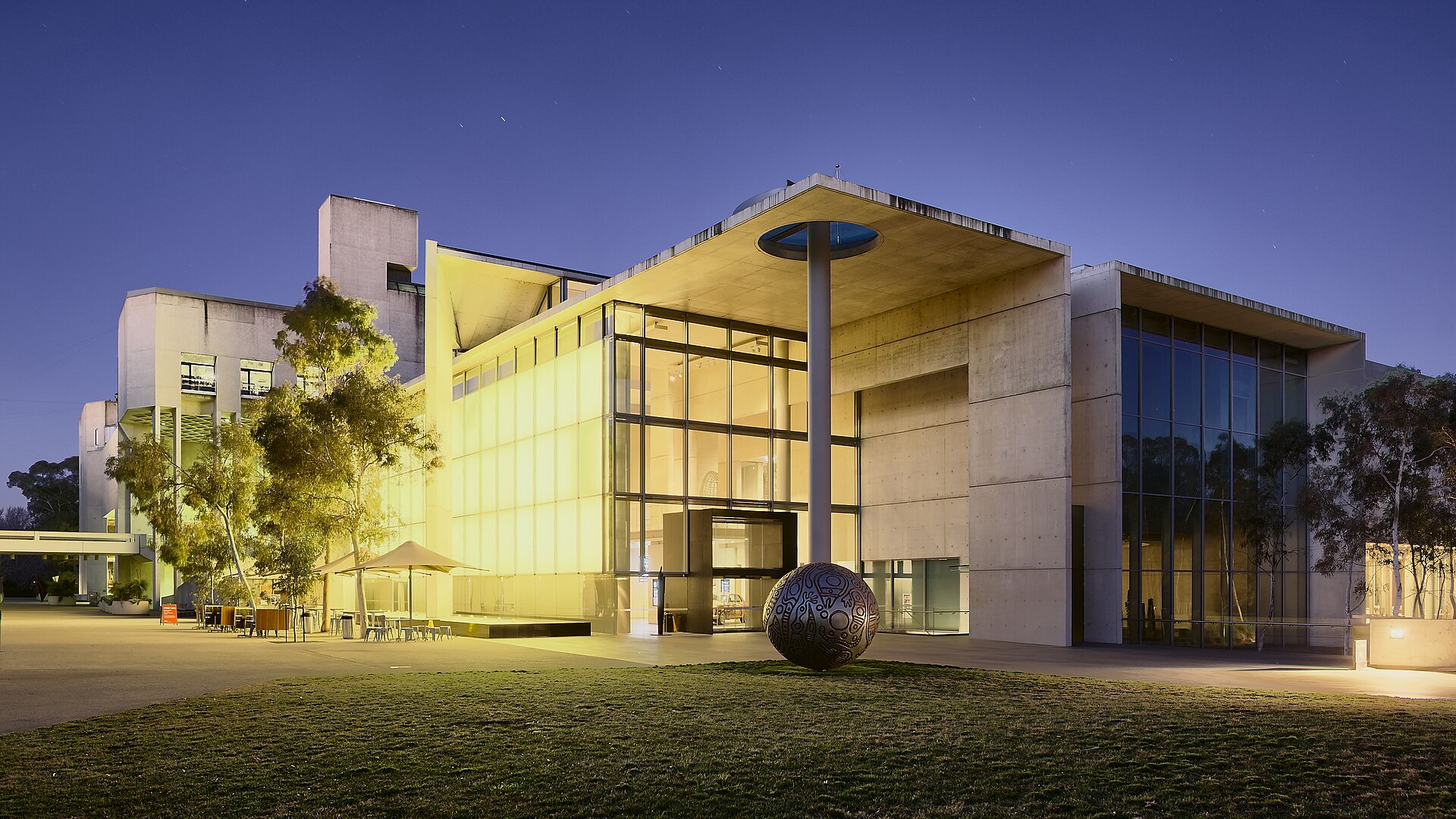
The National Gallery of Australia opened in Canberra in 1982, designed by Col Madigan. Forty years on, the gallery marked the anniversary with a book, Falls the Shadow: From Idea to Reality, published with Uro Publications, which documents the building’s conception, design and construction. Architecture media covered the book on release.
Concrete, daylight and a national idea
The gallery is a late-brutalist building: exposed concrete structure, a strong diagonal composition, and concrete fins that control daylight into the galleries. It was designed so that art would be lit by filtered Australian sun rather than sealed away from it — a climate- and place-specific decision at a time when many galleries were black boxes.
That makes it an early example of the same principle organic and passive architecture argue for: respond to the site and climate rather than overriding them. In Canberra’s bright, dry light, the design’s shading strategy is not decoration; it is the building’s environmental logic.
The record of a public building
Books like Falls the Shadow do something the building itself cannot: they preserve the reasoning. Drawings, correspondence and the debate around a public commission are the evidence of how a design decision was made, and that evidence is what future architects, heritage assessors and clients draw on.
For the built environment, that matters for two reasons. First, the environmental performance of a long-lived public building — how it uses daylight, how durable its structure is, how adaptable it is — is a lesson that only shows up decades later. Second, the record is how a country learns what it got right and what it should not repeat.
Key takeaways
The National Gallery of Australia is a forty-year-old case study in a public building designed around its climate, documented in Falls the Shadow. Its lasting relevance is in what long-lived public architecture teaches: how daylight, durable structure and adaptability perform over decades, and why that record is worth keeping.
More on Australia
AustraliaGreen building in Australia
AustraliaAustralia’s top green buildings
Frequently asked
When did the National Gallery of Australia open?
1982, in Canberra, designed by Col Madigan. Its fortieth anniversary was marked in 2022 with the book Falls the Shadow: From Idea to Reality.
Why is the building significant?
It is a defining Australian public building of the late-brutalist period, notable for its concrete structure and for using daylight — controlled by concrete fins — as the primary lighting strategy for the galleries.
Primary sources and news citations
- ArchitectureAU, “Falls the Shadow”.
- Uro Publications, Falls the Shadow: From Idea to Reality — The National Gallery of Australia.
- National Gallery of Australia, building and collection records.
Methodology and sourcing. Historical facts are dated and attributed to the sources cited. This report describes the position as at September 2026.
Images. Documentary photographs carry a named photographer and licence, mostly via Wikimedia Commons. No AI or Canva image is used to depict a real named site.

Latest Episode
S7, E4: Infrastructure vs Nature Is the Wrong Fight: Joel Humphreys