





Cheias de Valência 2024: O papel das alterações climáticas e o desvio do rio Turia em 1957
“Ver a água subir até o meu sofá e depois até a bancada da minha cozinha foi tão assustador. Eu moro sozinha em um apartamento térreo. A menos que eu tivesse minha máquina de lavar no meu quintal, não tenho certeza de como meus vizinhos do primeiro andar poderiam ter me ajudado a escapar da enchente. De alguma forma, com a ajuda e solidariedade deles, eu e meu cachorro, Chiwi, escalamos para um lugar seguro. Sou eternamente grata.” Patricia Sousa Sardinha
As inundações que varreram Valência no final de outubro de 2024 foram das mais destrutivas da história, expondo várias áreas para uma devastação sem precedentes. Uma implacável “gota fría” trouxe chuvas torrenciais, despejando quase um ano de precipitação em 24 horas. A gota fría, que literalmente se traduz em gota fria, é oficialmente chamada FUNDO.
Ruas se transformaram em rios caudalosos, arrastando carros e deixando bairros inteiros submersos. Casas que permaneceram por gerações foram reduzidas a conchas alagadas, com famílias lutando para salvar quaisquer pertences que pudessem carregar enquanto as águas da enchente subiam rapidamente.
“Eu sou apenas um entre milhares que perderam tudo. Mas pelo menos estamos vivos. Sabemos que somos os sortudos e enviamos nossa mais profunda compaixão e simpatia às famílias e entes queridos daqueles que não tiveram tanta sorte quanto nós.
Now, along with many others, I am volunteering to help others and to clear up.” Patricia Sousa Sardinha

Patricia, que é uma sobrevivente e agora é voluntária, tirou os vídeos e as fotos deste artigo. Ela perdeu tudo. Aqui está a página dela no GoFundMe. Qualquer pequena doação é bem-vinda, assim como compartilhamentos nas redes sociais.
As respostas das autoridades às inundações de Valência em 2024 geraram críticas generalizadas
A resposta das autoridades às enchentes de 2024 em Valência atraiu críticas generalizadas, pois muitos moradores se sentiram abandonados em sua hora de necessidade. Atrasos na implantação de serviços de emergência deixaram comunidades vulneráveis para se defenderem sozinhas, com operações de resgate lamentavelmente aquém do que era necessário. Áreas inundadas receberam pouco apoio do governo nas primeiras horas críticas, exacerbando o sofrimento daqueles presos na elevação das águas. A raiva e a frustração transbordaram quando o rei Felipe VI visitou a região devastada.
His presence, intended to offer solace, instead sparked outrage among locals who demanded accountability for the state’s perceived failure. Crowds jeered and shouted at the monarch, expressing their fury over inadequate flood defences and years of neglected infrastructure in the suburbs. The King, usually a unifying figure, found himself confronted by a population disillusioned and desperate for action, highlighting the growing rift between the people and their leaders in the face of repeated climate disasters.

Cidades suburbanas como Paiporta e Picanya foram particularmente atingidas
Sem as robustas defesas contra inundações que protegem o centro de Valência, essas áreas se tornaram o marco zero da destruição. Os moradores descreveram a água caindo em suas ruas com uma velocidade assustadora, deixando pouco tempo para escapar. Os serviços de emergência lutaram para acompanhar o volume de chamadas de socorro, pois milhares de pessoas ficaram presas em suas casas. Escolas, empresas e infraestrutura pública ficaram em ruínas, desferindo um golpe econômico severo às comunidades que já lutavam com os desafios da expansão urbana.
Amidst the chaos, stories of bravery and loss emerged. First responders worked tirelessly, navigating dangerous currents to rescue stranded residents, while neighbours formed human chains to help each other reach higher ground. Tragically, the floods claimed several lives, a grim reminder of the sheer force of nature. For many survivors, the psychological toll of watching their homes and livelihoods swept away was as overwhelming as the physical destruction. The aftermath of the floods left behind a landscape of debris and heartbreak, with the road to recovery expected to take years.
The devastation will hopefully serve as a wake-up call for local and national governments. The Turia River diversion, while successful in shielding the city centre, underscored its limitations as areas outside the protection zone bore the brunt of the disaster. As experts and officials assessed the damage, calls for more comprehensive flood management strategies grew louder, emphasising the urgent need to adapt to a world where extreme weather events are becoming more frequent and more severe.

A ciência por trás do desvio do rio Turia em 1957 e seu legado
In 1957, the city of Valencia faced one of its most devastating natural disasters when the Turia River burst its banks, inundating large parts of the city and claiming at least 81 lives. The floodwater levels reached up to five metres in some areas, causing widespread devastation. The catastrophe prompted swift action from authorities, who implemented the “Plan Sur,” a massive civil engenharia projeto para desviar o Rio Turia do centro da cidade.
The diversion, completed in the late 1960s, rerouted the Turia River southward and created a dry riverbed in the heart of Valencia. This empty channel was later transformed into the Turia Gardens, a 9-kilometer-long urban park that has become one of the city’s most iconic green spaces. However, while the project was hailed as a triumph of flood prevention, the science behind flood dynamics and climate change suggests a more nuanced view of its impact.
Insights hidrológicos: como funcionou o desvio do rio
The “Plan Sur” fundamentally changed the hydrology of the Turia River basin. By diverting the river, engineers effectively reduced the flood risk to central Valencia, protecting key infrastructure and densely populated areas from future inundations. The diversion involved creating a new artificial channel designed to handle the river’s maximum estimated discharge rate. This decision was based on extensive hydrological studies at the time, which analysed historical flood patterns and peak flow rates.
However, the calculations made in the 1950s and 1960s did not account for the accelerating impact of climate change, which has significantly altered precipitation patterns and increased the intensity of extreme weather events. Recent studies published in hydrology and climate science journals have shown that atmospheric warming is causing more frequent and intense rainfall, leading to flash floods that are more difficult to predict and manage.
Mudanças climáticas: a ciência por trás das inundações intensificadas
As enchentes de 2024 em Valência foram causadas por um fenômeno meteorológico conhecido como “gota fría” ou gota fria. Isso ocorre quando uma massa de ar frio colide com o ar mais quente e úmido sobre o Mar Mediterrâneo, levando a chuvas intensas e prolongadas. À medida que as temperaturas globais aumentam, o Mediterrâneo se tornou um ponto crítico para anomalias climáticas induzidas pelo clima. Temperaturas mais altas do mar aumentam a evaporação, o que, por sua vez, carrega a atmosfera com mais umidade. Quando essa umidade é liberada, as chuvas resultantes são muito mais pesadas do que as médias históricas.
A recent study by the European Centre for Medium-Range Weather Forecasts highlights how the Mediterranean’s warming waters are intensifying these events. The 2024 floods brought nearly a year’s worth of rain in a single day, overwhelming both natural and engineered drainage systems. While the Turia River diversion protected central Valencia from a worse fate, the areas surrounding the city, which lack similar flood defences, suffered catastrophic damage.
Limitações geoespaciais e de planejamento urbano
The flood dynamics of the 2024 disaster also shed light on the geospatial limitations of the 1957 diversion project. While the artificial river channel managed to keep floodwaters away from the heart of Valencia, it did little to address the risk to nearby towns and newly developed urban areas that have expanded over the past few decades. As cities grow and urban sprawl spreads into flood-prone areas, impermeable surfaces like roads and buildings reduce the land’s natural ability to absorb rainwater, exacerbating runoff and flood risk.
A Dra. Carmen Sánchez, hidróloga da Universidade Politécnica de Valência, explica a ciência por trás dessas vulnerabilidades: “A expansão urbana ultrapassou a infraestrutura de gerenciamento de inundações. Construímos em planícies de inundação sem soluções de drenagem adequadas, e nossos modelos, que antes pareciam robustos, agora são inadequados para os extremos hidrológicos causados pelas mudanças climáticas.”
Gestão de inundações à prova do futuro
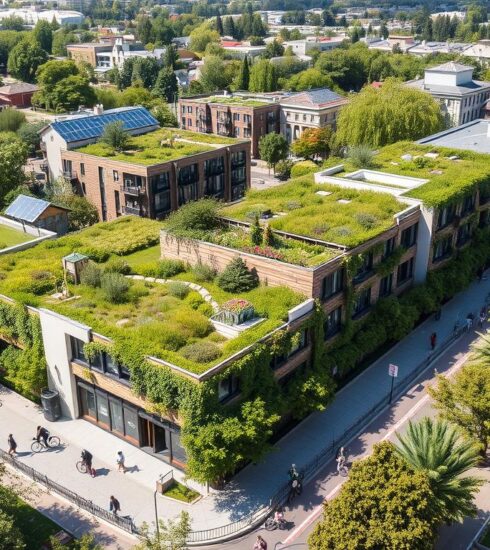
To adapt to this new climate reality, scientists and urban planners are calling for a holistic approach to flood resilience. This includes using advanced hydrological modelling to predict future flood scenarios under various climate conditions. Engineers are also exploring the use of permeable pavement, urban wetlands, and green roofs to increase water absorption in urban areas. Additionally, experts advocate for the creation of secondary flood channels and water retention basins to manage excess runoff.
The case of the Turia River diversion demonstrates both the successes and limitations of mid-20th-century engineering. While it has undoubtedly saved countless lives and protected Valencia from significant floods, it is now clear that more comprehensive, scientifically informed measures are needed. Addressing flood risk in a warming world requires a multidisciplinary approach, integrating meteorology, hydrology, climate science, and planejamento urbano sustentável.
As enchentes de 2024 devem servir como um chamado para despertar: mesmo feitos de engenharia marcantes como o desvio do Rio Turia não são mais suficientes isoladamente. A futura gestão de enchentes de Valência deve combinar lições históricas com pesquisa científica de ponta para garantir que a cidade esteja pronta para os desafios de um clima em mudança.


Edifícios Verdes em Valência: Arquitetura e Rotas Sustentáveis - Vozes Construtivas
meses 7 atrás[…] Valência é uma cidade plana, aparentemente tranquila, cercada por hortas e pelo mar, mas nunca teve uma relação tranquila com a água. O antigo leito do rio, que agora parece tão sereno, arborizado e cheio de corredores e ciclistas, é na verdade uma cicatriz de uma enchente que quase destruiu a cidade. […]