



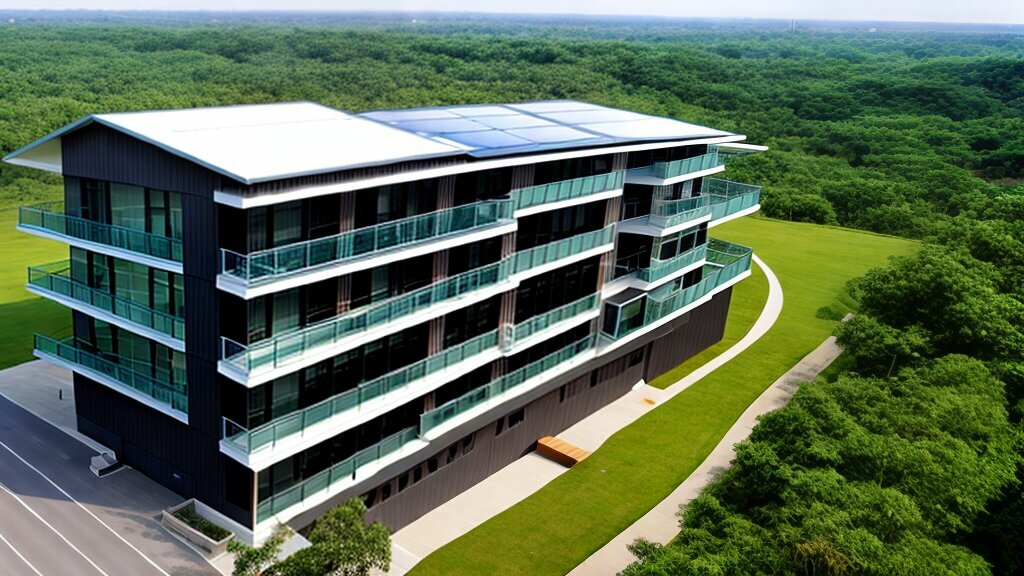
การสร้างอนาคตที่เป็นมิตรกับสิ่งแวดล้อม: นวัตกรรมในการก่อสร้างที่ยั่งยืน
ยินดีต้อนรับสู่การสำรวจเชิงลึกของ การก่อสร้างที่ยั่งยืน technologies. As the world continues to grapple with climate change and its impacts, the construction industry has a vital role to play in shaping a greener future. From eco-conscious construction innovations and energy-efficient methods to sustainable infrastructure and architectural design, this article will take you through everything you need to know about building a sustainable future.
The need for sustainable construction solutions has never been greater. According to the United Nations Environment Programme, buildings account for around 40% of global energy use and emit a third of all greenhouse gases. However, sustainable construction practices can help to reduce this environmental impact while also delivering long-term cost savings and providing healthier, more comfortable living and working spaces.
ประเด็นที่สำคัญ
- The construction industry has a crucial role in driving the transition towards a greener future.
- Sustainable construction practices can help to reduce greenhouse gas emissions and deliver cost savings.
- There are numerous sustainable construction technologies and techniques that can be employed to create greener buildings and infrastructure.
แนวปฏิบัติอาคารสีเขียวเพื่ออนาคตที่ยั่งยืน
In addition to innovative sustainable construction technologies, there is a growing focus on implementing green building practices. From reducing water consumption to sourcing eco-friendly materials, these practices prioritize environmental responsibility in building design and construction.
One such practice is the use of passive design strategies, which minimize the energy needed to heat and cool a building. This can include positioning windows to allow for natural ventilation and using materials with high thermal mass to regulate indoor temperature. By reducing reliance on mechanical heating and cooling systems, these strategies can significantly decrease a building’s carbon footprint.
Another key aspect of green building is water conservation. This can involve utilizing low-flow fixtures and rainwater harvesting systems, as well as landscaping with drought-resistant plants. By reducing water usage, buildings can conserve a vital resource and lower their impact on the environment.
การออกแบบเพื่อการเข้าถึงและการไม่แบ่งแยก
Green building practices also prioritize access and inclusion for all individuals. This can include implementing universal design features such as wide entryways and hallways, lever handles, and grab bars. Additionally, incorporating natural lighting and ventilation can improve indoor air quality and create a more welcoming and comfortable environment for all occupants.
Not only do these practices benefit the environment and building occupants, but they can also result in cost savings over time. By using sustainable materials and design strategies, buildings can reduce their energy and water usage, leading to lower utility bills and long-term financial benefits.

นวัตกรรมการก่อสร้างที่คำนึงถึงสิ่งแวดล้อม: ปูทางสู่ความยั่งยืน
As society becomes increasingly environmentally conscious, the construction industry is not far behind. Sustainable construction technologies have been developed to minimise the environmental impact of the construction process and create more durable and eco-friendly buildings. In this section, we will explore some of these eco-conscious construction innovations that are paving the way for a more sustainable future.
หลังคาสีเขียว
Green roofs are a relatively new innovation that have been gaining popularity in recent years. Essentially, a green roof is a roof that is covered in vegetation and a growing medium, like soil. Not only do they absorb rainwater, but they also provide insulation and reduce the amount of heat that is absorbed, making them an energy-efficient choice. They also look great, adding a touch of nature to urban buildings. According to a study by the University of Sheffield, green roofs can reduce the temperature of a building by up to 25°C.
วัสดุก่อสร้างรีไซเคิล
Another innovative approach to construction is the use of recycled building materials. This not only reduces the amount of waste that is sent to landfill, but it also reduces the need for the extraction of new raw materials. Recycled materials can include anything from reclaimed wood to plastic bottles, and are being incorporated into a variety of construction projects. One example is the Resource Rows project in London, which uses recycled materials to build affordable housing.
การหุ้มแผงโซลาร์เซลล์
Solar panel cladding is a new and innovative technology that integrates solar panels into the exterior walls of a building. This allows the building to generate its own electricity, reducing its reliance on external power sources. Not only is this energy-efficient, but it can also be aesthetically pleasing. An example of this can be seen in the BIQ House in Germany, where the building’s entire façade is covered in a layer of algae-filled panels that generate energy while also providing shade and reducing the building’s carbon footprint.
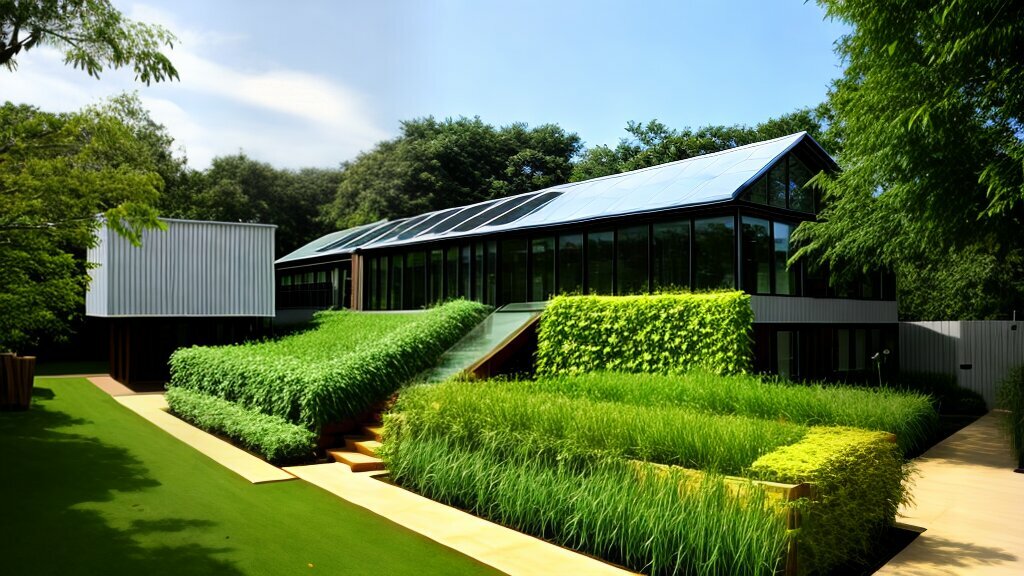
These are just a few examples of the many eco-conscious construction innovations that are available today. As awareness of the importance of sustainability continues to grow, it is likely that we will see many more innovative and exciting technologies emerge in the years to come.
การพัฒนาโครงสร้างพื้นฐานที่ยั่งยืน: การสร้างเพื่ออนาคต
Building sustainable infrastructure is a crucial step towards a greener future. With the increasing need for eco-friendly and energy-efficient buildings, it is important to consider new construction techniques that focus on sustainability. These techniques not only help to reduce carbon emissions but also contribute to a healthier environment for future generations.
One of the most promising sustainable infrastructure development techniques is the use of green roofs. Green roofs involve covering a building’s roof with vegetation, providing insulation and reducing the amount of heat that is absorbed. This technique has been shown to decrease energy consumption by up to 30% and has a positive impact on the environment, including reducing urban heat island effects, air pollution and stormwater runoff.
| ประโยชน์ของหลังคาสีเขียว | ประโยชน์ของระบบน้ำสีเทา |
|---|---|
| ช่วยลดการใช้พลังงาน | ลดการใช้น้ำ |
| ปรับปรุงคุณภาพอากาศ | ช่วยลดการผลิตน้ำเสีย |
| ช่วยลดการไหลบ่าของน้ำฝน | รีไซเคิลน้ำ |
เทคนิคการพัฒนาที่คำนึงถึงสิ่งแวดล้อมอีกประการหนึ่งคือการใช้ระบบน้ำสีเทา ระบบเหล่านี้รวบรวมและบำบัดน้ำจากอ่างล้างหน้า ฝักบัว และเครื่องซักผ้า และนำกลับมาใช้ใหม่สำหรับการใช้งานที่ไม่สามารถบริโภคได้ เช่น การชลประทานหรือชักโครก ซึ่งจะช่วยอนุรักษ์น้ำจืดและลดการผลิตน้ำเสีย
Effective waste management is also a critical aspect of sustainable infrastructure development. Buildings should be designed to minimise waste production and maximise recycling. For example, integrating recycling and composting facilities and ensuring that building materials are sourced locally can help reduce the carbon footprint of a building.
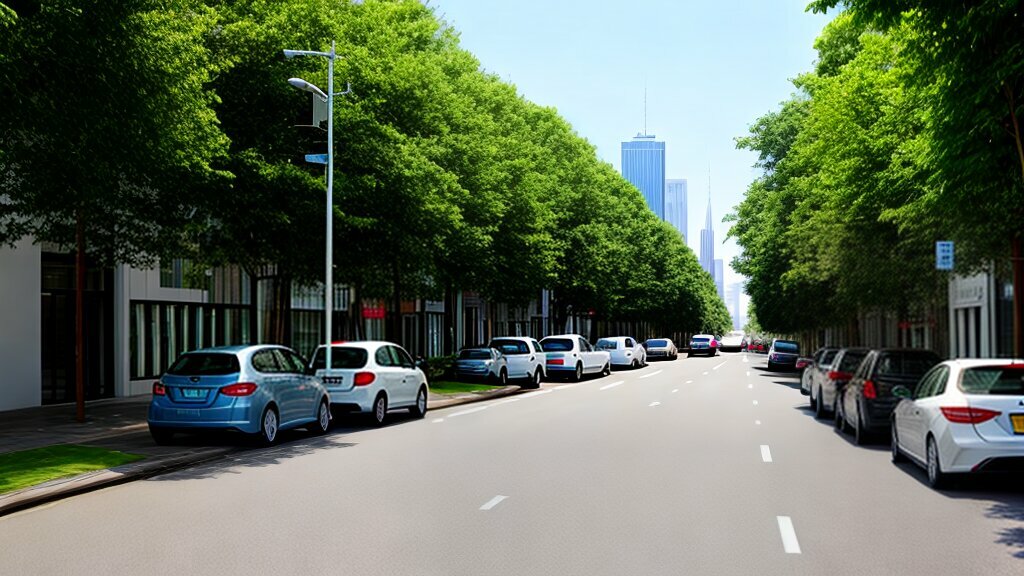
การดำเนินการตามแนวทางการพัฒนาโครงสร้างพื้นฐานที่ยั่งยืนไม่เพียงแต่เป็นประโยชน์ต่อสิ่งแวดล้อมและสังคมเท่านั้น แต่ยังมีผลกระทบเชิงบวกต่อเศรษฐกิจอีกด้วย อาคารประหยัดพลังงานมักจะมีค่าไฟต่ำกว่าและดึงดูดผู้เช่ามากกว่า ส่งผลให้มูลค่าทรัพย์สินเพิ่มขึ้นและตำแหน่งงานว่างลดลง ดังนั้นจึงเป็นเรื่องสำคัญสำหรับผู้สร้างและนักลงทุนในการบูรณาการแนวทางการพัฒนาโครงสร้างพื้นฐานที่ยั่งยืนในโครงการของตน เพื่อสร้างอนาคตที่ดีกว่าและเป็นมิตรกับสิ่งแวดล้อมมากขึ้น
คำมั่นสัญญาของวัสดุก่อสร้างที่เป็นมิตรกับสิ่งแวดล้อม
As the construction industry continues to adopt sustainable practices, eco-friendly building materials are becoming increasingly popular. These materials are made from renewable resources and have low environmental impact, making them an excellent choice for environmentally conscious builders and homeowners alike.
วัสดุชนิดหนึ่งคือไม้ไผ่ซึ่งขึ้นชื่อในด้านความแข็งแรงและความทนทาน ไม้ไผ่เป็นพืชที่เติบโตเร็วซึ่งต้องการน้ำเพียงเล็กน้อย และไม่มียาฆ่าแมลงหรือปุ๋ย ทำให้เป็นทางเลือกที่ยั่งยืนสำหรับวัสดุก่อสร้าง นอกจากนี้ยังมีความอเนกประสงค์สูง ด้วยการใช้งานตั้งแต่พื้นไปจนถึงเฟอร์นิเจอร์ไปจนถึงการรองรับโครงสร้าง
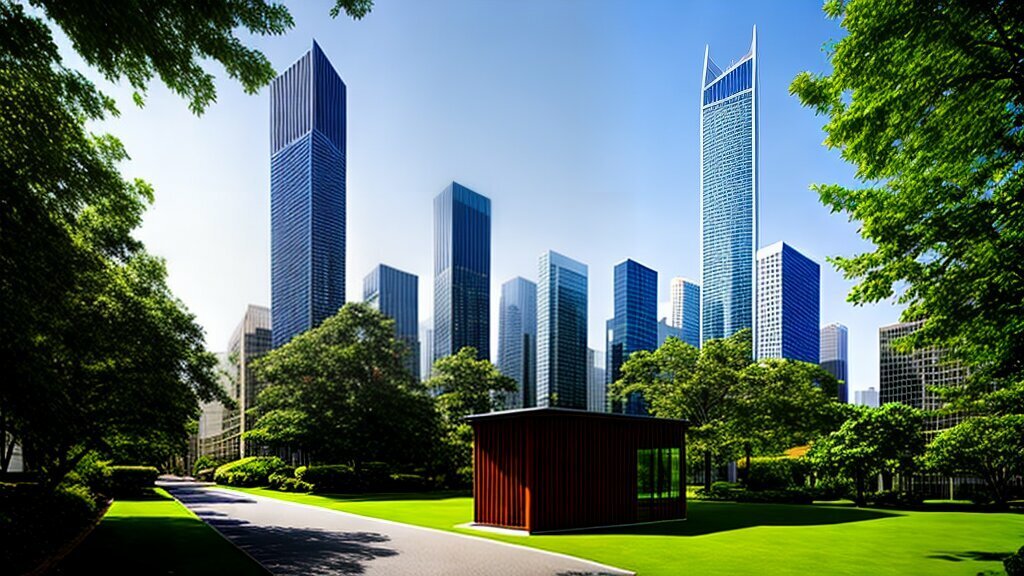
วัสดุที่เป็นมิตรต่อสิ่งแวดล้อมยอดนิยมอีกชนิดหนึ่งคือเหล็กรีไซเคิล วัสดุนี้ทำจากเศษโลหะที่อาจถูกส่งไปยังสถานที่ฝังกลบ ทำให้เป็นตัวเลือกที่ดีเยี่ยมในการลดของเสีย เหล็กรีไซเคิลยังมีความแข็งแรงและทนทานอย่างไม่น่าเชื่อ ทำให้เป็นตัวเลือกยอดนิยมสำหรับโครงการก่อสร้าง
Using eco-friendly building materials not only helps to reduce environmental impact but can also improve indoor air quality. Many traditional building materials can release harmful chemicals and pollutants into the air, leading to poor indoor air quality and potential health problems. By using eco-friendly materials, builders can create healthier living and working environments.
ประโยชน์ของวัสดุก่อสร้างที่เป็นมิตรกับสิ่งแวดล้อม
- ลดผลกระทบต่อสิ่งแวดล้อม
- ปรับปรุงคุณภาพอากาศภายในอาคาร
- แข็งแรงทนทาน
- เพิ่มประสิทธิภาพการใช้พลังงาน
- ลดขยะ
With a wide range of eco-friendly building materials available, builders and homeowners have many options to choose from when designing and constructing sustainable buildings. By integrating these materials into construction projects, we can work towards creating a greener future for all.
วิธีการก่อสร้างแบบประหยัดพลังงาน: ขับเคลื่อนอนาคตที่ยั่งยืน
ในการแสวงหาเทคโนโลยีการก่อสร้างที่ยั่งยืน ประสิทธิภาพการใช้พลังงานเป็นสิ่งสำคัญที่สุด อุตสาหกรรมการก่อสร้างมีส่วนสำคัญของการใช้พลังงานทั่วโลก ทำให้การค้นหาวิธีการที่ช่วยลดผลกระทบนี้มีความสำคัญ เพื่อเป็นการตอบสนอง โซลูชั่นเชิงนวัตกรรมในการลดการใช้พลังงานระหว่างการก่อสร้างและตลอดอายุการใช้งานของอาคารจึงเกิดขึ้น
One such solution is the use of green roofs. These roofs are covered in vegetation, which helps reduce energy consumption in buildings. The vegetation absorbs sunlight and heat, reducing the need for air conditioning during the summer months. Additionally, green roofs provide added insulation during the winter, reducing the need for heating. In addition, green roofs can help improve air quality, provide natural habitats for birds and insects, and reduce the urban heat island effect.
| ประโยชน์ของหลังคาเขียว: | ลดการใช้พลังงาน | ปรับปรุงคุณภาพอากาศ | ให้ที่อยู่อาศัยตามธรรมชาติ | ลดผลกระทบจากเกาะความร้อนในเมือง |
|---|
Another method for energy-efficient construction is the use of smart glass. This glass has the ability to change its transparency based on the amount of light and heat it receives, reducing the need for artificial lighting and air conditioning. Smart glass can also provide privacy and security by changing from clear to opaque at the flick of a switch, a particularly valuable feature in office buildings and conference rooms.
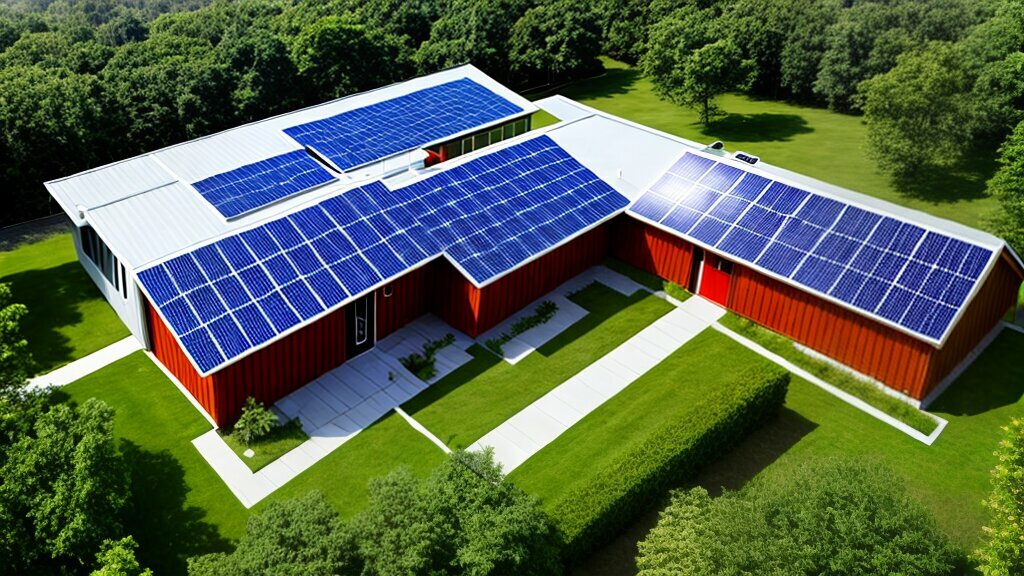
อีกแนวทางใหม่ในการก่อสร้างที่ประหยัดพลังงานคือการใช้หลักการออกแบบแบบพาสซีฟ การออกแบบแบบพาสซีฟเกี่ยวข้องกับการออกแบบอาคารเพื่อควบคุมอุณหภูมิและแสงสว่างตามธรรมชาติ ช่วยลดความจำเป็นในการทำความร้อนและความเย็นเทียม ตัวอย่างของหลักการออกแบบเชิงรับ ได้แก่ การออกแบบอาคารที่เปิดรับแสงทางทิศใต้เพื่อเพิ่มแสงธรรมชาติให้สูงสุด ส่วนที่ยื่นออกมาบังหน้าต่างในช่วงฤดูร้อน และการใช้วัสดุมวลความร้อนเพื่อกักเก็บความร้อนในตอนกลางวันและปล่อยออกมาในเวลากลางคืน
- หลักการออกแบบแบบพาสซีฟ:
- เพิ่มแสงธรรมชาติให้สูงสุด
- ลดความจำเป็นในการทำความร้อนและความเย็นเทียม
- ใช้วัสดุมวลความร้อน
การผสมผสานวิธีการก่อสร้างแบบประหยัดพลังงานเหล่านี้สามารถลดการใช้พลังงานของอาคารได้อย่างมาก และสร้างอนาคตที่ยั่งยืนมากขึ้น ในขณะที่อุตสาหกรรมการก่อสร้างยังคงมีการพัฒนาอย่างต่อเนื่อง คาดว่าจะมีโซลูชั่นประหยัดพลังงานเชิงนวัตกรรมเพิ่มมากขึ้นอีกด้วย
การออกแบบสถาปัตยกรรมที่ยั่งยืน: ผสมผสานสุนทรียภาพและความรับผิดชอบต่อสิ่งแวดล้อม
ความยั่งยืนไม่ใช่แค่คำฮิตในโลกอีกต่อไป สถาปัตยกรรม และการออกแบบ สถาปนิกและนักออกแบบกำลังผสานแนวทางปฏิบัติที่ยั่งยืนเข้ากับการออกแบบมากขึ้นเรื่อยๆ ทำให้อาคารไม่เพียงแต่สวยงามน่าอยู่เท่านั้น แต่ยังคำนึงถึงสิ่งแวดล้อมอีกด้วย การออกแบบสถาปัตยกรรมที่ยั่งยืนคือการค้นหาสมดุลระหว่างรูปทรงและฟังก์ชัน สุนทรียศาสตร์และประโยชน์ใช้สอย และความรับผิดชอบต่อสิ่งแวดล้อม
หนึ่งในแง่มุมที่สำคัญของการออกแบบสถาปัตยกรรมที่ยั่งยืนคือการใช้วัสดุที่เป็นมิตรต่อสิ่งแวดล้อมและรีไซเคิล วัสดุเหล่านี้ไม่เพียงแต่ลดการปล่อยก๊าซคาร์บอนไดออกไซด์เท่านั้น แต่ยังช่วยลดของเสียอีกด้วย สถาปนิกและช่างก่อสร้างใช้วัสดุที่ยั่งยืนหลากหลาย ตั้งแต่ไม้ไผ่ ไม้ยึด และโลหะรีไซเคิล ไปจนถึงก้อนฟางและดินอัดแน่น
การใช้แสงธรรมชาติและการระบายอากาศเป็นอีกส่วนสำคัญของการออกแบบสถาปัตยกรรมที่ยั่งยืน การศึกษาพบว่าการสัมผัสกับแสงธรรมชาติและอากาศบริสุทธิ์สามารถปรับปรุงประสิทธิภาพการทำงานและความเป็นอยู่โดยรวมได้ สถาปนิกและนักออกแบบใช้ช่องรับแสง หน้าต่างบานใหญ่ และห้องโถงเพื่อนำแสงธรรมชาติเข้ามาสู่อาคาร ในขณะที่ช่องระบายอากาศและพัดลมจัดวางอย่างมีกลยุทธ์เพื่อให้แน่ใจว่าอากาศบริสุทธิ์จะไหลเวียนทั่วทั้งอาคาร
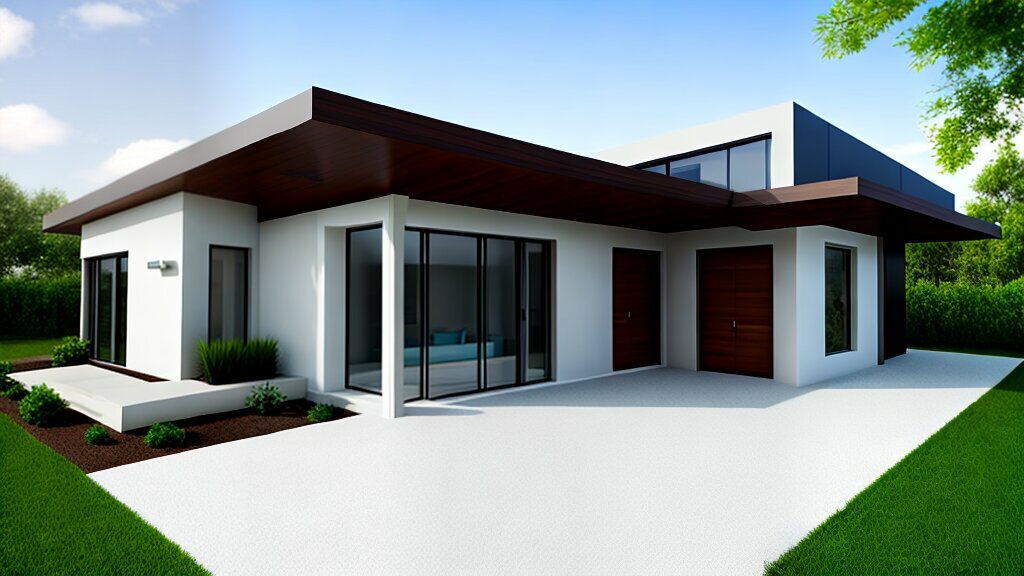
หลังคาและผนังสีเขียวยังได้รับความนิยมในการออกแบบสถาปัตยกรรมที่ยั่งยืนอีกด้วย คุณสมบัติเหล่านี้ไม่เพียงแต่สวยงามน่าพึงพอใจเท่านั้น แต่ยังให้ฉนวน ลดผลกระทบจากเกาะความร้อน และปรับปรุงคุณภาพอากาศ หลังคาและผนังสีเขียวยังสามารถใช้สำหรับการทำฟาร์มในเมือง ซึ่งเป็นแหล่งอาหารที่ยั่งยืน
Sustainable architectural design is not just limited to the building itself. The surrounding landscape is also taken into account. Landscaping can be designed to conserve water, filter pollutants, and provide habitats for native species. Water conservation practices, such as rainwater harvesting and greywater reuse, can also be incorporated into the design.
การออกแบบสถาปัตยกรรมที่ยั่งยืนไม่ได้เป็นเพียงกระแสเท่านั้น มันเป็นสิ่งจำเป็นเพื่อให้แน่ใจว่าจะมีอนาคตที่ดีและสดใสยิ่งขึ้น สถาปนิกและนักออกแบบไม่เพียงแต่สร้างอาคารที่สวยงาม แต่ยังช่วยลดผลกระทบต่อสิ่งแวดล้อมด้วยการปฏิบัติตามหลักปฏิบัติที่ยั่งยืน
สรุป
As we look to build a greener future, it’s clear that sustainable construction technologies and eco-conscious construction innovations will play a crucial role. By implementing green building practices, investing in sustainable infrastructure development, and using eco-friendly building materials, we can reduce our impact on the environment and create more sustainable communities.
วิธีการก่อสร้างที่ประหยัดพลังงานยังเป็นกุญแจสำคัญในการขับเคลื่อนอนาคตที่ยั่งยืน เนื่องจากช่วยลดการพึ่งพาแหล่งพลังงานที่ไม่หมุนเวียน และด้วยการผสมผสานสุนทรียภาพและความรับผิดชอบต่อสิ่งแวดล้อมผ่านการออกแบบสถาปัตยกรรมที่ยั่งยืน เราสามารถสร้างอาคารที่สวยงามที่มีทั้งประโยชน์ใช้สอยและความรับผิดชอบต่อสิ่งแวดล้อม
แม้ว่ายังมีงานที่ต้องทำอีกมาก แต่นวัตกรรมและเทคโนโลยีที่มีอยู่ในปัจจุบันถือเป็นคำมั่นสัญญาที่ดีเยี่ยมสำหรับอนาคตที่ยั่งยืนยิ่งขึ้น ด้วยการทำงานร่วมกันและตัดสินใจเลือกที่ยั่งยืน เราสามารถสร้างโลกที่ดีกว่าสำหรับตัวเราเองและคนรุ่นต่อๆ ไป
คำถามที่พบบ่อย
ถาม: ตัวอย่างเทคโนโลยีการก่อสร้างที่ยั่งยืนมีอะไรบ้าง
ตอบ: ตัวอย่างของเทคโนโลยีการก่อสร้างที่ยั่งยืน ได้แก่ ระบบแผงโซลาร์เซลล์ การเก็บน้ำฝน หลังคาเขียว และฉนวนประหยัดพลังงาน
ถาม: แนวปฏิบัติเกี่ยวกับอาคารสีเขียวคืออะไร
A: Green building practices are techniques and strategies that aim to reduce the environmental impact of construction. This can include using renewable materials, implementing energy-efficient systems, and promoting การออกแบบที่ยั่งยืน หลักการ
ถาม: นวัตกรรมการก่อสร้างที่คำนึงถึงสิ่งแวดล้อมคืออะไร?
A: Eco-conscious construction innovations are advancements in the construction industry that prioritize environmental sustainability. This can include using recycled materials, implementing energy-saving technologies, and reducing carbon emissions during the construction process.
ถาม: การพัฒนาโครงสร้างพื้นฐานที่ยั่งยืนคืออะไร?
ตอบ: การพัฒนาโครงสร้างพื้นฐานที่ยั่งยืนเกี่ยวข้องกับการก่อสร้างและการออกแบบโครงการโครงสร้างพื้นฐานในลักษณะที่จะลดผลกระทบต่อสิ่งแวดล้อมให้เหลือน้อยที่สุด ส่งเสริมประสิทธิภาพของทรัพยากร และจัดการกับความท้าทายด้านการเปลี่ยนแปลงสภาพภูมิอากาศ
ถาม: ตัวอย่างวัสดุก่อสร้างที่เป็นมิตรต่อสิ่งแวดล้อมมีอะไรบ้าง
ตอบ: ตัวอย่างของวัสดุก่อสร้างที่เป็นมิตรกับสิ่งแวดล้อม ได้แก่ ไม้ไผ่ เหล็กรีไซเคิล ไม้รีไซเคิล และสีที่มี VOC ต่ำ (สารประกอบอินทรีย์ระเหยง่าย)
ถาม: วิธีการก่อสร้างแบบประหยัดพลังงานมีอะไรบ้าง?
ตอบ: วิธีการก่อสร้างแบบประหยัดพลังงานเป็นเทคนิคที่ใช้ในการสร้างอาคารและโครงสร้างที่ช่วยลดการใช้พลังงาน ซึ่งอาจรวมถึงการปรับปรุงฉนวน การใช้แสงธรรมชาติ และการติดตั้งอุปกรณ์และระบบที่ประหยัดพลังงาน
ถาม: การออกแบบสถาปัตยกรรมที่ยั่งยืนคืออะไร?
A: Sustainable architectural design refers to the practice of creating buildings that minimize negative environmental impacts, optimize resource efficiency, and promote occupant wellbeing. This includes considerations such as energy efficiency, water conservation, and using environmentally friendly materials.




สถาปัตยกรรมสมัยใหม่: EcoTech สร้างอนาคตสีเขียว
3 ปีที่ผ่านมา[…] การนำพลังงานหมุนเวียนมาใช้ในการออกแบบสถาปัตยกรรมต้องอาศัยแนวทางแบบองค์รวม ไม่ใช่แค่การติดตั้งเทคโนโลยีเท่านั้น แต่ยังรวมถึง […]