สำเนา
โปรดทราบว่าข้อมูลนี้สร้างขึ้นแบบดิจิทัลและอาจมีข้อผิดพลาดบางประการ
[00:00:09] Speaker B: This is Jackie De Burca for the Constructive Voices Good News podcast. A short, sharp burst of uplifting stories from the built environment with a dash of biodiversity. Now we’re all about highlighting positive solutions that have the potential to improve our world. Today we feature floating developments, the EU’s proposed nature credit System and and Ecosia’s work in Burkina Faso.
[00:00:33] ผู้พูด A: นี่คือเสียงเชิงสร้างสรรค์
[00:00:35] Rutger de Graaf: สิ่งที่น่าสนใจอย่างหนึ่งเกี่ยวกับโครงสร้างลอยน้ำคือ โดยปกติแล้วโครงสร้างเหล่านี้จะเป็นโครงสร้างกลวง เพราะต้องมีน้ำหนักเบามาก ดังนั้นเราจึงสร้างฐานรากเหล็ก คอนกรีต หรือวัสดุผสม มีวัสดุหลายชนิดที่เราสามารถใช้ได้ แต่บ่อยครั้งที่โครงสร้างเหล่านี้สร้างพื้นที่ได้มาก
และพื้นที่ดังกล่าวสามารถนำไปใช้สำหรับเทคโนโลยีการบำบัดน้ำเสียแบบกระจายอำนาจได้
สามารถนำมาใช้สำหรับการบำบัดน้ำดื่มแบบกระจายศูนย์ พื้นที่ในแพลตฟอร์มลอยน้ำสามารถใช้เป็นแหล่งกักเก็บพลังงานไฟฟ้าได้
So floating structures by nature, they offer a lot of opportunities to become more self supporting, to become more off grid. We have also done for instance, a floating solar study. Floating solar is a great technology also to have floating energy generation.
We all know about the floating offshore wind. Of course we can also use floating algae and seaweed systems to produce floating biofuels. So floating urban development creates a lot of opportunities to implement decentralized concepts for water and energy.
และในแง่นั้น การเชื่อมต่อพื้นที่ลอยน้ำกับชายฝั่งด้วยระบบท่อระบายน้ำจึงไม่จำเป็น
ดังนั้นฉันคิดว่าสิ่งนั้นสร้างความยืดหยุ่นในรูปแบบหนึ่งในตัวมันเอง เนื่องจากโครงสร้างขนาดเล็กเหล่านี้สามารถรองรับตัวเองได้ดีกว่า และมีความเสี่ยงน้อยกว่าโครงข่ายขนาดใหญ่
If you have a power blackout or something, it has a big impact. But if neighbourhoods create their own, have their own system, it’s more redundant and more resilient.
นั่นคือสิ่งหนึ่ง
สิ่งที่เราได้พบเห็นตลอดหลายปีที่เราศึกษาวิจัยเกี่ยวกับการทดสอบแอ่งคลื่นก็คือ โครงสร้างลอยน้ำจะช่วยลดผลกระทบของคลื่นต่อชายฝั่งได้
ดังนั้นในช่วงเวลาที่คุณกำลังสร้างพื้นที่ลอยน้ำด้านหน้าชายฝั่ง คุณยังปกป้องชายฝั่งจากพายุและคลื่นอีกด้วย
ดังนั้น นอกจากจะปรับตัวเข้ากับน้ำท่วมได้เองแล้ว ยังช่วยปกป้องแผ่นดินใหญ่จากน้ำท่วมอันเนื่องมาจากสภาพอากาศที่เลวร้ายอีกด้วย
[00:02:31] ผู้พูด A: นี่คือเสียงเชิงสร้างสรรค์
[00:02:34] Jackie De Burca: บรัสเซลส์กำลังเดินหน้านำธรรมชาติเข้าสู่งบดุล ขณะที่สหภาพยุโรปกำลังเปิดเผยแผนงานสำหรับเครดิตธรรมชาติ Brian McSherry อธิบายว่าแนวทางที่ขับเคลื่อนโดยตลาดนี้สามารถปลดล็อกการลงทุนภาคเอกชน ให้รางวัลแก่ผู้คนในการฟื้นฟูระบบนิเวศ และเป็นก้าวสำคัญในการสร้างเสถียรภาพ ติดตามเรื่องราวฉบับเต็มได้ตั้งแต่วันที่ 9 กันยายนนี้ บนเว็บไซต์ Constructive Voices หรือแอปพลิเคชันพอดแคสต์ที่คุณชื่นชอบ
[00:02:57] ผู้พูด A: นี่คือเสียงเชิงสร้างสรรค์
[00:02:59] Jackie De Burca: เออร์ซูลา ฟอน เดอร์ ไลเอิน เป็นตัวอย่างหนึ่งที่เขียนบทความแสดงความคิดเห็นได้อย่างเป็นธรรมชาติ หลังจากนี้ ผมมีคำพูดของเธอมานำเสนอ และผมคิดว่ามันตรงไปตรงมาและเข้าใจได้ง่ายมากสำหรับคนทั่วไป เราต้องใส่ธรรมชาติไว้ในงบดุล นั่นคือสิ่งที่เครดิตธรรมชาติทำ
When well designed, they will provide an efficient, market driven instrument that encourages the private sector to invest and innovate. With investment and innovation, we generate revenue for those who work to protect nature.
[00:03:30] Brian MacSharry: ใช่ครับ ผมหมายถึงว่า ผมคิดว่าผมเห็นด้วยกับทุกอย่างที่คุณเพิ่งพูดไปจากท่านประธานาธิบดี แต่ผมคิดว่ามันอธิบายได้ชัดเจนมาก และผมคิดว่ามันช่วยกำหนดทิศทางของแผนงานได้จริงๆ และผมคิดว่า การนำธรรมชาติมาใส่ไว้ในงบดุลเป็นเรื่องที่หลายคนพูดถึงกันมานานแล้ว
There’s always been the how. And I think this roadmap is a step in that right direction, a big step, I would say. But for me, statements like that in the op ed I think is very clear. A lot of discussions and it was last September at a conference in Munich, the President said something about this, about nature credits was the first real public discourse about it. And she said something very similar at the time. And for me, when I read this and I listen to those different presentations, it’s very clear what the ambition from the European Union is about. This is put it on the balance sheet, it’s helping and it is really about protecting and restoring and mobilising the market to allow that and put in funding for nature and recognising the importance of nature and how it basically pays for itself. You know, we know nature is the cornerstone of our economy and businesses depend on it. The World Economic Forum, I think in 2020 said half the world’s GDP is moderately highly dependent on biodiversity. The rest of it still is, but maybe to a lower extent. So having any kind of conversation where it connects that business world to the rest of the nature world and the financing I think is to be supported.
[00:04:54] ผู้พูด A: นี่คือเสียงเชิงสร้างสรรค์
[00:04:57] Jackie De Burca: สุดท้ายนี้ เรื่องราวเกี่ยวกับเครื่องมือค้นหา Ecosia
[00:05:00] ผู้พูด A: นี่คือเสียงเชิงสร้างสรรค์
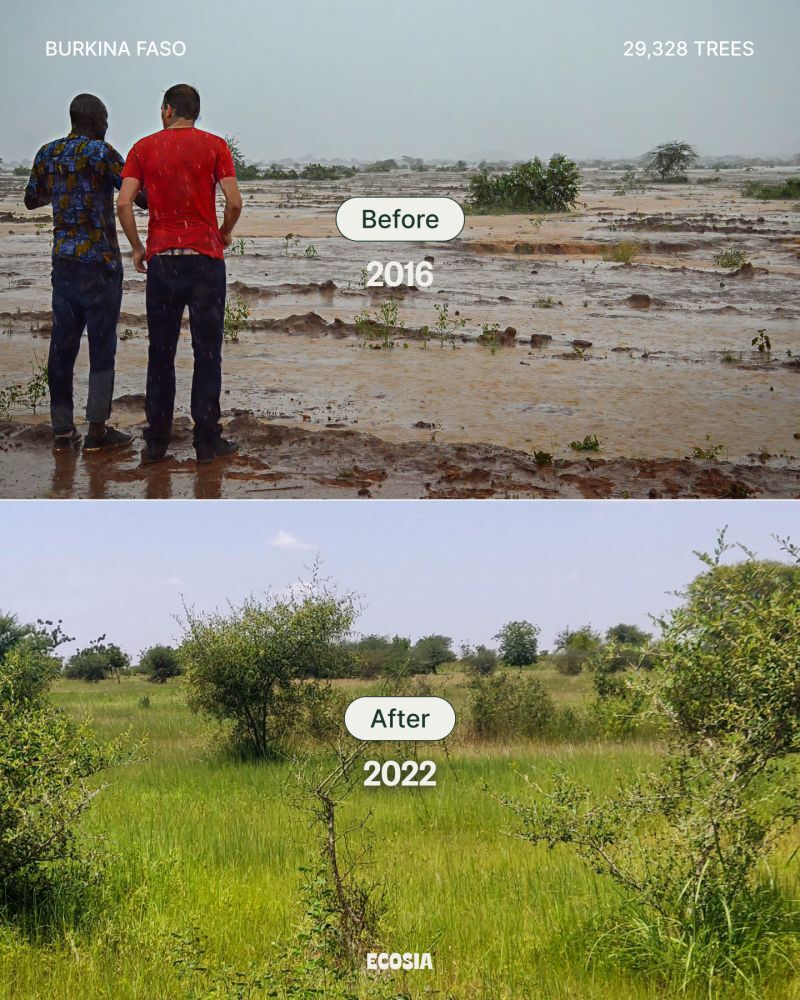
[00:05:03] วิทยากร E: ทีนี้มาดูผลงานดีๆ ของเครื่องมือค้นหา Ecosia กันบ้าง ในปี 2016 ทุ่งหญ้าสะวันนาในบูร์กินาฟาโซแทบจะโล่งเตียน เราจึงร่วมมือกับพันธมิตร Hommes a TerreEcosia ปลูกต้นไม้ไปแล้ว 29,328 ต้น ที่นั่นมีฝนตกไม่สม่ำเสมอ พวกเขาจึงใช้เทคนิคโบราณที่เรียกว่า Half Moon ซึ่งเป็นการกักเก็บน้ำไว้ในหลุมเพื่อช่วยให้ต้นไม้เล็ก ๆ อยู่รอด หกปีต่อมา ต้นไม้และทุ่งหญ้าก็เจริญเติบโต ดินกำลังฟื้นตัว และสัตว์ป่าก็กลับคืนมา เมื่อคุณใช้ Ecosia การค้นหาของคุณกำลังช่วยปกป้องต้นไม้เหล่านี้ และพวกมันจะยังคงทำต่อไปอีกหลายปี