


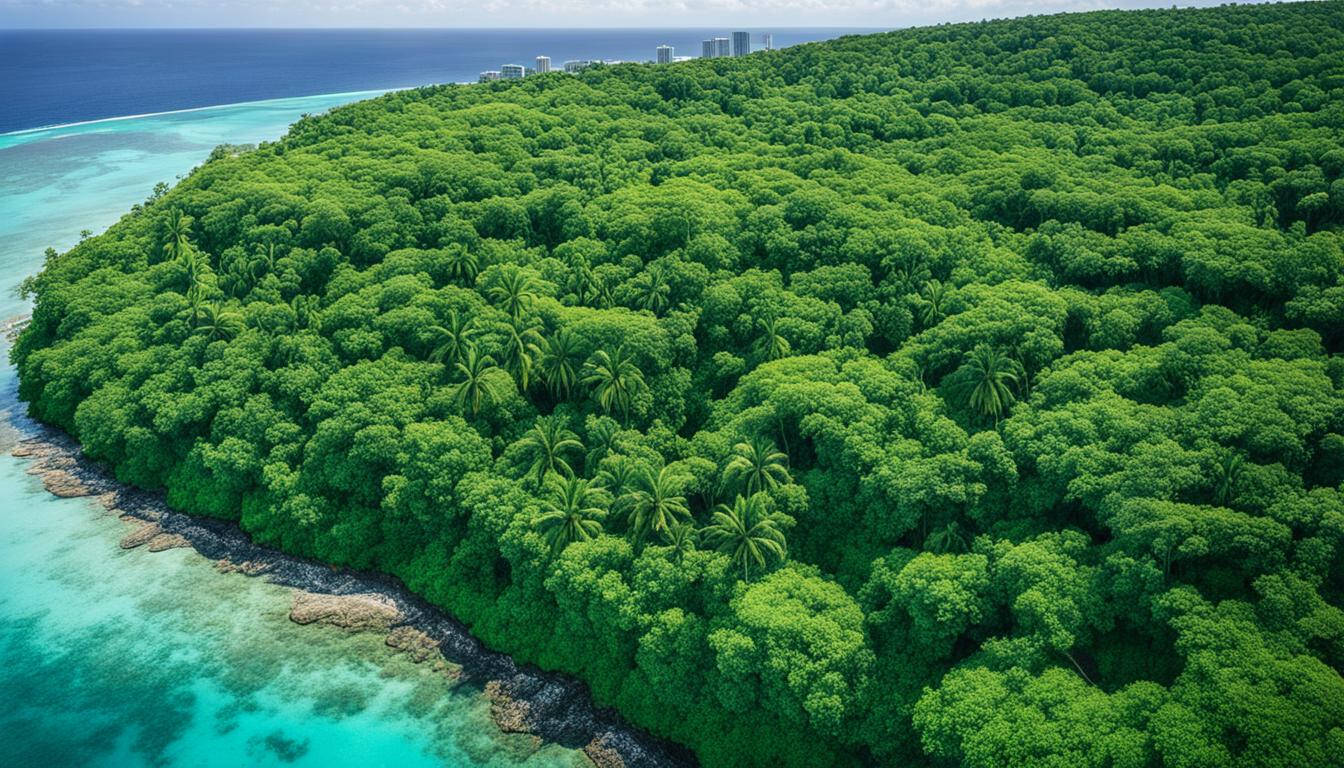
ความหลากหลายทางชีวภาพของนามิเบียและสิ่งแวดล้อมสรรค์สร้าง
Did you know that Namibia is home to one of the highest proportions of protected land in the world? With over 40% of its territory designated as protected areas, Namibia is a global leader in conservation efforts. This remarkable commitment to preserving its ความหลากหลายทางชีวภาพ showcases the country’s dedication to sustainable development and environmental impact reduction. Let’s delve into the intricate relationship between Namibia’s biodiversity and the built environment, exploring the challenges, strategies, and future prospects of this unique ecosystem.
ประเด็นที่สำคัญ:
- นามิเบียเป็นหนึ่งในพื้นที่คุ้มครองที่มีสัดส่วนสูงที่สุดในโลก โดยมากกว่า 40% ของอาณาเขตถูกกำหนดให้เป็นพื้นที่คุ้มครอง
- The preservation of Namibia’s biodiversity is crucial for achieving sustainable development and reducing environmental impact.
- Challenges such as habitat loss, poaching, overgrazing, and climate change threaten the biodiversity of Namibia.
- Conservation strategies, community involvement, and sustainable building practices are essential to safeguard Namibia’s unique animal and plant species.
- ความมุ่งมั่นของนามิเบียในการอนุรักษ์ปรากฏชัดในการจัดตั้งพื้นที่คุ้มครอง โครงการริเริ่มโดยชุมชน และการพัฒนายุทธศาสตร์และแผนปฏิบัติการด้านความหลากหลายทางชีวภาพแห่งชาติ
สัตว์สายพันธุ์ที่เป็นเอกลักษณ์ของนามิเบีย
Namibia is home to a diverse array of unique animal species that contribute to the extraordinary biodiversity of the region. From the world’s largest cheetah population to the largest free-roaming population of black rhinos in Africa, Namibia’s wildlife is both fascinating and vital to the ecosystem.
หนึ่งในสายพันธุ์ที่โดดเด่นที่สุดที่พบในนามิเบียคือเสือชีตาห์ เป็นที่คาดกันว่านามิเบียเป็นบ้านของประชากรเสือชีตาห์มากกว่าหนึ่งในสามของโลก ทำให้ที่นี่เป็นจุดหมายปลายทางในอุดมคติสำหรับผู้ชื่นชอบเสือชีตาห์และผู้รักสัตว์ป่า เสือชีตาห์ ความพยายามอนุรักษ์ในนามิเบีย are focused on protecting their natural habitats and mitigating human-wildlife conflicts.
Another remarkable species found in Namibia is the black rhino. With the largest free-roaming black rhino population in Africa, Namibia plays a vital role in their conservation. Efforts to protect these magnificent creatures include anti-poaching initiatives, habitat conservation, and community involvement in sustainable wildlife management.
นามิเบียยังเป็นที่รู้จักในเรื่องช้างที่ปรับตัวในทะเลทรายซึ่งได้พัฒนาลักษณะทางกายภาพและพฤติกรรมที่เป็นเอกลักษณ์เพื่อให้สามารถอยู่รอดได้ในภูมิประเทศที่แห้งแล้ง ช้างที่มีความยืดหยุ่นเหล่านี้ได้ครองใจนักอนุรักษ์และช่างภาพสัตว์ป่าจำนวนมาก ซึ่งช่วยยกระดับชื่อเสียงของประเทศในฐานะแหล่งรวมสัตว์ป่า
นอกจากนี้ นามิเบียยังเป็นที่อยู่อาศัยของละมั่งหลากหลายสายพันธุ์ เช่น อัญมณีบก สปริงบอก และคูดู ละมั่งสายพันธุ์เหล่านี้ได้ปรับตัวให้เข้ากับสภาพแวดล้อมที่หลากหลายของนามิเบีย รวมถึงบริเวณทะเลทราย และเจริญเติบโตอย่างกลมกลืนกับระบบนิเวศโดยรอบ
“Namibia’s wildlife is a testament to the incredible diversity of the country’s ecosystems. From the graceful cheetahs to the majestic black rhinos and the fascinating desert-adapted elephants, exploring สัตว์สายพันธุ์ที่มีเอกลักษณ์เฉพาะของนามิเบีย offers a truly unforgettable experience for nature enthusiasts.”
การเยี่ยมชมอุทยานสัตว์ป่าและเขตสงวนของนามิเบียทำให้นักท่องเที่ยวได้เห็นสัตว์ที่น่าทึ่งเหล่านี้ในแหล่งที่อยู่อาศัยตามธรรมชาติ อีกทั้งยังได้สัมผัสความมหัศจรรย์ของ สัตว์ป่านามิเบีย encourages visitors to contribute to conservation efforts and raises awareness about the importance of preserving biodiversity.
ต่อไป เราจะเจาะลึกภัยคุกคามต่างๆ ที่ความหลากหลายทางชีวภาพของนามิเบียเผชิญ โดยเน้นถึงความท้าทายในการรักษาสมดุลอันละเอียดอ่อนระหว่างกิจกรรมของมนุษย์และการอนุรักษ์สัตว์สายพันธุ์ที่น่าทึ่งเหล่านี้
ภัยคุกคามต่อความหลากหลายทางชีวภาพของนามิเบีย
Namibia’s biodiversity is under threat from various factors that endanger the delicate balance of its ecosystems. These threats include habitat loss, poaching, overgrazing, and climate change, which collectively pose significant challenges to preserving Namibia’s rich natural heritage.
การสูญเสียที่อยู่อาศัยในนามิเบีย
การสูญเสียที่อยู่อาศัยในนามิเบีย is primarily driven by human activities such as agriculture and urbanization. As the country develops, natural habitats are being converted into farmland and infrastructure, leading to the displacement and fragmentation of vital ecosystems. This loss of habitat disrupts the interconnectedness of plant and animal species, contributing to a decline in biodiversity.
การลักลอบล่าสัตว์ในนามิเบีย
การลักลอบล่าสัตว์ โดยเฉพาะอย่างยิ่งการมุ่งเป้าไปที่สัตว์สายพันธุ์ที่โดดเด่น เช่น แรดและช้าง ยังคงเป็นข้อกังวลร้ายแรงในนามิเบีย การค้าสัตว์ป่าผิดกฎหมายดำเนินการทั้งในประเทศและต่างประเทศ ซึ่งเป็นภัยคุกคามต่อการอยู่รอดของประชากรกลุ่มเปราะบางเหล่านี้ การสูญเสียสายพันธุ์หลักเหล่านี้มีผลกระทบอย่างกว้างขวางต่อระบบนิเวศที่พวกมันอาศัยอยู่ ขัดขวางกระบวนการทางนิเวศ และเป็นอันตรายต่อความหลากหลายทางชีวภาพของภูมิภาค
การกินหญ้ามากเกินไปในนามิเบีย
การกินหญ้ามากเกินไปทั้งจากปศุสัตว์และสัตว์ป่าเป็นภัยคุกคามที่สำคัญอีกประการหนึ่งต่อความหลากหลายทางชีวภาพของนามิเบีย การเลี้ยงสัตว์ที่ไม่ยั่งยืนทำให้แหล่งที่อยู่อาศัยเสื่อมโทรม นำไปสู่การสูญเสียพืชพรรณและจำนวนประชากรพืชและสัตว์ลดลงตามมา การใช้ทรัพยากรที่มีอยู่มากเกินไปทำให้มีเวลาเพียงเล็กน้อยในการฟื้นฟูตามธรรมชาติ และทำให้ปัญหารุนแรงขึ้นอีก
การเปลี่ยนแปลงสภาพภูมิอากาศในนามิเบีย
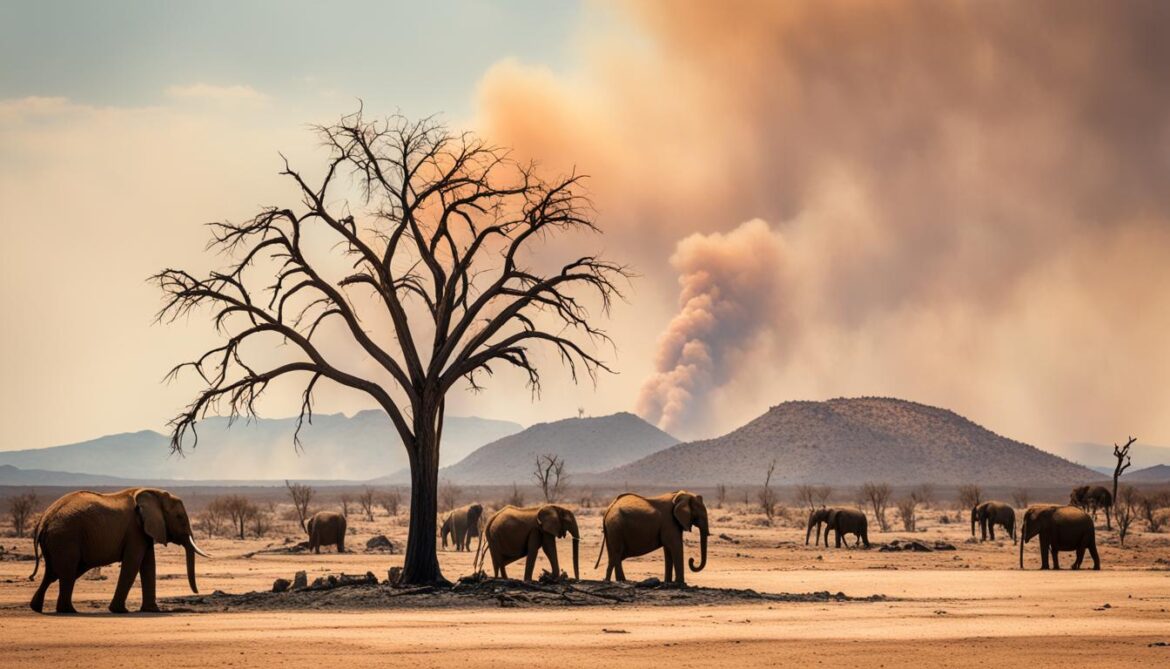
Climate change poses a growing threat to Namibia’s biodiversity. Rising temperatures and changing rainfall patterns disrupt the delicate balance of ecosystems, affecting the distribution and abundance of plant and animal species. The resulting shifts in habitats and ecological relationships jeopardize the long-term survival of Namibia’s unique flora and fauna.
Addressing these threats requires a multi-faceted approach that combines conservation efforts with sustainable development practices. The preservation of Namibia’s biodiversity depends on the collective commitment of governments, communities, and individuals towards protecting and restoring the natural environment.
ยุทธศาสตร์การอนุรักษ์
To safeguard Namibia’s diverse wildlife and protected areas, effective conservation strategies are necessary. These strategies aim to protect wildlife, promote community involvement, and adapt to the challenges posed by climate change. Collaboration between governments, NGOs, local communities, and international stakeholders is key to the success of these efforts.
การบังคับใช้กฎหมายคุ้มครองสัตว์ป่า
Effective enforcement of wildlife protection laws is vital to combat poaching and illegal wildlife trade. Strict penalties and increased surveillance can act as deterrents and help preserve Namibia’s unique and endangered species.
การจัดตั้งและการขยายพื้นที่คุ้มครอง
การสร้างและขยายพื้นที่คุ้มครองถือเป็นสิ่งสำคัญสำหรับการอนุรักษ์ความหลากหลายทางชีวภาพของนามิเบีย พื้นที่เหล่านี้เป็นเขตรักษาพันธุ์สัตว์ป่า ช่วยให้พวกมันเจริญเติบโตและอยู่รอดได้ในระยะยาว นอกจากนี้ พื้นที่คุ้มครองยังมอบโอกาสในการท่องเที่ยวเชิงนิเวศ สร้างรายได้จากความพยายามในการอนุรักษ์
การส่งเสริมความคิดริเริ่มในการอนุรักษ์โดยชุมชน
Engaging local communities in conservation initiatives is essential for sustainable wildlife protection. In Namibia, community-based conservancies have been successful in fostering a sense of ownership and responsibility among local residents. The partnership between communities and conservation organizations promotes sustainable land management practices and benefits both wildlife and people.
การดำเนินกลยุทธ์การปรับตัวต่อการเปลี่ยนแปลงสภาพภูมิอากาศ
Climate change poses significant challenges to Namibia’s biodiversity. By implementing climate change adaptation strategies, such as habitat restoration and promoting resilient ecosystems, the country can mitigate the impacts of climate change on wildlife and their habitats.
มีประสิทธิภาพ ยุทธศาสตร์การอนุรักษ์ในนามิเบีย เกี่ยวข้องกับการบังคับใช้กฎหมายคุ้มครองสัตว์ป่า การจัดตั้งและขยายพื้นที่คุ้มครอง การส่งเสริมความคิดริเริ่มด้านการอนุรักษ์โดยชุมชน และการดำเนินการตามกลยุทธ์การปรับตัวต่อการเปลี่ยนแปลงสภาพภูมิอากาศ
By prioritizing these conservation strategies, Namibia can preserve its wildlife, protect its unique ecosystems, and ensure a sustainable future for generations to come.
ความพยายามอนุรักษ์ในนามิเบีย
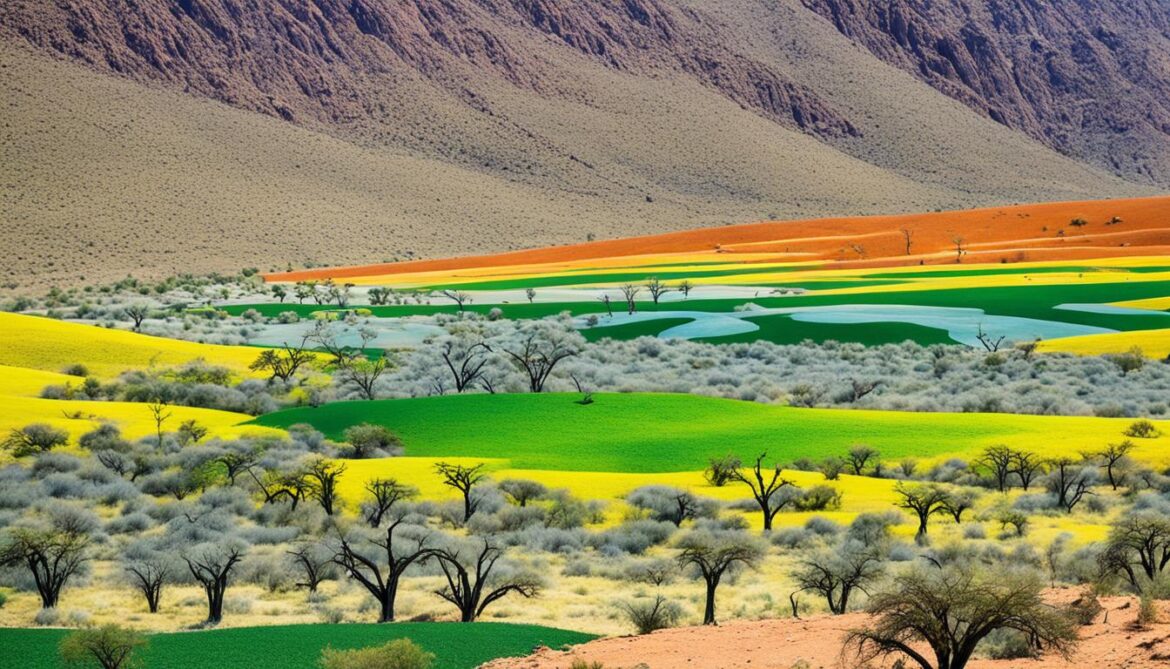
Namibia is dedicated to preserving its rich biodiversity through a range of conservation efforts. The country recognizes the importance of protecting its natural resources and ensuring the sustainable management of its ecosystems. This section highlights some of the key initiatives undertaken by Namibia in its conservation journey.
พื้นที่คุ้มครองในนามิเบีย
Namibia boasts an impressive network of protected areas, including national parks, game reserves, and conservancies. These areas play a vital role in safeguarding the country’s diverse flora and fauna. They provide habitats for a wide range of species and enable the implementation of effective conservation strategies. Namibia’s protected areas offer opportunities for wildlife observation, research, and ecotourism, contributing to both biodiversity conservation and sustainable development.
การมีส่วนร่วมของชุมชนในการอนุรักษ์
Community-led conservation initiatives are a fundamental aspect of Namibia’s conservation efforts. Recognizing the importance of local knowledge and participation, the country actively engages communities in wildlife conservation and sustainable land management practices. By involving local communities, Namibia promotes a sense of ownership and responsibility towards the preservation of its natural heritage. This collaborative approach empowers communities to actively contribute to the protection and sustainable use of natural resources.
การคุ้มครองสิ่งแวดล้อมในนามิเบีย
Namibia places great emphasis on environmental protection and enforces strict regulations to mitigate the impact of human activities on its ecosystems. The government works tirelessly to ensure that industries adhere to sustainable practices, minimizing pollution and promoting responsible resource management. Through environmental impact assessments and robust legislation, Namibia strives to balance economic development with environmental sustainability.
ยุทธศาสตร์และแผนปฏิบัติการความหลากหลายทางชีวภาพแห่งชาติของนามิเบีย
ความมุ่งมั่นของนามิเบียในการอนุรักษ์ได้รับการเสริมด้วยยุทธศาสตร์และแผนปฏิบัติการด้านความหลากหลายทางชีวภาพแห่งชาติ แผนที่ครอบคลุมนี้สรุปวิสัยทัศน์และกลยุทธ์ของประเทศในการอนุรักษ์ความหลากหลายทางชีวภาพและการพัฒนาที่ยั่งยืน ระบุพื้นที่ที่มีความสำคัญ กำหนดเป้าหมายการอนุรักษ์ และกำหนดกรอบการทำงานสำหรับการติดตามและประเมินผล แผนดังกล่าวเกี่ยวข้องกับผู้มีส่วนได้ส่วนเสียต่างๆ รวมถึงหน่วยงานภาครัฐ องค์กรพัฒนาเอกชน และชุมชนท้องถิ่น เพื่อทำงานร่วมกันเพื่อบรรลุเป้าหมายการอนุรักษ์
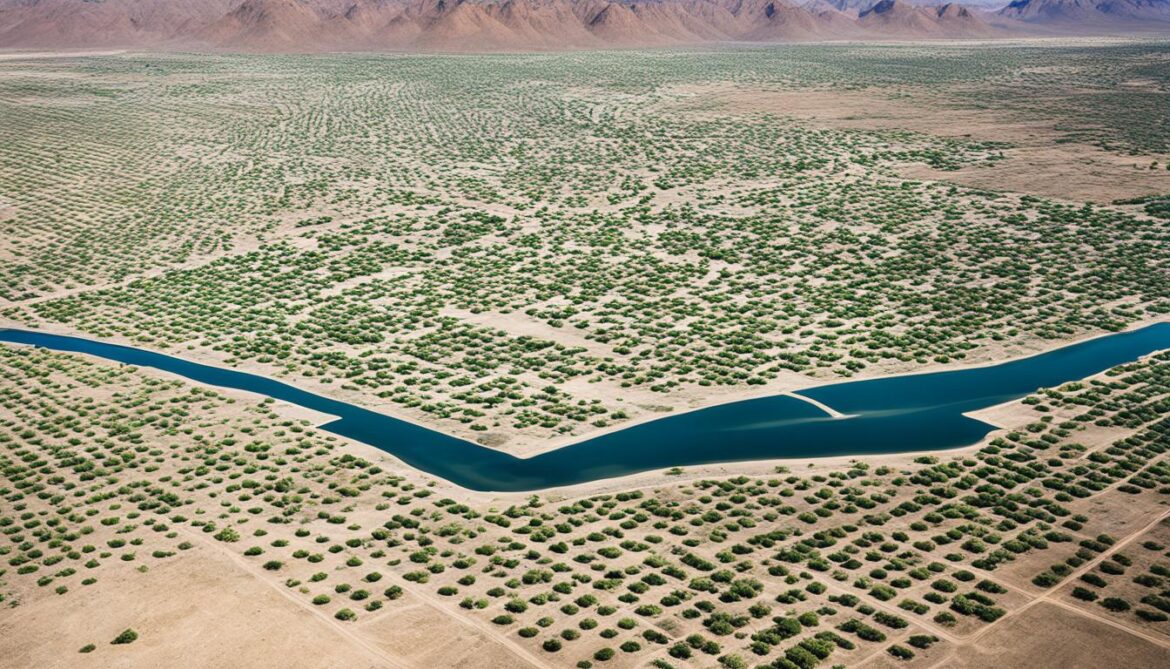
ภาพด้านบนแสดงภูมิทัศน์อันน่าทึ่งของพื้นที่คุ้มครองของนามิเบีย โดยเน้นถึงความทุ่มเทของประเทศในการอนุรักษ์มรดกทางธรรมชาติ
ผลกระทบของการกระจายตัวของภูมิทัศน์ต่อความหลากหลายทางชีวภาพของนามิเบีย
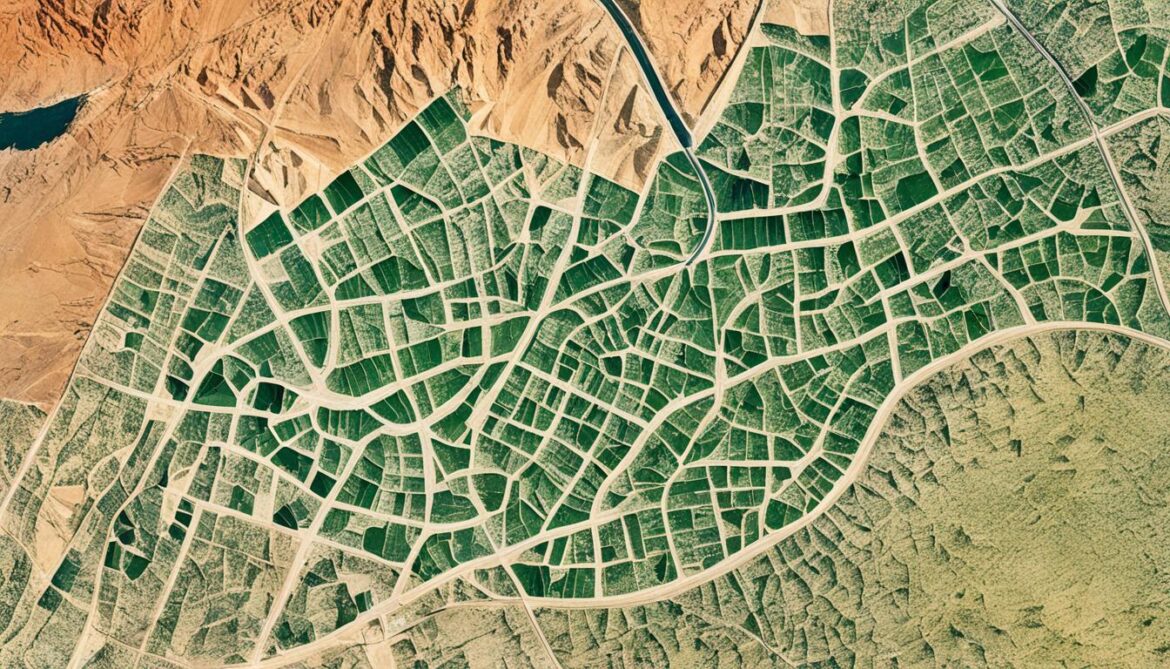
การกระจายตัวของภูมิทัศน์ที่เกิดจากรั้วเกมและถนนมีความสำคัญ ผลกระทบต่อสัตว์ป่าของนามิเบียจำกัดการเคลื่อนไหวและเพิ่มความเสี่ยงต่อการเสียชีวิต การสร้างรั้วเกมขัดขวางแหล่งที่อยู่อาศัยและจำกัดแหล่งยีนและขนาดประชากรของสัตว์ป่า ถนนทำหน้าที่เป็นเครื่องกีดขวาง ขัดขวางการเคลื่อนไหวของสัตว์ป่า และนำไปสู่การแตกแยกของแหล่งที่อยู่อาศัย
Namibia’s conservation efforts should prioritize permeable fences and the construction of structures like tunnels and bridges to ensure wildlife connectivity. By allowing animals to move freely between fragmented habitats, these measures promote genetic exchange, enhance species survival, and contribute to the overall health and diversity of Namibia’s wildlife population.
ความท้าทายในการอนุรักษ์ในนามิเบีย
ผลกระทบของการกระจายตัวของภูมิทัศน์ก่อให้เกิดผลกระทบหลายประการ ความท้าทายด้านการอนุรักษ์ในนามิเบีย ประการแรก การเคลื่อนไหวอย่างจำกัดอาจขัดขวางรูปแบบการอพยพตามธรรมชาติและการเคลื่อนไหวตามฤดูกาลของสัตว์ป่า ส่งผลต่อรูปแบบการผสมพันธุ์ พฤติกรรมการหาอาหาร และการเข้าถึงทรัพยากรที่สำคัญ เช่น น้ำและอาหาร การหยุดชะงักนี้อาจนำไปสู่การลดลงของจำนวนประชากรและการสูญเสียความหลากหลายทางพันธุกรรม
นอกจากนี้ การกระจายตัวของแหล่งที่อยู่อาศัยสามารถนำไปสู่การสร้างประชากรที่อยู่โดดเดี่ยว เพิ่มความเสี่ยงในการผสมพันธุ์ และลดความสามารถของสัตว์ป่าในการปรับตัวให้เข้ากับสภาพแวดล้อมที่เปลี่ยนแปลงไป สิ่งนี้สามารถกระทบต่อความอยู่รอดและความยืดหยุ่นของสายพันธุ์ในระยะยาวเมื่อเผชิญกับภัยคุกคาม เช่น การเปลี่ยนแปลงสภาพภูมิอากาศและการระบาดของโรค
Conservationists and stakeholders in Namibia face the challenge of balancing the needs of human development with the preservation of wildlife habitats. They must find innovative solutions to mitigate the negative impacts of landscape fragmentation, ensuring the long-term survival of Namibia’s unique biodiversity.
| ความท้าทายในการอนุรักษ์ | ผลกระทบ |
|---|---|
| การเคลื่อนไหวของสัตว์ป่าที่ถูกจำกัด | ขัดขวางรูปแบบการอพยพตามธรรมชาติและการเข้าถึงทรัพยากร |
| ประชากรที่แยกจากกัน | เพิ่มความเสี่ยงในการผสมพันธุ์และความสามารถในการปรับตัวลดลง |
| สมดุลการอนุรักษ์-การพัฒนา | การจัดการการพัฒนามนุษย์พร้อมทั้งรักษาแหล่งที่อยู่อาศัยของสัตว์ป่า |
การกินหญ้ามากเกินไปเป็นภัยคุกคามต่อความหลากหลายทางชีวภาพของนามิเบีย
การกินหญ้ามากเกินไปในนามิเบีย poses a significant threat to the country’s biodiversity and ecosystem health. This issue affects both game and livestock farms, leading to habitat degradation, loss of biodiversity, erosion, and changes in vegetation composition. The balance between stocking rates and grazing areas is disrupted, resulting in unproductive land and reduced recovery periods for vegetation.
One major consequence of overgrazing is the phenomenon known as bush encroachment. As vegetation is continually grazed beyond its carrying capacity, opportunistic woody species such as shrubs and trees start to dominate the landscape. This encroachment negatively impacts the diversity and abundance of grasses and other herbaceous plants, altering the structure and composition of the ecosystem.
การเลี้ยงปศุสัตว์ในนามิเบีย plays a vital role in the country’s economy, providing employment and food security. However, unsustainable grazing practices can lead to soil degradation, which further exacerbates the effects of overgrazing. It is essential to strike a balance between livestock numbers and available rangeland resources to ensure the long-term sustainability of both the agricultural sector and the environment.
เพื่อลดผลกระทบของการกินหญ้ามากเกินไป ควรมีการนำแนวปฏิบัติการจัดการพื้นที่ราบอย่างยั่งยืนมาใช้ ซึ่งรวมถึงการแทะเล็มหญ้าแบบหมุนเวียน ซึ่งช่วยให้สามารถพักผ่อนและฟื้นฟูพืชพรรณได้อย่างเหมาะสม และการจัดตั้งเขตสงวนแทะเล็มหญ้าเพื่อปกป้องแหล่งที่อยู่อาศัยที่สำคัญ นอกจากนี้ แนวทางทางเลือกในการผลิตเนื้อสัตว์ เช่น ระบบการให้อาหารสัตว์และแนวทางปฏิบัติทางการเกษตรที่หลากหลาย สามารถช่วยบรรเทาแรงกดดันในการเลี้ยงสัตว์บนพื้นที่ราบตามธรรมชาติได้
การจัดการพื้นที่เรนจ์แลนด์ในนามิเบียต้องการความร่วมมืออย่างใกล้ชิดระหว่างเกษตรกร หน่วยงานภาครัฐ และองค์กรอนุรักษ์ ด้วยการนำแนวปฏิบัติที่ยั่งยืนมาใช้และการนำกลยุทธ์การจัดการที่ดินไปใช้อย่างมีประสิทธิผล เราสามารถลดผลกระทบด้านลบของการกินหญ้ามากเกินไป และรับประกันการอนุรักษ์ความหลากหลายทางชีวภาพอันเป็นเอกลักษณ์ของนามิเบียในระยะยาว
| ผลกระทบของการกินมากเกินไป | ยุทธศาสตร์การอนุรักษ์ |
|---|---|
|
|
การใช้น้ำมากเกินไปในนามิเบีย
The over-utilization of water in Namibia has become a pressing issue, with the transformation of ephemeral rivers into permanent water sources and the expansion of towns and farming activities. This increased water utilization has had a significant impact on the availability of water resources in the country.
การจัดตั้งแหล่งน้ำถาวรได้นำไปสู่ความกดดันในการเลี้ยงสัตว์ที่สูงขึ้น เนื่องจากปศุสัตว์และสัตว์ป่าต้องพึ่งพาแหล่งน้ำเหล่านี้เพื่อความอยู่รอดมากขึ้น ในทางกลับกัน ส่งผลให้เกิดการกัดเซาะและการเปลี่ยนแปลงองค์ประกอบของพืชพรรณเพิ่มมากขึ้น ส่งผลเสียต่อความสมดุลอันละเอียดอ่อนของระบบนิเวศ การขาดแคลนทรัพยากรน้ำยังเป็นภัยคุกคามต่อความหลากหลายทางชีวภาพของนามิเบีย เนื่องจากพืชและสัตว์หลายชนิดต้องอาศัยแหล่งน้ำเหล่านี้เพื่อความอยู่รอด
ความกดดันในการแทะเล็มหญ้า การกัดเซาะ และการเปลี่ยนแปลงของความหลากหลายทางชีวภาพที่สูงขึ้นนั้นสังเกตได้เนื่องจากการใช้ประโยชน์น้ำมากเกินไปในนามิเบีย
To address this issue, it is crucial to implement measures to mitigate water consumption in Namibia. This requires a multi-faceted approach that includes population control to manage the demand for water, reducing meat production and consumption to alleviate the strain on water resources, and implementing water recycling and conservation practices to optimize water usage.
การดำเนินการเหล่านี้ทำให้นามิเบียสามารถทำงานเพื่อฟื้นฟูสมดุลของทรัพยากรน้ำ ปกป้องความหลากหลายทางชีวภาพที่เป็นเอกลักษณ์ และรับประกันการพัฒนาที่ยั่งยืนในระยะยาว
ผลกระทบของการใช้น้ำต่อพืชพรรณของนามิเบีย
การใช้น้ำมากเกินไปในนามิเบียส่งผลกระทบโดยตรงต่อพืชพรรณ เมื่อแหล่งน้ำขาดแคลน พืชพรรณต้องดิ้นรนเพื่อความอยู่รอด นำไปสู่การเปลี่ยนแปลงองค์ประกอบและความหนาแน่นของพันธุ์พืช ซึ่งในทางกลับกันก็ส่งผลกระทบต่อแหล่งที่อยู่อาศัยของสัตว์หลากหลายสายพันธุ์ที่ต้องอาศัยพืชบางชนิดเป็นอาหารและที่อยู่อาศัย
นอกจากนี้ การสูญเสียแหล่งน้ำยังทำให้การบุกรุกของพุ่มไม้รุนแรงขึ้น ซึ่งเป็นปรากฏการณ์ที่พุ่มไม้และต้นไม้ตั้งรกรากในพื้นที่ที่ครั้งหนึ่งเคยถูกครอบงำด้วยหญ้า การบุกรุกของพุ่มไม้ส่งผลเสียต่อผลผลิตของพื้นที่ราบและความหลากหลายทางชีวภาพ เนื่องจากจะทำให้พื้นที่ทุ่งเลี้ยงสัตว์มีน้อยลงและรบกวนแหล่งที่อยู่อาศัยของสัตว์ป่า
| ผลกระทบของการใช้น้ำมากเกินไปต่อพืชพรรณของนามิเบีย | การดำเนินการเพื่อลดการใช้น้ำ |
|---|---|
| การเปลี่ยนแปลงองค์ประกอบของพืชพรรณ | การควบคุมการเติบโตของประชากร |
| การรุกล้ำพุ่มไม้เพิ่มขึ้น | ลดการผลิตและการบริโภคเนื้อสัตว์ |
| การรบกวนพื้นที่ทุ่งเลี้ยงสัตว์ | การนำแนวทางปฏิบัติในการรีไซเคิลและอนุรักษ์น้ำไปใช้ |
Addressing the impact of water utilization on Namibia’s vegetation requires a comprehensive approach that includes managing population growth, adopting sustainable agricultural practices, and promoting water conservation and recycling initiatives.
สถาปัตยกรรมแบบยั่งยืนในนามิเบีย
Namibia has made significant strides in sustainable architecture, with a notable example being สำนักงานใหญ่สีเขียวของ Nedbank Namibia. This iconic building showcases the integration of innovative design and environmental consciousness.
The use of energy-saving technologies, such as solar panels and energy-efficient lighting systems, ensures minimal energy consumption. By harnessing พลังงานทดแทน แหล่งที่มา อาคารแห่งนี้ลดการพึ่งพาโครงข่ายไฟฟ้าแบบเดิม และช่วยให้นามิเบียมีสีเขียวมากขึ้น

การรวมตัวของ อาคารสีเขียว materials, such as recycled and locally sourced materials, minimizes the environmental impact of construction. These sustainable materials not only reduce waste but also lower the carbon footprint associated with the manufacturing and transportation of building materials.
การออกแบบของ สำนักงานใหญ่สีเขียวของ Nedbank Namibia prioritizes natural light and ventilation, reducing the need for artificial lighting and air conditioning. This design approach enhances indoor air quality, promotes occupant well-being, and reduces energy consumption.
Nedbank’s commitment to sustainability sets a benchmark for eco-conscious architecture in Namibia and inspires future developments in the country.
ประโยชน์ของสถาปัตยกรรมที่ยั่งยืน
- Promotes energy efficiency and reduces operational costs
- Minimizes environmental impact and carbon emissions
- Improves indoor air quality and occupant well-being
- Utilizes renewable energy sources for a more sustainable future
- สนับสนุนเศรษฐกิจในท้องถิ่นผ่านการใช้วัสดุที่มาจากท้องถิ่น
ให้กำลังใจ สถาปัตยกรรมยั่งยืนในนามิเบียสิ่งสำคัญคือต้องสร้างความตระหนักรู้เกี่ยวกับคุณประโยชน์และนำเสนอโครงการที่ประสบความสำเร็จเช่น สำนักงานใหญ่สีเขียวของ Nedbank Namibia. By prioritizing energy-efficient construction practices, green building design, and the use of sustainable materials, Namibia can pave the way for a more environmentally conscious built environment.
สรุป
ความหลากหลายทางชีวภาพของนามิเบียและสภาพแวดล้อมที่สร้างขึ้นนั้นเชื่อมโยงกันอย่างซับซ้อน และการอนุรักษ์ทรัพยากรธรรมชาติมีบทบาทสำคัญในการบรรลุการพัฒนาที่ยั่งยืน ด้วยการจัดการกับภัยคุกคาม เช่น การสูญเสียแหล่งที่อยู่อาศัย การรุกล้ำ การกินหญ้ามากเกินไป และการเปลี่ยนแปลงสภาพภูมิอากาศ นามิเบียสามารถปกป้องสัตว์และพันธุ์พืชที่มีเอกลักษณ์เฉพาะของตน และรักษาความหลากหลายทางชีวภาพอันอุดมสมบูรณ์ไว้สำหรับคนรุ่นอนาคต
กลยุทธ์การอนุรักษ์ที่เกี่ยวข้องกับการมีส่วนร่วมของชุมชนและการยอมรับแนวปฏิบัติในการสร้างที่ยั่งยืนเป็นกุญแจสำคัญในการสร้างอนาคตที่เป็นมิตรต่อสิ่งแวดล้อมและเป็นมิตรกับสิ่งแวดล้อมมากขึ้นสำหรับนามิเบีย ด้วยความพยายามร่วมกันระหว่างรัฐบาล องค์กรพัฒนาเอกชน ชุมชนท้องถิ่น และผู้มีส่วนได้ส่วนเสียระหว่างประเทศ จึงสามารถดำเนินการริเริ่มการอนุรักษ์ที่มีประสิทธิผลได้
ในขณะที่นามิเบียก้าวไปข้างหน้า สิ่งสำคัญคือต้องจัดลำดับความสำคัญของการอนุรักษ์และการใช้ประโยชน์ความหลากหลายทางชีวภาพอย่างยั่งยืน เพื่อให้มั่นใจว่าชาวนามิเบียอยู่ร่วมกันอย่างกลมกลืนกับสภาพแวดล้อมทางธรรมชาติของพวกเขา การทำเช่นนี้จะทำให้นามิเบียสามารถรักษาอนาคตที่ระบบนิเวศที่หลากหลายของประเทศเจริญเติบโตได้ และรักษาสมดุลระหว่างสภาพแวดล้อมที่สร้างขึ้นและการอนุรักษ์ความหลากหลายทางชีวภาพไว้เพื่อประโยชน์ของทุกคน
คำถามที่พบบ่อย
ความหลากหลายทางชีวภาพของนามิเบียมีความสำคัญอย่างไร?
Namibia is known for its remarkable biodiversity, which includes diverse animal and plant species in unique ecosystems. This biodiversity attracts tourists from around the world and contributes to the country’s natural beauty and ecological balance.
อะไรคือภัยคุกคามต่อความหลากหลายทางชีวภาพของนามิเบีย?
ความหลากหลายทางชีวภาพของนามิเบียเผชิญกับภัยคุกคามต่างๆ เช่น การสูญเสียถิ่นที่อยู่ การรุกล้ำ การกินหญ้ามากเกินไป และการเปลี่ยนแปลงสภาพภูมิอากาศ ปัจจัยเหล่านี้ก่อให้เกิดความเสี่ยงต่อสายพันธุ์ที่อ่อนแอและทำลายความสมดุลอันละเอียดอ่อนของระบบนิเวศ
นามิเบียสามารถปกป้องความหลากหลายทางชีวภาพได้อย่างไร?
เพื่อปกป้องความหลากหลายทางชีวภาพของนามิเบีย กลยุทธ์การอนุรักษ์จะต้องรวมถึงการบังคับใช้กฎหมายคุ้มครองสัตว์ป่า การสร้างพื้นที่คุ้มครอง การส่งเสริมความคิดริเริ่มในการอนุรักษ์โดยชุมชน และการนำกลยุทธ์การปรับตัวต่อการเปลี่ยนแปลงสภาพภูมิอากาศไปใช้ ความร่วมมือระหว่างผู้มีส่วนได้ส่วนเสียต่างๆ เป็นสิ่งสำคัญสำหรับความพยายามในการอนุรักษ์ที่มีประสิทธิผล
ความพยายามในการอนุรักษ์ของนามิเบียคืออะไร?
Namibia has made significant strides in conservation through the establishment of protected areas like national parks and conservancies. The country also involves local communities in wildlife conservation and sustainable land management practices. Additionally, Namibia has developed a National Biodiversity Strategy and Action Plan to guide conservation initiatives aligned with sustainable development goals.
การกระจายตัวของภูมิประเทศส่งผลกระทบต่อสัตว์ป่าของนามิเบียอย่างไร
การกระจายตัวของภูมิทัศน์ที่เกิดจากรั้วเกมและถนน จำกัดการเคลื่อนไหวของสัตว์ป่า และเพิ่มความเสี่ยงต่อการเสียชีวิต สิ่งนี้รบกวนแหล่งที่อยู่อาศัย จำกัดแหล่งยีนและขนาดประชากรของสัตว์ป่า และนำไปสู่การแตกแยกแหล่งที่อยู่อาศัย ก่อให้เกิดความท้าทายสำหรับความพยายามในการอนุรักษ์
ผลกระทบของการกินหญ้ามากเกินไปต่อความหลากหลายทางชีวภาพของนามิเบียคืออะไร?
การกินหญ้ามากเกินไปในนามิเบียการปล่อยให้สัตว์ป่าและปศุสัตว์ออกหากินอย่างไม่เป็นระเบียบ ทั้งในฟาร์มเลี้ยงสัตว์ป่าและฟาร์มปศุสัตว์ทั่วไป นำไปสู่การเสื่อมโทรมของแหล่งที่อยู่อาศัย การสูญเสียความหลากหลายทางชีวภาพ การกัดเซาะ และการเปลี่ยนแปลงองค์ประกอบของพืชพรรณ มันทำลายความสมดุลระหว่างอัตราการเลี้ยงสัตว์และพื้นที่กินหญ้า ส่งผลให้ที่ดินไม่สามารถใช้ประโยชน์ได้และลดระยะเวลาการฟื้นตัวของพืชพรรณ
การใช้น้ำมากเกินไปส่งผลต่อความหลากหลายทางชีวภาพของนามิเบียอย่างไร
การเปลี่ยนแปลงของแม่น้ำชั่วคราวให้เป็นแหล่งน้ำถาวร และการก่อตั้งเมืองและกิจกรรมการเกษตรได้นำไปสู่การใช้น้ำที่เพิ่มขึ้น และส่งผลกระทบต่อความพร้อมของทรัพยากรน้ำในนามิเบีย สิ่งนี้ส่งผลให้เกิดแรงกดดันในทุ่งหญ้า การกัดเซาะ การเปลี่ยนแปลงความหลากหลายทางชีวภาพ และความจำเป็นในการดำเนินการบรรเทาผลกระทบเพื่ออนุรักษ์ทรัพยากรน้ำ
ความสำคัญของสถาปัตยกรรมที่ยั่งยืนในนามิเบียคืออะไร?
Namibia has prioritized sustainable architecture, exemplified by Nedbank Namibia’s green head office. The use of energy-saving technologies, green building materials, and efficient design helps reduce environmental impact. These sustainable practices inspire future developments and contribute to a greener and more environmentally conscious future.
ความหลากหลายทางชีวภาพของนามิเบียและสภาพแวดล้อมที่สร้างขึ้นมีความเชื่อมโยงกันอย่างไร
ความหลากหลายทางชีวภาพและสภาพแวดล้อมที่มนุษย์สร้างขึ้นในนามิเบียมีความเกี่ยวพันกันอย่างใกล้ชิด ความพยายามในการอนุรักษ์มีความสำคัญอย่างยิ่งต่อการรักษาความหลากหลายทางชีวภาพและการบรรลุเป้าหมาย การพัฒนาอย่างยั่งยืนในนามิเบียด้วยการจัดการกับภัยคุกคามและดำเนินกลยุทธ์การอนุรักษ์ นามิเบียสามารถปกป้องสัตว์และพืชสายพันธุ์เฉพาะถิ่น และสร้างอนาคตที่ยั่งยืนได้