



ความหลากหลายทางชีวภาพของบัลแกเรีย: พันธุ์สัตว์และพืช และสิ่งที่อยู่ภายใต้การคุกคาม
บัลแกเรียมีชื่อเสียงในด้านความร่ำรวย ความหลากหลายทางชีวภาพ, encompassing three bio-geographic regions: alpine, coastal, and continental. These diverse habitats support a wide array of animal and plant species, making Bulgaria a hotspot for biodiversity. However, this natural heritage is not without its challenges. The unique species and habitats in Bulgaria face various threats that require urgent conservation efforts to ensure their survival.
- ความหลากหลายทางชีวภาพของบัลแกเรียได้รับการสนับสนุนจากภูมิภาคทางภูมิศาสตร์ทางชีวภาพสามแห่ง ได้แก่ เทือกเขาแอลป์ ชายฝั่ง และภาคพื้นทวีป
- ประเทศนี้มีถิ่นที่อยู่ 977 ประเภท โดย 96 ประเภทมีเอกลักษณ์เฉพาะในบัลแกเรีย
- The Natura 2000 network covers approximately 34% of Bulgaria’s territory, protecting national parks, nature parks, reserves, and other areas.
- Bulgaria has robust environmental legislation and actively participates in EU funds programming for environmental and rural development.
- However, human activities pose significant threats to Bulgaria’s biodiversity, including mass logging and construction in national parks.
As Bulgaria’s natural landscape faces these challenges, it is essential to prioritize conservation efforts. Initiatives such as the restoration of riparian and wetland habitats and the protection of endangered species like the Danube sturgeons are crucial for preserving the country’s biodiversity. Moreover, collaboration between institutions, environmentalists, and civil society is necessary to ensure the proper attitude towards Bulgaria’s natural heritage and effectively conserve its biodiversity.
ภูมิภาคชีวภาพสามแห่งของบัลแกเรีย
The bio-geographic regions of Bulgaria, including alpine, coastal, and continental, contribute to the country’s diverse wildlife. With their unique geographical features and climatic conditions, these regions provide a variety of habitats that support a wide range of plant and animal species.
In the alpine region, which encompasses the Rila and Pirin mountains, visitors can witness the breathtaking beauty of high-altitude meadows, crystal-clear lakes, and ancient forests. This area is home to rare species such as the Balkan chamois and the snow vole, creatures perfectly adapted to the harsh alpine environment.
The coastal region, stretching along the Black Sea coast, offers a different set of habitats. Sandy beaches, lagoons, and wetlands create ideal conditions for various bird species, including the endangered Dalmatian pelican and the great white egret. It’s also a crucial breeding ground for sea turtles, such as the loggerhead and green turtle.
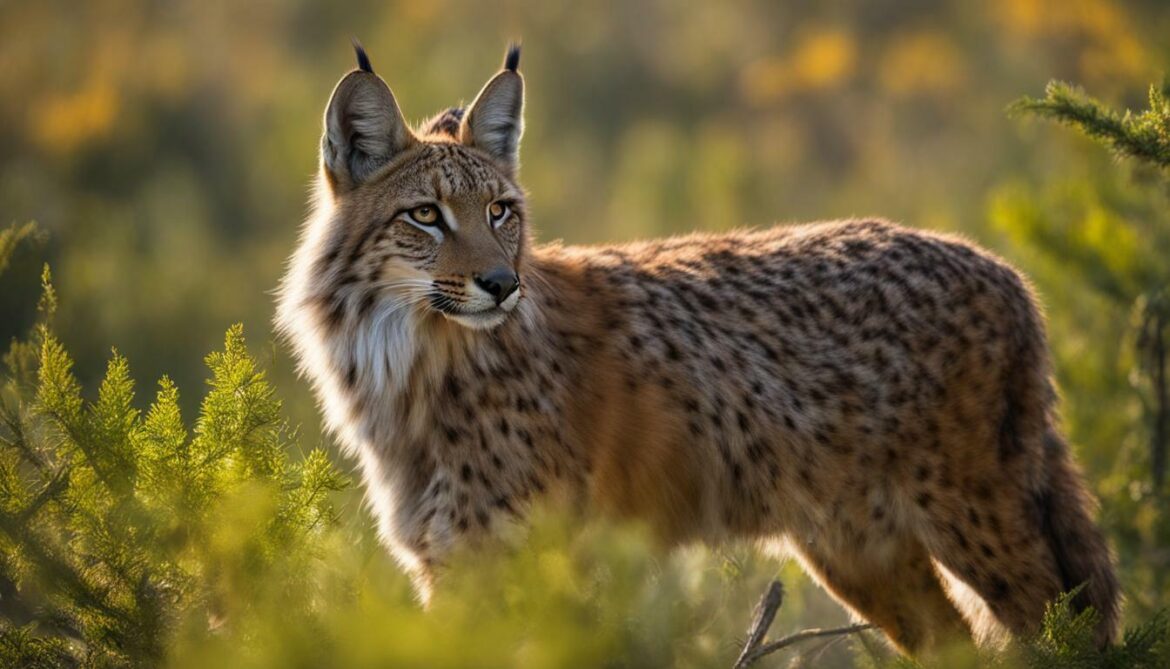
Finally, the continental region, which covers the vast plains and river valleys of Bulgaria, supports a diverse array of flora and fauna. Here, you can find dense forests, fertile farmland, and wetland areas that provide essential habitats for species like the brown bear, European wildcat, and imperial eagle.
ภูมิภาคทางภูมิศาสตร์ชีวภาพเหล่านี้ไม่เพียงแต่แสดงความงามตามธรรมชาติของบัลแกเรียเท่านั้น แต่ยังมีบทบาทสำคัญในการรักษาความหลากหลายทางชีวภาพของประเทศอีกด้วย ด้วยการอนุรักษ์และปกป้องแหล่งที่อยู่อาศัยที่หลากหลายเหล่านี้ เราจึงสามารถรับประกันความอยู่รอดของพืชและสัตว์หลากหลายสายพันธุ์สำหรับคนรุ่นต่อๆ ไป
ประเภทที่อยู่อาศัยที่ไม่ซ้ำใครในบัลแกเรีย
Bulgaria boasts a wide range of habitat types, including 96 that are unique to the country and provide crucial ecosystems for diverse plant and animal species. These unique habitats contribute significantly to the country’s rich biodiversity and are essential for the survival of numerous endemic species.
One such unique habitat is the Strandzha Nature Park, located in the southeastern part of Bulgaria. With its ancient forests, pristine rivers, and coastal wetlands, this park is a biodiversity hotspot and home to several rare and endangered species, including the European ground squirrel and the European tree frog.
นอกจากนี้ อุทยานแห่งชาติรีลาซึ่งตั้งอยู่ในภาคกลางของประเทศ ยังเป็นถิ่นที่อยู่อาศัยที่สำคัญอีกแห่งหนึ่ง เป็นที่ตั้งของทะเลสาบรีลา ทะเลสาบธารน้ำแข็ง และยอดเขามูซาลา ซึ่งเป็นยอดเขาที่สูงที่สุดในคาบสมุทรบอลข่าน ระบบนิเวศอันหลากหลายของอุทยานแห่งนี้เอื้ออำนวยต่อพันธุ์พืชและสัตว์หลากหลายชนิด เช่น เลียงผาบอลข่านและแมวป่าลิ้นซ์บอลข่าน อุทยานแห่งชาติรีลาไม่เพียงแต่เป็นแหล่งรวมความหลากหลายทางชีวภาพเท่านั้น แต่ยังเป็นพื้นที่อนุรักษ์ธรรมชาติอีกด้วย ยูเนสโก แหล่งมรดกโลก
อุทยานธรรมชาติเบลาซิตซาซึ่งตั้งอยู่ทางตะวันตกเฉียงใต้ของบัลแกเรีย เป็นอีกหนึ่งที่อยู่อาศัยที่มีเอกลักษณ์เฉพาะตัว ที่นี่ นักท่องเที่ยวสามารถสำรวจป่าบีชและป่าสนอันเขียวชอุ่ม รวมถึงเทือกเขาเบลาซิตซาอันงดงาม อุทยานแห่งนี้ขึ้นชื่อในเรื่องความหลากหลายของดอกไม้นานาพันธุ์ โดยมีพันธุ์พืชมากกว่า 1,000 สายพันธุ์ รวมถึงกล้วยไม้หายากหลายสายพันธุ์ นอกจากนี้ยังเป็นที่อยู่อาศัยของนกหลากหลายสายพันธุ์ รวมถึงนกอินทรีลายจุดน้อยที่ถูกคุกคามทั่วโลก
เขตอนุรักษ์ธรรมชาติและฮอตสปอตความหลากหลายทางชีวภาพของบัลแกเรีย:
| เขตอนุรักษ์ธรรมชาติ | สถานที่ | สายพันธุ์ที่โดดเด่น |
|---|---|---|
| อุทยานแห่งชาติพิริน | บัลแกเรียตะวันตกเฉียงใต้ | เอเดลไวส์ เลียงผาบอลข่าน |
| อุทยานแห่งชาติบอลข่านตอนกลาง | บัลแกเรียตอนกลางและตอนเหนือ | บอลข่านแมวป่าชนิดหนึ่งหมีสีน้ำตาล |
| เขตอนุรักษ์ธรรมชาติ Dzhendema | เทือกเขาโรโดปตะวันออก | นกกระจิบ Orphean อินทรีจักรพรรดิ์ตะวันออก |
These unique habitat types and nature reserves in Bulgaria serve as important refuges for endangered species and contribute to the overall conservation of biodiversity in the country. However, it is crucial to ensure their protection and sustainable management to prevent further habitat loss and species decline.
เครือข่าย Natura 2000 ในบัลแกเรีย
The Natura 2000 network plays a vital role in preserving Bulgaria’s biodiversity, with approximately 34% of the country’s territory falling under its protection. This extensive network encompasses national parks, nature parks, reserves, and protected areas, safeguarding habitats and species that are of great significance for Bulgaria’s natural heritage. It serves as a testament to the country’s commitment to conservation and environmental sustainability.
ภายในเครือข่าย Natura 2000 บัลแกเรียมีความหลากหลายที่โดดเด่นของพืชและสัตว์ พื้นที่คุ้มครองเป็นสวรรค์สำหรับสัตว์ใกล้สูญพันธุ์ รวมถึงกบน้ำบัลแกเรียและเลียงผาบอลข่าน เพื่อให้มั่นใจว่าพวกมันสามารถอยู่รอดได้ท่ามกลางแรงกดดันที่เพิ่มขึ้นจากกิจกรรมของมนุษย์ ภูมิภาคเหล่านี้ยังสนับสนุนประเภทแหล่งที่อยู่อาศัยที่มีเอกลักษณ์และหายาก เช่น ป่า Strandzha และเทือกเขา Rhodope ซึ่งเป็นที่อยู่อาศัยของสัตว์ประจำถิ่นนานาชนิดซึ่งไม่พบที่อื่นในโลก
Efforts to preserve Bulgaria’s biodiversity extend beyond the boundaries of the Natura 2000 network. The country has implemented a comprehensive system of environmental legislation, establishing strict regulations to mitigate the negative impacts of human development on the natural landscape. Bulgaria is also actively engaged in EU funds programming for environmental and rural development, seeking to leverage international cooperation and resources to further enhance conservation initiatives.
ความคิดริเริ่มด้านการอนุรักษ์และความร่วมมือ
การอนุรักษ์ความหลากหลายทางชีวภาพของบัลแกเรียต้องใช้แนวทางที่หลากหลายและความพยายามร่วมกันระหว่างสถาบัน นักอนุรักษ์สิ่งแวดล้อม และภาคประชาสังคม องค์กรต่างๆ มากมาย เช่น มูลนิธิความหลากหลายทางชีวภาพแห่งบัลแกเรีย และสมาคมคุ้มครองนกแห่งบัลแกเรีย ทำงานอย่างไม่รู้จักเหน็ดเหนื่อยเพื่อสร้างความตระหนักรู้ ดำเนินการวิจัย และดำเนินโครงการอนุรักษ์ทั่วประเทศ
ตัวอย่างหนึ่งของการทำงานร่วมกัน การอนุรักษ์ในบัลแกเรีย คือการฟื้นฟูแหล่งที่อยู่อาศัยริมชายฝั่งและพื้นที่ชุ่มน้ำ พื้นที่เหล่านี้มีความสำคัญต่อการอยู่รอดของสัตว์หลายชนิด โดยเป็นแหล่งเพาะพันธุ์ แหล่งอาหาร และที่พักพิง ด้วยการฟื้นฟูและปกป้องแหล่งที่อยู่อาศัยเหล่านี้ โครงการริเริ่มมุ่งเป้าไปที่การสร้างระบบนิเวศที่มีสุขภาพดีขึ้น และรับประกันความอยู่รอดของ ความหลากหลายทางชีวภาพในบัลแกเรีย.
Another notable conservation effort focuses on the protection of Danube sturgeons. These majestic creatures, including species like the Beluga sturgeon and the Sterlet, are threatened by activities such as overfishing and habitat degradation. Collaborative projects, supported by various stakeholders, strive to raise awareness, enforce fishing restrictions, and implement measures to restore their natural habitats along the Danube River.
Preserving Bulgaria’s biodiversity is an ongoing and complex task. It requires continuous monitoring, adaptive management, and innovative solutions to address the ever-evolving challenges. By working together, Bulgaria can ensure the proper attitude towards its natural heritage and secure a sustainable future for its unique wildlife and ecosystems.
กฎหมายสิ่งแวดล้อมและการมีส่วนร่วมของสหภาพยุโรป
Bulgaria has implemented a robust framework of environmental legislation and actively participates in EU funds programming to support conservation efforts and biodiversity research. This comprehensive system of laws and regulations ensures the protection of the country’s natural heritage and promotes การพัฒนาอย่างยั่งยืน.
Under the guidance of the European Union, Bulgaria has established a network of protected areas known as the Natura 2000 network. Covering approximately 34% of the country’s territory, this network includes national parks, nature parks, reserves, and other protected areas. These designated sites play a crucial role in conserving biodiversity and preserving valuable habitats.
Additionally, Bulgaria actively participates in EU funds programming for environmental and rural development. This involvement allows the country to access financial resources that support various conservation initiatives, including research projects, habitat restoration, and the implementation of sustainable practices.
ด้วยการรวมกฎหมายสิ่งแวดล้อมที่แข็งแกร่งเข้ากับการสนับสนุนจากสหภาพยุโรป บัลแกเรียกำลังทำงานเพื่อการอนุรักษ์และการจัดการความหลากหลายทางชีวภาพอย่างยั่งยืน ความพยายามในการทำงานร่วมกันเหล่านี้มีจุดมุ่งหมายเพื่อให้แน่ใจว่าสัตว์และพันธุ์พืชที่มีลักษณะเฉพาะจะอยู่รอดได้ในระยะยาว ตลอดจนการปกป้องระบบนิเวศที่สำคัญทั่วประเทศ
ตาราง: เงินทุนของสหภาพยุโรปเพื่อการวิจัยความหลากหลายทางชีวภาพในบัลแกเรีย
| ปี | เงินทุนของสหภาพยุโรป (เป็นล้านยูโร) |
|---|---|
| 2016 | 10.5 |
| 2017 | 12.8 |
| 2018 | 11.2 |
| 2019 | 14.6 |
ตารางด้านบนแสดงภาพรวมของเงินทุนของสหภาพยุโรปที่จัดสรรให้ การวิจัยความหลากหลายทางชีวภาพในประเทศบัลแกเรีย from 2016 to 2019. These investments highlight the importance placed on scientific study and conservation efforts to better understand and protect Bulgaria’s unique ecosystems and species.
ภัยคุกคามต่อความหลากหลายทางชีวภาพของบัลแกเรีย
Despite its rich biodiversity, Bulgaria’s natural landscape faces significant threats from human activities, such as mass logging and construction projects that encroach upon protected areas. These activities disrupt delicate ecosystems and endanger numerous plant and animal species that rely on these habitats for survival.
According to a report by the Bulgarian Society for the Protection of Birds, over 100 species in Bulgaria are currently listed as endangered. Among them are the Balkan lynx, imperial eagle, and European ground squirrel. The destruction of their habitats, pollution, and illegal hunting are pushing these species to the brink of extinction.
Furthermore, the rapid urbanization and agricultural expansion in Bulgaria are leading to the loss of crucial natural habitats. Wetlands, forests, and meadows are being cleared for infrastructure development and intensive farming, resulting in the decline of biodiversity and ecological imbalance.
Without immediate action, the consequences of these threats will be irreversible. Efforts must be made to enforce stricter regulations and penalties for illegal activities that harm Bulgaria’s biodiversity. Collaborative initiatives between government agencies, conservation organizations, and local communities are key in raising awareness and implementing effective conservation strategies. Only through collective action can we ensure the preservation of Bulgaria’s unique natural heritage for future generations.
| สัตว์ใกล้สูญพันธุ์ในบัลแกเรีย | การดำเนินการอนุรักษ์ |
|---|---|
| บอลข่านคม | การจัดตั้งพื้นที่คุ้มครองและการติดตามกิจกรรมการล่าสัตว์อย่างเข้มงวด |
| Imperial Eagle | Promotion of land stewardship programs to protect nesting sites and enhance habitat quality. |
| กระรอกดินยุโรป | การดำเนินโครงการฟื้นฟูแหล่งที่อยู่อาศัยและการรณรงค์สร้างความตระหนักรู้ของประชาชนเพื่อส่งเสริมการใช้ที่ดินอย่างรับผิดชอบ |
“การอนุรักษ์ความหลากหลายทางชีวภาพของบัลแกเรียไม่เพียงแต่เป็นเรื่องของความสำคัญทางนิเวศวิทยาเท่านั้น แต่ยังเป็นความรับผิดชอบต่อคนรุ่นอนาคตด้วย ถึงเวลาแล้วที่ทุกคนจะมารวมตัวกันและดำเนินการเพื่อปกป้องมรดกทางธรรมชาติอันเป็นเอกลักษณ์ของเรา” – ดร. มาเรีย อิวาโนวา สมาคมคุ้มครองนกแห่งบัลแกเรีย
การฟื้นฟูถิ่นที่อยู่ริมชายฝั่งและพื้นที่ชุ่มน้ำ
Restoration initiatives in Bulgaria are focused on reviving riparian and wetland habitats, key ecosystems that support a wide range of plant and animal species. These habitats are vital for biodiversity conservation, as they provide breeding grounds, food sources, and shelter for numerous สัตว์ใกล้สูญพันธุ์ในบัลแกเรีย.
โครงการที่โดดเด่นโครงการหนึ่งคือการฟื้นฟูแม่น้ำ Kamchia ซึ่งเป็นทางน้ำสายสำคัญที่ไหลผ่านเทือกเขาบอลข่านและลงสู่ทะเลดำ หลายปีที่ผ่านมา บริเวณชายฝั่งและพื้นที่ชุ่มน้ำของแม่น้ำได้รับความเดือดร้อนจากมลภาวะและความเสื่อมโทรมของแหล่งที่อยู่อาศัย เพื่อแก้ไขปัญหานี้ องค์กรด้านสิ่งแวดล้อมและชุมชนท้องถิ่นจึงได้รวมตัวกันเพื่อฟื้นฟูกระแสน้ำตามธรรมชาติของแม่น้ำ กำจัดสายพันธุ์ที่รุกราน และปลูกพืชพื้นเมืองใหม่
“Our goal is to create a healthy and thriving ecosystem that can support the diverse flora and fauna of the Kamchia River,” ดร.เอเลนา เปโตรวา นักชีววิทยาที่เป็นผู้นำในการฟื้นฟูกล่าว “เรากำลังดำเนินการเพื่อปรับปรุงคุณภาพน้ำ เพิ่มความหลากหลายทางชีวภาพ และสร้างอนาคตที่ยั่งยืนสำหรับแหล่งที่อยู่อาศัยที่สำคัญนี้”
This collaborative approach to habitat restoration is also evident in the restoration of wetlands, such as the Srebarna Nature Reserve. Located near the Danube River, this UNESCO World Heritage Site is home to a variety of rare and endangered species, including the globally threatened Dalmatian pelican. Efforts are underway to restore the wetland’s hydrological balance, control invasive species, and protect the nesting sites of these magnificent birds.
| การริเริ่มการฟื้นฟูในบัลแกเรีย | พื้นที่โฟกัส |
|---|---|
| แม่น้ำกัมเจีย | การฟื้นฟูแหล่งที่อยู่อาศัยริมชายฝั่งและพื้นที่ชุ่มน้ำ |
| เขตอนุรักษ์ธรรมชาติสเรบาร์นา | การฟื้นฟูพื้นที่ชุ่มน้ำและการคุ้มครองสัตว์ใกล้สูญพันธุ์ |
การคุ้มครองปลาสเตอร์เจียนดานูบ
ปลาสเตอร์เจียนดานูบอยู่ในหมู่ สัตว์ใกล้สูญพันธุ์ในบัลแกเรีย ได้รับความสนใจเป็นพิเศษในการปกป้อง เนื่องจากจำนวนประชากรที่ลดลงก่อให้เกิดภัยคุกคามต่อความหลากหลายทางชีวภาพของประเทศ ปลาอันงดงามเหล่านี้ซึ่งเป็นที่รู้จักจากรูปร่างหน้าตาก่อนประวัติศาสตร์และคาเวียร์อันทรงคุณค่า กำลังเผชิญกับความท้าทายมากมายในถิ่นที่อยู่ตามธรรมชาติของพวกมัน
ปัจจัยต่างๆ มีส่วนทำให้จำนวนปลาสเตอร์เจียนดานูบลดลง รวมถึงการประมงมากเกินไป ความเสื่อมโทรมของแหล่งที่อยู่อาศัย และการสร้างเขื่อนริมแม่น้ำ เพื่อต่อสู้กับภัยคุกคามเหล่านี้ จึงมีการดำเนินการอนุรักษ์เพื่อปกป้องอนาคตและรักษาความหลากหลายทางชีวภาพอันอุดมสมบูรณ์ของบัลแกเรีย
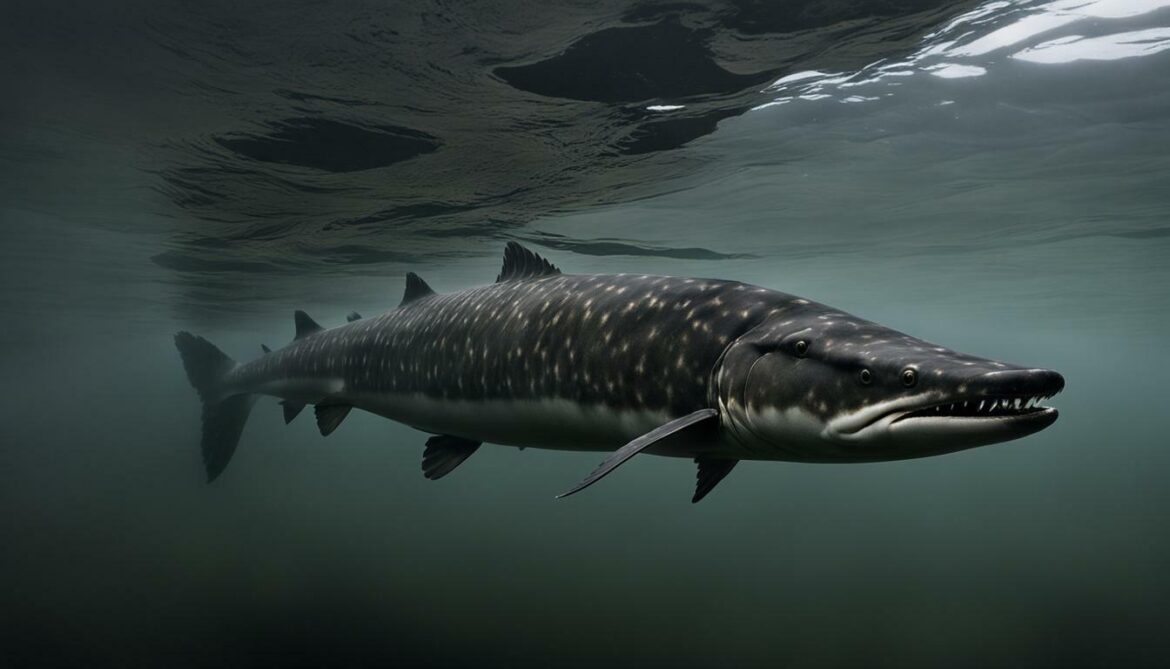
ความคิดริเริ่มประการหนึ่งคือการจัดตั้งพื้นที่คุ้มครองและเขตรักษาพันธุ์ปลาริมแม่น้ำดานูบ โซนที่กำหนดเหล่านี้เป็นที่หลบภัยสำหรับปลาสเตอร์เจียนที่จะวางไข่และเติบโต เพื่อความอยู่รอดของพวกมัน ด้วยการจำกัดกิจกรรมการประมงในพื้นที่เหล่านี้และปฏิบัติตามกฎระเบียบที่เข้มงวด จุดมุ่งหมายคือการช่วยให้ประชากรปลาสเตอร์เจียนฟื้นตัวและเจริญเติบโตได้อีกครั้ง
The preservation of Danube sturgeons is not only crucial for their own survival but also for the overall health of Bulgaria’s biodiversity. As key indicators of ecosystem health, these majestic creatures play a vital role in maintaining the balance of the aquatic environment.
| ภัยคุกคามต่อปลาสเตอร์เจียนดานูบ | ความพยายามในการอนุรักษ์ |
|---|---|
| overfishing | การจัดตั้งพื้นที่คุ้มครองและเขตรักษาพันธุ์ปลา |
| ความเสื่อมโทรมของที่อยู่อาศัย | กฎระเบียบที่เข้มงวดและการติดตามกิจกรรมการประมง |
| การก่อสร้างเขื่อน | ความร่วมมือกับชุมชนท้องถิ่นและองค์กรด้านสิ่งแวดล้อม |
ด้วยความพยายามร่วมกันระหว่างองค์กรอนุรักษ์ ชุมชนท้องถิ่น และหน่วยงานของรัฐ บัลแกเรียมุ่งหวังที่จะรับประกันความอยู่รอดของปลาสเตอร์เจียนดานูบในระยะยาว ด้วยการปกป้องสายพันธุ์ที่น่าทึ่งเหล่านี้ เราไม่เพียงแต่ปกป้องความหลากหลายทางชีวภาพของบัลแกเรียเท่านั้น แต่ยังรักษามรดกทางธรรมชาติอันมีเอกลักษณ์ไว้ให้คนรุ่นต่อๆ ไปชื่นชมและทะนุถนอมอีกด้วย
ความพยายามในการอนุรักษ์ร่วมกัน
การปกป้องและอนุรักษ์ความหลากหลายทางชีวภาพของบัลแกเรียจำเป็นต้องได้รับความร่วมมือระหว่างสถาบัน นักอนุรักษ์สิ่งแวดล้อม และภาคประชาสังคม เพื่อรักษามรดกทางธรรมชาติอันเป็นเอกลักษณ์ของประเทศ ด้วยพื้นที่ประมาณ 34% ที่ครอบคลุมโดยเครือข่าย Natura 2000 และระบบกฎหมายสิ่งแวดล้อมที่ครอบคลุม บัลแกเรียจึงมีความก้าวหน้าครั้งสำคัญในความพยายามในการอนุรักษ์ อย่างไรก็ตาม ความท้าทายในการอนุรักษ์ความหลากหลายทางชีวภาพต้องอาศัยความร่วมมือจากผู้มีส่วนได้ส่วนเสียทุกฝ่าย
ตัวอย่างหนึ่งของการทำงานร่วมกัน การอนุรักษ์ในบัลแกเรีย คือการฟื้นฟูแหล่งที่อยู่อาศัยริมชายฝั่งและพื้นที่ชุ่มน้ำ ระบบนิเวศเหล่านี้มีความสำคัญต่อการอยู่รอดของสัตว์หลายชนิดและมีบทบาทสำคัญในการรักษาความหลากหลายทางชีวภาพ ด้วยความร่วมมือระหว่างหน่วยงานภาครัฐ องค์กรที่ไม่แสวงหากำไร และชุมชนท้องถิ่น โครงการริเริ่มต่างๆ กำลังดำเนินการเพื่อฟื้นฟูแหล่งที่อยู่อาศัยเหล่านี้ เพื่อให้มั่นใจว่าพันธุ์พืชและสัตว์จะดำรงอยู่ได้ในระยะยาว
Another important conservation focus is the protection of Danube sturgeons, an endangered species. These majestic fish are essential for the ecological balance of Bulgaria’s waterways and represent an integral part of the country’s biodiversity. Various organizations and research institutions are working together to implement measures to safeguard the sturgeon population and their habitats, including the enforcement of strict fishing regulations and the creation of protected areas.
แนวทางความร่วมมือในการอนุรักษ์
“Conservation is not a solitary effort. It requires a collective commitment to safeguarding Bulgaria’s natural heritage for future generations. By bringing together experts, policymakers, and local communities, we can achieve effective and sustainable conservation practices.”
Collaborative approaches to conservation extend beyond specific projects and initiatives. They encompass public awareness campaigns, education programs, and advocacy efforts to engage the wider community in biodiversity preservation. By fostering a sense of responsibility and appreciation for the natural environment, these collaborative efforts aim to create a lasting impact on Bulgaria’s conservation landscape.
| ความพยายามในการอนุรักษ์ร่วมกัน | กุญแจแห่งความสำเร็จ |
|---|---|
| ความร่วมมือระหว่างหน่วยงานภาครัฐ องค์กรไม่แสวงหาผลกำไร และชุมชนท้องถิ่น | การฟื้นฟูแหล่งที่อยู่อาศัยริมชายฝั่งและพื้นที่ชุ่มน้ำ |
| ความร่วมมือระหว่างองค์กรต่างๆและสถาบันวิจัย | การคุ้มครองปลาสเตอร์เจียนดานูบและแหล่งที่อยู่อาศัยของพวกมัน |
| การรณรงค์สร้างความตระหนักรู้ของสาธารณะ โปรแกรมการศึกษา และความพยายามในการสนับสนุน | การมีส่วนร่วมของชุมชนในวงกว้างในการรักษาความหลากหลายทางชีวภาพ |
ด้วยความพยายามในการอนุรักษ์ร่วมกัน บัลแกเรียกำลังดำเนินการขั้นตอนสำคัญในการรักษาความหลากหลายทางชีวภาพอันอุดมสมบูรณ์ ด้วยการตระหนักถึงความสำคัญของการดำเนินการร่วมกันและส่งเสริมความร่วมมือ ประเทศจึงสามารถรับประกันการดำรงอยู่ของพันธุ์สัตว์และพืชที่มีเอกลักษณ์เฉพาะของตนได้อย่างต่อเนื่อง โดยปกป้องมรดกทางธรรมชาติสำหรับคนรุ่นต่อๆ ไป
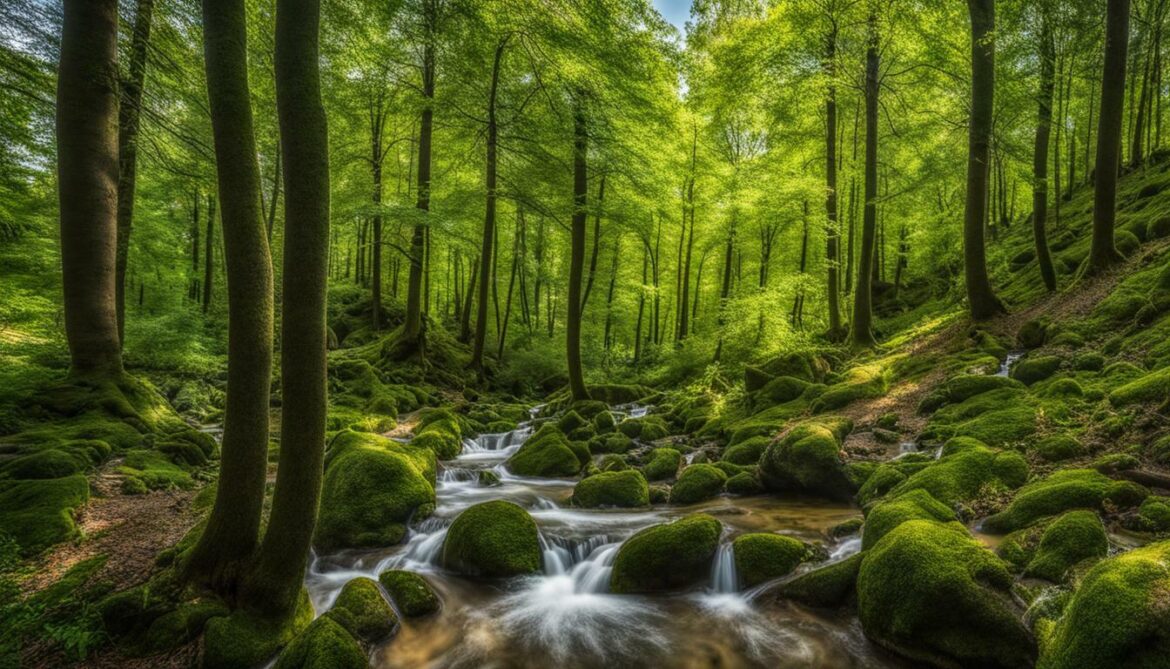
Bulgaria’s rich biodiversity, encompassing unique animal and plant species, is under threat from various human activities, making conservation efforts crucial for the survival of endangered species and the overall well-being of the country’s wildlife. With three bio-geographic regions – alpine, coastal, and continental – Bulgaria boasts an exceptional natural landscape that supports a diverse range of species.
ประเทศนี้เป็นที่ตั้งของที่อยู่อาศัย 977 ประเภท โดย 96 ประเภทมีเอกลักษณ์เฉพาะในบัลแกเรีย โดยเน้นย้ำถึงความสำคัญของการอนุรักษ์ระบบนิเวศเหล่านี้เพื่อความหลากหลายทางชีวภาพ ประมาณ 34% ของอาณาเขตของบัลแกเรียครอบคลุมโดยเครือข่าย Natura 2000 ซึ่งรวมถึงอุทยานแห่งชาติ อุทยานธรรมชาติ เขตสงวน และพื้นที่คุ้มครอง ความครอบคลุมที่ครอบคลุมนี้สะท้อนให้เห็นถึงความมุ่งมั่นของประเทศในการปกป้องมรดกทางธรรมชาติของตน
บัลแกเรียมีระบบกฎหมายสิ่งแวดล้อมที่ครอบคลุมและมีส่วนร่วมอย่างแข็งขันในการเขียนโปรแกรมกองทุนของสหภาพยุโรปเพื่อการพัฒนาสิ่งแวดล้อมและชนบท อย่างไรก็ตาม แม้จะมีความพยายามเหล่านี้ แต่ความหลากหลายทางชีวภาพของประเทศก็เผชิญกับภัยคุกคามที่สำคัญจากกิจกรรมของมนุษย์ การตัดไม้และการก่อสร้างจำนวนมากในอุทยานแห่งชาติถือเป็นความท้าทายอย่างยิ่ง ส่งผลให้สัตว์หลายชนิดและแหล่งที่อยู่อาศัยของพวกมันตกอยู่ในความเสี่ยง
อย่างไรก็ตาม บัลแกเรียกำลังดำเนินการเพื่อปกป้องและฟื้นฟูแหล่งที่อยู่อาศัยตามธรรมชาติ ความพยายามกำลังดำเนินการเพื่อฟื้นฟูแหล่งที่อยู่อาศัยริมชายฝั่งและพื้นที่ชุ่มน้ำ ซึ่งมีบทบาทสำคัญในการสนับสนุนความหลากหลายทางชีวภาพและเป็นที่อยู่อาศัยที่สำคัญของสัตว์หลายชนิด นอกจากนี้การอนุรักษ์ปลาสเตอร์เจียนดานูบยังมี สัตว์ใกล้สูญพันธุ์ในบัลแกเรียเป็นสิ่งสำคัญอันดับแรก เนื่องจากการอนุรักษ์เป็นสิ่งจำเป็นสำหรับการรักษาความหลากหลายทางชีวภาพ
การอนุรักษ์ความหลากหลายทางชีวภาพของบัลแกเรียต้องได้รับความร่วมมือระหว่างสถาบัน นักอนุรักษ์สิ่งแวดล้อม และภาคประชาสังคม ด้วยการทำงานร่วมกัน ผู้มีส่วนได้ส่วนเสียสามารถรับประกันทัศนคติที่เหมาะสมต่อมรดกทางธรรมชาติของประเทศ และมีส่วนร่วมในความพยายามอนุรักษ์ที่มีประสิทธิผล ด้วยการดำเนินการร่วมกันเหล่านี้ บัลแกเรียสามารถปกป้องความหลากหลายทางชีวภาพที่เป็นเอกลักษณ์เพื่อให้คนรุ่นอนาคตได้เพลิดเพลินและชื่นชม
คำถามที่พบบ่อย
ความหลากหลายทางชีวภาพในบัลแกเรียเป็นอย่างไร?
บัลแกเรียมีชื่อเสียงในด้านความหลากหลายทางชีวภาพ ครอบคลุมพื้นที่ทางภูมิศาสตร์ทางชีวภาพสามแห่ง ได้แก่ เทือกเขาแอลป์ ชายฝั่ง และภาคพื้นทวีป ประเทศนี้มีถิ่นที่อยู่ 977 ประเภท โดย 96 ประเภทมีเอกลักษณ์เฉพาะในบัลแกเรีย
เครือข่าย Natura 2000 ในบัลแกเรียคืออะไร
เครือข่าย Natura 2000 ในบัลแกเรียครอบคลุมพื้นที่ประมาณ 34% ของประเทศ และรวมถึงอุทยานแห่งชาติ อุทยานธรรมชาติ เขตอนุรักษ์ และพื้นที่คุ้มครอง มีบทบาทสำคัญในการรักษาความหลากหลายทางชีวภาพ
ความหลากหลายทางชีวภาพของบัลแกเรียในปัจจุบันเป็นอย่างไร?
ภูมิทัศน์ทางธรรมชาติของบัลแกเรียอยู่ภายใต้การคุกคามจากกิจกรรมของมนุษย์ รวมถึงการตัดไม้จำนวนมาก และการก่อสร้างในอุทยานแห่งชาติ มีการพยายามจัดการกับภัยคุกคามเหล่านี้และรักษาความหลากหลายทางชีวภาพ
มีความพยายามในการอนุรักษ์อะไรบ้างในบัลแกเรีย?
บัลแกเรียมีระบบกฎหมายสิ่งแวดล้อมที่ครอบคลุม และมีส่วนร่วมอย่างแข็งขันในการเขียนโปรแกรมกองทุนของสหภาพยุโรปเพื่อการพัฒนาสิ่งแวดล้อมและชนบท การฟื้นฟูแหล่งที่อยู่อาศัยริมชายฝั่งและพื้นที่ชุ่มน้ำ และการคุ้มครองสัตว์ใกล้สูญพันธุ์ เช่น ปลาสเตอร์เจียนดานูบ ถือเป็นความพยายามในการอนุรักษ์
บทบาทของความร่วมมือในการอนุรักษ์ความหลากหลายทางชีวภาพในบัลแกเรียคืออะไร?
ความร่วมมือระหว่างสถาบัน นักอนุรักษ์สิ่งแวดล้อม และภาคประชาสังคมถือเป็นสิ่งสำคัญเพื่อให้แน่ใจว่ามีทัศนคติที่เหมาะสมต่อมรดกทางธรรมชาติของบัลแกเรีย และอนุรักษ์ความหลากหลายทางชีวภาพได้อย่างมีประสิทธิภาพ