


ความหลากหลายทางชีวภาพของอิเควทอเรียลกินีและสิ่งแวดล้อมที่สร้างขึ้น
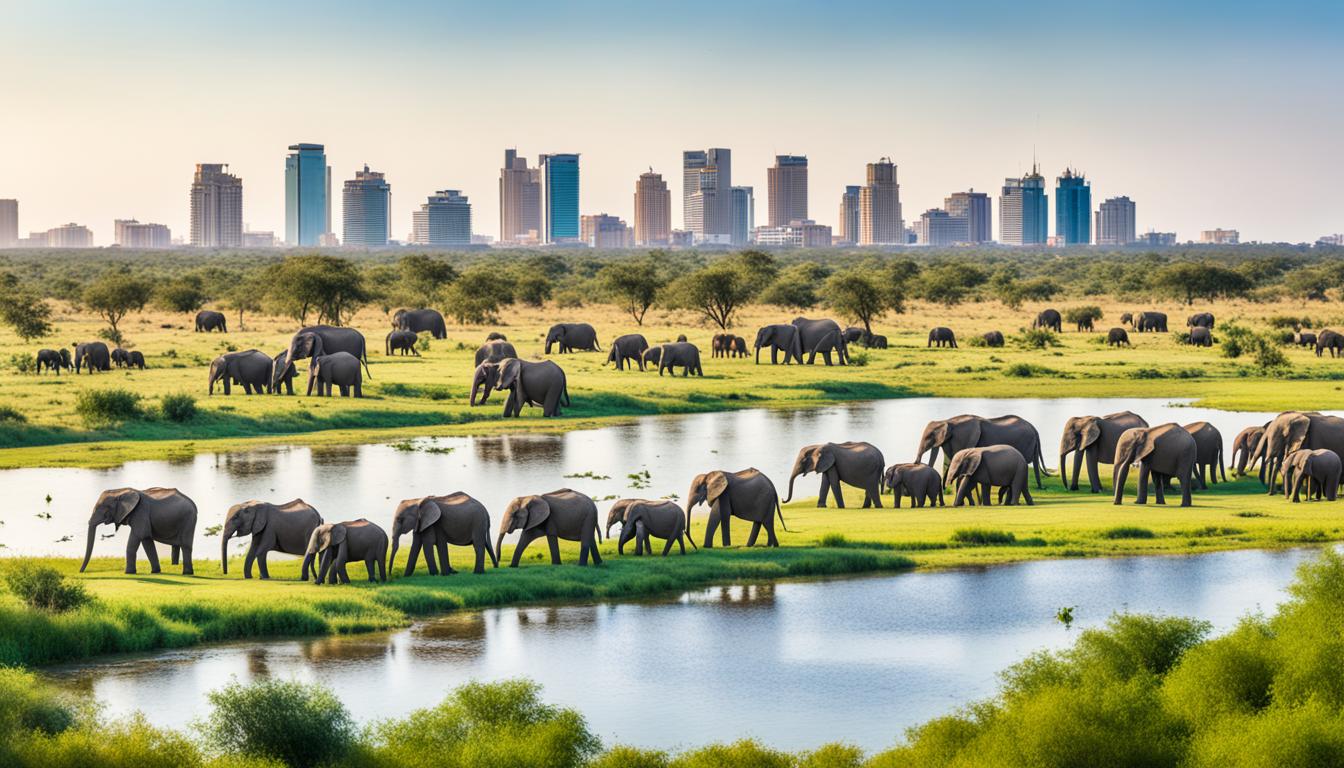
คุณรู้หรือไม่ว่าอิเควทอเรียลกินี ซึ่งเป็นประเทศเล็กๆ ที่ตั้งอยู่ในอ่าวกินี มีเทือกเขาที่น่าตื่นตาตื่นใจ ความหลากหลายทางชีวภาพ? From tropical rainforests to continental rivers and islands, this nation is a haven for diverse ecosystems and wildlife. However, the rapid shift towards oil and natural gas production has posed significant challenges to the conservation of its natural resources and the sustainable development of its built environment.
ประเด็นที่สำคัญ:
- Equatorial Guinea is known for its rich biodiversity, including tropical rainforests and diverse species.
- เศรษฐกิจของประเทศขึ้นอยู่กับการผลิตน้ำมันและก๊าซธรรมชาติเป็นอย่างมาก ซึ่งนำไปสู่การตัดไม้ทำลายป่าและผลกระทบด้านลบต่อความหลากหลายทางชีวภาพ
- Overhunting and habitat loss are major threats to Equatorial Guinea’s wildlife, including vulnerable primate species.
- Efforts are being made to enhance biodiversity conservation through the development of action plans and the promotion of sustainable practices.
- Equatorial Guinea is embracing eco-friendly architecture and incorporating indigenous techniques and materials in its green building projects.
ข้อเท็จจริงความหลากหลายทางชีวภาพของประเทศอิเควทอเรียลกินี
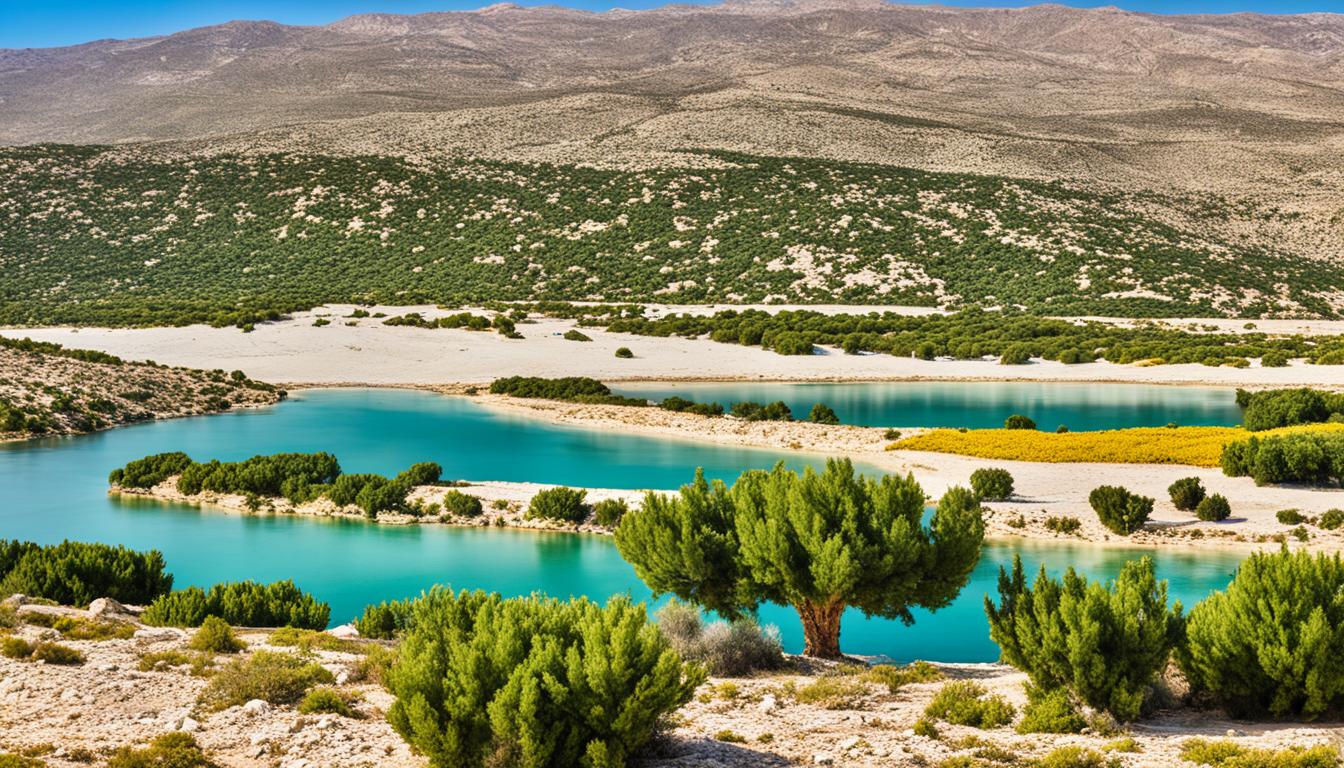
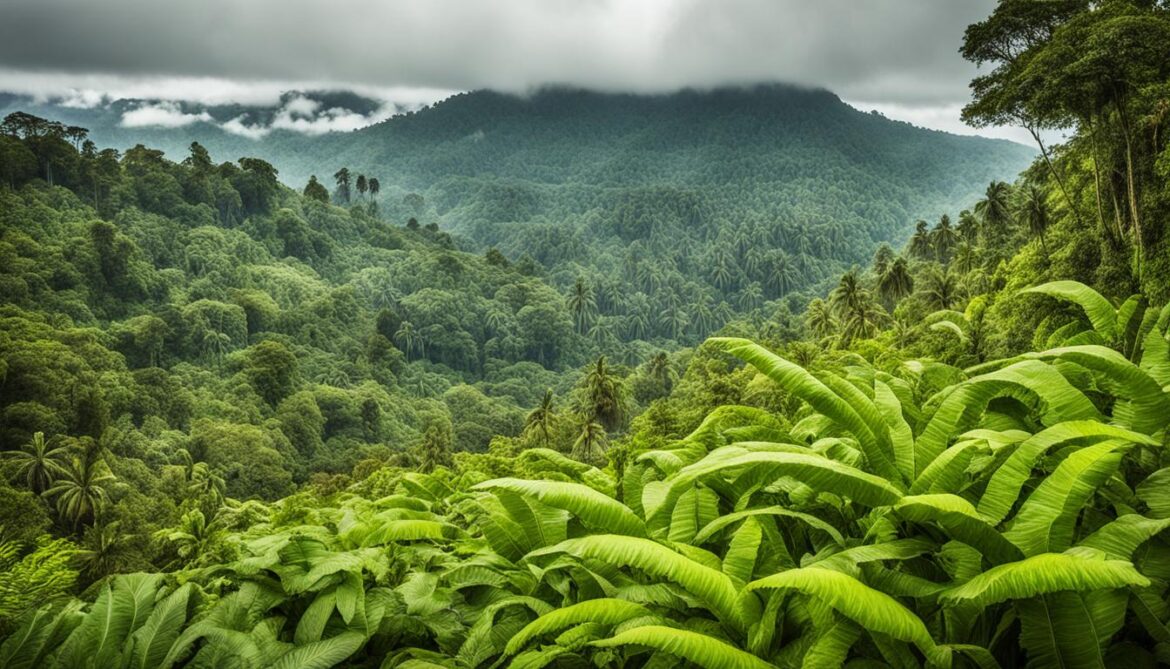
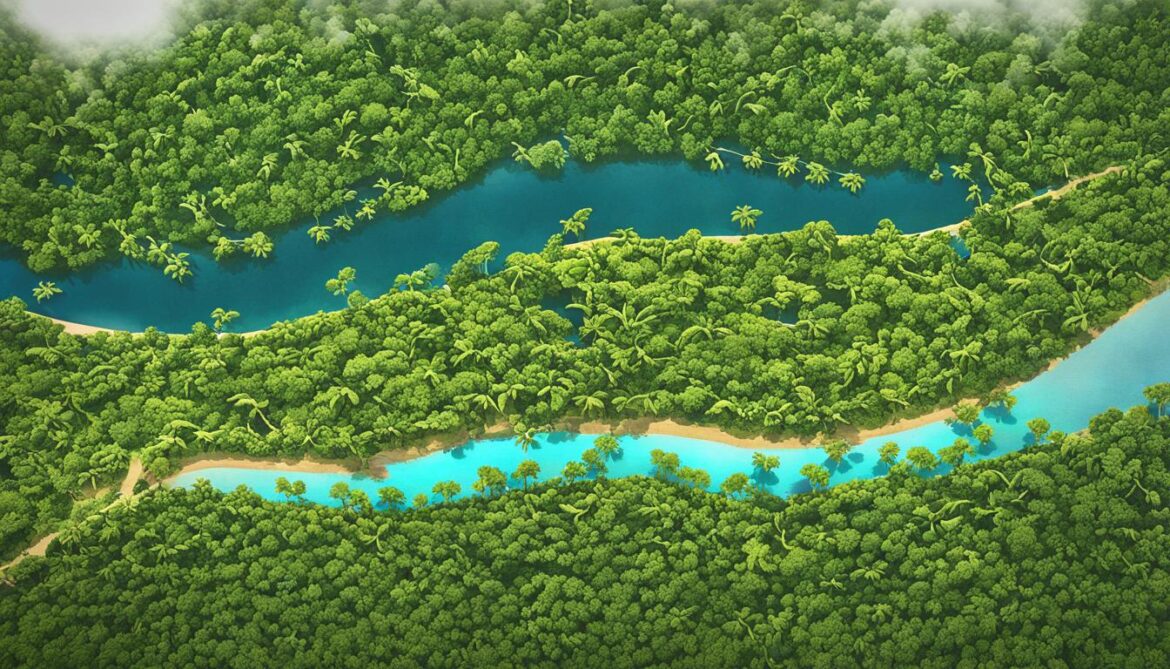
อิเควทอเรียลกินีมีชื่อเสียงในด้านความหลากหลายทางชีวภาพที่ไม่ธรรมดาและเป็นที่ตั้งของป่าฝนเขตร้อนอันเขียวชอุ่มซึ่งเต็มไปด้วยสัตว์นานาชนิด ประเทศนี้แบ่งออกเป็นภูมิภาคชีวภูมิศาสตร์ที่โดดเด่น ครอบคลุมทั้งแผ่นดินใหญ่และเกาะที่มีเสน่ห์ ระบบนิเวศที่เป็นเอกลักษณ์เหล่านี้มีส่วนทำให้เกิดความหลากหลายทางชีวภาพอันอุดมสมบูรณ์ของประเทศอิเควทอเรียลกินี และทำหน้าที่เป็นแหล่งน้ำที่สำคัญ
Equatorial Guinea’s continental rivers, such as the Uoro River and Muni River, provide essential lifelines to diverse plant and animal species. These rivers not only nourish the land but also support the local communities that depend on them for sustenance and livelihood.
However, the country faces significant challenges in preserving its precious ecosystems. Deforestation and habitat loss pose grave threats to Equatorial Guinea’s biodiversity. The clearing of forests, often driven by human activities such as agriculture and logging, disrupts the delicate balance of ecosystems and endangers the species that depend on them.
The diverse islands of Equatorial Guinea, including Bioko and Annobón, are home to unique species found nowhere else in the world. These isolated island ecosystems face similar threats, with habitat destruction and invasive species posing a risk to their delicate ecological balance.
Efforts are underway to protect and sustainably manage Equatorial Guinea’s biodiversity. The government is actively working to establish protected areas, such as the Monte Alén National Park and the Corisco and Elobey Chico Marine Protected Area. These protected areas serve as sanctuaries for endangered and threatened species, promoting their conservation and safeguarding their habitats.
Equatorial Guinea’s commitment to biodiversity preservation is crucial not only for the country itself but for the global community. By protecting its unique ecosystems, Equatorial Guinea contributes to the preservation of our planet’s natural heritage and ensures a sustainable future for generations to come.
เศรษฐกิจและผลกระทบต่อความหลากหลายทางชีวภาพในประเทศอิเควทอเรียลกินี
Equatorial Guinea’s economy has become heavily reliant on oil and natural gas production, resulting in negative impacts on biodiversity. The export of roundwood, although declining, still plays a significant role in the economy. Deforestation has been a major issue, with forest cover decreasing dramatically in recent years. This has had a direct impact on the 80-90% of the population that relies on forest resources for subsistence. The exploitation of forests by logging companies has further contributed to the decline in biodiversity and the threat to species such as primates.
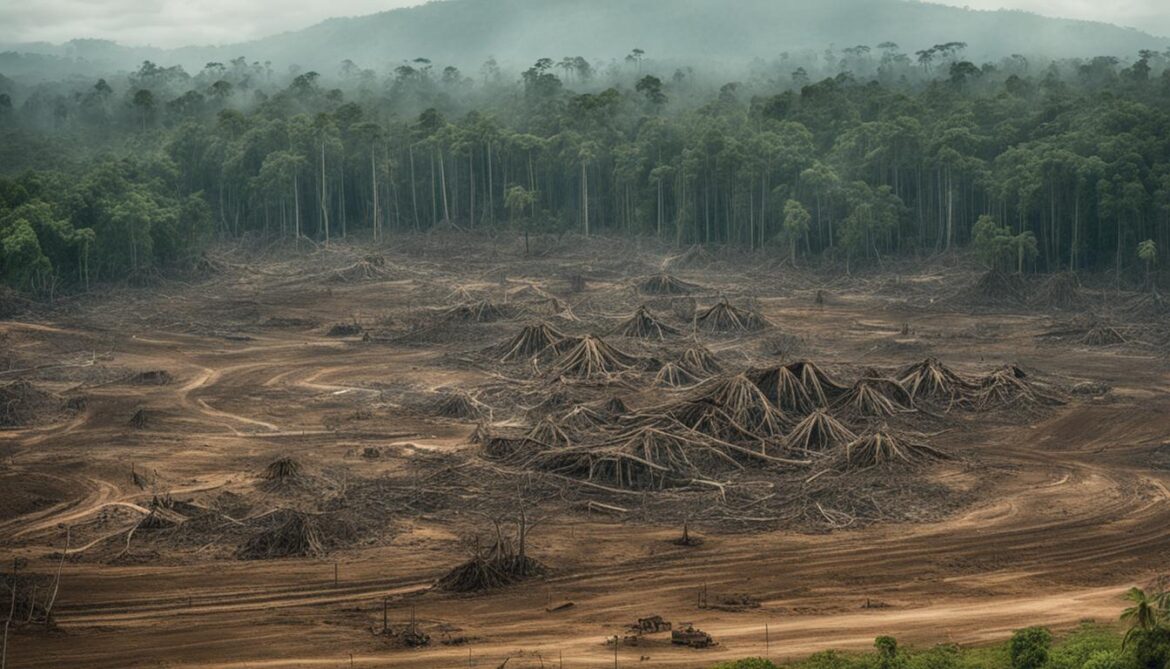
“เศรษฐกิจของประเทศอิเควทอเรียลกินีเผชิญกับการเปลี่ยนแปลงไปสู่น้ำมันและก๊าซธรรมชาติ ซึ่งนำไปสู่ผลกระทบที่เป็นอันตรายต่อความหลากหลายทางชีวภาพ การตัดไม้ทำลายป่าซึ่งได้รับแรงผลักดันจากการแสวงหาผลประโยชน์จากทรัพยากรป่าไม้และกิจกรรมการตัดไม้ถือเป็นข้อกังวลที่สำคัญ”
Equatorial Guinea’s economy has traditionally been based on agriculture, but the discovery of oil reserves in the 1990s transformed the country into the third-largest oil producer in sub-Saharan Africa. While the oil industry has brought economic growth and development, it has also resulted in environmental challenges.
The extraction and export of oil and natural gas have led to the destruction of habitats, pollution, and the release of greenhouse gases, contributing to climate change. This not only affects the biodiversity within Equatorial Guinea but also has global implications. The exploitation of natural resources has disrupted ecosystems and caused the loss of critical habitats for many species.
In addition to the oil industry, deforestation remains a pressing issue in Equatorial Guinea. The country’s forests are being cleared to make way for agriculture, logging, urbanization, and infrastructure development. This has a direct impact on forest-dependent communities and threatens the rich biodiversity that Equatorial Guinea is known for.
Forests in Equatorial Guinea are not only home to a wide range of plant and animal species but also provide essential ecosystem services such as carbon sequestration, water regulation, and soil conservation. The loss of forest cover reduces these services and poses risks to the resilience of ecosystems and the well-being of local communities.
The government of Equatorial Guinea recognizes the importance of addressing these challenges and has taken steps towards sustainable development and biodiversity conservation. Efforts are being made to promote responsible oil and gas extraction practices, implement reforestation programs, and strengthen conservation measures.
การส่งเสริมแนวทางปฏิบัติที่ยั่งยืน
Equatorial Guinea is striving to diversify its economy and reduce dependence on oil and natural gas. The government has initiated projects to encourage sustainable agriculture, eco-tourism, and renewable energy development. By promoting sustainable practices and investing in alternative industries, Equatorial Guinea aims to achieve long-term economic growth while preserving its unique biodiversity.
การปกป้องทรัพยากรป่าไม้
Efforts are being made to conserve forest resources in Equatorial Guinea. The government has established protected areas and implemented legislation to regulate logging activities and curb deforestation. Forest monitoring systems and community-based initiatives are also being developed to ensure sustainable forest management and the protection of critical habitats.
การอนุรักษ์และการพัฒนาที่ยั่งยืน
The conservation of biodiversity and the promotion of sustainable development go hand in hand. Equatorial Guinea is working towards balancing economic growth with environmental preservation. By adopting responsible practices in the oil and gas industry, implementing forest conservation measures, and supporting sustainable agriculture and renewable energy, Equatorial Guinea aims to achieve a sustainable future that benefits both the economy and the environment.
ภัยคุกคามต่อความหลากหลายทางชีวภาพในประเทศอิเควทอเรียลกินี
The remarkable biodiversity of Equatorial Guinea is under threat from various factors, including overhunting, the bushmeat trade, habitat loss, and logging. These threats have serious consequences for both local ecosystems and the global conservation of endangered species.
ปัญหาสำคัญประการหนึ่งคือการล่าเนื้อมากเกินไป โดยเฉพาะในตลาดเนื้อบุชเมตในประเทศที่ร่ำรวย สัตว์เลี้ยงลูกด้วยนม เช่น ลิงชิมแปนซี กอริลล่า และลิง มีความเสี่ยงต่อการถูกล่าอย่างรุนแรงเป็นพิเศษ จำนวนประชากรของพวกมันลดลงอย่างรวดเร็วเนื่องจากความต้องการเนื้อบุชเมียม ซึ่งทำให้พวกมันตกอยู่ในความเสี่ยง
“การล่าสัตว์และการค้าเนื้อป่าอย่างไม่ยั่งยืนในประเทศอิเควทอเรียลกินีกำลังผลักดันสายพันธุ์ไพรเมตให้สูญพันธุ์” ดร.เจน วิลสัน นักวานรวิทยาที่เชี่ยวชาญด้านการอนุรักษ์ไพรเมตในภูมิภาคเตือนเตือน “จำเป็นต้องมีการดำเนินการอย่างเร่งด่วนเพื่อควบคุมกิจกรรมที่ผิดกฎหมายและปกป้องสายพันธุ์ที่มีคุณค่าและไม่สามารถทดแทนได้เหล่านี้”
นอกจากนี้ กิจกรรมการตัดไม้อย่างแพร่หลายในประเทศอิเควทอเรียลกินียังส่งผลให้เกิดการตัดไม้ทำลายป่าและการสูญเสียถิ่นที่อยู่ ซึ่งทำให้ภัยคุกคามต่อความหลากหลายทางชีวภาพรุนแรงขึ้นอีก บริษัทตัดไม้เคลียร์พื้นที่ป่าอันกว้างใหญ่ ทำลายแหล่งที่อยู่อาศัยที่สำคัญของพืชและสัตว์หลายชนิด
“อุตสาหกรรมตัดไม้ในประเทศอิเควทอเรียลกินีกำลังสร้างความเสียหายให้กับป่าไม้ของเราอย่างไม่อาจแก้ไขได้” David Mbeki นักเคลื่อนไหวด้านสิ่งแวดล้อมกล่าว “ไม่เพียงแต่นำไปสู่การสูญเสียแหล่งที่อยู่อาศัยที่สำคัญเท่านั้น แต่ยังขัดขวางความสมดุลอันละเอียดอ่อนของระบบนิเวศ และก่อให้เกิดการสูญเสียสิ่งมีชีวิตหลายชนิด”
ผลกระทบของการสูญเสียแหล่งที่อยู่อาศัยและการตัดไม้ทำลายป่าขยายไปไกลเกินขอบเขตของประเทศอิเควทอเรียลกินี การสูญเสียระบบนิเวศที่เป็นเอกลักษณ์เหล่านี้ขัดขวางความหลากหลายทางชีวภาพในระดับภูมิภาคและระดับโลก ส่งผลกระทบต่อสายพันธุ์ที่ต้องอาศัยป่าของประเทศอิเควทอเรียลกินีเพื่อความอยู่รอด
เพื่อปกป้องความหลากหลายทางชีวภาพของประเทศอิเควทอเรียลกินี สิ่งสำคัญคือต้องแก้ไขปัญหาการล่ามากเกินไป การค้าเนื้อป่า การสูญเสียถิ่นที่อยู่ และการตัดไม้ แนวทางปฏิบัติที่ยั่งยืนและกฎระเบียบที่เข้มงวดจำเป็นต้องได้รับการดำเนินการเพื่อให้มั่นใจในการอนุรักษ์มรดกทางธรรมชาติอันอุดมสมบูรณ์ของประเทศในระยะยาว
| การคุกคาม | รายละเอียด |
|---|---|
| การล่ามากเกินไป | การล่าสัตว์ป่าอย่างเข้มข้น โดยเฉพาะไพรเมต เพื่อการค้าเนื้อป่า |
| การค้าเนื้อบุช | การค้าเนื้อสัตว์ป่าอย่างผิดกฎหมายรวมทั้งสัตว์เลี้ยงลูกด้วยนม |
| การสูญเสียที่อยู่อาศัย | The destruction of natural habitats due to deforestation and development. |
| เข้าสู่ระบบ | The commercial felling of trees for timber, resulting in habitat destruction and ecosystem disruption. |
ความหลากหลายทางชีวภาพทางทะเลในประเทศอิเควทอเรียลกินี
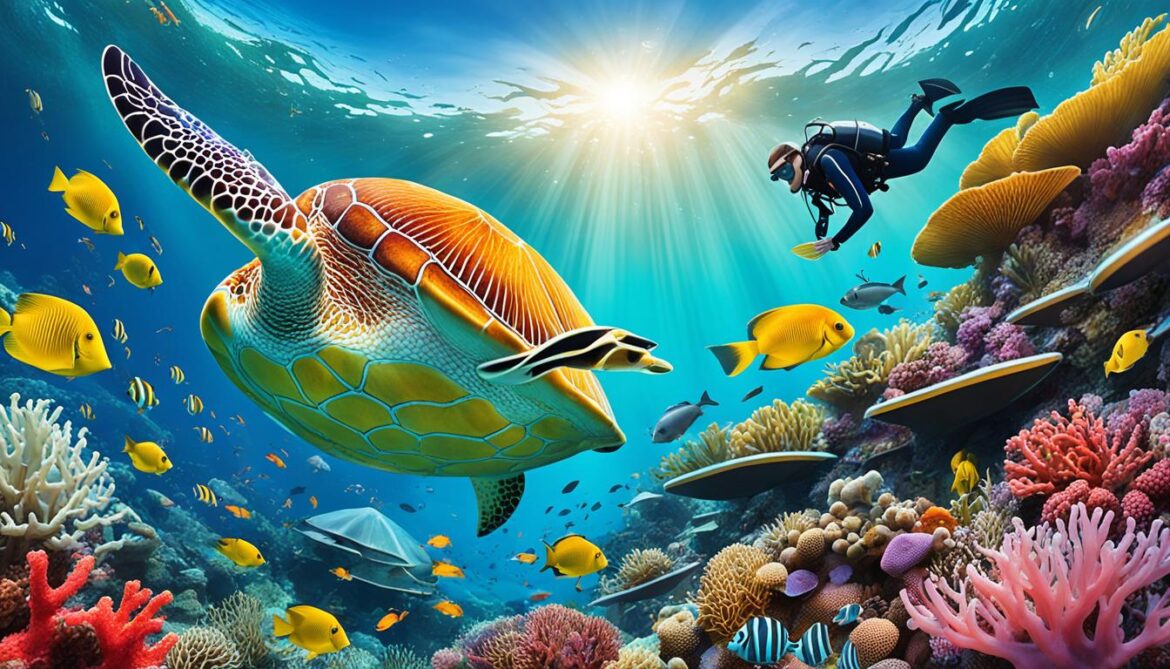
Equatorial Guinea is blessed with a diverse marine biodiversity that plays a crucial role in the livelihoods of communities engaged in artisanal fishing. The coastal waters of Equatorial Guinea are teeming with a wide range of marine species, providing valuable resources and sustenance to local fishermen and their families.
However, it is concerning to note that despite the abundance of marine life, Equatorial Guinea currently relies heavily on fish imports, with approximately 70% of the fish consumed in the country being brought in from elsewhere. This overreliance on imported fish underscores a lack of support for the local fishing industry, inhibiting its growth and economic potential.
ผลกระทบของการเปลี่ยนแปลงสภาพภูมิอากาศ
In addition to the challenges faced by the fishing industry, climate change poses a significant threat to Equatorial Guinea’s marine biodiversity. Rising sea temperatures, ocean acidification, and extreme weather events impact the delicate balance of marine ecosystems, jeopardizing the survival of numerous species.
“The conservation and sustainable management of marine resources are crucial for the future food security of Equatorial Guinea.”
จำเป็นที่จะต้องนำระบบการจัดการชุมชนมาใช้เพื่อเพิ่มความยืดหยุ่นของชุมชนประมงท้องถิ่นต่อผลกระทบของการเปลี่ยนแปลงสภาพภูมิอากาศ ระบบเหล่านี้สามารถส่งเสริมแนวทางปฏิบัติในการประมงอย่างยั่งยืน โดยรับประกันความหลากหลายทางชีวภาพทางทะเลและการดำรงชีวิตที่สนับสนุนในระยะยาว
บริษัทประมงต่างประเทศและการกำหนดเป้าหมายปลาทูน่า
กระทรวงประมงและสิ่งแวดล้อมในประเทศอิเควทอเรียลกินีออกใบอนุญาตแก่บริษัทประมงต่างประเทศ โดยเน้นที่ปลาทูน่าในน่านน้ำของประเทศเป็นหลัก แม้ว่าความร่วมมือเหล่านี้สามารถสนับสนุนเศรษฐกิจได้ แต่ก็จำเป็นอย่างยิ่งที่จะต้องรักษาสมดุลระหว่างผลประโยชน์ทางเศรษฐกิจและการอนุรักษ์ทรัพยากรทางทะเล เพื่อรักษาความหลากหลายทางชีวภาพอันอุดมสมบูรณ์ของประเทศอิเควทอเรียลกินี
ความสำคัญของการอนุรักษ์และความยั่งยืน
การอนุรักษ์และการจัดการทรัพยากรทางทะเลอย่างยั่งยืนในประเทศอิเควทอเรียลกินีมีความสำคัญอย่างยิ่งต่อความมั่นคงทางอาหารในอนาคตและความเจริญรุ่งเรืองทางเศรษฐกิจของประเทศ ด้วยการสนับสนุนการประมงในท้องถิ่นและดำเนินมาตรการเพื่อลดผลกระทบของการเปลี่ยนแปลงสภาพภูมิอากาศ อิเควทอเรียลกินีสามารถรับประกันความยืดหยุ่นและความอยู่รอดของความหลากหลายทางชีวภาพทางทะเลในระยะยาว
| ประเด็นสำคัญ | การดำเนินการที่จำเป็น |
|---|---|
| ลดการพึ่งพาการนำเข้าปลา | ลงทุนในการประมงในท้องถิ่นและสนับสนุนแนวทางปฏิบัติในการทำประมงอย่างยั่งยืน |
| จัดการกับผลกระทบของการเปลี่ยนแปลงสภาพภูมิอากาศ | ใช้ระบบการจัดการชุมชนและส่งเสริมความยืดหยุ่น |
| สร้างความสมดุลระหว่างผลประโยชน์ทางเศรษฐกิจและการอนุรักษ์ | ตรวจสอบให้แน่ใจว่าการออกใบอนุญาตอย่างมีความรับผิดชอบของบริษัทประมงต่างประเทศ |
พืชสมุนไพรและการแพทย์แผนโบราณในประเทศอิเควทอเรียลกินี
อิเควทอเรียลกินีมีชื่อเสียงในด้านการใช้พืชสมุนไพรและยาแผนโบราณอย่างกว้างขวาง ซึ่งเป็นทางเลือกในการรักษาโรคต่างๆ ด้วยพืชมากกว่า 500 ชนิดและสายพันธุ์ต่างๆ 100 ชนิดที่ถูกนำมาใช้ ยาแผนโบราณมีบทบาทสำคัญในแนวทางปฏิบัติด้านการดูแลสุขภาพของประเทศ
พืชที่โดดเด่นเป็นพิเศษชนิดหนึ่งในการแพทย์แผนโบราณของประเทศอิเควทอเรียลกินีคือ Prunus Africana Prunus Africana เป็นพืชประจำถิ่นของเกาะ Bioko มีคุณค่าสูงในด้านคุณสมบัติทางยาและใช้รักษาโรคต่างๆ นอกจากนี้ยังมีคุณค่าในเชิงพาณิชย์อีกด้วย โดยบริษัทยาในต่างประเทศซื้อมันเพื่อประโยชน์ทางการแพทย์
In addition to medicinal plants, the production and sale of ornamental plants contribute to Equatorial Guinea’s economy while also providing opportunities for sustainable livelihoods. The cultivation and trade of ornamental plants have become a thriving industry, showcasing the country’s rich diversity and enhancing its ecological sustainability.
| พืชสมุนไพรในประเทศอิเควทอเรียลกินี | การใช้งานแบบดั้งเดิม |
|---|---|
| พรูนัส แอฟริกันนา | รักษาความผิดปกติของต่อมลูกหมาก มาลาเรีย และการติดเชื้อทางเดินปัสสาวะ |
| พรูนัส แอฟริกันนา | รักษาความผิดปกติของต่อมลูกหมาก มาลาเรีย และการติดเชื้อทางเดินปัสสาวะ |
| พรูนัส แอฟริกันนา | รักษาความผิดปกติของต่อมลูกหมาก มาลาเรีย และการติดเชื้อทางเดินปัสสาวะ |
Equatorial Guinea’s commitment to preserving its medicinal plant heritage and traditional medicine systems is vital for both its cultural identity and the well-being of its population.
ความสำคัญของพืชสมุนไพรในการแพทย์แผนโบราณ
การแพทย์แผนโบราณในประเทศอิเควทอเรียลกินีอาศัยการใช้พืชสมุนไพรเป็นหลัก ซึ่งเป็นการเยียวยาทางเลือกสำหรับอาการเจ็บป่วยต่างๆ พืชเหล่านี้ได้รับการสืบทอดจากรุ่นสู่รุ่นและยังคงมีบทบาทสำคัญในแนวทางปฏิบัติด้านการดูแลสุขภาพของประเทศ
- พืชสมุนไพรเสนอทางเลือกในการรักษาตามธรรมชาติและยั่งยืน
- They provide accessible and affordable healthcare solutions.
- การแพทย์แผนโบราณรวบรวมความเชื่อและการปฏิบัติทางวัฒนธรรมของชุมชนท้องถิ่น
Equatorial Guinea recognizes the importance of preserving its medicinal plant resources and continues to promote sustainable practices in traditional medicine while integrating modern healthcare systems.
การดำเนินการตามมาตรการอนุรักษ์ความหลากหลายทางชีวภาพในประเทศอิเควทอเรียลกินี
อิเควทอเรียลกินีตระหนักถึงความสำคัญของการอนุรักษ์ความหลากหลายทางชีวภาพและได้ดำเนินขั้นตอนสำคัญในการดำเนินมาตรการเพื่อปกป้องทรัพยากรธรรมชาติ ความคิดริเริ่มที่สำคัญคือการพัฒนายุทธศาสตร์และแผนปฏิบัติการด้านความหลากหลายทางชีวภาพแห่งชาติ (NBSAP) ซึ่งสรุปกลยุทธ์และการดำเนินการที่ครอบคลุมเพื่อรักษาระบบนิเวศที่หลากหลายของประเทศ
NBSAP มุ่งเน้นไปที่ด้านต่างๆ ได้แก่:
- การเสริมสร้างความเข้มแข็งของสถาบันเพื่อเพิ่มขีดความสามารถในการอนุรักษ์ความหลากหลายทางชีวภาพอย่างมีประสิทธิผล
- การพัฒนากฎหมายเพื่อสร้างกรอบกฎหมายที่ปกป้องความหลากหลายทางชีวภาพ
- การศึกษาความหลากหลายทางชีวภาพเพื่อสร้างความตระหนักรู้และส่งเสริมแนวทางปฏิบัติที่ยั่งยืน
- การสร้างและการจัดการพื้นที่คุ้มครองเพื่อรักษาแหล่งที่อยู่อาศัยที่สำคัญ
- Scientific research to improve understanding and inform conservation efforts
“Equatorial Guinea has made significant progress in biodiversity conservation through the implementation of the National Biodiversity Strategy and Action Plan. This framework provides a roadmap for preserving our unique ecosystems and ensuring the long-term sustainability of our natural resources,” ดร.แอนนา ออนโด ผู้อำนวยการกระทรวงสิ่งแวดล้อมและทรัพยากรธรรมชาติ กล่าว
NBSAP มีเป้าหมายที่จะระดมทรัพยากรทางการเงินสำหรับกิจกรรมการอนุรักษ์ ส่งเสริมการบูรณาการประเด็นปัญหาความหลากหลายทางชีวภาพในระดับภาคส่วน และสำรวจทางเลือกอื่นในการดำรงชีวิตเพื่อลดแรงกดดันต่อทรัพยากรธรรมชาติ กรอบกฎหมายได้รับการจัดตั้งขึ้นเพื่อสนับสนุนการอนุรักษ์ความหลากหลายทางชีวภาพ โดยเป็นพื้นฐานทางกฎหมายในการปกป้องระบบนิเวศและสัตว์ใกล้สูญพันธุ์
“ด้วยการตรากฎหมายที่ส่งเสริมการอนุรักษ์ความหลากหลายทางชีวภาพ ประเทศอิเควทอเรียลกินีกำลังส่งข้อความที่ชัดเจนเกี่ยวกับความสำคัญของการอนุรักษ์มรดกทางธรรมชาติของเราสำหรับคนรุ่นอนาคต” เน้นย้ำกับ Maria Nvono รัฐมนตรีว่าการกระทรวงเกษตรและป่าไม้
Equatorial Guinea is also implementing environmental impact assessments (EIAs) for construction projects, ensuring that potential ecological consequences are properly assessed and mitigated. These assessments play a crucial role in promoting sustainable development and reducing adverse environmental impacts.
รัฐบาลยังมีส่วนร่วมอย่างแข็งขันกับบริษัทน้ำมันเพื่อสร้างความตระหนักรู้เกี่ยวกับประเด็นด้านความยั่งยืน และสนับสนุนแนวทางปฏิบัติที่มีความรับผิดชอบซึ่งจะลดผลกระทบต่อความหลากหลายทางชีวภาพและระบบนิเวศให้เหลือน้อยที่สุด
“ด้วยความพยายามในการร่วมมือกับภาคเอกชน เรามุ่งมั่นที่จะบรรลุความสมดุลระหว่างการพัฒนาเศรษฐกิจและการอนุรักษ์สิ่งแวดล้อม ด้วยการส่งเสริมแนวทางปฏิบัติที่ยั่งยืนและการจัดการทรัพยากรอย่างมีความรับผิดชอบ เราสามารถสร้างความสัมพันธ์ที่กลมกลืนระหว่างกิจกรรมของมนุษย์และการอนุรักษ์ความหลากหลายทางชีวภาพได้” ไฮไลท์ ดร. เปโดร โอเบียง รัฐมนตรีว่าการกระทรวงเหมืองแร่ อุตสาหกรรม และพลังงาน
ความมุ่งมั่นของประเทศอิเควทอเรียลกินีในการดำเนินมาตรการอนุรักษ์ความหลากหลายทางชีวภาพแสดงให้เห็นถึงความทุ่มเทของประเทศในการรักษามรดกทางธรรมชาติและส่งเสริมการพัฒนาที่ยั่งยืน
สถาปัตยกรรมที่ยั่งยืนและการก่อสร้างที่เป็นมิตรกับสิ่งแวดล้อมในประเทศอิเควทอเรียลกินี
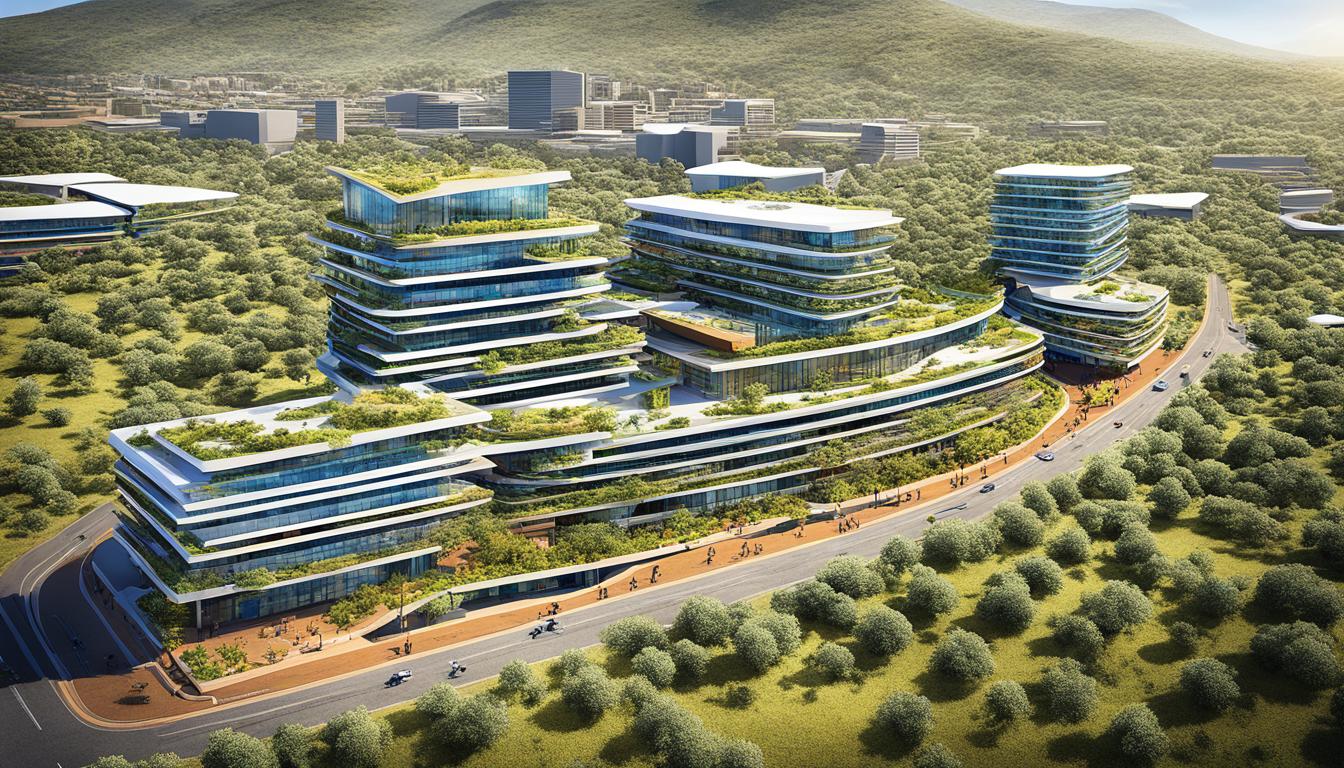
Equatorial Guinea has embraced sustainable architecture and eco-friendly construction practices. The country is committed to integrating environmentally friendly practices into the built environment, showcasing innovative designs, the use of sustainable materials, and indigenous construction techniques.
Notable examples of green buildings in Equatorial Guinea prioritize energy efficiency and conservation, contributing to a more sustainable future. These buildings demonstrate the country’s dedication to sustainable development and serve as inspiration for other construction projects.
Eastgate Centre, ซิมบับเว
The Eastgate Centre in Zimbabwe is an exceptional example of sustainable architecture. It utilizes a unique design that mimics natural airflow, reducing the need for air conditioning and minimizing energy consumption. The building’s ventilation system draws inspiration from the design of termite mounds, harnessing the benefits of passive cooling and energy efficiency.
ศูนย์ทรัพยากรการเรียนรู้มหาวิทยาลัยคาทอลิกแห่งแอฟริกาตะวันออก ประเทศเคนยา
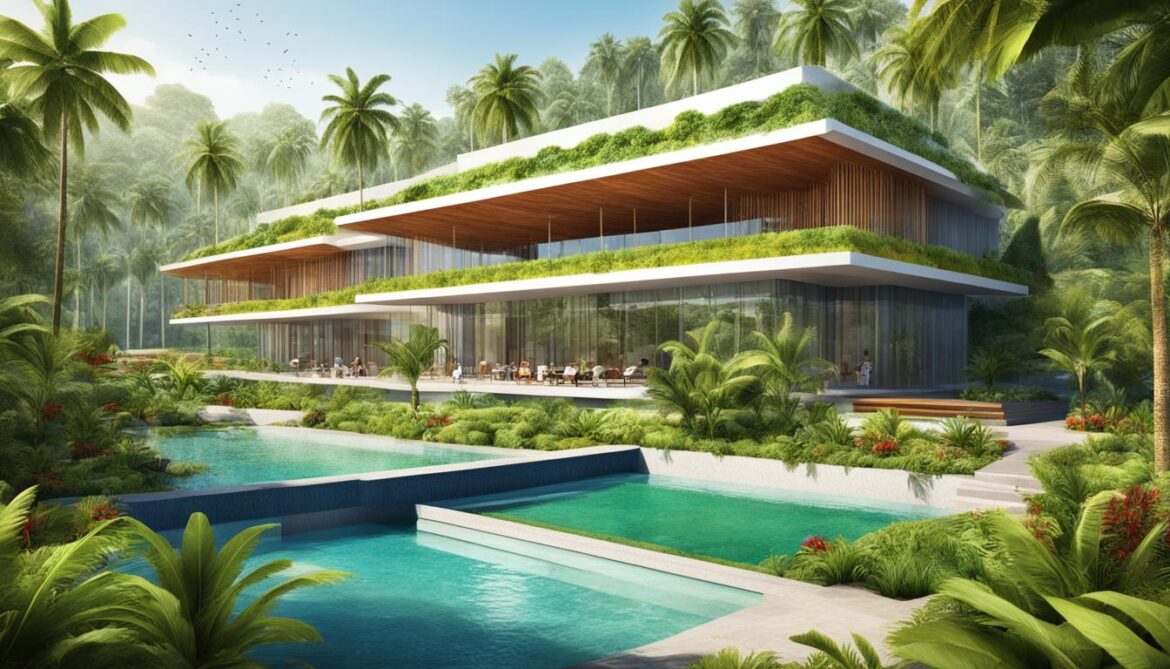
ศูนย์ทรัพยากรการเรียนรู้มหาวิทยาลัยคาทอลิกแห่งแอฟริกาตะวันออกในเคนยาจัดแสดง การออกแบบที่ยั่งยืน strategies. The building incorporates the use of sustainable materials, including locally sourced timber and recycled materials, reducing its carbon footprint. Natural lighting and advanced insulation systems contribute to energy efficiency and create a comfortable learning environment.
บ้าน 'Inno-native' ประเทศกานา
The ‘Inno-native’ Home in Ghana exemplifies the integration of eco-friendly construction practices. It utilizes indigenous techniques and materials, such as adobe mud blocks and timber, combined with modern design principles. The home also features solar panels for electricity and water heating, promoting renewable energy and reducing reliance on traditional power sources.
Equatorial Guinea’s commitment to sustainable architecture and eco-friendly construction aligns with its goals of environmental preservation and long-term sustainability. These green buildings not only contribute to energy efficiency and conservation but also inspire future projects that prioritize environmental responsibility.
ประสิทธิภาพและการอนุรักษ์พลังงานในอาคารสีเขียวของประเทศอิเควทอเรียลกินี
อาคารสีเขียวของประเทศอิเควทอเรียลกินีให้ความสำคัญกับประสิทธิภาพและการอนุรักษ์พลังงาน โดยผสมผสานกลยุทธ์การออกแบบที่ยั่งยืนเพื่อลดผลกระทบต่อสิ่งแวดล้อม อาคารเหล่านี้มีเป้าหมายเพื่อสร้างสภาพแวดล้อมที่สร้างขึ้นอย่างยั่งยืนและประหยัดพลังงานโดยใช้การระบายอากาศตามธรรมชาติ การระบายความร้อนแบบพาสซีฟ และวัสดุที่ยั่งยืน
ตัวอย่างหนึ่งที่โดดเด่นคือ Eastgate Center ในประเทศซิมบับเว ซึ่งใช้เทคนิคการระบายอากาศตามธรรมชาติและการก่ออิฐแบบพื้นเมืองเพื่อลดการใช้พลังงานได้มากถึง 90% การออกแบบเชิงนวัตกรรมนี้ช่วยให้อาคารสามารถรักษาอุณหภูมิภายในอาคารที่สะดวกสบายโดยไม่ต้องพึ่งพาระบบระบายความร้อนเชิงกลมากนัก
ศูนย์ทรัพยากรการเรียนรู้มหาวิทยาลัยคาทอลิกแห่งแอฟริกาตะวันออกในเคนยาเป็นอาคารสีเขียวที่สร้างแรงบันดาลใจอีกแห่งหนึ่งซึ่งมุ่งเน้นไปที่ความยั่งยืน วัสดุในท้องถิ่น การระบายความร้อนแบบพาสซีฟ และแสงธรรมชาติเป็นองค์ประกอบสำคัญในการออกแบบ ซึ่งสร้างสภาพแวดล้อมการเรียนรู้ที่เป็นมิตรกับสิ่งแวดล้อมและประหยัดพลังงานสำหรับนักเรียน
The ‘Inno-native’ Home in Ghana is an exceptional showcase of eco-friendly materials and technologies. It incorporates การก่อสร้างที่ยั่งยืน practices such as the use of timber, adobe mud blocks, sliding slatted-wood screens, and solar panels for electricity and water heating. This combination of sustainable materials and renewable energy sources contributes to the overall energy efficiency of the building.
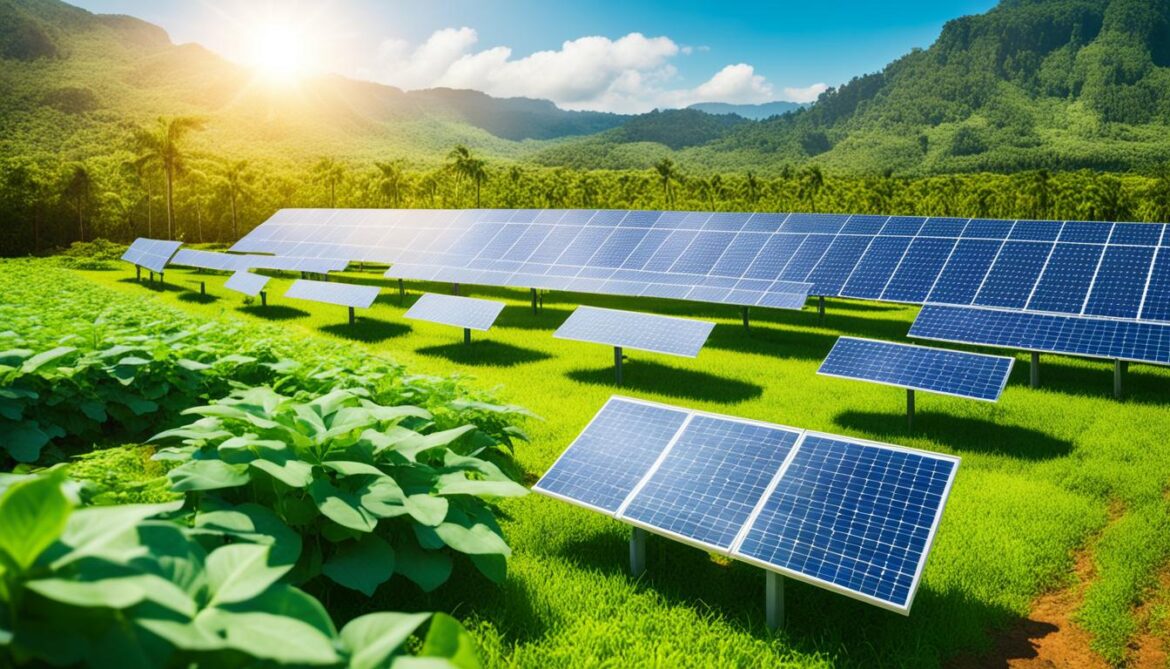
These examples demonstrate Equatorial Guinea’s commitment to energy efficiency and conservation in the construction sector. By integrating sustainable design principles and renewable energy technologies, green buildings in Equatorial Guinea are paving the way for a more sustainable future.
| อาคารสีเขียว | คุณสมบัติประหยัดพลังงาน |
|---|---|
| อีสต์เกตเซ็นเตอร์, ซิมบับเว | การระบายอากาศตามธรรมชาติ การก่ออิฐแบบพื้นเมือง |
| ศูนย์ทรัพยากรการเรียนรู้มหาวิทยาลัยคาทอลิกแห่งแอฟริกาตะวันออก ประเทศเคนยา | วัสดุในท้องถิ่น การระบายความร้อนแบบพาสซีฟ แสงธรรมชาติ |
| บ้าน 'Inno-native' ประเทศกานา | วัสดุที่เป็นมิตรต่อสิ่งแวดล้อม ไม้ซุง บล็อกโคลนอะโดบี ฉากกั้นไม้ระแนงบานเลื่อน แผงโซลาร์เซลล์ |
เทคนิคและวัสดุพื้นเมืองในอาคารสีเขียวของประเทศอิเควทอเรียลกินี
Equatorial Guinea’s green buildings prioritize the use of indigenous techniques and materials, contributing to sustainable construction practices while preserving the region’s cultural heritage. By integrating traditional knowledge and sustainable approaches, these buildings showcase the unique identity of the local communities and their commitment to environmental preservation.
อีสต์เกตเซ็นเตอร์
The Eastgate Centre in Zimbabwe exemplifies the successful application of indigenous techniques in green construction. Indigenous masonry, characterized by locally sourced materials and traditional building methods, reduces the ecological impact of the building process and contributes to energy efficiency. Coupled with natural ventilation systems inspired by termite mounds, the Eastgate Centre significantly reduces energy consumption and has become a prominent model for sustainable architecture in Africa.
บ้าน 'อินโน-พื้นเมือง'
The ‘Inno-native’ Home in Ghana demonstrates the integration of traditional building materials and modern design principles. By incorporating elements such as timber and adobe mud blocks, the home showcases sustainable practices while showcasing the cultural roots and traditions of the community. This unique combination of local materials and contemporary aesthetics creates a harmonious blend of tradition and modernity, promoting eco-friendly construction in Equatorial Guinea.
These examples highlight the importance of preserving and integrating indigenous techniques and materials in building projects. By valuing and utilizing local resources, Equatorial Guinea’s green buildings not only promote sustainable practices but also contribute to the preservation of cultural heritage, reinforcing the country’s commitment to environmental sustainability.
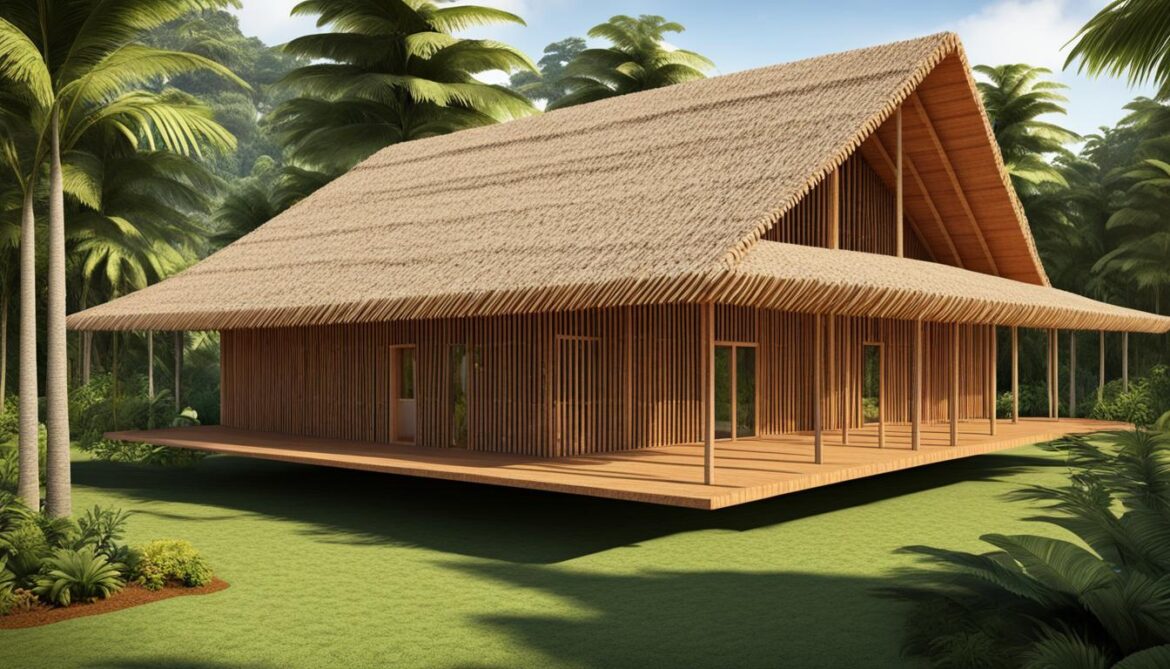
ประโยชน์หลักของเทคนิคและวัสดุพื้นเมืองในอาคารสีเขียว:
- ส่งเสริมความยั่งยืนและการอนุรักษ์สิ่งแวดล้อม
- อนุรักษ์มรดกทางวัฒนธรรมและภูมิปัญญาดั้งเดิม
- Reduce ecological footprint through the use of locally sourced materials
- เพิ่มประสิทธิภาพการใช้พลังงานและลดการใช้พลังงาน
- สร้างเอกลักษณ์ทางสถาปัตยกรรมอันเป็นเอกลักษณ์ที่สะท้อนถึงชุมชนท้องถิ่น
ตัวอย่างสถาปัตยกรรมที่ยั่งยืนในแอฟริกาที่สร้างแรงบันดาลใจ
อิเควทอเรียลกินีไม่ใช่ประเทศเดียวในแอฟริกาที่เป็นผู้นำในด้านสถาปัตยกรรมที่ยั่งยืนและการก่อสร้างที่เป็นมิตรกับสิ่งแวดล้อม ประเทศต่างๆ ในแอฟริกามีตัวอย่างอาคารสีเขียวที่สร้างแรงบันดาลใจซึ่งให้ความสำคัญกับความยั่งยืนและการออกแบบที่เป็นนวัตกรรม โครงการเหล่านี้แสดงให้เห็นถึงความมุ่งมั่นของทวีปในการพัฒนาที่ยั่งยืนและเป็นแรงบันดาลใจสำหรับโครงการก่อสร้างในอนาคต
อีสต์เกตเซ็นเตอร์, ซิมบับเว
ศูนย์ Eastgate ในซิมบับเวเป็นตัวอย่างสำคัญของสถาปัตยกรรมที่ยั่งยืนในแอฟริกา ออกแบบโดยสถาปนิก Mick Pearce อาคารหลังนี้ใช้แรงบันดาลใจจากปลวกเพื่อสร้างโครงสร้างที่ประหยัดพลังงาน อาคารใช้การระบายอากาศตามธรรมชาติและระบบทำความเย็นแบบพาสซีฟ ซึ่งช่วยลดการใช้พลังงานได้อย่างมาก ด้วยการเลียนแบบความสามารถของปลวกในการควบคุมอุณหภูมิ Eastgate Center จึงช่วยประหยัดค่าเครื่องปรับอากาศ และกลายเป็นสัญลักษณ์ของการออกแบบที่ยั่งยืนในแอฟริกา
ศูนย์ทรัพยากรการเรียนรู้มหาวิทยาลัยคาทอลิกแห่งแอฟริกาตะวันออก ประเทศเคนยา
The Catholic University of East Africa Learning Resource Centre in Kenya is another notable example of sustainable architecture. The building incorporates sustainable materials and local craftsmanship to create a harmonious blend of tradition and innovation. Natural lighting and passive cooling techniques are used to reduce the building’s energy consumption, while solar panels provide clean electricity. The design of the center promotes a sustainable learning environment, emphasizing the importance of sustainability in education.
บ้าน 'Inno-native' ประเทศกานา
บ้าน 'Inno-native' ในประเทศกานานำเสนอการผสมผสานระหว่างเทคนิคของชนพื้นเมืองและการก่อสร้างที่ยั่งยืน การออกแบบผสมผสานวัสดุก่อสร้างแบบดั้งเดิม เช่น ไม้และบล็อกโคลนอะโดบี ทำให้เกิดโครงสร้างที่ดึงดูดสายตาและเป็นมิตรต่อสิ่งแวดล้อม ฉากกั้นไม้ระแนงบานเลื่อนช่วยให้มีการระบายอากาศตามธรรมชาติและแสงธรรมชาติ ช่วยลดความจำเป็นในการใช้แสงเทียมและการทำความเย็น การเพิ่มแผงโซลาร์เซลล์สำหรับไฟฟ้าและเครื่องทำน้ำร้อนยังช่วยปรับปรุงคุณสมบัติที่เป็นมิตรต่อสิ่งแวดล้อมของบ้านอีกด้วย
| ชื่อโครงการ | ประเทศ | คุณสมบัติที่ยั่งยืน |
|---|---|---|
| อีสท์เกตเซ็นเตอร์ | ประเทศซิมบับเว | การระบายอากาศตามธรรมชาติ, การระบายความร้อนแบบพาสซีฟ |
| ศูนย์ทรัพยากรการเรียนรู้มหาวิทยาลัยคาทอลิกแห่งแอฟริกาตะวันออก | ประเทศเคนย่า | วัสดุที่ยั่งยืน แผงโซลาร์เซลล์ ระบบทำความเย็นแบบพาสซีฟ |
| บ้าน 'อินโน-เนทีฟ' | ประเทศกานา | เทคนิคพื้นบ้าน ไม้ โคลนอะโดบี แผงโซลาร์เซลล์ |
These inspiring examples of sustainable architecture in Africa highlight the importance of incorporating sustainable design principles in the construction industry. By prioritizing eco-friendly construction practices, African countries are setting an example for sustainable development worldwide.
สรุป
ความหลากหลายทางชีวภาพของประเทศอิเควทอเรียลกินีและสภาพแวดล้อมที่สร้างขึ้นมีการเชื่อมโยงกันอย่างซับซ้อน โดยเน้นย้ำถึงความสำคัญของการพัฒนาที่ยั่งยืนในการรักษาทรัพยากรธรรมชาติของประเทศ การอนุรักษ์ความหลากหลายทางชีวภาพมีความสำคัญอย่างยิ่งต่อความเป็นอยู่ที่ดีของทั้งระบบนิเวศและประชากรมนุษย์ และประเทศอิเควทอเรียลกินีกำลังดำเนินการขั้นตอนสำคัญในการส่งเสริมการอนุรักษ์ความหลากหลายทางชีวภาพ
ด้วยการพัฒนายุทธศาสตร์และแผนปฏิบัติการด้านความหลากหลายทางชีวภาพแห่งชาติ และการส่งเสริมแนวทางปฏิบัติที่ยั่งยืนในภาคส่วนต่างๆ อิเควทอเรียลกินีกำลังทำงานอย่างแข็งขันเพื่อรักษามรดกทางนิเวศวิทยาที่มีเอกลักษณ์เฉพาะตัว ประเทศนี้เป็นตัวอย่างที่สร้างแรงบันดาลใจในการบูรณาการสถาปัตยกรรมที่ยั่งยืนและการก่อสร้างที่เป็นมิตรต่อสิ่งแวดล้อม การให้ความสำคัญกับประสิทธิภาพการใช้พลังงาน และการใช้เทคนิคและวัสดุพื้นเมือง
By prioritizing biodiversity conservation and sustainable development, Equatorial Guinea is paving the way for a greener and more sustainable future. As the country continues to protect its diverse ecosystems and embrace eco-friendly construction, it sets an important precedent for other nations to follow, emphasizing the significance of environmental preservation in the face of global challenges.
คำถามที่พบบ่อย
ความหลากหลายทางชีวภาพของอิเควทอเรียลกินีและสภาพแวดล้อมที่สร้างขึ้นคืออะไร?
ความหลากหลายทางชีวภาพของอิเควทอเรียลกินี and the Built Environment refers to the study and conservation efforts focused on preserving the country’s rich biodiversity while implementing sustainable development practices in construction and urban planning.
ข้อเท็จจริงบางประการเกี่ยวกับความหลากหลายทางชีวภาพในประเทศอิเควทอเรียลกินีมีอะไรบ้าง
อิเควทอเรียลกินีมีป่าฝนเขตร้อนและระบบนิเวศที่หลากหลายแผ่กระจายไปทั่วภูมิภาคชีวภูมิศาสตร์ภาคพื้นทวีปและเขตโดดเดี่ยว ซึ่งได้รับการดูแลโดยแม่น้ำและเกาะต่างๆ ในทวีป
เศรษฐกิจของประเทศอิเควทอเรียลกินีส่งผลกระทบต่อความหลากหลายทางชีวภาพอย่างไร
เศรษฐกิจของประเทศอิเควทอเรียลกินีต้องพึ่งพาการผลิตน้ำมันและก๊าซธรรมชาติเป็นอย่างมาก ซึ่งนำไปสู่การตัดไม้ทำลายป่าและการสูญเสียถิ่นที่อยู่ ซึ่งส่งผลเสียต่อความหลากหลายทางชีวภาพ การแสวงหาประโยชน์จากทรัพยากรป่าไม้ยังส่งผลกระทบอย่างมีนัยสำคัญต่อประชากรในท้องถิ่นด้วย
ภัยคุกคามหลักต่อความหลากหลายทางชีวภาพในประเทศอิเควทอเรียลกินีคืออะไร?
การล่าสัตว์มากเกินไป การค้าเนื้อป่า การสูญเสียแหล่งที่อยู่อาศัย และกิจกรรมการตัดไม้เป็นภัยคุกคามที่สำคัญต่อความหลากหลายทางชีวภาพในประเทศอิเควทอเรียลกินี กิจกรรมเหล่านี้เป็นอันตรายต่อสายพันธุ์ไพรเมตและมีส่วนทำให้เกิดความท้าทายในการอนุรักษ์ระดับโลก
อิเควทอเรียลกินีเข้าใกล้ความหลากหลายทางชีวภาพทางทะเลอย่างไร
ความหลากหลายทางชีวภาพทางทะเลของประเทศอิเควทอเรียลกินีมีบทบาทสำคัญในการดำรงชีวิตของชุมชนที่มีส่วนร่วมในการประมงพื้นบ้าน อย่างไรก็ตาม ปัจจุบันประเทศต้องพึ่งพาการนำเข้าปลา ซึ่งเรียกร้องให้มีความจำเป็นในการส่งเสริมแนวทางปฏิบัติด้านการประมงที่ยั่งยืน และเสริมสร้างความสามารถในการฟื้นตัวต่อผลกระทบจากการเปลี่ยนแปลงสภาพภูมิอากาศ
พืชสมุนไพรและการแพทย์แผนโบราณมีความสำคัญอย่างไรในประเทศอิเควทอเรียลกินี?
อิเควทอเรียลกินีมีประเพณีอันยาวนานในการใช้พืชสมุนไพรในการแพทย์แผนโบราณ โดยมีพืชมากกว่า 500 ชนิดและ 100 สายพันธุ์ที่ใช้เพื่อเป็นทางเลือกในการรักษาโรค พืช เช่น Prunus Africana มีทั้งประโยชน์ทางการแพทย์แบบดั้งเดิมและมีคุณค่าทางการค้า
อิเควทอเรียลกินีใช้มาตรการอะไรเพื่ออนุรักษ์ความหลากหลายทางชีวภาพ?
อิเควทอเรียลกินีได้พัฒนายุทธศาสตร์และแผนปฏิบัติการด้านความหลากหลายทางชีวภาพแห่งชาติ (NBSAP) เพื่อส่งเสริมการอนุรักษ์ความหลากหลายทางชีวภาพ ประเทศยังได้ใช้กรอบกฎหมาย พื้นที่คุ้มครอง และการประเมินผลกระทบสิ่งแวดล้อมสำหรับโครงการก่อสร้าง ขณะเดียวกันก็สร้างความตระหนักรู้ในหมู่บริษัทน้ำมันเกี่ยวกับประเด็นด้านความยั่งยืน
ตัวอย่างสถาปัตยกรรมที่ยั่งยืนและการก่อสร้างที่เป็นมิตรต่อสิ่งแวดล้อมในประเทศอิเควทอเรียลกินีมีอะไรบ้าง
อิเควทอเรียลกินีมีอาคารสีเขียวที่โดดเด่น รวมถึงศูนย์ Eastgate ในซิมบับเวและศูนย์ทรัพยากรการเรียนรู้ของมหาวิทยาลัยคาทอลิกแห่งแอฟริกาตะวันออกในเคนยา อาคารเหล่านี้ให้ความสำคัญกับประสิทธิภาพการใช้พลังงาน การทำความเย็นแบบพาสซีฟ และการใช้วัสดุที่ยั่งยืน
อาคารสีเขียวในประเทศอิเควทอเรียลกินีให้ความสำคัญกับประสิทธิภาพและการอนุรักษ์พลังงานอย่างไร
อาคารสีเขียวของประเทศอิเควทอเรียลกินีผสมผสานกลยุทธ์ต่างๆ เช่น การระบายอากาศตามธรรมชาติ การระบายความร้อนแบบพาสซีฟ และการใช้วัสดุที่ยั่งยืนเพื่อลดการใช้พลังงาน ตัวอย่างเช่น ศูนย์ Eastgate ในซิมบับเวใช้อิฐพื้นเมืองและการระบายอากาศตามธรรมชาติเพื่อประหยัดพลังงานได้อย่างมาก
เทคนิคและวัสดุของชนพื้นเมืองมีบทบาทอย่างไรในอาคารสีเขียวของประเทศอิเควทอเรียลกินี
อาคารสีเขียวของประเทศอิเควทอเรียลกินีให้ความสำคัญกับการใช้เทคนิคและวัสดุของชนพื้นเมือง ทำให้เกิดแนวทางการก่อสร้างที่ยั่งยืนซึ่งรักษามรดกทางวัฒนธรรมของภูมิภาค ตัวอย่าง ได้แก่ บ้าน 'Inno-native' ในประเทศกานา ซึ่งผสมผสานวัสดุแบบดั้งเดิมเข้ากับการออกแบบที่ทันสมัย
มีตัวอย่างที่สร้างแรงบันดาลใจของสถาปัตยกรรมที่ยั่งยืนในประเทศอื่นๆ ในแอฟริกาหรือไม่
ใช่ ประเทศต่างๆ ในแอฟริกามีตัวอย่างที่น่าประทับใจเกี่ยวกับสถาปัตยกรรมที่ยั่งยืนและการก่อสร้างที่เป็นมิตรต่อสิ่งแวดล้อม โครงการที่โดดเด่น ได้แก่ Eastgate Center ในซิมบับเว ศูนย์ทรัพยากรการเรียนรู้ของมหาวิทยาลัยคาทอลิกแห่งแอฟริกาตะวันออกในเคนยา และบ้าน 'Inno-native' ในกานา