สำเนาที่สร้างโดยดิจิทัล (อาจมีข้อผิดพลาดบางประการ)
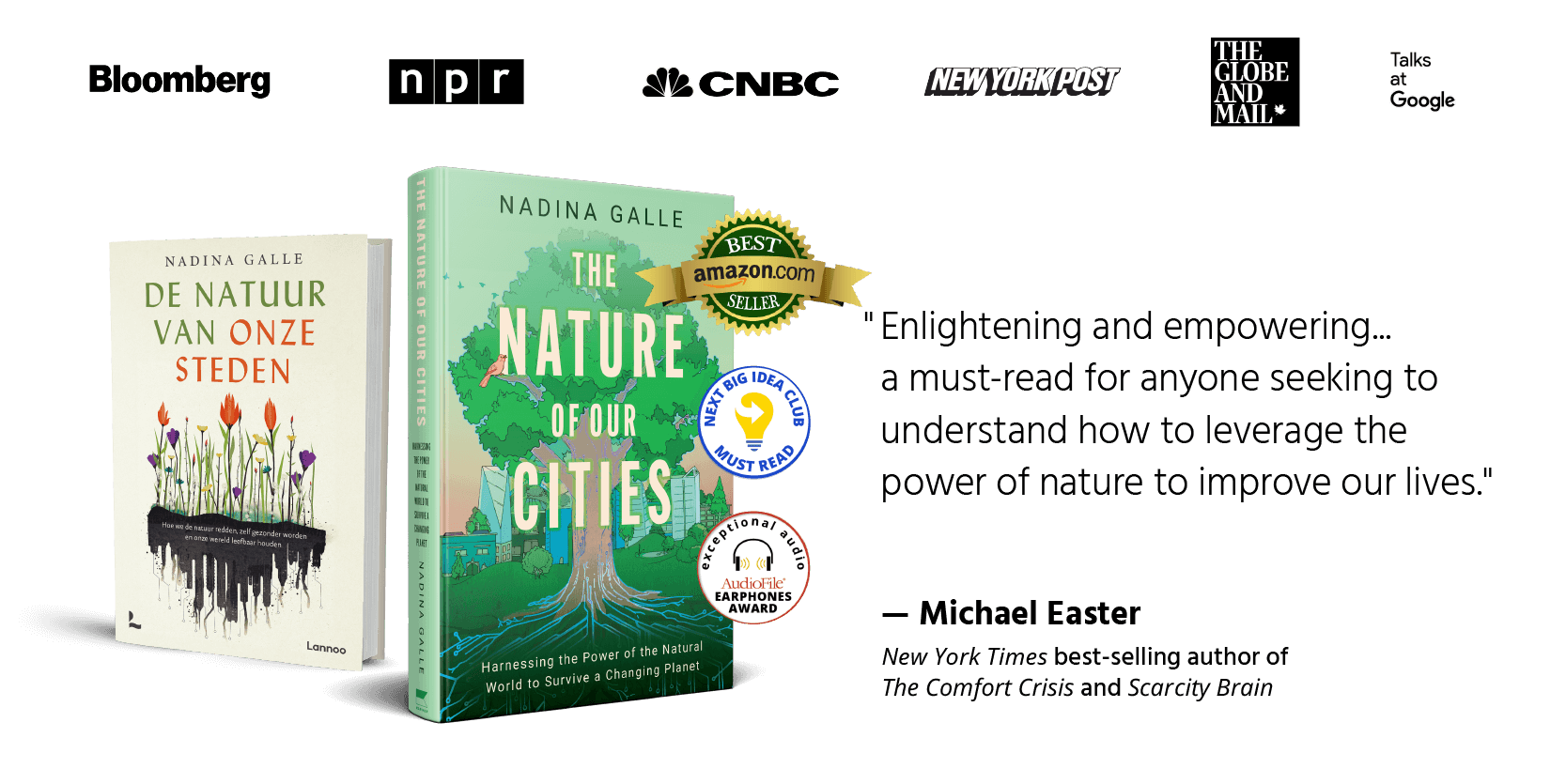
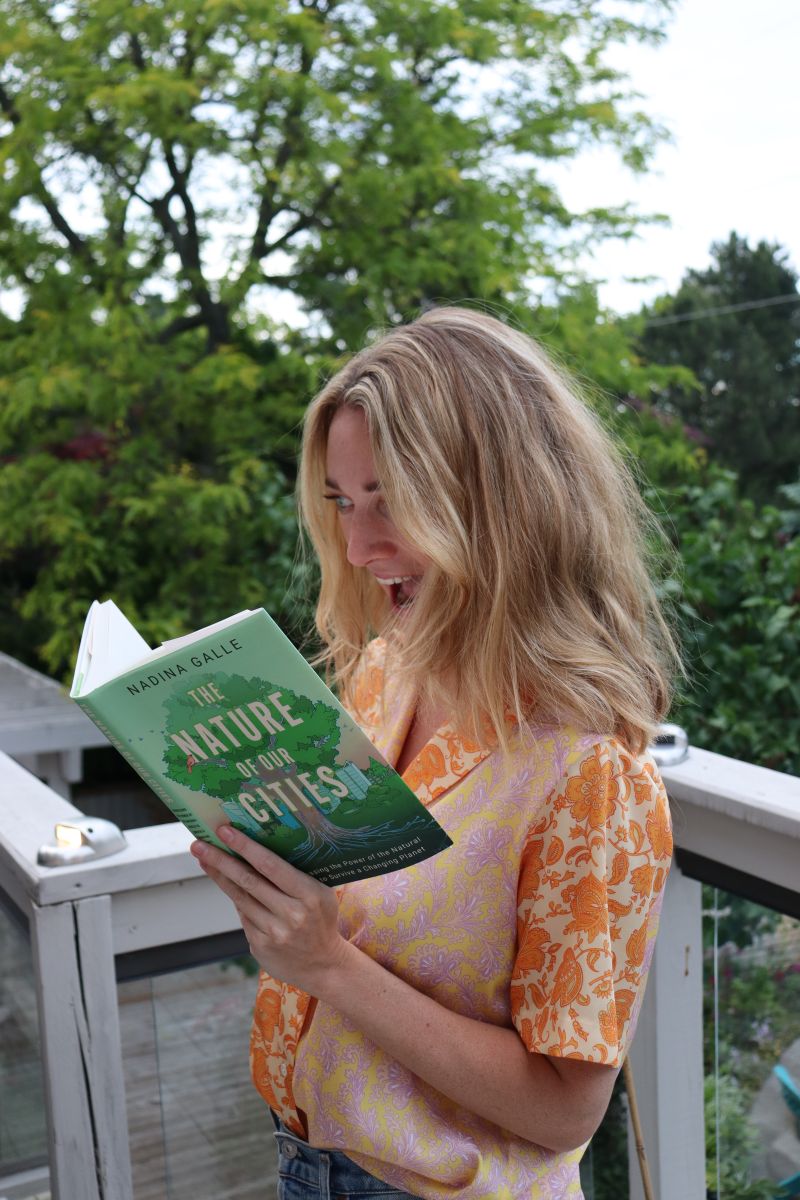
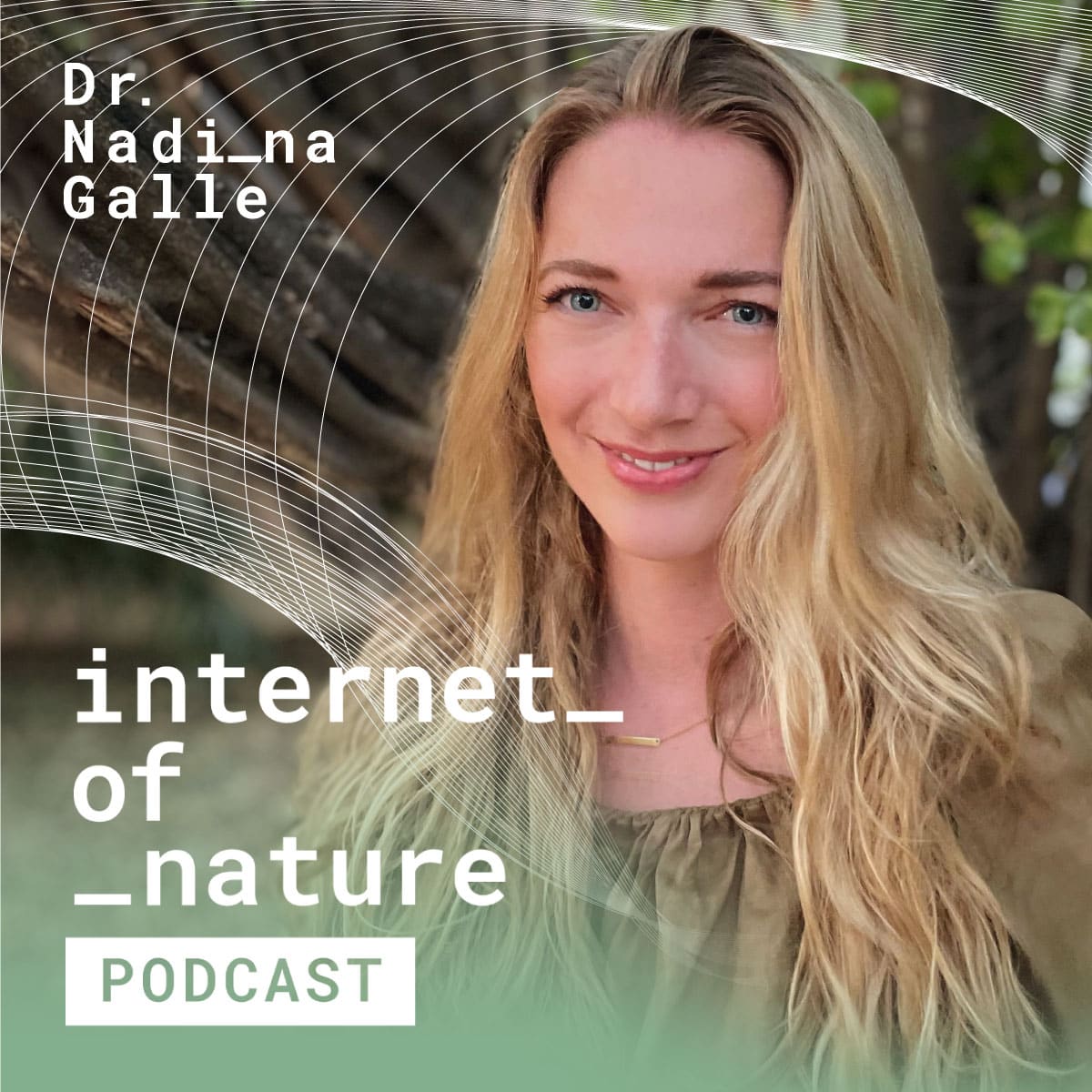
สวัสดีตอนบ่าย ฉันชื่อแจ็กกี้ เดอ บูร์กา จาก Constructive Voices ฉันกำลังบันทึกเสียงจากประเทศสเปนอีกครั้ง ในกรณีนี้คือเดือนกันยายน และสเปนมีพายุฝนฟ้าคะนองซึ่งเราเฝ้ารอมาหลายเดือน ซึ่งนำฉันไปสู่แขกรับเชิญในวันนี้ ซึ่งเป็นนักเขียนคนหนึ่งในบรรดาคนอื่นๆ ชื่อของเธอคือ ดร. นาดินา กัลเล่ และเธอได้เขียนหนังสือที่น่าทึ่งเล่มหนึ่ง ซึ่งเป็นหนังสือเล่มแรกของเธอ ชื่อว่า The Nature of Our Harnessing the Power of the Natural World to Survive a Changing Planet นาดินา ฉันอยากให้คุณทักทายผู้ฟังและแนะนำตัว
[00:00:51] ดร. นาดีน่า กัลเล่: สวัสดีผู้ฟังทุกท่าน และสวัสดีแจ็คกี้ ขอบคุณมากที่เชิญฉันมา ฉันยินดีและเป็นเกียรติอย่างยิ่งที่คุณเต็มใจใช้เวลาอยู่กับฉันมากมายและกับแนวคิดมากมายที่นำเสนอในหนังสือเล่มนี้ นั่นคือ... นั่นคือความหมายของการเขียนหนังสือ ฉันรู้สึกเป็นเกียรติและขอบคุณมาก
I am a Dutch Canadian ecological engineer. I’m a technologist. I’m a keynote speaker and also a podcaster, and as a recently now published author of the Nature of Our Cities. And I would describe myself and also my work as really exploring this intersection between people, nature and technology, and how we can have the three coexist in what I call the default habitat of humankind, which are our cities and other urbanized environments. And that’s really where I’ve spent the last decade exploring and exploring, researching and then sharing those findings, whether that be through my writing, podcast, speaking. And now this book.
[00:01:56] Jackie De Burca: เยี่ยมมาก ตอนนี้กำลังเข้าสู่คำถามที่สำคัญที่สุดข้อหนึ่งของชีวิตในปัจจุบัน ในมุมมองของฉัน Nadina คุณมองว่าความสัมพันธ์ระหว่างมนุษยชาติกับธรรมชาติในปัจจุบันเป็นอย่างไร
[00:02:09] ดร. นาดีน่า กัลเล่: ฉันคิดว่ามันเป็นสิ่งหนึ่งที่ถูกตัดขาดไปแล้ว ฉันคิดว่ามันกลายเป็นสิ่งที่ฟุ่มเฟือยไปแล้ว
Exploring or being in nature is something that we see as something that we might do on a rare weekend or perhaps on a vacation or a trip away, something that leads us feeling like, I really need this. This is something that has been long removed from my life and therefore I’m going to prioritize it on a vacation, for example. And that’s something that I’m really striving to bring back into our daily worlds, our daily habits, or this daily connection with nature. That’s really where I believe we can find climate resilience in our urban settings, the places where we live. But I also believe that’s really the key to restoring A lot of the issues that we see around mental health, our physical health, and of course, our longevity, both for ourselves, our families, and I would say, most importantly, our children.
[00:03:13] Jackie De Burca: นาดินา คุณคิดว่ามนุษยชาติโดยทั่วไปรู้สึกแยกออกจากธรรมชาติในขณะนี้หรือไม่?
[00:03:20] Dr. Nadina Galle: I would say so, yes, for the vast majority of people. And I think that has a lot to do with the way that we live. I think it’s a somewhat of a natural trend as the global population has become more urbanized. That in itself has brought extraordinary wealth and innovation and a rise to the middle class for many, many people around the world. And I think that’s absolutely something to be celebrated. But with that, we’ve lost a real connection with what I argue really makes us human. And that is our connection with the natural world. And that can be something as simple as allowing ourselves the moments to feel the breeze on our face, or allowing us to ground with our feet in the soil, or allowing us to take ourselves and our children out for a walk in the park. These kinds of pockets of nature’s connection, even when living in cities, that is something I feel that we really need to prioritize. We often talk about good health in the sense of, well, we need to sleep well, we need to eat well, we need to exercise, we need to reduce our stress. And I would argue that fifth big pillar of our health is our exposure to nature. And that’s something that I believe that we’ve really lost sight of. And I think if we were to prioritize that, we would be amazed at what it does to all those other four facets of health, certainly.
[00:04:46] Jackie De Burca: ฉันเห็นด้วยกับคุณ Nadina นะ ฉันมาจากที่ที่ฉันโชคดีที่ได้ผูกพันกับธรรมชาติอย่างแนบแน่น ก่อนที่เราจะเจาะลึกงานและหนังสือของคุณ คุณเล่าเรื่องราวส่วนตัวของคุณสั้นๆ ได้ไหม โดยเฉพาะเกี่ยวกับสภาพแวดล้อมสองแห่งที่มีอิทธิพลต่อชีวิตวัยหนุ่มของคุณ Nadina?
[00:05:06] ดร. นาดีน่า กัลเล่: ใช่แล้ว ฉันคิดว่านี่เป็นเรื่องราวส่วนตัวของฉัน ฉันเติบโตในเขตชานเมืองอเมริกาเหนือทางตะวันตกเฉียงใต้ของรัฐออนแทรีโอ ประเทศแคนาดา แต่ฉันเกิดที่เนเธอร์แลนด์ ฉันย้ายไปที่นั่นเมื่ออายุได้ XNUMX ขวบ
And I had the lucky privilege to be able to travel back to the Netherlands with my family and visit family and family friends there. And that really informed a lot of, I would say, really at a young age, you know, starting at age 8 or 9, this kind of comparison between the place where I lived in this typical North American suburb and the places where my cousins or family friends lived and in the Netherlands. And I felt like these neighborhoods in the Netherlands that’s not to say the Netherlands gets everything right. But I did feel like, in part because those neighborhoods were perhaps more focused on walkability or on cycling or other modes of active transport, that in doing that they also preserve more areas for nature and more parks. It was just more of a foresight within the urban planning. And I very much felt like those same natural spaces were very much an afterthought in Canadian, and I would argue, North American urban planning. And I saw this quite deeply in my, you know, my parents. The house that they still live in to this day, the house I grew up in was very much on the outskirts of a small city. And in the 20 years that I lived there, that almost became the center of the city purely because of how much development was happening outside of these outer skirts in a typical urban sprawl fashion. And I would walk through one of these new build neighborhoods on my way to the new high school which they had built to be able to compensate for all of this new population growth there. And I would do that and I would walk through these neighborhoods, which used to be forests or corn fields, and I would be walking through these neighborhoods and you would see, you know, an entire ecosystem be decimated, and then it would be, you know, filled up with these, you know, cookie cutter beige homes. And then after the fact, they would come in and plant a few trees. And that just struck me as so, so odd. I’m like, huh, so, you know, this is me at age 14, 15, like, how odd, right? Like, we would, we would completely remove all the trees. We put our homes, and then we put in trees after, like, what an inefficient way of doing things. Of course, you know, I’m older and wiser now and I understand that urban development needs to happen, and that’s very difficult in the middle of a dense forest. But I never understood why everything had to be removed. Why couldn’t we keep certain as I, as, you know, the neighborhood that my parents still in today was built in the late 70s, early 80s. And you could very much see that kind of development where they still kept huge swaths of forest in between the homes. They really prioritized walking trails between the homes, and there was a lot of trees and mature trees that were preserved. And I just thought that was so odd, like, why had we lost that? And my parents were definitely the kind of parents that like to encourage my sister and I’s hobbies and interests. So, you know, I voiced some of these concerns to my parents and my dad came back the next day with A whole pile of books that told me to read them. And then after I’d read them, we would discuss. And these were books by Jacobs, you know, famed urbanist James Howard Kunstler, who had coined this term of nowhere America. This idea of, you know, very sprawl car centricออกแบบ และภัยคุกคามที่เกิดขึ้น และนั่นเป็นจุดเริ่มต้นของการคิดในช่วงแรกๆ และมันกลายเป็นวงจรครบวงจรสำหรับฉันเมื่อฉันเริ่มเรียนนิเวศวิทยาที่มหาวิทยาลัย
แน่นอนว่านั่นคือเรื่องของนิเวศวิทยา ซึ่งอยู่ไกลจากเมืองของเรา และเมื่อผมทำปริญญาเอก ผมจึงได้นำประเด็นเรื่องเมืองกลับมาพิจารณาอีกครั้ง และนั่นคือจุดที่ประเด็นนี้กลับมาเกี่ยวข้องกับผมอย่างแท้จริง เพราะตอนนั้นผมเข้าใจว่ามนุษย์ไม่มีทางมีอนาคตร่วมกับธรรมชาติได้ จนกว่าเราจะเข้าใจว่าจะใช้ชีวิตร่วมกับธรรมชาติได้อย่างไรในชีวิตประจำวันซึ่งเน้นไปที่เมือง
[00:09:08] Jackie De Burca: พ่อแม่ของคุณมีทัศนคติแบบนั้น คุณคงรู้สึกขอบคุณมากที่เริ่มต้นชีวิตใหม่ และแน่นอนว่าระหว่างช่วงเวลานั้นกับช่วงเวลาที่เหลือของการเดินทางอันน่าหลงใหล คุณได้เขียนหนังสือที่เราได้กล่าวถึงก่อนหน้านี้แล้ว ซึ่งจะเป็นเรื่องราวเกี่ยวกับซีรีส์นี้ เราจะทำตอนสั้นๆ สี่ตอนเกี่ยวกับธรรมชาติของเมืองต่างๆ ของเรา โดยใช้พลังของโลกธรรมชาติเพื่อเอาชีวิตรอดในโลกที่เปลี่ยนแปลงไป Nadina ฉันชอบวิธีที่คุณเล่าเรื่องราวจากมุมมองของคุณเองมาก คุณชอบผสมผสานแนวคิดที่ว่านี่คือเรื่องราวเข้าด้วยกัน แต่แทรกด้วยแนวคิด เทคนิค และเครื่องมือสำคัญๆ มากมาย คุณช่วยสรุปคร่าวๆ ได้ไหมว่าผู้อ่านจะค้นพบอะไรในหนังสือของคุณได้บ้าง
[00:09:54] Dr. Nadina Galle: Absolutely, and I’m glad you picked up on that, Jackie, because that was very much my goal as well is to, to have it be a nonfiction, but written in the style of a novel. So there’s a lot of dialogue, there’s a lot of personal stories, a lot of anecdotes, and hopefully a lot of helpful lessons along the way. I’m a big fan of Malcolm Gladwell, who writes in this, well, what I hope to strive a similar kind of style where, you know, he zooms in on a very, very local story and then zooms out again to sketch the bigger global problem and what we can learn for it and then zooms back in again. So that’s very much a style I hope to emulate. And what readers can expect in the book is nine chapters sandwiched by a prologue and an epilogue. So again, kind of a nod to this fiction kind of style of book. This Prologue describes a city without nature. And it’s. It’s quite a dystopian look at what a city without nature could look like. Just to sketch really the urgency, I would say, of why the reader should be here. And we end hopefully with a happy ending with this epilogue that sketches the city with nature deeply, deeply integrated into our urban design and what people in that city are experiencing on a daily basis. And between the prologue and the epilogue are nine chapters, each of them focusing on a uniquely urban issue. So there’s a chapter on resource based management, on extreme heat, on wildfires, on flooding, on biodiversity loss, mental health, longevity, and lastly, children’s connection, or should we say disconnection to nature. And all of these chapters follow a similar kind of format where they sketch the problem with that unique urban issue, really outlining the stakes of what’s happening in today’s world and showing how nature can play an important role in that. And I think that’s the surprising thing about this book, is that nature really can. It’s such a multifaceted solution, really can have an impact on just a whole breadth of different urban issues. And then it delves into which technology specifically can help nature. How can we really maximize and optimize the role of nature within those solutions using this technological assist? And I call that the Internet of Nature.
[00:12:13] Jackie De Burca: นั่นนำเราไปสู่คำถามถัดไปได้อย่างสมบูรณ์แบบ Adina ฉันคิดว่าสิ่งที่ทำให้ฉันสะดุดใจก็คือ คุณนำเสนอการผสมผสานระหว่างเทคโนโลยีและธรรมชาติได้อย่างยอดเยี่ยมและชัดเจน ใช่ เมื่อพูดถึงอินเทอร์เน็ตแห่งธรรมชาติ นั่นคืออะไรกันแน่
[00:12:31] Dr. Nadina Galle: Yeah, I think that’s a bit of a shocking take for a lot of people. Right? Like, there’s still a lot of people that are like, you know, what the heck are nature and technology doing in the same sentence? And there’s many different pathways for how I came to that realization, but I think the deepest, most philosophical or even spiritual one, if you can call it that, is the recognition that cities are humanity’s default habitat. Right? This is where we live. This is where the majority of people currently live and are expected to live. And when I say cities, I think people often misconstrue that as. Oh, you mean, you know, they think of Manhattan. That’s. That’s not what it. That’s not the only definition of a city. By city, I mean suburban areas, peri. Urban areas, villages, towns, anywhere where you have an urbanized setting. This is where the connection with nature is so important, both as a buffer to natural disasters that of course, are going to come with increasing frequency and ferocity. But also for our health and well being. And it essentially, you know, if I had had my way, I would have called the book the Nature of Where We Live, because that’s really is what it’s about, increasing this connection with nature where we live. But there’s also this recognition that these places where we live are extremely modern entities. Right. We’ve seen massive technological revolution in our mobility, waste management, lighting, healthcare, democracy, all of these different facets of what it means to be a human being in 2024, but we haven’t seen that in nature. And the whole goal with the book is to help bring nature online and show that if we want to integrate nature back into our modern cities, that’s going to require a modern approach. And continually having this idea that technology doesn’t play a role in that, I think is quite foolish because the stakes are incredibly high, it’s incredibly urgent. And technology, as we’ll discuss in its myriad of different ways, can offer us a tool, one of many in our toolbox, to help nature find its rightful place in our cities.
[00:14:44] Jackie De Burca: ยอดเยี่ยมมาก คุณได้รับการกล่าวถึงในสื่อต่างๆ มากมาย ฉันประทับใจมากเมื่อฉันเริ่มค้นคว้าเกี่ยวกับอูนาดินา
คุณสามารถเล่าให้เราฟังเกี่ยวกับการปรากฏตัวของคุณบน BBC Earth ได้หรือไม่?
[00:14:56] Dr. Nadina Galle: Yeah, that was a very fun documentary I got to make with Mikey Trotter, really talented filmmaker, and the team at BBC Earth. And essentially what we focused on is the role of the street tree and specifically what threatens the typical urban street tree and some of the solutions that technology can offer in aiding street trees. So it begins with an urban forester from the City of London, and she’s offering some insight into some of the most popular street tree species, because there are quite few species of trees that can survive the harsh reality of life on the street in a city.
จากนั้น ฉันขอเสนอข้อมูลเชิงลึกเกี่ยวกับอันตรายจากการปลูกพืชเชิงเดี่ยวมากเกินไปในท้องถนน เพราะการมีต้นไม้สายพันธุ์เดียวกันมากเกินไปย่อมเปิดโอกาสให้เกิดการตายจำนวนมากเมื่อมีศัตรูพืชหรือโรคบางชนิดที่อาจแพร่ระบาด และหากคุณไม่มีป่าริมถนนหรือป่าในเมืองที่มีความหลากหลายทางชีวภาพ อาจมีต้นไม้ตายจำนวนมากในบริเวณนั้น ซึ่งอาจเป็นอันตรายได้
และบทบาทบางประการที่เทคโนโลยีมี ดังนั้นไม่ว่าสิ่งนั้นจะหมายถึงหนึ่งในสิ่งที่สำคัญที่สุดหรือไม่ แน่นอนว่าคือการทำแผนที่ต้นไม้ริมถนนที่เรามีอย่างแม่นยำ เพราะเราไม่สามารถวัดได้ เราไม่สามารถจัดการสิ่งที่เราไม่ได้วัดได้ และนั่นเป็นสิ่งสำคัญมาก เพราะยังมีต้นไม้ริมถนนมากมายในเมืองต่างๆ ทั่วโลกที่ไม่มีข้อมูลที่ดีอยู่รอบตัว และฉันเชื่อจริงๆ ว่าข้อมูลที่ดีเป็นรากฐานของแผนการจัดการต้นไม้ในเมืองที่ดี แต่ยังมีเทคโนโลยีเล็กๆ น้อยๆ เช่น เซ็นเซอร์ความชื้นในดิน ซึ่งเราสามารถปลูกร่วมกันได้เมื่อเราปลูกต้นไม้ต้นใหม่ และช่วยให้ต้นไม้เติบโตได้เร็วขึ้น ดังนั้น ต้นไม้จึงต้องการความช่วยเหลือจากเรา พวกมันต้องการความช่วยเหลือจากเราน้อยลงเรื่อยๆ และนั่นเป็นสิ่งที่สำคัญมากสำหรับสุขภาพของต้นไม้ด้วย มันเป็นเรื่องแปลก เมื่อคุณปลูกต้นไม้ในเมือง คุณจะต้องดูแลมันให้ดี เพราะแน่นอนว่าเรากำลังปลูกต้นไม้ในสภาพแวดล้อมที่ไม่เป็นธรรมชาติ แต่คุณไม่ควรสปอยล์หรือสปอยล์มากเกินไป เพราะถ้าคุณสปอยล์มากเกินไป มันอาจจะชินกับความช่วยเหลือเพิ่มเติมมากเกินไป และแน่นอนว่าคุณต้องการให้ลูกเป็นอิสระและสามารถเติบโตได้ด้วยตัวเอง คุณรู้ไหมว่าคุณสามารถวาดเส้นขนานที่สวยงามระหว่างการเลี้ยงลูกได้เช่นกัน คุณต้องการอยู่เคียงข้างและสนับสนุนพวกเขา เราไม่อยากสปอยล์พวกเขามากเกินไป
The same thing with a street tree. And a moisture sensor can be used to make sure they’re getting the right amount of water at the right time. And a tree that does get. That actually grows up to three times faster. And then you can also remove it when you feel like the tree no longer needs as much support anymore. And there’s a whole host of other technologies that can play a role there. But it was one of the first kind of bigger documentaries that I got to be a part of. And it was such a wonderful experience because I, you know, coming out of academia, my main mission was to get these stories of all these innovators and these technologies out in the world. And still to this day, I am searching for the best medium to do that. And this was my first kind of foray into documentary filmmaking. And I absolutely love that medium. It’s just. It’s such an effective storytelling medium.
[00:18:20] Jackie De Burca: ใช่แล้ว ใช่แล้ว คุณทำได้ดีมากที่ได้มาอยู่บน BBC Earth ในช่วงต้นของการเดินทางนั้น ตามที่คุณบรรยายไว้ แล้ว Beautiful Media ล่ะ สื่อชิ้นนี้มีชื่อว่า Engineer is Building Eco Cities with the Internet of Nature
[00:18:37] ดร. นาดีน่า กอลล์: ใช่ Beautiful Media เป็นบริษัทในแอฟริกาใต้ และพวกเขามุ่งเน้นในลักษณะเดียวกับที่ Buzzfeed เคยทำ หรือมีอีกแบรนด์หนึ่งที่ชื่อว่า Upworthy ซึ่งเคยทำสิ่งเหล่านี้ พวกเขามุ่งเน้นที่การค้นหาเรื่องราวดีๆ จากทั่วโลกและให้ความสำคัญกับเรื่องราวเหล่านี้จริงๆ และฉันคิดว่าในโลกนี้และสังคมที่สิ้นหวังและการรายงานข่าวที่เลวร้ายทุกวัน เป็นเรื่องดีที่ได้เห็นแพลตฟอร์มเหล่านี้เติบโตและมุ่งเน้นเฉพาะในการแบ่งปันข่าวดี และฉันโชคดีที่ได้เป็นส่วนหนึ่งของข่าวดีเหล่านี้ พวกเขาทำวิดีโอสั้นๆ ฉันคิดว่ามันยาวแค่ประมาณหนึ่งนาทีหรือหนึ่งนาทีครึ่งเท่านั้น ฉันได้สัมภาษณ์พวกเขา จากนั้นพวกเขาจึงตัดต่อวิดีโอและสร้างวิดีโอความยาว 90 วินาทีที่สวยงามเกี่ยวกับอินเทอร์เน็ตแห่งธรรมชาติและข้อดีที่อินเทอร์เน็ตสามารถมอบให้กับเราได้ในชีวิตในเมือง
[00:19:29] Jackie De Burca: เจ๋งดี เป็นแนวคิดที่ยอดเยี่ยมอย่างที่คุณพูด ท่ามกลางสื่อที่เลวร้ายมากมายที่เราต้องเผชิญทุกวัน
ความสำเร็จที่น่าทึ่งอีกอย่างหนึ่งคือคุณติดอันดับ Forbes 30 under 30 ในหมวดวิทยาศาสตร์และการดูแลสุขภาพ คุณคงรู้สึกตื่นเต้นมาก
[00:19:50] ดร. นาดีน่า กอลล์: ใช่แล้ว เป็นวันที่เจ๋งมาก เจ๋งมาก เจ๋งมาก และก็เพราะว่า นักนิเวศวิทยามักจะติดอยู่ในรายชื่อ Forbes 3030 บ่อยแค่ไหน ใช่ไหม ฉันหมายถึงว่านั่นเป็นสิ่งที่สงวนไว้สำหรับ คุณรู้ไหม แม้แต่ในหมวดการดูแลสุขภาพและวิทยาศาสตร์ คุณรู้ไหม มันสงวนไว้สำหรับผู้ก่อตั้งสตาร์ทอัพด้านสุขภาพ คุณรู้ไหม ผู้ประกอบการจำนวนมาก และแม้ว่าฉันจะคิดว่าตัวเองเป็นผู้ประกอบการ แต่ฉันไม่ได้คิดว่าตัวเองเป็นผู้ประกอบการในซิลิคอนวัลเลย์ ดังนั้น การได้รับการยอมรับในแนวคิดที่ฉันมุ่งมั่นที่จะเผยแพร่บนแพลตฟอร์มอย่าง Forbes ที่ได้รับการยอมรับนั้น เป็นสิ่งที่เหลือเชื่อมาก
[00:20:39] Jackie De Burca: ใช่แล้ว มันน่าทึ่งมาก ฉันเดาว่ามันเป็นการพยักหน้าอย่างน้อยก็เป็นการพยักหน้าให้กับความจริงที่ว่าธรรมชาติเป็นส่วนหนึ่งที่สำคัญของสุขภาพของเราอย่างแน่นอน
[00:20:49] ดร. นาดีน่า กัลเล่: ไม่หรอก นั่นแหละ นั่นแหละ และฉันก็รู้สึกแบบเดียวกันกับตอนที่ได้สัญญาเขียนหนังสือกับสำนักพิมพ์ HarperCollins คุณรู้ไหมว่า ฉันมีกระบวนการทั้งหมดในตัวของมันเอง แต่เหมือนกับการหาตัวแทนแล้วจึงนำเสนอข้อเสนอหนังสือต่อสำนักพิมพ์และสำนักพิมพ์ต่างๆ หลายแห่ง และมีผู้สนใจจากสำนักพิมพ์วิชาการ ซึ่งอย่าเข้าใจฉันผิด ฉันรู้สึกขอบคุณมากอยู่แล้ว แต่ฉันอยากเขียนหนังสือเพื่อสาธารณชนทั่วไปจริงๆ ฉันอยากให้มันยิ่งใหญ่กว่าแค่แวดวงวิชาการ ฉันกำลังจะออกจากวงการวิชาการเพื่อทำสิ่งนี้ ฉันจึงอยากให้มันไปไกลกว่านั้น ไปไกลกว่านั้น เมื่อสำนักพิมพ์ใหญ่สี่แห่งของ HarperCollins เสนอสัญญาเขียนหนังสือให้ฉัน ก็เป็นแบบนั้นจริงๆ แจ็กกี้ การตระหนักถึงธรรมชาติในเมืองต่างๆ ในชีวิตประจำวันของเรา มีความสำคัญอย่างยิ่งต่อวิถีชีวิตของเรา ไม่ว่าจะเป็นสภาพภูมิอากาศหรือสุขภาพ และเราเชื่อว่ามีเรื่องราวมากมายเพียงพอสำหรับผู้อ่านทั่วไป เหมือนกับว่านี่คือการรับรู้ในตัวเอง ใช่แล้ว ฉันมีความสุขในตอนนั้น ตอนนี้หนังสือออกแล้ว ถือเป็นโบนัสเพิ่มเติมที่ผู้คนสามารถอ่านเรื่องราวเหล่านี้ได้ แต่การรับรู้ในตัวเองนั้นก็ยอดเยี่ยมมาก
[00:22:05] Jackie De Burca: ฉันเริ่มเข้าใจสิ่งที่คนในทวีปยุโรปเรียกว่าหนังไก่แล้ว และเราคงรู้สึกขนลุกเมื่อคุณพูดแบบนั้น เพราะฉันรู้ ฉันรู้ว่ามันสำคัญแค่ไหน และสำนักพิมพ์ที่ยอดเยี่ยมมากสำหรับคุณ คุณรู้ไหม ในการค้นหาเรื่องราวและความรู้ของคุณ คุณรู้ว่าการได้ข้อตกลงที่น่าทึ่งและมันเป็นหนังสือที่น่าทึ่งมาก ฉันหมายความว่า เรากำลังเข้าใกล้ตอนจบของตอนแนะนำตอนแรกแล้ว มันเป็นหนังสือที่น่าทึ่งมากเพราะคุณเขียนได้ดีมาก คุณมีความรู้มากมายที่จะถ่ายทอด และคุณบอกเล่ามันด้วยวิธีที่คุณบรรยาย และมันได้ผลจริงๆ เพราะมันเข้าถึงได้ ฉันเชื่อว่ามันเข้าถึงได้ง่ายสำหรับโจหรือเจน สาธารณะ คุณรู้ไหม
[00:22:49] Dr. Nadina Galle: Yeah. And that’s that the biggest compliment is when people say, I couldn’t put it down. It read like a fiction. There was so much dialogue, it was engaging. You know that that’s ultimately what you want because if you can, if you get people locked into the story and engaged and excited, that’s when the message is going to hit home. Right. That’s when you know they’re going to read every last single page of your book. And that’s why what I’m, you know, yes, the awards and everything is beautiful and the recognition is great. But I’m most proud of the Amazon reviews that coming in with those things right. From real readers like yourself that have read the book and felt inspired. And I would say I’m mostly proud of the fact when people say they feel optimistic and hopeful after reading the book because as I mentioned before, there’s so much doom and gloom in our world today. And that breaks my heart. You know, it breaks my heart that people are considering not having children because they’re worried about what kind of world they’re bringing them into. Like, and that there’s, you know, 12, 13, 8 year olds at school that deal with severe eco and climate anxiety. Like, that absolutely breaks my heart and I will do anything I can to help bring hope and optimism into their lives because I believe we have more than enough hope and optimism to, to determine the way that we build our cities and where we live around.
[00:24:10] Jackie De Burca: Absolutely. Nadina, your book Absolutely does. Exactly, you know, exactly what you’ve said about the Amazon reviews and the feedback that you’re getting. And you know, we’ve had a number of other guests that are different, you know, different veins, if you like, of the, of the more positive possibilities around biodiversity and climate change. There are so many tools and possibilities out there and it’s just getting more people to be aware of them. I think, I think so too.
[00:24:38] ดร. นาดีน่า กัลเล่: ฉันก็คิดอย่างนั้นเหมือนกัน และนำเสนอเรื่องราวที่แตกต่างออกไป
[00:24:41] Jackie De Burca: ใช่แล้ว เราจะพูดถึงรางวัลอันทรงเกียรติของคุณ คุณเกือบจะยกเลิกรางวัลเหล่านั้นไปแล้วด้วยสิ่งที่คุณพูดล่าสุด แต่มีรางวัลใดที่คุณรู้สึกดีใจหรือภูมิใจเป็นพิเศษและอยากพูดถึงหรือไม่
[00:24:56] Dr. Nadina Galle: I did very much, very much enjoyed when I, in 2019, I was offered a Fulbright Scholarship to do the latter part of my PhD at the MIT Sensible City Lab, which was an absolute dream come true because that was a lab and a research group that I had looked up to for many, many years. And my PhD supervisor at university College Dublin in Trinity College Dublin, where I did my P. Ph.D. had himself 15 years ago, I think at that point spent time in the lab and he spoke about it so fondly.
แน่นอนว่าการได้เข้าเรียนที่ MIT เป็นไปไม่ได้เลยหากไม่มีทุนการศึกษาใดๆ เพราะเป็นโรงเรียนที่มีค่าใช้จ่ายสูงมาก การได้ทุน Fulbright เพื่อที่จะได้ไปทำวิจัยภาคสนามและวิจัยในห้องแล็บเป็นเวลา 6 เดือน ถือเป็นความฝันที่เป็นจริงเลยทีเดียว และผมยังมีสายสัมพันธ์ที่ดีกับห้องแล็บแห่งนี้ และรางวัลเหล่านี้ก็ยอดเยี่ยมมาก เพราะไม่ใช่แค่การได้รับการยอมรับเท่านั้น แต่ยังช่วยให้คุณมีเงินทุนเพื่อสัมผัสประสบการณ์ในห้องแล็บที่คุณอาจไม่ได้รับจากที่อื่น และการสร้างเครือข่ายและติดต่อกับผู้คนจากอีกฟากหนึ่งของมหาสมุทรที่ทำงานเกี่ยวกับประเด็นเหล่านี้ เป็นสิ่งที่ฉันยังคงได้รับประโยชน์จากมันทุกวัน
[00:26:16] Jackie De Burca: ฉันเดาว่าผู้คนที่คุณติดต่อด้วยในบ้านเกิดของฉันที่ดับลิน ในทรินิตี้และยูซีดี คงรู้สึกยินดีเป็นอย่างยิ่งที่ได้เห็นสิ่งที่คุณได้ทำ และไม่ต้องสงสัยเลยว่าผู้คนที่มอบทุนฟูลไบรท์ให้กับคุณก็คงจะรู้สึกเช่นเดียวกัน
[00:26:31] ดร. นาดีน่า กัลเล่: ใช่ ฉันรู้สึกขอบคุณมากที่มีผู้สนับสนุนมากมาย จริงๆ แล้ว ฉันรู้สึกถูกต้องแล้ว ที่ปรึกษา ผู้สนับสนุน คนเหล่านี้ตั้งแต่วันแรก และรู้สึกว่าคุณมีสิ่งนี้ คุณรู้ไหม ไม่ว่าคุณจะต้องการอะไรเพื่อให้สิ่งนี้เกิดขึ้น ไม่ว่าจะเป็นจดหมายอ้างอิง หรือคำพูดที่ให้กำลังใจก็ตาม
ฉันสนับสนุนพวกเขาอย่างสุดหัวใจตั้งแต่วันแรก และสิ่งที่พวกเขาสนับสนุนมากที่สุดคือภารกิจที่ฉันรู้สึกตั้งแต่ยังเด็ก นั่นคือการเผยแพร่แนวคิดเหล่านี้ให้คนทั่วไปได้รู้ เพราะทุกคนที่รู้จักฉันในตอนนั้นจะรู้ว่าฉันจะไม่หยุดพูดถึงแนวคิดเหล่านี้เลย การที่ฉันสามารถสร้างอาชีพจากแนวคิดเหล่านี้ได้ ถือเป็นความฝันที่เป็นจริง ฉันรู้สึกเป็นหนี้บุญคุณทุกคนที่สนับสนุนฉัน
[00:27:20] Jackie De Burca: และเห็นได้ชัดว่าในระบบความเชื่อบางอย่าง ผู้คนจะบอกว่าจักรวาลสนับสนุนคุณในเรื่องนั้น นาดินา
[00:27:26] ดร. นาดีน่า กัลเล่: แน่นอน
[00:27:27] Jackie De Burca: ใช่แล้ว ยอดเยี่ยมมาก ดังนั้นฟังนะ เราจะ... เราจะปิดตอนที่สั้นกว่านี้ แต่เป็นเพียงการแนะนำงานของคุณเท่านั้น และเรามีอีกสามตอนที่กำลังจะมาถึง ซึ่งเราได้ทำตามคำแนะนำของคุณอย่างชาญฉลาด แน่นอนว่าเราจะแบ่งตอนเหล่านี้ออกเป็นเครื่องมือและเทคนิคที่ใช้ธรรมชาติเป็นเกราะป้องกันการเปลี่ยนแปลงสภาพภูมิอากาศ จากนั้นตอนต่อไปจะเป็นเครื่องมือและเทคนิคสำหรับการจัดการและติดตามธรรมชาติในเมืองที่ดีขึ้น และสุดท้าย เรามีเครื่องมือและแนวทางปฏิบัติที่ดีที่สุดในการผสานการสัมผัสกับธรรมชาติในแต่ละวันเข้ากับกลยุทธ์ด้านสุขภาพ ดังนั้น จึงมีเรื่องราวมากมายที่รอคอยอยู่ Nadina ขอบคุณมาก เจอกันใหม่เร็วๆ นี้
[00:28:13] ดร. นาดีน่า กัลเล่: ขอบคุณนะ แจ็กกี้ คุยกันใหม่นะ
[00:28:15] Jackie De Burca: นี่เป็นเสียงที่มีการสร้างสรรค์







Constructive Voices ได้รับการคัดเลือกให้เข้าชิงรางวัล Publisher Podcast Awards ประจำปี 2025 ใน XNUMX ประเภท
1 ปีที่ผ่านมา[…] ธรรมชาติของเมืองของเรากับ ดร. นาดินา กอลล์ (S3, E18 – E21): ในซีรีส์หลายส่วนนี้ วิศวกรนิเวศวิทยา ดร. นาดินา กอลล์ จะสำรวจแนวคิดของ “อินเทอร์เน็ตแห่งธรรมชาติ” โดยจะพูดคุยถึงการเชื่อมโยงระหว่างเทคโนโลยีและนิเวศวิทยาเพื่อสร้างพื้นที่ในเมืองที่ชาญฉลาดและเป็นมิตรต่อสิ่งแวดล้อมมากขึ้น ติดตามตอนที่ 1 ได้ที่นี่ […]