

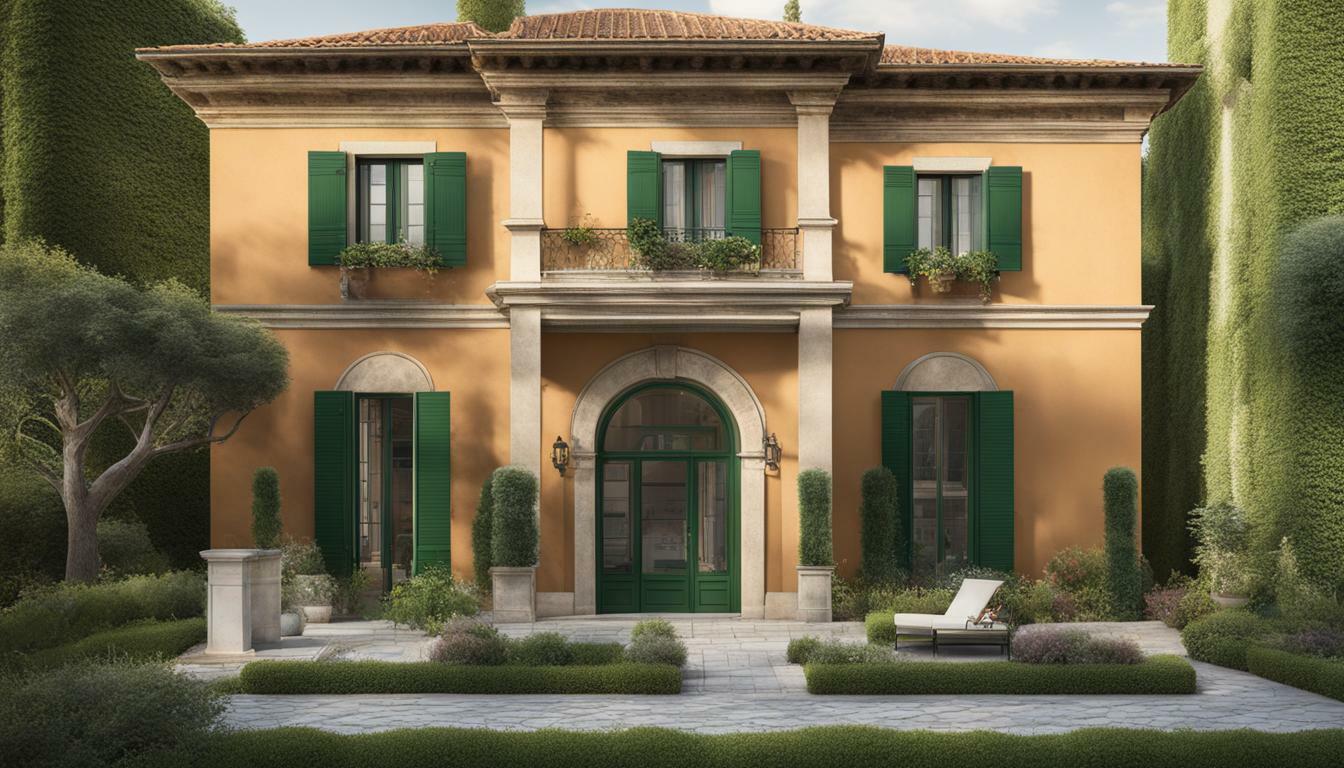
ประวัติศาสตร์อาคารสีเขียวของฮังการี
Discover the fascinating history of green building practices in Hungary, showcasing the country’s commitment to sustainable construction and eco-friendly architecture. The Hungary Green Building Council (HuGBC), founded in 2009, plays a vital role in promoting environmentally responsible and profitable construction practices. They collaborate with higher education institutions and international green organizations to drive sustainable development in Hungary.
- HuGBC ก่อตั้งขึ้นในปี 2009 เพื่อส่งเสริมการก่อสร้างที่ยั่งยืนในฮังการี
- องค์กรมีส่วนร่วมในการพัฒนากฎระเบียบทางสถาปัตยกรรมและระบบการจัดอันดับสีเขียว
- HuGBC ร่วมมือกับสถาบันอุดมศึกษาและองค์กรสีเขียวระหว่างประเทศ
- In 2015, the Eiffel Palace in Budapest won the World Green Building Council’s Leadership in Building Design and Performance award.
- สถาปัตยกรรมฮังการีมีประวัติศาสตร์อันยาวนาน เริ่มตั้งแต่อาคารโรมันและอิทธิพลของกษัตริย์สตีเฟนที่ 1
วิวัฒนาการของสถาปัตยกรรมในฮังการี
เปิดเผยความร่ำรวย มรดกทางสถาปัตยกรรม ของฮังการี ตั้งแต่ยุคโรมัน การพัฒนาอารามแห่งชาติ และการกำเนิดสถาปัตยกรรมแบบโกธิกในสถาปัตยกรรมเมือง ตลอดประวัติศาสตร์ สถาปัตยกรรมของฮังการีมีวิวัฒนาการและปรับตัว สะท้อนให้เห็นถึงอิทธิพลทางวัฒนธรรมและเหตุการณ์ทางประวัติศาสตร์ที่หล่อหลอมประเทศชาติ
ในสมัยโรมัน ฮังการีเป็นส่วนหนึ่งของจักรวรรดิโรมัน และร่องรอยของสถาปัตยกรรมโรมันยังสามารถพบได้ตามสถานที่ต่างๆ อิทธิพลของกษัตริย์สตีเฟนที่ 1 มีบทบาทสำคัญในการสร้างอาคารหินขนาดใหญ่ ซึ่งถือเป็นการเปลี่ยนไปสู่โครงสร้างถาวรมากขึ้น
ในช่วงสมัยกอทิก ฮังการีมีการพัฒนาอารามประจำชาติ ซึ่งไม่เพียงแต่ทำหน้าที่เป็นศูนย์กลางทางศาสนาเท่านั้น แต่ยังมีบทบาทสำคัญในนวัตกรรมทางสถาปัตยกรรมอีกด้วย สไตล์กอทิกเริ่มปรากฏในสถาปัตยกรรมเมือง โดยที่บูดากลายเป็นศูนย์กลางของราชวงศ์และมีการก่อสร้างอย่างกว้างขวางทั่วประเทศ
มรดกทางสถาปัตยกรรมอันยาวนานนี้ได้ทิ้งรอยประทับไว้อย่างยาวนานในฮังการี โดยมีอาคารเก่าแก่หลายแห่งที่ยังคงหลงเหลืออยู่จนทุกวันนี้ ตั้งแต่ซากปรักหักพังของโรมันไปจนถึงผลงานชิ้นเอกสไตล์โกธิก ภูมิทัศน์ทางสถาปัตยกรรมของฮังการีบอกเล่าเรื่องราวของนวัตกรรม การแลกเปลี่ยนทางวัฒนธรรม และการแสดงออกทางศิลปะ

| ยุคสถาปัตยกรรม | Key Features |
|---|---|
| โรมัน | ร่องรอยสถาปัตยกรรมโรมัน อิทธิพลของกษัตริย์สตีเฟนที่ 1 |
| สไตล์โกธิค | การพัฒนาอารามประจำชาติ การเกิดขึ้นของรูปแบบกอทิกในสถาปัตยกรรมเมือง |
สภาอาคารเขียวแห่งฮังการี (HuGBC)
เรียนรู้เกี่ยวกับสภาอาคารเขียวแห่งฮังการี (HuGBC) และงานเครื่องมือในการส่งเสริมแนวทางการก่อสร้างที่ยั่งยืน รวมถึงการมีส่วนร่วมในกฎระเบียบทางสถาปัตยกรรมและความร่วมมือกับสถาบันอุดมศึกษา
The Hungary Green Building Council (HuGBC) was founded in 2009 with the aim of promoting environmentally responsible and profitable construction practices in Hungary. As a nonprofit organization, they play a crucial role in shaping the green construction industry in the country. HuGBC is actively involved in the development of architectural regulations, ensuring that sustainable building practices are integrated into the regulatory framework. This helps to establish a standard for sustainable construction and promotes the use of eco-friendly materials and methods.
In addition to their work in regulations, HuGBC collaborates with higher education institutions to provide educational programs and raise awareness about sustainable construction. By partnering with these institutions, they are able to share knowledge and expertise, fostering a culture of sustainability within the construction industry. HuGBC also works closely with international green organizations to stay up-to-date with global best practices and ensure that Hungary remains at the forefront of sustainable development.
The Hungary Green Building Council (HuGBC) has been a professional partner for sustainability initiatives and conferences. They organize tours of green buildings, showcasing innovative design and construction techniques that prioritize energy efficiency and environmental preservation. HuGBC maintains a database of Hungarian buildings with green certifications, providing a valuable resource for architects, builders, and individuals interested in sustainable living. They also publish articles in architectural and lifestyle magazines and distribute a monthly Green Newsletter, keeping industry professionals and the public informed about the latest trends and advancements in sustainable construction in Hungary.
วัสดุก่อสร้างที่ยั่งยืนในฮังการี
One of the key focuses of the Hungary Green Building Council (HuGBC) is the promotion of sustainable building materials in Hungary. By encouraging the use of eco-friendly materials, HuGBC aims to reduce the environmental impact of the construction industry while creating healthier and more energy-efficient buildings. Sustainable building materials include products that are locally sourced, made from recycled or renewable resources, or have a low carbon footprint. These materials not only contribute to the overall sustainability of a building but also provide better indoor air quality and improve occupant health and well-being. Through their initiatives, HuGBC is driving the adoption of sustainable building materials in Hungary, making a positive impact on the green construction industry.
| ประโยชน์ของวัสดุก่อสร้างที่ยั่งยืน | ตัวอย่างวัสดุก่อสร้างที่ยั่งยืน |
|---|---|
| ลดผลกระทบต่อสิ่งแวดล้อม | คอนกรีตรีไซเคิล ไม้รีไซเคิล |
| ประสิทธิภาพพลังงาน | ฉนวนรูปทรงคอนกรีต หลังคาเย็น |
| คุณภาพอากาศภายในอาคารดีขึ้น | สีปลอดสาร VOC ฉนวนใยธรรมชาติ |
| ทรัพยากรหมุนเวียน | พื้นไม้ไผ่ ฉนวนไม้ก๊อก |
By incorporating sustainable building materials into construction projects, Hungary is paving the way for a greener future. The efforts of the Hungary Green Building Council (HuGBC) in promoting sustainable construction practices and the use of eco-friendly materials are crucial in driving the growth of the green construction industry and creating a more sustainable built environment in Hungary.

- สภาอาคารเขียวแห่งฮังการี (HuGBC) (และ). ดึงข้อมูลจาก [https://www.hugbc.hu/](https://www.hugbc.hu/)
- World Green Building Council. (2015). Leadership in Building Design and Performance: Eiffel Palace. Retrieved from [https://www.worldgbc.org/case-study/eiffel-palace](https://www.worldgbc.org/case-study/eiffel-palace)
- เออร์บัค, ซ. (2009) สถาปัตยกรรมฮังการี ใน A Companion to European Cinemas (หน้า 169-187) ไวลีย์-แบล็คเวลล์.
อาคารสีเขียวที่เป็นแบบอย่างในฮังการี
Explore exemplary green buildings in Hungary, such as the award-winning Eiffel Palace in Budapest, which showcases innovative sustainable features and contributes to energy efficiency. The Eiffel Palace, a LEED Gold and BREEAM Very Good certified office building, won the World Green Building Council’s Leadership in Building Design and Performance award in 2015. This magnificent structure combines historical heritage with cutting-edge green technology.
The Eiffel Palace’s design incorporates several sustainable features that make it an energy-efficient building. It utilizes natural light through its large windows, reducing the need for artificial lighting during the day. The building also features a high-performance envelope, which helps regulate indoor temperatures and reduces energy consumption. Additionally, it incorporates efficient HVAC systems and utilizes renewable energy sources, such as solar panels, to further minimize its environmental impact.
In addition to its energy-efficient design, the Eiffel Palace contributes to green infrastructure development in Hungary. The building has implemented rainwater harvesting systems and green roofs, which help manage stormwater runoff and enhance the surrounding ecosystem. These eco-friendly features not only reduce the building’s water consumption but also promote ความหลากหลายทางชีวภาพ and create a more sustainable urban environment.
| การก่อสร้าง | ข้อมูลจำเพาะ | คุณสมบัติที่ยั่งยืน |
|---|---|---|
| พระราชวังไอเฟล | LEED Gold, BREEAM ดีมาก | การใช้แสงธรรมชาติ เปลือกประสิทธิภาพสูง ระบบ HVAC ที่มีประสิทธิภาพ แหล่งพลังงานหมุนเวียน ระบบเก็บน้ำฝน และหลังคาสีเขียว |
อาคารสีเขียวที่เป็นแบบอย่างในฮังการี เช่น พระราชวังไอเฟล ถือเป็นตัวอย่างที่สร้างแรงบันดาลใจว่า การออกแบบที่ยั่งยืน และสามารถบูรณาการแนวทางการก่อสร้างเข้ากับโครงการสถาปัตยกรรมได้ แนวทางดังกล่าวไม่เพียงแต่ช่วยเพิ่มประสิทธิภาพด้านพลังงานและรักษาสิ่งแวดล้อมเท่านั้น แต่ยังสร้างพื้นที่ที่มีสุขภาพดีและสะดวกสบายยิ่งขึ้นสำหรับผู้อยู่อาศัยอีกด้วย ในขณะที่ฮังการียังคงให้ความสำคัญกับการพัฒนาอย่างยั่งยืน อาคารสีเขียวเหล่านี้จะช่วยปูทางไปสู่อนาคตที่เป็นมิตรกับสิ่งแวดล้อมและยั่งยืนยิ่งขึ้น

โดยสรุป ประวัติศาสตร์อาคารสีเขียวของฮังการีสะท้อนให้เห็นถึงความมุ่งมั่นอย่างแรงกล้าต่อแนวทางปฏิบัติในการก่อสร้างที่ยั่งยืน และการเติบโตของอุตสาหกรรมการก่อสร้างสีเขียว โดยองค์กรต่างๆ เช่น Hungary Green Building Council (HuGBC) มีบทบาทสำคัญในการขับเคลื่อนการพัฒนาที่ยั่งยืน
HuGBC ก่อตั้งขึ้นในปี 2009 เป็นกำลังสำคัญในการส่งเสริมแนวทางปฏิบัติในการก่อสร้างที่รับผิดชอบต่อสิ่งแวดล้อมและให้ผลกำไรในฮังการี พวกเขามีส่วนช่วยในการพัฒนากฎระเบียบทางสถาปัตยกรรม อำนวยความสะดวกในการสื่อสารบนพื้นฐานความรู้ระดับมืออาชีพ และเผยแพร่ระบบการให้คะแนนที่เป็นมิตรต่อสิ่งแวดล้อม
HuGBC ร่วมมือกับสถาบันอุดมศึกษาและองค์กรสีเขียวระดับนานาชาติ ทำให้พวกเขาเป็นพันธมิตรที่มีคุณค่าสำหรับโครงการริเริ่มและการประชุมด้านความยั่งยืน พวกเขาจัดทัวร์ชมอาคารสีเขียว ซึ่งมีส่วนสร้างความตระหนักและความเข้าใจในแนวทางปฏิบัติในการก่อสร้างที่ยั่งยืน
ด้วยฐานข้อมูลอาคารของฮังการีที่ได้รับใบรับรองสีเขียว และการตีพิมพ์ในนิตยสารสถาปัตยกรรมและไลฟ์สไตล์ รวมถึงจดหมายข่าวสีเขียวรายเดือน HuGBC มุ่งมั่นที่จะเผยแพร่ความตระหนักรู้และความรู้เกี่ยวกับแนวปฏิบัติเกี่ยวกับอาคารสีเขียวในฮังการี
คำถามที่พบบ่อย
สภาอาคารเขียวแห่งฮังการี (HuGBC) คืออะไร
Hungary Green Building Council (HuGBC) เป็นองค์กรไม่แสวงหากำไรที่ก่อตั้งขึ้นในปี 2009 โดยส่งเสริมแนวทางปฏิบัติด้านการก่อสร้างที่รับผิดชอบต่อสิ่งแวดล้อมและให้ผลกำไรในฮังการี พวกเขาร่วมมือกับสถาบันอุดมศึกษา องค์กรสีเขียวระหว่างประเทศ และมีส่วนร่วมในการกำกับดูแลทางสถาปัตยกรรมและการเผยแพร่ระบบการจัดอันดับสีเขียว
สภาอาคารเขียวแห่งฮังการี (HuGBC) ทำอะไร?
HuGBC มีส่วนร่วมในการพัฒนากฎระเบียบทางสถาปัตยกรรม การสื่อสารบนฐานความรู้ระดับมืออาชีพ และการเผยแพร่ระบบการจัดอันดับสีเขียว พวกเขาร่วมมือกับสถาบันอุดมศึกษาและองค์กรสีเขียวระหว่างประเทศ พวกเขาได้จัดทัวร์ชมอาคารสีเขียวและมีฐานข้อมูลอาคารของฮังการีที่ได้รับใบรับรองสีเขียว พวกเขายังตีพิมพ์บทความในนิตยสารสถาปัตยกรรมและไลฟ์สไตล์ และส่งจดหมายข่าวสีเขียวรายเดือนอีกด้วย
มีอาคารสีเขียวในฮังการีที่ได้รับการยอมรับในระดับนานาชาติหรือไม่
ใช่ พระราชวังไอเฟลในบูดาเปสต์ ซึ่งเป็นอาคารสำนักงานที่ได้รับการรับรอง LEED Gold และ BREEAM Very Good ได้รับรางวัลผู้นำด้านการออกแบบและประสิทธิภาพของอาคารของสภาอาคารเขียวโลกในปี 2015 อาคารแห่งนี้ผสมผสานคุณลักษณะที่ยั่งยืนที่เป็นนวัตกรรมใหม่และยกย่องมรดกทางประวัติศาสตร์
ประวัติศาสตร์สถาปัตยกรรมในฮังการีเป็นอย่างไร?
สถาปัตยกรรมของฮังการีมีประวัติศาสตร์มายาวนาน เริ่มตั้งแต่อาคารโรมัน และอิทธิพลของกษัตริย์สตีเฟนที่ 1 ในการสร้างอาคารหินขนาดมหึมา ยุคกอทิกเป็นช่วงที่มีการพัฒนาอารามประจำชาติและการปรากฏตัวของสไตล์กอทิกในสถาปัตยกรรมเมือง โดยที่บูดากลายเป็นศูนย์กลางของราชวงศ์ นี่เป็นจุดเริ่มต้นของการก่อสร้างที่แพร่หลายไปทั่วประเทศ