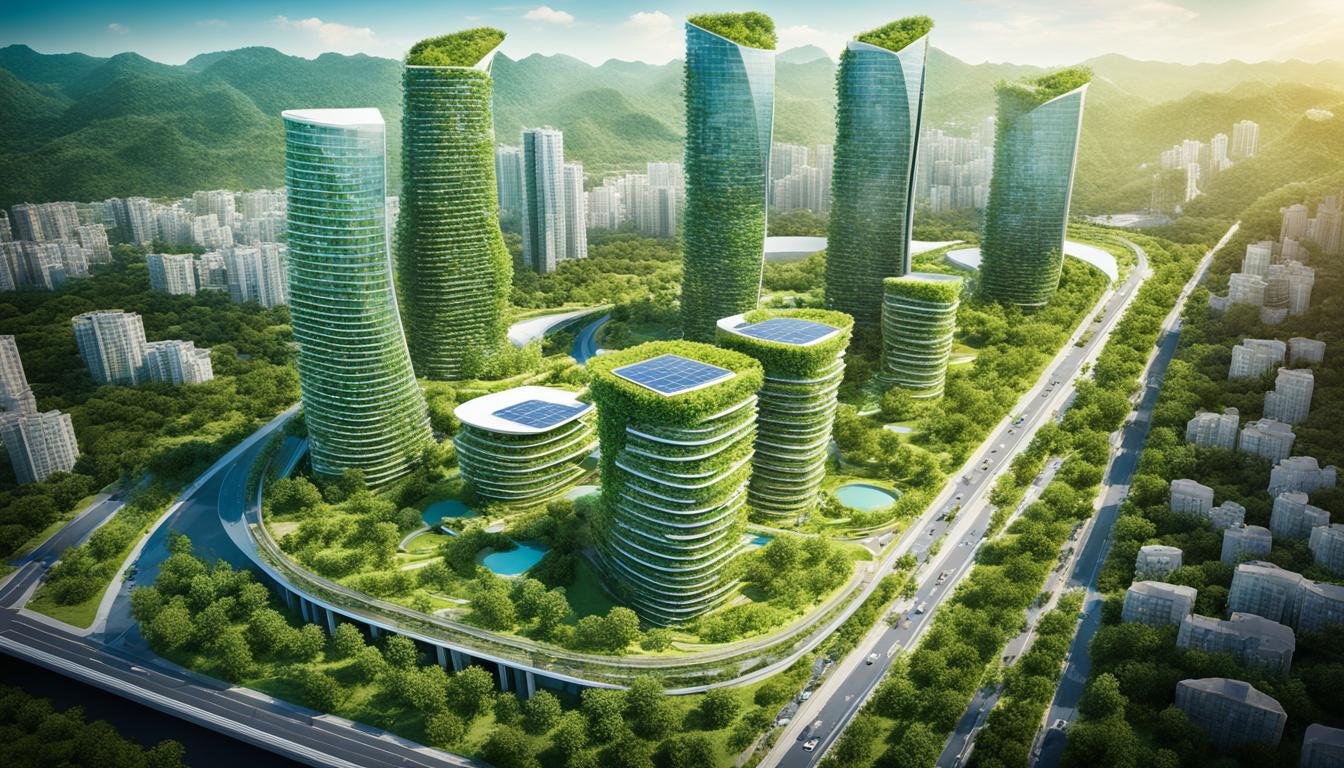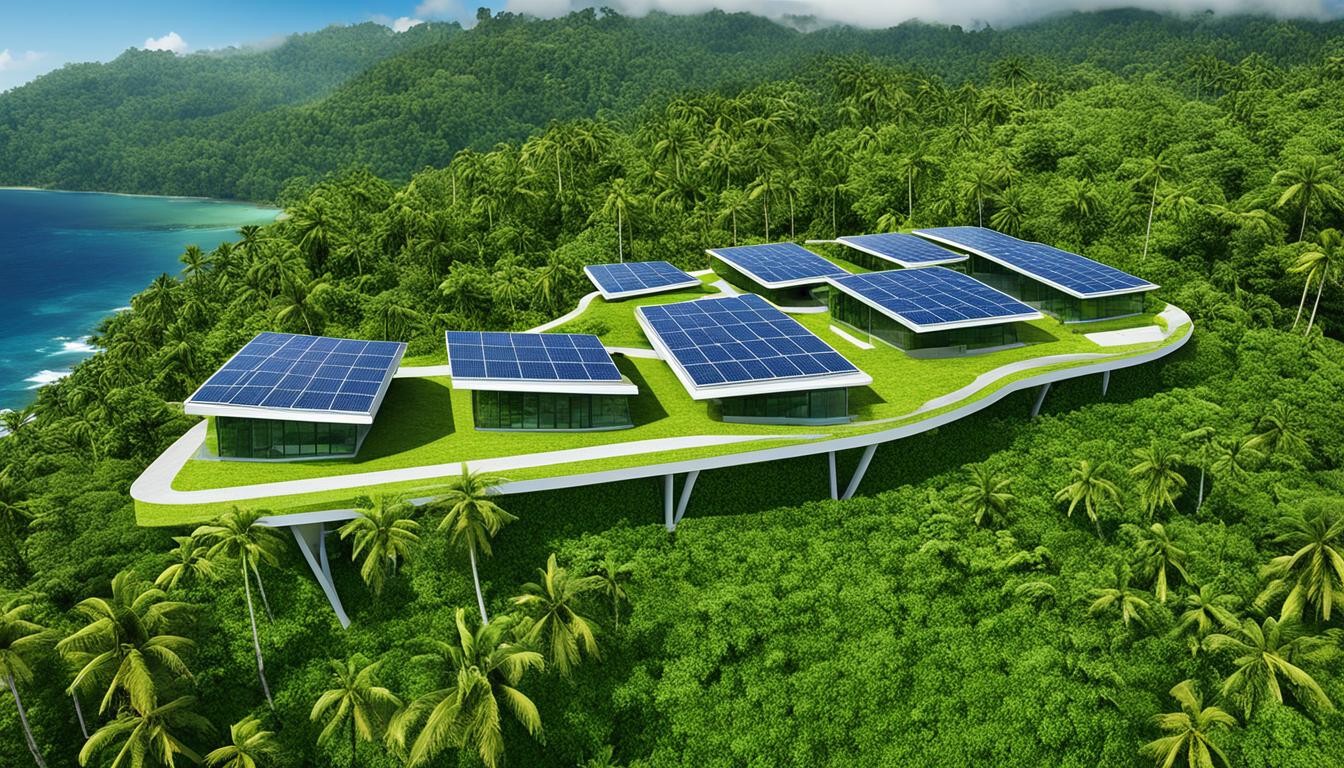




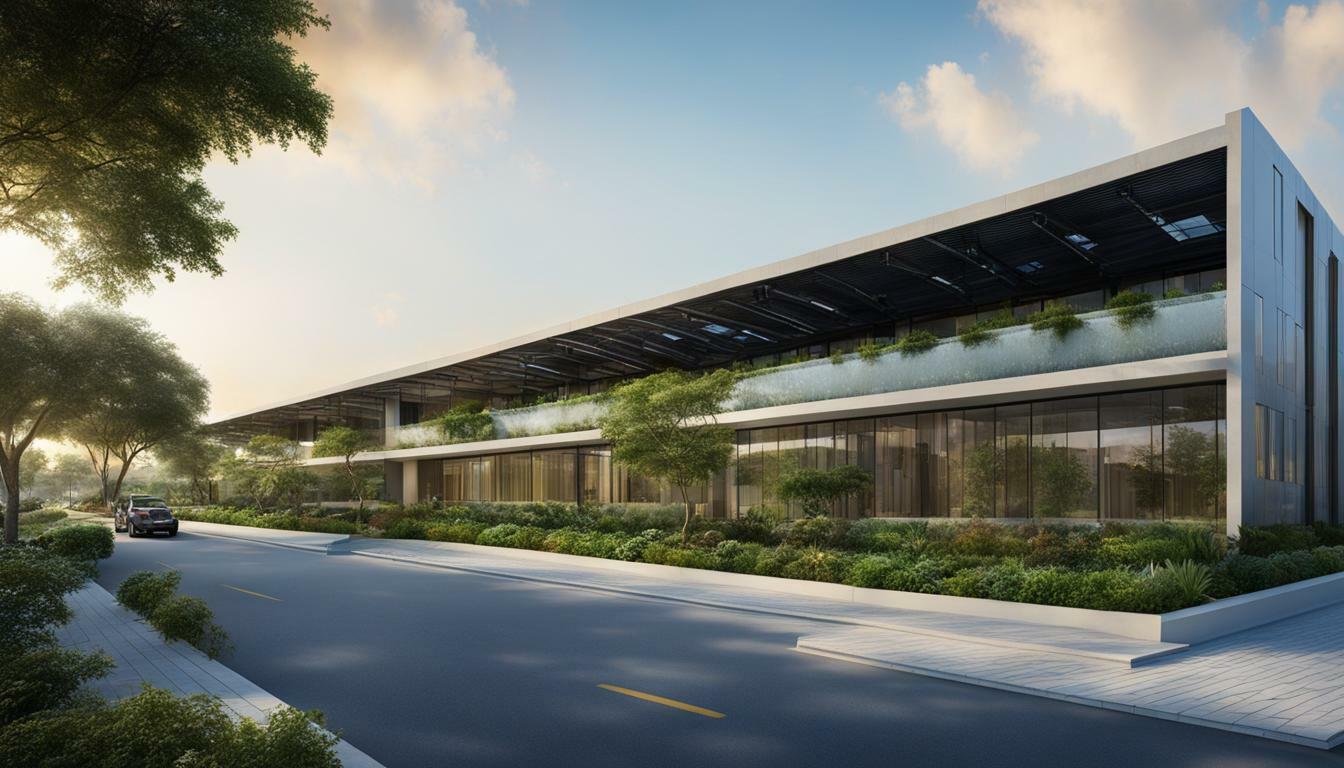
ค้นพบนวัตกรรมของแนวปฏิบัติด้านอาคารสีเขียวของเบลเยียม
Belgium is renowned for its innovative green building practices, which have gained significant attention in recent years. The country has taken great strides towards sustainability, focusing on energy efficiency, renewable resources, and environmentally friendly construction methods. This article will explore the key elements that make Belgium a leader in green building practices.
One of the standout features of Belgium’s green building practices is its emphasis on energy efficiency. The country has implemented strict energy performance standards for buildings, encouraging architects and engineers to design structures that consume minimal energy. This includes integrating energy-efficient insulation, high-performance windows, and advanced ventilation systems into building designs. In addition, Belgium promotes the use of renewable energy sources such as solar panels and geothermal heating systems, further reducing the environmental impact of buildings.
นอกจากนี้ เบลเยียมยังมีความก้าวหน้าอย่างมากในการลดการปล่อยก๊าซคาร์บอนด้วย การก่อสร้างที่ยั่งยืน materials and techniques. The use of eco-friendly materials, such as recycled and locally sourced materials, is prioritised in construction projects. Additionally, innovative construction methods that minimise waste and promote recycling are encouraged. For instance, Belgium has implemented the concept of “cradle-to-cradle” design, where materials are carefully selected and managed to ensure they can be reused at the end of their life cycle. This commitment to sustainable materials and construction practices has positioned Belgium as a global leader in green building.
Belgium’s green building practices also extend beyond new constructions to include renovations and retrofits. The country has implemented incentives and funding programs to encourage the conversion of existing buildings into more energy-efficient structures. This approach recognises the importance of maximising the energy-saving potential of existing buildings, rather than solely focusing on new constructions. By promoting retrofits, Belgium is ensuring that its building stock becomes greener and more sustainable over time.
In addition to energy efficiency and sustainable materials, Belgium places a strong emphasis on indoor environmental quality. Buildings are designed to provide occupants with a healthy and comfortable indoor environment. This includes factors such as natural daylighting, proper acoustics, and the use of low-toxicity materials. Belgium recognises that providing a pleasant indoor environment is essential for occupant well-being and productivity. Consequently, it has implemented guidelines and standards to ensure that buildings meet high indoor environmental quality standards.
To create a culture of sustainable building practices, Belgium has invested in educational initiatives and research programs. Universities and research institutions collaborate with industry professionals to develop innovative technologies, materials, and strategies. This interaction between academia and industry fosters ongoing advancements in green building practices.
Moreover, Belgium has established certification systems to recognise and promote sustainable buildings. One such system is the BREEAM (Building Research Establishment Environmental Assessment Methodology) certification, which assesses the environmental performance of buildings. This certification not only demonstrates a building’s sustainability credentials but also provides owners and occupants with tangible benefits, such as reduced operational costs and improved well-being.
ประเด็นที่สำคัญ
- เบลเยียมเป็นผู้นำด้านแนวทางปฏิบัติเกี่ยวกับอาคารสีเขียว โดยมุ่งเน้นที่ประสิทธิภาพการใช้พลังงาน วัสดุที่ยั่งยืน และคุณภาพสิ่งแวดล้อมภายในอาคาร
- วัสดุก่อสร้างและเทคนิคการก่อสร้างที่ยั่งยืน ตลอดจนการปรับปรุงและการปรับปรุงใหม่ ได้รับการให้ความสำคัญในแนวทางปฏิบัติเกี่ยวกับอาคารสีเขียวของเบลเยียม
- เบลเยียมลงทุนในระบบการวิจัย การศึกษา และการรับรองเพื่อส่งเสริมแนวปฏิบัติด้านการก่อสร้างที่ยั่งยืนและความก้าวหน้าในสาขานี้
เน้นเรื่องประสิทธิภาพการใช้พลังงานในแนวปฏิบัติอาคารสีเขียวของเบลเยียม
Belgium is renowned for its innovative green building practices, which have gained significant attention in recent years. The country has taken great strides towards sustainability, focusing on energy efficiency, renewable resources, and environmentally friendly construction methods. This article will explore the key elements that make Belgium a leader in green building practices.
ลักษณะเด่นประการหนึ่งของแนวปฏิบัติเกี่ยวกับอาคารสีเขียวของเบลเยียมคือการเน้นไปที่ประสิทธิภาพการใช้พลังงาน The country has implemented strict energy performance standards for buildings, encouraging architects and engineers to design structures that consume minimal energy. This includes integrating energy-efficient insulation, high-performance windows, and advanced ventilation systems into building designs. In addition, Belgium promotes the use of renewable energy sources such as solar panels and geothermal heating systems, further reducing the environmental impact of buildings.
This focus on energy efficiency has resulted in impressive energy savings for buildings in Belgium. According to the European Environment Agency, buildings in Belgium consume 48% less energy than the EU average. This achievement is a testament to the country’s commitment to reducing its carbon footprint through sustainable building practices.

สถาปนิกในเบลเยียมกำลังสำรวจกลยุทธ์การออกแบบที่เป็นนวัตกรรมเพื่อเพิ่มประสิทธิภาพการใช้พลังงานให้สูงสุด ตัวอย่างเช่น อาคารหลายแห่งในประเทศใช้หลักการออกแบบเชิงรับ ซึ่งอาศัยกระบวนการทำความร้อนและความเย็นตามธรรมชาติมากกว่าระบบกลไก สถาปนิกสามารถลดความจำเป็นในการใช้ระบบทำความร้อนและความเย็นเทียมได้โดยการจัดทิศทางอาคารให้หันหน้าเข้าหาแสงแดดและใช้อุปกรณ์บังแดด
Belgium is also home to several green architecture firms, such as Jaspers-Eyers Architects and Vincent Callebaut Architectures. These firms specialize in designing highly energy-efficient and sustainable buildings, using materials and technologies that minimize environmental impact.
ด้วยการเน้นไปที่ประสิทธิภาพการใช้พลังงาน เบลเยียมจึงเป็นผู้นำแนวทางปฏิบัติด้านอาคารสีเขียว ความมุ่งมั่นในการก่อสร้างและการออกแบบที่ยั่งยืนไม่เพียงแต่เป็นประโยชน์ต่อสิ่งแวดล้อม แต่ยังให้ผลประโยชน์ที่จับต้องได้สำหรับเจ้าของและผู้ครอบครองอาคาร เช่น ค่าพลังงานที่ลดลง และการปรับปรุงคุณภาพสิ่งแวดล้อมภายในอาคาร
วัสดุก่อสร้างและเทคนิคที่ยั่งยืนในเบลเยียม
นอกจากนี้ เบลเยียมยังมีความก้าวหน้าอย่างมากในการลดการปล่อยก๊าซคาร์บอนด้วย การก่อสร้างที่เป็นมิตรต่อสิ่งแวดล้อม การปฏิบัติ ประเทศให้ความสำคัญกับการใช้ วัสดุก่อสร้างที่ยั่งยืนเช่น วัสดุรีไซเคิลและวัสดุจากท้องถิ่น ในโครงการก่อสร้าง ตัวอย่างเช่น ไม้ถูกนำมาใช้กันอย่างแพร่หลายในการก่อสร้างอาคาร เนื่องจากเป็นทรัพยากรหมุนเวียนที่มีการปล่อยก๊าซคาร์บอนต่ำ
Belgium also encourages innovative construction methods that reduce waste and promote recycling. The concept of “cradle-to-cradle” design has been adopted, where materials are carefully selected and managed to ensure that they can be reused at the end of their life cycle. This approach has not only reduced waste but also has led to the development of new and innovative building materials and techniques.

ประเทศยังได้ลงทุนในการวิจัยและพัฒนาวัสดุก่อสร้างและเทคนิคใหม่ๆ ที่ยั่งยืน นักวิจัยได้สร้างความก้าวหน้าที่สำคัญในด้านต่างๆ เช่น คอนกรีตที่ยั่งยืน ซึ่งใช้พลังงานน้อยลงและปล่อยก๊าซเรือนกระจกน้อยลงในระหว่างกระบวนการผลิต นอกจากนี้ เบลเยียมยังได้บังคับใช้กฎระเบียบเกี่ยวกับการใช้วัตถุอันตรายในการก่อสร้างอาคาร ซึ่งนำไปสู่สภาพแวดล้อมภายในอาคารที่ดีต่อสุขภาพยิ่งขึ้นสำหรับผู้พักอาศัยในอาคาร
การออกแบบที่ยั่งยืนเบลเยียม: การปรับปรุงและการปรับปรุงแนวทางปฏิบัติอาคารสีเขียวของเบลเยียม
แนวทางปฏิบัติเกี่ยวกับอาคารสีเขียวของเบลเยียมยังขยายไปไกลกว่าการก่อสร้างใหม่ๆ ซึ่งรวมถึงการปรับปรุงและดัดแปลงเพิ่มเติมด้วย ประเทศได้ดำเนินโครงการจูงใจและเงินทุนเพื่อสนับสนุนการแปลงอาคารที่มีอยู่ให้เป็นโครงสร้างที่ประหยัดพลังงานมากขึ้น แนวทางนี้ตระหนักถึงความสำคัญของการเพิ่มศักยภาพในการประหยัดพลังงานของอาคารที่มีอยู่ให้สูงสุด แทนที่จะมุ่งเน้นไปที่การก่อสร้างใหม่เพียงอย่างเดียว ด้วยการส่งเสริมการปรับปรุงเพิ่มเติม เบลเยียมกำลังสร้างความมั่นใจว่าสต็อกอาคารของตนจะมีสีเขียวมากขึ้นและยั่งยืนมากขึ้นเมื่อเวลาผ่านไป
หนึ่งในคุณลักษณะสำคัญของการปรับปรุงและการปรับปรุงใหม่ของเบลเยียมคือการจัดลำดับความสำคัญของวัสดุและเทคนิคที่ยั่งยืน เราสนับสนุนการใช้วัสดุที่เป็นมิตรกับสิ่งแวดล้อมและวิธีการก่อสร้างที่เป็นนวัตกรรมเพื่อลดของเสียและส่งเสริมการรีไซเคิล
Belgium’s government has also implemented various funding programs and incentives aimed at encouraging property owners to invest in energy-efficient retrofitting. For instance, the “Green Loans” program offers low-interest loans to property owners to fund energy efficiency upgrades, while the “Green Premium” scheme provides grants for energy-saving measures such as insulation and ventilation.
แนวทางที่เป็นนวัตกรรมอีกประการหนึ่งในการปรับปรุงเพิ่มเติมในเบลเยียมคือแนวคิดของ "ที่อยู่อาศัยแบบพาสซีฟ" ที่อยู่อาศัยแบบพาสซีฟเกี่ยวข้องกับการดัดแปลงอาคารเพื่อให้สามารถพึ่งตนเองได้ในแง่ของการทำความร้อนและความเย็น ความสำเร็จนี้เกิดขึ้นได้จากการผสมผสานคุณสมบัติต่างๆ เช่น ฉนวนกันความร้อนประสิทธิภาพสูง ซองอาคารที่กันอากาศเข้า และระบบระบายอากาศด้วยกลไก ผลลัพธ์ที่ได้คืออาคารที่ต้องใช้พลังงานน้อยที่สุดเพื่อรักษาอุณหภูมิภายในอาคารให้สบาย ไม่ว่าสภาพอากาศภายนอกจะเป็นอย่างไร
The focus on sustainable retrofits and renovations in Belgium’s green building practices has resulted in significant energy savings and reduced carbon emissions. By prioritizing the retrofitting of existing buildings, Belgium is reducing the environmental impact of its building stock while also improving the health and well-being of occupants.

“การที่เบลเยียมให้ความสำคัญกับการปรับปรุงและการปรับปรุงใหม่อย่างยั่งยืนเป็นเครื่องพิสูจน์ถึงความมุ่งมั่นของประเทศต่อแนวปฏิบัติเกี่ยวกับอาคารสีเขียว ด้วยการส่งเสริมให้เจ้าของอสังหาริมทรัพย์ลงทุนในการอัพเกรดประสิทธิภาพพลังงานและผสมผสานวิธีการก่อสร้างที่เป็นนวัตกรรม เบลเยียมกำลังวางตำแหน่งตัวเองในระดับแนวหน้าของอาคารที่ยั่งยืน”
คุณภาพสิ่งแวดล้อมภายในอาคารในอาคารสีเขียวของเบลเยียม
นอกเหนือจากประสิทธิภาพการใช้พลังงานและวัสดุที่ยั่งยืนแล้ว เบลเยียมยังให้ความสำคัญกับคุณภาพสิ่งแวดล้อมภายในอาคารอีกด้วย อาคารได้รับการออกแบบเพื่อให้ผู้อยู่อาศัยมีสภาพแวดล้อมภายในอาคารที่ดีต่อสุขภาพและสะดวกสบาย ซึ่งรวมถึงปัจจัยต่างๆ เช่น แสงธรรมชาติ เสียงที่เหมาะสม และการใช้วัสดุที่มีความเป็นพิษต่ำ เบลเยียมตระหนักดีว่าการจัดหาสภาพแวดล้อมภายในอาคารที่น่ารื่นรมย์ถือเป็นสิ่งสำคัญสำหรับความเป็นอยู่และประสิทธิภาพการทำงานของผู้อยู่อาศัย ดังนั้นจึงได้นำแนวทางและมาตรฐานมาใช้เพื่อให้แน่ใจว่าอาคารมีคุณสมบัติตรงตามมาตรฐานคุณภาพสิ่งแวดล้อมภายในอาคารในระดับสูง
Green building companies in Belgium incorporate a range of measures to enhance indoor environmental quality. One of the key strategies is to maximize natural daylighting, which has been shown to reduce eye strain, headaches, and even seasonal affective disorder. Green buildings in Belgium also implement advanced ventilation systems to improve indoor air quality. These systems reduce the concentrations of indoor pollutants and odors, providing fresh air to occupants. Moreover, low-toxicity materials are used in the construction of green buildings, which have a lower off-gassing potential and contribute to better indoor air quality.
Proper acoustics are also critical to the indoor environmental quality of buildings. Green building companies in Belgium implement measures to minimize noise pollution, making buildings more conducive to work and study. These measures may include strategic placement of windows and doors, use of sound-absorbing materials, and implementation of technologies such as white noise machines.
อาคารสีเขียวในเบลเยียมยังได้รับการออกแบบโดยคำนึงถึงความสะดวกสบายของผู้อยู่อาศัยด้วย การใช้ความก้าวหน้าทางเทคโนโลยี เช่น เทอร์โมสแตทอัจฉริยะ ซึ่งปรับระดับอุณหภูมิและความชื้นได้ตามความต้องการของผู้โดยสาร และเฟอร์นิเจอร์ที่เหมาะกับสรีระ ซึ่งช่วยลดความรู้สึกไม่สบายตัวและความเครียด กำลังแพร่หลายมากขึ้น การให้ความสำคัญกับคุณภาพสิ่งแวดล้อมภายในอาคารในอาคารสีเขียวของเบลเยียมเป็นข้อพิสูจน์ถึงความมุ่งมั่นของประเทศในการสร้างความยั่งยืนและมีสุขภาพดี การสร้างสภาพแวดล้อม.

การออกแบบที่ยั่งยืนเบลเยียม: การวิจัย การศึกษา และการรับรองแนวทางปฏิบัติเกี่ยวกับอาคารสีเขียวของเบลเยียม
เพื่อสร้างวัฒนธรรมแห่งแนวทางการก่อสร้างที่ยั่งยืน เบลเยียมได้ลงทุนในโครงการริเริ่มด้านการศึกษาและโครงการวิจัย มหาวิทยาลัยและสถาบันวิจัยของประเทศจับมือเป็นพันธมิตรกับผู้เชี่ยวชาญในอุตสาหกรรมเพื่อพัฒนาเทคโนโลยี วัสดุ และกลยุทธ์ใหม่ๆ การออกแบบที่ยั่งยืน ในประเทศเบลเยียม ความร่วมมือเหล่านี้ช่วยเชื่อมช่องว่างระหว่างสถาบันการศึกษาและอุตสาหกรรม ส่งเสริมความก้าวหน้าอย่างต่อเนื่องในแนวทางปฏิบัติด้านอาคารสีเขียว
Belgium’s commitment to sustainability is reflected in its research programs, which focus on developing new technologies and materials that prioritize energy efficiency and environmental performance. For example, the country has invested in research programs aimed at developing new insulation materials, energy-efficient lighting systems, and advanced ventilation techniques. By supporting research on sustainable design in Belgium, the country is fostering a culture of innovation that will advance the field of green building.
Education is also a key component of Belgium’s green building practices. The country’s universities offer courses and degrees in sustainable design, architecture, and engineering. Students learn about energy-efficient building techniques, sustainable materials, and indoor environmental quality. In addition, Belgium has established training programs and workshops for professionals in the building industry to improve their knowledge of sustainable design in Belgium. By prioritizing education, the country is promoting the adoption of sustainable building practices across all sectors of the industry.
เบลเยียมยังได้จัดตั้งระบบการรับรองเพื่อรับรองและส่งเสริมอาคารที่ยั่งยืน หนึ่งในระบบดังกล่าวคือการรับรอง BREEAM (วิธีการประเมินสิ่งแวดล้อมของสถานประกอบการวิจัยอาคาร) ซึ่งประเมินประสิทธิภาพด้านสิ่งแวดล้อมของอาคาร การรับรองนี้ไม่เพียงแต่แสดงให้เห็นถึงการรับรองด้านความยั่งยืนของอาคารเท่านั้น แต่ยังมอบผลประโยชน์ที่จับต้องได้ให้กับเจ้าของและผู้พักอาศัย เช่น ต้นทุนการดำเนินงานที่ลดลง และความเป็นอยู่ที่ดีขึ้น ด้วยการสร้างระบบการรับรอง เบลเยียมกำลังสนับสนุนการนำแนวปฏิบัติด้านอาคารที่ยั่งยืนมาใช้และให้รางวัลแก่ผู้ที่ลงทุนในความยั่งยืน

Through its investment in research, education, and certification programs, Belgium has established itself as a leader in sustainable building practices. The country’s partnerships between academia and industry, along with its focus on innovative technologies and materials, have set a precedent for other countries to follow. By prioritizing sustainability in building design and retrofit projects, Belgium is promoting sustainable development and setting an example for the rest of the world.
สรุป
In conclusion, Belgium’s green building practices are characterized by a strong focus on energy efficiency, sustainable materials, indoor environmental quality, and a commitment to ongoing research and education. The country has taken significant strides towards sustainability, implementing strict energy performance standards, promoting renewable energy sources and sustainable construction materials, and providing occupants with a healthy and comfortable indoor environment. Belgium’s investment in educational initiatives, research programs, and certification systems have propelled it to the forefront of green building innovation, setting an example for other countries to follow. By prioritizing sustainability in construction and retrofit projects, Belgium is contributing towards a greener and more sustainable future.
คำถามที่พบบ่อย
ถาม: อะไรทำให้เบลเยียมเป็นผู้นำด้านแนวทางปฏิบัติเกี่ยวกับอาคารสีเขียว
ตอบ: เบลเยียมมีชื่อเสียงในด้านการใช้พลังงานอย่างมีประสิทธิภาพ วัสดุก่อสร้างที่ยั่งยืน คุณภาพสิ่งแวดล้อมภายในอาคาร และโครงการริเริ่มด้านการวิจัยและการศึกษาที่กำลังดำเนินอยู่
ถาม: เบลเยียมจัดลำดับความสำคัญของประสิทธิภาพการใช้พลังงานในแนวทางปฏิบัติเกี่ยวกับอาคารสีเขียวอย่างไร
ตอบ: เบลเยียมใช้มาตรฐานประสิทธิภาพพลังงานที่เข้มงวด ผสานรวมฉนวนประหยัดพลังงาน หน้าต่างประสิทธิภาพสูง และระบบระบายอากาศขั้นสูงในการออกแบบอาคาร และส่งเสริมการใช้แหล่งพลังงานหมุนเวียน
ถาม: เบลเยียมใช้วัสดุและเทคนิคที่ยั่งยืนอะไรบ้างในแนวทางปฏิบัติด้านอาคารสีเขียว
ตอบ: เบลเยียมจัดลำดับความสำคัญของวัสดุที่เป็นมิตรกับสิ่งแวดล้อม เช่น วัสดุรีไซเคิลและที่มาจากท้องถิ่น สนับสนุนวิธีการก่อสร้างที่เป็นนวัตกรรมที่ช่วยลดของเสียและส่งเสริมการรีไซเคิล และใช้หลักการออกแบบ "จากแหล่งกำเนิดสู่แหล่งกำเนิด"
ถาม: เบลเยียมให้ความสำคัญกับการปรับปรุงและปรับปรุงแนวทางปฏิบัติเกี่ยวกับอาคารสีเขียวหรือไม่?
ตอบ: ใช่ เบลเยียมได้ดำเนินโครงการจูงใจและเงินทุนเพื่อสนับสนุนการเปลี่ยนแปลงอาคารที่มีอยู่ให้เป็นโครงสร้างที่ประหยัดพลังงานมากขึ้น
ถาม: เบลเยียมรับประกันคุณภาพสิ่งแวดล้อมภายในอาคารในอาคารสีเขียวได้อย่างไร
ตอบ: เบลเยียมออกแบบอาคารเพื่อให้ผู้อยู่อาศัยมีสภาพแวดล้อมภายในอาคารที่ดีต่อสุขภาพและสะดวกสบาย รวมถึงปัจจัยต่างๆ เช่น แสงธรรมชาติ แสงที่เหมาะสม และการใช้วัสดุที่มีความเป็นพิษต่ำ
ถาม: เบลเยียมลงทุนอะไรบ้างในด้านการวิจัย การศึกษา และการรับรองแนวทางปฏิบัติเกี่ยวกับอาคารสีเขียว
ตอบ: เบลเยียมร่วมมือกับมหาวิทยาลัยและสถาบันวิจัยเพื่อพัฒนาเทคโนโลยี วัสดุ และกลยุทธ์ที่เป็นนวัตกรรม นอกจากนี้ยังได้สร้างระบบการรับรอง เช่น BREEAM เพื่อรับรู้และส่งเสริมอาคารที่ยั่งยืน