


สำรวจอาคารสีเขียวในบอสเนียและเฮอร์เซโกวีนา - เป็นมิตรกับสิ่งแวดล้อม
Green building practices have been gaining popularity around the world as countries strive towards sustainable development and reducing the environmental impact of construction. Bosnia and Herzegovina is no exception, with a growing interest in การก่อสร้างที่เป็นมิตรกับสิ่งแวดล้อม methods and sustainable architecture. The country, located in southeastern Europe, is becoming increasingly aware of the importance of reducing its carbon footprint and promoting environmental sustainability in the construction sector.
สิ่งสำคัญประการหนึ่งของอาคารสีเขียวในบอสเนียและเฮอร์เซโกวีนาคือประสิทธิภาพการใช้พลังงาน
Numerous projects have focused on incorporating energy-saving techniques and materials into the design and construction of buildings. For example, the use of solar panels to generate electricity and heat water has become more common, reducing the reliance on fossil fuels and lowering energy consumption.
Another important aspect of eco-friendly building practices in Bosnia and Herzegovina is the use of sustainable materials. Builders and architects are increasingly opting for locally-sourced and renewable materials, such as timber from managed forests, recycled materials, and natural stone. This not only supports the local economy but also reduces the carbon footprint associated with transporting materials from distant locations.
Water conservation is also a significant factor in green building initiatives in Bosnia and Herzegovina. As the country faces water scarcity issues, implementing rainwater harvesting systems and efficient plumbing fixtures has become crucial. These measures help to minimize water wastage and promote sustainable water management.
Additionally, green building projects in the country often prioritize indoor environmental quality. Designers and builders pay attention to factors such as natural lighting, ventilation, and the use of non-toxic materials. This focus on occupant comfort and health not only contributes to a more sustainable การสร้างสภาพแวดล้อม แต่ยังช่วยเพิ่มความเป็นอยู่โดยรวมของผู้ใช้อาคารอีกด้วย
To promote and support the adoption of green building practices, Bosnia and Herzegovina has seen the emergence of organizations and initiatives dedicated to การก่อสร้างที่ยั่งยืน. These entities offer training programs, certifications, and guidelines to educate professionals and raise awareness about eco-friendly building techniques.
ประเด็นที่สำคัญ:
- Bosnia and Herzegovina is embracing green building practices to promote environmental sustainability in the construction sector.
- Energy efficiency, the use of sustainable materials, water conservation, and indoor environmental quality are all important aspects of eco-friendly building practices in the country.
- องค์กรและโครงการริเริ่มในท้องถิ่นกำลังส่งเสริมและสนับสนุนการนำแนวทางปฏิบัติเกี่ยวกับอาคารสีเขียวมาใช้ผ่านโปรแกรมการศึกษาและการรับรอง
ความมุ่งมั่นของ BiH สู่ความยั่งยืน
Bosnia and Herzegovina, a country located in southeastern Europe, has expressed a strong commitment towards sustainability and green building practices. BiH is aiming to implement sustainable urban planning practices to reduce its carbon footprint and promote a healthy environment for its citizens.
One of the key areas of focus for BiH is the development of renewable energy sources. The country has abundant potential in hydropower and solar energy, which it aims to harness for sustainable electricity production. The government has implemented policies and incentives to encourage the development of renewable energy projects and attract investments in the sector.
สิ่งสำคัญอีกประการหนึ่งของความมุ่งมั่นของ BiH ในการพัฒนาอย่างยั่งยืนคือการจัดการขยะ ประเทศกำลังทำงานเพื่อลดการสร้างขยะและส่งเสริมการรีไซเคิลและการกำจัดขยะอย่างเหมาะสม มีการนำความคิดริเริ่มในการรีไซเคิลมาใช้ และกำลังดำเนินการรณรงค์สร้างความตระหนักรู้เพื่อให้ความรู้แก่สาธารณชนเกี่ยวกับความสำคัญของการจัดการขยะ
BiH is also taking steps to protect its environment and preserve its natural resources. The government is enforcing stricter regulations to prevent pollution and promote sustainable practices. Efforts are being made to preserve forests, protect wildlife, and conserve water resources.
The country’s commitment to sustainability is also evident in its efforts to promote sustainable tourism. BiH is focusing on attracting tourists who are interested in eco-friendly and responsible travel. It is developing eco-tourism initiatives, such as hiking trails and nature parks, to showcase its natural beauty while minimizing the impact on the environment.
Overall, BiH’s commitment to sustainability is driving its efforts in various areas, including renewable energy, waste management, environmental protection, and sustainable tourism. The country’s dedication to green building practices is setting an example for other nations and is essential in ensuring a greener, healthier future for all.

วัสดุที่เป็นมิตรต่อสิ่งแวดล้อมและเทคนิคการก่อสร้าง
In BiH, there is a growing awareness of the importance of using eco-friendly materials and construction techniques. The use of sustainable materials and construction methods has numerous benefits for both the environment and the building occupants.
สิ่งสำคัญประการหนึ่งของการก่อสร้างที่เป็นมิตรต่อสิ่งแวดล้อมคือการใช้วัสดุหมุนเวียน ตัวอย่างเช่น ไม้เป็นตัวเลือกยอดนิยมเนื่องจากมีลักษณะเป็นไม้หมุนเวียนและมีคุณสมบัติในการกักเก็บคาร์บอน วัสดุที่ยั่งยืนอื่นๆ ได้แก่ ไม้ไผ่ ไม้ก๊อก และวัสดุรีไซเคิล เช่น ไม้ยึดและเหล็กรีไซเคิล การใช้วัสดุเหล่านี้ ผู้สร้างและสถาปนิกสามารถลดการปล่อยก๊าซคาร์บอนไดออกไซด์และลดผลกระทบต่อสิ่งแวดล้อมได้
Eco-friendly construction techniques also play a crucial role in minimizing energy consumption and waste. For example, energy-efficient design principles such as proper insulation and orientation can maximize natural lighting and reduce the need for artificial lighting and heating. Renewable energy systems, such as solar panels and geothermal heating, can also be incorporated to further reduce reliance on non-renewable resources.
Water conservation is another important aspect of eco-friendly construction. Buildings can incorporate low-flow fixtures and rainwater harvesting systems to reduce water consumption. Green roofs and permeable pavements can also help manage stormwater runoff and reduce strain on municipal water systems.
แนวปฏิบัติในการก่อสร้างที่เป็นมิตรกับสิ่งแวดล้อมยังขยายไปถึงกระบวนการก่อสร้างด้วย การรีไซเคิลและการนำวัสดุกลับมาใช้ใหม่ โดยใช้วิธีการก่อสร้างที่มีผลกระทบต่ำ และการจัดการขยะอย่างเหมาะสม ล้วนเป็นปัจจัยสำคัญในการลดของเสียจากการก่อสร้าง การลดมลพิษทางอากาศและเสียงในระหว่างการก่อสร้างก็มีความสำคัญต่อความยั่งยืนเช่นกัน
Green buildings not only benefit the environment but also provide numerous advantages to the building occupants. They have better indoor air quality, natural lighting, and thermal comfort, leading to increased occupant health and productivity. Additionally, green buildings often have lower energy and water bills, making them a more cost-effective choice in the long run.
Overall, the use of eco-friendly materials and construction techniques is essential in creating sustainable buildings. By incorporating sustainable materials, energy-efficient design principles, and environmentally-friendly construction practices, builders and architects in BiH can contribute to a greener future while also creating more cost-effective and healthy buildings.

การบูรณาการพลังงานทดแทน
BiH ตระหนักถึงความสำคัญของแหล่งพลังงานหมุนเวียนและการบูรณาการเข้ากับการออกแบบอาคาร การบูรณาการพลังงานทดแทนเป็นกระบวนการในการรวมแหล่งพลังงานหมุนเวียนเข้ากับโครงข่ายพลังงานที่มีอยู่ ถือเป็นส่วนสำคัญของการเปลี่ยนแปลงไปสู่ระบบพลังงานที่ยั่งยืนและเป็นมิตรกับสิ่งแวดล้อมมากขึ้น
The integration of renewable energy sources such as solar, wind, and hydropower involves overcoming various technical, economic, and regulatory challenges. One key challenge in renewable energy integration is ensuring a stable and reliable power supply. Unlike fossil fuel-based power plants, renewable energy sources are often intermittent and dependent on weather conditions. This variability in supply requires the implementation of smart grid technologies and energy storage systems to balance the grid and ensure a continuous power supply.
Another challenge is the need to upgrade and adapt the existing energy infrastructure to accommodate renewable energy sources. This includes transmission and distribution networks, as well as upgrading grid management systems to handle the increased complexity of integrating diverse sources of energy.
กรอบนโยบายและกฎระเบียบมีบทบาทสำคัญในการเปิดใช้งานการบูรณาการพลังงานหมุนเวียน รัฐบาลจำเป็นต้องจัดให้มีนโยบายสนับสนุน สิ่งจูงใจ และกฎระเบียบที่ส่งเสริมการพัฒนาและการใช้เทคโนโลยีพลังงานหมุนเวียน ซึ่งรวมถึงอัตราภาษีนำเข้า มาตรฐานพอร์ตโฟลิโอพลังงานหมุนเวียน และกลไกการกำหนดราคาคาร์บอนเพื่อสร้างสนามแข่งขันที่เท่าเทียมกันสำหรับการลงทุนพลังงานหมุนเวียน
Renewable energy integration also brings various benefits to the energy system and the broader economy. It reduces dependence on fossil fuels, decreases greenhouse gas emissions, and helps mitigate climate change. Additionally, renewable energy integration can create new jobs, stimulate local economies, and enhance energy security.

โดยสรุป การบูรณาการพลังงานทดแทนเป็นสิ่งจำเป็นสำหรับการเปลี่ยนผ่านไปสู่ระบบพลังงานที่ยั่งยืนและคาร์บอนต่ำ การเอาชนะความท้าทายด้านเทคนิค เศรษฐกิจ และกฎระเบียบเป็นสิ่งสำคัญอย่างยิ่งในการบูรณาการแหล่งพลังงานทดแทนเข้ากับโครงข่ายพลังงานที่มีอยู่ได้สำเร็จ ด้วยนโยบายสนับสนุนและการลงทุนในเทคโนโลยีกริดอัจฉริยะ การบูรณาการพลังงานหมุนเวียนสามารถนำไปสู่อนาคตพลังงานที่มีความยืดหยุ่น สะอาดกว่า และปลอดภัยยิ่งขึ้น
ใบรับรองอาคารสีเขียว
To encourage and promote eco-friendly construction practices, green building certification programs have been initiated in BiH. These programs aim to promote sustainable building practices and encourage the development of low-carbon footprint buildings. Achieving green building certifications can help buildings to demonstrate their commitment to sustainability and attract environmentally conscious tenants.
โปรแกรมการรับรองอาคารสีเขียวที่รู้จักกันดีโปรแกรมหนึ่งคือการรับรอง BREEAM (วิธีการประเมินสิ่งแวดล้อมของสถานประกอบการเพื่อการวิจัยอาคาร) ซึ่งเปิดตัวในสหราชอาณาจักรในปี 1990 BREEAM ประเมินประสิทธิภาพด้านสิ่งแวดล้อมของอาคารโดยพิจารณาจากปัจจัยหลายประการ รวมถึงประสิทธิภาพการใช้พลังงาน การใช้น้ำ วัสดุที่ใช้ และคุณภาพสิ่งแวดล้อมภายในอาคาร
LEED (Leadership in Energy and Environmental Design) is another green building certification program that is widely used across the globe, including in BiH. LEED certification evaluates buildings based on criteria such as sustainable site development, water efficiency, energy and atmosphere, materials and resources, indoor environmental quality, and innovation in design.
นอกจาก BREEAM และ LEED แล้ว ยังมีโปรแกรมการรับรองอาคารสีเขียวอื่นๆ ที่ใช้ในบอสเนียและเฮอร์เซโกวีนา เช่น DGNB (สภาอาคารที่ยั่งยืนของเยอรมนี) และ HQE (คุณภาพสิ่งแวดล้อมสูง)
การรับรองอาคารสีเขียวเป็นเครื่องมืออันมีค่าสำหรับอาคารต่างๆ เพื่อแสดงให้เห็นถึงความมุ่งมั่นต่อความยั่งยืนและความพยายามในการลดผลกระทบต่อสิ่งแวดล้อม ด้วยการบรรลุการรับรองเหล่านี้ อาคารสามารถดึงดูดผู้เช่าที่ให้ความสำคัญกับความรับผิดชอบต่อสิ่งแวดล้อม และสามารถมีส่วนร่วมในการพัฒนาสภาพแวดล้อมที่สร้างขึ้นในบอสเนียและเฮอร์เซโกวีนาอย่างยั่งยืน

ความคิดริเริ่มในท้องถิ่นและกรณีศึกษา
มีการเปิดตัวความคิดริเริ่มในท้องถิ่นหลายประการใน BiH เพื่อสร้างความตระหนักรู้และส่งเสริมการก่อสร้างที่ยั่งยืนและเทคนิคการก่อสร้างที่เป็นมิตรต่อสิ่งแวดล้อม โครงการริเริ่มเหล่านี้ทำหน้าที่เป็นต้นแบบที่สร้างแรงบันดาลใจให้ผู้อื่นปฏิบัติตามเพื่อให้บรรลุผลลัพธ์เชิงบวกเช่นเดียวกัน
ตัวอย่างหนึ่งที่น่าสังเกตคือโครงการริเริ่มที่เรียกว่า "Eko Omladina" ซึ่งแปลว่า "Eco Youth" องค์กรที่นำโดยเยาวชนแห่งนี้มุ่งเน้นไปที่การสร้างความตระหนักรู้ในหมู่คนรุ่นใหม่เกี่ยวกับความยั่งยืนด้านสิ่งแวดล้อมและแนวปฏิบัติเกี่ยวกับอาคารสีเขียว ด้วยการจัดแคมเปญ กิจกรรม และเวิร์คช็อป มีเป้าหมายเพื่อส่งเสริมให้เยาวชนมีบทบาทอย่างแข็งขันในการส่งเสริมการพัฒนาที่ยั่งยืนในชุมชนของตน
Another example is the “Green Building Council Bosnia and Herzegovina.” This council is committed to promoting sustainable urban planning and green building practices in the country. They offer various training programs, seminars, and events to educate individuals and businesses on how to implement sustainable building practices.
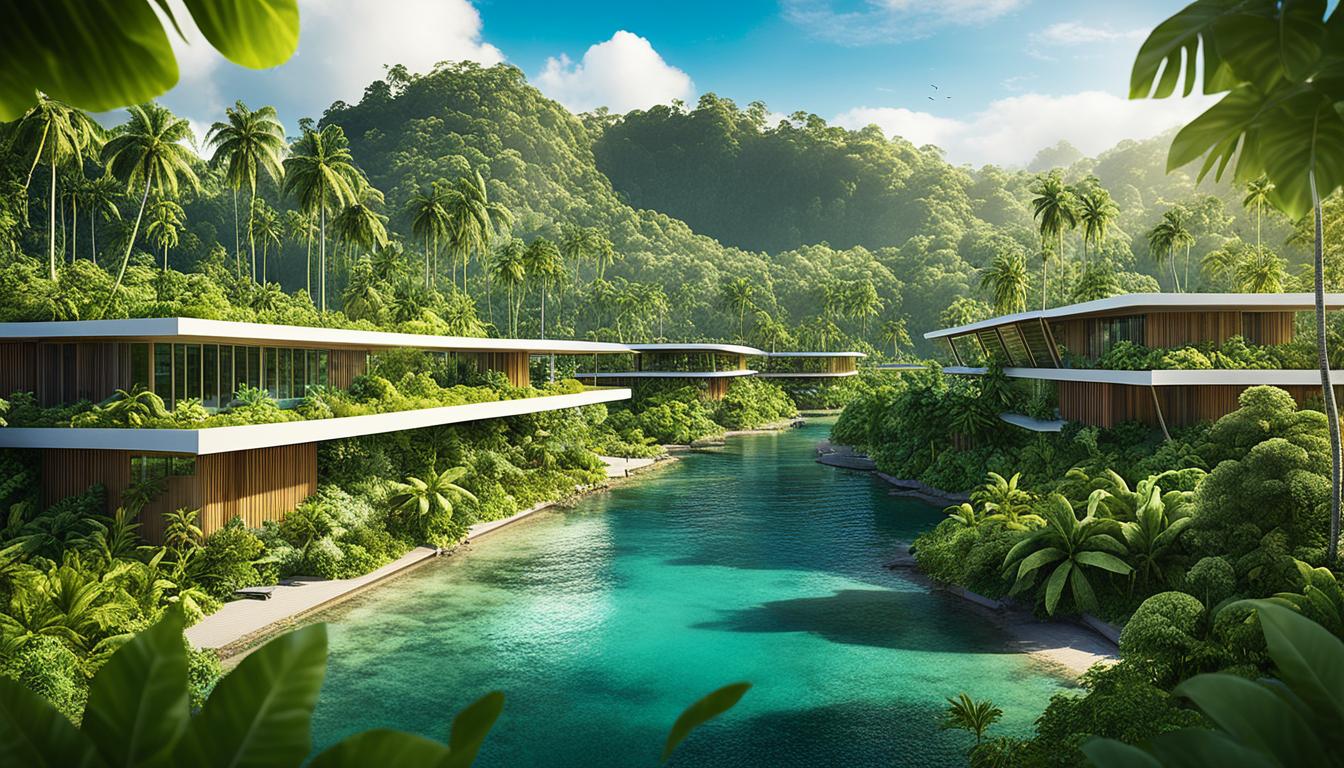
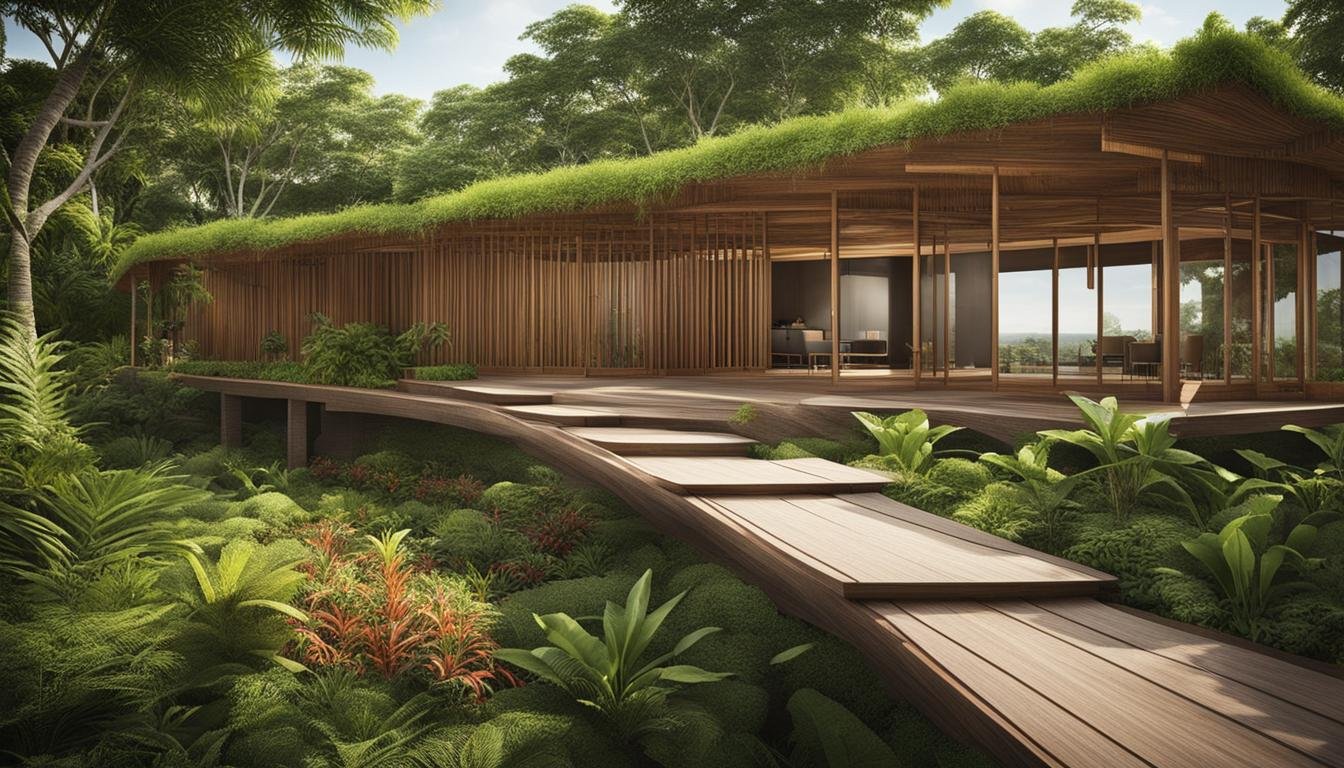
| รูปภาพที่เกี่ยวข้องกับแนวทางการปฏิบัติอาคารสีเขียว |
|---|
 |
Furthermore, case studies can provide insights into successful local initiatives. One such case study involves the renovation of a historic building in Mostar. Through the use of renewable materials and energy-efficient solutions, the building has been transformed into a low-carbon footprint structure that contributes to the overall sustainability of the city.
Another case study is the construction of the “Eko Selo” eco-village in the village of Lukomir. This village is designed to be self-sustainable and operates off the grid, using renewable energy sources and eco-friendly materials. The eco-village not only promotes sustainable living but also creates employment opportunities for local residents.
“ความคิดริเริ่มในท้องถิ่นและกรณีศึกษามีบทบาทสำคัญในการขับเคลื่อนการเปลี่ยนแปลงเชิงบวกในระดับชุมชน ด้วยการจัดแสดงโมเดลที่ประสบความสำเร็จ พวกเขาสร้างแรงบันดาลใจให้ผู้อื่นดำเนินการและดำเนินโครงการริเริ่มที่คล้ายกันในท้องถิ่นของตน”
These local initiatives and case studies demonstrate the potential for green building practices to drive social, economic, and environmental progress in Bosnia and Herzegovina. By creating sustainable communities, promoting local economic growth, and reducing carbon emissions, these initiatives are setting an example for others to follow and creating a path towards a more sustainable future.
ความท้าทายและแนวโน้มในอนาคต
แม้จะมีความก้าวหน้าในแนวปฏิบัติเกี่ยวกับอาคารสีเขียว แต่ BiH ก็เผชิญกับความท้าทายบางประการในการยอมรับการก่อสร้างที่เป็นมิตรกับสิ่งแวดล้อมอย่างเต็มที่ หนึ่งในความท้าทายหลักคือการขาดความตระหนักและความเข้าใจในเทคนิคการก่อสร้างที่ยั่งยืนในหมู่มืออาชีพและประชาชนทั่วไป สิ่งนี้นำไปสู่การไม่เต็มใจที่จะนำแนวปฏิบัติเกี่ยวกับอาคารสีเขียวมาใช้และการตั้งค่าวิธีการก่อสร้างแบบดั้งเดิมที่มักเป็นอันตรายต่อสิ่งแวดล้อม
Another challenge is the availability and affordability of eco-friendly materials. Many of these materials are imported, making them expensive and less accessible to the general public. Additionally, the lack of local manufacturing and production facilities hinders their widespread use in construction projects.
The future outlook for green building in Bosnia and Herzegovina is promising, with increasing awareness and commitment to sustainable construction. The government has taken steps towards implementing sustainable urban planning and promoting green infrastructure. However, more needs to be done to incentivize the private sector and individual homeowners to adopt green building practices.
One way to address the challenges is by promoting green building certifications and standards. These certifications can ensure that buildings have a low-carbon footprint and are built with eco-friendly materials and construction techniques. This can provide a competitive advantage for developers and encourage the wider adoption of green building practices.
ความคิดริเริ่มในท้องถิ่นและกรณีศึกษายังแสดงให้เห็นถึงศักยภาพในการก่อสร้างที่ยั่งยืนในบอสเนียและเฮอร์เซโกวีนา ตัวอย่างเช่น โครงการแผนปฏิบัติการด้านพลังงานที่ยั่งยืนใน Tuzla ได้นำโซลูชันอาคารที่ใช้พลังงานอย่างมีประสิทธิภาพและแหล่งพลังงานหมุนเวียนมาใช้ในอาคารสาธารณะ ความคิดริเริ่มดังกล่าวสามารถใช้เป็นแบบอย่างสำหรับโครงการในอนาคตและสร้างแรงบันดาลใจให้กับการดำเนินการในท้องถิ่นเพื่อการก่อสร้างที่ยั่งยืนมากขึ้น
โดยสรุป แม้ว่าความท้าทายยังคงมีอยู่ในการก่อสร้างที่เป็นมิตรกับสิ่งแวดล้อมอย่างเต็มที่ในบอสเนียและเฮอร์เซโกวีนา แต่แนวโน้มในอนาคตก็มีแนวโน้มที่ดี ความพยายามอย่างต่อเนื่องในการส่งเสริมแนวปฏิบัติเกี่ยวกับอาคารสีเขียวและการเพิ่มความตระหนักรู้สามารถนำไปสู่สภาพแวดล้อมที่สร้างขึ้นอย่างยั่งยืนมากขึ้นในประเทศ

สรุป
Bosnia and Herzegovina has made significant strides in exploring and implementing green building practices. From a commitment to sustainability in urban planning to the use of eco-friendly materials and construction techniques, the country has taken steps towards reducing its carbon footprint and promoting eco-friendly architecture.
การบูรณาการพลังงานทดแทนยังได้รับความสนใจในบอสเนียและเฮอร์เซโกวีนา เนื่องจากประเทศพยายามที่จะใช้โซลูชันอาคารที่ประหยัดพลังงานและโครงสร้างพื้นฐานสีเขียว โปรแกรมการรับรองอาคารสีเขียวถือเป็นการยกย่องความพยายามในการสร้างอาคารที่มีการปล่อยก๊าซคาร์บอนต่ำ
ความคิดริเริ่มในท้องถิ่นและกรณีศึกษา
โครงการริเริ่มและกรณีศึกษาในท้องถิ่นให้แรงบันดาลใจและกำลังใจ เนื่องจากแสดงให้เห็นถึงความเป็นไปได้ของการก่อสร้างที่ยั่งยืนและเทคนิคการก่อสร้างที่เป็นมิตรต่อสิ่งแวดล้อมในบอสเนียและเฮอร์เซโกวีนา ด้วยการนำเสนอตัวอย่างที่ประสบความสำเร็จ โครงการริเริ่มเหล่านี้ช่วยกระจายการรับรู้และขับเคลื่อนการเปลี่ยนแปลงเชิงบวกในอุตสาหกรรม
Despite the progress made, there are still challenges to be faced in the future. The implementation of green building practices may require significant investments and changes to the current construction practices. However, the benefits of creating sustainable and eco-friendly buildings, including lower energy consumption and a healthier environment, make the effort worthwhile.
In conclusion, green building practices have the potential to create a positive impact on the environment and the economy. With its commitment to sustainability and efforts to implement eco-friendly architecture, Bosnia and Herzegovina is on the right track towards a greener future.
คำถามที่พบบ่อย
ถาม: อาคารสีเขียวคืออะไร?
A: Green building refers to the practice of designing, constructing, and operating buildings in an environmentally responsible and resource-efficient manner. It aims to minimize the negative impact of buildings on the environment and promote sustainable development.
ถาม: ทำไมอาคารสีเขียวจึงมีความสำคัญ?
ตอบ: อาคารสีเขียวมีความสำคัญเนื่องจากช่วยลดผลกระทบต่อสิ่งแวดล้อมของอาคาร ส่งเสริมการอนุรักษ์ทรัพยากร และปรับปรุงประสิทธิภาพการใช้พลังงาน นอกจากนี้ยังมีส่วนช่วยในเรื่องความเป็นอยู่และสุขภาพของผู้อยู่อาศัย และสร้างสภาพแวดล้อมที่สร้างขึ้นที่ยั่งยืนและยืดหยุ่นมากขึ้น
ถาม: วัสดุที่เป็นมิตรต่อสิ่งแวดล้อมที่ใช้ในอาคารสีเขียวมีอะไรบ้าง
A: Some eco-friendly materials used in green building include locally sourced timber, natural stone, clay bricks, and recycled materials such as recycled steel and reclaimed wood. These materials have a lower environmental footprint and promote sustainable construction practices.
ถาม: การบูรณาการพลังงานหมุนเวียนในอาคารสีเขียวเป็นอย่างไร
A: Renewable energy integration in green buildings involves the use of renewable energy sources such as solar power, wind power, and biomass to generate electricity and reduce dependency on fossil fuels. This helps reduce carbon emissions and promote a more sustainable energy mix for buildings.
ถาม: การรับรองอาคารสีเขียวคืออะไร
A: A green building certification is a voluntary program that evaluates and certifies buildings based on their sustainability performance. It assesses factors such as energy efficiency, water conservation, materials selection, indoor air quality, and site sustainability. Certifications like LEED (Leadership in Energy and Environmental Design) provide recognition for buildings that meet specific sustainability criteria.
ถาม: มีโครงการริเริ่มในท้องถิ่นที่ส่งเสริมอาคารสีเขียวในบอสเนียและเฮอร์เซโกวีนาหรือไม่
A: Yes, there are several local initiatives promoting green building practices in Bosnia and Herzegovina. The Green Building Council (GBC) of BiH is one such initiative that advocates for sustainable construction practices and provides educational programs and resources to professionals in the construction industry. They also offer guidance and support for developers seeking green building certifications.
ถาม: อะไรคือความท้าทายที่ต้องเผชิญในการนำแนวปฏิบัติเกี่ยวกับอาคารสีเขียวใน BiH ไปใช้?
ตอบ: ความท้าทายบางประการที่ต้องเผชิญในการดำเนินการตามแนวทางปฏิบัติเกี่ยวกับอาคารสีเขียวในบอสเนียและเฮอร์เซโกวีนา ได้แก่ ความพร้อมใช้งานที่จำกัดและต้นทุนสูงของวัสดุที่ยั่งยืน ตลอดจนการขาดความตระหนักรู้และความเชี่ยวชาญ อย่างไรก็ตาม ด้วยความตระหนักรู้ที่เพิ่มขึ้นและการสนับสนุนจากรัฐบาล ความท้าทายเหล่านี้จึงสามารถเอาชนะได้เพื่อส่งเสริมการก่อสร้างที่เป็นมิตรกับสิ่งแวดล้อมต่อไป
ถาม: แนวโน้มในอนาคตสำหรับอาคารสีเขียวในบอสเนียและเฮอร์เซโกวีนาจะเป็นอย่างไร
ตอบ: แนวโน้มในอนาคตสำหรับอาคารสีเขียวในบอสเนียและเฮอร์เซโกวีนาจะเป็นไปในเชิงบวก ด้วยความมุ่งมั่นของรัฐบาลต่อความยั่งยืนและความพยายามอย่างต่อเนื่องในการส่งเสริมแนวทางปฏิบัติในการก่อสร้างที่เป็นมิตรต่อสิ่งแวดล้อม คาดว่าการนำแนวทางปฏิบัติเกี่ยวกับอาคารสีเขียวมาใช้จะยังคงเพิ่มขึ้นต่อไป การบูรณาการแหล่งพลังงานทดแทนและการพัฒนาโปรแกรมการรับรองอาคารสีเขียวจะช่วยผลักดันให้เกิดการเปลี่ยนแปลงไปสู่อุตสาหกรรมการก่อสร้างที่ยั่งยืนมากขึ้นใน BiH


คู่มือฉบับย่อเกี่ยวกับอาคารสีเขียวชั้นนำของบอสเนียและเฮอร์เซโกวีนา
3 ปีที่ผ่านมา[... ] https://constructive-voices.com/green-building-in-bosnia-and-herzegovina/ [... ]