


อาคาร Net-Zero: ปูทางสำหรับอุตสาหกรรมการก่อสร้างที่ปล่อยคาร์บอนเป็นกลาง
As the world aims to reduce its carbon footprint, the การก่อสร้าง อุตสาหกรรมมีบทบาทสำคัญในการบรรลุเป้าหมายนี้ วิธีหนึ่งที่จะทำให้มีนัยสำคัญ ทั่วโลก คือการผ่านการยอมรับของ สุทธิเป็นศูนย์ building practices. The concept of net-zero building involves designing and constructing buildings that generate as much energy as they consume annually, resulting in zero carbon emissions.
มีหลายแบบ ที่ยั่งยืน building practices and green construction techniques that contribute to achieving net-zero building. These practices include utilizing ระบบพลังงานหมุนเวียน, implementing energy-efficient construction methods, and incorporating sustainable building materials.
ประเด็นที่สำคัญ
- อาคารสุทธิเป็นศูนย์เกี่ยวข้องกับการออกแบบและการก่อสร้างอาคารที่สร้างพลังงานได้มากตามที่ใช้เป็นประจำทุกปี ส่งผลให้มีการปล่อยก๊าซคาร์บอนเป็นศูนย์
- To achieve net-zero building, sustainable building practices and green construction techniques must be implemented.
- Examples of these practices include utilizing renewable energy systems, implementing energy-efficient construction methods, and incorporating sustainable building materials.
วิธีการก่อสร้างที่เป็นมิตรต่อสิ่งแวดล้อมสำหรับอาคารที่ปล่อยคาร์บอนให้เป็นกลาง
As the construction industry moves towards a carbon-neutral future, adopting การก่อสร้างที่เป็นมิตรกับสิ่งแวดล้อม วิธีการดังกล่าวมีความสำคัญอย่างยิ่งในการลดการปล่อยคาร์บอน โครงการอาคารปลอดการปล่อยคาร์บอนและการใช้วัสดุอาคารที่ยั่งยืนเป็นองค์ประกอบสำคัญในการบรรลุอาคารที่เป็นกลางทางคาร์บอน
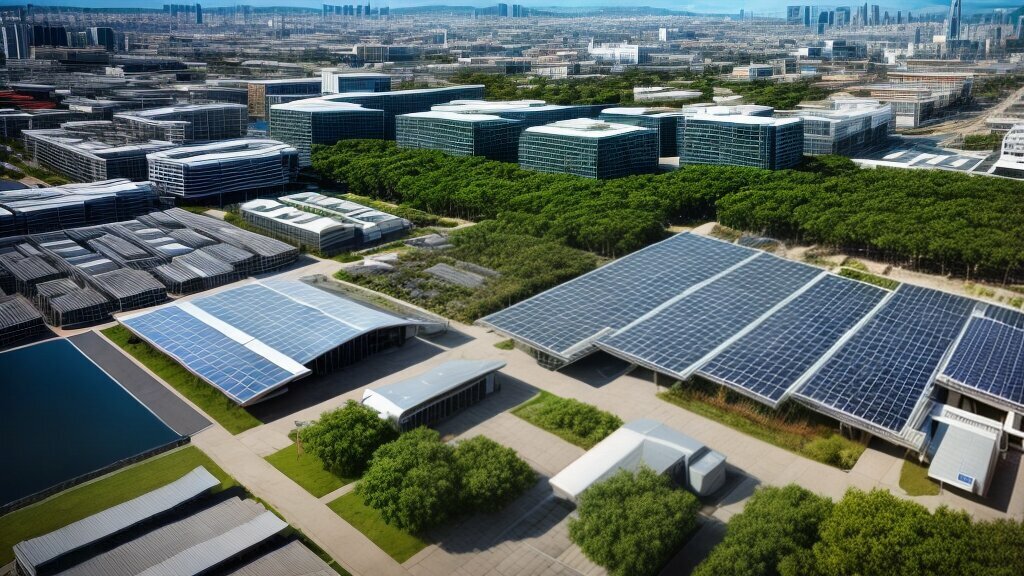
The integration of zero-emission technologies such as renewable energy systems can significantly reduce the carbon footprint of a building. Solar panels, wind turbines and geothermal heat pumps are excellent examples of renewable energy technologies that can be implemented in a building to achieve zero emissions.
Sustainable building materials can also contribute to reducing carbon emissions. These include recycled materials such as steel, glass and concrete, which significantly reduce greenhouse gas emissions during production. Low embodied energy materials, like adobe and rammed earth, can also be used to construct buildings.

Green roofs and walls are also innovative ways in which buildings can be designed to be carbon-neutral. These designs use vegetation to provide insulation and reduce energy consumption.
“การบูรณาการเทคโนโลยีที่ปล่อยก๊าซเป็นศูนย์ เช่น ระบบพลังงานหมุนเวียน สามารถลดการปล่อยก๊าซคาร์บอนไดออกไซด์ของอาคารได้อย่างมาก”
Moreover, adopting circular economy principles in the construction industry can reduce the waste of resources and minimize carbon emissions. This involves designing, producing and managing buildings in a way that extends the life cycle of materials and products, thereby reducing the demand for natural resources.
Overall, eco-friendly construction methods are essential to achieve carbon-neutral building. These practices can significantly reduce the carbon footprint of buildings and pave the way for a sustainable future in the construction industry.
การก่อสร้างที่ประหยัดพลังงาน: กุญแจสำคัญสู่การพัฒนาที่ปราศจากคาร์บอน
การก่อสร้างที่ประหยัดพลังงานเป็นปัจจัยสำคัญในการลดการปล่อยก๊าซคาร์บอนไดออกไซด์ในอุตสาหกรรมการก่อสร้าง ด้วยการใช้ระบบพลังงานหมุนเวียน การนำโซลูชันการก่อสร้างที่มีคาร์บอนต่ำมาใช้ และการนำวัสดุก่อสร้างที่ยั่งยืนมาใช้ เราจึงสามารถบรรลุความเป็นกลางทางคาร์บอนในการก่อสร้างได้สำเร็จ
Renewable energy systems such as solar, wind, and geothermal can provide clean energy sources to power buildings, reducing reliance on fossil fuels and carbon emissions. Additionally, low-carbon building solutions, such as smart insulation, efficient HVAC systems, and advanced lighting technologies, can greatly reduce energy consumption and carbon emissions in buildings.
การใช้วัสดุก่อสร้างที่ยั่งยืน เช่น เหล็กรีไซเคิล ไม้ไผ่ และฟางมัด ก็สามารถมีส่วนสนับสนุนได้เช่นกัน โครงสร้างที่เป็นกลางทางคาร์บอนวัสดุเหล่านี้มีปริมาณคาร์บอนฟุตพริ้นท์ต่ำกว่าวัสดุก่อสร้างแบบดั้งเดิมและลดขยะในกระบวนการก่อสร้าง
Ultimately, energy-efficient construction is a crucial component in achieving a carbon-neutral construction industry. By integrating renewable energy systems, implementing low-carbon building solutions, and adopting sustainable building materials, we can pave the way for a sustainable future.

เทคโนโลยีการก่อสร้างที่ปล่อยคาร์บอนเป็นกลางเพื่ออนาคตที่ยั่งยืน
The construction industry is continuously evolving, and with the increasing demand for sustainable building practices, new technologies are emerging to achieve carbon-neutral construction. These innovative technologies aim to reduce carbon emissions in the construction process and promote sustainable building practices. (https://softonic.com/)
One such technology is the use of prefabricated building components. Prefabricated buildings use less energy during construction and produce fewer greenhouse gas emissions, making them a more sustainable option compared to traditional construction methods. Incorporating prefabricated components into the construction process can significantly reduce a building’s carbon footprint while still maintaining structural integrity and design aesthetics.
Another emerging technology is the use of 3D printing in construction. 3D printing has the potential to revolutionize the construction process by creating precise, customizable, and unique building components. This technology reduces material waste, energy consumption, and overall construction time, making it a more sustainable option for construction projects. However, the high cost of 3D printing technology may limit its accessibility and implementation.
The importance of sustainable building certifications cannot be overstated in promoting and recognizing carbon-neutral construction practices. For example, the Leadership in Energy and Environmental Design (LEED) certification recognizes buildings’ overall ความยั่งยืน, energy efficiency, and environmental impact. The BREEAM certification assesses the environmental performance of buildings and recognizes sustainable practices in design, construction, and operation.
นอกจากนี้ เทคโนโลยีการก่อสร้างที่ประหยัดพลังงาน เช่น ระบบพลังงานทดแทน และโซลูชันแสงสว่างที่ใช้พลังงานต่ำ สามารถลดการปล่อยก๊าซคาร์บอนไดออกไซด์ของอาคารได้อย่างมาก การผสมผสานระบบพลังงานหมุนเวียน เช่น แผงโซลาร์เซลล์และกังหันลม ในการออกแบบอาคารสามารถให้แหล่งพลังงานที่เชื่อถือได้และยั่งยืน ในขณะเดียวกันก็ลดการพึ่งพาแหล่งพลังงานที่ไม่หมุนเวียนอีกด้วย
Overall, these emerging carbon-neutral construction technologies and sustainable building certifications pave the way for a more sustainable and environmentally conscious construction industry. By implementing these practices and technologies, we can reduce carbon emissions and create a more sustainable future.

สรุป
Net-zero building is paving the way for a carbon-neutral construction industry. It is essential to adopt sustainable building practices and green construction techniques to achieve this goal. Eco-friendly construction methods such as zero-emission building projects and the use of sustainable building materials play a crucial role in reducing carbon emissions. Energy-efficient construction is also key to reducing carbon footprint, and the integration of renewable energy systems and low-carbon building solutions can help achieve carbon neutrality in the construction industry.
เทคโนโลยีการก่อสร้างที่ไม่ปล่อยคาร์บอนที่เกิดขึ้นใหม่สามารถปฏิวัติอุตสาหกรรมได้ และการรับรองอาคารที่ยั่งยืนจะส่งเสริมและยอมรับแนวทางปฏิบัติในการก่อสร้างที่ไม่ปล่อยคาร์บอน อุตสาหกรรมการก่อสร้างที่ปล่อยคาร์บอนเป็นกลางมีความสำคัญอย่างยิ่งต่ออนาคตที่ยั่งยืน และจำเป็นต้องมีความพยายามและความก้าวหน้าอย่างต่อเนื่องในแนวปฏิบัติด้านอาคารเพื่อให้บรรลุความเป็นกลางทางคาร์บอนในการก่อสร้าง
คำถามที่พบบ่อย
ถาม: อาคารสุทธิเป็นศูนย์คืออะไร?
ตอบ: อาคารสุทธิเป็นศูนย์หมายถึงอาคารที่ผลิตพลังงานได้มากเท่ากับการใช้พลังงานในช่วงเวลาหนึ่งปี อาคารเหล่านี้ได้รับการออกแบบและก่อสร้างโดยใช้แนวทางปฏิบัติในอาคารที่ยั่งยืน และใช้แหล่งพลังงานหมุนเวียนเพื่อให้เกิดการดำเนินงานที่เป็นกลางทางคาร์บอน
ถาม: เหตุใดอาคารสุทธิเป็นศูนย์จึงมีความสำคัญต่ออุตสาหกรรมก่อสร้าง
A: Net-zero building is crucial in achieving a carbon-neutral construction industry. By reducing carbon emissions and utilizing sustainable building techniques, the construction industry can contribute to a more sustainable future and mitigate the impact of buildings on the environment.
ถาม: วิธีการก่อสร้างอาคารที่เป็นมิตรกับสิ่งแวดล้อมมีอะไรบ้าง?
ตอบ: วิธีการก่อสร้างที่เป็นมิตรกับสิ่งแวดล้อม ได้แก่ โครงการสร้างอาคารที่ปล่อยก๊าซเป็นศูนย์และการใช้วัสดุก่อสร้างที่ยั่งยืน วิธีการเหล่านี้มีจุดมุ่งหมายเพื่อลดผลกระทบต่อสิ่งแวดล้อมจากกิจกรรมการก่อสร้าง และลดการปล่อยก๊าซคาร์บอนตลอดวงจรชีวิตของอาคาร
ถาม: การก่อสร้างที่ประหยัดพลังงานมีส่วนช่วยในการพัฒนาคาร์บอนเป็นกลางอย่างไร
ตอบ: การก่อสร้างที่ประหยัดพลังงานมีบทบาทสำคัญในการลดการปล่อยก๊าซคาร์บอนไดออกไซด์ ด้วยการบูรณาการระบบพลังงานหมุนเวียนและการใช้โซลูชั่นอาคารที่มีคาร์บอนต่ำ อุตสาหกรรมการก่อสร้างสามารถลดการใช้พลังงานและการปล่อยก๊าซเรือนกระจกได้อย่างมาก โดยเข้าใกล้ความเป็นกลางของคาร์บอนมากขึ้น
ถาม: เทคโนโลยีการก่อสร้างที่ปล่อยคาร์บอนเป็นกลางมีอะไรบ้าง
ตอบ: เทคโนโลยีการก่อสร้างที่ปล่อยคาร์บอนเป็นกลางนั้นรวมเอาโซลูชั่นที่เป็นนวัตกรรมที่ลดหรือกำจัดการปล่อยก๊าซคาร์บอนในกระบวนการสร้าง นอกจากนี้ การรับรองอาคารที่ยั่งยืนยังให้การยอมรับและส่งเสริมแนวทางปฏิบัติในการก่อสร้างที่ไม่ก่อให้เกิดคาร์บอน ซึ่งจะช่วยผลักดันการนำเทคโนโลยีเหล่านี้ไปใช้ในอุตสาหกรรม


