





The Pulse of the Planet Interconnectivity Between Medicine, Climate Change and Youth
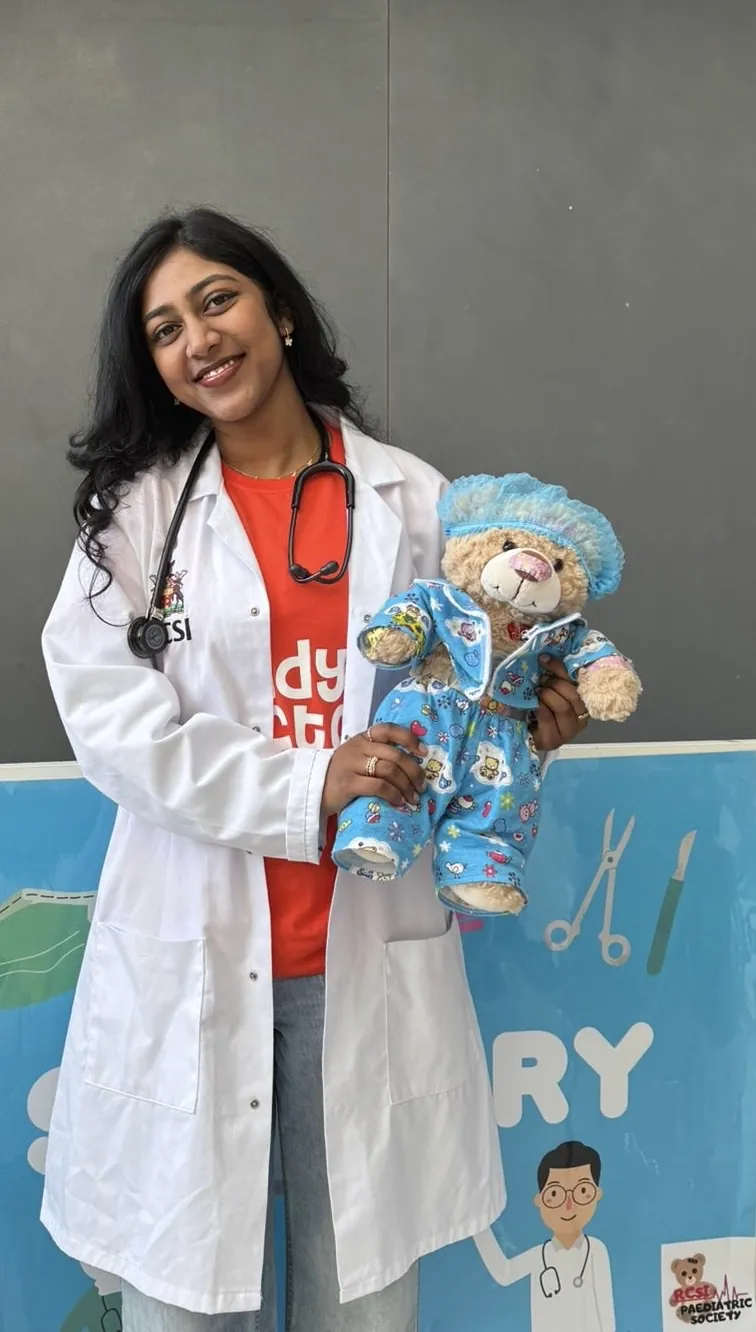
As a medical student, youth advocate, and climate activist, I’ve seen this connection up close. They’re not separate issues to tackle in isolation. They’re threads in the same fabric and when one unravels, the others follow.
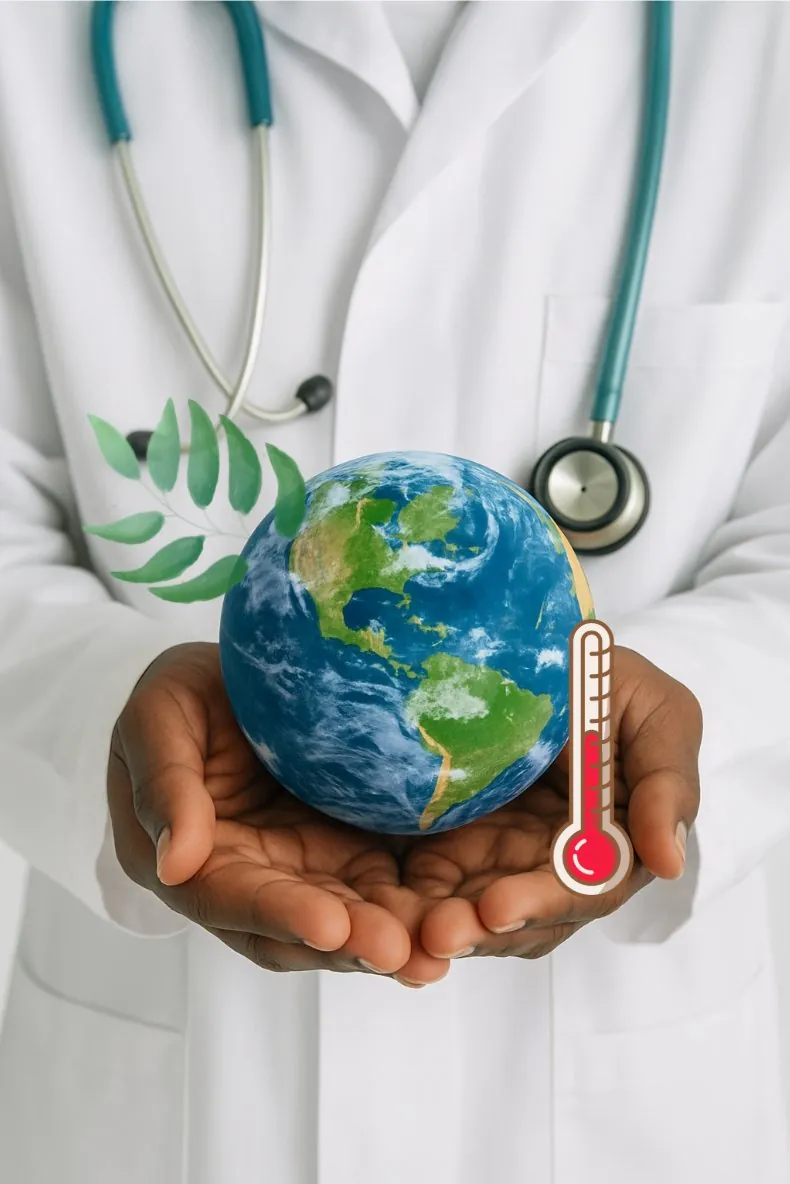
Doctor with earth in palm
I started medicine because I wanted to help people. But it didn’t take long to see that health is shaped by much bigger forces than what happens in a clinic or a hospital. Clean air, safe housing, nutritious food or the lack of them determine who gets sick and who stays well. Add in climate change and systemic inequality, and you begin to see why treating illness alone isn’t enough.
Trees as lungs
Through organisations like Beach Patrol 3030 and The Climate Initiative, I’ve worked on local clean-ups and tree-planting drives that transformed neglected spaces into green, living areas where communities now gather.

Ganika Shree Award ceramony
With the National Youth Council of Ireland, I’ve joined conversations about climate policies that impact our generation directly. These aren’t just “projects” , they’re proof that youth-led actions create real, visible change.
Education, advocacy, and action are the foundation of that change. Education gives communities the knowledge to demand better. Advocacy holds decision-makers accountable. And action whether it’s lobbying for clean energy, supporting vulnerable populations, or simply planting that first tree is what turns ideas into results.
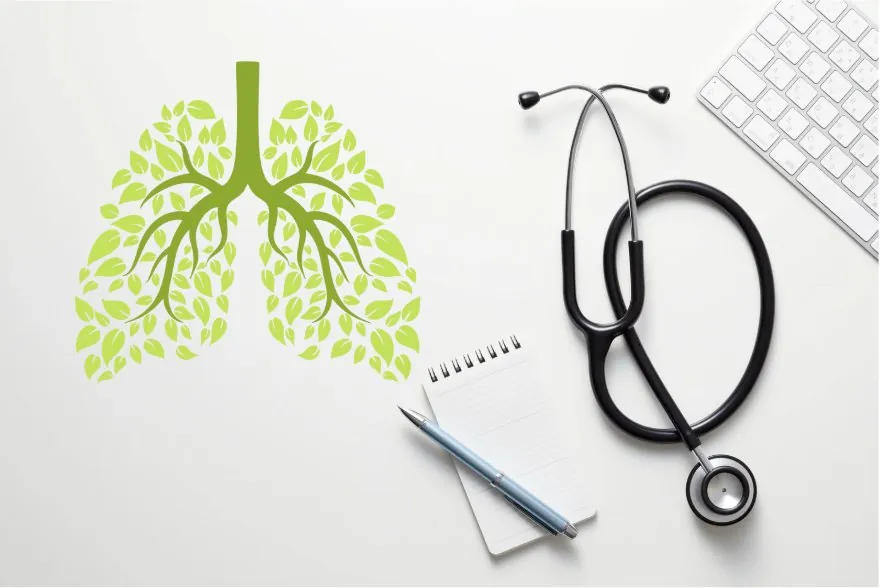
nature lung and stethoscope
“Medicine, for me, isn’t just about diagnosing and treating. It’s about looking at the bigger picture.”
Future doctors need to understand how environmental and social factors drive health outcomes, and we need to use our voices to push for healthier communities and a healthier planet.
“The challenges we face from rising temperatures to widening health gaps are huge. But I believe hope is found in action.”
Around the world, youth-led movements are proving that change is possible when we connect health, justice, and climate solutions.
So here’s my ask: support youth movements. Listen to our ideas. Bring environmental health into your own work, whatever your field is. The planet’s pulse is our pulse and it’s up to all of us to keep it strong.


