
Goeie Nuus: 'n Nuwe Manier om na Volhoubaarheid & Sakbosse & Opknapping in Ierland te Kyk
- Jackie De Burca
- Augustus 14, 2025
Goeie Nuus: 'n Nuwe Manier om na Volhoubaarheid & Sakbosse & Opknapping in Ierland te Kyk
In hierdie opbouende uitgawe van die Constructive Voices Good News-podsending bring ons vir jou 'n kort, skerp uitbarsting van positiewe stories uit die beboude omgewing – met 'n tikkie bewaringsinspirasie.
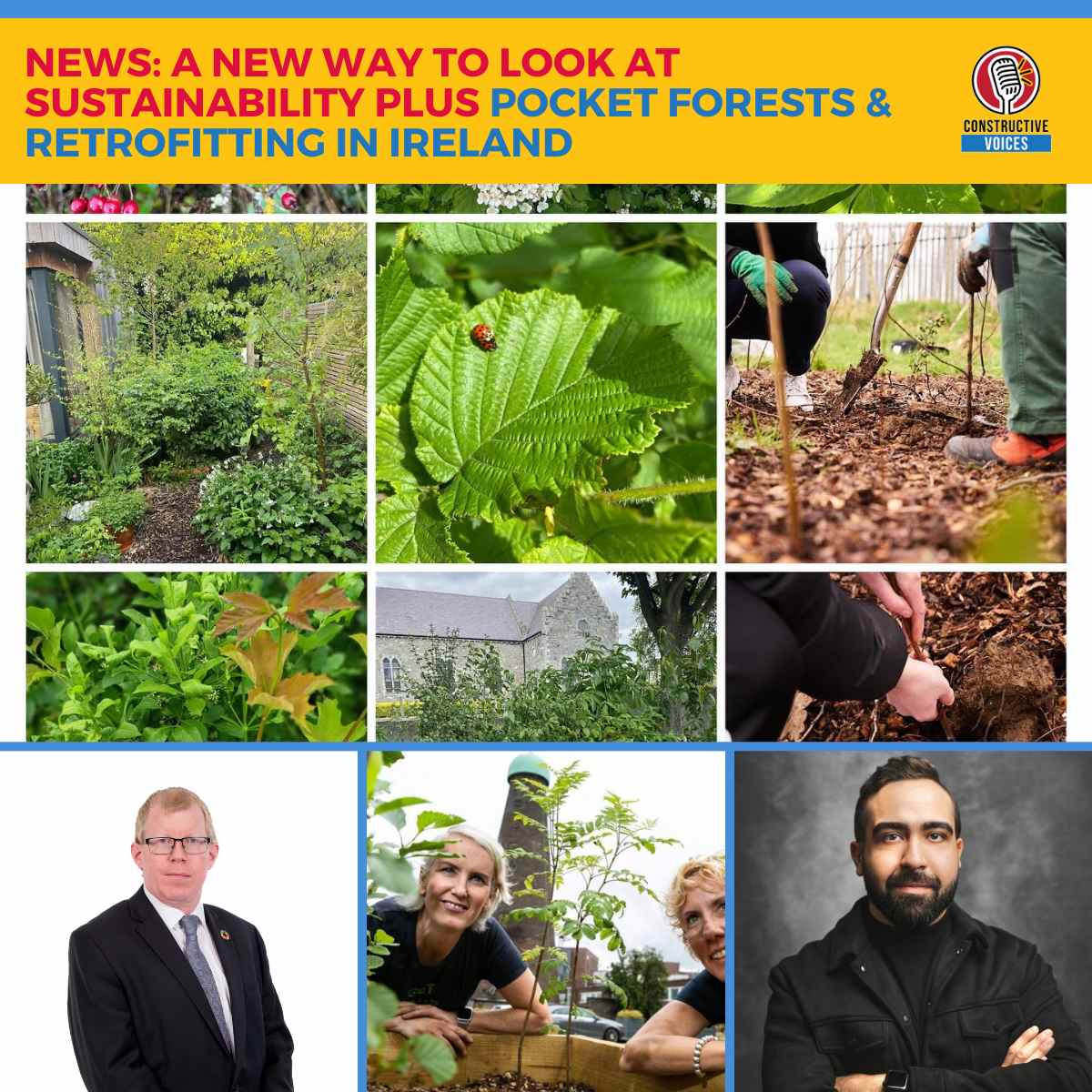
STEM IN, LEER EN WORD OPGEHEF IN MINDER AS 6 MINUTE
'n Nuwe manier om na volhoubaarheid te kyk: Neurovolhoubaarheid
Ons begin met 'n fassinerende konsep wat net soveel gaan oor die beskerming van ons gedagtes as oor die beskerming van die planeet – neurovolhoubaarheid. Aanbieder Jackie De Burca gesels met Mohamed Hesham Khalil, wie se baanbrekersnavorsing aan die Universiteit van Cambridge ondersoek hoe die gebou omgewing affects our brain health, mental wellbeing, and cognitive performance.
“That shift… from experiencing the built environment in a specific way and then going back was an alert to start seeing this relationship between the built environment and the human brain.” — Mohamed Hesham Khalil
Discover how architecture, neuroscience, and nature intersect — and why this matters more than ever post-lockdown.

Vergroening van Ierland: Sakwoude
Next, volunteer reporter Sarah Austin speaks with Catherine Cleary, co-founder of Pocket Forests, about transforming small urban spaces into thriving native woodlands. With over 125 sites planted — from car-parking-space-sized micro-forests to half–tennis-court plots — these dense plantings are changing soil health, biodiversiteit, en gemeenskapsverbindings.
“Ons plant baie jonger bome ... baie nader aan mekaar ... die gevolg is dat hulle hierdie mikroklimaat baie vinnig skep.” — Catherine Cleary
Vir die volledige diepgaande ondersoek, kyk na ons spesiale episode Vergroening van Ierland van Sakwoude tot Inheemse Bosveld op ons webwerf.

Catherine Cleary en Ashe Conrad-Jones, stigters van Pocket Forests.
Beeld met vergunning van Pocket Forests
Ierland se momentum vir opknapping
We round things off with encouraging retrofitting news: in early 2025, Ireland saw 11,910 home energy upgrades supported through government grants — a 2% rise from the previous year.
These upgrades avoided 15,000 tonnes of CO₂ emissions, reinforcing Ireland’s national push toward energy efficiency and climate action.
Bookmark this page to check for the podcast episode that deep dives into this topic with Dr. Ciaran Byrne, the Director of National Retrofit at Sustainable Energy Authority of Ireland (SEAI).
Verwante Poduitsendings Nie te mis nie
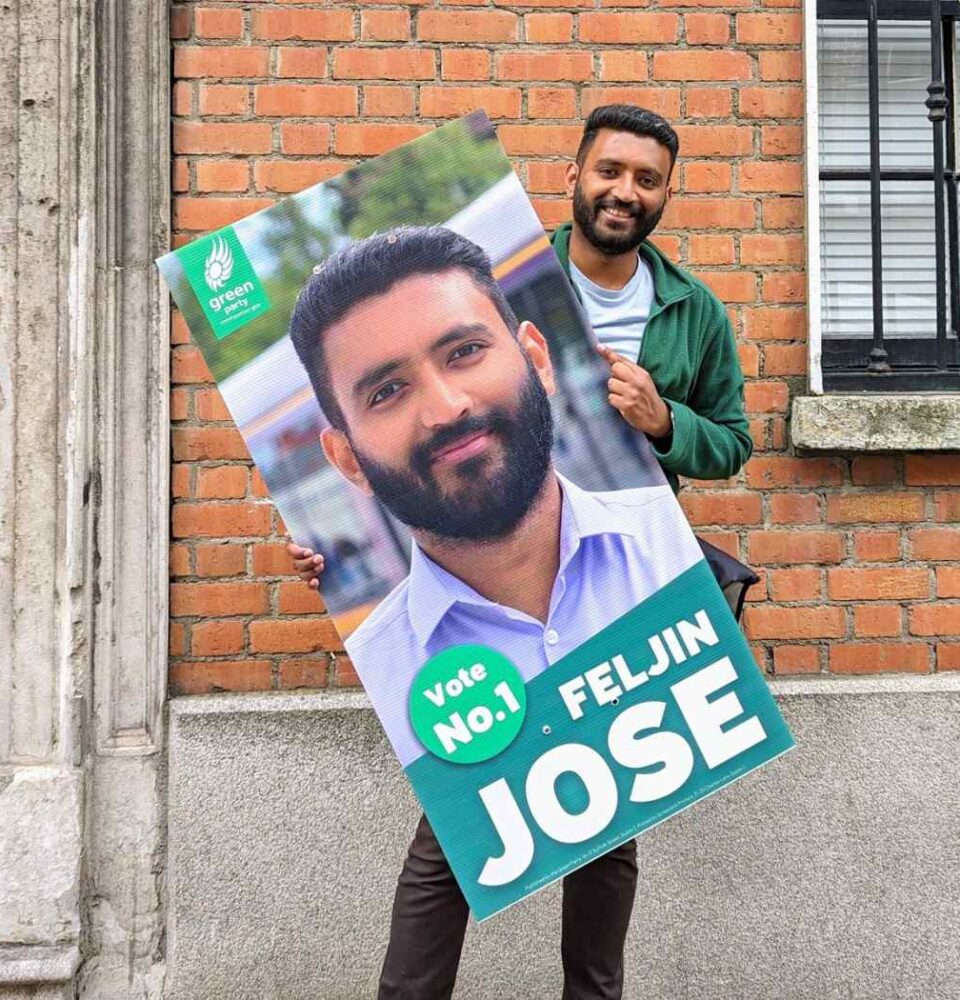
Bou klimaatgereed strate, huise en vervoer met Feljin Jose
Bou klimaatgereed strate, Homes & Transit met Feljin Jose Openbare vervoervoorstander en Dublinse stadsraadslid Feljin Jose sluit aan...
- Ciara O'Brien
- November 12, 2025
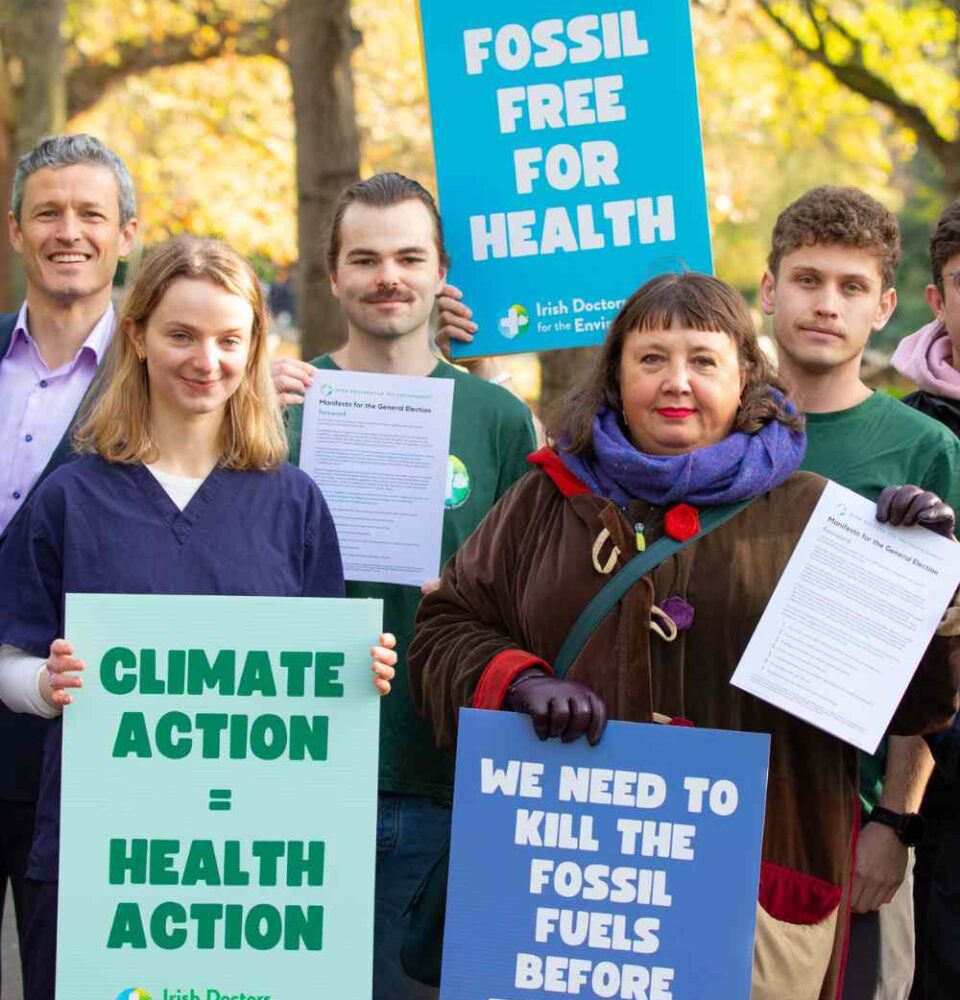
Gesondheidsorg se rol in klimaatsverandering met Ierse dokters vir die omgewing
Gesondheidsorg se rol in klimaatsverandering met Ierse dokters vir die omgewing Die beboude omgewing en natuurlik die omgewing...
- Ciara O'Brien
- November 9, 2025
Waarom Natuurkrediete Saak Maak – Met Brian MacSharry, Europese Omgewingsagentskap
Waarom Natuurkrediete Saak Maak – Met Brian MacSharry, Europese Omgewingsagentskap wat ontleed hoe natuurkrediete die manier waarop... kan hervorm
- Jackie De Burca
- September 29, 2025
Wat is die Europese Kommissie se padkaart vir natuurkrediete?
Wat is die Europese Kommissie se Padkaart vir Natuurkrediete? “Toe ek die nuus van die EU se Padkaart vir die eerste keer gesien het...

- Jackie De Burca
- September 28, 2025
Ierland se Retrofit Race — saam met Dr. Ciarán Byrne (SEAI)
Ierland se Opknappingswedloop met Dr. Ciarán Byrne (SEAI) Hoe Ierland huise warmer, goedkoper om te bedryf en laer koolstofvrystellings maak—teen...
- Jackie De Burca
- September 12, 2025
Die Energieprestasie-richtlijn van geboue (EPBD): 'n Spelwisselaar vir Europese gebouvolhoubaarheid Met Stephen Barrett van die IGBC
Die Energieprestasie-richtlijn van geboue (EPBD): 'n Spelwisselaar vir Europese gebouvolhoubaarheid Met Stephen Barrett van die IGBC,...
- Jackie De Burca
- Julie 25, 2025
'n Volhoubare oorsig van Cobh: Plaaslike aksie, globale implikasies S4, E14
'n Volhoubare oorsig van Cobh: Plaaslike Aksie, Globale Implikasies S4, E14 “Ek hoop net al hierdie nuwe ontwikkeling is...
- Jackie De Burca
- Julie 11, 2025
Vergroening van Ierland: Van Sakbosse tot Inheemse Bosveld Met Catherine Cleary, S4, E11
Vergroening van Ierland: Van Sakbosse tot Inheemse Bosvelde Met Catherine Cleary 'Vergroening van Ierland: Van Sakbosse tot Inheemse Bosvelde...
- Sarah Austin
- Junie 2, 2025
Lewe Binne Cloughjordan Ekodorp – ’n Bloudruk vir Volhoubare Gemeenskapslewe – Podcast Episode: S4, E6
Life Inside Cloughjordan Ecovillage - 'n Bloudruk vir volhoubare gemeenskap Lewe binne Cloughjordan Ecovillage - 'n Bloudruk vir ...
- Sarah Austin
- Maart 24, 2025
S3, E5 Dr Ciaran Byrne, Direkteur, SEAI oor Ierland se suksesverhale, uitdagings en geleenthede vir heraanpassing
S3, E5: Dr Ciaran Byrne, Direkteur, SEAI oor Ierland se Suksesverhale, Uitdagings en Geleenthede In hierdie verhelderende episode...
- Jackie De Burca
- Junie 11, 2024
Transcript
Let asseblief daarop dat hierdie transkripsie digitaal gegenereer is en moontlik foute kan bevat.
[00:00:00] Speaker A: This is Constructive Voices. Constructive Voices, the podcast for the construction people with news, views and expert interviews.
[00:00:10] Jackie De Burca: Hi there, this is Jackie De Burca for the Constructive Voices Good News podcast. A short, sharp burst of uplifting stories from the built environment with a side of conservation. We’re hoping to light up your day with some really interesting news about a new way of thinking about sustainability. In fact, it’s one that’s not just about protecting the planet, but also about protecting our minds.
It’s called neurosustainability, a concept linking environmental conservation with brain health. As you may know, research shows that spending time in nature can have profound effects on our mental and cognitive well being, something many of us felt firsthand during the COVID 19 lockdowns.
Onlangs het ek met Mohamed Hesham Khalil gepraat. Hy is die leier van hierdie konsep en het al baie verskillende artikels daaroor geskryf. Ek gaan 'n kort gedeelte van my onderhoud met hom afsny wat 'n bietjie oor hierdie konsep verduidelik. Moenie egter weggaan na Mohammed se stuk nie, want ons het nog goeie nuus oor sakbosse in Ierland en 'n bietjie oor opknapping.
[00:01:10] Spreker A: Dit is Constructive Voices.
[00:01:13] Jackie De Burca: Wat het jou eerste aangespoor om hierdie kruispunt tussen neurowetenskap en argitektuur te verken?
[00:01:19] Mohamed Hesham Khalil: It was during lockdown, to be honest, when I started seeing so many people feeling more depressed and having higher levels of anxiety. That was sparked to something that it is something about the built environment and especially that some people have sustained those symptoms even after lockdown. So that shift, like from experiencing the belt environment in a specific way and then going back was an alert to start seeing this relationship between the built environment and the human brain. Because I know that it is associated with mental health and cognitive performance was really the motivation.
En ek het dit tydens my meestersgraad begin verken. Dit was interdissiplinêr tussen argitektuur en neurowetenskap, spesifiek toegepaste neurowetenskap.
And then that was the departure point based on which I started doing my PhD at the University of Cambridge to explore this impact of the built environment on neuroplasticity in more depth.
[00:02:31] Spreker A: Dit is Constructive Voices.
[00:02:33] Jackie De Burca: Dis wonderlik om van Mohamed te hoor. Hou jou ore en oë oop vir die volledige episode saam met die reeks wat ons rondom hierdie onderwerp skep, wat in Oktober 2025 vrygestel sal word. So as jy na daardie datum hierna luister, kyk net na jou gunsteling podsending-app of gaan na die Constructive Voices-webwerf, constructive hyphen voices.com, dit is constructive Voices.
[00:02:57] Sarah Austin: En hoeveel van hierdie sakwoude het jy tot dusver geskep?
[00:03:02] Catherine Cleary: We’re up to about 125 at the moment. I think some of them will be Extremely small, the size of a single car parking space and others would be larger. Our largest is about 100 square meters, which is roughly half a tennis court.
[00:03:18] Sarah Austin: Sjoe. En so bedoel ek vir diegene van ons wat nie weet waaruit 'n sakbos bestaan nie? Hoe verskil dit van, miskien, 'n gewone stedelike tuin of 'n blombedding wat jy dalk by die huis of in 'n skool het?
[00:03:28] Catherine Cleary: Yeah, it’s really interesting to kind of discover what the traditions of urban landscaping are. So we traditionally do a lot of grass, so we will call a green space, a green space when there’s very thin soil and just a layer of grass and then that’s usually mown to within an inch of its life over the summertime, although no mamey is happening. And then with tree planting they tend to be planted widely spaced lone trees with those grassy areas in between them. There are various reasons given for this.
Cyclones, certain local authorities and, and people aren’t, some are, aren’t very happy at the idea of not being able to see what’s happening everywhere in every, every public space. So what we do looks very different to that. We’re planting much younger trees than would normally be planted. They’re only two year old whips, so they’re very small, planted in winter time and planted much more closely together about 3 per square meter, which would be very dense compared to traditional landscaping in cities. But the result is that they create this microclimate very quickly the soil changes and we do a little bit of that work before we plant anything as well. That’s part of the pocket forest difference, I suppose. We do a soil preparation workshop with communities.
[00:04:38] Spreker A: Dit is Constructive Voices.
[00:04:40] Jackie De Burca: Maak seker dat jy na ons webwerf spring en jy sal die titel "Vergroening van Ierland van Sakwoude tot Inheemse Bosveld" met Katherine Cleary vind. Dit is geskep deur Sarah Austin, een van die Constructive Voices-vrywilligers, en sy het werklik 'n wonderlike werk gedoen. Baie dankie, Sarah. Dankie. Nou sal ons net 'n kort stukkie oor opknapping in Ierland hê en die volledige episode hiervoor sal in September 2025 uitkom.
[00:05:05] Spreker A: Hierdie is konstruktiewe stemme.
[00:05:07] Mark: Op 7 Augustus 2025 het die Volhoubare Energie-owerheid van Ierland, SEAI, sy kwartaallikse verslag gepubliseer wat toon dat 11,910 2025 huishoudelike energie-opgraderings deur middel van regeringstoelaeskemas in die eerste drie maande van 2 ondersteun is, 'n toename van 2024% oor dieselfde tydperk. In 76 het regeringsbesteding 4 miljoen euro bereik, 'n styging van XNUMX%.
Meer as 5 100 huise is opgegradeer na 'n BER B2-gradering of hoër.
1,350 14 energie-arm huishoudings het gratis opgraderings ontvang, 'n styging van 15,000%, en 2 XNUMX% COXNUMX vermy, wat die nasionale druk vir opknapping versterk. En dit voltooi vandag se positiewe nuusopdatering van Constructive Voices.
[00:05:53] Spreker A: Dit is Constructive Voices.


Die Verborge Neurologiese Tol van Veldbrande
10 maande gelede[…] Goeie Nuus: 'n Nuwe Manier om na Volhoubaarheid & Sakbosse & Opknapping in Ierland te Kyk […]
Waarom Natuurkrediete Saak Maak – Met Brian MacSharry, Europese Omgewingsagentskap
9 maande gelede[…] Goeie Nuus: 'n Nuwe Manier om na Volhoubaarheid & Sakbosse & Opknapping in Ierland te Kyk […]