 Constructive Voices

Australia must reach net zero emissions: ATSE
9/5/2021
Australia · Net zero · Engineering
Australia Must Reach Net Zero Emissions: The ATSE Position
Australia’s net-zero commitment is not in dispute. The engineering question — what it actually takes to get there — is. Applied science and engineering bodies have argued the pathway is technical, not aspirational, and the record renewables build-out is testing that claim in real time.
The position that Australia should reach net-zero emissions is broadly settled across the country’s major institutions. What has always been contested is the pathway: how fast, at what cost, and with what technologies. The Australian Academy of Technological Sciences and Engineering (ATSE) has been among the bodies arguing that the transition is fundamentally an engineering and adoption problem — solvable with existing and emerging technology, if deployed at scale and on time.
The build-out is real
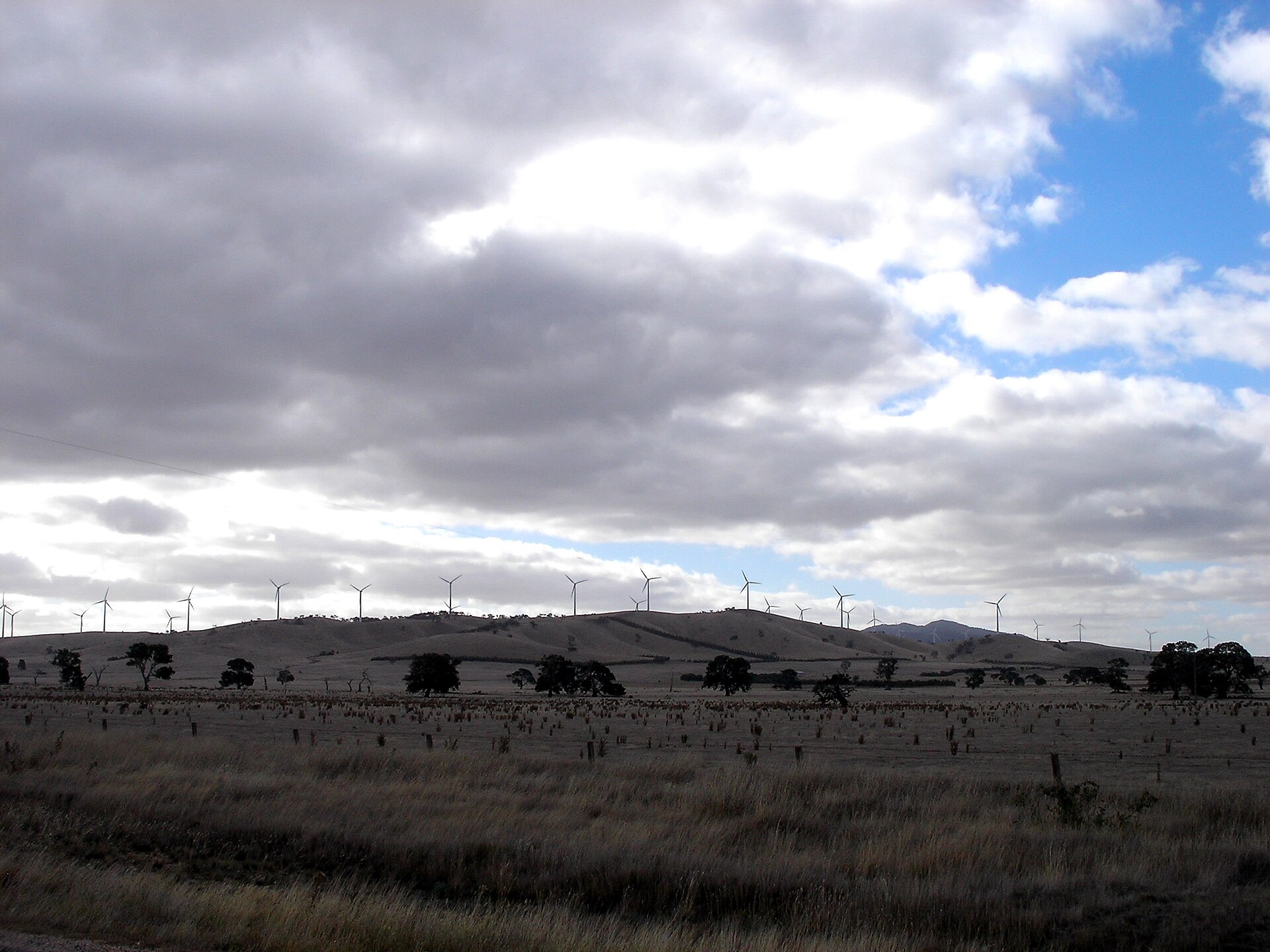
The strongest argument for feasibility is the record. In 2026, solar and wind met 80 per cent of power demand on the national grid for a period; renewables supplied more than 51 per cent of grid energy in a quarter for the first time; and national emissions have been falling as renewable generation and batteries have grown. More than 4.3 million households now have rooftop solar.
The gaps are equally real: investment in large-scale renewable projects fell about 46 per cent on Clean Energy Council figures, and the country is widely judged behind schedule for its 82 per cent renewable target by 2030. Feasibility and delivery are different claims, and the second is the harder one.
Sources: The Guardian, record 80% solar and wind (22 September 2026); ABC News, emissions drop as renewables surge (5 June 2026).
Why buildings are central
Buildings sit at the intersection of both sides of the problem. In operation, they consume electricity that must be decarbonised; in construction, their materials carry embodied carbon emitted before they are ever occupied.
This is why the building standards described elsewhere in this country record matter to net zero: the seven-star minimum for new homes, net-zero requirements for new commercial buildings, and tightening embodied-carbon guidance are the mechanisms through which the built environment contributes to the national target. As operational energy falls, embodied carbon becomes the dominant share of a new building’s lifetime footprint — and therefore the next frontier.
Sources: The Conversation, making every building count in meeting emissions targets; 7-star housing and existing homes; NSW Embodied Emissions Technical Note.
What will decide it
Three things determine whether the net-zero pathway holds. Investment in new generation, storage and transmission, which has been falling even as records are set. Retrofit of the existing building stock, which holds most of the built environment’s emissions. And siting — whether the land and transmission needed for renewables is planned to avoid high-value habitat, so the transition does not trade one environmental problem for another.
Key takeaways
Australia’s net-zero commitment is settled; the pathway is the contested part. The renewables build-out is real and record-breaking, but investment has fallen and the 2030 target is off track. Buildings matter on both sides — operational energy and embodied carbon — which puts building standards, retrofit and renewable siting at the centre of whether the national target is met.
More on Australia
AustraliaAustralia’s top green buildings
AustraliaBiodiversity and the built environment
Primary sources and news citations
- The Guardian, record 80% solar and wind on the national grid (22 September 2026).
- ABC News, emissions drop as renewables and batteries surge (5 June 2026).
- ATSE, Australian Academy of Technological Sciences and Engineering; ABC News, Australia’s emissions drop as renewable energy and batteries surge (5 June 2026).
- The Conversation, buildings and emissions targets; 7-star housing.
Methodology and sourcing. Figures are attributed to the reporting cited; targets are described as targets. This report describes the position as at September 2026.

Latest Episode
S7, E4: Infrastructure vs Nature Is the Wrong Fight: Joel Humphreys