


Bulharsko Biodiverzita: živočišné a rostlinné druhy a co je v ohrožení
Bulharsko je známé pro své bohaté biologická rozmanitost, encompassing three bio-geographic regions: alpine, coastal, and continental. These diverse habitats support a wide array of animal and plant species, making Bulgaria a hotspot for biodiversity. However, this natural heritage is not without its challenges. The unique species and habitats in Bulgaria face various threats that require urgent conservation efforts to ensure their survival.
- Biodiverzitu Bulharska podporují jeho tři biogeografické oblasti: alpská, pobřežní a kontinentální.
- Země se může pochlubit 977 typy stanovišť, z nichž 96 je jedinečných pro Bulharsko.
- The Natura 2000 network covers approximately 34% of Bulgaria’s territory, protecting national parks, nature parks, reserves, and other areas.
- Bulgaria has robust environmental legislation and actively participates in EU funds programming for environmental and rural development.
- However, human activities pose significant threats to Bulgaria’s biodiversity, including mass logging and construction in national parks.
As Bulgaria’s natural landscape faces these challenges, it is essential to prioritize conservation efforts. Initiatives such as the restoration of riparian and wetland habitats and the protection of endangered species like the Danube sturgeons are crucial for preserving the country’s biodiversity. Moreover, collaboration between institutions, environmentalists, and civil society is necessary to ensure the proper attitude towards Bulgaria’s natural heritage and effectively conserve its biodiversity.
Tři biogeografické oblasti Bulharska
The bio-geographic regions of Bulgaria, including alpine, coastal, and continental, contribute to the country’s diverse wildlife. With their unique geographical features and climatic conditions, these regions provide a variety of habitats that support a wide range of plant and animal species.
In the alpine region, which encompasses the Rila and Pirin mountains, visitors can witness the breathtaking beauty of high-altitude meadows, crystal-clear lakes, and ancient forests. This area is home to rare species such as the Balkan chamois and the snow vole, creatures perfectly adapted to the harsh alpine environment.
The coastal region, stretching along the Black Sea coast, offers a different set of habitats. Sandy beaches, lagoons, and wetlands create ideal conditions for various bird species, including the endangered Dalmatian pelican and the great white egret. It’s also a crucial breeding ground for sea turtles, such as the loggerhead and green turtle.
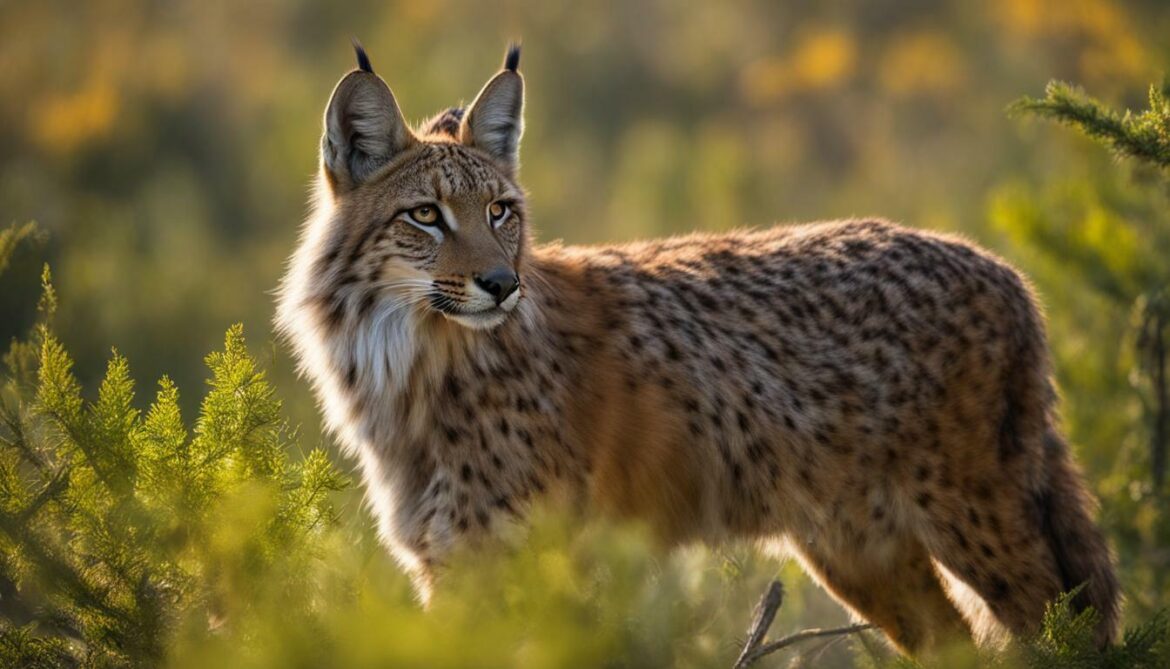
Finally, the continental region, which covers the vast plains and river valleys of Bulgaria, supports a diverse array of flora and fauna. Here, you can find dense forests, fertile farmland, and wetland areas that provide essential habitats for species like the brown bear, European wildcat, and imperial eagle.
Tyto biogeografické regiony nejen předvádějí přírodní krásy Bulharska, ale hrají také zásadní roli při zachování biologické rozmanitosti země. Zachováním a ochranou těchto rozmanitých biotopů můžeme zajistit přežití mnoha rostlinných a živočišných druhů pro další generace.
Jedinečné typy biotopů v Bulharsku
Bulgaria boasts a wide range of habitat types, including 96 that are unique to the country and provide crucial ecosystems for diverse plant and animal species. These unique habitats contribute significantly to the country’s rich biodiversity and are essential for the survival of numerous endemic species.
One such unique habitat is the Strandzha Nature Park, located in the southeastern part of Bulgaria. With its ancient forests, pristine rivers, and coastal wetlands, this park is a biodiversity hotspot and home to several rare and endangered species, including the European ground squirrel and the European tree frog.
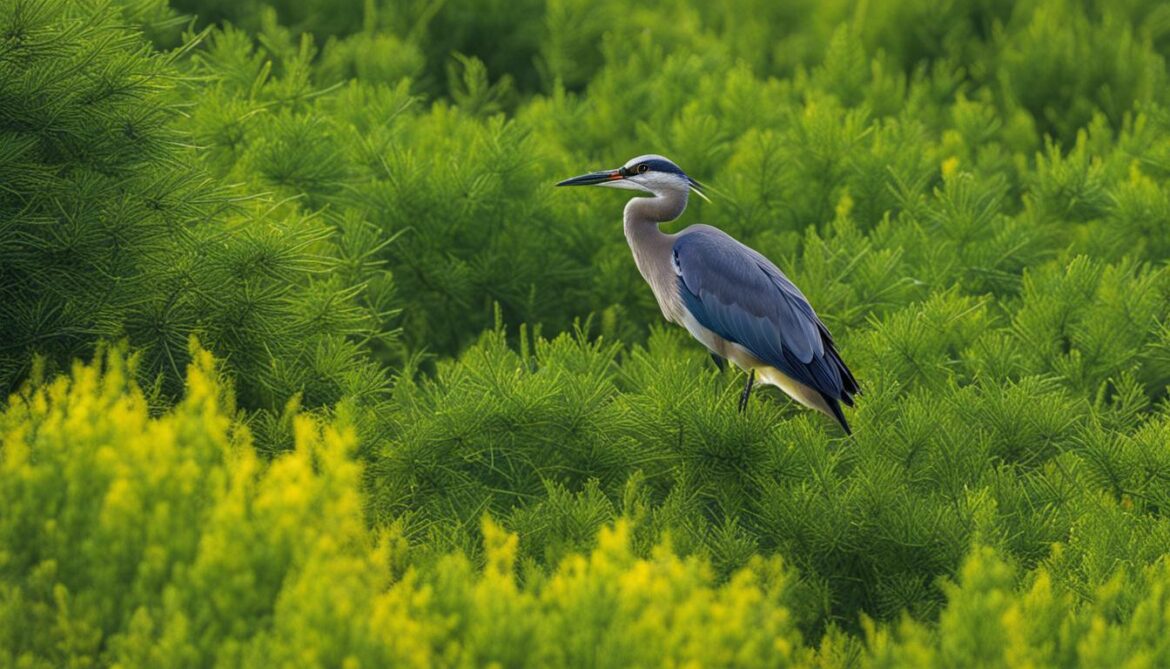
Kromě toho je dalším důležitým biotopem Národní park Rila, který se nachází v centrální části země. Nachází se zde Rilská jezera, řada ledovcových jezer, a nejvyšší vrchol Balkánu, hora Musala. Rozmanitá škála ekosystémů parku podporuje širokou škálu rostlinných a živočišných druhů, jako je kamzík balkánský a rys balkánský. Národní park Rila není jen centrem biodiverzity, ale také vyhlášenou lokalitou... UNESCO Místo světového dědictví.
Přírodní park Belasitsa, který se nachází v jihozápadním Bulharsku, je dalším unikátním biotopem. Zde mohou návštěvníci prozkoumat bujné bukové a jedlové lesy a také malebné pohoří Belasitsa. Park je známý svou bohatou květinovou rozmanitostí, s více než 1,000 rostlinnými druhy, včetně několika vzácných druhů orchidejí. Je také domovem různých druhů ptactva, včetně celosvětově ohroženého orla skvrnitého.
Bulharské přírodní rezervace a hotspoty biologické rozmanitosti:
| Přírodní rezervace | Aktuální poloha | Pozoruhodné druhy |
|---|---|---|
| Národní park Pirin | Jihozápadní Bulharsko | Edelweiss, balkánský kamzík |
| Národní park Střední Balkán | Střední a severní Bulharsko | rys balkánský, medvěd hnědý |
| Přírodní rezervace Dzhendema | Východní pohoří Rodopy | Pěnice orfeská, východní říšský orel |
These unique habitat types and nature reserves in Bulgaria serve as important refuges for endangered species and contribute to the overall conservation of biodiversity in the country. However, it is crucial to ensure their protection and sustainable management to prevent further habitat loss and species decline.
Síť Natura 2000 v Bulharsku
The Natura 2000 network plays a vital role in preserving Bulgaria’s biodiversity, with approximately 34% of the country’s territory falling under its protection. This extensive network encompasses national parks, nature parks, reserves, and protected areas, safeguarding habitats and species that are of great significance for Bulgaria’s natural heritage. It serves as a testament to the country’s commitment to conservation and environmental sustainability.
V rámci sítě Natura 2000 se Bulharsko může pochlubit pozoruhodnou rozmanitostí flóry a fauny. Chráněné oblasti poskytují útočiště pro ohrožené druhy, včetně bulharské vodní žáby a balkánského kamzíka, a zajišťují jejich přežití uprostřed rostoucího tlaku lidské činnosti. Tyto regiony také podporují jedinečné a vzácné typy stanovišť, jako jsou lesy Strandzha a pohoří Rodopy, které jsou domovem řady endemických druhů, které se nikde jinde na světě nenacházejí.
Efforts to preserve Bulgaria’s biodiversity extend beyond the boundaries of the Natura 2000 network. The country has implemented a comprehensive system of environmental legislation, establishing strict regulations to mitigate the negative impacts of human development on the natural landscape. Bulgaria is also actively engaged in EU funds programming for environmental and rural development, seeking to leverage international cooperation and resources to further enhance conservation initiatives.
Ochranářské iniciativy a partnerství
Ochrana biologické rozmanitosti Bulharska vyžaduje mnohostranné přístupy a spolupráci mezi institucemi, ochránci životního prostředí a občanskou společností. Četné organizace, jako je Bulharská nadace pro biologickou rozmanitost a Bulharská společnost pro ochranu ptactva, neúnavně pracují na zvyšování povědomí, provádějí výzkum a realizují projekty ochrany přírody po celé zemi.
Jeden příklad spolupráce zachování v Bulharsku je obnova břehových a mokřadních biotopů. Tyto oblasti jsou klíčové pro přežití mnoha druhů, poskytují hnízdiště, zdroje potravy a úkryt. Obnovou a ochranou těchto stanovišť mají iniciativy za cíl vytvořit zdravější ekosystémy a zajistit dlouhodobou životaschopnost biodiverzita v Bulharsku.
Another notable conservation effort focuses on the protection of Danube sturgeons. These majestic creatures, including species like the Beluga sturgeon and the Sterlet, are threatened by activities such as overfishing and habitat degradation. Collaborative projects, supported by various stakeholders, strive to raise awareness, enforce fishing restrictions, and implement measures to restore their natural habitats along the Danube River.
Preserving Bulgaria’s biodiversity is an ongoing and complex task. It requires continuous monitoring, adaptive management, and innovative solutions to address the ever-evolving challenges. By working together, Bulgaria can ensure the proper attitude towards its natural heritage and secure a sustainable future for its unique wildlife and ecosystems.
Environmentální legislativa a zapojení EU
Bulgaria has implemented a robust framework of environmental legislation and actively participates in EU funds programming to support conservation efforts and biodiversity research. This comprehensive system of laws and regulations ensures the protection of the country’s natural heritage and promotes udržitelný rozvoj.
Under the guidance of the European Union, Bulgaria has established a network of protected areas known as the Natura 2000 network. Covering approximately 34% of the country’s territory, this network includes national parks, nature parks, reserves, and other protected areas. These designated sites play a crucial role in conserving biodiversity and preserving valuable habitats.
Additionally, Bulgaria actively participates in EU funds programming for environmental and rural development. This involvement allows the country to access financial resources that support various conservation initiatives, including research projects, habitat restoration, and the implementation of sustainable practices.
Spojením svých přísných právních předpisů v oblasti životního prostředí s podporou EU se Bulharsko snaží o zachování a udržitelné řízení své biologické rozmanitosti. Cílem tohoto společného úsilí je zajistit dlouhodobé přežití jedinečných živočišných a rostlinných druhů a také ochranu důležitých ekosystémů v celé zemi.
Tabulka: Financování výzkumu biologické rozmanitosti EU v Bulharsku
| Rok výroby | Financování EU (v milionech eur) |
|---|---|
| 2016 | 10.5 |
| 2017 | 12.8 |
| 2018 | 11.2 |
| 2019 | 14.6 |
Výše uvedená tabulka poskytuje přehled přidělených finančních prostředků EU výzkum biologické rozmanitosti v Bulharsku from 2016 to 2019. These investments highlight the importance placed on scientific study and conservation efforts to better understand and protect Bulgaria’s unique ecosystems and species.
Hrozby pro biologickou rozmanitost Bulharska
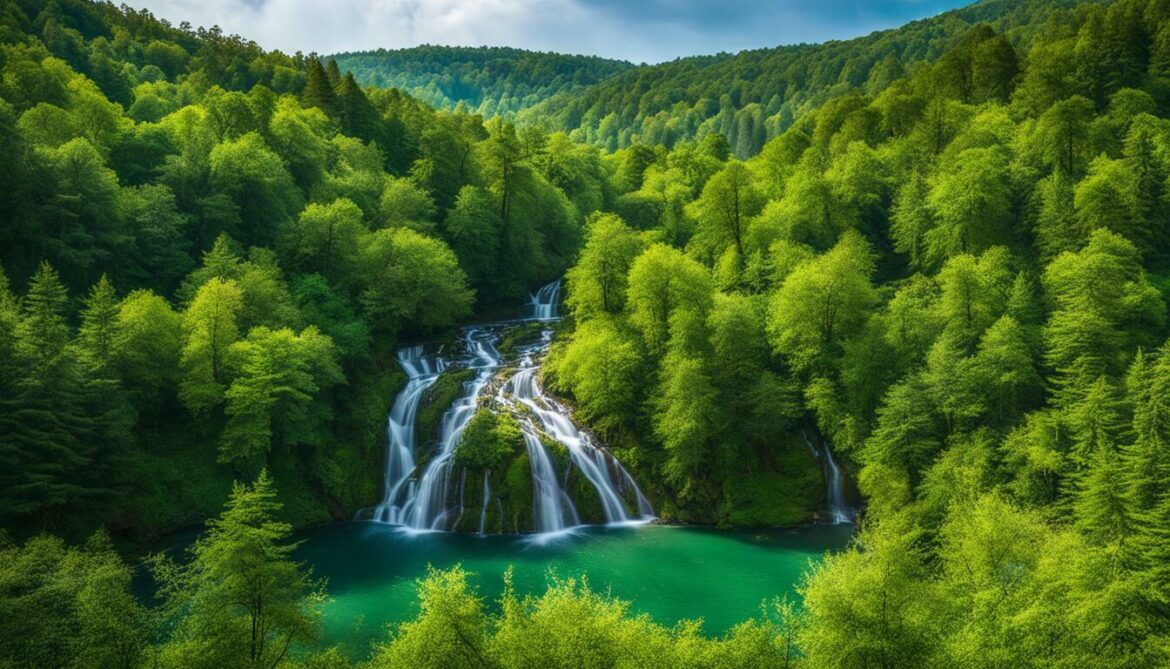
Despite its rich biodiversity, Bulgaria’s natural landscape faces significant threats from human activities, such as mass logging and construction projects that encroach upon protected areas. These activities disrupt delicate ecosystems and endanger numerous plant and animal species that rely on these habitats for survival.
According to a report by the Bulgarian Society for the Protection of Birds, over 100 species in Bulgaria are currently listed as endangered. Among them are the Balkan lynx, imperial eagle, and European ground squirrel. The destruction of their habitats, pollution, and illegal hunting are pushing these species to the brink of extinction.
Furthermore, the rapid urbanization and agricultural expansion in Bulgaria are leading to the loss of crucial natural habitats. Wetlands, forests, and meadows are being cleared for infrastructure development and intensive farming, resulting in the decline of biodiversity and ecological imbalance.
Without immediate action, the consequences of these threats will be irreversible. Efforts must be made to enforce stricter regulations and penalties for illegal activities that harm Bulgaria’s biodiversity. Collaborative initiatives between government agencies, conservation organizations, and local communities are key in raising awareness and implementing effective conservation strategies. Only through collective action can we ensure the preservation of Bulgaria’s unique natural heritage for future generations.
| Ohrožené druhy v Bulharsku | Ochranné akce |
|---|---|
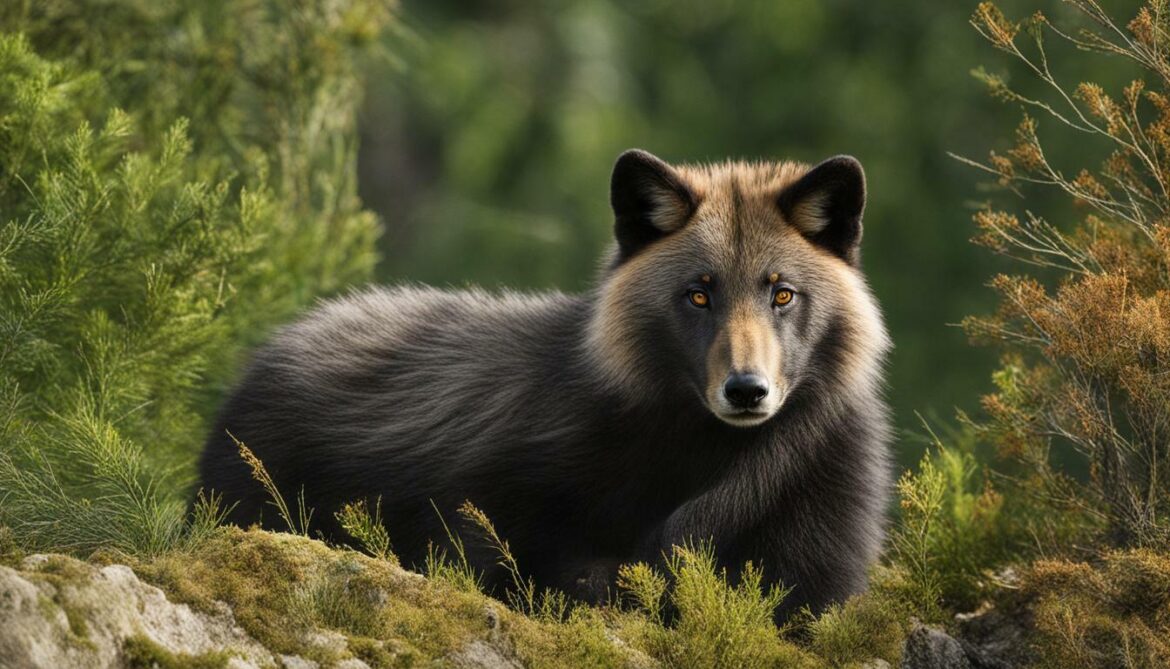
| Lynx balkánský | Zřízení chráněných území a přísná kontrola myslivecké činnosti. |
| Císařský orel | Promotion of land stewardship programs to protect nesting sites and enhance habitat quality. |
| Sysel evropský | Realizace projektů obnovy stanovišť a kampaní na zvyšování povědomí veřejnosti na podporu odpovědného využívání půdy. |
„Zachování biologické rozmanitosti Bulharska není jen otázkou ekologického významu, ale také odpovědností vůči budoucím generacím. Je čas, aby se všichni sešli a podnikli kroky k ochraně našeho jedinečného přírodního dědictví.“ – Dr. Maria Ivanova, Bulharská společnost pro ochranu ptactva
Obnova pobřežních a mokřadních biotopů
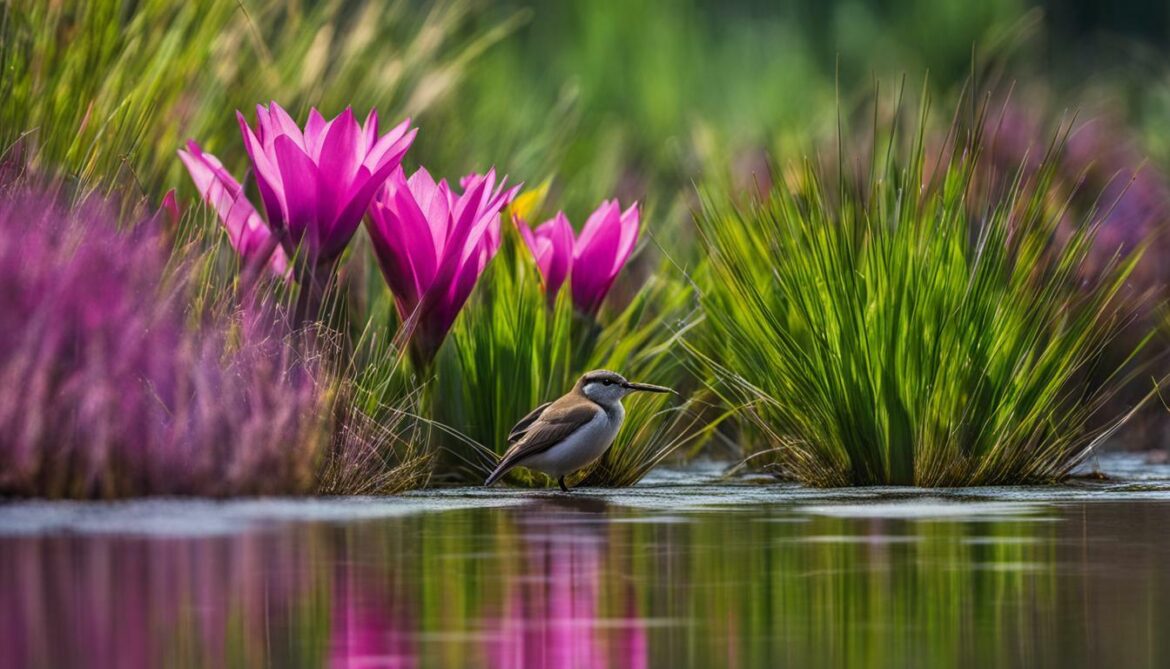
Restoration initiatives in Bulgaria are focused on reviving riparian and wetland habitats, key ecosystems that support a wide range of plant and animal species. These habitats are vital for biodiversity conservation, as they provide breeding grounds, food sources, and shelter for numerous ohrožený druh v Bulharsku.
Jedním z pozoruhodných projektů je revitalizace řeky Kamchia, hlavní vodní cesty, která protéká balkánskými horami a do Černého moře. V průběhu let trpěly říční a mokřadní oblasti znečištěním a degradací stanovišť. Za tímto účelem se ekologické organizace a místní komunity spojily, aby obnovily přirozený tok řeky, odstranily invazní druhy a znovu vysadily původní vegetaci.
“Our goal is to create a healthy and thriving ecosystem that can support the diverse flora and fauna of the Kamchia River,” říká Dr. Elena Petrova, bioložka vedoucí úsilí o obnovu. "Pracujeme na zlepšení kvality vody, zvýšení biologické rozmanitosti a vytvoření udržitelné budoucnosti pro toto důležité stanoviště."
This collaborative approach to habitat restoration is also evident in the restoration of wetlands, such as the Srebarna Nature Reserve. Located near the Danube River, this UNESCO World Heritage Site is home to a variety of rare and endangered species, including the globally threatened Dalmatian pelican. Efforts are underway to restore the wetland’s hydrological balance, control invasive species, and protect the nesting sites of these magnificent birds.
| Restaurátorské iniciativy v Bulharsku | Zaměření oblasti |
|---|---|
| Řeka Kamchia | Oživení břehových a mokřadních stanovišť |
| Přírodní rezervace Srebarna | Obnova mokřadů a ochrana ohrožených druhů |
Ochrana dunajských jeseterů
Mezi jesetery dunajské patří ohrožený druh v Bulharsku věnovat zvláštní pozornost ochraně, protože pokles jejich populace představuje hrozbu pro biologickou rozmanitost země. Tyto nádherné ryby, známé svým prehistorickým vzhledem a cenným kaviárem, čelí ve svém přirozeném prostředí mnoha výzvám.
K úbytku dunajských jeseterů přispěly různé faktory, včetně nadměrného rybolovu, degradace stanovišť a výstavby přehrad podél řeky. V boji proti těmto hrozbám bylo vynaloženo úsilí o zachování jejich budoucnosti a zachování bohaté biologické rozmanitosti Bulharska.
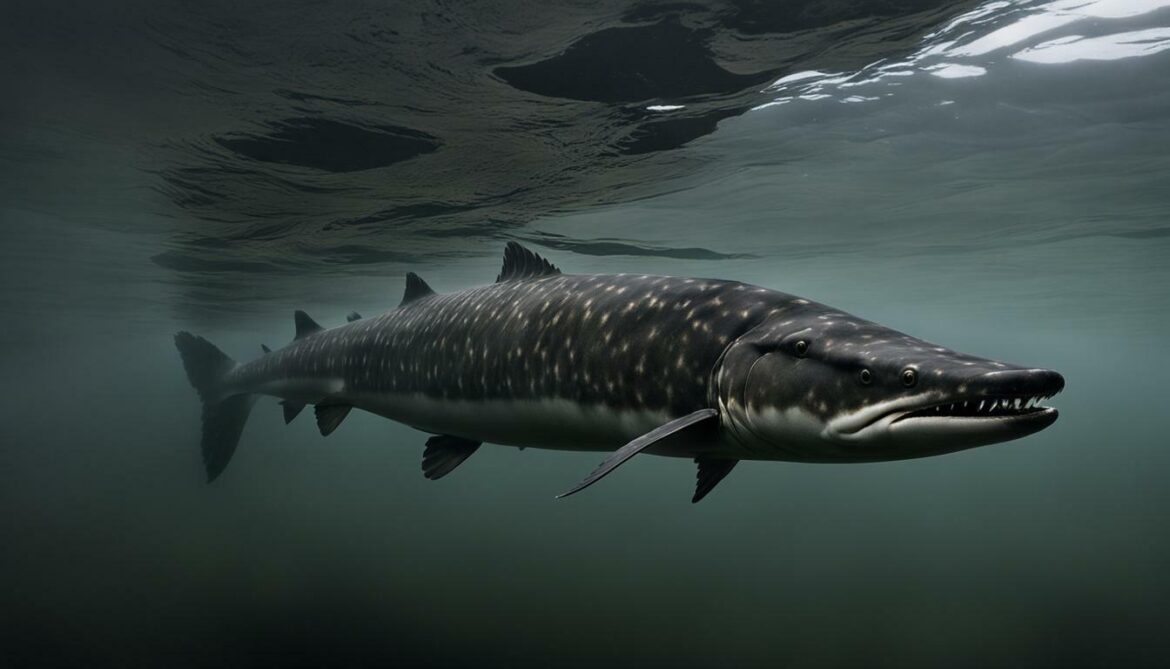
Jednou z takových iniciativ je zřízení chráněných oblastí a rybích rezervací podél řeky Dunaj. Tyto vyhrazené zóny poskytují jeseterům bezpečné útočiště, aby se třeli a rostli, což zajišťuje jejich přežití. Omezením rybolovných činností v těchto oblastech a zavedením přísných předpisů je cílem umožnit populaci jeseterů zotavit se a znovu prosperovat.
The preservation of Danube sturgeons is not only crucial for their own survival but also for the overall health of Bulgaria’s biodiversity. As key indicators of ecosystem health, these majestic creatures play a vital role in maintaining the balance of the aquatic environment.
| Ohrožení dunajských jeseterů | Úsilí o ochranu |
|---|---|
| Nadměrný rybolov | Zřizování chráněných území a rybích rezervací |
| Degradace biotopu | Přísné předpisy a sledování rybářské činnosti |
| Stavba přehrad | Spolupráce s místními komunitami a ekologickými organizacemi |
Prostřednictvím spolupráce mezi ochranářskými organizacemi, místními komunitami a vládními agenturami se Bulharsko snaží zajistit dlouhodobé přežití jeseterů dunajských. Ochranou těchto pozoruhodných druhů nejen chráníme biologickou rozmanitost Bulharska, ale také uchováváme jedinečný kus přírodního dědictví, který si mohou vážit a vážit budoucí generace.
Společné úsilí o ochranu
Ochrana a zachování biologické rozmanitosti Bulharska vyžaduje přístup založený na spolupráci institucí, ochránců životního prostředí a občanské společnosti, aby bylo zachováno jedinečné přírodní dědictví země. S přibližně 34 % území, které pokrývá síť Natura 2000 a komplexní systém environmentální legislativy, Bulharsko učinilo významný pokrok v úsilí o ochranu. Výzvy, kterým ochrana biologické rozmanitosti čelí, však vyžadují spolupráci všech zúčastněných stran.
Jeden příklad spolupráce zachování v Bulharsku je obnova břehových a mokřadních biotopů. Tyto ekosystémy jsou životně důležité pro přežití mnoha druhů a hrají klíčovou roli při zachování biologické rozmanitosti. Prostřednictvím partnerství mezi vládními orgány, neziskovými organizacemi a místními komunitami probíhají iniciativy na obnovu těchto biotopů, které zajišťují dlouhodobou životaschopnost rostlinných a živočišných druhů.
Another important conservation focus is the protection of Danube sturgeons, an endangered species. These majestic fish are essential for the ecological balance of Bulgaria’s waterways and represent an integral part of the country’s biodiversity. Various organizations and research institutions are working together to implement measures to safeguard the sturgeon population and their habitats, including the enforcement of strict fishing regulations and the creation of protected areas.
Kolaborativní přístupy k ochraně
“Conservation is not a solitary effort. It requires a collective commitment to safeguarding Bulgaria’s natural heritage for future generations. By bringing together experts, policymakers, and local communities, we can achieve effective and sustainable conservation practices.”
Collaborative approaches to conservation extend beyond specific projects and initiatives. They encompass public awareness campaigns, education programs, and advocacy efforts to engage the wider community in biodiversity preservation. By fostering a sense of responsibility and appreciation for the natural environment, these collaborative efforts aim to create a lasting impact on Bulgaria’s conservation landscape.
| Společné úsilí o ochranu | Klíčové úspěchy |
|---|---|
| Partnerství mezi vládními orgány, neziskovými organizacemi a místními komunitami | Obnova břehových a mokřadních biotopů |
| Spolupráce mezi různými organizacemi a výzkumnými institucemi | Ochrana dunajských jeseterů a jejich biotopů |
| Veřejné informační kampaně, vzdělávací programy a úsilí advokacie | Zapojení širší komunity do ochrany biologické rozmanitosti |
Prostřednictvím společného úsilí o ochranu Bulharsko podniká významné kroky k zachování své bohaté biologické rozmanitosti. Uvědoměním si důležitosti kolektivní akce a podporou partnerství může země zajistit pokračující existenci svých jedinečných živočišných a rostlinných druhů a chránit své přírodní dědictví pro budoucí generace.
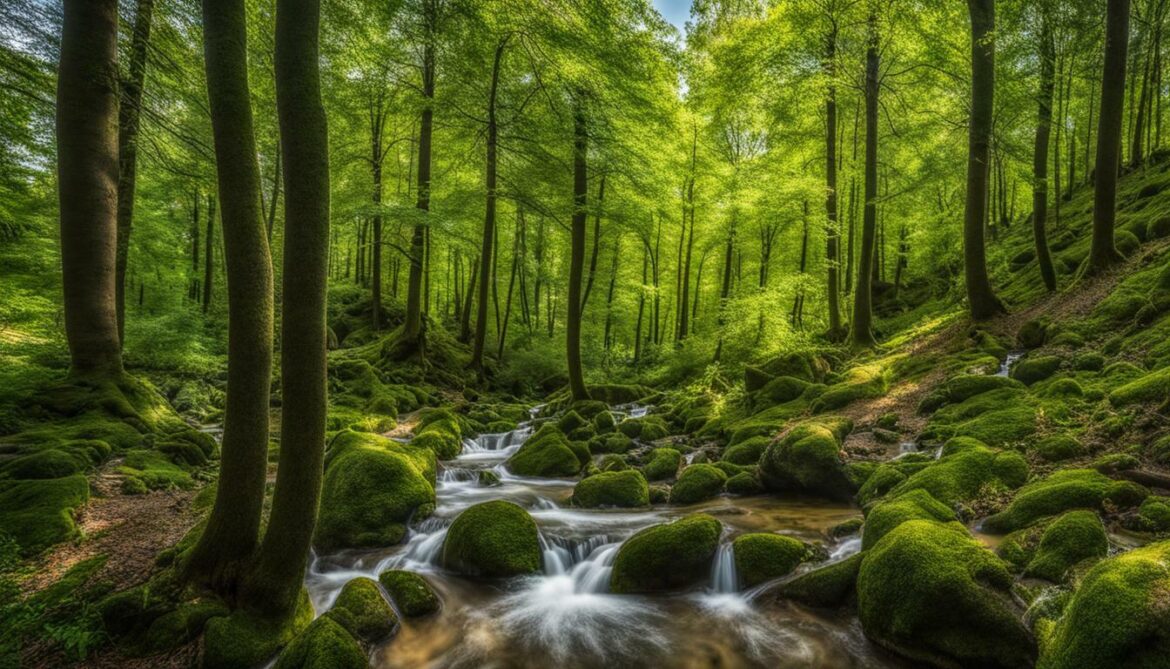
Bulgaria’s rich biodiversity, encompassing unique animal and plant species, is under threat from various human activities, making conservation efforts crucial for the survival of endangered species and the overall well-being of the country’s wildlife. With three bio-geographic regions – alpine, coastal, and continental – Bulgaria boasts an exceptional natural landscape that supports a diverse range of species.
Země je domovem 977 typů stanovišť, z nichž 96 je jedinečných pro Bulharsko, což zdůrazňuje význam zachování těchto ekosystémů pro biologickou rozmanitost. Přibližně 34 % území Bulharska je pokryto sítí Natura 2000, která zahrnuje národní parky, přírodní parky, rezervace a chráněná území. Toto rozsáhlé pokrytí odráží závazek země chránit své přírodní dědictví.
Bulharsko má zaveden komplexní systém environmentální legislativy a aktivně se podílí na programování fondů EU pro rozvoj životního prostředí a venkova. Navzdory těmto snahám však biologická rozmanitost země čelí významným hrozbám způsobeným lidskou činností. Masová těžba dřeva a výstavba v národních parcích představují zvláštní výzvu, protože ohrožují četné druhy a jejich stanoviště.
Bulharsko přesto podniká kroky k ochraně a obnově svých přírodních stanovišť. Probíhají snahy o obnovu pobřežních a mokřadních stanovišť, která hrají zásadní roli při podpoře biologické rozmanitosti a slouží jako životně důležitá stanoviště pro mnoho druhů. Kromě toho, ochrana dunajských jeseterů, an ohrožený druh v Bulharsku, je prioritou, protože jejich zachování je zásadní pro zachování biologické rozmanitosti.
Zachování biologické rozmanitosti Bulharska vyžaduje spolupráci mezi institucemi, ochránci životního prostředí a občanskou společností. Společnou prací mohou zúčastněné strany zajistit správný přístup k přírodnímu dědictví země a přispět k účinnému úsilí o ochranu. Prostřednictvím těchto společných akcí může Bulharsko ochránit svou jedinečnou biologickou rozmanitost, aby ji budoucí generace mohly těšit a oceňovat.
Nejčastější dotazy
Jaká je biologická rozmanitost v Bulharsku?
Bulharsko je známé svou bohatou biologickou rozmanitostí, která zahrnuje tři biogeografické oblasti: alpské, pobřežní a kontinentální. Země má 977 typů stanovišť, z nichž 96 je jedinečných pro Bulharsko.
Co je síť Natura 2000 v Bulharsku?
Síť Natura 2000 v Bulharsku pokrývá přibližně 34 % území země a zahrnuje národní parky, přírodní parky, rezervace a chráněná území. Hraje klíčovou roli při zachování biologické rozmanitosti.
Jaký je současný stav biologické rozmanitosti Bulharska?
Bulharská přírodní krajina je ohrožena lidskou činností, včetně hromadné těžby dřeva a výstavby v národních parcích. Vyvíjí se úsilí k řešení těchto hrozeb a zachování biologické rozmanitosti.
Jaké snahy o ochranu vyvíjejí v Bulharsku?
Bulharsko má komplexní systém environmentální legislativy a aktivně se podílí na programování fondů EU pro rozvoj životního prostředí a venkova. Obnova pobřežních a mokřadních stanovišť a ochrana ohrožených druhů, jako jsou jesetery dunajské, patří k ochranářským snahám.
Jaká je role spolupráce při ochraně biologické rozmanitosti v Bulharsku?
Spolupráce mezi institucemi, ochránci životního prostředí a občanskou společností je nezbytná pro zajištění správného přístupu k přírodnímu dědictví Bulharska a účinného zachování jeho biologické rozmanitosti.