

Eritrea Green Building History
Eritrea has a rich history of green building practices, encompassing both modernist influences and traditional architectural techniques. Throughout its colonial past and into the present, the country has been committed to sustainable construction and eco-friendly design.
Nøgle Informationer:
- Eritrea’s green building history is influenced by its colonial past and traditional architecture.
- During the Italian colonial period, Asmara saw the construction of modernist buildings, some of which are recognised as kulturelt betydningsfuld af UNESCO.
- Mud bricks, stone, and wood have been traditionally used in Eritrea’s sustainable construction practices.
- The government has implemented regulations to protect the environment, including the prohibition of plastic bags and sustainable management of water resources.
- Eritrea promotes community-led conservation efforts and tree planting initiatives to address deforestation and promote a healthier environment.

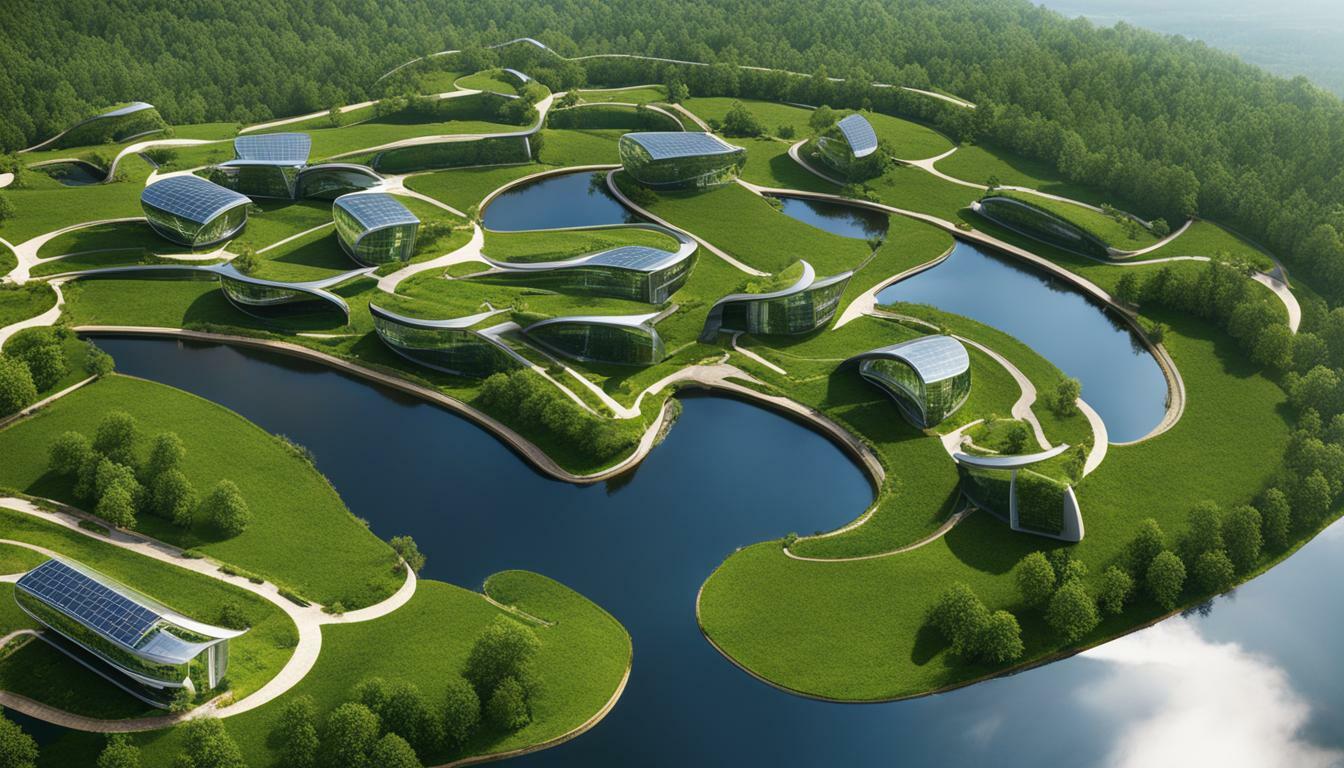
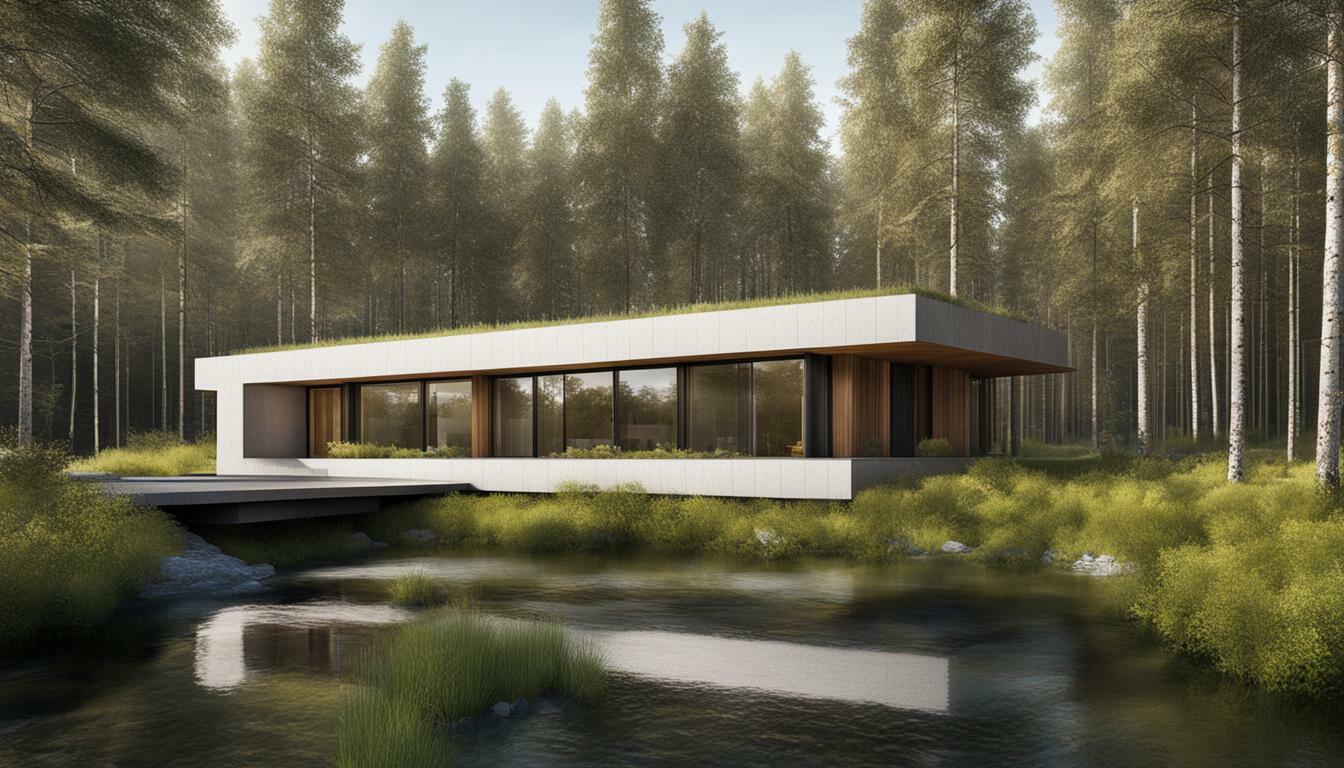
Eritrea Green Building History, AI representation
Kolonitiden og modernistiske bygninger
During the Italian colonial period, Eritrea witnessed the construction of numerous modernist buildings in Asmara, the capital city. These architectural marvels still stand today, serving as a testament to Eritrea’s rich heritage and commitment to sustainable construction. Notably, the Fiat Tagliero petrol station and the Town Hall are recognized by UNESCO as culturally significant landmarks.
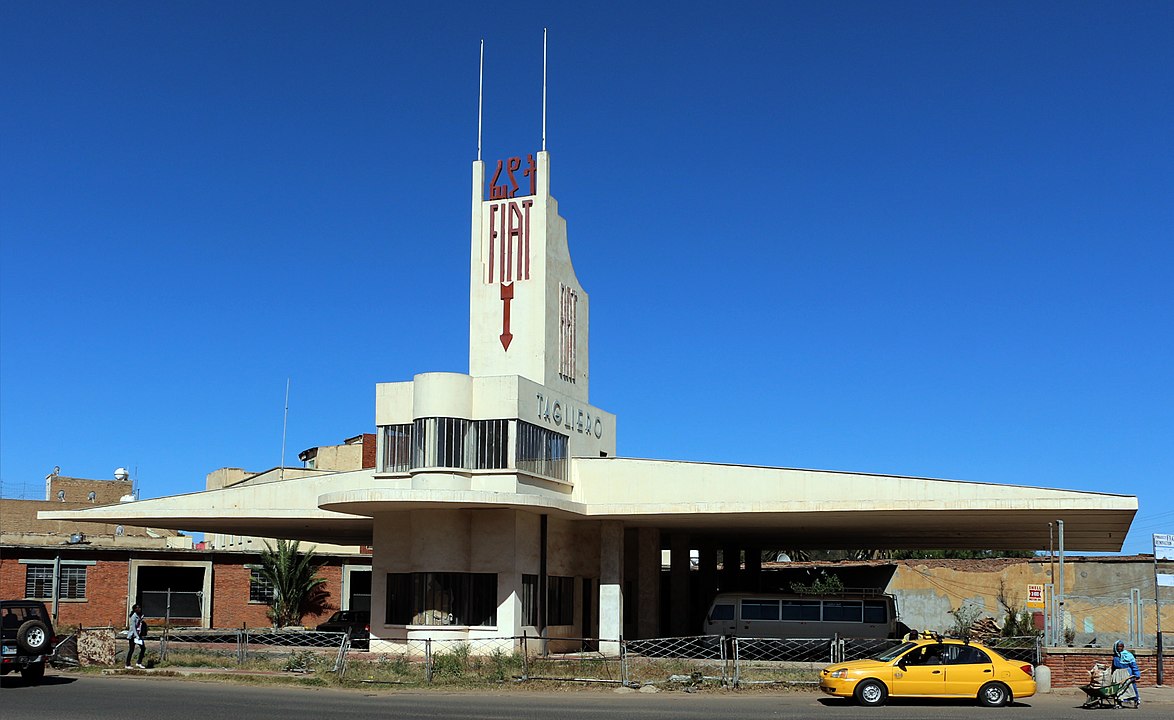
Af jeg, Sailko, CC BY-SA 3.0, Link
Fiat Tagliero tankstationen, designet af italiensk arkitekt Giuseppe Pettazzi, is a striking example of Eritrea’s eco-friendly architecture. Its futuristic design and use of sustainable materials made it a pioneering structure of its time. The station’s cantilevered roof, shaped like an airplane wing, showcases the ingenuity and creativity of Eritrea’s architects.
Rådhuset, en anden ikonisk modernistisk bygning, inkorporerer elementer af både italiensk rationalisme og lokale arkitektoniske traditioner. Dens symmetriske facade og elegante søjlegange skaber en harmonisk blanding af koloniale påvirkninger og eritreansk håndværk. Bygningens brug af naturligt lys og ventilation understreger yderligere dets miljøvenlige design.
| Nøgletræk ved kolonitiden og modernistiske bygninger | Arkitektoniske højdepunkter |
|---|---|
| Bæredygtige byggematerialer | Muddersten, sten og træ |
| Innovative design | Udkragede tage, fly-inspirerede strukturer |
| Blanding af koloniale og lokale påvirkninger | Italiensk rationalisme og eritreansk håndværk |
| Miljøvenlige funktioner | Natural light, ventilation, and energy efficiency |
Eritrea’s colonial era and modernist buildings serve as sources of inspiration for contemporary architects and designers. They demonstrate the country’s commitment to sustainable construction practices and emphasise the importance of preserving Eritrea’s arkitektonisk arv for fremtidige generationer.
Traditionel arkitektur og bæredygtige byggematerialer
Eritrea’s architectural heritage includes the use of sustainable building materials such as mud bricks, stone, and wood, which have been incorporated into modern designs. Throughout its history, Eritrea has relied on these locally sourced materials to construct not only basic residential houses but also significant cultural and religious structures like temples. The integration of traditional architectural features into modern buildings not only pays tribute to the country’s rich heritage but also promotes bæredygtigt design principper.
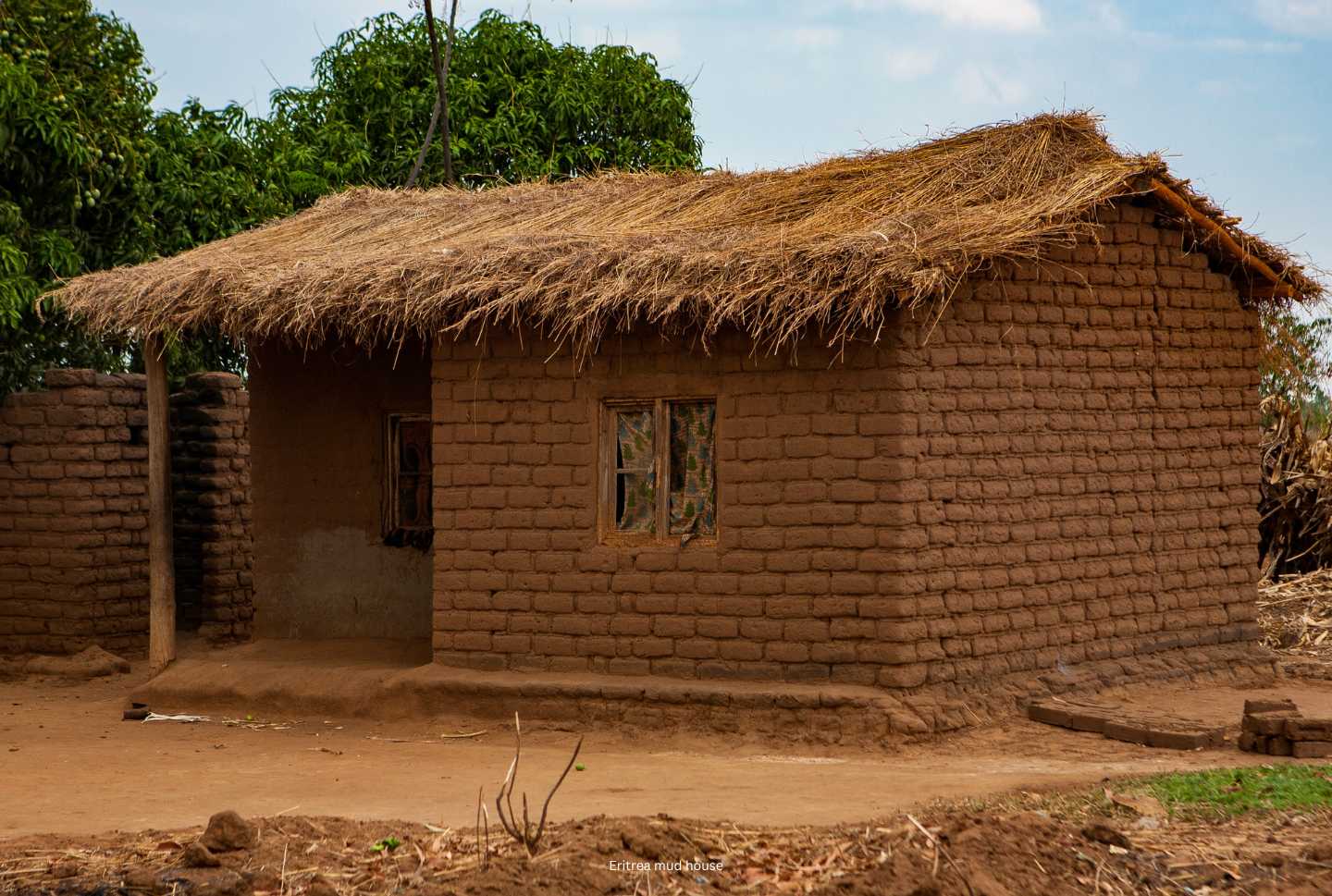 Traditionelle eritreiske huse, kendt som zemene mesker, er konstrueret ved hjælp af muddersten, et materiale, der har vist sig at være holdbart og miljøvenligt. Disse mursten er lavet ved at blande ler, sand og vand og efterlades til tørre i solen. Resultatet er et robust og energieffektivt byggemateriale, der giver naturlig isolering, der holder interiøret køligt under varme somre og varmt under kolde vintre.
Eritrea’s use of stone in construction is also prevalent, particularly in areas with an abundance of natural resources. Stone buildings not only offer aesthetic appeal but also provide excellent thermal mass, further enhancing energy efficiency. The use of locally sourced wood, such as acacia, is another sustainable practice seen in Eritrean architecture. Wood is typically used for structural elements and interior finishes, adding warmth and character to the buildings.
"Integrationen af traditionelle arkitektoniske træk i moderne bygninger hylder ikke kun landets rige arv, men fremmer også bæredygtige designprincipper."
This seamless blend of traditional and modern architectural practices in Eritrea not only showcases the country’s unique identity but also demonstrates its commitment to eco-friendly design. By incorporating sustainable building materials into contemporary structures, Eritrea contributes to the preservation of its architectural heritage while also reducing the environmental impact of construction.
Eritreas arkitektoniske arv inden for bæredygtige byggematerialer:
| Materiale | Fordele |
|---|---|
| Muddersten | Lokalt fremskaffet, energieffektiv og giver naturlig isolering. |
| Sten | Tilbyder termisk masse og tilføjer æstetisk appel. |
| Træ | Lokalt fremskaffet, tilføjer varme og karakter til bygninger. |

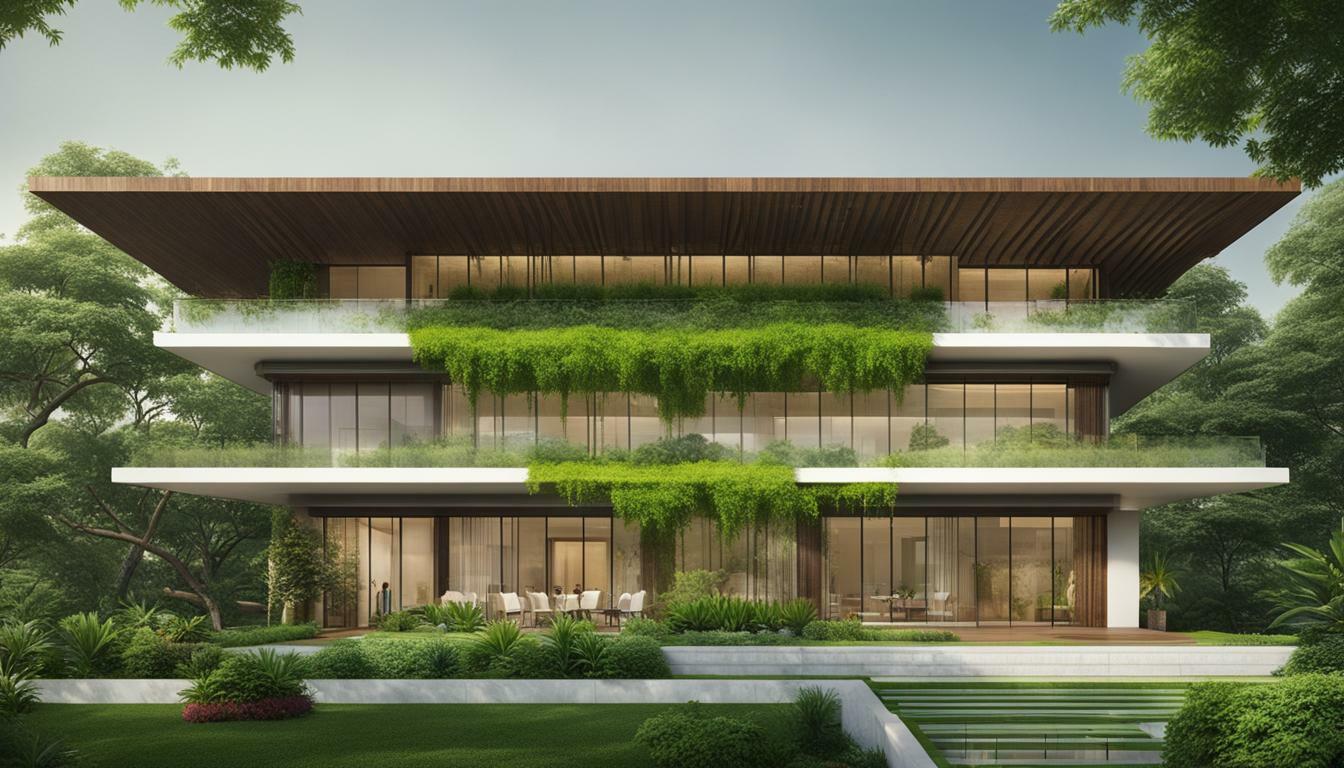
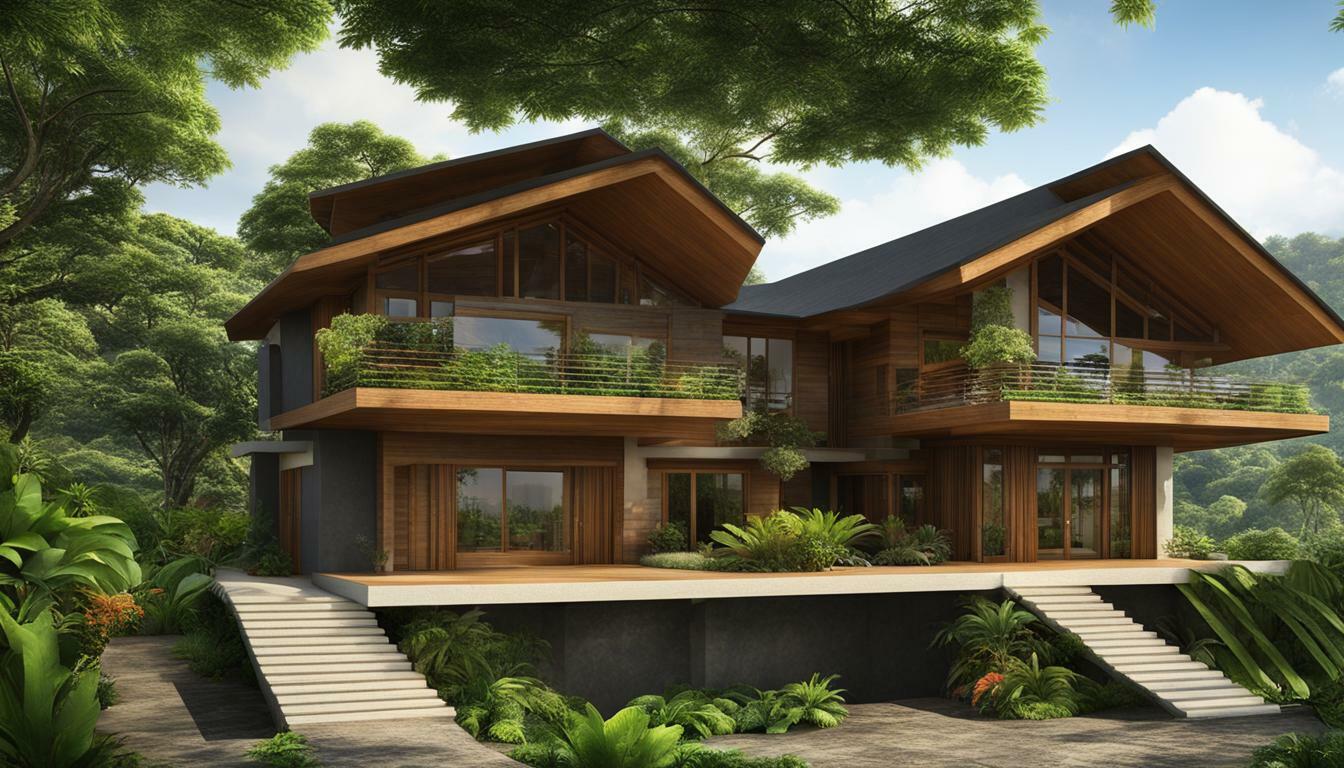
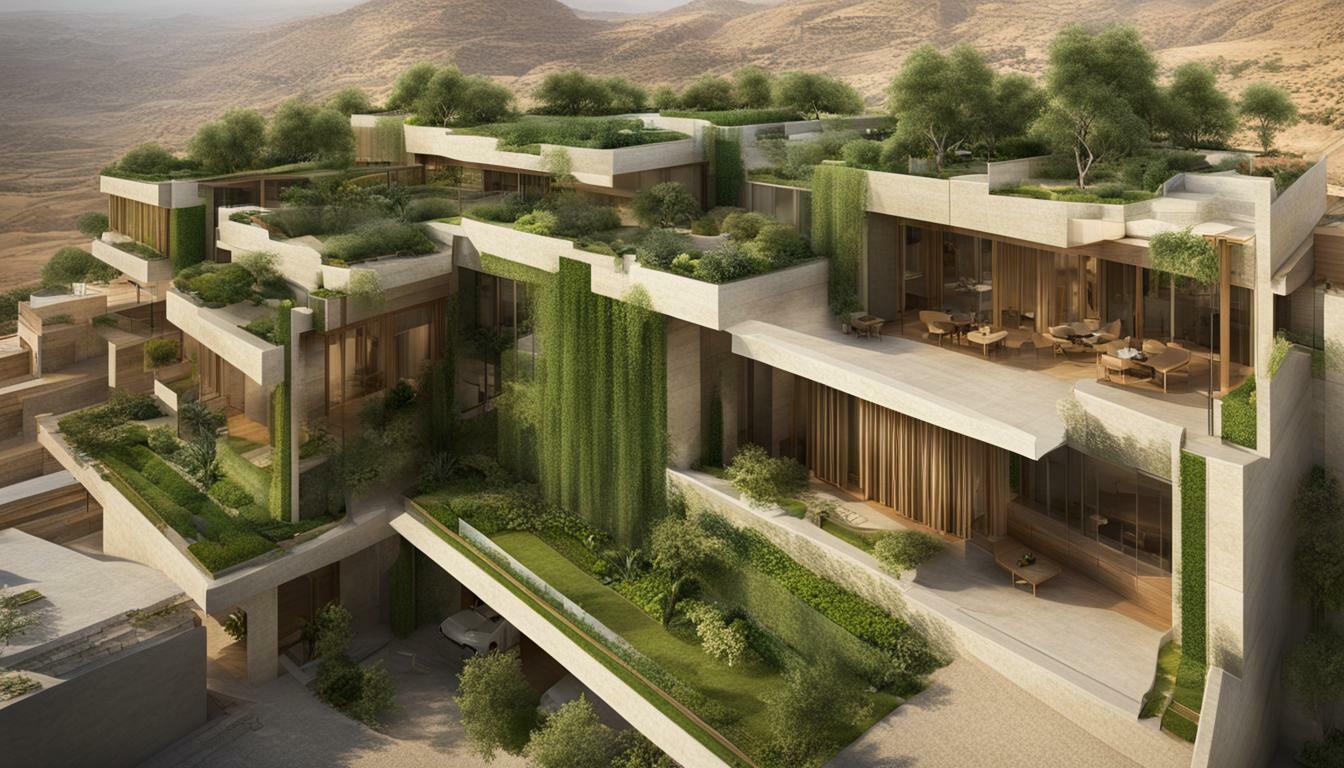
Eritrea Green Building History AI-repræsentation
Eritrea’s sustainable architecture is not just about preserving the past but also about building a sustainable future. By using materials that are readily available and reducing the reliance on resource-intensive construction methods, Eritrea sets an example for other nations striving to achieve sustainable development and eco-friendly design.
Miljøbestemmelser og beskyttelse
Eritrea has implemented various regulations and measures to ensure environmental protection and sustainable development. The government recognises the importance of preserving its natural resources and biodiversitet for nuværende og fremtidige generationers velfærd.
Et af de vigtigste fokusområder har været reguleringen af plastikposer. Eritrea har taget en proaktiv tilgang ved at forbyde produktion og distribution af plastikposer. Denne foranstaltning har til formål at reducere plastaffald og dets skadelige indvirkning på miljøet, herunder forurening af jord og vandkilder. Ved at begrænse brugen af plastikposer fremmer Eritrea miljøvenlige alternativer og tilskynder til et skift mod mere bæredygtig praksis.
Eritrea has also prioritised the regulation of pesticides to protect both human health and the environment. The government has established strict guidelines for the importation and use of pesticides to ensure their safe and responsible application. This measure helps to minimise the negative effects of chemical pesticides on ecosystems and promotes the use of environmentally friendly alternatives.
Additionally, Eritrea has established comprehensive water resource management strategies. The government has implemented measures to ensure the sustainable use of water, including the development of irrigation systems, the construction of water reservoirs, and the promotion of water conservation practices. These initiatives aim to address water scarcity and promote the efficient use of this vital resource.
Miljøledelse og rehabilitering
Recognising the importance of environmental management and rehabilitation, Eritrea has put in place a framework to protect its biodiversity and promote sustainable development. The government has established institutions and programmes dedicated to addressing environmental issues, such as land degradation, deforestation, and wildlife conservation.
Through community involvement and education, Eritrea encourages local communities to actively participate in conservation efforts. This includes initiatives focused on soil and water conservation, as well as tree planting projects. By involving communities, Eritrea aims to foster a sense of ownership and responsibility towards the environment, ensuring the long-term success of these conservation efforts.
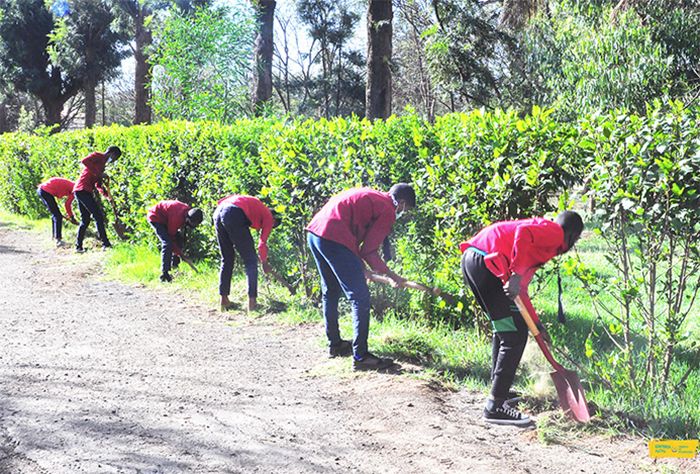
Eritreanere har en dyb følelse af offentlig deltagelse. Foto venligst udlånt af Eritreas informationsministerium
Samlet set er Eritreas forpligtelse til miljøbeskyttelse og bæredygtig udvikling tydeligt gennem dets regler, ressourceforvaltningsstrategier og samfundsledede bevaringsinitiativer. Ved at tage en proaktiv tilgang arbejder Eritrea mod en grønnere fremtid, hvor landets naturressourcer bevares og dets biodiversitet beskyttes.

| Environmental Regulations and Measures | Impact |
|---|---|
| Forbud mod produktion og distribution af plastikposer | Reducerer plastikaffald og forurening af jord og vandkilder |
| Regulering af pesticider | Sikrer sikker og ansvarlig brug, minimerer negative effekter på økosystemer |
| Vandressourceforvaltning | Fremmer bæredygtig brug af vand og afhjælper vandmangel |
Eritreas forpligtelse til miljøbeskyttelse og bæredygtig udvikling er tydelig i dets proaktive tilgang til regulering og ressourceforvaltning.
Eritrea Green Building History
Eritrea actively promotes community-led conservation efforts and tree planting initiatives to combat deforestation and foster a sustainable environment. Recognising the importance of preserving its natural resources, the country has implemented various initiatives to protect its rich biodiversity and promote sustainable development.
One of the key initiatives is community-led soil and water conservation. Eritrea encourages local communities to actively participate in the conservation and restoration of soil and water resources. These efforts involve the construction of terraces, check dams, and other structures to prevent erosion and improve water infiltration. By involving the community, Eritrea ensures the long-term success and sustainability of these conservation projects.
In addition to soil and water conservation, Eritrea emphasises tree planting initiatives. The country recognises the role of trees in combating deforestation, promoting carbon sequestration, and enhancing ecosystem health. Through community involvement, Eritrea encourages the planting of trees in both rural and urban areas, contributing to the restoration of forests and the creation of green spaces.

Furthermore, Eritrea has implemented sustainable construction techniques and practices to support its commitment to green building. The use of eco-friendly materials, energy-efficient design, and waste reduction strategies are integral to Eritrea’s approach to sustainable construction. By incorporating green infrastructure and sustainable architecture, Eritrea not only reduces its environmental footprint but also creates healthier and more livable spaces for its citizens.
Resumé
Eritrea’s green building history showcases a harmonious blend of modernist influences, traditional architectural practices, and a strong commitment to environmental sustainability. From the preservation of historic modernist buildings to the use of sustainable building materials, Eritrea has made significant strides in promoting eco-friendly construction and community-led conservation efforts. Through its initiatives, Eritrea aims to protect its natural resources, combat deforestation, and create a sustainable future for generations to come.
Konklusion
Eritreas grønne bygningshistorie viser en blanding af modernistiske påvirkninger, traditionel arkitektonisk praksis og et stærkt engagement i miljømæssig bæredygtighed. Landets arkitektoniske arv er tydelig i de modernistiske bygninger i Asmara, såsom den ikoniske Fiat Tagliero tankstation og rådhus, som er blevet anerkendt som kulturelt betydningsfulde af UNESCO.
Gennem hele sin historie har Eritrea omfavnet bæredygtige byggematerialer, hvor muddersten, sten og træ er almindeligt anvendt i opførelsen af beboelseshuse og vigtige strukturer som templer. Selv i moderne bygninger er traditionelle arkitektoniske træk indarbejdet, hvilket bevarer landets rige arv.
Eritrea har også taget betydelige skridt hen imod miljøbeskyttelse, implementeret regler for at begrænse brugen af plastikposer og pesticider, samt sikre bæredygtig forvaltning af vandressourcer. Landet har etableret en robust ramme for miljøforvaltning og -rehabilitering, hvilket viser sit engagement i at beskytte biodiversiteten og fremme bæredygtig udvikling.
For at imødegå udfordringen med skovrydning har Eritrea aktivt opmuntret samfundsledede jord- og vandbevarende indsatser sammen med træplantningsinitiativer. Disse initiativer er afgørende for at skabe et sundere og mere bæredygtigt miljø for nuværende og fremtidige generationer.
Sammenfattende er Eritreas grønne bygningshistorie et vidnesbyrd om dets evne til at kombinere modernistiske påvirkninger, traditionel arkitektonisk praksis og et stærkt engagement i miljømæssig bæredygtighed. Med sit fokus på at bevare kulturarven og beskytte miljøet tjener Eritrea som inspiration for bæredygtig udvikling inden for arkitektur og byggeri.
Ofte stillede spørgsmål
Hvad er historien om grøn byggepraksis i Eritrea?
Eritrea har en rig historie med grønne byggepraksisser, påvirket af sin koloniale fortid og traditionelle arkitektur. Landets arkitektoniske arv omfatter modernistiske bygninger fra den italienske kolonitid og brugen af bæredygtige byggematerialer i traditionelt byggeri.
Hvad er nogle bemærkelsesværdige modernistiske bygninger i Eritrea?
Nogle bemærkelsesværdige modernistiske bygninger i Eritrea omfatter Fiat Tagliero-benzinstationen og rådhuset i Asmara. Disse bygninger, som kan dateres tilbage til midten af det 20. århundrede, er anerkendt som kulturelt vigtige af UNESCO.
Hvilke bæredygtige byggematerialer er blevet brugt i Eritrea?
Eritrea har traditionelt brugt muddersten, sten og træ som primære materialer til at bygge beboelseshuse og vigtige strukturer som templer. Disse bæredygtige byggematerialer er stadig indarbejdet i moderne bygninger og bevarer landets arkitektoniske arv.
Hvilke miljøbestemmelser og -beskyttelser er på plads i Eritrea?
Den eritreanske regering har implementeret regler for at forbyde produktion og distribution af plastikposer, regulere import og brug af pesticider og sikre en bæredygtig forvaltning af vandressourcer. Landet har også etableret en ramme for miljøforvaltning og -rehabilitering for at beskytte biodiversiteten og fremme bæredygtig udvikling.
Hvilken bevaringsindsats bliver der gjort i Eritrea?
Eritrea fremmer samfundsledede jord- og vandbevarende indsatser for at imødegå skovrydning og tilskynde til træplantningsinitiativer. Disse initiativer har til formål at skabe et sundere miljø for både nuværende og fremtidige generationer i Eritrea.
Hovedfunktionsbillede til venstre
Af jeg, Sailko, CC BY-SA 3.0, Link