


Bienvenido a los mejores edificios ecológicos de Georgia
At Principales edificios ecológicos de Georgia, presentamos con orgullo los mejores ejemplos de arquitectura sostenible y construcción ecologica in the state. Our mission is to showcase the innovative and environmentally conscious buildings that are shaping Georgia’s future.
- Georgia is ranked 6th in the US Green Building Council’s ranking of states leading the way in green building.
- LEED-certified buildings in Georgia contribute to reduced energy usage and a lower environmental impact.
- La Georgia World Congress Center es un ejemplo notable de arquitectura sostenible en el estado.
- La certificación LEED juega un papel crucial en la promoción construcción ecologica prácticas y desarrollo sostenible en Georgia.
- California ocupa el primer puesto en el ranking de estados con mayor número de profesionales LEED.
La importancia de la certificación LEED en Georgia
Los edificios con certificación LEED desempeñan un papel fundamental en el compromiso de Georgia con practicas de construccion verde y desarrollo sostenible. Como sexto estado líder en construcción sustentable según la clasificación del Green Building Council de EE. UU., Georgia ha demostrado su dedicación a la creación de estructuras amigables con el medio ambiente. Con 66 proyectos certificados en 2022, incluidos edificios destacados como el Georgia World Congress Center, the state has embraced the principles of LEED (Leadership in Energy and Environmental Design) to reduce energy usage and minimize the environmental impact of its buildings.
La certificación LEED proporciona un estándar reconocido para desarrollo sostenible, ensuring that buildings are designed, constructed, and operated in an eco-friendly manner. By adhering to the guidelines set forth by LEED, Georgia aims to create healthier indoor environments, conserve natural resources, and promote energy efficiency. These buildings incorporate various practicas de construccion verde, such as the use of renewable materials, efficient heating and cooling systems, and advanced water conservation techniques.
Los edificios con certificación LEED no sólo benefician al medio ambiente sino que también ofrecen ventajas a sus ocupantes. La mejora de la calidad del aire interior, el acceso a la luz natural y el mayor confort térmico contribuyen al bienestar y la productividad de quienes trabajan o viven en estos edificios. Además, la certificación LEED aumenta el valor de mercado de las propiedades, atrae a inquilinos conscientes del medio ambiente y posiciona a Georgia como líder en desarrollo sostenible.
Al priorizar la certificación LEED, Georgia está impulsando la adopción de construcción sostenible practices and inspiring other states to follow suit. As buildings account for a significant portion of greenhouse gas emissions, the commitment to green building is crucial in mitigating the adverse effects of climate change. Through LEED certification, Georgia is paving the way for a more sustainable future, where buildings are designed to harmoniously coexist with the environment.

| Clasificación | Estado | Pies cuadrados brutos per cápita con certificación LEED |
|---|---|---|
| 1 | Washington DC | 107.4 |
| 2 | Massachusetts | 5.61 |
| 3 | Illinois | 3.23 |
| 4 | Colorado | 2.92 |
| 5 | Hawaii | 2.74 |
| 6 | Georgia | 2.61 |
| 7 | Oregon | 2.48 |
| 8 | Minnesota | 2.47 |
| 9 | California | 2.46 |
| 10 | New York | 2.41 |
Los principales edificios ecológicos de Georgia
Exploremos algunos de los edificios ecológicos más importantes de Georgia, que cuentan con ambos diseño sostenible and LEED certification. Georgia is listed as the sixth state leading the way in green building according to the US Green Building Council’s ranking, based on LEED-certified gross square footage per capita over the past year. In 2022, the state had 66 certified projects, showcasing its commitment to environmentally friendly construction practices.
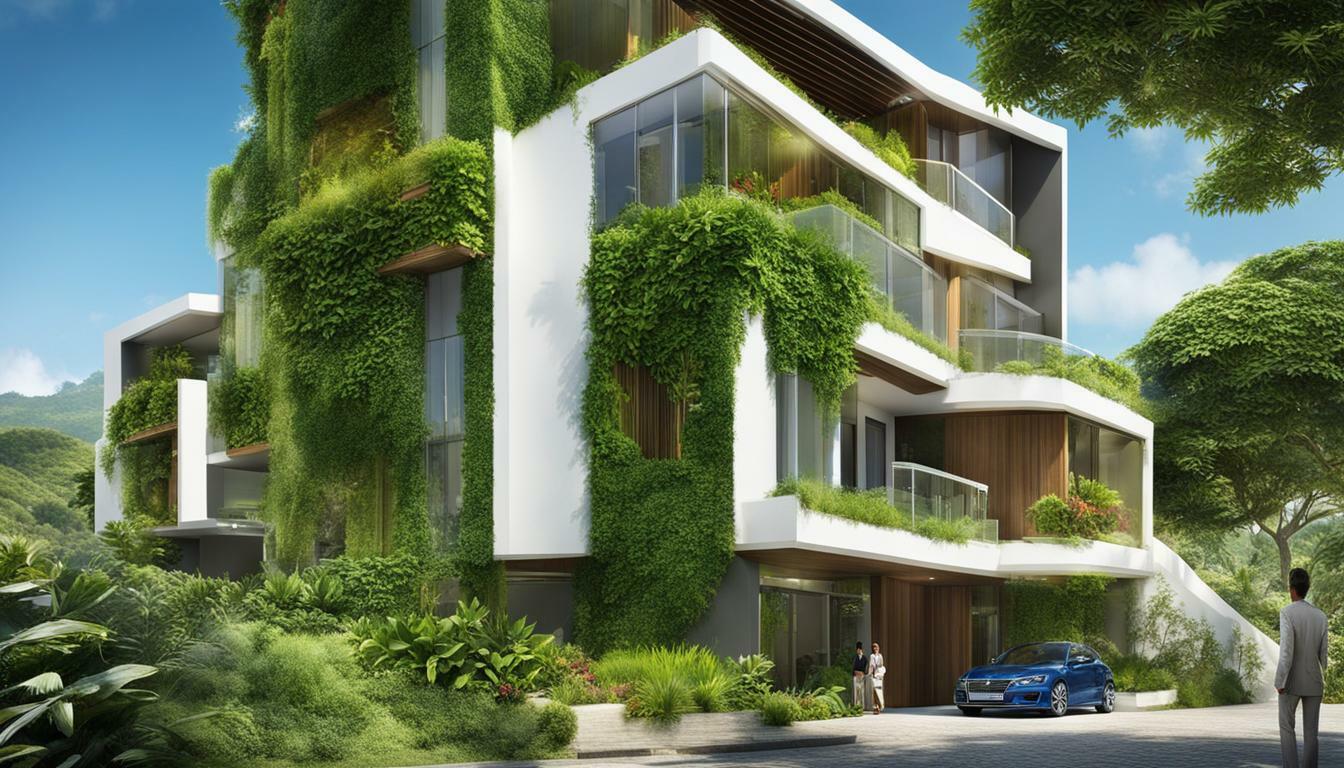
Un edificio ecológico notable en Georgia es el Georgia World Congress Center, que constituye un excelente ejemplo de arquitectura sostenible. Esta instalación de última generación incorpora diseño energéticamente eficiente y utiliza materiales de construcción verde to minimize its environmental impact. The center’s commitment to sustainability has earned it LEED certification, further highlighting its dedication to eco-friendly practices.
Para promover aún más diseño energéticamente eficiente, Georgia has implemented the LEED certification system, recognizing buildings that meet strict standards for sustainable construction. These LEED-certified buildings in Georgia prioritize energy conservation, water efficiency, and the use of renewable materials. By integrating diseño energéticamente eficiente principios, estos edificios contribuyen a un futuro más verde al tiempo que reducen su huella ambiental general.
Además del Centro Mundial de Congresos de Georgia, existen otros edificios con certificación LEED en Georgia que muestran un diseño energéticamente eficiente. Desde estructuras comerciales hasta complejos residenciales, estos edificios ecológicos priorizan la sostenibilidad y demuestran el potencial para construcción ecologica prácticas. Sirven como ejemplos inspiradores de cómo la arquitectura puede armonizar con el medio ambiente, creando espacios que son a la vez estéticamente agradables y ambientalmente responsables.
Overall, Georgia’s leading green buildings demonstrate the state’s commitment to sustainable development and environmentally friendly practices. Through their LEED certifications and energy-efficient designs, these buildings contribute to a greener future and set a positive example for the construction industry. With ongoing efforts to promote eco-friendly construction and sustainable development, Georgia continues to advance as a leader in green building practices.

Discover the innovative sustainable architecture of the Georgia World Congress Center, where eco-friendly materials and design principles converge. This iconic venue, located in downtown Atlanta, showcases the state’s commitment to green building practices and sostenibilidad del medio ambiente. Con su certificación LEED y su énfasis en el diseño energéticamente eficiente, el Centro Mundial de Congresos de Georgia establece un nuevo estándar para el desarrollo sostenible en la región.
Una de las características más destacadas del Georgia World Congress Center es el uso de materiales de construcción verde. These materials not only minimize the environmental impact of construction but also enhance the overall energy efficiency of the building. From recycled steel to low-emission paints, every aspect of the center’s design has been carefully considered to ensure maximum sustainability. The use of natural lighting and efficient insulation further reduces energy consumption, making the Georgia World Congress Center a leader in eco-friendly architecture.
As a testament to its commitment to sustainability, the Georgia World Congress Center has achieved LEED certification. LEED, or Leadership in Energy and Environmental Design, is a globally recognized rating system that evaluates the environmental performance of buildings. By meeting rigorous criteria in areas such as energy efficiency, water conservation, and indoor air quality, the center has proven its dedication to sustainable practices. This certification further solidifies the Georgia World Congress Center’s position as a flagship green building in the state.
Con su llamativo diseño y su enfoque en la sostenibilidad, el Georgia World Congress Center sirve de inspiración tanto para arquitectos, desarrolladores como para formuladores de políticas. Ejemplifica el potencial del diseño sostenible en la creación de espacios funcionales y estéticamente agradables minimizando al mismo tiempo el impacto ambiental. Mientras Georgia continúa priorizando las prácticas de construcción sustentable, el Centro Mundial de Congresos de Georgia se erige como un ejemplo brillante de lo que se puede lograr a través de la arquitectura sustentable y materiales de construcción verde.
Imagen relacionada con la sección actual:

| Características clave del Centro Mundial de Congresos de Georgia | Certificación LEED | Materiales de construcción verde |
|---|---|---|
| ✓ Arquitectura sostenible | ✓ Certificación LEED | ✓ Acero reciclado |
| ✓ Diseño energéticamente eficiente | ✓ Eficiencia energética | ✓ Pinturas bajas emisiones |
| ✓ Iluminación natural | ✓ Conservación del agua | ✓ Aislamiento eficiente |
Infraestructura verde en Georgia
El compromiso de Georgia con sostenibilidad del medio ambiente is exemplified by its investments in green infrastructure projects throughout the state. These initiatives aim to create a more sustainable future by integrating nature-based solutions into urban development and infrastructure planning.
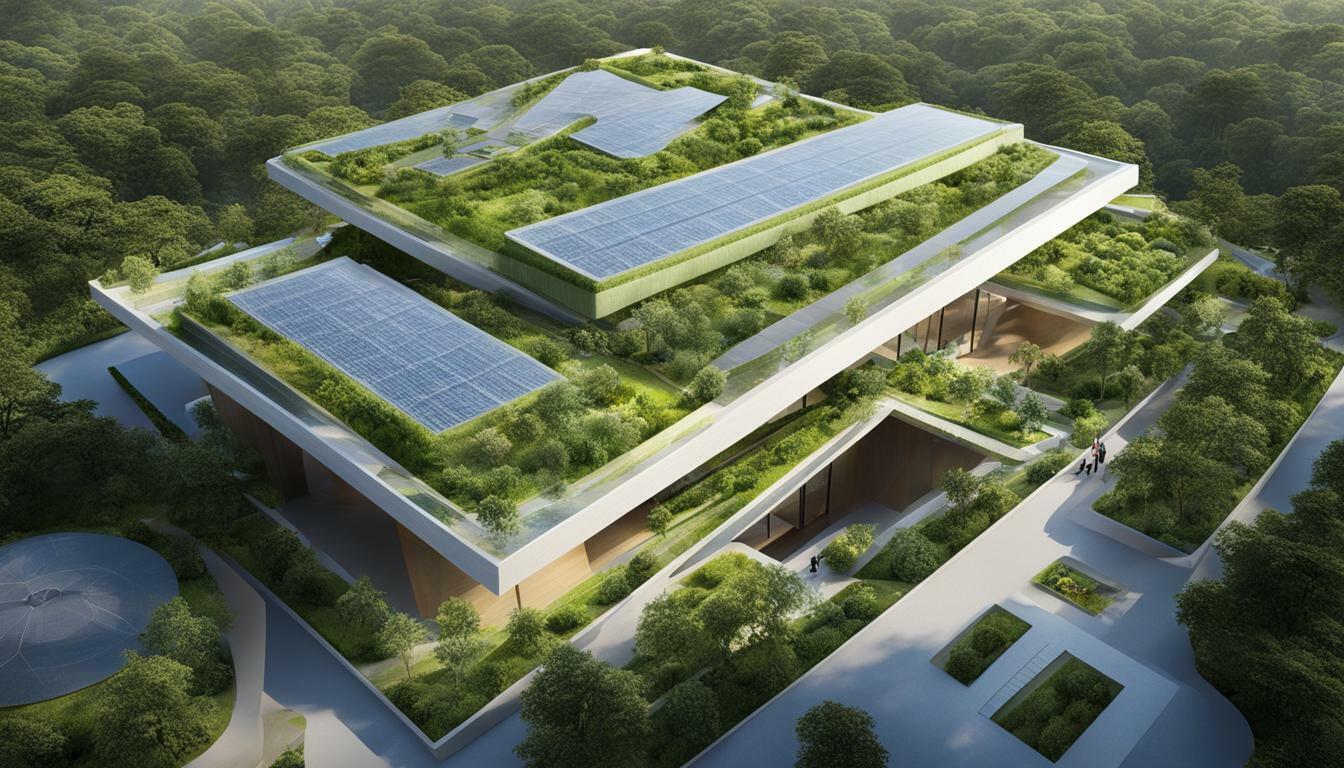
Uno de los componentes clave de infraestructura verde en Georgia is the implementation of green roofs. These innovative systems provide multiple benefits, including improved stormwater management, reduced energy consumption, and enhanced air quality. By utilizing vegetation and specialized membranes, green roofs mitigate the heat island effect and contribute to the overall well-being of urban areas.
In addition to green roofs, Georgia also focuses on creating green spaces and urban parks. These areas not only offer recreational opportunities for residents but also act as natural filters, improving air quality and reducing pollution. They provide vital habitats for native flora and fauna, contributing to la conservación.
Furthermore, the state encourages the establishment of green infrastructure networks, connecting parks, green spaces, and waterways. This interconnected system promotes sustainable transportation alternatives, such as walking and cycling, reducing reliance on cars and decreasing carbon emissions. It also enhances water quality by creating buffers and filtration systems along streams and rivers.
La dedicación de Georgia a la infraestructura verde se alinea con su compromiso de sostenibilidad del medio ambiente y desarrollo sostenible. Al invertir en estos proyectos, el Estado pretende crear comunidades más saludables y resilientes que prioricen el bienestar tanto de las personas como del planeta.

| Beneficios de la infraestructura verde en Georgia |
|---|
| Gestión mejorada de aguas pluviales |
| Reducción del consumo energético |
| Calidad del aire mejorada |
| Conservación de la Biodiversidad |
| Promoción del transporte sostenible |
| Mejora de la calidad del agua. |
Iniciativa de infraestructura verde: Atlanta BeltLine
The Atlanta BeltLine is a prominent example of Georgia’s green infrastructure initiatives. It is a comprehensive redevelopment and transportation project that aims to create a 22-mile loop of parks, trails, and transit options encircling the city. The BeltLine not only enhances connectivity and mobility but also revitalizes underutilized land, contributing to economic development and community revitalization.
The project incorporates various green infrastructure elements, including the preservation and restoration of natural habitats, the creation of new parks, and the integration of multi-use trails. These components provide numerous benefits, such as increased access to green spaces, opportunities for physical activity, and improved air quality.
The Atlanta BeltLine serves as a model for sustainable urban development, showcasing the positive impacts of green infrastructure on both the environment and the community.
Diseño energéticamente eficiente en Georgia
Energy-efficient design is at the forefront of Georgia’s green buildings, with a focus on utilizing sustainable materials and achieving LEED certification. Green building practices in Georgia strive to minimize energy consumption and reduce the environmental impact of construction. By incorporating energy-efficient design principles, these buildings aim to create comfortable and sustainable spaces that promote a greener future.
One key aspect of energy-efficient design is the use of green building materials. These materials are carefully selected to ensure they have a minimal negative impact on the environment. From renewable resources such as bamboo and cork to recycled materials like reclaimed wood and recycled steel, Georgia’s green buildings prioritize the use of sustainable materials in their construction. This not only reduces the carbon footprint but also creates healthier indoor environments for occupants.
La certificación LEED desempeña un papel crucial en la promoción del diseño energéticamente eficiente en los edificios ecológicos de Georgia. LEED, o Liderazgo en Energía y Diseño Ambiental, es un sistema de certificación reconocido mundialmente que evalúa la sostenibilidad y eficiencia de los edificios. Al cumplir con los estándares LEED, los edificios ecológicos de Georgia se someten a evaluaciones rigurosas en categorías como uso de energía, eficiencia del agua y calidad ambiental interior. Lograr la certificación LEED demuestra el compromiso de un edificio con la sostenibilidad y valida sus estrategias de diseño energéticamente eficientes.

En resumen, el diseño energéticamente eficiente es la piedra angular de los edificios ecológicos de Georgia, ya que integra materiales sostenibles y logra la certificación LEED. Estos edificios priorizan la reducción del consumo energético y el impacto ambiental, creando espacios sostenibles y confortables para la comunidad. Al adoptar prácticas de diseño energéticamente eficientes, Georgia continúa liderando el camino en iniciativas de construcción sustentable y contribuye a un futuro más sustentable.
Desarrollo sostenible en Georgia
Sustainable development takes centre stage in Georgia, where eco-friendly construction and green building practices drive the state’s commitment to a greener future. With a growing emphasis on sustainability, Georgia has emerged as a leader in promoting eco-friendly initiatives and sustainable development projects.
Un aspecto notable del compromiso de Georgia con el desarrollo sostenible es su enfoque en prácticas de construcción ecológicas. Estas prácticas abarcan una amplia gama de estrategias que minimizan el impacto ambiental, conservan los recursos y promueven la eficiencia energética. Desde el uso de materiales renovables hasta la incorporación de tecnologías energéticamente eficientes, practicas de construccion verde en Georgia tienen como objetivo crear edificios que sean a la vez respetuosos con el medio ambiente y socialmente responsables.

Another key aspect of sustainable development in Georgia is the promotion of green infrastructure. Green infrastructure refers to the network of natural and semi-natural spaces that help improve air and water quality, enhance biodiversity, and create a healthier and more sustainable urban environment. Georgia has implemented various initiatives to develop and maintain green infrastructure, such as parks, green roofs, and urban forests, which contribute to the overall sustainability and livability of the state.
In conclusion, sustainable development in Georgia is a multi-faceted approach that encompasses eco-friendly construction, green building practices, and the development of green infrastructure. By prioritizing these initiatives, Georgia is paving the way towards a greener and more sustainable future, demonstrating its commitment to environmental stewardship and the well-being of its residents.
Conclusión
Los principales edificios ecológicos de Georgia ejemplifican la dedicación del estado al desarrollo sostenible, mostrando un diseño innovador y prácticas de construcción ecológicas. Con 66 proyectos certificados en 2022, Georgia figura como el sexto estado líder en construcción sustentable según la clasificación del US Green Building Council. Estos edificios con certificación LEED desempeñan un papel crucial a la hora de reducir el uso de energía y minimizar el impacto ambiental de las construcciones.
Among the notable green buildings in Georgia is the Georgia World Congress Center, which stands as a prime example of sustainable architecture. This state-of-the-art facility incorporates green building materials and energy-efficient design to minimize its ecological footprint while providing a world-class experience for visitors and occupants.
Furthermore, Georgia’s commitment to green infrastructure and energy-efficient design is evident in its numerous LEED-certified projects. These buildings prioritize the use of green building materials and employ sustainable construction practices, creating healthier and more sustainable environments for residents and businesses alike.
Al promover el desarrollo sostenible a través de sus certificaciones LEED, los principales edificios ecológicos de Georgia contribuyen significativamente a los objetivos de sostenibilidad ambiental del estado. Sirven como fuente de inspiración y muestran los beneficios de incorporar prácticas ecológicas en los procesos de diseño y construcción.
Preguntas Frecuentes
¿Cuál es la clasificación de Georgia en construcción sustentable?
Georgia figura como el sexto estado líder en construcción sustentable según la clasificación del US Green Building Council.
¿Cómo se determina la clasificación?
La clasificación se basa en los pies cuadrados brutos per cápita con certificación LEED durante el año pasado.
¿Cuántos proyectos certificados hubo en Georgia en 2022?
En 2022, Georgia tenía 66 proyectos certificados, incluidos proyectos notables como el Centro Mundial de Congresos de Georgia.
¿Cuáles son los beneficios de los edificios con certificación LEED?
Los edificios con certificación LEED ayudan a reducir el uso de energía y el impacto ambiental de los edificios.
¿Qué estado lidera consistentemente en pies cuadrados per cápita con certificación LEED?
Washington, DC lidera consistentemente en pies cuadrados per cápita con certificación LEED.
¿Qué estado ocupa el primer lugar para los profesionales LEED?
California ocupa el primer lugar para los profesionales LEED.