

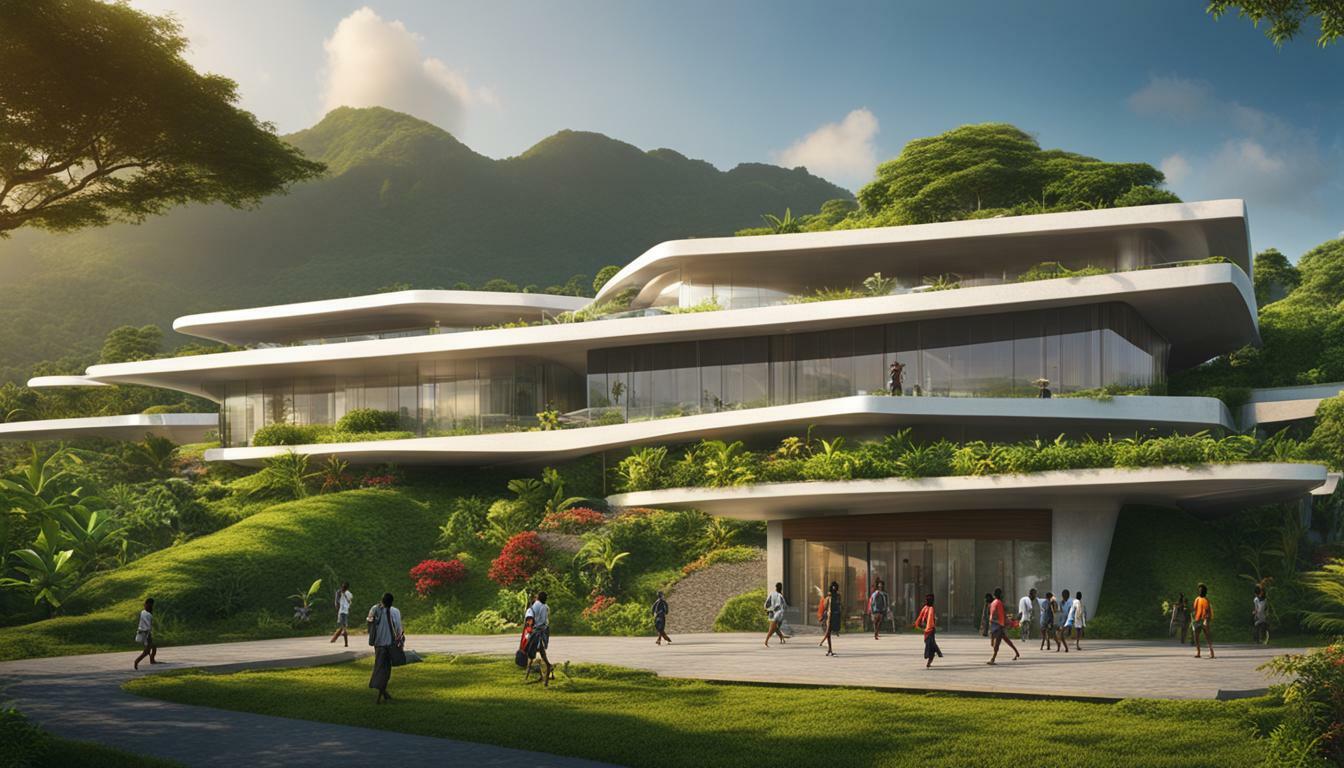
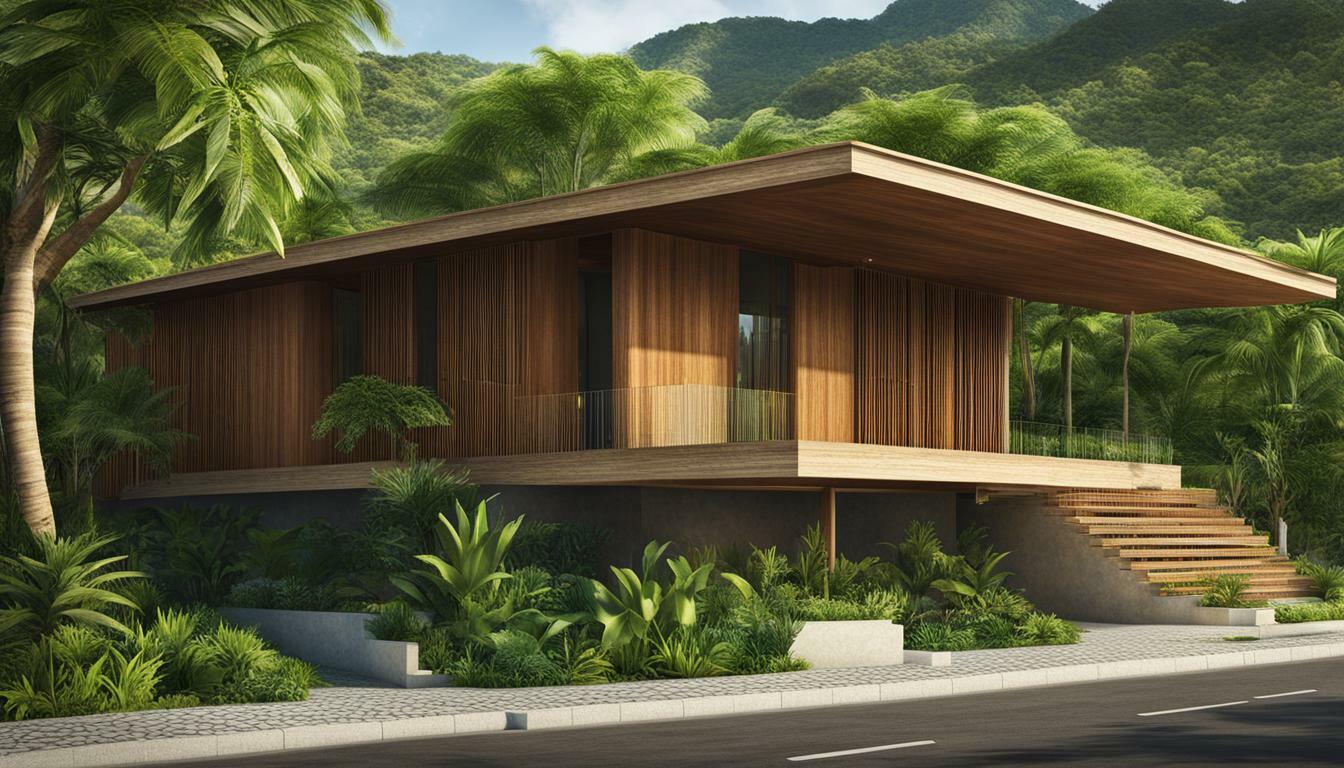
تاریخچه ساختمان سبز جمهوری دومینیکن
The Dominican Republic has a rich history of embracing eco-friendly construction practices and طراحی پایدار. Beginning with early initiatives to promote sustainable development, the country has continued to prioritize environmental preservation and the incorporation of green building practices in architectural designs.
Over the years, the Dominican Republic has implemented various environmental policies and initiatives to promote the creation of sustainable infrastructure and energy-efficient buildings. From the adoption of renewable energy projects to the use of innovative construction techniques, the country has made significant strides in reducing its carbon footprint and promoting long-term sustainability.
In this section, we will explore the fascinating history of green building in the Dominican Republic and how the country continues to lead the way in sustainable design and construction practices.
- جمهوری دومینیکن تعهدی قوی به ترویج شیوه های ساخت و ساز سازگار با محیط زیست و طراحی پایدار دارد.
- The country has implemented various environmental policies and initiatives to promote the creation of sustainable infrastructure.
- پذیرش پروژه های انرژی های تجدیدپذیر و تکنیک های ساخت و ساز نوآورانه به طور قابل توجهی ردپای کربن کشور را کاهش داده است.
- The Dominican Republic continues to prioritize environmental preservation and the incorporation of green building practices in architectural designs for long-term sustainability.
طراحی پایدار در جمهوری دومینیکن
مفهوم طراحی پایدار برای جمهوری دومینیکن جدید نیست. در طول سال ها، کشور جسورانه گرفته است ابتکارات زیست محیطی برای ترویج طراحی پایدار در جمهوری دومینیکن و تشویق به ادغام عناصر سازگار با محیط زیست در طرح های معماری.
One of the notable environmental initiatives taken by the Dominican Republic is the establishment of the National Council for Climate Change and Clean Development Mechanism (CNCCMDL). This council was created to implement policies and measures that address climate change and promote sustainable development in the country.
Moreover, the Dominican Republic has set a national goal of achieving 25% renewable energy by 2025, which signals a significant shift towards a sustainable future. This transition to renewable energy has paved the way for the implementation of innovative sustainable design solutions, such as the use of passive solar design and energy-efficient building materials.
طراحی پایدار در جمهوری دومینیکن
علاوه بر ابتکارات زیستمحیطی و تغییر به سمت انرژیهای تجدیدپذیر، جمهوری دومینیکن آگاهی از طراحی پایدار در جمهوری دومینیکن. Architects in the country are increasingly incorporating sustainable elements in their designs, such as green roofs, rainwater harvesting systems, and natural ventilation.
The adoption of sustainable design practices has led to the development of buildings that are not only energy-efficient but also blend seamlessly with their natural surroundings. This is exemplified by the Altos de Chavón Amphitheatre in La Romana, a stunning example of sustainable design that is entirely integrated into the natural landscape.
As the Dominican Republic continues to prioritize sustainable design and environmental initiatives, the future looks bright for the country’s green building practices. With a continued focus on طراحی پایدار در جمهوری دومینیکناین کشور آماده است تا به رهبر شیوههای ساخت و ساز سازگار با محیط زیست و سبز تبدیل شود. معماری.
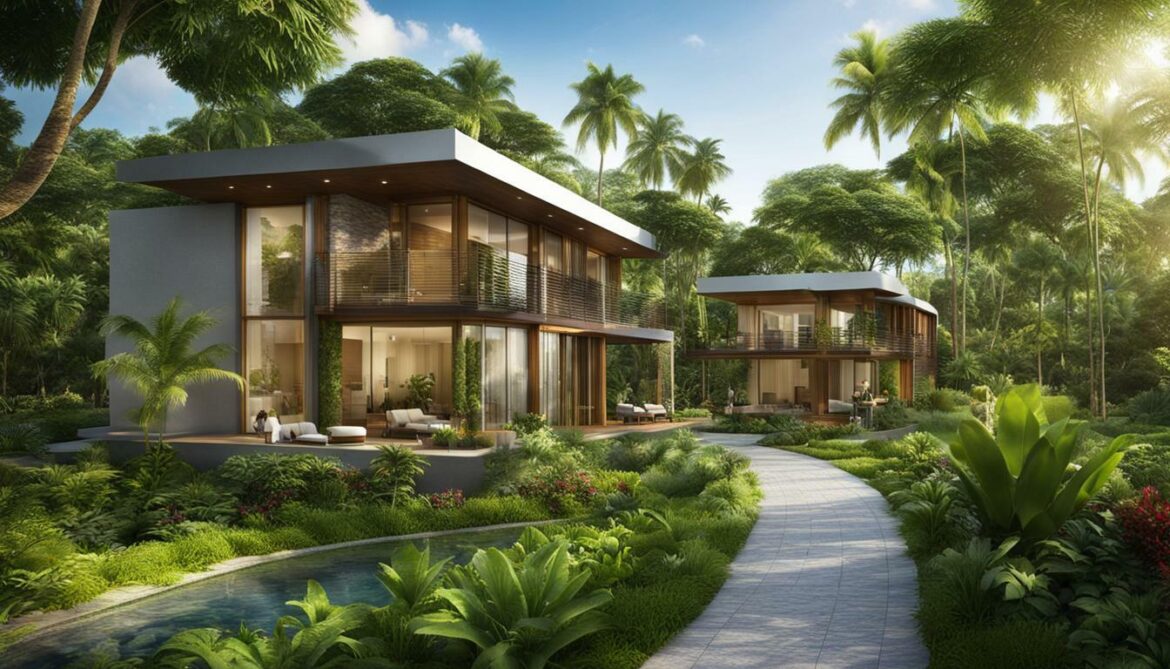
In recent years, the Dominican Republic has demonstrated an increased commitment to eco-friendly construction practices, paving the way for green building development in the country. Architects and builders alike are adopting innovative techniques to reduce environmental impact and promote sustainable design.
One such technique is the use of sustainable building materials, including those made from renewable resources such as bamboo, cork, and recycled materials. These materials not only minimize waste but also appeal to the growing demand for eco-friendly homes and buildings.
| مزایای روش های ساخت و ساز سازگار با محیط زیست: |
|---|
|
Builders are also incorporating green building techniques such as passive solar design, which maximizes natural light and heat to reduce the need for artificial lighting and heating. This not only saves energy but also provides a comfortable living environment for occupants.
علاوه بر این، اجرای شیوه های ساخت و ساز سازگار با محیط زیست به ساختمان های مسکونی محدود نمی شود، بلکه به سازه های تجاری و صنعتی نیز گسترش می یابد. پروژههای مقیاس بزرگ مانند هتلها و استراحتگاهها شیوههای ساختمان سبز را اتخاذ کردهاند و ردپای کربن خود را کاهش میدهند و در عین حال اقامتگاههای مجلل را برای مهمانان فراهم میکنند.
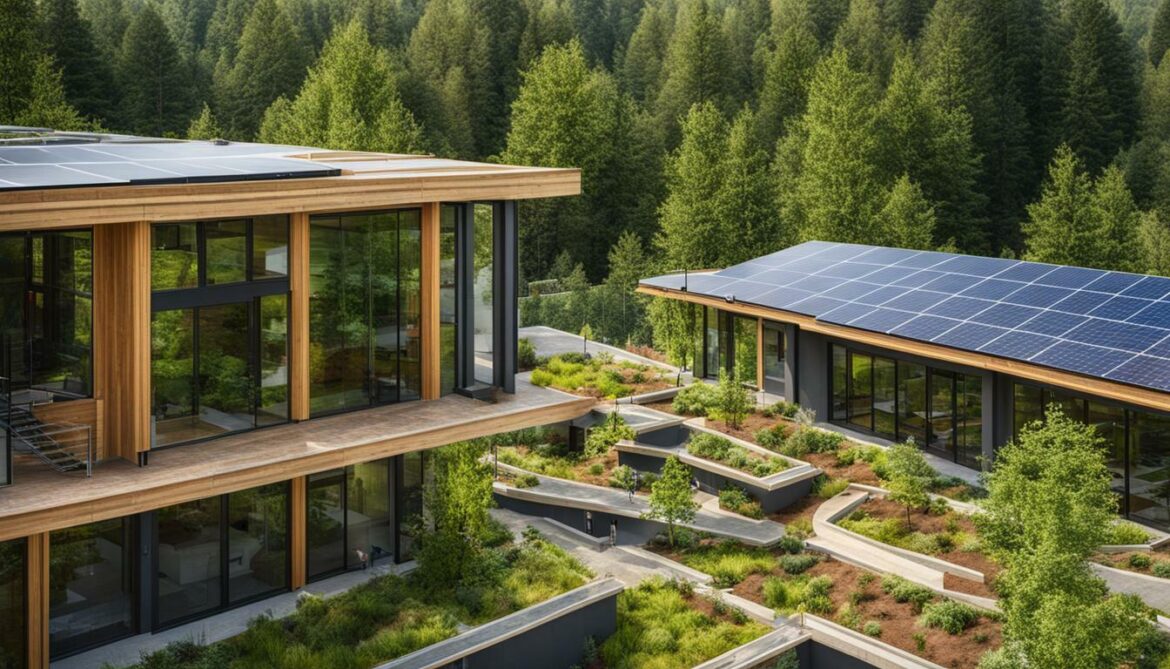
«پایداری در مورد محیط زیست، اقتصاد و عدالت اجتماعی است. این تعادل بین این سه عنصر است، و این مسئولیت معماران و سازندگان است که اطمینان حاصل کنند که ما به این تعادل از طریق اقدامات ساختمانی پایدار دست مییابیم.» - معمار ویکتور رامیرز
The green building movement in the Dominican Republic is gaining momentum, with continued efforts to promote eco-friendly construction practices and sustainable design. The benefits of such practices are far-reaching, not only for the preservation of the environment but also for the well-being of its residents and the future of the country as a whole.
معماری پایدار در جمهوری دومینیکن
The Dominican Republic has been at the forefront of sustainable architecture in the Caribbean region. Designers and architects have been integrating environmental considerations into their designs for over two decades, with notable examples of sustainable architecture projects throughout the country. These buildings prioritize energy efficiency, the use of renewable materials, and integration with the natural surroundings, all contributing to the overall sustainability of the region.
One such example is the Casa en las Rocas, located on the north coast of the country. This stunning residence was designed by Puerto Rican architect, Carlos Ferrater, and boasts an impressive 360-degree view of the ocean. The house’s design incorporates environmentally friendly features such as extensive use of solar panels for electricity and hot water, a rainwater harvesting system, and the use of local and recycled materials in the construction process.
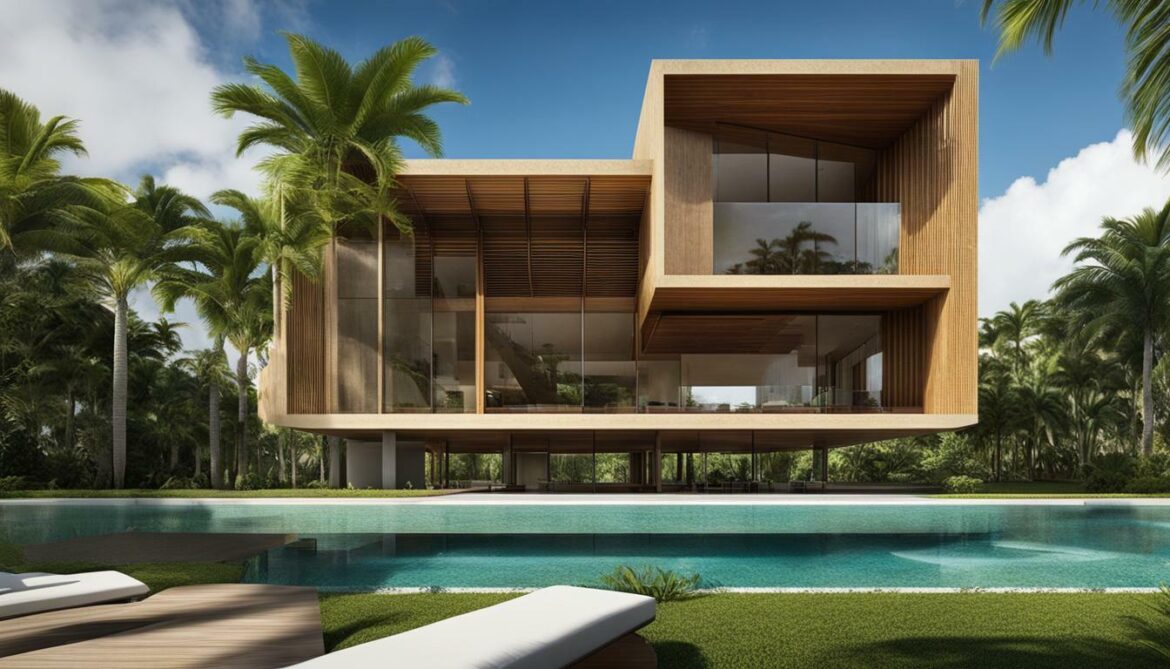
Another noteworthy example of sustainable design is the Hotel Punta Islita, situated in the Guanacaste region. The hotel’s design blends in naturally with the surrounding environment, and features a unique approach to waste management and energy conservation. The hotel uses a variety of environmentally friendly technologies including solar power, biogas from kitchen waste, and a greywater treatment plant.
In the capital city of Santo Domingo, the recently completed Palacio de los Deportes Virgilio Travieso Soto, is a state-of-the-art sporting facility that is also a model of energy efficiency. The building incorporates high-tech features such as energy-efficient lighting, a rainwater harvesting system, and solar panels that generate more than half of the building’s electricity needs.
این نمونهها رویکردهای نوآورانهای را که معماران و طراحان دومینیکن در معماری پایدار اتخاذ کردهاند، نشان میدهد. این کشور همچنان مرزهای طراحی پایدار را پیش میبرد و آیندهای روشنتر و سبزتر برای همه ایجاد میکند.
پروژه های انرژی تجدیدپذیر در جمهوری دومینیکن
جمهوری دومینیکن در تلاش برای کاهش ردپای کربن و ارتقای پایداری، چندین پروژه انرژی تجدیدپذیر را اجرا کرده است. این پروژه ها نه تنها به اهداف انرژی پاک کشور کمک می کنند، بلکه مزایای اقتصادی و فرصت های شغلی را نیز فراهم می کنند.
One of the most significant renewable energy projects in the Dominican Republic is the Monte Plata Solar Power Plant. This solar energy plant, located in the Monte Plata province, covers an area of 200 hectares and has a capacity of 69 megawatts. It is the largest solar power plant in the Caribbean, generating enough electricity to power more than 50,000 homes while offsetting approximately 110,000 metric tons of carbon dioxide emissions per year.
Another notable renewable energy project is the Wind Farm in the Enriquillo region. The wind farm has 19 turbines and a total capacity of 50 megawatts, generating enough electricity to power more than 30,000 homes. The project has contributed to a significant reduction in the country’s dependence on imported fossil fuels while providing job opportunities for the local community.
جمهوری دومینیکن همچنین پروژه های انرژی تجدیدپذیر در مقیاس کوچک مانند استفاده از پنل های خورشیدی در خانه ها و مشاغل را اجرا کرده است. این ابتکارات در خدمت ترویج تمرکززدایی از تولید انرژی و کاهش اتکای کشور به نیروگاه های بزرگ است.
علاوه بر این، این کشور تعهد خود را به انرژی های تجدیدپذیر از طریق قانون نشان داده است. کمیسیون ملی انرژی هدف گذاری کرده است که تا سال 25 2025 درصد از انرژی کشور از منابع تجدیدپذیر تولید شود. دولت مشوق هایی را برای ترویج سرمایه گذاری در انرژی های پاک فراهم می کند و یک برنامه نت مترینگ را برای تشویق استفاده از انرژی خورشیدی توسط خانوارها و مشاغل ایجاد کرده است. .
The Dominican Republic’s focus on renewable energy projects and its commitment to sustainable development make it a leader in the Caribbean region. The country’s efforts to promote clean energy and reduce carbon emissions serve as a model for other nations to follow.
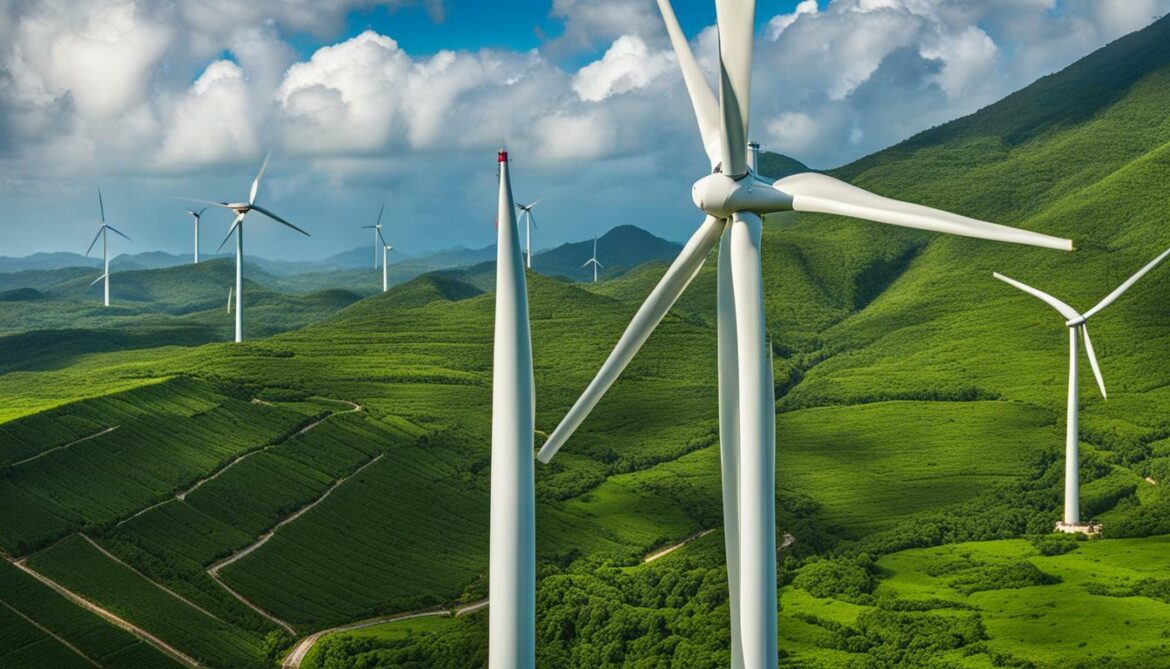
جمهوری دومینیکن به اجرای آن اختصاص یافته است ساخت و ساز پایدار techniques in order to reduce environmental impact and promote long-term sustainability. These innovative methods and materials have been used to enhance energy efficiency and minimize the consumption of non-renewable resources.
یکی از این تکنیک ها استفاده از مواد بازیافتی است. از شیشه، فلز و بتن بازیافتی در ساخت و ساز ساختمان ها استفاده شده است که باعث کاهش ضایعات و کاهش نیاز به منابع جدید شده است. این نه تنها به پایداری خود ساختمان، بلکه به محیط زیست به عنوان یک کل کمک می کند.
Another sustainable construction technique is the use of green roofs. These roofs are covered in vegetation, providing insulation and reducing the amount of energy required for heating and cooling. They also absorb rainwater, reducing runoff and improving water quality.
جمهوری دومینیکن نیز استفاده از منابع انرژی تجدیدپذیر در ساخت و ساز را در اولویت قرار داده است. پنل های خورشیدی، توربین های بادی و سیستم های زمین گرمایی برای کاهش اتکا به منابع انرژی تجدید ناپذیر، کاهش ردپای کربن ساختمان ها و زیرساخت ها اجرا شده اند.
Additionally, the country has implemented building designs that prioritize natural ventilation and lighting. This reduces the need for artificial lighting and air conditioning, ultimately reducing energy consumption.
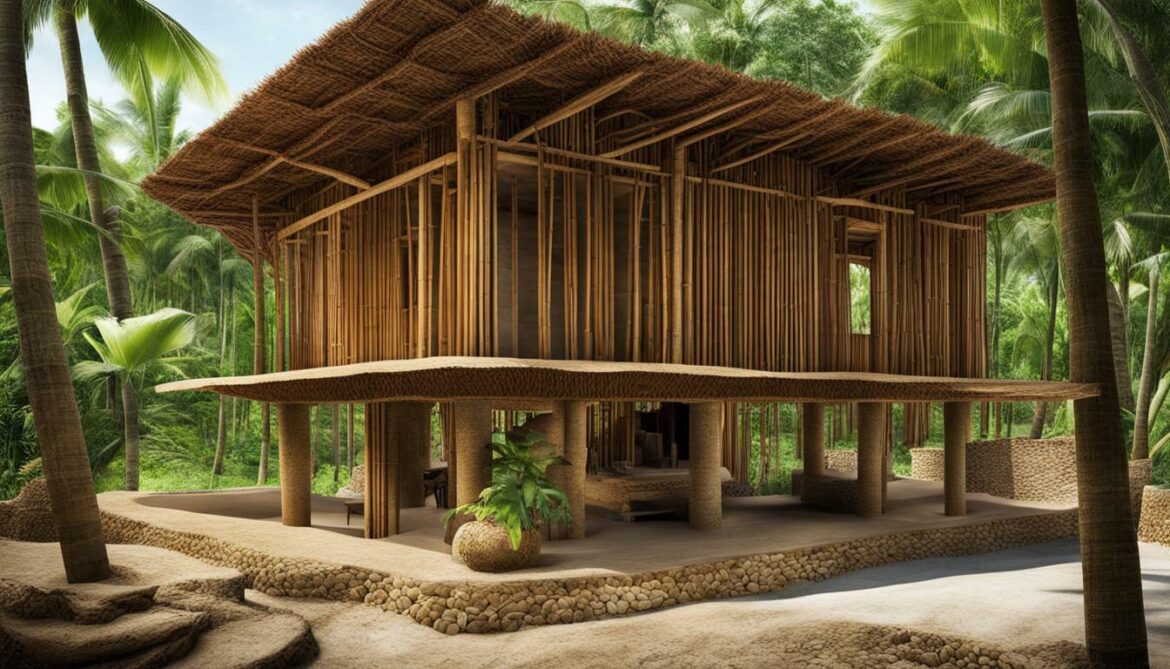
These sustainable construction techniques have not only contributed to the overall sustainability of the Dominican Republic, but also serve as a model for other countries to follow in their own construction practices. By prioritizing the environment in construction, the Dominican Republic is setting an example for the importance of sustainability in modern development.
زیرساخت سبز در جمهوری دومینیکن
The Dominican Republic has implemented various environmental policies and initiatives towards the development of green infrastructure. By integrating sustainable features in urban planning and infrastructure development, the country aims to preserve and protect its natural resources.
یکی از قابل توجه ترین طرح ها، طرح انرژی سبز است که هدف آن کاهش اتکای کشور به سوخت های فسیلی وارداتی و ترویج استفاده از منابع انرژی تجدیدپذیر است. این پروژه شامل نصب توربین های بادی و پنل های خورشیدی در سراسر کشور است که انرژی پاک و پایدار را برای هزاران خانوار فراهم می کند.
| ابتکارات سبز | توضیحات: |
|---|---|
| بامهای سبز | The construction of green roofs on buildings to reduce the heat island effect and improve air quality. |
| مسیرهای دوچرخه سواری | Implementation of bike lanes in cities to encourage active transport and reduce greenhouse gas emissions. |
| مدیریت مواد زائد | ابتکاراتی برای ترویج مدیریت صحیح زباله و شیوه های بازیافت برای کاهش زباله و آلودگی محل دفن زباله. |
Another key initiative is the integration of green spaces in urban areas. The government has implemented programs to increase the number of parks and public gardens in cities, improving air quality and providing recreational spaces for residents.
The country is also investing in sustainable transportation, with the introduction of electric buses and the development of a metro system in Santo Domingo. These initiatives help to reduce greenhouse gas emissions and promote cleaner air in the city.
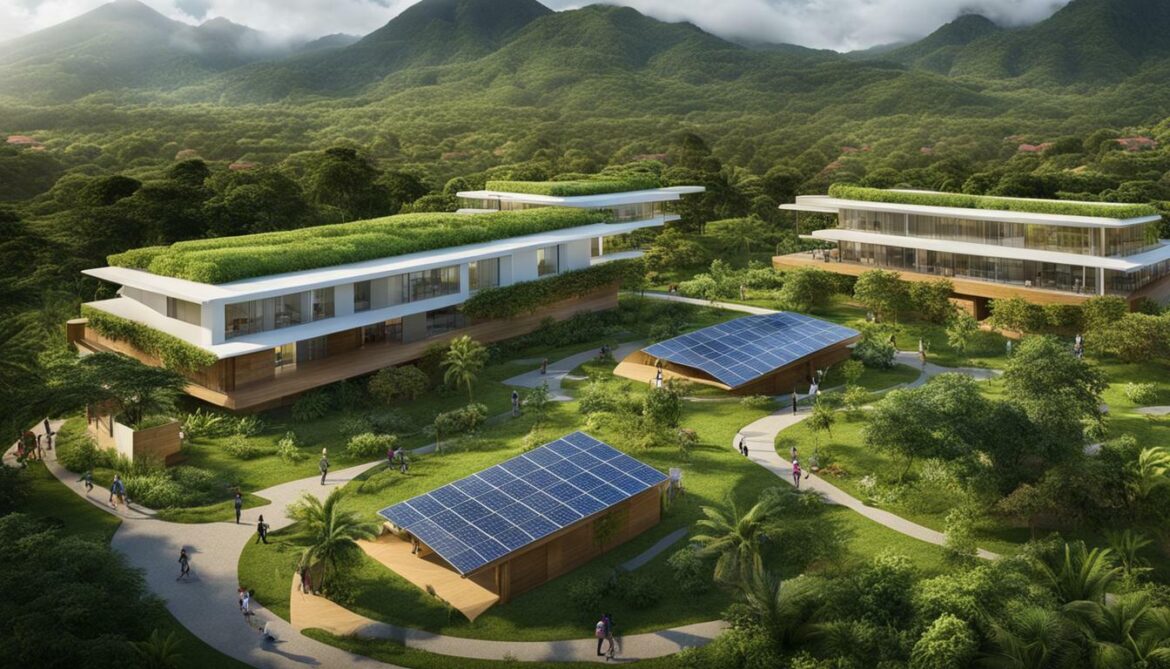
Overall, the Dominican Republic’s commitment to green infrastructure is a significant step towards achieving a sustainable future. By prioritizing the preservation of natural resources and implementing eco-friendly solutions, the country is setting an example for the world.
ساختمان پایدار در جمهوری دومینیکن
Throughout history, the Dominican Republic has faced numerous environmental challenges. However, the country has made significant strides in recent years in embracing green building practices and sustainable design.
تاریخچه ساختمان سبز جمهوری دومینیکن
The history of green building in the Dominican Republic dates back to the 1970s, when the first passive solar houses were designed. Since then, the country has continued to develop its sustainable building practices, culminating in the adoption of several environmental initiatives in the early 2000s.
طراحی پایدار در جمهوری دومینیکن
Sustainable design has played a crucial role in the Dominican Republic’s green building development. The country has implemented several environmental initiatives to promote sustainable design concepts, such as energy-efficient appliances, water conservation systems, and the use of renewable materials.
شیوه های ساخت و ساز سازگار با محیط زیست در جمهوری دومینیکن
جمهوری دومینیکن همچنین پیشرفت های قابل توجهی در شیوه های ساخت و ساز سازگار با محیط زیست داشته است، مانند کاهش مصرف انرژی در طول فرآیند ساخت و ساز، به حداقل رساندن ضایعات، و ترکیب مواد بازیافتی در طراحی ساختمان. این تلاش ها ردپای کربن ساخت و ساز را کاهش داده است و به پایداری کلی منطقه کمک می کند.
معماری پایدار در جمهوری دومینیکن
نمونه های قابل توجه معماری پایدار در جمهوری دومینیکن شامل مرکز فرهنگی Altos de Chavón است که با محیط طبیعی ادغام می شود و پروژه مدارس روستایی که بهره وری انرژی و استفاده از منابع انرژی تجدید پذیر را در اولویت قرار می دهد. این ساختمان ها تعهد کشور به معماری پایدار و شیوه های ساختمان سبز را به نمایش می گذارند.
پروژه های انرژی تجدیدپذیر در جمهوری دومینیکن
جمهوری دومینیکن چندین پروژه انرژی های تجدیدپذیر مانند نیروگاه های خورشیدی و نیروگاه های بادی را برای بهره برداری از منابع انرژی پاک و پایدار اجرا کرده است. این پروژه ها وابستگی کشور به سوخت های فسیلی را کاهش داده و به پایداری کلی منطقه کمک کرده است.
تکنیک های ساخت و ساز پایدار در جمهوری دومینیکن
چندین تکنیک نوآورانه ساخت و ساز پایدار در جمهوری دومینیکن اتخاذ شده است، مانند استفاده از بام های سبز برای افزایش بهره وری انرژی و کاهش رواناب آب طوفان. این تکنیکها در به حداقل رساندن اثرات زیستمحیطی ساختوساز و ارتقای پایداری بلندمدت مؤثر بودهاند.
زیرساخت سبز در جمهوری دومینیکن
The Dominican Republic has implemented several environmental policies and initiatives aimed at promoting green infrastructure and sustainable urban planning. These policies encourage the integration of sustainable features, such as green spaces, into infrastructure development, contributing to the overall sustainability of the region.
نتیجه
جمهوری دومینیکن راه درازی را در پذیرش شیوههای ساختمان سبز و طراحی پایدار پیموده است که توسط ابتکارات زیستمحیطی مختلف و قوانین ساختمان هدایت میشود. این تلاش ها منجر به اتخاذ شیوه های ساخت و ساز سازگار با محیط زیست، معماری پایدار و پروژه های انرژی تجدیدپذیر در سراسر کشور شده است. تعهد جمهوری دومینیکن به پایداری گامی اساسی در جهت حفظ منابع طبیعی منطقه برای نسل های آینده است.
سوالات متداول
تاریخچه ساختمان سبز در جمهوری دومینیکن چیست؟
تاریخچه ساختمان سبز در جمهوری دومینیکن به آغاز اولیه طراحی پایدار برمی گردد. طی سالها، این کشور به تدریج از شیوههای ساختوساز سازگار با محیط زیست و معماری پایدار استقبال کرده است، و تاکید زیادی بر به حداقل رساندن اثرات زیستمحیطی و ارتقای پایداری بلندمدت دارد.
طراحی پایدار در جمهوری دومینیکن چیست؟
طراحی پایدار در جمهوری دومینیکن به ترکیب عناصر و شیوه های سازگار با محیط زیست در طرح های معماری اشاره دارد. این شامل استفاده از مواد تجدید پذیر، سیستم های انرژی کارآمد و ادغام با محیط طبیعی است. این کشور ابتکارات زیست محیطی مختلفی را برای ترویج طراحی پایدار و اولویت بندی حفاظت از منابع طبیعی خود اجرا کرده است.
شیوه های ساخت و ساز سازگار با محیط زیست چگونه در جمهوری دومینیکن اتخاذ می شود؟
جمهوری دومینیکن شیوه های ساخت و ساز سازگار با محیط زیست را برای به حداقل رساندن اثرات زیست محیطی پذیرفته است. این شامل استفاده از تکنیک ها و مواد نوآورانه است که باعث افزایش بهره وری انرژی، کاهش ضایعات و ارتقای پایداری می شود. تعهد کشور به توسعه ساختمان سبز منجر به اتخاذ روش های پیشرفته ای شده است که هم رفاه محیط زیست و هم رفاه ساکنان آن را در اولویت قرار می دهد.
معماری پایدار در جمهوری دومینیکن چیست؟
معماری پایدار در جمهوری دومینیکن بر ایجاد ساختمان هایی متمرکز است که بهره وری انرژی، استفاده از مواد تجدیدپذیر و ادغام با محیط طبیعی را در اولویت قرار می دهند. نمونههای قابلتوجهی از معماری پایدار در کشور، طرحهای نوآورانهای را به نمایش میگذارند که ردپای کربن را کاهش میدهد، تهویه طبیعی را افزایش میدهد و پایداری کلی منطقه را ارتقا میدهد.
چند پروژه انرژی تجدیدپذیر در جمهوری دومینیکن چیست؟
جمهوری دومینیکن پروژه های انرژی تجدیدپذیر مختلفی را برای بهره برداری از منابع انرژی پاک و پایدار اجرا کرده است. این پروژه ها شامل تاسیسات برق خورشیدی، مزارع بادی و نیروگاه های برق آبی است. با تنوع بخشیدن به منابع انرژی و کاهش اتکا به سوخت های فسیلی، این کشور به آینده ای سبزتر و پایدارتر کمک می کند.
چه تکنیک های ساخت و ساز پایدار در جمهوری دومینیکن استفاده می شود؟
In the Dominican Republic, sustainable construction techniques focus on reducing environmental impact and enhancing energy efficiency. This includes the use of recycled materials, implementation of energy-efficient systems, adoption of green building certifications, and application of innovative construction methods to minimize waste and promote sustainability.
زیرساخت سبز چگونه در جمهوری دومینیکن اجرا می شود؟
جمهوری دومینیکن ادغام زیرساخت های سبز را در برنامه ریزی شهری و توسعه زیرساخت های خود در اولویت قرار داده است. این شامل اجرای سیاست ها و ابتکارات زیست محیطی است که ادغام ویژگی های پایدار مانند فضاهای سبز، مسیرهای دوچرخه سواری و تولید انرژی های تجدیدپذیر را در زیرساخت های کشور ترویج می کند. هدف این تلاش ها ایجاد محیطی پایدارتر و قابل زندگی برای ساکنان آن است.
اهمیت ساختمان سبز در تاریخ جمهوری دومینیکن چیست؟
Green building has played a significant role in the history of the Dominican Republic. It has contributed to the preservation of the country’s natural resources, reduction of carbon emissions, and promotion of sustainable development. Through the adoption of eco-friendly practices and the integration of green infrastructure, the Dominican Republic continues to prioritize the well-being of its environment and future generations.