


تاریخچه ساختمان سبز چین
در سال های اخیر، چین به یک رهبر جهانی تبدیل شده است ساخت و ساز پایدار شیوه های و معماری سازگار با محیط زیست. But the roots of this movement go back centuries, to traditional principles of environmental design that have been passed down from generation to generation. China’s commitment to توسعه پایدار شهری و ابتکارات ساختمان سبز has transformed its architectural landscape and positioned the country as a trailblazer in the field of environmental sustainability.
From ancient architecture that harmonized with natural surroundings to cutting-edge فناوری های ساختمانی کم کربن, the history of green building in China is a testament to the power of innovation and forward-thinking. In this section, we will explore the evolution of green building in China, from its traditional principles to the modern sustainability practices that have shaped the country’s architectural landscape.
- China has a rich tradition of environmental design, rooted in principles that prioritize harmony with nature and توسعه پایدار شهری.
- La جنبش ساختمان سبز در چین در سالهای اخیر به دلیل افزایش آگاهی از مسائل زیستمحیطی در سطح جهان، مورد توجه قرار گرفته است.
- China has been at the forefront of developing green building standards and implementing فناوری های ساختمانی کم کربن.
- شیوه های ساخت و ساز پایدار در چین گنجانده شود معماری سازگار با محیط زیست به طرح های ساختمانی، کمک به فشار کشور برای پایداری زیست محیطی.
- Energy efficiency is a crucial aspect of green building in China, with advancements in energy-efficient building design and technologies that have been implemented to reduce carbon emissions and promote sustainability.
اصول سنتی طراحی محیطی در چین
چین دارای تاریخچه غنی در طراحی محیطی است که ریشه در اصولی دارد که هماهنگی با طبیعت را در اولویت قرار می دهد توسعه پایدار شهری. These traditional principles have influenced the sustainable development of cities in China and continue to be an important aspect of modern architecture.
یکی از اصول اصلی طراحی محیطی در چین is the concept of “Feng Shui”, which emphasises the importance of placing buildings and structures in a way that complements the natural landscape. This involves a deep understanding of the environment and how different elements interact with each other, from the positioning of buildings to the flow of water and wind.
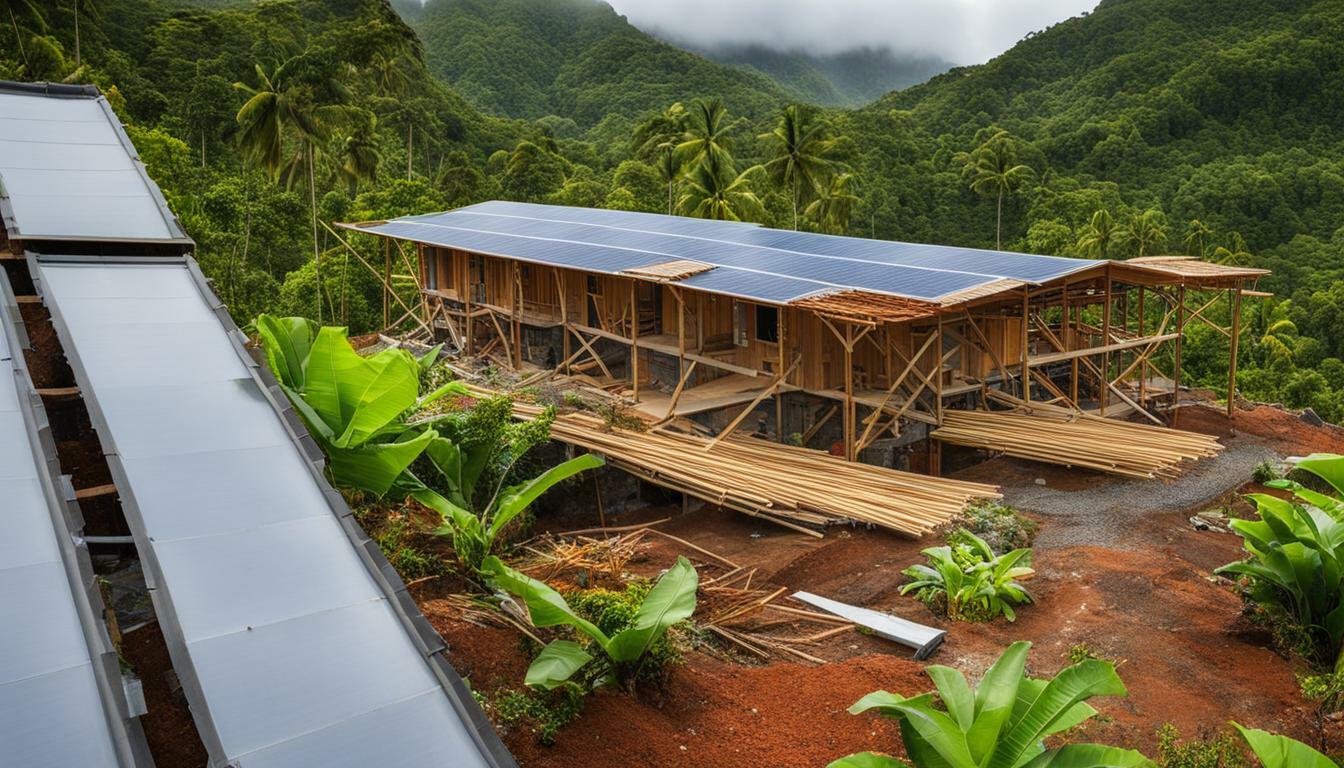
Another key principle is the use of natural materials, such as wood and bamboo, which are renewable and eco-friendly. Traditional buildings in China were often constructed using these materials, which are not only sustainable but also aesthetically pleasing. This approach to architecture has been incorporated into modern designs, with many buildings featuring sustainable materials and construction techniques.
اصول سنتی از طراحی محیطی در چین have also influenced the layout and design of cities, with a focus on creating sustainable communities that are integrated with nature. This includes the use of green spaces, such as parks and gardens, and the incorporation of water features, such as canals and lakes, to help regulate the city’s climate and improve air quality.
به طور کلی، اصول سنتی از طراحی محیطی در چین have played an important role in shaping the country’s approach to sustainable urban development. These principles continue to be relevant today, as China seeks to create green, liveable cities that are in harmony with the environment.

جنبش ساختمان سبز در چین شروع به شتاب گرفتن کرد زیرا مسائل زیست محیطی در مقیاس جهانی به رسمیت شناخته شد. زمانی که کشور شروع به تمرکز بر توسعه پایدار کرد، ابتکارات مختلفی برای ترویج ارائه شد شیوه های ساخت و ساز پایدار.
The Chinese government played a key role in promoting the green building movement, with the launch of the “Green Building Action Plan” in 2014. The plan set out ambitious targets for the construction of green buildings, with the aim of increasing the proportion of new green buildings to 50% by 2020.
یکی از اصلی ابتکارات ساختمان سبز in China is the China Green Building Label, which evaluates buildings based on their energy efficiency, environmental impact, and overall sustainability. The label is awarded to buildings that meet certain environmental standards, and has become an important benchmark for sustainable construction in China.

یکی دیگر از ابتکارات قابل توجه، تأسیس شورای ساختمان سبز چین (CGBC) در سال ۲۰۰۶ است که به ترویج ... اختصاص دارد. شیوه های ساختمان سبز و فناوریها در چین. CGBC نقش کلیدی در شکلدهی به چشمانداز ساختمانسازی سبز در چین ایفا کرده و در پیشبرد پذیرش ... نقش مهمی داشته است. فناوری های ساختمانی کم کربن و شیوه های ساخت و ساز پایدار
La جنبش ساختمان سبز در چین has also been supported by international organizations such as the United Nations Environment Programme (UNEP), which has partnered with the Chinese government to promote sustainable building practices.
به طور کلی، ظهور جنبش ساختمان سبز در چین گامی مهم به جلو در تلاش کشور برای توسعه پایدار شهری بوده است. با حمایت از سیاستها و ابتکارات دولتی و همچنین مشارکتهای بینالمللی، چین در موقعیت خوبی قرار دارد تا به پیشروی در ترویج شیوههای ساخت و ساز پایدار ادامه دهد.
تکامل استانداردهای ساختمان سبز در چین
چین گام های مهمی در توسعه استانداردهای ساختمان سبز و اجرای فناوری های ساختمانی کم کربن برداشته است. تعهد این کشور به پایداری منجر به تشکیل چندین سیستم رتبه بندی ساختمان سبز، از جمله گواهینامه رهبری در طراحی انرژی و محیطی (LEED) و برچسب ارزیابی ساختمان سبز چین شده است.
LEED, developed by the U.S. Green Building Council, sets the global standard for sustainable building design, construction, and operation. China adopted LEED in 2005, and since then, more than 1,000 building projects in China have received LEED certification.

In addition to LEED, China has also established its own green building rating system, the China Green Building Evaluation Label. The label evaluates buildings based on energy efficiency, water conservation, material selection, indoor environment quality, and operational management. Buildings that meet the criteria are awarded a one-star, two-star, or three-star rating.
China’s focus on green building has also spurred the development of low-carbon building technologies. These technologies aim to reduce the carbon footprint of buildings by using renewable energy sources, such as solar and wind power, and increasing energy efficiency through measures such as building insulation and efficient lighting systems.
The adoption of green building standards and low-carbon building technologies has had a significant impact on China’s construction industry. Green buildings are becoming increasingly common in China, and the demand for sustainable building materials and technologies is on the rise.
شیوه های ساخت و ساز پایدار در چین
چین در خط مقدم شیوه های ساخت و ساز پایدار بوده و از آن استقبال کرده است معماری سازگار با محیط زیست and green building standards. The country’s commitment to sustainability is reflected in its construction industry, which has adopted a variety of sustainable practices to reduce its ecological footprint.
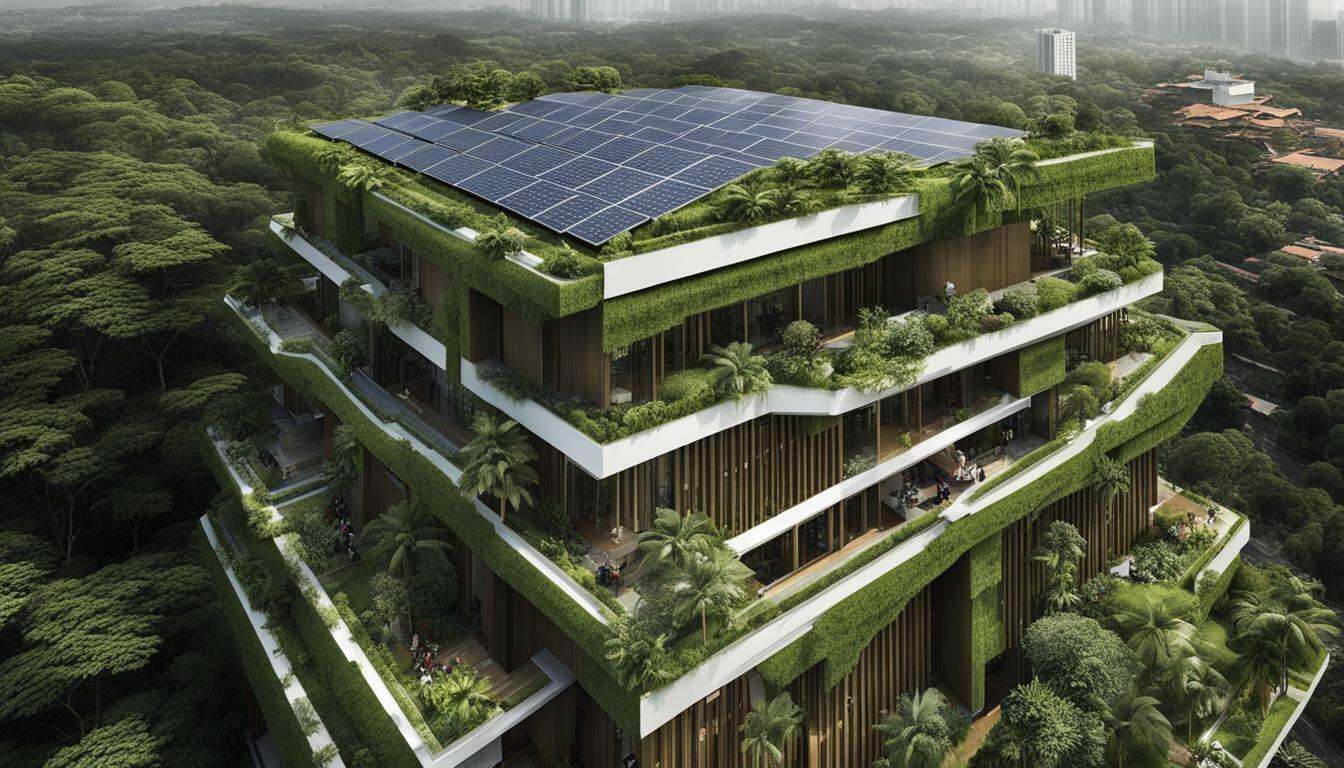
One of the most popular sustainable construction practices in China is the use of renewable energy sources. China has invested heavily in solar and wind energy, becoming the largest producer of both in the world. This investment has translated into construction practices, with the integration of solar panels and wind turbines into building designs. These practices not only reduce the building’s reliance on non-renewable energy sources but also contribute to the country’s goal of reducing carbon emissions.
Another sustainable construction practice has been the reuse and recycling of building materials. This circular economy approach reduces waste and conserves resources, contributing to the country’s push for environmental sustainability. Additionally, many buildings in China incorporate green roofs and walls, which not only provide insulation but also help to filter air pollutants and reduce the urban heat island effect, creating a more comfortable and healthy indoor environment.
The construction industry in China has also embraced low-carbon building technologies, investing in high-efficiency heating and cooling systems, smart building management systems, and energy-efficient lighting. These technologies, when combined with sustainable construction practices, create energy-efficient buildings that reduce carbon emissions and increase energy savings.

شیوه های ساخت و ساز پایدار، مانند استفاده از منابع انرژی تجدیدپذیر و استفاده مجدد از مصالح ساختمانی، نه تنها ردپای کربن ساختمان را کاهش می دهد، بلکه به هدف کشور برای کاهش انتشار کربن کمک می کند.
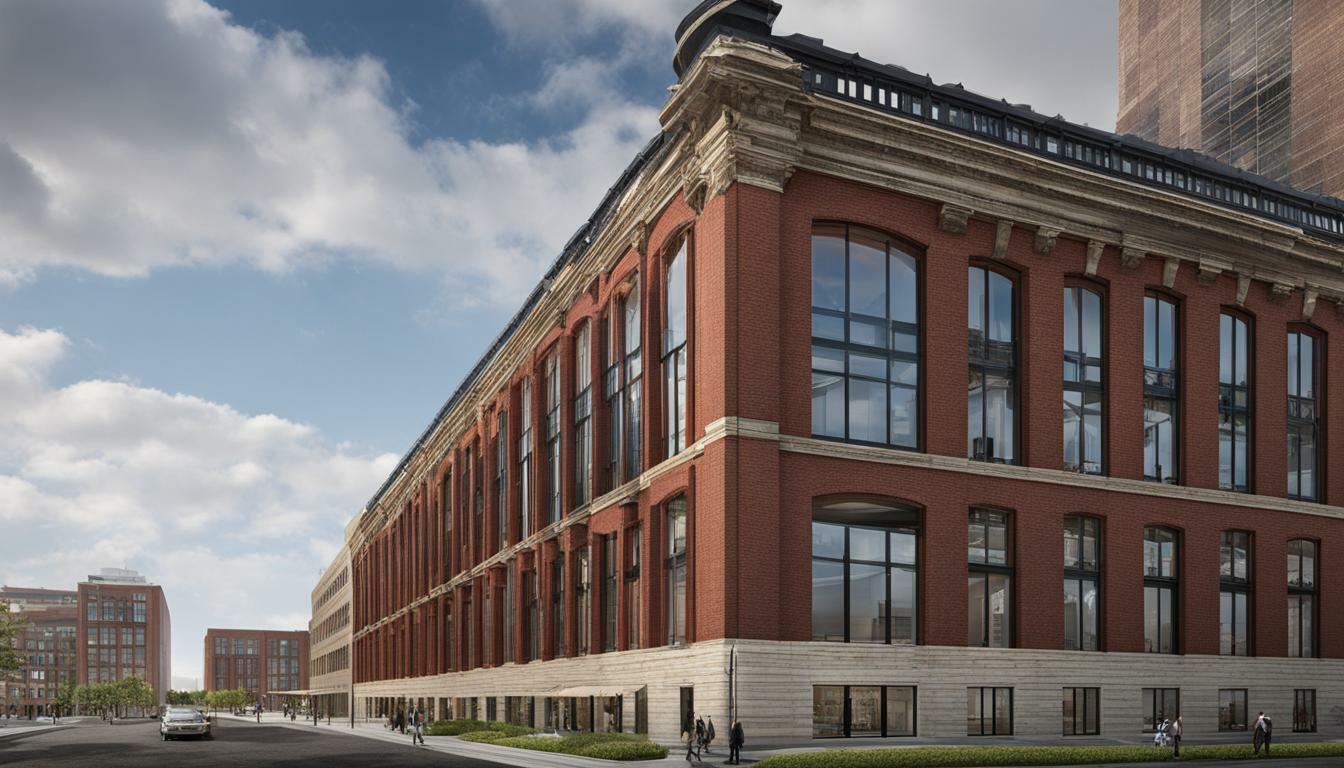
Sustainable construction practices in China are not limited to new construction projects. In fact, many existing buildings in China have undergone retrofits to incorporate sustainable features, such as green roofs and walls, solar panels, and energy-efficient lighting. This trend towards retrofitting existing buildings is an important part of China’s push towards sustainable urban development, as it reduces waste and maximizes the use of existing resources.
به طور کلی، استقبال چین از شیوه های ساخت و ساز پایدار و معماری سازگار با محیط زیست، این کشور را به عنوان پیشرو در زمینه توسعه پایدار شهری قرار داده است. تعهد این شرکت به کاهش انتشار کربن و ایجاد محیطی سالم و پایدار برای شهروندان خود در اتخاذ شیوه های مختلف پایدار توسط صنعت ساختمان منعکس شده است.
ساختمان های کم مصرف در چین
China has made great strides in developing energy-efficient buildings that significantly reduce carbon emissions. Low-carbon building technologies have played a key role in this endeavour, with the adoption of green construction materials and advanced insulation techniques.
The push for energy-efficient buildings has also led to the development of innovative energy-saving systems, such as smart lighting controls, occupancy sensors, and automated energy management systems. These systems help reduce energy consumption and improve building efficiency, resulting in significant cost savings over time.
One notable example is the Shanghai Tower, which is one of the tallest buildings in the world and was designed to achieve a 21% reduction in energy consumption compared to conventional buildings. The tower uses a variety of energy-efficient features, such as a double-skin façade, a high-performance ventilation system, and a rainwater harvesting system that supplies non-potable water for irrigation and cooling.

اتخاذ طراحی ساختمان و فناوری های کارآمد در مصرف انرژی نه تنها انتشار کربن را کاهش داده است، بلکه کیفیت زندگی را برای ساکنین بهبود بخشیده است. ساختمان هایی که دارای تهویه طبیعی، نور روز و فضاهای سبز هستند نشان داده شده است که رفاه را افزایش می دهند و به یک محیط زندگی سالم کمک می کنند.
As China continues to invest in sustainable urban development, the demand for energy-efficient buildings is expected to increase. The country’s commitment to low-carbon building technologies and green construction practices will undoubtedly pave the way for a more sustainable future.
آینده ساختمان سبز در چین
آینده چین محیط زیست ساخته شده است به طور فزاینده ای پایدار به نظر می رسد و دولت سرمایه گذاری زیادی در آن انجام می دهد ابتکارات ساختمان سبز توسعه پایدار شهری در راستای تعهد این کشور برای دستیابی به بیطرفی کربن تا سال 2060، تمرکز بر روی معماری سازگار با محیط زیست و شیوههای ساخت و ساز پایدار قرار است در سالهای آینده بیش از پیش برجسته شود.
As China continues to rapidly urbanize, sustainable urban development has become a key area of focus. The government’s ‘New Urbanization Plan’ aims to create sustainable cities, with an emphasis on the integration of green spaces, renewable energy, and low-carbon transportation systems. This will require a coordinated effort between the public and private sectors, as well as collaboration with international partners.
جنبش ساختمانهای سبز در چین نیز قرار است شتاب بیشتری بگیرد و دولت تعدادی ابتکار را برای ترویج شیوههای ساخت و ساز پایدار معرفی کند. اینها شامل برچسب ارزیابی ساختمان سبز است که پایداری ساختمان ها را ارزیابی می کند و استفاده از فناوری های ساختمانی کم کربن را تشویق می کند. دولت همچنین برنامه "ساختمان انرژی تقریباً صفر" را راه اندازی کرده است که هدف آن کاهش مصرف انرژی در ساختمان ها است.
با نگاهی به آینده، با تشویق دولت به استفاده از فنآوریهای انرژی تجدیدپذیر مانند پانلهای خورشیدی و سیستمهای گرمایش زمینگرمایی، تمرکز بر ساختمانهای با انرژی کارآمدتر میشود. همچنین انتظار میرود که توسعه ساختمانهای هوشمند با ادغام حسگرها و سایر فناوریهای بهینهسازی مصرف انرژی و بهبود عملکرد ساختمان، سرعت بیشتری داشته باشد.
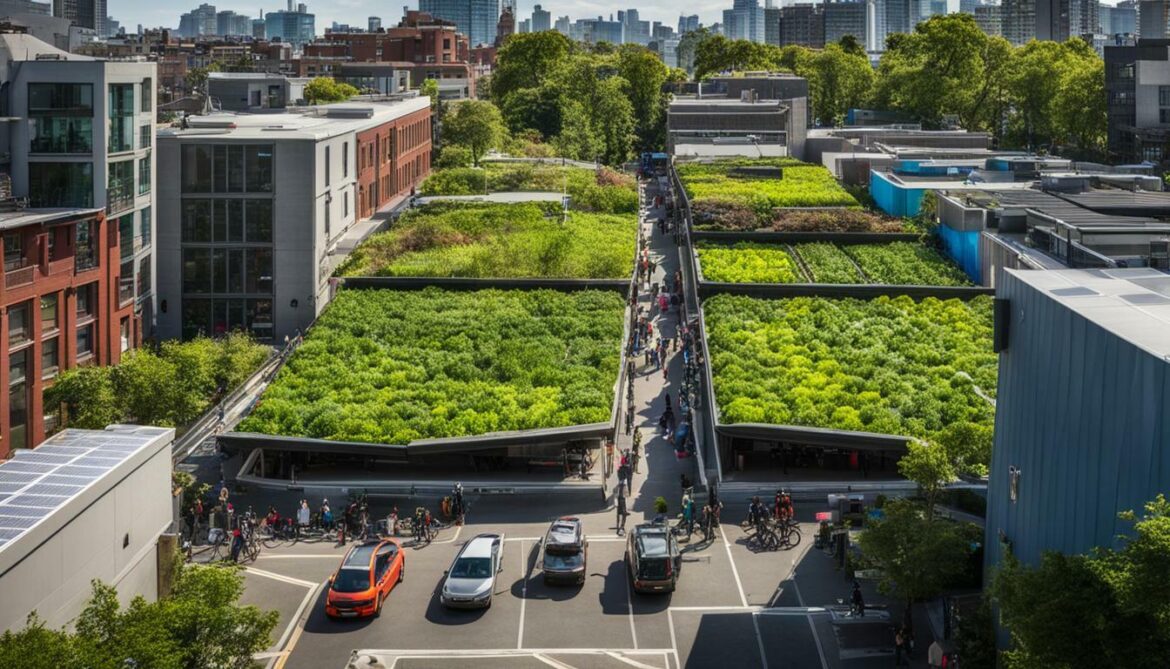
به طور کلی، آینده ساختمان سبز در چین امیدوارکننده به نظر می رسد، با تعهد به توسعه پایدار شهری و طرح های ساختمان سبز، کشور را به سوی آینده ای آگاه تر از محیط زیست سوق می دهد.
آینده ساختمان سبز در چین
تعهد چین به توسعه پایدار شهری و ابتکارات ساختمان سبز، راه را برای آینده ای آگاهانه از نظر زیست محیطی هموار می کند. سنت دیرینه طراحی محیطی این کشور، همراه با شیوه های مدرن پایدار، آن را به یک رهبر جهانی در زمینه ساختمان سبز تبدیل کرده است.
توسعه پایدار شهری
China recognizes the importance of sustainable urban development and has implemented various measures to reduce greenhouse gas emissions, improve air and water quality, and promote eco-friendly transportation. The government’s commitment to sustainable urban planning is reflected in the development of green building standards, policies, and certifications that encourage eco-friendly buildings and infrastructure.
طرح های ساختمان سبز
The green building movement in China has gained significant momentum over the past decade with various initiatives aimed at promoting sustainable construction practices. China’s Green Building Evaluation Standard, launched in 2006, is one of the world’s most comprehensive green building rating systems, covering the entire lifecycle of a building from design to construction and operation. Additionally, the government has introduced financial incentives, tax breaks, and subsidies to encourage developers and builders to adopt green building practices.
نقش در مقابله با تغییرات اقلیمی
Green building has an essential role to play in addressing climate change by reducing carbon emissions and promoting sustainability. China’s push towards sustainable urban development and green building initiatives can help the country achieve its goal of reaching carbon neutrality by 2060. By promoting energy-efficient buildings, reducing waste, and promoting eco-friendly transportation, China can pave the way for a more sustainable future.
نتیجه
تاریخچه ساختمان سبز چین تغییر قابل توجهی از اصول سنتی طراحی محیطی به شیوه های مدرن و سازگار با محیط زیست داشته است. تعهد آن به توسعه پایدار شهری و ابتکارات ساختمان سبز، کشور را به عنوان یک رهبر جهانی در زمینه پایداری قرار می دهد. چین از طریق ابتکارات مختلف خود آینده بهتری را برای شهروندان خود و کره زمین ایجاد می کند.
تاریخچه ساختمان سبز چین
سوالات متداول
تاریخچه ساختمان سبز در چین چیست؟
تاریخچه ساختمان سبز در چین از اصول سنتی طراحی محیطی تا پذیرش مدرن شیوه های ساخت و ساز پایدار را دربرمی گیرد. این در طول زمان تکامل یافته است تا معماری سازگار با محیط زیست را در اولویت قرار دهد و به جنبش ساختمان سبز در کشور کمک کند.
اصول سنتی طراحی محیطی در چین چیست؟
چین دارای سنت غنی طراحی محیطی است که بر هماهنگی با طبیعت و توسعه پایدار شهری تاکید دارد. این اصول بر نحوه برنامه ریزی و ساخت شهرها با تمرکز بر ایجاد تعادل بین سکونتگاه های انسانی و محیط طبیعی تأثیر گذاشته است.
جنبش ساختمان سبز چگونه در چین ظهور کرد؟
The green building movement in China emerged as global awareness of environmental issues grew. Various initiatives were introduced to promote sustainable construction practices and raise awareness about the importance of eco-friendly architecture in reducing carbon emissions and preserving natural resources.
استانداردهای ساختمان سبز در چین چیست؟
چین در توسعه استانداردهای ساختمان سبز و اجرای فناوری های ساختمانی کم کربن پیشرو بوده است. هدف این استانداردها کاهش مصرف انرژی، ارتقای بهره وری منابع و ایجاد محیط های زندگی و کار سالم تر از طریق شیوه های ساختمانی پایدار است.
شیوه های ساخت و ساز پایدار در چین چیست؟
China has embraced various sustainable construction practices, such as using renewable materials, implementing energy-efficient technologies, and incorporating green design principles. These practices aim to minimize the environmental impact of buildings and promote long-term sustainability.
ساختمان های کم مصرف در چین چگونه ترویج می شوند؟
بهره وری انرژی تمرکز اصلی ساختمان سبز در چین است. این کشور پیشرفتهای چشمگیری در طراحی ساختمانها و فنآوریهای کارآمد داشته است، از جمله استفاده از مواد کم کربن، عایق کارآمد و سیستمهای HVAC نوآورانه، برای کاهش انتشار کربن و افزایش عملکرد انرژی.
آینده ساختمان سبز در چین چیست؟
چین متعهد به توسعه پایدار شهری و ابتکارات ساختمان سبز است و خود را به عنوان یک رهبر جهانی در ارتقاء آگاهی زیست محیطی قرار می دهد. آینده ساختمان سبز در چین احتمالاً شاهد پیشرفت های بیشتر در شیوه های ساخت و ساز پایدار و ایجاد شهرهای سبزتر و پایدارتر خواهد بود.
نتیجه
تاریخچه ساختمان سبز در چین تغییر قابل توجهی را از اصول سنتی طراحی محیطی به اتخاذ شیوه های ساخت و ساز مدرن و پایدار نشان می دهد. تعهد چین به معماری سازگار با محیط زیست، استانداردهای ساختمان های سبز و فناوری های کم کربن، آن را در موقعیت پیشرو در پیگیری جهانی توسعه شهری پایدار قرار می دهد.