




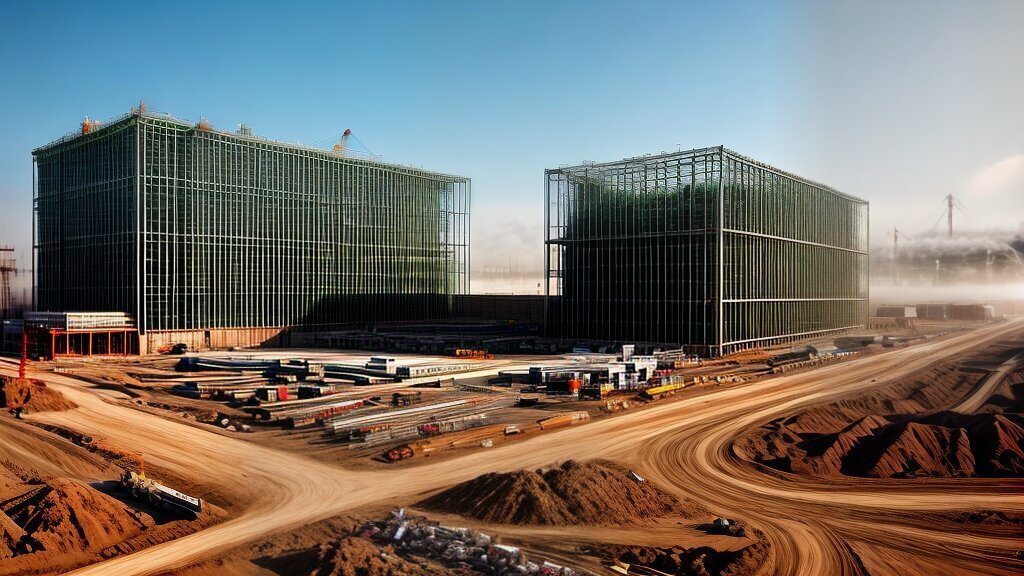
برنامه ریزی شهری برای جوامع پایدار: درس هایی از شهرهای دوستدار محیط زیست
Welcome to our article on the importance of eco-friendly cities and sustainable urban planning. As our population continues to grow and cities become more densely populated, it is essential to create communities that promote a sustainable way of life. Eco-friendly cities are designed with the environment in mind, focusing on reducing carbon emissions, preserving natural resources, and improving the quality of life for residents.
Urban planning plays a significant role in creating sustainable communities. By incorporating green infrastructure, renewable energy sources, effective waste management strategies, and eco-conscious transportation, urban planners can design cities that are not only environmentally friendly but also economically and socially sustainable.
نکات کلیدی
- Eco-friendly cities prioritize sustainability and reducing environmental impact
- برنامه ریزی شهری نقش حیاتی در ایجاد جوامع پایدار دارد
- Green infrastructure, renewable energy, waste management, eco-conscious transportation, green architecture, urban gardening, and تنوع زیستی conservation are essential components of eco-friendly cities
زیرساخت سبز: ایجاد بنیاد برای پایداری
Green infrastructure is a fundamental component of eco-friendly cities. It involves the integration of natural elements, such as parks, gardens, and trees, into urban landscapes. By incorporating green spaces into cities, we can improve air and water quality, provide habitats for wildlife, and promote sustainable living.
A study conducted by the University of Exeter found that people living near green spaces reported lower levels of mental distress and higher levels of life satisfaction compared to those living in urban areas without access to green spaces. Furthermore, green spaces can also provide opportunities for leisure and physical activity, which can improve overall health and wellbeing.
| مزایای زیرساخت سبز: | Examples of Implementation: |
|---|---|
| کیفیت هوا و آب را بهبود می بخشد | Implementation of rain gardens and green roofs in Chicago, USA |
| زیستگاهی برای حیات وحش فراهم می کند | ایجاد کریدورهای سبز در کپنهاگ، دانمارک |
| زندگی پایدار را ترویج می کند | Integration of urban forestry in Singapore |
گنجاندن زیرساخت های سبز در برنامه ریزی شهری می تواند یک چالش باشد، اما برای ایجاد شهرهای پایدار و زیست پذیر بسیار مهم است. دولت ها و برنامه ریزان شهری باید با یکدیگر همکاری کنند تا اطمینان حاصل شود که فضاهای سبز در طرح های شهری ادغام شده و برای همه ساکنان قابل دسترسی است.

زیرساخت سبز: ایجاد بنیاد برای پایداری.
زیرساخت های سبز سرمایه گذاری در سلامت و رفاه آینده ساکنان شهری است. با ترکیب عناصر طبیعی در شهرها، میتوانیم محیطی پایدارتر و زیستپذیر برای نسلهای آینده ایجاد کنیم.»
- فضاهای سبز می توانند به سلامت روحی و جسمی کمک کنند
- زیرساخت های سبز می توانند کیفیت هوا و آب را بهبود بخشند، زیستگاه هایی برای حیات وحش فراهم کنند و زندگی پایدار را ارتقا دهند
- دولت ها و برنامه ریزان شهری باید برای اطمینان از ادغام فضاهای سبز در طرح های شهری و دسترسی به آن برای همه ساکنان با یکدیگر همکاری کنند.
نیرو بخشیدن به آینده: انرژی های تجدیدپذیر در شهرهای دوستدار محیط زیست
در گذار به سوی زندگی پایدار، استفاده از منابع انرژی تجدیدپذیر بسیار مهم است. شهرهای دوستدار محیط زیست با اجرای استراتژی های نوآورانه و موفق انرژی های تجدیدپذیر در خط مقدم این حرکت بوده اند.
نیروی خورشیدی: One of the most notable examples of renewable energy implementation in eco-friendly cities is the use of solar power. Many cities have installed solar panels on public buildings and homes, reducing reliance on non-renewable energy sources. For instance, the City of Sydney in Australia has set a target of reaching 100% renewable energy by 2030 and has already installed over 3,500 solar panels on buildings throughout the city.
قدرت باد: یکی دیگر از گزینه های امیدوارکننده انرژی های تجدیدپذیر، انرژی باد است. شهرهایی مانند کپنهاگ با بیش از 100 توربین نصب شده در شهر برای تامین برق بیش از 100,000 خانوار از انرژی باد استقبال کرده اند. علاوه بر این، مزارع بادی فراساحلی در بسیاری از شهرهای ساحلی ایجاد شدهاند که منبع پایدار انرژی را فراهم میکنند.
برق آبی: Hydro power, which utilizes the power of water to generate electricity, is another renewable energy option. Cities such as Vancouver have implemented hydro power systems to reduce their carbon footprint.
These renewable energy sources have numerous benefits, including the reduction of greenhouse gas emissions, improved air quality, and the creation of local jobs. As renewable energy technology advances, it will become increasingly accessible and affordable for all cities to transition towards sustainable energy sources.

اگر میخواهیم از سیاره خود برای نسلهای آینده محافظت کنیم، باید راههایی برای تغییر به سمت منابع انرژی تجدیدپذیر پیدا کنیم.»
مدیریت زباله: کاهش، استفاده مجدد و بازیافت
Effective waste management strategies are critical to promoting sustainability in eco-friendly cities. By reducing, reusing, and recycling waste, we can significantly reduce the amount of material sent to landfills and promote a circular economy.
یکی از نمونههای اجرای موفق مدیریت پسماند، شهر سانفرانسیسکو است که از طریق ترکیبی از کاهش منبع، بازیافت و کمپوستسازی به نرخ قابل توجه 80 درصد انحراف زباله دست یافته است. قوانین اجباری بازیافت و کمپوست در شهر در دستیابی به این هدف مؤثر بوده است و اکنون ساکنان موظفند زباله های خود را در سه سطل کمپوست، بازیافت و دفن زباله جدا کنند.
کمپوست یکی از اجزای اساسی مدیریت پسماند پایدار است زیرا زباله های آلی را از محل های دفن زباله منحرف می کند و انتشار گازهای گلخانه ای را کاهش می دهد. علاوه بر این، از کمپوست می توان به عنوان کود طبیعی استفاده کرد که باعث رشد گیاه و سلامت خاک می شود.
Innovative approaches to waste reduction are also emerging, such as the zero-waste movement, which aims to eliminate waste entirely through the redesign of products, packaging, and systems. This approach requires a collaborative effort from individuals, businesses, and governments, but the benefits of a zero-waste society are significant, including reduced environmental impact, increased resource efficiency, and a healthier planet for future generations.

Implementing effective waste management strategies requires a shift in attitudes towards consumption and waste. By prioritizing the reduction, reuse, and recycling of materials, we can create sustainable cities that promote a circular economy and minimize our impact on the environment.
حرکت به سوی آینده ای سبزتر: حمل و نقل با آگاهی زیست محیطی
Eco-conscious transportation plays a crucial role in creating sustainable, eco-friendly cities, by reducing carbon emissions, traffic congestion, and air pollution. By promoting environmentally friendly modes of transportation, cities can create a healthier living environment for their residents, while also reducing their carbon footprint.
یکی از راههای رسیدن به این هدف، ترویج حملونقل عمومی است. شهرها می توانند در حمل و نقل عمومی کارآمد و کم آلاینده سرمایه گذاری کنند و از طریق یارانه ها و تخفیف ها استفاده از آن را تشویق کنند. این نه تنها ازدحام در جاده ها را کاهش می دهد، بلکه حمل و نقل مقرون به صرفه و در دسترس را برای همه ساکنان، به ویژه کسانی که توانایی خرید ماشین ندارند، فراهم می کند.
Cycling infrastructure is also an important aspect of eco-conscious transportation. Cities can invest in bike lanes, secure bike parking, and bike-sharing programs, to encourage residents to cycle more instead of driving. This promotes physical activity, reduces traffic, and creates a cleaner environment for everyone.
Electric vehicles (EVs) are another sustainable alternative to traditional cars. Many cities are now offering incentives such as tax credits and free charging stations to make EVs more accessible and affordable for residents. This promotes the shift towards a cleaner, more efficient transportation system that reduces our dependence on fossil fuels.
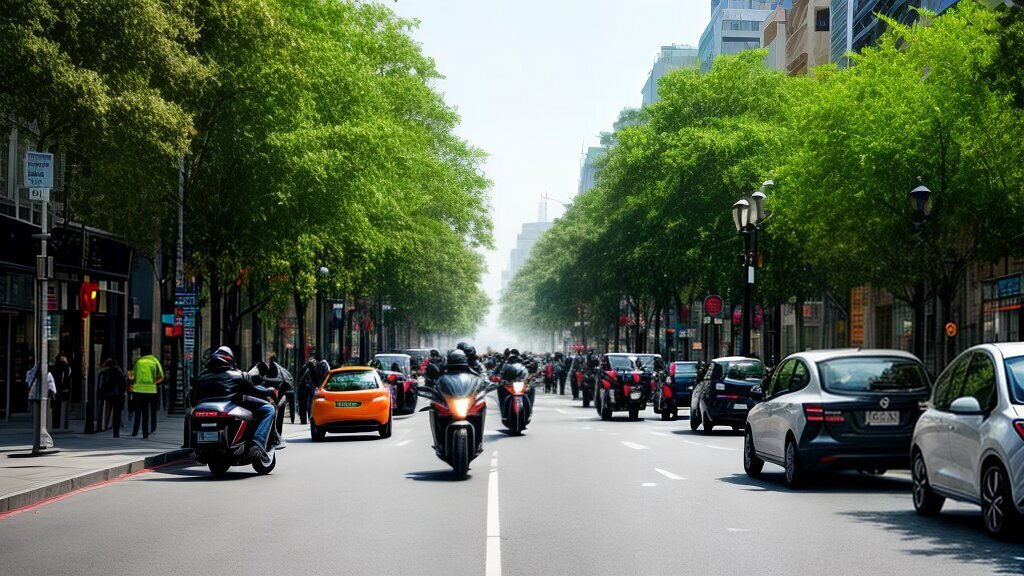
"سرمایه گذاری در حمل و نقل سازگار با محیط زیست هم برای محیط زیست و هم برای کیفیت زندگی ما یک برد برد است. با کاهش آلودگی و ترویج شیوههای حمل و نقل پایدار، میتوانیم شهری سالمتر و سرزندهتر برای همه ساکنان ایجاد کنیم.»
ساختمان برای آینده: طراحی سبز در معماری شهری
As cities expand, it is essential to consider the long-term impact of urban development on the environment. Green design in urban architecture is an approach that promotes sustainable building practices and reduces our carbon footprint. By incorporating eco-friendly materials and technologies into buildings, we can create more energy-efficient structures that not only benefit the environment but also improve quality of life for residents.
مصالح ساختمانی سبز
یکی از راههای پیادهسازی طراحی سبز در معماری شهری، استفاده از ... مصالح ساختمانی پایدار. Materials such as bamboo, recycled glass, and reclaimed wood are eco-friendly alternatives to traditional building materials that are often sourced from non-renewable resources. These materials are not only better for the environment, but they also add a unique character to urban architecture.
| مصالح ساختمانی پایدار: | مزایای: |
|---|---|
| خیزران | رشد سریع و تجدید پذیر، بادوام و قوی |
| شیشه بازیافتی | غیر سمی، صرفه جویی در انرژی، کاهش ضایعات در محل های دفن زباله |
| چوب احیا شده | نیاز به برداشت چوب را کاهش می دهد، ضایعات را کاهش می دهد |
طراحی کارآمد انرژی
Another way to incorporate green design in urban architecture is through energy-efficient building design. This can include the implementation of features such as solar panels, green roofs, and rainwater harvesting systems. These features not only reduce a building’s carbon footprint but can also save residents money on energy bills.
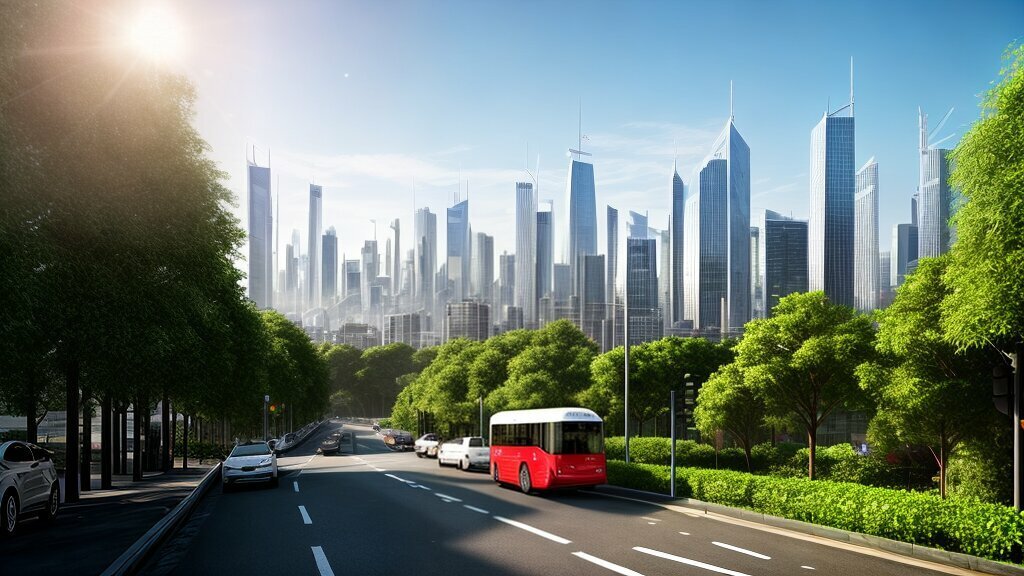
ادغام فناوری سبز
The integration of green technology, such as smart building systems and energy-efficient appliances, can also help to reduce a building’s environmental impact. Smart building systems, for example, can automatically adjust temperature and lighting to optimize energy usage based on occupancy, while energy-efficient appliances can significantly reduce energy consumption compared to conventional appliances.
با اولویت دادن به طراحی سبز در معماری شهری، می توانیم به سمت آینده ای پایدارتر حرکت کنیم و شهرهایی را ایجاد کنیم که هم از نظر زیست محیطی و هم از نظر اقتصادی مقاوم باشند.
پرورش طبیعت در جنگل بتنی: باغبانی شهری
Urban gardening is gaining momentum as a sustainable way to promote biodiversity, enhance air quality, and provide food security in eco-friendly cities. Community gardens, green rooftops, and vertical gardens are just some of the ways urban gardening is transforming the concrete jungle into an oasis of greenery.
باغ های محلی are community-managed open spaces that are accessible to anyone who wants to grow fruits, vegetables, or flowers. These gardens provide a range of benefits, including promoting social cohesion, enhancing biodiversity, and improving food security. They are a great way for local residents to connect with nature and each other, while also reducing their carbon footprint.
پشت بام های سبز are an innovative way to bring nature into urban areas. They involve planting vegetation on rooftops, which helps to reduce the urban heat island effect and improve air quality. Green roofs are also great for capturing rainwater and reducing stormwater runoff, which can help to prevent flooding.

باغ های عمودی, also known as living walls, are becoming popular in urban areas where space is limited. These gardens are created by affixing plants to a vertical surface, such as a wall or a fence. They are an excellent way to increase green space in urban areas, reduce the urban heat island effect, and enhance air quality. Additionally, they provide insulation, which can help to reduce energy consumption in buildings.
Urban gardening is not only beneficial for the environment, but it also contributes to the well-being of urban residents. Studies have shown that spending time in green spaces can improve mental health, reduce stress, and enhance cognitive function. By promoting urban gardening, eco-friendly cities can create a healthier, more sustainable future for all.
حفاظت از تنوع زیستی: تلاش های حفاظتی در شهرهای دوستدار محیط زیست
Preserving biodiversity is a crucial aspect of eco-friendly cities, as urbanization can have a significant impact on local ecosystems. To counteract these effects, cities are implementing various conservation efforts to protect the natural diversity of their environments.
One approach is the preservation of green spaces, such as parks, wetlands, and forests. These areas provide habitats for native plants and animals, while also improving air quality and reducing the urban heat island effect. For instance, New York City’s Central Park is home to over 230 species of birds, making it a popular destination for birdwatchers.
Another conservation effort is the protection of native plants and wildlife. Cities are creating protected areas for endangered species and implementing measures to prevent the introduction of invasive species. For example, London’s Royal Parks have implemented a program to protect the native hedgehog population, which has been in decline due to habitat loss and fragmentation.
Urban ecosystems are also being promoted as a means of conserving biodiversity. This involves creating green corridors, such as bike paths or urban gardens, that connect green spaces and provide habitats for a variety of species. By creating these corridors, cities are able to maintain and enhance their natural biodiversity.

In addition to protecting biodiversity, these conservation efforts also provide numerous benefits to urban residents. Green spaces and protected areas provide opportunities for recreation and outdoor activities, while also improving mental health and well-being. Furthermore, promoting urban biodiversity can increase crop yields and improve pollination, providing food security and supporting local ecosystems.
به طور کلی، تلاشهای حفاظتی جزء حیاتی برنامهریزی شهری پایدار و ایجاد شهرهای دوستدار محیط زیست است. با حفظ و تقویت تنوع زیستی، شهرها می توانند اثرات شهرنشینی را کاهش داده و آینده ای مقاوم تر و پایدارتر ایجاد کنند.
نتیجه
Eco-friendly cities are essential for a sustainable future. Through sustainable urban planning, green infrastructure, renewable energy, waste management, eco-conscious transportation, green building design, urban gardening, and biodiversity conservation, we can create vibrant, livable communities that promote a healthier planet and a better quality of life for all.
بیایید با هم آینده ای بهتر بسازیم
As we face the challenges of climate change and urbanization, it’s more important than ever to prioritize sustainability in our communities. By working together, we can build eco-friendly cities that serve as models for a greener, brighter future. Let’s continue to support and invest in sustainable urban planning, green technologies, and innovative solutions for a sustainable world.
سوالات متداول
س: شهرهای دوستدار محیط زیست چیست و چرا اهمیت دارند؟
A: Eco-friendly cities are urban areas that are designed and developed with a focus on sustainability and environmental conservation. They prioritize initiatives such as renewable energy, green infrastructure, waste management, and eco-conscious transportation. These cities are crucial in promoting sustainable living and mitigating the impacts of climate change.
س: زیرساخت سبز چیست و چگونه به پایداری کمک می کند؟
پاسخ: زیرساخت سبز به ادغام عناصر طبیعی مانند پارک ها، باغ ها و فضاهای سبز در مناظر شهری اشاره دارد. این کشور با بهبود کیفیت هوا، افزایش تنوع زیستی و ایجاد مناطق تفریحی برای ساکنان، نقش حیاتی در ایجاد شهرهای دوستدار محیط زیست دارد. زیرساخت های سبز همچنین به کاهش اثرات جزایر گرمایی شهری و کاهش رواناب آب طوفان کمک می کند.
س: انرژی های تجدیدپذیر چگونه به شهرهای دوستدار محیط زیست کمک می کند؟
پاسخ: منابع انرژی تجدیدپذیر، مانند انرژی خورشیدی و بادی، در شهرهای دوستدار محیط زیست ضروری هستند. با گذار به انرژی پاک، این شهرها می توانند ردپای کربن و وابستگی خود به سوخت های فسیلی را کاهش دهند. انرژی های تجدیدپذیر همچنین امنیت انرژی را افزایش می دهد، کیفیت هوا را بهبود می بخشد و باعث رشد اقتصادی پایدار می شود.
س: چند استراتژی موثر مدیریت زباله در شهرهای دوستدار محیط زیست چیست؟
پاسخ: مدیریت موثر زباله در شهرهای دوستدار محیط زیست شامل کاهش تولید زباله، استفاده مجدد از مواد و بازیافت است. این شهرها روشهای دفع مسئولانه زباله مانند کمپوست را ترویج میکنند و استفاده از بستهبندی پایدار را تشویق میکنند. آنها همچنین از رویکردهای نوآورانه برای کاهش زباله، مانند اجرای اصول اقتصاد دایره ای و مشارکت دادن جامعه در شیوه های مدیریت زباله، استقبال می کنند.
س: حمل و نقل سازگار با محیط زیست چگونه به پایداری در شهرها کمک می کند؟
A: Eco-conscious transportation plays a significant role in creating eco-friendly cities. By promoting public transportation, cycling infrastructure, and electric vehicles, these cities reduce traffic congestion, air pollution, and greenhouse gas emissions. Eco-conscious transportation options also improve access to mobility, enhance public health, and create more livable cities.
س: چرا طراحی ساختمان سبز در معماری شهری مهم است؟
A: Green building design is crucial in eco-friendly cities as it focuses on reducing the environmental impact of buildings. It involves using ساخت و ساز پایدار materials, energy-efficient designs, and incorporating green technologies. Green buildings improve energy efficiency, reduce water consumption, enhance indoor air quality, and promote occupant well-being.
س: مزایای باغبانی شهری در شهرهای دوستدار محیط زیست چیست؟
A: Urban gardening provides numerous benefits in eco-friendly cities. It enhances biodiversity, improves air quality, mitigates urban heat islands, and reduces food miles. Urban gardens, including community gardens, green rooftops, and vertical gardens, promote local food production, foster community engagement, and contribute to the overall well-being of residents.
س: چرا حفاظت از تنوع زیستی در شهرهای دوستدار محیط زیست مهم است؟
A: Biodiversity conservation is vital in eco-friendly cities as it helps to maintain ecological balance, enhance natural habitats, and protect native plants and wildlife. By preserving green spaces, promoting urban ecosystems, and implementing conservation efforts, these cities create more resilient environments and support the overall health of ecosystems.
نتیجه
شهرهای دوستدار محیط زیست در ترویج زندگی پایدار و کاهش اثرات تغییرات آب و هوا بسیار مهم هستند. این شهرها از طریق ابتکاراتی مانند زیرساخت های سبز، انرژی های تجدیدپذیر، مدیریت زباله، حمل و نقل آگاهانه از محیط زیست، طراحی ساختمان های سبز، باغبانی شهری و حفاظت از تنوع زیستی، آینده پایدارتری را برای نسل های آینده ایجاد می کنند.