 Constructive Voices
From Caspian Wind to the EU: A Four-Country Energy Corridor
12/19/2022
Azerbaijan · Renewable Energy · Infrastructure
From Caspian Wind to the EU: A Four-Country Energy Corridor
Azerbaijan, Georgia, Romania and Hungary agreed to move Caspian wind power under the Black Sea to Europe. Four years on, the cable project is advancing and Azerbaijan is measuring the offshore wind it would carry — while the questions about cost, grid and Caspian ecology remain.
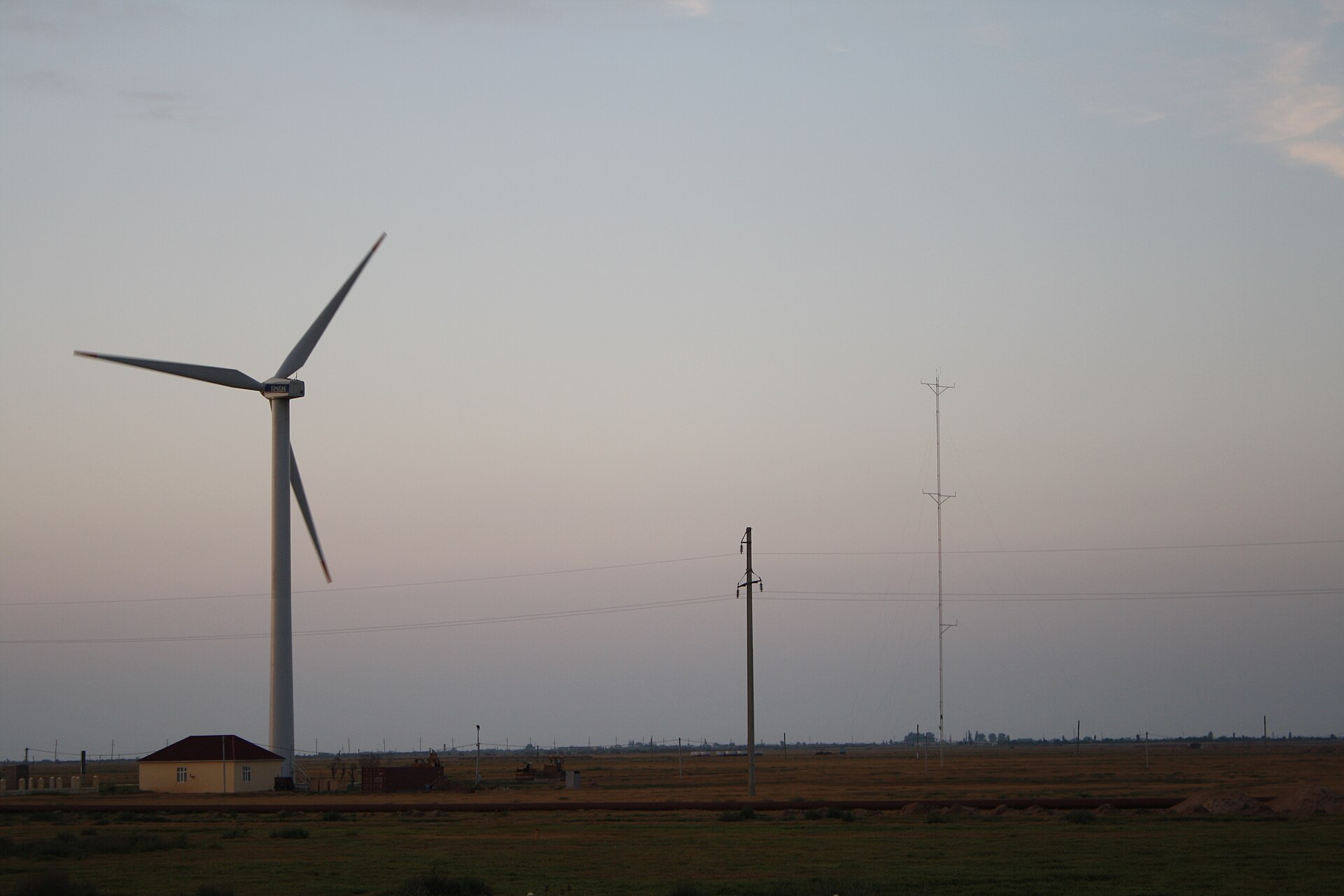
In December 2022, Azerbaijan, Georgia, Romania and Hungary signed an agreement to supply Europe with electricity from wind farms Azerbaijan planned to build in the Caspian Sea. The electricity would travel through Georgia and then under the Black Sea on a submarine cable to Romania and on to Hungary, with support from the European Union. The signing was framed explicitly as part of Europe’s effort to diversify away from Russian energy after the invasion of Ukraine.
That framing is what gave the project its momentum. The Black Sea cable — often called the Black Sea Energy submarine cable — was pitched as a new corridor that would turn Georgia into an electricity hub and connect the Caspian’s renewable potential to the EU’s internal electricity market. Hungarian officials at the time described EU support in the order of €2.3 billion, with a feasibility study to follow.
Four years on, the project has moved from declaration to engineering. The cable is being developed by the transmission system operators of the countries involved, funding has been allocated for studies and preparatory work, and Azerbaijan has begun the practical business of measuring the wind it intends to harvest. The corridor is no longer a press release, but it is a long way from carrying power — and the questions that were always going to matter — cost, grid capacity, and the ecology of a shrinking sea — are now the live ones.
A thousand kilometres under the Black Sea
The engineering challenge is the sea itself. A high-voltage submarine cable running roughly 1,100 kilometres under the Black Sea is one of the more demanding infrastructure projects in the region: it must be laid at depth, protected from anchors and seabed movement, and connected at each end to grids that have to be upgraded to absorb the power. High-voltage direct current (HVDC) is the established technology for moving large volumes of electricity over such distances, and subsea HVDC links of comparable length exist elsewhere — but each is bespoke, and each is expensive.
The institutional work is proceeding. Romania’s transmission system operator Transelectrica and its Georgian counterpart have been advancing the project jointly, and Georgia has budgeted for its share of preparatory work, including studies and project development. Feasibility and design work is the unglamorous middle phase of any megaproject, and it is where the corridor currently sits: committed enough to have a budget line, not yet committed enough to have a construction schedule.
The corridor’s rationale has also broadened. The original case was energy security — replacing Russian supply. The current case is grid integration: the EU needs more interconnection to absorb a growing share of renewables, and the countries between the Caspian and the EU need access to a larger market. A cable that does both is more valuable than one that does only one, which is why the project has survived changes of government and shifts in the energy market.
Sources: RFE/RL, Hungary, Romania, Georgia, Azerbaijan agree to Black Sea electricity project; Romania Insider, Transelectrica and Georgian State Electrosystem (2026).
Azerbaijan measures its offshore resource
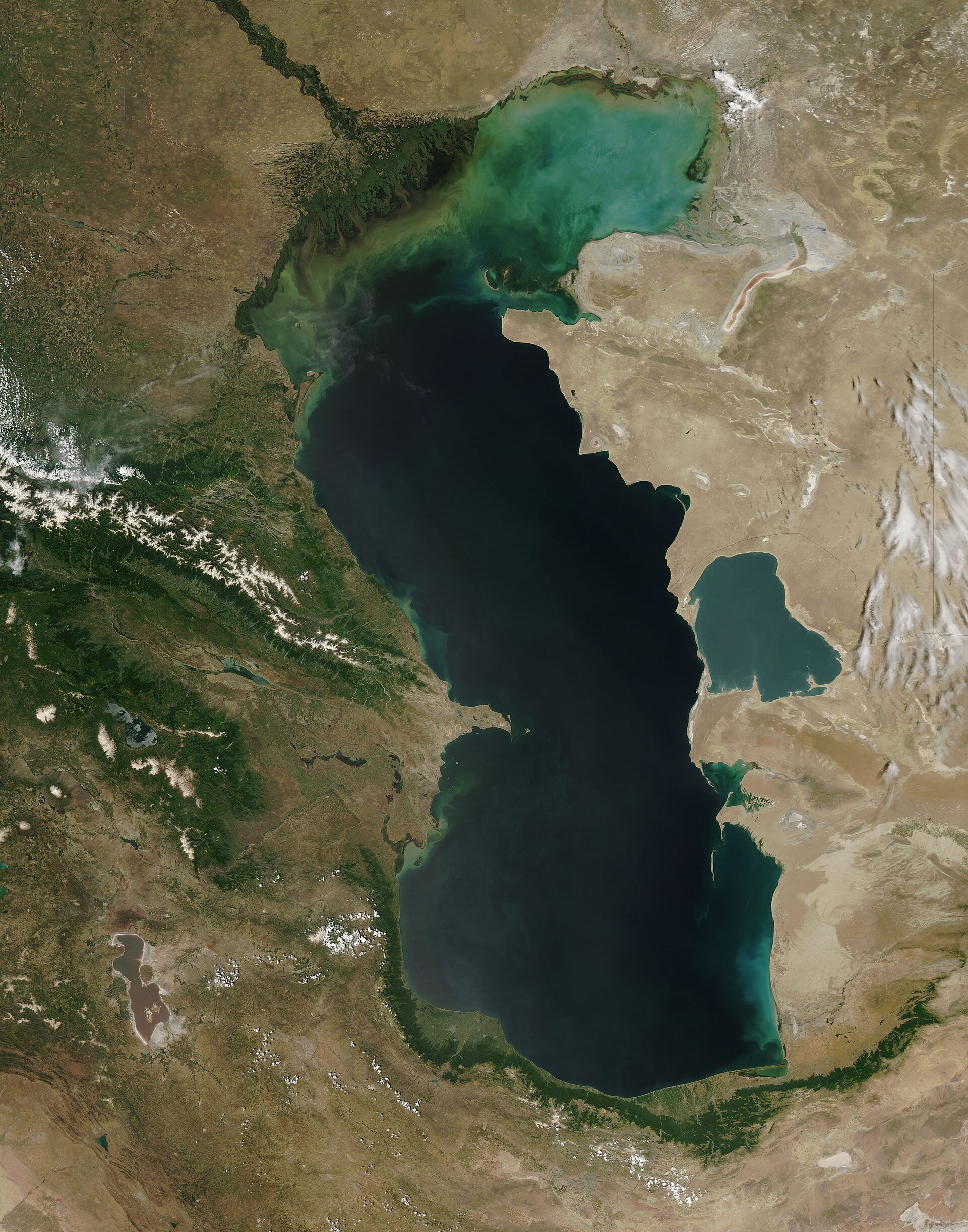
A cable needs something to carry, and the wind side of the project has advanced in parallel. In 2025 Azerbaijan and a Chinese partner agreed to develop an offshore wind project in the Caspian. In May 2026 the country began an offshore wind measurement campaign using a floating LiDAR device — the standard instrument for assessing a marine wind resource before turbines are ordered. And in August 2026 Azerbaijan designated a zone of around 711 square kilometres in the Caspian for offshore wind development.
Those three steps — a partnership, a measurement campaign and a designated development zone — are the recognised sequence for building an offshore wind industry from scratch. Measurement matters most, because the economics of a wind farm rest on the wind speed, its variability and the water depth at the site; a floating LiDAR campaign is how a country establishes whether the resource is worth the capital. The designated zone gives the process somewhere to happen and signals to developers that the state has chosen its ground.
The Caspian is a demanding environment for offshore wind. It is shallow in the north and deeper in the south, it is seismically active in places, it freezes in winter at its northern end, and its water level is falling — a factor that changes both the engineering and the ecology. Azerbaijan’s wind resource is concentrated in the Absheron area and around Baku, which is also where the country’s population and industry are concentrated, meaning that offshore generation could connect close to demand.
Sources: Offshore Wind, Azerbaijan designates 711.4 km² area in the Caspian (August 2026); Offshore Wind, measurement campaign with floating LiDAR (May 2026); Offshore Wind, Azerbaijan and China offshore wind partnership (2025).
The connection problem behind the cable
A cable is only as useful as the grids at either end. Moving Caspian wind to Europe requires, first, an Azerbaijani grid that can collect offshore generation and deliver it to the Georgian border; second, a Georgian grid and interconnection that can transmit it; third, the subsea link itself; and fourth, a Romanian and Hungarian grid ready to receive it and move it westward. Each of those is a project, and each has its own schedule and its own costs.
This is the quiet reason large interconnectors take a decade or more. The headline cable attracts the attention, but the domestic grid reinforcement on both sides is often the harder and slower part, and it is paid for by different budgets with different politics. In the EU context, the project also has to fit into the bloc’s planning for electricity interconnection and its rules for third-country participation in the internal market — the same framework through which Georgia hopes to integrate.
Azerbaijan’s domestic grid is the part of the chain most within its own control. The country has been strengthening transmission and has expanded its cross-border links, including toward Türkiye and Nakhchivan, which serve a related purpose: making Azerbaijani electricity exportable. A grid built to export renewable power is also, incidentally, a grid better able to accommodate solar and wind at home.
Sources: Hürriyet Daily News, Azerbaijan to export renewable energy to Türkiye via Nakhchivan; AzerNews, Azerbaijan’s wind boom.
Offshore wind on a shrinking sea
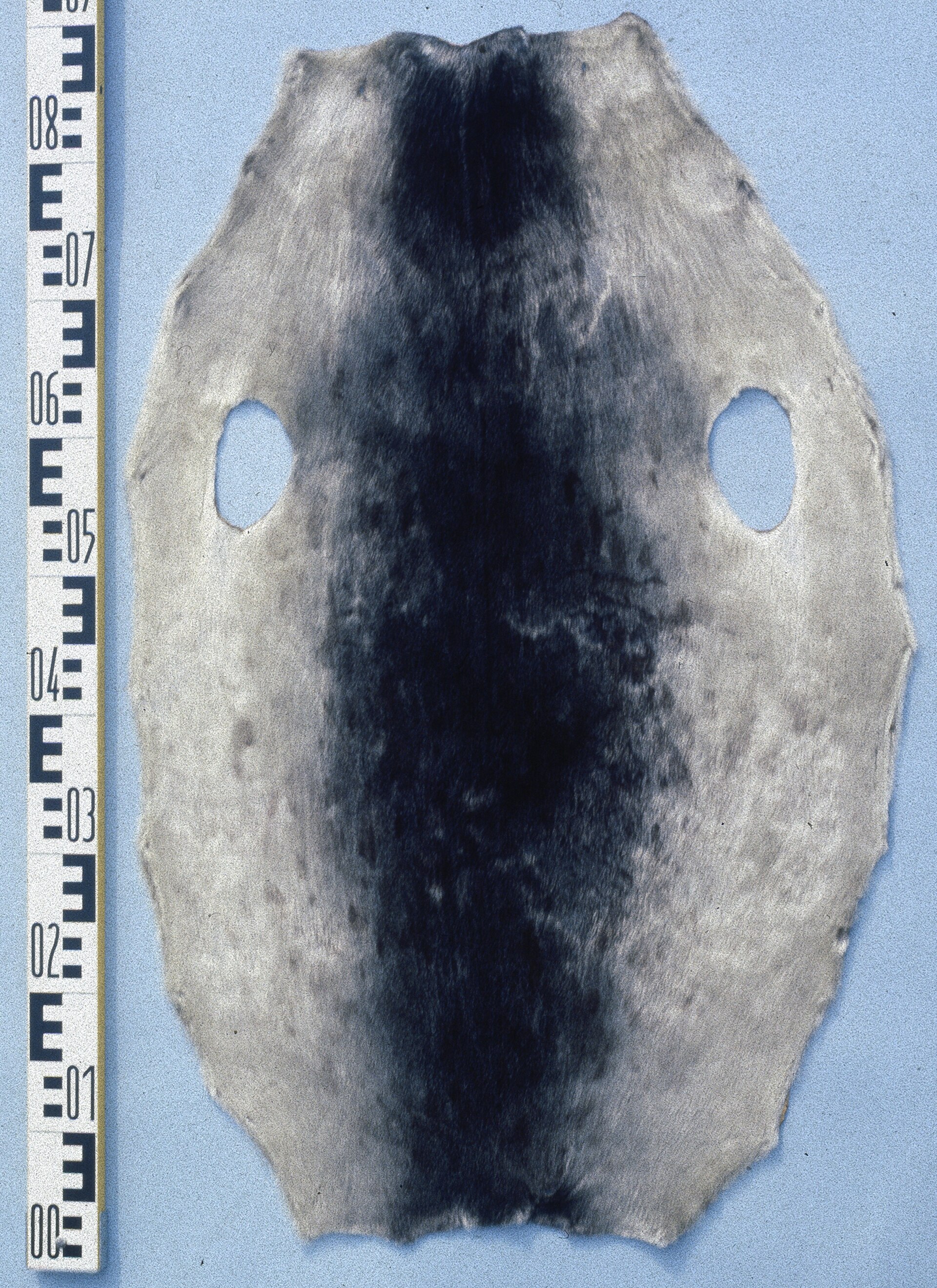
The Caspian is not an ordinary sea, and building on it is not an ordinary project. It is the world’s largest inland water body, home to endemic species including the Caspian seal and the sturgeon, and it is falling sharply — a decline described in recent reporting as the steepest in around two centuries. Offshore wind development interacts with all three facts.
The ecological questions are concrete. Piles driven into the seabed create noise that affects marine mammals; the Caspian seal, already stressed, is the species of most concern. Cable routes and turbine foundations disturb benthic habitat and can cut across the shallow-water zones that anchor the food web. And because the sea level is falling, the design assumptions for a fixed-bottom installation — water depth, wave climate, scour — change over its lifetime, which is one reason a floating rather than fixed approach may be attractive in parts of the basin.
None of this makes the project inherently wrong. Renewable energy on the Caspian displaces gas and is, in climate terms, clearly positive. But it does mean that siting, seasonal timing of construction and environmental assessment matter more here than in a well-studied sea, and that a country that has just bid to host the UN biodiversity conference should expect its offshore wind programme to be assessed against the same standards it advocates internationally. The corridor’s environmental credibility will be read from the seabed, not the signing ceremony.
Sources: Al Jazeera, The Caspian Sea is shrinking (2025); Caucasus Nature Fund, Caspian and Caucasus conservation.
Energy, the Middle Corridor and geopolitics
The Black Sea cable is one strand of a larger reordering of trade and energy routes across the South Caucasus and Central Asia. The war in Ukraine accelerated the shift of cargo and energy away from routes through Russia and toward the “Middle Corridor” that runs through Georgia, Azerbaijan, the Caspian and Kazakhstan. Ports, railways, pipelines and power lines are all being reconsidered as part of that corridor, and the electricity link sits alongside the transport links as a piece of the same strategic realignment.
That context explains both the project’s appeal and the interest of outside powers. The EU wants a non-Russian energy source and a stronger link to Central Asia; China, Türkiye and the Gulf states have their own interests in the region; and the countries along the route gain leverage and investment. For Azerbaijan, the corridor consolidates its position as the region’s energy hub — a role it has played for oil and gas, now extended to electricity.
The geopolitical tailwind is real, but it does not remove the financial questions. A cable of this scale needs a combination of EU support, multilateral lending and commercial investment, and it needs a credible revenue model: who pays for the power, at what price, and under what contract for the decades the asset will exist. Those are the negotiations that decide whether the corridor is built on the timeline its supporters hope for.
Sources: Hürriyet Daily News, regional energy links; RFE/RL, the four-country agreement.
What to watch
Three indicators will show whether the corridor is real. The first is the completion of the feasibility and design studies and a firm construction timeline — without those, the project remains an intention. The second is the outcome of Azerbaijan’s offshore measurement campaign and the first binding offtake or investment decisions for a Caspian wind farm; a cable with no generation is a stranded asset. The third is the environmental assessment and siting of the offshore zone, which will reveal whether the corridor is being built with the Caspian’s ecology in mind or over it.
What the project already demonstrates is the shape of the energy transition in this region. It is not a simple switch from fossil to renewable; it is a re-engineering of an entire network — generation, grid, cable, market and geopolitics — in which a country’s hydrocarbon past funds and complicates its renewable future. Azerbaijan’s wind, carried under the Black Sea, is one of the clearest examples in the world of that transition in motion.
Key points
In December 2022 Azerbaijan, Georgia, Romania and Hungary agreed a Black Sea electricity corridor to carry Caspian wind power to Europe. The roughly 1,100 km subsea link is in feasibility and design, with Georgia budgeting for preparatory work and Romania’s Transelectrica involved. On the generation side, Azerbaijan signed an offshore wind partnership in 2025, began a floating-LiDAR measurement campaign in May 2026 and designated a ~711 km² Caspian development zone in August 2026. Open questions are grid capacity at both ends, financing, and the ecology of the shrinking Caspian.
Sources: Offshore Wind, the Caspian offshore zone; RFE/RL, the four-country project; Al Jazeera, on the Caspian decline.
Primary sources and news citations
- RFE/RL, Hungary, Romania, Georgia, Azerbaijan agree to Black Sea electricity project (December 2022).
- Romania Insider, Romania’s Transelectrica and Georgia’s State Electrosystem on the Black Sea cable (2026).
- Offshore Wind, Azerbaijan designates 711.4 km² area in the Caspian (August 2026).
- Offshore Wind, Azerbaijan kicks off offshore wind measurement campaign (May 2026).
- Offshore Wind, Azerbaijan and China to jointly develop offshore wind in the Caspian (2025).
- Al Jazeera, The Caspian Sea is shrinking (2025).
- Hürriyet Daily News, Azerbaijan to export renewable energy to Türkiye via Nakhchivan.
- AzerNews, Azerbaijan’s wind boom.
Methodology and sourcing. Project status and figures are attributed to the reporting and company announcements cited and are described as reported positions, not confirmed outcomes; the corridor remains in development. Offshore wind resource estimates are the subject of an ongoing measurement campaign and are not yet established. This report describes the position as at September 2026.

Latest Episode
S7, E4: Infrastructure vs Nature Is the Wrong Fight: Joel Humphreys