

Grčka Povijest zelene gradnje
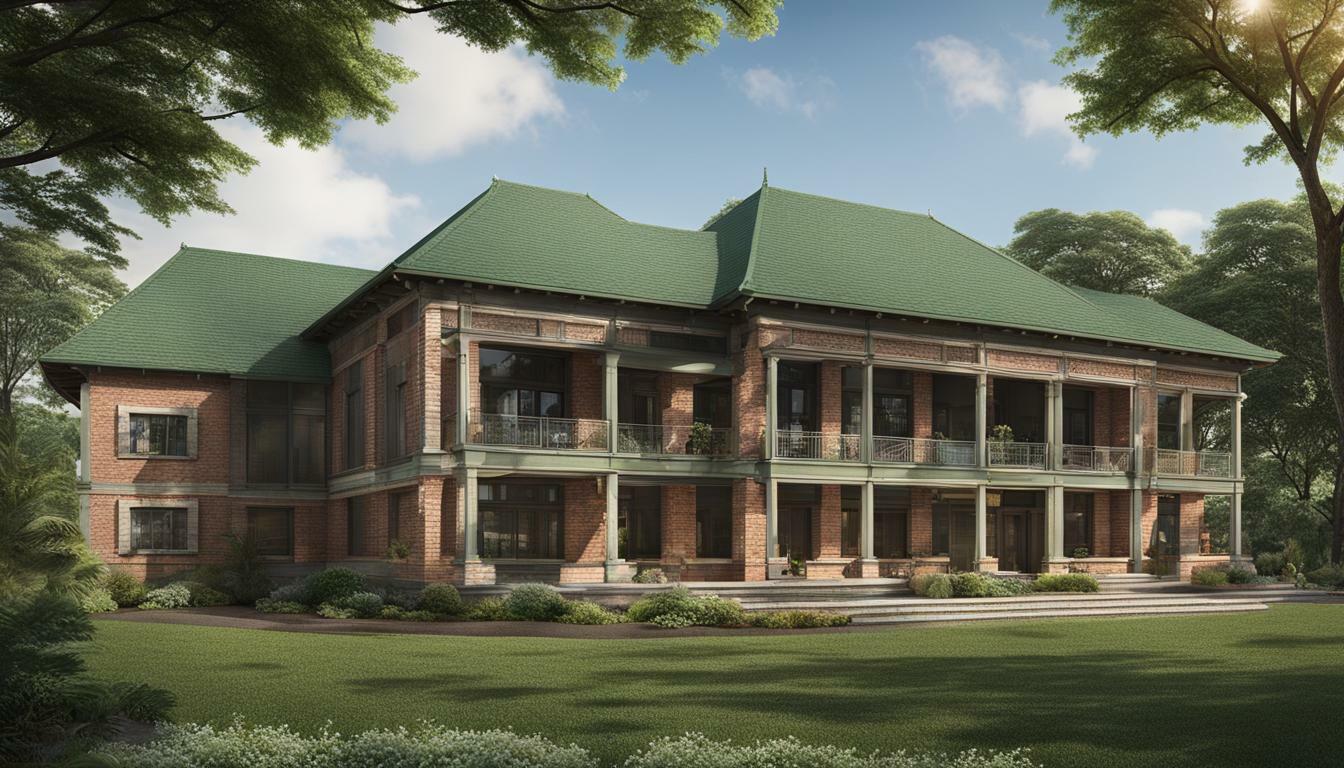
Greece has experienced a notable transformation in its approach to construction, embracing sustainability and eco-friendly practices in recent years. The economic recession in the country provided an opportunity for the real estate sector to prioritise sustainability, leading to a significant shift towards green buildings. In 2008, Greece achieved a milestone with its first LEED project, marking the beginning of a new era for the industry. Since then, the demand for sustainable construction has been on the rise, aligning with global trends and the growing awareness of the importance of environmental responsibility.
- Greece’s construction industry has embraced sustainability, prioritising eco-friendly practices.
- The economic recession provided an opportunity for the real estate sector to focus on green buildings.
- Prvi LEED projekt u Grčkoj, dovršen 2008., postavio je prekretnicu za industriju.
- Postoji sve veća potražnja za održiva gradnja u Grčkoj, uzimajući u obzir ekonomske, društvene i ekološke čimbenike.
- Ancient Greek architecture continues to influence modern sustainable designs in the country.
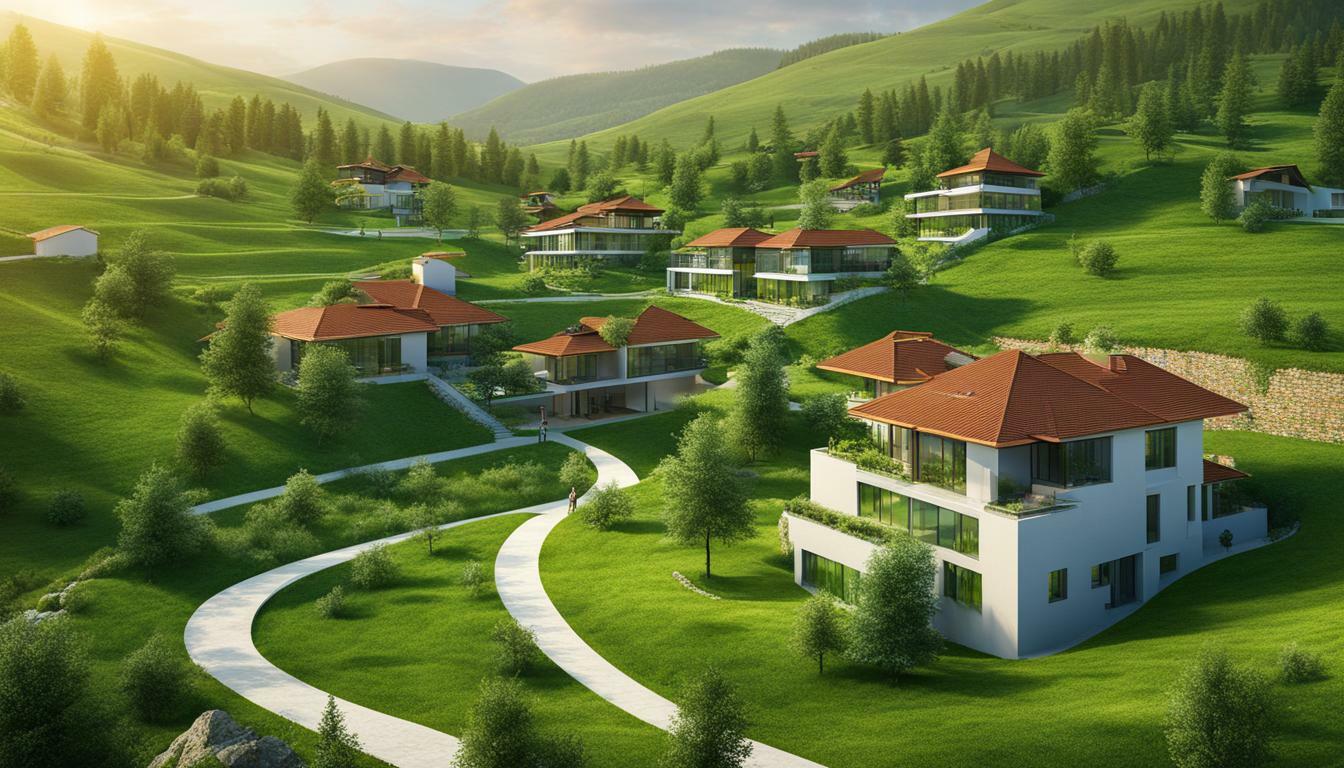
With a combination of traditional architectural styles and modern sustainable designs, Greece is striving to minimise carbon emissions and make a positive impact on the environment. The country’s commitment to sustainable development and eco-friendly architecture is reflected in the increasing use of innovative and environmentally friendly materials in construction projects. Greece’s journey towards a greener future is driven by a desire to create buildings that not only enhance the quality of life but also contribute to a more sustainable and resilient society.
Uspon održive gradnje u Grčkoj
In response to the economic recession, Greece’s real estate sector underwent a significant shift towards sustainable construction and embraced green building practices. This transition was driven by the need to prioritize sustainability and find innovative solutions to rebuild the industry. Today, održivi razvoj u Grčkoj has become a key focus, with green building practices and sustainable urban planning taking center stage.
Jedan od ključnih čimbenika koji pridonose porastu održiva gradnja u Grčkoj was the realization that sustainable practices not only benefit the environment but also provide economic advantages. Energy-efficient buildings have lower operating costs, reducing the burden on homeowners and businesses. Additionally, the use of sustainable building materials has gained traction, promoting the circular economy and minimizing the carbon footprint of construction projects.
Greece has also embraced sustainable urban planning as a means to create healthier and more livable cities. This includes the implementation of green spaces, pedestrian-friendly infrastructure, and efficient public transportation systems. By prioritizing sustainable urban planning, Greece aims to improve the quality of life for its residents while minimizing the environmental impact of urbanization.
Važnost suradnje
Collaboration between government entities, architects, developers, and the public has been crucial in driving održiva gradnja u Grčkoj. Through partnerships and dialogue, stakeholders have been able to share knowledge, resources, and best practices. This collaborative approach has fostered innovation and facilitated the adoption of sustainable building practices throughout the country.
The rise of sustainable construction in Greece is a testament to the country’s commitment to building a greener future. With a focus on sustainable development, green building practices, and sustainable urban planning, Greece is paving the way for a more environmentally conscious and socially responsible construction industry.
| Prednosti održive gradnje u Grčkoj | Primjeri praksi održive gradnje |
|---|---|
| – Niži troškovi energije | – Use of renewable energy sources |
| – Smanjeni ugljični otisak | - Prikupljanje kišnice |
| – Improved indoor air quality | – Green roofs and vertical gardens |
| – Creation of green jobs | – Efficient insulation and glazing |
| – Enhanced resilience to natural disasters | – Smanjenje otpada i recikliranje |

Inovacije u ekološki prihvatljivoj arhitekturi
Greece has witnessed a surge in environmentally friendly design, as architects and organizations strive to create sustainable buildings that blend seamlessly with the environment. From utilizing renewable energy sources to incorporating natural elements in their designs, these innovators are reshaping the future of architecture in Greece.
One notable example is Estia Developments, a leading construction company that is committed to sustainable architecture. They have embraced eco-friendly materials and techniques in their projects, resulting in energy-efficient buildings that minimize the environmental impact. Their designs seamlessly blend modern aesthetics with the natural surroundings, creating harmonious spaces that promote well-being.
Ekološki prihvatljivi materijali
Korištenje ekološki prihvatljivih materijala ključni je fokus grčkih inicijativa zelene gradnje. Arhitekti i programeri istražuju održive alternative tradicionalnim građevinskim materijalima, kao što su reciklirani čelik, obnovljeno drvo i boje s niskim sadržajem VOC. Ovi materijali ne samo da smanjuju otpad i emisije ugljika, već također pridonose zdravijem unutarnjem okolišu.
Moreover, biomimicry is gaining traction in Greek architecture, where designers draw inspiration from nature to create innovative solutions. This approach involves studying natural patterns, forms, and processes and applying them to building design. By mimicking nature’s efficiency, architects can create structures that are energy-efficient and in harmony with their surroundings.
| Ekološki prihvatljivi materijali | Prednosti |
|---|---|
| Reciklirani čelik | Izdržljiv i smanjuje potražnju za novom proizvodnjom čelika |
| Obrađeno drvo | Održiva alternativa novom drvu, smanjuje krčenje šuma |
| Low VOC boje | Improves indoor air quality and reduces harmful emissions |
Ove inovacije u ekološki prihvatljivoj arhitekturi ne samo da koriste grčkom okolišu, već i stvaraju održive i inspirativne prostore za njezine stanovnike. Dajući prioritet održivosti kao temeljnom načelu, Grčka utire put zelenijoj budućnosti u građevinskoj industriji.

Energetski učinkovite zgrade u Grčkoj
Energy-efficient buildings have become a priority in Greece, with a strong focus on sustainable building materials and energy conservation. The country’s commitment to reducing carbon emissions and promoting environmentally friendly practices has led to significant advancements in the construction industry. Greece is now embracing innovative approaches to create buildings that not only minimize energy consumption but also contribute to a sustainable future.
Incorporating sustainable building materials is a key aspect of Greece’s green building movement. The use of eco-friendly materials such as recycled concrete, bamboo, and reclaimed wood has gained popularity among architects and developers. These materials not only reduce the carbon footprint of buildings but also provide a healthier indoor environment for occupants.
Furthermore, energy-efficient designs and technologies are being implemented to maximize energy conservation. From solar panels and efficient insulation to smart lighting systems and rainwater harvesting, Greece is at the forefront of adopting sustainable technologies. This not only reduces energy consumption but also helps in saving costs for building owners in the long run.

Estia Developments, a leading construction company in Greece, is a prime example of incorporating sustainable practices. Their projects showcase the innovative use of sustainable building materials and energy-efficient technologies. By focusing on the triple bottom line value, which considers the economic, social, and environmental aspects, Greece is creating a positive impact on the environment while meeting the evolving demands of the real estate market.
| Prednosti energetski učinkovitih zgrada u Grčkoj |
|---|
| 1. Smanjena emisija ugljika 2. Niži troškovi energije za vlasnike zgrada 3. Poboljšana kvaliteta zraka u zatvorenom prostoru 4. Doprinos održivoj budućnosti |
In conclusion, Greece has made significant progress in the development of energy-efficient buildings. With a strong focus on sustainable building materials and energy conservation, the country is aligning itself with global sustainability goals and addressing the challenges posed by climate change. By incorporating environmentally friendly practices and innovative technologies, Greece is paving the way for a greener and more sustainable future.
Uključivanje održivih praksi
Grčka građevinska industrija prihvatila je održive prakse usvajanjem inovativnih materijala i ugradnjom ekološki prihvatljivih arhitektonskih načela u projektiranje zgrada. S fokusom na smanjenje emisije ugljika i promicanje pozitivnog utjecaja na okoliš, zemlja je napravila značajne korake u održivoj gradnji.
One example of incorporating sustainable practices is the use of environmentally friendly materials. Companies like Estia Developments have been at the forefront of this movement, using sustainable building materials in their projects. These materials not only reduce the carbon footprint but also contribute to the overall energy efficiency of the buildings.
Nadalje, ekološki prihvatljiva arhitektonska načela integrirana su u proces projektiranja. To uključuje korištenje prirodnih sustava ventilacije i rasvjete, koji ne samo da smanjuju potrošnju energije, već i stvaraju zdravije i ugodnije životno okruženje za stanare.
Kombinirajući tradicionalne arhitektonske stilove s modernim održivim dizajnom, Grčka utire put zelenijoj budućnosti. Predanost građevinske industrije održivim praksama očita je u povećanoj potražnji za ekološki prihvatljivom arhitekturom u zemlji. Kako sve više projekata daje prioritet održivosti, Grčka postavlja primjer drugim nacijama koje trebaju slijediti u potrazi za ekološki svjesnijim izgrađeno okruženje.

| Održivi građevinski materijali | Pogodnosti |
|---|---|
| Reciklirani beton | Smanjuje potrebu za novom proizvodnjom betona i smanjuje emisiju ugljika |
| Izolirane ploče | Poboljšajte energetsku učinkovitost i smanjite troškove grijanja i hlađenja |
| Podovi od bambusa | Obnovljivi izvor koji je trajan i estetski ugodan |
| Solarni paneli | Generirajte čistu i obnovljivu energiju, smanjujući ovisnost o tradicionalnim izvorima energije |
Uključivanjem održivih praksi i korištenjem ekološki prihvatljivih materijala, Grčka čini značajan napredak prema održivijoj budućnosti. Posvećenost građevinske industrije ovim načelima ne samo da koristi okolišu, već i poboljšava kvalitetu života stanovnika u ovim zgradama. Kako održivost i dalje zauzima središnje mjesto u građevinskoj industriji, grčka predanost zelenoj gradnji dokaz je njezine vizije za zeleniju i održiviju budućnost.
Utjecaj starogrčke arhitekture
Ancient Greek architecture serves as a timeless inspiration for modern architects in Greece, shaping sustainable development practices and promoting a harmonious coexistence with the environment. The principles of balance, proportion, and harmony that defined ancient Greek architecture continue to influence architectural designs today, particularly in the context of sustainable construction.
Grčki arhitekti crpe inspiraciju iz ikonskih građevina antičke Grčke, poput Partenona, kako bi stvorili održive zgrade koje se besprijekorno integriraju s prirodnim okolišem. Upotrebom lokalno nabavljenih, ekološki prihvatljivih materijala, arhitekti mogu smanjiti ugljični otisak svojih projekata, a istovremeno odati počast grčkom... arhitektonsko nasljeđe.
„Vjerujemo da održiva arhitektura ne bi trebala samo zadovoljiti potrebe sadašnjosti, već i očuvati okoliš za buduće generacije“, kaže Maria Katsarou, poznata grčka arhitektica. „Spajanjem starogrčkih arhitektonskih principa s modernim održivi dizajn prakse, možemo stvoriti zgrade koje su ne samo estetski ugodne već i ekološki odgovorne.”
Estia Developments, a leading developer in Greece, is a prime example of a company that has embraced this approach. Their projects seamlessly merge ancient Greek architectural elements with contemporary sustainable design to create eco-friendly and visually striking buildings. From incorporating natural ventilation systems to utilizing solar energy, they prioritize energy efficiency and sustainable living.
S bogatom arhitektonskom poviješću Grčke kao temeljom, ugradnja održivih praksi u projektiranje zgrada postala je pokretačka snaga u građevinskoj industriji zemlje. Utjecaj starogrčke arhitekture može se vidjeti u korištenju ekološki prihvatljivih materijala, uključivanju prirodnih elemenata i fokusu na stvaranje prostora koji olakšavaju simbiotski odnos između ljudi i okoliša.

| Prednosti uključivanja starogrčke arhitekture u moderne održive dizajne: |
|---|
| 1. Očuvanje grčke arhitektonske baštine uz promicanje održivog razvoja. |
| 2. Smanjenje emisije ugljika korištenjem ekološki prihvatljivih materijala i energetski učinkovitih sustava. |
| 3. Stvaranje estetski ugodnih zgrada koje se neprimjetno stapaju s prirodnim okolišem. |
| 4. Promicanje održivog življenja i skladnog suživota s prirodom. |
Zaključak
Greece has successfully embraced sustainable construction practices, combining its architectural heritage with innovative designs to create environmentally friendly buildings and contribute to a greener future. The economic recession in the country provided an opportunity for the real estate sector to prioritize sustainability, leading to the completion of the first LEED project in 2008. Since then, the demand for green buildings has been on the rise, aligning with global trends and the emphasis on the triple bottom line value.
Ključni čimbenik grčkog puta održive gradnje je utjecaj starogrčke arhitekture. Bogata arhitektonska povijest ove zemlje i dalje nadahnjuje moderne arhitekte, oblikujući prakse održivog razvoja. Arhitekti u Grčkoj provode održive prakse koristeći inovativne i ekološki prihvatljive materijale u svojim projektima. Jedan značajan primjer je Estia Developments, koja je uključila održivu arhitekturu u svoje projekte.
By combining traditional architectural styles with modern sustainable designs, Greece is making significant efforts to minimize carbon emissions and have a positive impact on the environment. The country’s commitment to sustainable construction is evident in its ongoing efforts to create eco-friendly buildings and promote a greener future.
Česta pitanja
Kada je završen prvi LEED projekt u Grčkoj?
Prvi LEED projekt u Grčkoj završen je 2008.
Kakav je trend potražnje za zelenim zgradama u Grčkoj?
Potražnja za zelenim zgradama u Grčkoj eksponencijalno raste, usklađujući se s globalnim trendovima.
Koji su čimbenici utjecali na porast održive gradnje u Grčkoj?
Gospodarska recesija u Grčkoj pružila je priliku sektoru nekretnina da se usredotoči na održivost.
Kako je Grčka uključila održive prakse u gradnju?
Grčka je implementirala održive prakse korištenjem inovativnih i ekološki prihvatljivih materijala.
Možete li navesti primjer tvrtke koja je ugradila održivu arhitekturu u Grčku?
Estia Developments jedna je tvrtka koja je uključila održivu arhitekturu u svoje projekte u Grčkoj.
Što je naglasak u grčkom pristupu održivoj gradnji?
Grčka naglašava trostruku krajnju vrijednost, uzimajući u obzir ekonomske, društvene i ekološke čimbenike.
Kako starogrčka arhitektura utječe na suvremeni održivi dizajn u Grčkoj?
Bogata grčka arhitektonska povijest, posebice starogrčka arhitektura, nastavlja nadahnjivati moderne arhitekte i oblikovati prakse održivog razvoja u zemlji.