


Transformacija postojećih zgrada u održive pogone
As the world grapples with climate change and dwindling natural resources, the construction industry is increasingly focused on reducing its environmental impact. A significant part of this effort involves transforming existing buildings into sustainable powerhouses. This process conserves resources and revitalises older structures, enhancing their functionality and value.
Transforming existing buildings is a practice that involves retrofitting older structures with modern, energy-efficient technologies and sustainable materials. This approach is significant because it preserves the embodied energy in existing buildings, reduces waste, and minimises the environmental impact compared to demolition and new construction.
This article will explore this sustainable retrofitting strategy and its benefits, focusing on energy efficiency and environmental friendliness.
Važnost održivosti u postojećim zgradama
Older buildings often have a substantial environmental impact due to outdated construction practices and less energy-efficient materials. These buildings typically consume more energy for heating, cooling, and lighting, which leads to higher greenhouse gas emissions.

Retrofitting these structures can significantly lessen their energy consumption and carbon footprint, contributing to a more sustainable built environment.
Ekonomske koristi od naknadnog opremanja postojećih zgrada također su značajne. Naknadna oprema može dovesti do značajnih ušteda energije, smanjujući operativne troškove za vlasnike zgrada.
Dodatno, ova poboljšanja mogu povećati vrijednost nekretnina čineći zgrade privlačnijim za ekološki osviještene stanare i kupce. Vlade i organizacije često daju poticaje i potpore za zelena zgrada projects, further enhancing the economic appeal of sustainable retrofits.
Beyond environmental and economic advantages, retrofitting older buildings offers social and community benefits. Sustainable buildings provide healthier indoor environments by improving air quality and natural lighting, thereby enhancing the well-being and productivity of occupants.
Furthermore, transforming existing buildings can preserve historical and cultural heritage to strengthen community identity and resilience. It also reduces the strain on local infrastructure and resources, contributing to a more resilient urban environment.
Inovativne tehnologije i prakse
Several innovative technologies, practices, and održiva građevinska rješenja ključni su u transformaciji postojećih zgrada u održive pogone.
Energetski učinkoviti HVAC sustavi su među tim kritičnim komponentama jer smanjuju potrošnju energije za grijanje i hlađenje. Moderni HVAC sustavi koriste napredne kontrole i senzore za optimizaciju performansi kako bi se osigurala učinkovita upotreba energije.
Renewable energy integration, such as solar panels and wind turbines, is another vital aspect of sustainable retrofitting. These technologies generate clean energy on-site, reducing reliance on fossil fuels and lowering carbon emissions. Harnessing renewable energy enables buildings to achieve greater energy independence and contribute to a greener grid.

Smart building technologies, including the Internet of Things (IoT) and automation, play a significant role in enhancing energy efficiency. IoT devices and sensors can monitor and control building systems in real time, optimising energy use and identifying areas for improvement. Automation systems can adjust lighting, heating, and cooling based on occupancy and weather conditions, further reducing energy consumption.
Sustainable materials and green roofs are also essential in retrofitting projects. Materials such as recycled and low-impact building products minimise the environmental footprint of retrofits and improve indoor air quality by diminishing the release of harmful chemicals.
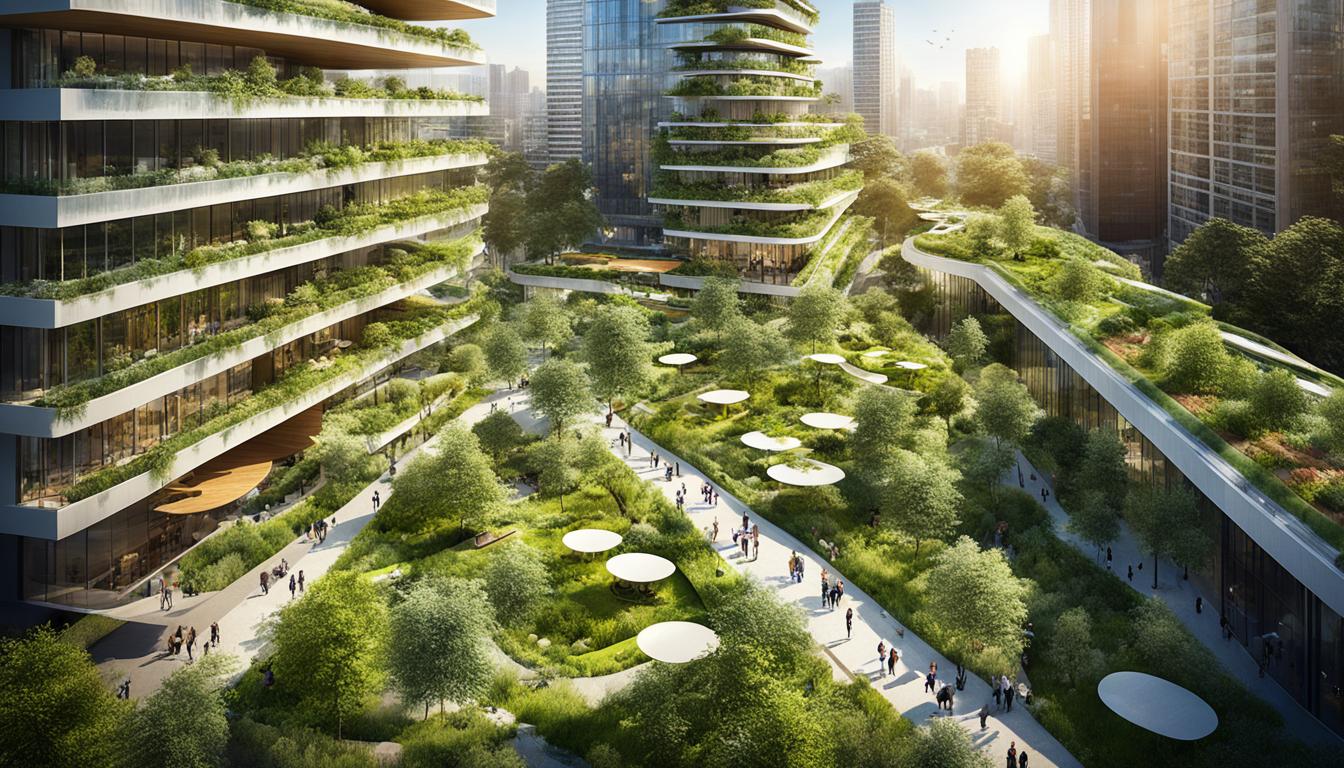
Meanwhile, green roofs can significantly improve a building’s thermal performance, reducing energy consumption for cooling and heating. They also provide additional green spaces in urban areas that support bioraznolikosti and reduce the urban heat island effect.
Strategije dizajna za održivu transformaciju
Kada razmatrate transformaciju postojećih zgrada, ključno je odvagnuti prednosti i nedostatke naknadnog opremanja naspram ponovne izgradnje.
Retrofitting is often more cost-effective and environmentally friendly, as it preserves the embodied energy of existing structures and lessens waste However, in some cases, rebuilding may be necessary to achieve specific sustainability goals.
After deciding whether to retrofit or rebuild a building to integrate sustainable elements, consider these design strategies:
Poboljšanja izolacije i vremenskih uvjeta: Poboljšanje izolacije u zidovima, krovovima i prozorima može značajno smanjiti gubitak energije, poboljšavajući toplinsku izvedbu zgrade. Mjere zaštite od atmosferilija, kao što je brtvljenje praznina i pukotina, sprječavaju propuh i povećavaju energetsku učinkovitost.
Water conservation measures: Installing low-flow fixtures, rainwater harvesting systems, and greywater recycling can lower water consumption and alleviate pressure on local water resources. These measures also contribute to lower utility costs for building owners.
Poboljšanje prirodnog svjetla i ventilacije: Poboljšanja dolaznog svjetla i ventilacije ključna su strategija dizajna koja poboljšava kvalitetu unutarnjeg okoliša i smanjuje potrošnju energije. Strategije kao što su optimiziranje postavljanja prozora, korištenje lakih polica i ugradnja prozora koji se mogu koristiti mogu povećati prirodno svjetlo i promicati ventilaciju. Dodatno, integracija bioraznolikosti u urbani dizajn kroz zelene zidove i krovove može stvoriti zdravije i privlačnije okruženje.
Studije slučaja uspješnih transformacija
Real-world examples demonstrate the effectiveness of transforming existing buildings into sustainable powerhouses, and the Empire State Building in New York City is a great example. Originally constructed in 1930, this iconic skyscraper underwent a comprehensive retrofit led by the Clinton Climate Initiative.
Ključne nadogradnje uključivale su zamjenu svih 6,514 prozora energetski učinkovitim staklom, ugradnju nove izolacije i modernizaciju HVAC sustava. Ove su promjene rezultirale smanjenjem potrošnje energije od 38% i uklanjanjem 105,000 metričkih tona emisija ugljika tijekom 15 godina.
Another notable example is The Edge in Amsterdam, one of the greenest office buildings in the world. Completed in 2015, The Edge achieved the highest BREEAM rating ever awarded (98.36%) through the use of solar panels, rainwater harvesting systems, and advanced energy-efficient systems, including LED lighting powered by Ethernet cables. The building’s design also focuses on occupant well-being, incorporating natural light and green spaces.
Additionally, the Pixel Building in Melbourne, Australia demonstrates the potential of combining innovative design with sustainable technologies to create a building that is environmentally friendly and a benchmark for future developments. As the country’s first carbon-neutral office building, it features a range of sustainability measures, including a green roof, rainwater harvesting, and on-site renewable energy generation through solar panels and wind turbines. Its unique façade optimizes daylight while minimizing heat gain, reducing the need for artificial lighting and air conditioning.
These case studies highlight best practices that can be applied to other projects, including the importance of energy-efficient retrofitting, the integration of renewable energy, and the value of designing buildings with occupant well-being in mind.
Zaključak
Transforming existing buildings into sustainable powerhouses offers numerous environmental, economic, and social benefits. Innovative technologies, design strategies, and sustainable practices can significantly improve the energy efficiency and environmental performance of older structures.
Looking into the future, the importance of sustainable retrofitting will only grow, making it a vital component of modern construction. Building owners and developers should explore ekološka gradnja i građevinska rješenja te razmotriti prednosti naknadnog opremanja postojećih zgrada kako bi se doprinijelo zelenijem i održivijem svijetu.