


S3, E21: Priroda naših gradova s dr. Nadinom Galle, 4. dio
- Jackie De Burca
- 26. studenog 2024.
Priroda naših gradova s dr. Nadinom Galle, 4. dio
“Nature has a calming and restorative effect. It can improve our mood, cognitive function, and overall well-being—it’s not just a luxury; it’s essential.”– Dr Nadina Galle

ISPOD POSLUŠAJTE DR NADINU GALLE
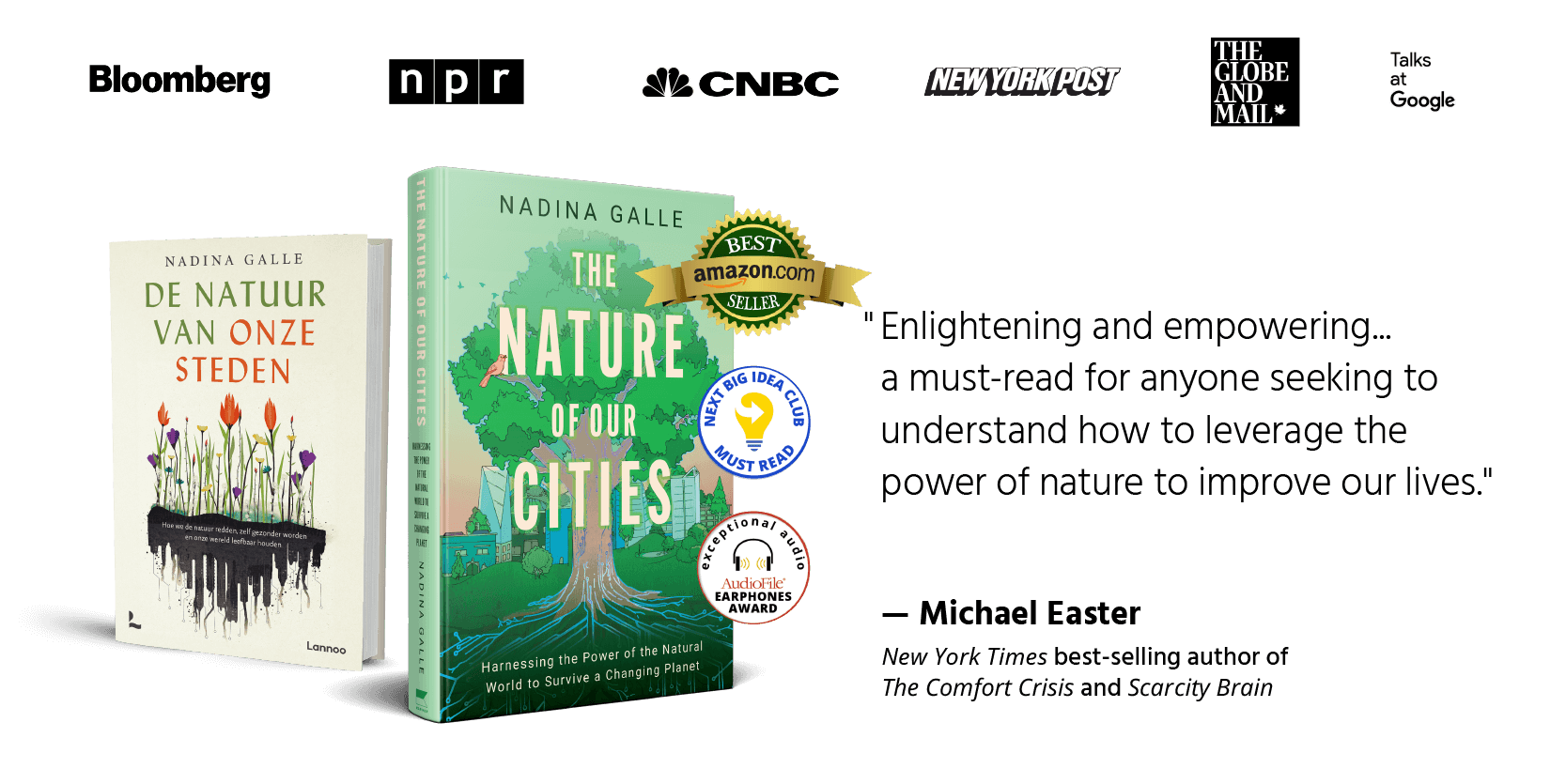
Dobro došli u četvrtu epizodu naše posebne serije u kojoj gostujemo dr. Nadina Galle, ekološka inženjer, 2024 National Geographic Explorer, and author of Priroda naših gradova: Iskorištavanje moći prirodnog svijeta za preživljavanje planeta koji se mijenja.
U završnom dijelu ove prosvjetljujuće serije, Jackie de Burca sjedi s ekološkom inženjerkom i istraživačicom National Geographica Nadinom Galle kako bi razgovarali o transformativnoj moći prirode. Od razumijevanja načina na koji priroda liječi naša tijela i umove do inovativnih praksi poput šumske terapije i kampanja putem e-pošte za urbano drveće, ova epizoda prepuna je nade i praktičnih uvida.
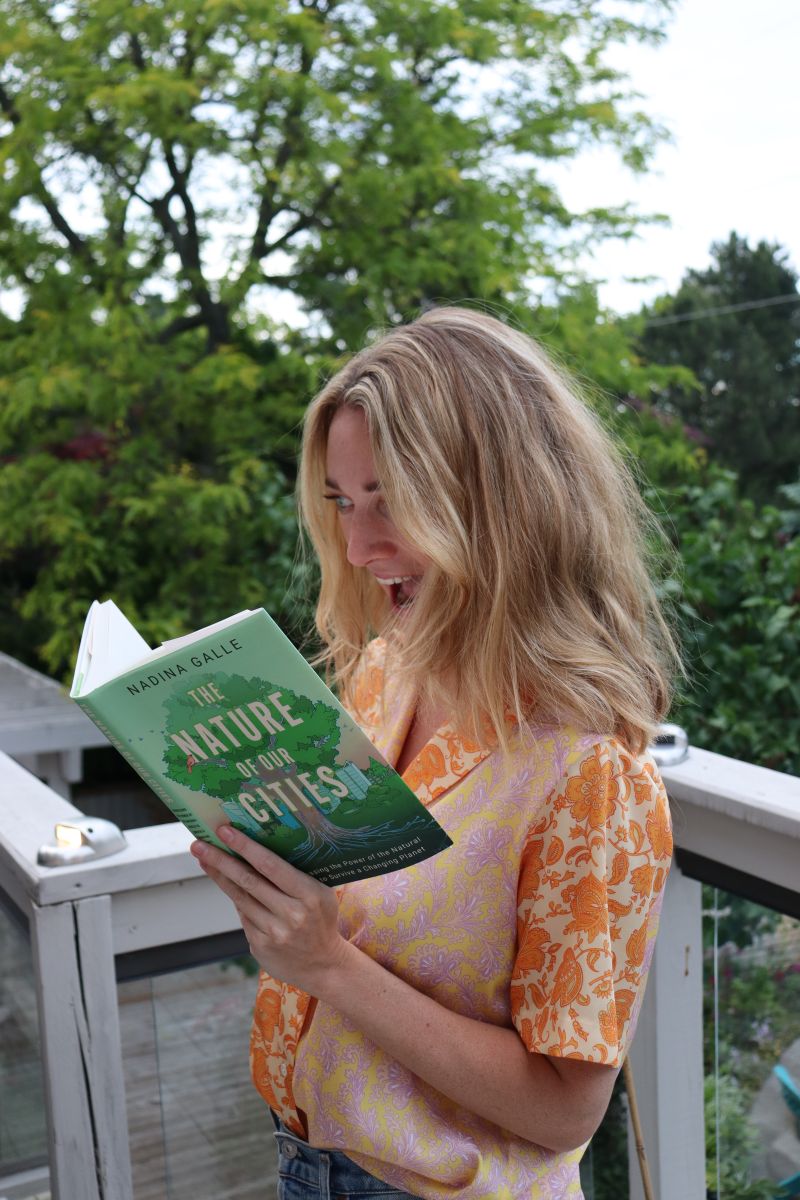
Nadina dijeli duboko osobna razmišljanja iz svoje knjige, Priroda naših gradova, and offers actionable advice on integrating nature into our daily lives—whether in sprawling forests or a single urban tree. For anyone seeking inspiration and strategies to reconnect with nature, this is a must-listen episode.
“Vidjeti šumu kao terapeuta — to je ključno za ekoterapiju. Šuma pruža mehanizme za ozdravljenje; mi smo samo vodiči” – dr. Nadina Galle
Najvažnije epizode:
- Nature’s Impact on Health: How exposure to green spaces reduces stress, anxiety, and chronic illnesses while fostering social connections.
- Ekoterapija i šumsko kupanje: Transformativna moć uranjanja u prirodu, od povećanja imunološke funkcije do smanjenja simptoma PTSP-a.
- Inovativni urbani projekti: Giants of North i kampanja Melbournea “E-mail a Tree” oživljavaju stabla i produbljuju urbane veze s prirodom.
- Budućnost gradova: How Nature Scores and urban greening initiatives could reshape our urban landscapes into lush, health-supporting environments.
- Izazov za slušatelje: Identify and learn about 10 flora or fauna species within 500 meters of your home—nature is closer than you think.
“We came from nature, we evolved in nature, and ultimately, we are hardwired to love and need it.” Dr. Nadina Galle
Za uživanje u cijeloj mini seriji
Nad glavom dr. Nadina Galle Kategorija
U nastavku poslušajte ovu epizodu:
Istražite više:
Posjetiti Konstruktivni glasovi for articles, insights, and updates on sustainable living and urban innovation.
“Pravi test lijepog društva su oni koji sade drveće znajući da nikada neće sjediti u njihovom hladu.” Dr Nadina Galle
o dr nadini galle
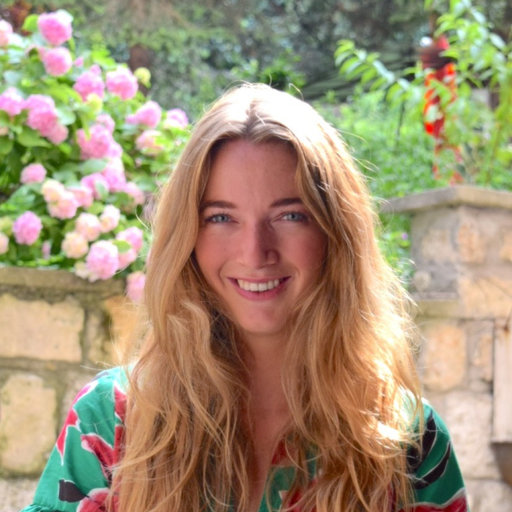
Nadina Galle, dr.sc. je nizozemsko-kanadski ekološki inženjer, tehnolog i podcaster. Njezin rad prikazan je u dokumentarnim filmovima u produkciji BBC Eartha iu više tiskanih publikacija, uključujući Newsweek, ELLE i National Geographic.
Dobitnica je nekoliko akademskih i poduzetničkih nagrada, uključujući Fulbrightovu stipendiju za stipendiju u MIT-ovom Senseable City Labu, odabrana je na Forbesovom popisu 30 ispod 30, a nedavno je proglašena National Geographic Explorerom za svoj rad o tome kako rastu gradovi diljem Latinske Amerike priključuju se na Internet prirode. Svoje vrijeme provodi između Amsterdama i Toronta.
Rani život
Rođena u Nizozemskoj i odrasla u Kanadi, dr. Nadina Galle razvila je ljubav prema prirodi i duboku predanost očuvanju prirode od malih nogu.
Temeljna nadahnuća i strasti
Nadahnuta tekstovima pionirskih urbanista Jane Jacobs i Jamesa Howarda Kunstlera tijekom svojih tinejdžerskih godina, počela je preispitivati neravnotežu između prirode i urbanog širenja kojoj je svjedočila u predgrađu Kanade.
Kao ekološka inženjerka vođena strašću za ekologiju i fascinacijom tehnologijom, dr. Galle istražuje, razvija i na tržište donosi tehnologije u nastajanju, s ciljem izgradnje boljih zajednica za ljude i prirodu - viziju koju ona naziva "Internet prirode" ” (IoN).
IoN se od tada razvio u globalni pokret, ujedinjujući odvažne praktičare koji koriste inovativne tehnologije za stvaranje zajednica bogatih prirodom. Dr. Galle Internet of Nature Podcast, s više od 25,000 XNUMX preuzimanja, ističe izvanredan rad ovih poduzetnika i inovatora, nadahnjujući publiku diljem svijeta.
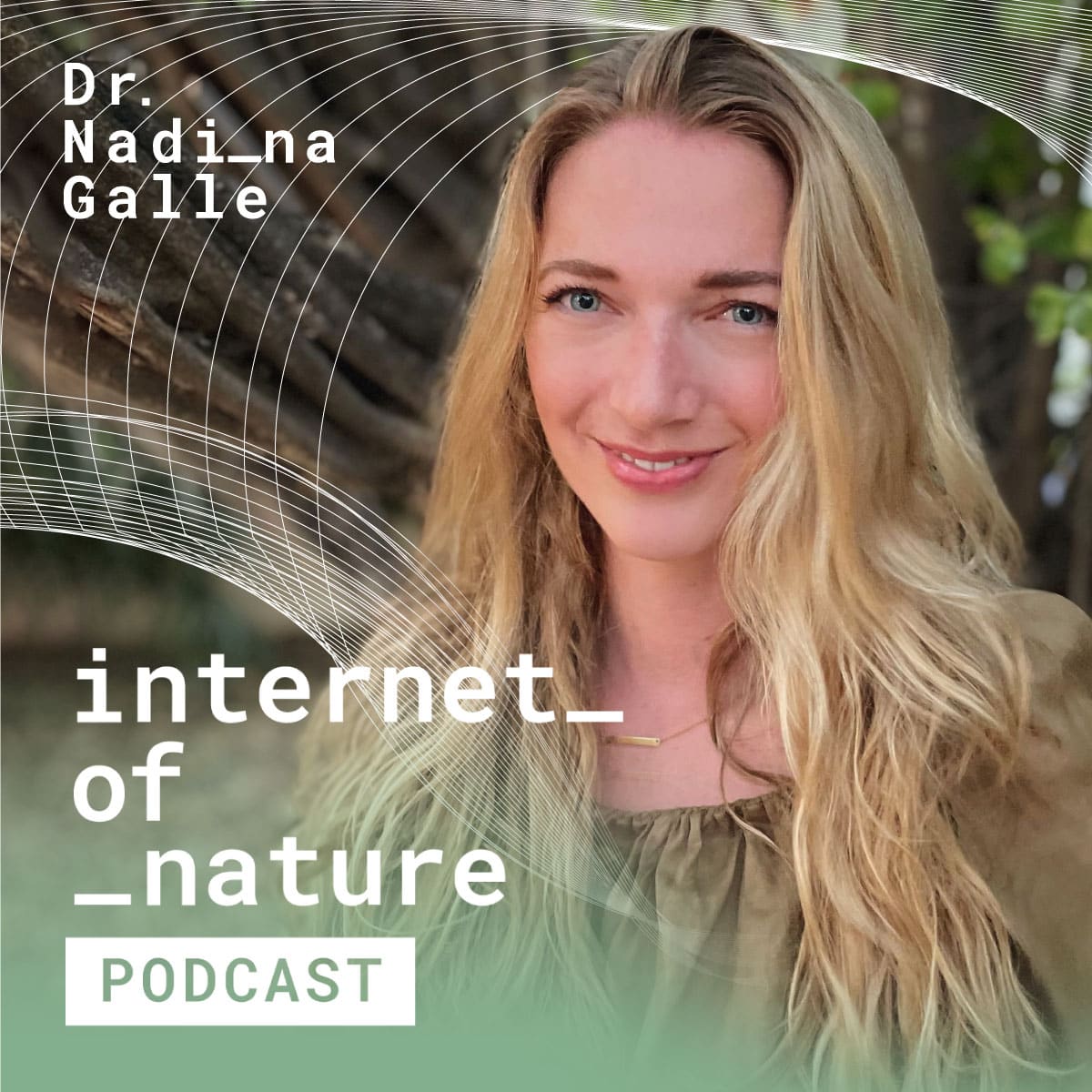
S više od desetljeća iskustva u akademskoj zajednici na četiri kontinenta, dr. Nadina Galle ima snažne temelje u znanstvenom istraživanju. Ipak, njezina kombinacija akademske stručnosti i godina rada u – i izgradnji – tehnoloških start-upova je ono što je izdvaja. Sada drži uvodna predavanja, moderira globalne događaje, širi znanje i lansira proizvode na raskrižju prirode, ljudi i tehnologije.
Istaknuto u najpopularnijim medijima
Rad dr. Gallea prikazan je u dokumentarcima BBC Earth i arte.tv, na brojnim britanskim, irskim i nizozemskim radijskim programima te u nekoliko tiskanih publikacija, uključujući Newsweek, ITi National Geographic, koja je objavila članak na pet stranica o njezinoj doktorskoj disertaciji. istraživanje.
Dobitnica je brojnih akademskih i poduzetničkih počasti, uključujući Fulbrightovu stipendiju za stipendiju u MIT Senseable City Lab, gdje je i dalje istraživač. Dr. Galle također je uvrštena na Top 100 održivih mladih nizozemskih poduzetnika tri uzastopne godine (maksimalno dopušteno) i nagrađena je glavnom nagradom Europske svemirske agencije, "Svemirskim Oscarom", za svoj rad na urbanističkom ocrtavanju krošnji drveća do boriti se protiv krčenja šuma. Forbes i Elsevier oboje su je prepoznali na svojim popisima "30 ispod 30".
Glava u znanosti, srce u komunikaciji
Klijenti, kolege i prijatelji cijene sposobnost dr. Galle da preuzme odgovornost za rezultate – kvalitetu koju pripisuje svojoj iskrenosti, empatiji i domišljatosti. Te su osobine, vjeruje ona, ključne za vođenje timova u postizanju zajedničke misije.
Strastvena prema putu na kojem je krenula—istraživanju i izgradnji znanja kako bi se „priroda postavila na mrežu”—dr. Galle se ponosi time što joj je glava posvećena znanosti, a srce komunikaciji. Posvećena je prevođenju akademskih i tehnoloških otkrića u javno dostupno znanje putem raznih medija.
National Geographic Explorer
Godine 2024. dr. Galle imenovana je National Geographic Explorerom, gdje istražuje kako se gradovi diljem Latinske Amerike integriraju u Internet prirode.
Debitantska knjiga
Njena debitantska knjiga, Priroda naših gradova: Iskorištavanje moći prirodnog svijeta za preživljavanje planeta koji se mijenja, objavio je HarperCollins 18. lipnja 2024. i dostupan je kupovati na ovim mjestima prema tome gdje se u svijetu nalazite.
Digitalno generirani prijepis (može sadržavati neke pogreške)
Good morning or good afternoon, depending on what time of the day you’re listening to this. This is Jackie de Burca for Constructive Voices, and I am in my final recording with the wonderful author. And she has many other and many other hats that she wears as well. Nadine Galle, who has written this really amazing book which is accessible to all people. And we are now on our final chat, which is really honing in on how nature can affect our health positively.
I idemo u strategije oko izloženosti prirodi i najbolje prakse i tako dalje. Nadina, za one koji nisu slušali druge epizode, očito ćemo te ljude malo maziti i reći da se vrate i poslušaju prvu epizodu jer Nadina daje nevjerojatan uvod o svom radu. Ali za one, iz nekog razloga, ako slušaju samo ovu epizodu, možete li se ukratko predstaviti o sebi, molim?
[00:01:11] Dr. Nadina Galle: Definitivno. I hvala, Jackie, što si me opet primila. I zdravo svima. Moje ime je dr Nadina Galle. Ja sam nizozemski kanadski ekološki inženjer. Ja sam National Geographic Explorer 2024., a nedavno sam i autor knjige Priroda naših gradova. Kako možemo iskoristiti snagu prirodnog svijeta da preživimo planet koji se mijenja.
[00:01:33] Jackie De Burca: Izvrsno. Stoga ćemo odmah uskočiti. Zašto je priroda važna za ljudsko zdravlje? Nadina, znam da je to veliko pitanje, ali nasmijte me i odgovorite mi najbolje što možete, molim vas.
[00:01:44] Dr Nadina Galle: Yeah, it is indeed a big question. And I think I’ll start with one of the benefits that I think most people can relate to. And that is just the benefit on our mental health. Right. Exposure to green spaces significantly can reduce stress, anxiety, depression. Nature has this really calming and restorative effect, which I think can improve or not. I think research shows us can improve our mood and our cognitive function, and I think in general just helps people feel more relaxed and focused. Mental health is one thing. There’s also our physical health. I say nature really promotes physical activity, whether that be walking or cycling or even just playing outdoors. Relax, relaxing outdoors, they say. Research has shown us that regular access to parks and green spices, you know, reduces risks of things like chronic disease, obesity, cardiovascular disease, diabetes.
To je samo po sebi bilo jako, jako važno.
But there’s also these other things that we may not necessarily think about or see, and those are things like air quality. Having trees and plants can filter pollutants, improve air quality, and thereby also improving our respiratory issues. And overall that comes with that. It regulates temperatures, so it keeps Our cities cool in the summertime. It also keeps our cities warm in the wintertime, which is kind of interesting. It acts as a buffer both ways.
Postoji velik dio društvenih veza, za koje mislim da idu ruku pod ruku s mentalnim zdravljem. Ali ta ideja da zelene površine i parkovi zapravo nude područja za interakciju zajednice, što je posebno važno u današnje vrijeme kada se suočavamo s puno društvene izolacije i usamljenosti nakon pandemije, bila je velika stvar. A u doba u kojem sve manje ljudi ide u crkve ili na vjerska mjesta, prirodna područja i zeleni parkovi zaista su jedno od rijetkih područja koja imamo za zajedničke prostore gdje se možemo okupljati i poticati interakciju zajednice.
And I would say lastly, just to kind of circle back to that first point is, yes, it’s important for mental health. But even bigger than that, I think nature and green spaces in our cities, they offer this restorative escape from the noise and chaos and pressures of urban life. And that can be a lot of physical pressures, right? Traffic, big buildings, a lot of asphalt, loud noises. But it can also be the stress of it, right? Busy jobs, busy agendas, you know, stressed out parents and kids, and over scheduled agendas, you know, all of these things without us really realizing at times, can have a huge impact on us. And being in nature, even if that just means taking part of your commute through a green corridor, cycling through a tree lined street, or you know, taking your lunch break in a park, all of those things can have massive impacts on our health. And it feels sometimes tough to kind of, you know, I could go into the specifics of each of these and give you stats and figures about why each of it helps from, you know, helping children not develop myopia, from making sure we have enough vitamin D, from making sure we get enough physical activity. But it almost feels kind of reductionistic to hone down the benefits of nature in this kind of really scientific lens. Because ultimately I believe we came from nature, we evolved in nature. It’s part of what makes us human. And I think anyone can relate to this idea that if you’re spending the majority of your day inside, you just did not feel well, versus when you spend more time outdoors and in nature, you automatically feel better. And I think that’s something that everyone can relate to. And ultimately, I believe we are hardwired to love nature and want to be in nature.
[00:05:38] Jackie De Burca: Potpuno se slažem s tobom.
I mislim da, znate, jedna od stvari o kojoj je važno da razgovaramo je da ste spomenuli djecu u prirodi, u redu, samo za njihovo fizičko, fizičko dobro, kako bi se izbjegle, znate, bolesti zbog nedostatka vitamina D i tako dalje. Ali naravno, u određenom trenutku u svojoj knjizi spomenuli ste da ste u vrijeme pisanja bili trudni s Lucom. I naravno, tu je, znate, doticanje, pretpostavljam, stvari o kojima puno, ne samo žena, sigurno, muškaraca također razmišlja o tim stvarima. Hoću li donijeti dijete na ovaj svijet ovakvo kakvo jest? Znate, ovo su pitanja koja neki ljudi očito imaju. I za to, znate, vjerojatno postoje neki sasvim valjani razlozi. Pretpostavljam da je ovo bio prilično težak proces za vas. Adina.
[00:06:28] Dr Nadina Galle: Yeah, it’s really tough. It’s a conversation that I hear a lot around me. This very dark fear and lack of optimism for the future, this fear of climate, of climate change, of the effects of it, and this general feeling of this is not a world that I want to bring children into. And that is just. I mean, I get emotional just thinking about that because I believe we’re put on this earth to bring more life onto this earth. And I believe that is our purpose at the end of the day. And no matter what form that takes, obviously not everybody has to have their own children if that’s not something that they desire. But, you know, bringing in children into the world, whether that be nieces or nephews or stepchildren or adopted children, is such a way that we contribute also to the future of our planet, to the future of the world that we will leave behind for those children. And it’s such, it’s so heartbreaking to me that there are so many people in the world that feel that that is no longer something worth doing. Because I feel like when you, when you, when you decide that, it also means that you’ve given up on your own life in some, in some, in some way or another. And I think that the true to test of a beautiful society is those that plant trees and plant natural areas knowing that they will never sit under the shade of that tree. In fact, that’s, that’s an old proverb that I quote in the book as well.
Vjerujem da boravak u prirodi, umjesto da se samo fokusiram na propast i tugu klimatskih promjena, vjerujem da fokusiranje na prirodu zapravo pruža taj golemi osjećaj obilja, osjećaj da uvijek ima više i da ima dosta za svakoga i da ima još odakle je to došlo, ima još toga što možemo stvoriti. I volim razmišljati o tom osjećaju obilja, a ne o ovom osjećaju straha. I sram i upiranje prstom u ljude koji rade stvari na pogrešan način.
I really enjoy, you know, writing and working at this cusp of urban nature because I believe that is the nature that we have in our daily lives that’s so critical, but it’s also operating from this place of abundance rather than this feeling of. Of shame and guilt.
[00:08:44] Jackie De Burca: Da, mislim da je to stvarno izvrsno pogurano. I druga riječ koja će mi pasti na pamet u vezi s, znate, ljudima i prirodom, znate, djeci koju pokazuju njihovi učitelji, znate, to bi mogli biti njihovi učitelji u školi, to bi mogli biti njihovi učitelji u obitelj i, znate, prijatelji, susjedi, kako možemo surađivati s prirodom. Suradnja je riječ koja mi pada na pamet jer ste u prošloj epizodi dali neke od nevjerojatnih primjera iz svoje knjige, studije slučaja poput puževa i, znate, vrana i tako dalje.
Nature itself is collaborating with itself. A species is changing its color because it needs to. A species is changing its calls because it also needs to, because of the urban environment that it’s living in. So therefore, if humans are collaborating with nature, all of what you see because of your positive work is entirely possible. And therefore, you know, not that there’s no need for doom and gloom, but really, that can be quashed and, you know, put down further by just collaborating with nature and encouraging that quickly.
[00:09:58] Dr. Nadina Galle: Da, da. I mislim da jesmo. Mi smo.
Izgubili smo to iz vida. Izgubili smo iz vida činjenicu da je priroda naš najveći suradnik. Izgubili smo iz vida činjenicu da je priroda, mislim, upravo smo neke naveli na početku ove epizode, ali priroda igra ulogu u svakom aspektu naših života. Mislim da biste mogli iskreno iznijeti taj argument. I je li to u, znate, resursima koje mi. Da trebamo izgraditi svoje domova and build our offices, whether that’s in their air quality that we breathe and are reliant on every day, the quality of our water, the places that we go to recreate our food systems are entirely based on a healthy balance in our ecosystems with nature. So there’s. There’s so many different linkages. And ultimately, I think reestablishing that connection with nature is so critical to creating ultimately happy and healthy humans that live on a happy and healthy planet.
[00:10:56] Jackie De Burca: 100%. 100% se slažem s tobom, Nadina. Dakle, prelazimo na ekoterapiju, koja je također, znate, ispričana. Razgovaralo se i s drugim imenima. Što je to točno i po kojim drugim imenima to možemo znati?
[00:11:12] Dr. Nadina Galle: Da, mislim da su neke od najčešćih vjerojatno stvari poput šumske terapije. Šumsko kupanje je još jedan. Je još jedan uobičajeni, koji dolazi od japanske riječi kao shinrin yoku, što doslovno znači okupati se u šumi.
And Japan really was at the forefront of a lot of this because they saw in, you know, rapid industrial revolution, you know, rapid urbanization, a lot of sedentary jobs, which was quite, you know, different to what Japan had been used to previously. They saw massive spikes in mental health disorders and things like stress and anxiety, things that, you know, we can all relate to. And they saw huge benefits of people being out in nature. And of course, you know, the Japanese elders were like, yeah, well, of course, this is where we came from. Of course you’re going to feel better and more restorative when you’re there. But the government really saw huge potential in that and actually invested large amounts of money to create, you know, to one certify, you know, forest bathing guides to take, you know, even the most, like, staunchest city slickers out into nature, into forests and help them kind of reconnect with the natural earth to hopefully help with some of the, whether it be more severe mental health disorders or just kind of a general sense of malaise that we were talking about just earlier.
I uložili su puno državnog novca, ne dok nisu istrenirali te dečke, već i stvaranje parkova za bosonoge gdje se ljudi, doslovno možete samljeti, bosi u šumi, te prekrasne pješačke staze koje ste mogli slijediti, jer su to vidjeli, znate , provodeći vrijeme u šumi, smanjuje razinu kortizola, smanjuje anksioznost. Postoje čak i studije koje pokazuju da zapravo povećava nešto što se naziva prirodnim stanicama ubojicama, koje su zaista važne u našim tijelima za borbu protiv stvari poput raka. Znate, imamo ove ne samo promjene raspoloženja, već i fiziološke promjene koje nam se događaju kada smo blizu drveća u šumi. Jeste, jeste.
[00:13:15] Jackie De Burca: To je stvarno nešto što su očito prirodne stanice ubojice. Znate, mislim da je to samo po sebi dovoljno.
Dovoljna je informacija za mene, znaš, da se obratim, ako već nisam bio obraćen. Dosta je, zar ne? Znate, kada razmišljate o svim užasnim bolestima koje biste potencijalno mogli, znate, spriječiti imajući više prirodnih stanica ubojica, to je nevjerojatno.
Nadina, reci nam o onim vodičima za šumsku terapiju koji su bili obučeni u državi Chico.
[00:13:49] Dr Nadina Galle: Yeah, so that was a really interesting case study because Chico State or California University is also commonly known. It sits in Chico county, and Chico is right around the corner from Paradise. So where one of the most devastating wildfires happened in US history, and it sits smack Dab in the middle of wildfire County, a country. And this is been really, really.
I mean, for lack of a better word, interesting. Because what you have there is, you have this community, these huge populations of people that have been absolutely traumatized by what they’ve had to deal with. Their wildfires that have swept through their land, their property, their homes, and in the worst cases, their loved ones. And it has just been so catastrophic and so traumatizing. Many of these, they relate to, actually wild wildfire survivors. They have rates of PTSD in the same levels that you might expect from veterans coming home from war. You know, this is extremely traumatizing. And the thing that’s so odd is that the thing that caused this wildfire, nature itself, right? Maybe the spark wasn’t caused by nature, but a lot of the buildup of the vegetation, you know, cause its ferocity, how catastrophic it became, that. That nature itself, the kind of the. The instigator of this wildfire, can hopefully also be an area for healing for these people as well. And I think that’s. That’s. That’s what. What made this. These. The training of ecotherapy guides at Chico State so interesting. And I got the opportunity to speak to one of them called Blake Ellis. And she, together with 14 other local mental health professionals, were trained to become certified ecotherapy guides. And the goal was really to then provide comfort to these communities that were impacted by wildfires. And when Blake was telling me about one of these sessions, she was saying that what was so interesting is that for the first time, many of them were able to see trees and these downed trees and the debris that was left, not as this reminder and symbol of death and decay, but actually as opportunity and hope for the future. And I think that’s something that’s this beautiful parallel that hopefully we can relate back to other fascinating facets of our life as well. And one of the things that Blake said that really stuck with me is that, you know, she keeps. She kept saying when she was telling me about these things is, you know, I am. I am simply a guide. It is the forest that is the therapist. And that is, I think, something that is so central to ecotherapy and forest therapy is seeing the forest as the therapist that it is, and that these individuals that are these certified guides, they are the facilitators that can help take you through. And there’s many different exercises. You know, sometimes it’s simply sitting and meditating in a forest environment. Sometimes it is literally hugging a tree and coming into contact with some of these. You know physiological changes that can happen to your body. Sometimes it’s taking a silent walk, sometimes it’s actually just having your therapy session, but you’re walking through the forest as you’re doing it. So there’s many different ways that forest bathing and forest therapy can take place, but the goal is that this venue, the forest, really provides the mechanisms for a lot of this healing.
[00:17:16] Jackie De Burca: Sviđa mi se činjenica, kao što kažeš, Nadina, da je šuma ta koja je terapeut. I mislim da je to važno, znate, ne samo za one koji su išli na terapiju, nego iu smislu bilo kakve terapije uopće. Znate, još jednom, to je ljudski ego da je, oh, terapeut radi ovo, to i ono za mene ili za bilo koga. Ali zapravo, na kraju dana, terapeut je samo kao kanal, znate, to je alat. Ta osoba je alat u pomaganju situacije iscjeljivanja. I stoga, vidjeti šumu kao terapeuta, mislim da je samo po sebi samo liječenje, mislim.
[00:17:54] Dr Nadina Galle: Yeah. And I think we have to. It’s also important to remind the listeners here, is that we talk about forest therapy, we talk about ecotherapy, but it doesn’t necessarily have to be in a forest. Of course, that’s better. But Blake also loved to tell me this story about her teacher who taught her to be a guide. Loves to tell this story that he actually did a successful session, forced guide therapy session, in the middle of a parking lot under the shade of a single tree. So it is very possible to do this with a single tree, even in the middle of a parking lot, you can have this connection to nature. And I think, again, kind of reinstating why urban nature is so important and why we have to be careful not to write off urban nature as not quote, unquote, real nature or effective nature for these kinds of things. A lot of these sessions can take part in parking lots with single trees, if you’re really forced to. But otherwise, backyards, urban parks, manicured gardens, you know, there, as long as it’s some kind of natural setting, you can actually start to feel a lot of these benefits, you know, and if you have access to a beautiful old growth forest, of course host your session there. But even if that’s not possible, you can still feel the same kind of sense of grounding that other places are able to offer.
[00:19:12] Jackie De Burca: Dakle, da, mislim da je to očito briljantan savjet. Znate, ako samo gledamo, izbacite riječ šuma, samo je priroda terapeut. I gdje god to možemo pronaći, znate, malo prirode. Ako je samo malo, to je također u redu. Tako da mislim da je to izvrstan savjet.
Imate neke stvarno zanimljive studije slučaja koje ste predstavili u ovom dijelu knjige. Možeš li nam ispričati neke od njih, Nadina?
[00:19:40] Dr. Nadina Galle: Da, postoje.
Ima ih popriličan broj. A jedna od mojih najdražih je ideja da drveće, kroz ovu specifičnu vrstu tehnologije koja se zove geolocirani zvuk, zapravo može razgovarati s nama.
It was this project by theatre director Puk van Dijk in the north of Amsterdam. Amsterdam north is this rapidly developing neighborhood which I think a lot of post industrial cities can relate to. It’s an area that is really dealing with, you know, rampant changes, gentrification, drug use, pushing out certain demographics, pushing in a new demographic, dealing with, sadly, a lot of deforestation to make way for a lot of this development. And Buch van Dyck moved to this neighborhood after she had a very nomadic childhood, lived all over the world. And when she had a child of her own, she wanted more stability. And she looked for stability at her tree neighbors, the ginkgos, the ashes, the oaks, the maples that she shared her new neighborhood with. She was really inspired by them and she wanted to understand her neighbors more. So she started to interview some of her human neighbors and she started see a lot of parallels, right? She would talk to a new neighbor who was a retired bodybuilder, and he was complaining about the fact that this highway that had been expanded was causing his asthma to get worse and worse. And he was dealing with a lot of issues. And she was wondering, she was like, I wonder if the trees that are planted next, that highway are dealing with similar issues. She talked to another neighbor who complained how lonely she was, especially during the pandemic and afterwards too, that she missed these talks with a lot of her neighbors after they had passed away. And she saw this tree in the middle of a square that was all by itself. And she was like, I wonder if that tree deals with loneliness in the same way as humans might be able to relate to. Long story short, she created this immersive audio tour of these six talking trees. She called it the Giants of North. And she was able to use a lot of these interviews that she had done with human neighbors and translate their stories to these trees. And she actually used local voice actors, actors that were from Amsterdam north, to put on the create these characters and put on these voices for these trees. And it didn’t work like a typical audio tour where you would have to scan a QR code every time you’re at a new stop, you were just able to press play, go on this walk. And the gps, your GPS location would actually guide you either to the right or either to the left based on where you were. And if you were close enough to one of the trees, it would actually start talking to you. And this just meant for such an immersive experience because, for example, in this tree that was dealing with a lot of pollution, it actually started coughing before you could even see it. You would start to hear this coughing, you would turn the corner and there was the tree right next to the road, dealing with these issues. And I just thought it was such a fantastic example to, in a really creative way, show urbanites the plight of city trees and what they’re dealing with and at the same time provide people that, yeah, that normally wouldn’t have that kind of. That interaction, that connection with trees to be able to relate to them more. And I think that’s something so critical that we’ve touched on in the past. The more you’re able to understand and relate to something, the more you’re able to care for it and ultimately protect it as well.
I kao što pišem u knjizi, ova je turneja bila toliko uspješna da rade na tome da postanu trajna postavka. I zapravo, glavni urbanist Amsterdama je audio turneju Giants of North smatrao obveznim slušanjem za sve u njegovom odjelu.
[00:23:30] Jackie De Burca: To je tako divna priča, a ja nisam bila. Nisam bio u Amsterdamu jako dugo, ali stvarno mislim da bih se definitivno trebao vratiti u Amsterdam samo da čujem kako drveće priča.
[00:23:42] Dr Nadina Galle: Unfortunately, the trees only speak Dutch at the moment, so you’ll have to a little bit. But I would love. I said that book right away. I was like, you need to get a translated version of this because this would be. It’s also just like, I’ve talked to interpreters so people that their work, you know, whether they work for national parks or museum, their work is to translate, you know, disseminate knowledge and information to the general public. Could be history, it could be natural history, all kinds of different things. I was like, this is such a beautiful way to do interpretation. Like, it’s so replicable. Like, I would love to see something like this in every city around the world, like, even just as a tourist attraction. I think it’s such a cool idea.
[00:24:23] Jackie De Burca: I think it’s a really cool idea. I mean, I think. Thinking out loud, really, Nadina, I think that those trees, like my birth city of Dublin, you know, those trees that are by the canal in Dublin. Surely they can tell not only their own experience of the changing, you know, the changing sort of sights and scenes and vibes of Dublin over the last, you know, couple of decades or whatever. So they could probably express like, their own, you know, I’m relatable as a tree, but also give, like, visitors a little bit of the history of that area at the same time.
[00:24:56] Dr. Nadina Galle: O, da. Oh, da. I to je zapravo opisni tekst divova sjevera zapravo počinje, vjerujem da počinje sa, oh, stvarima koje su naši divovi vidjeli. Jer ako zamislite ova starija stabla i onda ona pričaju o, znate, paru koji se svađa, sudaru između Vespe i bicikla u tri ujutro, znate, djetetu koje se penje, znate, svim tim različitim stvarima koje povijest. Mislim, ako budemo imali sreće, u našim gradovima imamo stabla koja su, znate, centuriona, stara preko 150, 200 godina. Mislim, ovo drveće je bilo tamo prije nego što smo se rodili i nadamo se da ćemo biti tamo dugo nakon što nas ne bude.
[00:25:34] Jackie De Burca: Nadam se. Nadajmo se. Ali to je tako fantastičan koncept i nadamo se, kao što kažete, da će postati rašireniji, znate, jer je apsolutno briljantan.
Heading to Melbourne, Australia, there’s also an email, a tree campaign. How does that work?
[00:25:50] Dr Nadina Galle: Yeah, speaking of projects that are so easily replicable in cities around the world, there is a campaign called the Email the Tree Campaign, but it didn’t. It didn’t start quite like what it sounds. Essentially, it started. It all started with Yvonne Lynch. She was the head of the Urban Forester and Urban Forestry and Urban Ecology team for the City of Melbourne. And what she was struggling with is that every day she would get emails, she would get phone calls, she’d get stopped in the street, her colleagues would get stopped in the street to get to answer questions about trees in people’s neighborhoods. Right, like this.
Ovo drvo izgleda bolesno. Kad ćeš to pogledati? Kada će ovo drvo biti posječeno? Kada ćeš pogledati štetu na ovom stablu? Ovaj, znate, električni kabel dolazi vrlo blizu granama ovog drveta. Sva ta, znate, pitanja, čak biste ih mogli nazvati i pritužbama, povremeno su jednostavno dolazila neusklađena. I prvo, znate, pitanje na koje biste uvijek morali dati odgovor bilo je, dobro, koje je to drvo? A onda bi uslijedio ovaj nevjerojatno frustrirajući razgovor, dobro, to je preko puta ove adrese, ali to nije to stablo, to je ovo stablo. Znate, to je građanin. Možda ne znaju vrstu drveta. Pa bi dali sve od sebe da to opišu. Znate, to je onaj s deblom i lišćem i, znate, bila je to vrlo frustrirajuća, vrlo frustrirajuća situacija za Yvonne i njezin tim.
Ono što je učinila je da je pokrenula program za dobivanje ID broja za svako pojedinačno stablo, što su već imali. Ali spojite taj ID broj s. Na adresu e-pošte tako da ID broj, svako pojedinačno stablo sada ima individualnu adresu e-pošte. Tako da bi se taj ID broj mogao naći na karti. Možete povećati, pronaći stablo i odmah vidjeti adresu e-pošte te svoje pitanje o tom stablu možete poslati e-poštom na tu adresu e-pošte. I to je dobro funkcioniralo kao alat za upravljanje sve dok Yvonne nije počela primjećivati nešto prilično čudno, a to je da nije dobivala pritužbe i pitanja o održavanju drveća u svoju pristiglu poštu, već su joj se slala ljubavna pisma drveću.
Dobivali su najrazličitije note naklonosti. Znaš, stvari poput, Dragi 10087898, uvijek sam gledao tvoje grane i tvoje lišće sa svog prozora. Sjedim pod tvojim hladom. Znaš, pružio si mi utjehu u vremenima prave borbe u mom životu. Znate, stvarno osobne, duboke, znate, priznanja čak io snazi i utjehi koju su dobili od ovog drveća.
Znate, neki su bili nekako čudni i smiješni, znate, govoreći da su, znate, bili zaljubljeni u ovo drvo, ali, znate, zaljubili su se u ovo drugo drvo. I smatra li se to preljubom stabla? Znate, bilo je. Samo je išlo preko cijele staze. I u nekom trenutku, znate, u početku su, kao, odgovarali jer su mislili da je to stvarno smiješno, i odgovarali su kao da su stablo. Yvonne i njezin tim. Ali u jednom trenutku, to je jednostavno izmaklo kontroli jer nije samo, znate, postalo viralno u Melbourneu, nego je onda postalo viralno u Australiji, a zatim je postalo viralno u cijelom svijetu. Zatim su postojale te adrese e-pošte postavljene od drugih stabala u gradovima diljem svijeta koji su slali e-poštu drveću u Melbourneu, slali e-poštu svojim rođacima i prijateljima širom svijeta. I to je, kao, potpuno, potpuno ludo. I bilo je upravo takvo. Unatoč, znate, njegovoj viralnosti koju je imao, bio je to jednostavno tako lijep primjer da, znate, postoji ta, vjerujem, intrinzična ljubav i privrženost prema drveću s kojim dijelimo naše gradove.
Ali nikad do sada nije bilo načina da izađe na vidjelo. A ono što mi se stvarno sviđa kod njega je to što se može replikovati i jednostavno bi. To je tako lijep način da se pokaže privrženost i ljubav koja postoji prema drveću. I stalno govorim Yvonne, mislio sam, trebaš, znaš, učiniti kao najbolje, i objaviti to u knjizi s prekrasnim fotografijama ovih različitih stabala i ovih ljubavnih pisama. Jer to je jednostavno tako lijepa priča.
[00:29:47] Jackie De Burca: To je stvarno prekrasna priča. Stvarno jest. Sada prelazimo na tehnologiju koju koristi američka Bijela kuća i velike neprofitne organizacije za sadnju drveća kako bi se riješile zdravstvene razlike. Poznat je kao Nature Scores. Možeš li nam to objasniti, Nadina?
[00:30:06] Dr Nadina Galle: Absolutely, yeah. So Nature Score is very different to something that, you know, professionals have done in the past, municipalities have done in the past, which is doing an assessment of the greenery that you have in a city. So in the past this was done by viewing something called the NDVI or the Normalized Difference Vegetation Index. And that worked really well, but it worked really well for doing one thing which was mapping the greenery in a city. But we know now that the health, that the health benefits that we get from nature is not just greenery. In fact, it also comes in the form of water bodies, of beaches, of open fields, of forests. You know, all these different natural elements play a role in our, in our health. And in this NDVI analysis, things like sand and rock and water actually get a score of zero because they’re not green. And we know now from research that these areas do provide health benefits. So Nature Score was developed as an alternative to that. It was developed by a startup in Oregon called NatureQuant. And you can kind of sense it in the name. Their mission is to quantify nature. And the reason why they want to do that is because they wholeheartedly believe that if we can give nature a number, we’re going to be better off trying to get the investment for it and find and really fight for its rightful place, especially in urban environments. So Nature Score, essentially what it does is you can pick any static address anywhere in Canada and the U.S. and they’re working on Europe at the moment, and you can get your Nature Score. So basically that takes, it takes a radius of 500 meters from around your house. That is the distance that we know from research that the nature is going to have an impact on the health of you living in that specific address at that place. And it gives you a score. You know, 100 is, you know, you’re, you’re in the middle of a forest, you know, that is, that is, you’re in a nature rich environment. 80 to 100, you know, 60, 60 to 80 is something called nature adequate. And Then it goes into nature, I don’t know the medium one. And then it goes into your habit, nature deficit, or you’re in an area that has nature deficiency.
I sve to uzimaju u obzir mnoge različite strane. Bilo je vrlo zanimljivo tko je počeo koristiti ovu kartu. U početku, znate, NatureQuant je mislio da će se prvenstveno koristiti za stvari kao što su općine, kao što je odlučivanje gdje bi se intervencije u prirodi trebale odvijati i pokušaj pronalaženja ravnopravnijeg načina raspodjele tih resursa, znate, umjesto samo distribucije, znate, više zelenila u područjima koja su najglasnija, što su obično i bogatija naselja jer imaju više vremena da se žale na stvari, stvarno šireći te resurse na neke češćih socioekonomski povoljnijih četvrti i područja s nedostatkom prirode. I to je još uvijek jedan od slučajeva korištenja. Ali ono što mislim da je također bilo zanimljivo je da ga počinju koristiti osiguravatelji, zdravstveni osiguravatelji. Gledajući, znate, ako živite u području bogatom prirodom, znamo da ćete zapravo imati manje zdravstvenih problema. Dakle, neki od inovativnijih zdravstvenih osiguravatelja gledaju, možemo li zapravo pomoći ljudima koji žive u područjima bogatim prirodom, mogu li oni zapravo platiti nižu premiju osiguranja? Što je stvarno zanimljiv način da se sviđa, dodatno potakne ulaganje u prirodu u nekim od ovih nižih socioekonomskih, naprednih, nepovoljnih susjedstava je možemo li i te stvari učiniti ravnopravnijima? Ulaganje u susjeda u ozelenjavanje susjedstva znači i manje plaćanje osiguranja. Čuo sam priče o tome kako ga koriste šefovi policije pokušavajući razumjeti veze između prirode u njihovim gradovima i kriminala u njihovim, u njihovim gradovima, gdje postoje stvarno zanimljive poveznice, a ne uzročno-posljedične veze, već korelacije koje također možete pronaći. Zatim vidimo velike vladine institucije poput administracije Bijele kuće, ali i velike, velike neprofitne organizacije poput zaklade Arbor Day, za koje znate da su jedna od najvećih organizacija za sadnju drveća na svijetu, zapravo koriste kartu kvadrata prirode da odlučuju gdje bi trebali saditi i raditi te zahvate ozelenjavanja. Zato što iz istraživanja znamo da vam je puno bolje posaditi jedno stablo na ulici koja ga nema, nego posaditi dodatno stablo na ulici koja već ima hrpu. Samo, dobit ćete mnogo više dobrobiti, bilo da se radi o klimi ili o zdravlju i dobrobiti od tog jedinstvenog stabla. Tako da mislim da je to stvarno zanimljiv slučaj upotrebe. Ali mislim da je najvažnije promatrati prirodu iz druge perspektive. Gleda na prirodu isključivo s obzirom na to koji su to prirodni elementi koji podupiru zdravlje i na temelju tih informacija odlučuju o našim političkim odlukama?
[00:35:14] Jackie De Burca: Da, to je ogromno. Očito, ako neki od osiguravatelja to uzimaju u obzir, to je ogromno.
Još nešto što me se jako dojmilo je da nas čak i jezera mogu održati na životu dulje. Smatram da je to prilično nevjerojatno, kao što sam učinio s aplikacijom na recept. Tko je ovo zapravo stvorio i čemu to služi?
[00:35:37] Dr. Nadina Galle: Da, dakle, Nature Dose je aplikacija za prepisivanje prirodnih lijekova koja je napravljena na temelju Nature Score. A u suštini radi to da je to aplikacija koja radi u pozadini na vašem telefonu. Dakle, to nije aplikacija koja je dizajnirana da vas zalijepi za ekran. Radi u pozadini vašeg telefona slično kao pedometar ili Fitbit ili brojač koraka na vašem telefonu. I u biti ono što radi je korištenje vaše GPS lokacije na toj karti Nature Score, u osnovi agregira tako da ne zadržava vaše podatke o lokaciji, ali u osnovi agregira na dnevnoj bazi koliko ste minuta bili unutra, koliko ste minuta bili vani, i koliko minuta ste bili izloženi prirodi tih minuta vani.
A ono što ovo u biti čini je da vam daje taj poticaj, nadamo se da ćete više izlaziti vani, slično kao što bi to učinio Fitbit, da vam pomogne da postignete cilj od 10,000 koraka dnevno.
Nature Dose, najbolje istraživanje koje imamo, pokazuje da trebamo najmanje 120 minuta, dva sata biti izloženi prirodi svaki tjedan. Dakle, to je prosječno oko 17, 20 minuta dnevno, što vas dovodi do tog minimuma, što vas tjera da izađete van i budete izloženi prirodi barem 20 minuta dnevno. Dakle, naravno ima kvadratnu kartu prirode, koja je vrlo granularna, može pokazati, znate, dobijete kao, dobijete puni bod ako ste usred šume, dobijete pola boda ako ste na gusto drvored ulica. I dobivate nula bodova ako stojite nasred parkirališta. I to je razlika između vanjskog vremena i vremena izloženog prirodi.
And to your point, Jackie, beaches and lakes also get high points because we know from research that those things are very health supporting as well. And then the question becomes, okay, well, you know, how can we use this app? How can we integrate this? I think for some people it’s going to feel a little bit shocking that we now need an app to tell us to go outside. And I would say for the people where that feels shocking to, maybe you don’t need it, right? Maybe that’s something that’s so integral into your daily habits that you don’t need something like Nature Dose. But I would argue there’s a vast majority of people who do need that nudge to go outside, much like they need the nudge to take 10,000 steps a day. The importance of Nature Dose is it’s not just about how many steps you take every day. It’s also about where you take those steps a day. And this is a nudge to hopefully take those steps in a nature area so that we can really benefit from all the beautiful advantages that nature offers us. But I also see potential use cases here. For example, like a collaboration, for example, with your mental health practitioner. I talk about a case study in the book where they actually you are using Nature Dose as a warning sign, typically for those that are underage teenagers that are dealing with severe depression and severe mental illness as a warning sign that that information that they haven’t been outside in X amount of days is actually being sent to their mental health practitioner to know that they have to do extra checkup and welfare checks on those individuals, which, yes, can feel big brother to some. But we’re talking about underage teenagers dealing with severe mental health illness. We want to make sure that they’re getting the help that they deserve. Another use case is actually for big corporate partners. Right? In this age of working remotely and working in kind of this hybrid fashion, can we actually encourage employees to get outside, taking walking meetings, getting outside during their lunch break in places of nature? Because we know those employees are going to be more productive, take less sick days, and have less signs of burnout. So I think we’re only at the cusp of understanding how we might potentially be able to use this. I think there’s a lot of interesting use cases. And ultimately, I think my biggest hope, and I talk about it also in the epilogue of the book, is that apps like this will probably become obsolete one day. In fact, I hope that they do because we’ll have created.
Stvorit ćemo urbana okruženja i urbana okruženja koja su toliko bogata prirodom da ne moramo dvaput razmišljati hoćemo li napraviti svojih 10,000 20 koraka dnevno ili svojih XNUMX minuta ili sat vremena u prirodi dnevno, jer će to postati ukorijenjene u naše svakodnevne navike i način na koji se krećemo u svakodnevnom životu.
[00:39:56] Jackie De Burca: Da, mislim, ponovno pokrećeš moju maštu jer sam na istoj stranici kao i ti u tom smislu, jer imam vizualnu predodžbu ne previše daleko, ti znate, urbana područja o kojima govorimo bit će vrlo, vrlo bujna. I ja razmišljam i nadam se da će se ljudi koji žive na tim područjima u ne tako dalekoj budućnosti osvrnuti na povijest i reći, o moj Bože, kao, kako su ljudi živjeli u tim betonskim džunglama prije?
[00:40:26] Dr Nadina Galle: Yeah, yeah, exactly. I think the thing that’s interesting with cities is that I think people are very quick to look back on how cities used to be and be very negative about how they used to be. But the fact is that cities are such a successful social experiment, They’ve continuously adapted and molded to what the needs and the wishes were of the urban population at that time. Right when the first combined sewer systems were integrated, you know, it was a hallelujah because cities were dealing with open sewers in the canals, with cholera outbreaks. You know, it was, it was, it was dirty and stinky and awful. And combined sewer systems provided, you know, massive improvement to that. Now we’re looking 100 years on, we’re looking at those systems and being like, in times of extreme rainfall, those can be really, really bad because we can lead to combined sewer overflo flows, which is, you know, having terrible impacts on our water quality and our own public health and safety. Okay. So we’re looking at ways that we can adopt more green infrastructure and more kind of sponge city tactics to be able to absorb much of that rainwater so that the combined sewer system in areas where, you know, it cannot be separated because it’s too expensive and too difficult. You know, we’re able to actually absorb a lot of that rainwater so that the combined sewer system is under. Is under less duress in those areas. I think we have to continuously look at how can we adapt and change to the needs of the urban population in 2024. You know, there was a time with the rise of the car that it was seen as a celebration to have highways smack dab through the middle of our cities. We think differently now. We’re seeing, you know, we’re having some critical conversations about whether it makes sense to designate so much space to roadways and parking spots. Why would we have them on the ground level? Why can’t we put them underground? Why can’t we do things like car sharing to reduce the pressure of on the land and instead use that area for public space and ideally green those spaces. So we’re constantly looking at changing, you know, the needs and the wants of our urban population. And indeed, to your point, Jackie, I think we’re going to look back and say, how do we ever live in those concrete jungles? And we’re going to look forward to the future and see hopefully a very optimistic nature, rich urban environment that is so beneficial to every single aspect of human life and all the other species that we share our cities with.
[00:42:54] Jackie De Burca: Apsolutno, apsolutno. Dakle, i ti i ja se tako osjećamo, što je sjajno. Ali, nažalost, puno je ljudi, osobito mlađih ljudi, kojih smo svjesni, znate, osobno i. I samo kroz posao koji vi i ja radimo, kojem stvarno nedostaje optimizma za budućnost zbog, recimo, klimatskih promjena i bioraznolikosti gubitak. A svijet kakav je sada, to je nešto što je velika tema današnjice jer su ti ljudi naše buduće generacije i oni su u ovoj situaciji. Veći postotak njih, primjerice, možda, možda pokušava samoubojstvo. I kao što ste spomenuli o prirodnoj dozi, naravno, u životu mlade osobe ta je aplikacija vrlo važna jer će barem onaj tko liječi svoju depresiju ili bilo koji drugi poremećaj s kojim se suočava zapravo moći vidjeti. Pa, vidi, znaš, nisi izašao u prirodu nekih pet dana ili tako nešto. To je ogromna tema. Gina, što misliš?
[00:43:55] Dr Nadina Galle: Yeah, I think I try to very much operate from the philosophy that when we look at the world, and specifically at our cities through the lens of nature, we operate from the perspective of abundance and of creation and of hope and of optimism. And I think that’s something that natural areas provide. They provide that area for respite, to restore our minds, to find ease and to hopefully find relief from some of the pain that we’re feeling. And that’s something that I believe is so critical, especially in this age of climate anxiety and doom and gloom, to continue looking at our world through the lens of nature and creating more nature, creating more spaces for nature, for us to interact with nature, for connections with nature. Because I do believe that impacts every single aspect of our lives, that of our parents, our grandparents, of our children, and. And for those of you that are feeling like, okay, sure, easy to say, but what am I supposed to do in my apartment on the sixth floor? I only have a balcony. I would say one that balcony is still. Even if it’s only a windowsill, you never know who’s looking up at that balcony. Greening that balcony is already providing you with a ton of benefits and also any passersbys. But I would also invite you to look critically at. Where do you spend the majority of your time. I bet you it’s probably not in that apartment. It might be on the road that you commute. It might be at your office space. It might be at your corporate campus, your university campus, your child’s School, your place of faith, your church. These are all areas and cities that actually tend to be on private ground that we actually have a lot of control over what we can do to change the face of these landscapes. And I would encourage you to get involved with that. Take stock of what’s around you, especially within that 500 meter radius of your house. Think local and act locally as well, because that is ultimately, if everybody did that within a 500 meter radius of their own home, our cities would look like a very different place.
[00:46:03] Jackie De Burca: Zaista bi. Htio sam završiti zamolivši te za posljednje riječi savjeta, ali mislim da si to skoro učinio sam. Ali postoje li još neki, znate, mali dragulji koje biste željeli ponuditi da završite?
[00:46:17] Dr. Nadina Galle: Četverodijelna serija, možda manje savjeta i više malog izazova. Pa jesam, rekao sam vam da proučite što se nalazi u radijusu od 500 metara, ali možda bih konkretno pozvao sve slušatelje da identificiraju najmanje 10 vrsta flore ili faune u radijusu od 500 metara od svog doma. A ako želite, možete upotrijebiti jednu od ovih aplikacija o kojima smo govorili, Earth Snap, PlantSnap, iNaturalist, i uključiti osobu. City Nature Challenge, ako jest, to je obično krajem travnja, početkom svibnja, što je fantastičan način jer tada ne samo da identificirate te vrste i procjenjujete što je oko vas, nego također možete upoznati druge ljude koje i ovo zanima. I iznenadili biste se koliko često kad bih prestao fotografirati, znate, neki prekrasan cvijet ili list drveta ili, znate, pokušavao vidjeti nekog leptira na svom fotoaparatu. Iznenadili biste se koliki je to ledolomac, koliko brzo, znate, ljudi to primijete i postavljaju pitanja o tome. Znaš, što radiš ili što gledaš? Znate, to je tako lijep ledolomac i ova prekrasna prilika za društveno povezivanje, što mislim da nam je očajnički potrebno u današnjem svijetu, posebno u našim gradovima.
[00:47:39] Jackie De Burca: To je apsolutno točan i divan savjet, Nadina. Bilo je veliko zadovoljstvo voditi naše razne razgovore. I znaš, mislim da će sve što si rekao biti od velike koristi slušateljima i ja sam u potpunosti uživao u našim zajedničkim snimkama.
[00:47:57] Dr. Nadina Galle: I ja stvarno imam. Jackie, puno hvala slušateljima na slušanju i tebi, Jackie, što želiš posvetiti toliko vremena ovim stvarno, stvarno važnim temama. Nadam se da su vaši slušatelji pronašli mnogo toga.
[00:48:09] Jackie De Burca: Od vrijednosti u tome i vjerujem da hoće. Nadina, hvala ti puno.