


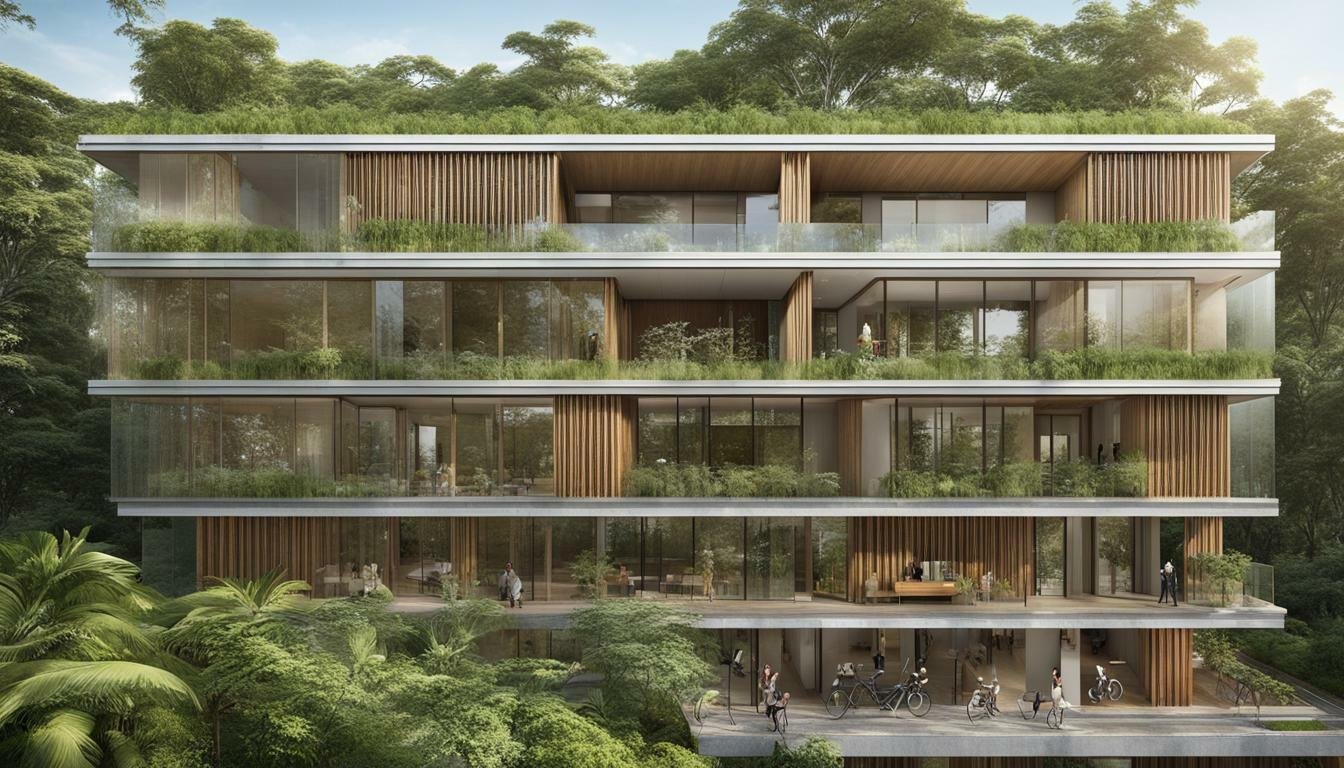
Vaš ultimativni vodič kroz zelenu gradnju u Albaniji
Green building is an increasingly important topic around the world, as individuals and governments alike recognize the need to prioritize sustainability and reduce their environmental impact. Albania is no exception, and as the country looks towards a more eco-conscious future, green building practices are playing an increasingly important role. From održiva gradnja to energy-efficient buildings and eco-friendly architecture, there are many steps that Albania can take towards a greener future.
In Vaš ultimativni vodič kroz zelenu gradnju u Albaniji, we’ll explore the concept of green building in Albania, including its benefits, challenges, and best practices. We’ll examine the importance of sustainable development and green infrastructure, and explore innovative examples of sustainable construction and eco-friendly architecture in the country. Whether you’re an architect, construction professional, or simply an eco-conscious citizen, this guide to green building in Albania has something for everyone.
Članak u biblioteci Organizacije za ekonomsku suradnju i razvoj o Zelenom oporavku u Albaniji, navodi, “Albanija može postati samodostatna u čistoj energiji, and even a net exporter, through a combination of energy efficiency measures in buildings and the development of intermittent renewable energy sources such as wind and solar. Given its large hydropower storage potential, Albania has sufficient baseload capacity to replace its electricity imports with domestic intermittent renewables.”
Ključni odmori:
- Prakse zelene gradnje ključne su za održivi razvoj Albanije
- Održiva gradnja, ekološki prihvatljiva arhitektura i energetski učinkovite zgrade mogu doprinijeti zelenijoj budućnosti
- Green building materials, sustainable development policies, and green infrastructure can all play important roles
Važnost zelene gradnje u Albaniji
Green building is crucial for Albania’s sustainable future. As the country continues to develop and grow, there is a growing need to reduce the environmental impact of construction and building activities, while also promoting economic and social sustainability.
Adopting green building practices can have significant environmental benefits. Green buildings use less energy, reduce greenhouse gas emissions, and minimize waste and pollution. This can help to mitigate the impact of construction and building activities on air and water quality, as well as protect natural habitats and bioraznolikosti.
In the capital city, Tirana, there is a new Municipality Building of Tirana is the prva zgrada bez emisija u Albaniji and aims to serve as a new model for sustainable developments and as a new symbol for an open, transparent, and accessible municipal administration. It is formed by two intertwined volumes, articulated around a central public space, that generate a hybrid landscape inspired by the nature of Tirana province.
From an economic perspective, green buildings can also offer significant financial benefits. Energy-efficient buildings can save money on utility bills, while also increasing the value of the property. Additionally, green construction practices can create jobs in the renewable energy and sustainable construction sectors, contributing to the overall growth of the economy.
Socially, green buildings can also have a positive impact on the well-being of occupants. Improved indoor air quality, natural lighting, and access to green spaces can promote health and productivity, while also creating more comfortable and enjoyable living spaces.
Overall, embracing green building practices is essential for promoting a sustainable and eco-conscious Albania. Through the use of sustainable construction methods, energy-efficient designs, and eco-friendly materials, the country can build a greener future for generations to come.
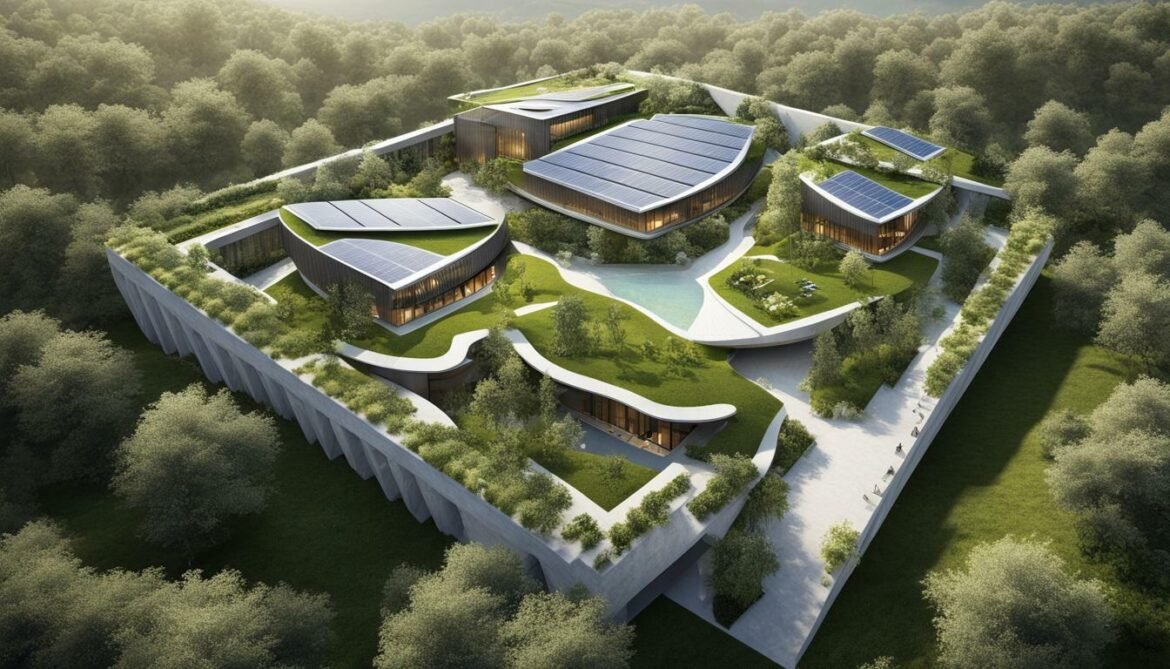
Održiva gradnja u Albaniji
Albania has been steadily embracing sustainable construction principles and practices in recent years. This approach involves designing, constructing, operating, and maintaining buildings and infrastructure in a way that minimizes its impact on the environment and promotes resource efficiency, while ensuring the health and well-being of occupants.
The key principles of sustainable construction in Albania includes energy-efficient design and technologies, integrated renewable energy systems, water conservation, reduction of waste and greenhouse gas emissions, and the use of sustainable and locally sourced materials.
| Primjeri održive gradnje u Albaniji | Opis |
|---|---|
| Sjedište Vodafona u Albaniji | Constructed in 2018, the Vodafone Albania Headquarters is an energy-efficient building that uses solar panels and a geothermal system for heating and cooling, reducing CO2 emissions by 45%. The building also has efficient insulation, maximizing natural light, and a green roof with vegetation to reduce heat loss and improve air quality. |
| Odmaralište Green Coast | The Green Coast Resort is a sustainable tourism project located in the southern part of Albania. The project features energy-efficient buildings made of locally sourced materials, an integrated renewable energy system using solar panels and biomass, and a hybrid car-sharing system for guests. The resort also focuses on water conservation and waste reduction, with a wastewater treatment plant and composting facilities. |
These examples showcase how sustainable construction practices can be implemented in different types of buildings and projects in Albania. By adopting such practices, the country can reduce its environmental impact and move towards a greener future.

Ekološki prihvatljiva arhitektura u Albaniji
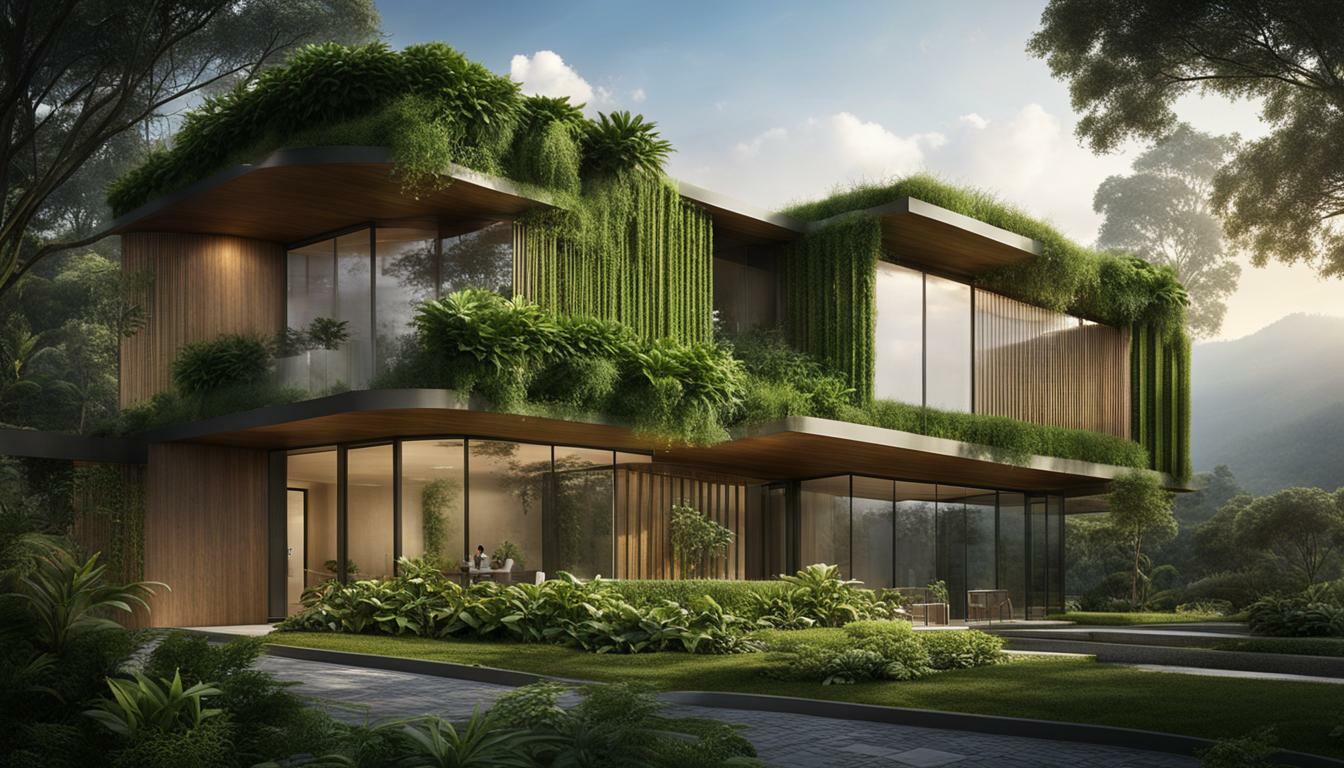
Eco-friendly architecture in Albania prioritizes sustainability and environmental responsibility. It aims to design buildings that harmonize with their natural surroundings and minimize their environmental impact. The use of green materials, renewable energy sources and modern technologies are central to eco-friendly architecture in Albania.
Izvrstan primjer ekološki prihvatljive arhitekture u Albaniji je planinska kuća Albanian Alps. Ova zgrada nalazi se u prekrasnim albanskim Alpama i dizajnirana je imajući na umu okoliš. Dizajn planinske kuće oda je tradicionalnoj albanskoj arhitekturi, a istovremeno uključuje moderne ekološke prakse kao što su solarna energija i zeleni krov. Zgrada se neprimjetno uklapa u okolinu, dokazujući da arhitektura i priroda mogu koegzistirati u harmoniji.

Another fantastic example is the Agritourism Centre in the village of Shkrel. This eco-friendly complex provides accommodation and food options for visitors while showcasing sustainable practices such as rainwater harvesting, solar power, and natural insulation materials. The Agritourism Centre is a testament to Albania’s commitment to sustainable tourism development.
Eco-friendly architecture in Albania is not limited to new constructions. The restoration of historic buildings using sustainable materials and eco-friendly practices is another example of the country’s dedication to preserving its cultural heritage while promoting environmental responsibility. For instance, the National Museum of Resistance in Gjirokastra was restored using traditional materials such as stone and wood, making it an eco-friendly and culturally significant landmark.
Eco-friendly architecture in Albania is a rapidly growing trend. Architects and designers are opting for sustainable materials and practices as a means of promoting environmental sustainability. Albania’s stunning natural landscape provides ample opportunities for the integration of eco-friendly architecture, and the country’s commitment to sustainability is evident in its rapidly evolving urban and rural landscape.
Energetski učinkovite zgrade u Albaniji
Energy-efficient buildings are crucial for Albania’s sustainable future. With rising energy costs and increasing concerns about climate change, reducing energy consumption and greenhouse gas emissions has become a top priority for the country.
The key to energy-efficient buildings is in the design and construction process. By implementing energy-efficient technologies, such as insulation, efficient lighting, and renewable energy systems, buildings can significantly reduce their energy consumption and carbon footprint.
One example of an energy-efficient building in Albania is the University of Tirana’s new Faculty of Engineering Building. Designed and constructed with energy efficiency in mind, the building features insulated walls, double-glazed windows, and a solar-powered ventilation system, reducing energy consumption by up to 40% compared to conventional buildings.

Aside from reducing energy costs and carbon emissions, energy-efficient buildings also improve indoor air quality and occupant comfort. With efficient insulation and ventilation systems, occupants can enjoy a healthier and more comfortable indoor environment.
Sve u svemu, energetski učinkovite zgrade ključna su komponenta održive budućnosti Albanije. Davanjem prioriteta energetskoj učinkovitosti u građevinarstvu, zemlja može značajno smanjiti svoj ugljični otisak i promovirati čišći, zdraviji okoliš za sve.
Ekološki prihvatljiva arhitektura u Albaniji
Kada je riječ o ekološki prihvatljivoj arhitekturi u Albaniji, ključno je dizajnirati zgrade koje su u skladu s prirodnim okruženjem i minimaliziraju utjecaj na okoliš. To znači fokusiranje na materijale koji su održivi, energetski učinkoviti i netoksični. To također znači razmatranje cjelokupnog životnog ciklusa zgrade, od njezine izgradnje do njezina rada i konačnog rušenja.
Jedan primjer ekološki prihvatljive arhitekture u Albaniji je Park uz rijeku Tirane, kompleks mješovite namjene koji kombinira stambeni, maloprodajni i javni prostor duž obale rijeke Lana.

Designed by Italian architecture firm Stefano Boeri Architetti, the development features a green roof that helps insulate the building and manage stormwater runoff. It also incorporates passive solar design principles, which maximize sunlight during the winter months and minimize it during the summer months. The building materials used in the development are sustainable and locally sourced whenever possible, including timber from nearby forests and stone from regional quarries.
Još jedan primjer ekološki prihvatljive arhitekture u Albaniji je Bashkimi toranj u gradu Tirani. Dizajniran od strane lokalne arhitektonske tvrtke Andrea Nastasi Architects, toranj ima prirodne sustave ventilacije, solarne ploče za proizvodnju električne energije i zelenu fasadu koja pomaže regulirati temperaturu i poboljšati kvalitetu zraka. Građevinski materijali zgrade uključuju kamen i drvo lokalnog porijekla, kao i ekološki prihvatljivu izolaciju i ostakljenje.
Overall, eco-friendly architecture in Albania is on the rise, as architects and developers embrace sustainable and energy-efficient design principles. The use of green building materials is also becoming more widespread, as awareness of their benefits grows among building professionals and the general public.
Održivi razvoj u Albaniji
Neophodno je promicati održivi razvoj u Albaniji kako bi se postigao dugoročni gospodarski rast i zaštitio okoliš. Održivi razvoj usmjeren je na balansiranje gospodarskog rasta s društvenim i ekološkim problemima, osiguravajući da buduće generacije mogu uživati u zdravom i prosperitetnom svijetu.
Albania has taken steps to promote sustainable development, including the adoption of the National Strategy for Sustainable Development. The strategy focuses on four pillars: economic growth, social development, environmental protection, and good governance.
Zemlja je također provela politike i inicijative za promicanje održivog razvoja. To uključuje Nacionalni akcijski plan o klimatskim promjenama, Nacionalnu strategiju gospodarenja otpadom te Nacionalnu strategiju i akcijski plan biološke raznolikosti.
Praksa zelene gradnje bitan je dio održivog razvoja u Albaniji. Usvajanjem ekološka gradnja methods and using sustainable building materials, the country can reduce its carbon footprint and move towards a greener future.
Integrirani pristupi koji uzimaju u obzir ekološke, društvene i ekonomske aspekte ključni su za održivi razvoj u Albaniji. Radeći zajedno, vlada, poduzeća i pojedinci mogu promicati održive prakse i osigurati održivu budućnost za sve.

Zelena infrastruktura u Albaniji
Green infrastructure is an essential component of sustainable development in Albania. It refers to the network of natural and semi-natural areas, such as parks, forests, wetlands, and green roofs, that provide multiple benefits to urban and rural communities. Green infrastructure plays a crucial role in enhancing the resilience of cities and ecosystems, reducing pollution, and improving the quality of life.
In Albania, green infrastructure is becoming increasingly relevant as the country faces challenges related to urbanization, air and water pollution, and climate change. Many cities and municipalities are investing in green infrastructure initiatives, including the creation of green corridors, the restoration of wetlands, and the development of sustainable transportation systems.
Grad Tirana, na primjer, implementirao je strategiju zelene infrastrukture koja ima za cilj transformirati grad u pogodnije za život i održivije urbano okruženje. Strategija uključuje stvaranje zelenih pojaseva, širenje parkova i zelenih površina te promicanje mogućnosti održive mobilnosti.

Green infrastructure not only provides environmental benefits but also generates economic and social benefits. It can boost property values, attract tourists and businesses, and create job opportunities. Moreover, green infrastructure can enhance social cohesion and improve public health by providing recreational opportunities and reducing stress levels.
However, the implementation of green infrastructure projects in Albania faces several challenges, such as limited funding, inadequate policies and regulations, and lack of public awareness and participation. Therefore, it is crucial to adopt a holistic and integrated approach that involves multiple stakeholders and addresses the social, economic, and environmental aspects of green infrastructure.
Zaključno, zelena infrastruktura ključan je alat za promicanje održivog razvoja i poboljšanje kvalitete života u Albaniji. Ulaganjem u inicijative za zelenu infrastrukturu, Albanija može stvoriti gradove otpornije i pogodnije za život, poboljšati prirodne ekosustave i podržati prijelaz prema održivoj budućnosti.
Zaključak
Zaključno, zelena gradnja ključna je za održivu budućnost Albanije. Usvajanjem održive gradnje, ekološki prihvatljive arhitekture, energetski učinkovitih zgrada, zelenih građevinskih materijala, održivog razvoja i zelene infrastrukture, Albanija može promovirati ekološke, gospodarske i društvene koristi.
Prakse zelene gradnje mogu smanjiti potrošnju energije, poboljšati kvalitetu zraka i poboljšati opću dobrobit. Načela održive gradnje, poput energetski učinkovitog dizajna, integracije obnovljivih izvora energije i smanjenja otpada, mogu promicati zeleniju budućnost u Albaniji.
Ekološki prihvatljiva arhitektura i zeleni građevinski materijali mogu smanjiti utjecaj na okoliš i uskladiti zgrade s njihovim prirodnim okruženjem. Pristupi održivom razvoju, kao što su integrirano planiranje i donošenje politika, mogu podržati ekološke, društvene i ekonomske aspekte.
Green infrastructure, including green spaces, urban planning, and sustainable transportation systems, can further promote sustainable development in Albania. It is our collective responsibility to embrace and support green building initiatives for a sustainable and eco-conscious Albania.
Česta pitanja
P: Što je zelena gradnja?
O: Zelena gradnja, također poznata kao održiva gradnja ili ekološki prihvatljiva arhitektura, odnosi se na praksu projektiranja, izgradnje i upravljanja zgradama na način koji smanjuje njihov negativan utjecaj na okoliš uz promicanje energetske učinkovitosti i upotrebe održivih materijala.
P: Zašto je zelena gradnja važna u Albaniji?
A: Green building is crucial for Albania’s sustainable future as it helps reduce energy consumption, improve air quality, and promote overall well-being. It also contributes to the country’s efforts in achieving sustainable development goals and creating a greener and more eco-conscious built environment.
P: Koji su ključni principi održive gradnje?
A: Sustainable construction in Albania involves incorporating energy-efficient designs, integrating renewable energy systems, and reducing waste through proper construction and demolition practices. It also focuses on using low-emission materials and promoting environmentally friendly building techniques.
P: Što je ekološki prihvatljiva arhitektura?
O: Ekološki prihvatljiva arhitektura u Albaniji uključuje projektiranje zgrada koje se skladno stapaju s prirodnim okruženjem, minimiziraju utjecaj na okoliš i daju prioritet održivim praksama. Često uključuje značajke poput zelenih krovova, prirodne ventilacije i upotrebe recikliranih ili održivih materijala.
P: Kako energetski učinkovite zgrade koriste Albaniji?
A: Energetski učinkovite zgrade u Albaniji pomažu smanjiti potrošnju energije i emisije stakleničkih plinova, što dovodi do nižih računa za komunalne usluge i zdravijeg okoliša. Ugradnjom izolacije, energetski učinkovitih tehnologija i sustava obnovljive energije, ove zgrade doprinose ciljevima energetske učinkovitosti u zemlji.
P: Koji su neki od primjera zelenih građevinskih materijala koji se koriste u Albaniji?
A: In Albania, green building materials include recycled materials, locally sourced materials, and low-emission products. These materials help reduce the environmental footprint of construction projects and contribute to creating a more sustainable and eco-friendly built environment.
P: Kakva je veza između održivog razvoja i zelene gradnje u Albaniji?
O: Održivi razvoj u Albaniji i prakse zelene gradnje usko su međusobno povezane. Zelena gradnja je ključna komponenta održivog razvoja, budući da promiče očuvanje resursa, smanjuje utjecaj na okoliš i integrira društvena i ekonomska pitanja u izgrađeni okoliš.
P: Što je zelena infrastruktura?
O: Zelena infrastruktura u Albaniji odnosi se na planiranje i dizajn urbanih područja kako bi se uključile zelene površine, održivi prometni sustavi i ekološki prihvatljiva svojstva. Cilj mu je stvoriti održiviju okolinu pogodnu za život, dok istovremeno poboljšava ukupnu kvalitetu života stanovnika.
Možda ti se također svidi Zelena gradnja u Alžiru.