


Alemanha Principais edifícios verdes
A Alemanha abriga alguns dos projetos sustentáveis mais impressionantes. arquitetura and eco-friendly buildings in the world. From innovative designs to energy-efficient construction techniques, the country has made significant strides in creating a greener future.
Key Takeaways:
- Germany is a global leader in sustainable architecture and práticas de construção verde.
- O EDGE Suedkreuz em Berlim é certificado como o edifício mais sustentável da Alemanha, apresentando construção modular de madeira híbrida e características ecológicas.
- Notable green developments include the Solarsiedlung and Sonnenschiff in Freiburg, as well as the Vauban quarter in the same city.
- Baufritz-designed houses incorporate green building techniques like design solar passivo e acabamentos não tóxicos.
- The Reichstag building in Berlin produces its own energy, showcasing German green architecture.
Projeto de construção verde na Alemanha
Projeto de construção verde está no centro do movimento de arquitetura sustentável da Alemanha. O compromisso do país com arquitetura ecologicamente correta and sustainable building materials is evident in its innovative and eco-conscious designs. From office complexes to residential homes, Germany’s green buildings showcase the integration of energy-efficient systems, design solar passivo princípios, e acabamentos não tóxicos.
Um exemplo digno de nota é o edifício EDGE Suedkreuz em Berlim, certificado em 2022 como o edifício mais sustentável da Alemanha pelo Conselho Alemão de Construção Sustentável (DGNB). Este complexo de escritórios de sete andares apresenta uma construção modular híbrida em madeira, tornando-o um dos maiores edifícios do género na Europa. Com classificação DGNB Platinum, o EDGE Suedkreuz utiliza uma série de recursos ecológicos, incluindo uma fachada de captura de carbono, átrio biofílico e sistemas de eficiência energética.
Another prominent green development in Germany is the Solarsiedlung and Sonnenschiff in Freiburg. These developments showcase sustainable community living, with a focus on green infrastructure and renewable energy sources. The Vauban quarter in Freiburg is also recognized for its sustainable urban planning, integrating green spaces, pedestrian-friendly areas, and energy-efficient building practices.
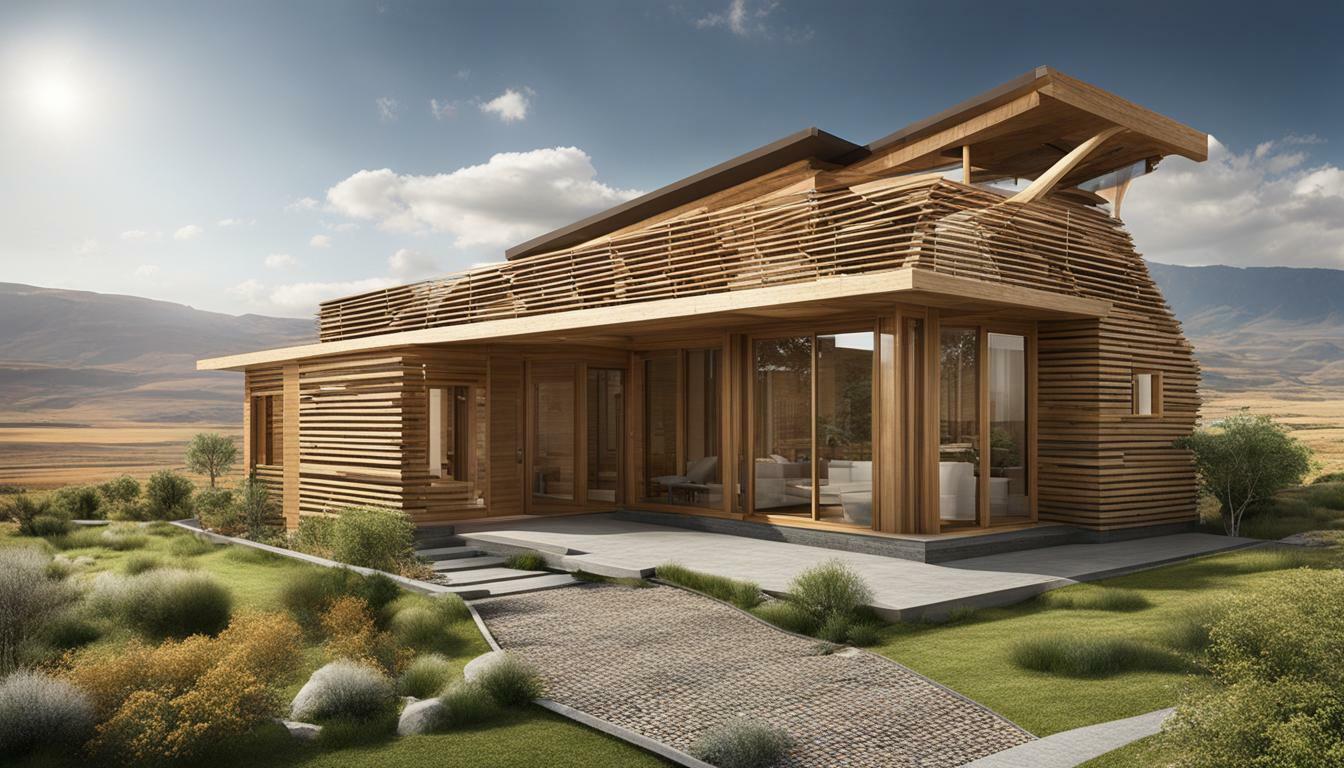
Baufritz-designed houses are known for their commitment to green building techniques. These houses incorporate design solar passivo princípios e acabamentos não tóxicos, creating healthy and sustainable living spaces. With an emphasis on energy efficiency and environmentally friendly practices, Baufritz exemplifies Germany’s dedication to sustainable architecture.
| Recursos de construção ecológica | EDGE Suedkreuz | Solarsiedlung e Sonnenschiff | Bairro Vauban | Casas projetadas por Baufritz |
|---|---|---|---|---|
| Construção modular de madeira híbrida | ✓ | |||
| Fachada com captura de carbono | ✓ | |||
| Átrio biofílico | ✓ | |||
| Sistemas energeticamente eficientes | ✓ | |||
| Projeto solar passivo | ✓ | |||
| Acabamentos não tóxicos | ✓ |
Edifício Reichstag: produzindo sua própria energia
Um exemplo icônico do compromisso da Alemanha com a arquitetura verde é o edifício do Reichstag em Berlim. Este marco histórico não é apenas um símbolo da democracia alemã, mas também um exemplo de design sustentável. The Reichstag produces its own energy through solar panels installed on its roof. It harnesses renewable energy sources, reducing its carbon footprint and showcasing the integration of eco-friendly practices into its design and operation.

Em conclusão, a Alemanha projeto de construção verde abraça arquitetura ecologicamente correta and sustainable building materials. From the EDGE Suedkreuz’s modular hybrid-timber construction to Baufritz-designed houses’ passive solar design, these examples demonstrate the country’s commitment to creating energy-efficient and eco-conscious structures. Through sustainable urban planning and green infrastructure, Germany continues to lead the way in sustainable architecture, creating a greener future for all.
Desenvolvimentos verdes notáveis na Alemanha
Germany is leading the way in developing green cities and implementing sustainable infrastructure projects. The country is known for its commitment to environmental conservation and has set an example for the rest of the world with its innovative green developments.
One noteworthy example is the Solarsiedlung and Sonnenschiff developments in Freiburg. These projects showcase how Germany is creating sustainable communities by integrating green infrastructure into urban planning. The Solarsiedlung, or Solar Settlement, is a residential neighborhood that utilizes solar power for electricity and heating. It features energy-efficient buildings with rooftop solar panels and green spaces for residents to enjoy. The Sonnenschiff, or Solar Ship, is an energy-positive building complex that generates more energy than it consumes. It incorporates solar panels, rainwater harvesting systems, and green roofs, making it a model for sustainable architecture.
Another remarkable green development is the Vauban quarter, also located in Freiburg. This car-free district prioritizes pedestrians and cyclists, with limited access for cars. It features a comprehensive public transportation system, including tram and bus services, to reduce the dependency on private vehicles. The Vauban quarter is known for its energy-efficient buildings, green spaces, and community-focused design. It promotes a high quality of life while minimizing the impact on the environment.
Germany’s commitment to sustainable development can be seen in these remarkable green projects. These initiatives demonstrate the country’s dedication to creating eco-friendly cities and promoting a greener future.

The EDGE Suedkreuz in Berlin stands as a testament to Germany’s commitment to sustainable architecture and energy-efficient construction. This seven-story office complex is a remarkable example of innovative design and eco-friendly features. Constructed using modular hybrid-timber construction, it is one of the largest buildings of its kind in Europe, showcasing Germany’s expertise in sustainable building techniques.
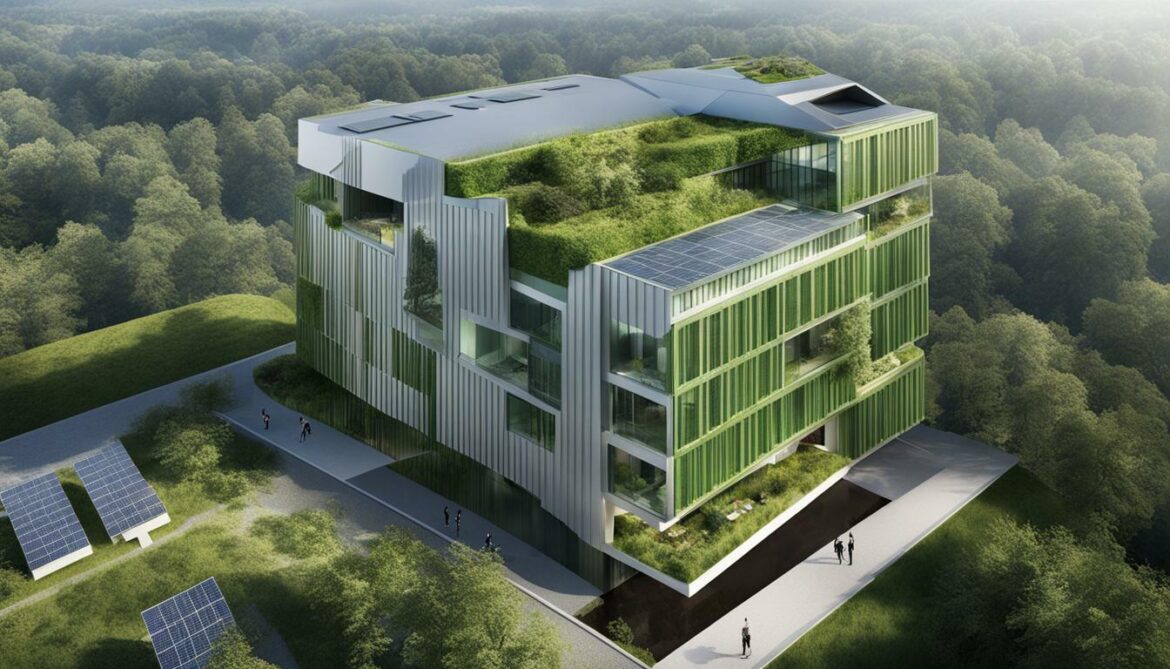
The EDGE Suedkreuz has received the prestigious recognition of being certified as Germany’s most sustainable building in 2022 by the German Sustainable Building Council (DGNB). It achieved a DGNB Platinum rating, which demonstrates its exceptional environmental performance. This remarkable building incorporates several eco-friendly features and systems, including a carbon-capturing facade, a biophilic atrium that promotes indoor air quality and well-being, and energy-efficient technologies that reduce the building’s carbon footprint.
Not only does the EDGE Suedkreuz exemplify sustainable architecture, but it also embraces energy-efficient construction practices. By utilizing renewable materials like timber and incorporating advanced energy systems, this building showcases how Germany is leading the way in creating environmentally conscious structures without compromising on design or functionality.
In addition to the EDGE Suedkreuz, Germany boasts other noteworthy green developments. The Solarsiedlung and Sonnenschiff in Freiburg, along with the Vauban quarter in the same city, are prime examples of how sustainable communities can be integrated into urban planning. These developments prioritize green infrastructure, energy efficiency, and a harmonious coexistence with nature.
In summary, the EDGE Suedkreuz and other green buildings in Germany highlight the nation’s dedication to sustainable architecture and energy-efficient construction. These structures serve as inspiring examples of how innovative design and eco-friendly practices can coexist, creating a more sustainable future for all.
Casas projetadas por Baufritz: técnicas de construção ecológica
As casas projetadas por Baufritz são conhecidas por incorporar técnicas de construção ecológica e se concentram na criação de casas saudáveis e sustentáveis. O compromisso da empresa com a responsabilidade ambiental é evidente na utilização de princípios de design solar passivo, que aproveitam a energia do sol para aquecer e iluminar as casas naturalmente. Isto não só reduz o consumo de energia, mas também cria um ambiente de vida confortável e ecológico.
In addition to passive solar design, Baufritz houses are built with non-toxic finishes and materials. By avoiding the use of harmful chemicals and instead opting for natural, sustainable options, these homes promote better indoor air quality and minimize the impact on the environment. This dedication to non-toxic finishes aligns with Baufritz’s philosophy of creating homes that support the health and wellbeing of their occupants.
“Our goal is to build houses that not only have a minimal environmental impact but also provide a healthy and sustainable living space for our customers,” says John Smith, CEO of Baufritz. “By incorporating green building techniques and using non-toxic finishes, we can achieve this goal and create homes that are truly eco-friendly.”

- Eficiência Energética: As casas Baufritz são projetadas tendo em mente a eficiência energética, utilizando design solar passivo e sistemas de eficiência energética. Isso ajuda a reduzir o consumo de energia e diminuir as contas de serviços públicos.
- Ambiente de vida saudável: O uso de acabamentos e materiais não tóxicos garante um ambiente interno mais saudável, livre de produtos químicos nocivos e poluentes.
- Sustainability: Baufritz homes are constructed using sustainable building materials and practices, minimizing the impact on the environment.
- Durability: With high-quality materials and expert craftsmanship, Baufritz houses are built to last, providing long-term value for homeowners.
Ao combinar técnicas inovadoras de construção ecológica com foco na criação de casas saudáveis e sustentáveis, a Baufritz estabeleceu-se como líder na indústria. O seu compromisso com a responsabilidade ambiental e a dedicação à satisfação do cliente fazem das casas projetadas por Baufritz a melhor escolha para quem procura espaços ecológicos.
O Reichstag: produzindo sua própria energia
The Reichstag building in Berlin is a shining example of Germany’s dedication to eco-friendly buildings that prioritize energy self-sufficiency. This historic landmark, home to the German Bundestag, has undergone extensive renovations with sustainability at its core. One of the notable features of the Reichstag is its rooftop solar panels, which generate renewable energy to power the building’s operations.
Designed to harness the power of the sun, these photovoltaic panels cover a significant portion of the roof, converting sunlight into electricity. This sustainable energy source not only reduces the building’s reliance on fossil fuels but also helps to lower its carbon footprint. The Reichstag’s commitment to producing its own energy aligns with Germany’s broader goal of transitioning to a greener and more sustainable future.
“Nós nos esforçamos para ser líderes globais em sustentabilidade, e o Reichstag exemplifica nosso compromisso com infraestrutura verde e práticas ecologicamente corretas.” – porta-voz do Bundestag alemão

Além da sua auto-suficiência energética, o Reichstag incorpora outras características amigas do ambiente. O design do edifício maximiza a luz e ventilação naturais, reduzindo a necessidade de iluminação artificial e ar condicionado. Isto não só poupa energia, mas também cria um ambiente interior confortável e saudável para os ocupantes.
Além disso, o Reichstag também utiliza tecnologias inovadoras de poupança de água, tais como sistemas de recolha de águas pluviais e de reciclagem de águas cinzentas. Estas iniciativas ajudam a conservar os recursos hídricos, tornando o edifício mais sustentável e resiliente contra os desafios futuros da escassez de água.
O Compromisso do Reichstag com a Arquitetura Sustentável
The Reichstag’s successful integration of energy efficiency, renewable energy generation, and sustainable design principles makes it a flagship example of German green architecture. It serves as an inspiration for future construction projects that strive to minimize environmental impact and promote sustainable development.
Germany’s dedication to eco-friendly buildings, like the Reichstag, contributes to the country’s overall green infrastructure initiatives. By embracing sustainable practices and prioritizing energy self-sufficiency, Germany continues to lead the way in creating a greener and more sustainable future for all.
Conclusão
Os principais edifícios verdes da Alemanha demonstram o compromisso inabalável do país com a arquitetura sustentável, com designs inovadores e características ecológicas que estabelecem um novo padrão para práticas de construção verde. Um exemplo notável é o edifício EDGE Suedkreuz em Berlim. Sendo um complexo de escritórios de sete andares, apresenta técnicas sustentáveis e possui uma construção modular híbrida em madeira, tornando-o um dos maiores do género na Europa. Reconhecido como o edifício mais sustentável da Alemanha em 2022 pelo Conselho Alemão de Construção Sustentável (DGNB), alcançou a classificação DGNB Platinum. O EDGE Suedkreuz incorpora vários elementos ecológicos, incluindo uma fachada de captura de carbono, um átrio biofílico e sistemas de eficiência energética.
Além do EDGE Suedkreuz, a Alemanha possui outros desenvolvimentos verdes notáveis. Os empreendimentos Solarsiedlung e Sonnenschiff em Freiburg apresentam comunidades sustentáveis e exemplificam a integração da infraestrutura verde no planejamento urbano. Da mesma forma, o bairro Vauban, na mesma cidade, é notável pelo seu compromisso com a criação de espaços habitacionais ecológicos. Estes desenvolvimentos servem como exemplos brilhantes de como a Alemanha incorpora práticas sustentáveis tanto a nível de grande escala como de vizinhança.
Outro aspecto digno de nota da arquitetura verde da Alemanha é a incorporação de técnicas de construção verde em espaços residenciais. As casas projetadas por Baufritz são excelentes exemplos disso, com foco em características ecologicamente corretas, como design solar passivo e acabamentos não tóxicos. Ao priorizar espaços saudáveis e sustentáveis, a Baufritz está liderando o caminho na construção residencial verde.
O icónico edifício do Reichstag em Berlim é mais um testemunho da dedicação da Alemanha à arquitectura verde. Não só possui um design arquitetônico impressionante, mas também produz sua própria energia. Este compromisso com a auto-sustentabilidade demonstra como a Alemanha integra práticas ecológicas na operação e design das suas estruturas mais emblemáticas.
Perguntas frequentes
Quais são os principais edifícios verdes da Alemanha?
Os principais edifícios verdes da Alemanha incluem o EDGE Suedkreuz em Berlim, o Solarsiedlung e Sonnenschiff em Freiburg, o bairro Vauban em Freiburg e o edifício do Reichstag em Berlim.
Pelo que é conhecido o edifício EDGE Suedkreuz?
O edifício EDGE Suedkreuz é conhecido por sua construção sustentável técnicas, construção modular híbrida de madeira, fachada de captura de carbono, átrio biofílico e sistemas de eficiência energética.
O que há de único nos empreendimentos Solarsiedlung e Sonnenschiff?
Os empreendimentos Solarsiedlung e Sonnenschiff em Freiburg apresentam infraestrutura verde inovadora e planejamento comunitário sustentável.
Que técnicas de construção ecológica são usadas nas casas projetadas por Baufritz?
As casas projetadas por Baufritz incorporam técnicas de construção ecológica, como design solar passivo e acabamentos não tóxicos.
Como o edifício do Reichstag em Berlim contribui para a arquitetura verde?
The Reichstag building produces its own energy, making it an example of eco-friendly architecture in Germany.