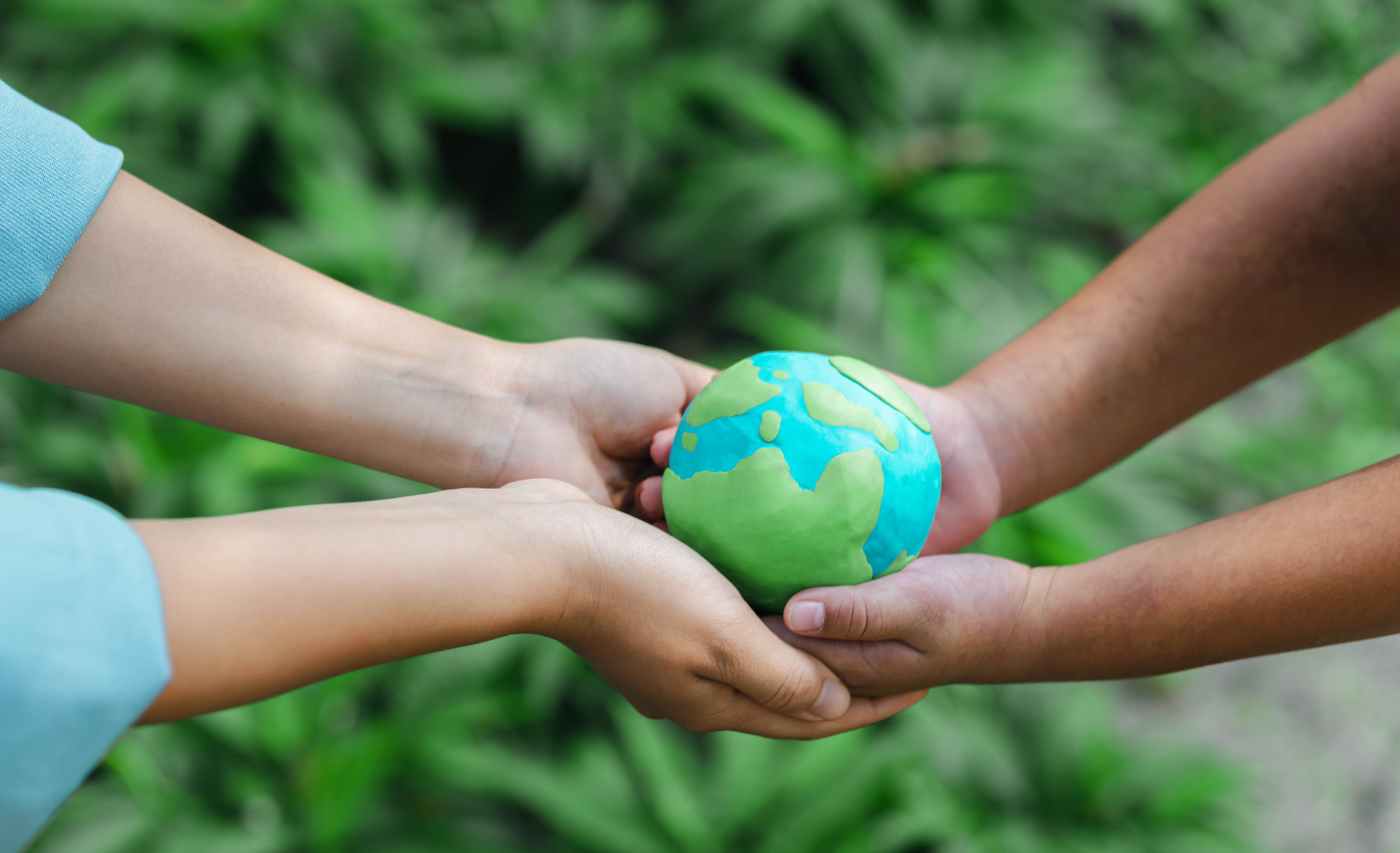



S3, E21: A Natureza das Nossas Cidades com a Dra. Nadina Galle, Parte 4
- Jackie De Burca
- 26 de novembro de 2024
A Natureza das Nossas Cidades com a Dra. Nadina Galle, Parte 4
“Nature has a calming and restorative effect. It can improve our mood, cognitive function, and overall well-being—it’s not just a luxury; it’s essential.”– Dr Nadina Galle

OUÇA ABAIXO A DRA. NADINA GALLE
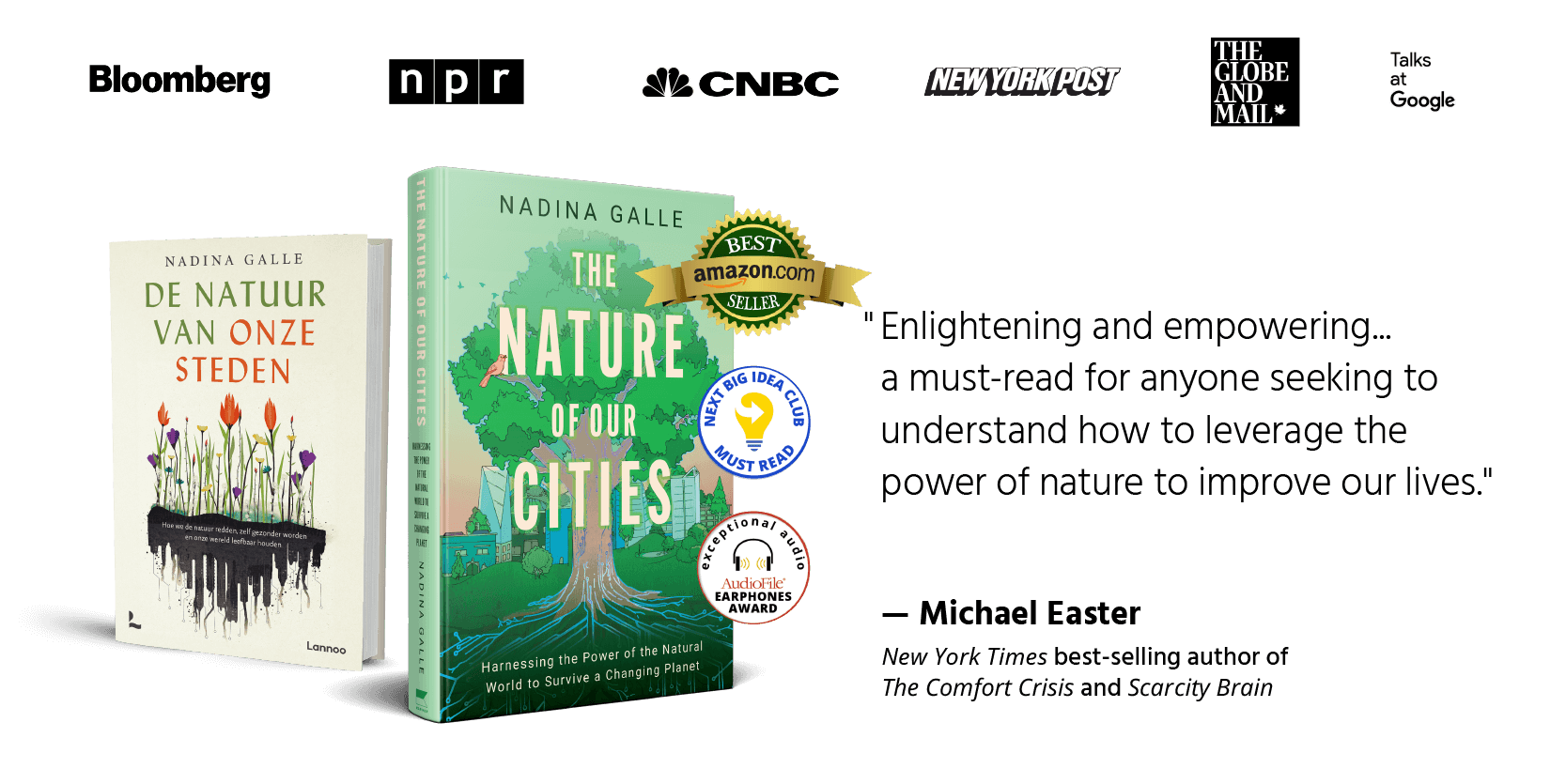
Bem-vindo ao quarto episódio da nossa série especial com a Dra. Nadina Galle, ecológica engenheiro, 2024 National Geographic Explorer, and author of A Natureza das Nossas Cidades: Aproveitando o Poder do Mundo Natural para Sobreviver a um Planeta em Mudança.
Na parte final desta série esclarecedora, Jackie de Burca se senta com a engenheira ecológica e exploradora da National Geographic Nadina Galle para discutir o poder transformador da natureza. Desde a compreensão de como a natureza cura nossos corpos e mentes até práticas inovadoras como terapia florestal e campanhas de e-mail sobre árvores urbanas, este episódio está cheio de esperança e insights práticos.
Nadina compartilha reflexões profundamente pessoais de seu livro, A Natureza das Nossas Cidades, and offers actionable advice on integrating nature into our daily lives—whether in sprawling forests or a single urban tree. For anyone seeking inspiration and strategies to reconnect with nature, this is a must-listen episode.
“Ver a floresta como terapeuta — isso é central para a ecoterapia. A floresta fornece mecanismos para cura; nós somos apenas os guias” – Dra. Nadina Galle
Destaques do episódio:
- Nature’s Impact on Health: How exposure to green spaces reduces stress, anxiety, and chronic illnesses while fostering social connections.
- Ecoterapia e Banho de Floresta: O poder transformador da imersão na natureza, desde o aumento da função imunológica até a redução dos sintomas de TEPT.
- Projetos Urbanos Inovadores: A campanha “Email a Tree” da Giants of North e Melbourne dá vida às árvores e aprofunda as conexões urbanas com a natureza.
- O Futuro das Cidades: How Nature Scores and urban greening initiatives could reshape our urban landscapes into lush, health-supporting environments.
- Um desafio para os ouvintes: Identify and learn about 10 flora or fauna species within 500 meters of your home—nature is closer than you think.
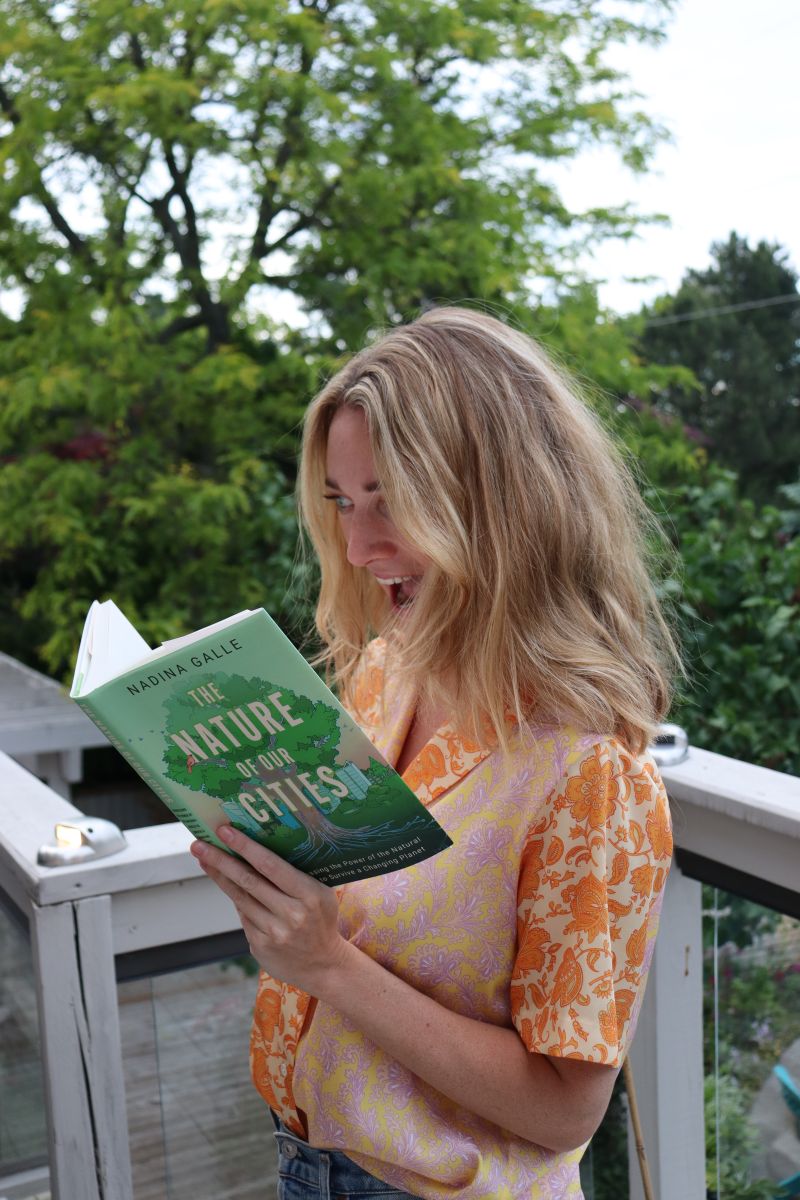
“We came from nature, we evolved in nature, and ultimately, we are hardwired to love and need it.” Dr. Nadina Galle
Para aproveitar toda a minissérie
Cabeça sobre a Dra. Nadina Galle Categoria
Ouça abaixo este episódio:
Explore mais:
Visite Vozes Construtivas for articles, insights, and updates on sustainable living and urban innovation.
“O verdadeiro teste de uma sociedade bonita é aquele que planta árvores sabendo que nunca ficará sob sua sombra.” Dra. Nadina Galle
sobre a dra. nadina galle
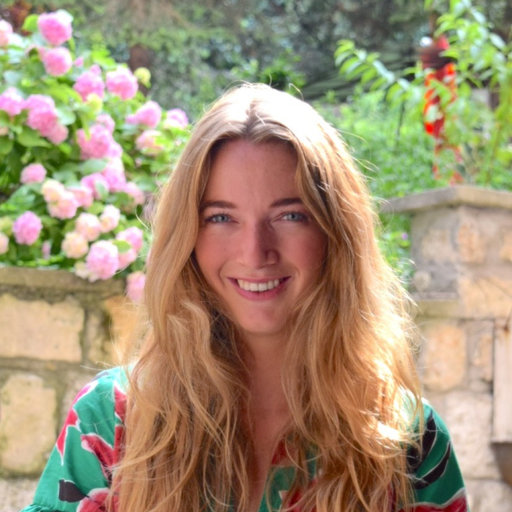
Nadina Galle, Ph.D. é uma engenheira ecológica, tecnóloga e podcaster holandesa-canadense. Seu trabalho foi destaque em documentários produzidos pela BBC Earth e em várias publicações impressas, incluindo Newsweek, ELLE e National Geographic.
Recebedora de vários prêmios acadêmicos e empresariais, incluindo uma bolsa Fulbright para uma bolsa no Senseable City Lab do MIT, ela foi selecionada pela lista 30 under 30 da Forbes e recentemente nomeada National Geographic Explorer por seu trabalho sobre como cidades em crescimento na América Latina estão se conectando à Internet da Natureza. Ela divide seu tempo entre Amsterdã e Toronto.
Início de Vida
Nascida na Holanda e criada no Canadá, a Dra. Nadina Galle desenvolveu um amor pela vida ao ar livre e um profundo comprometimento com a conservação da natureza desde jovem.
Inspirações e paixões fundamentais
Inspirada pelos escritos dos urbanistas pioneiros Jane Jacobs e James Howard Kunstler durante sua adolescência, ela começou a questionar o desequilíbrio entre a natureza e a expansão urbana que testemunhou nos subúrbios do Canadá.
Como engenheira ecológica movida pela paixão pela ecologia e pelo fascínio pela tecnologia, a Dra. Galle pesquisa, desenvolve e traz tecnologias emergentes ao mercado, com o objetivo de construir comunidades melhores para as pessoas e para a natureza — uma visão que ela chama de “Internet da Natureza” (IoN).
O IoN evoluiu desde então para um movimento global, unindo praticantes ousados que estão alavancando tecnologias inovadoras para criar comunidades ricas em natureza. Dr. Galle's Podcast sobre a Internet da Natureza, com mais de 25,000 downloads, destaca o trabalho extraordinário desses empreendedores e inovadores, inspirando públicos no mundo todo.
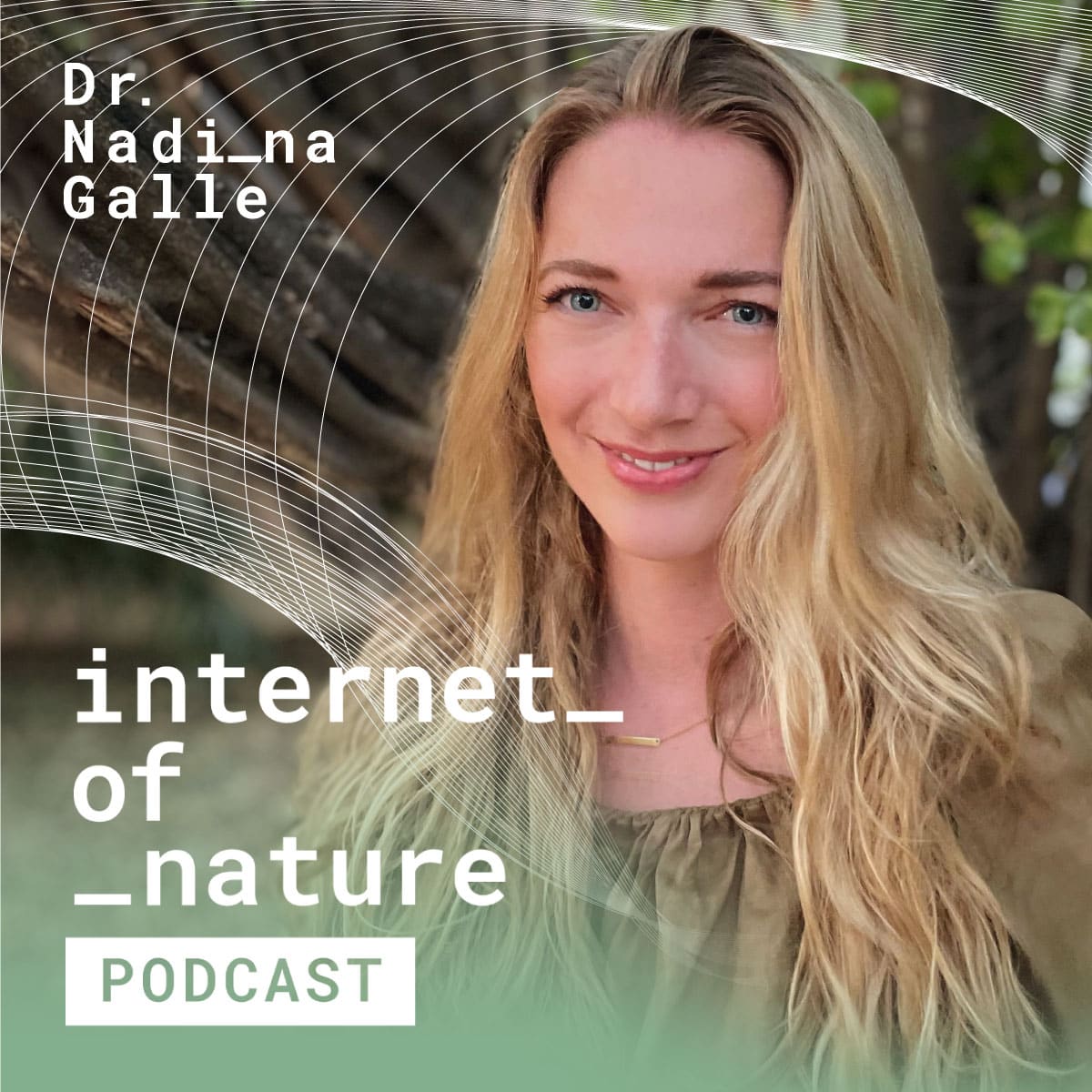
Com mais de uma década de experiência acadêmica em quatro continentes, a Dra. Nadina Galle tem uma base sólida em pesquisa científica. No entanto, é sua combinação de experiência acadêmica e anos trabalhando em — e construindo — startups de tecnologia que a diferencia. Ela agora dá palestras, modera eventos globais, dissemina conhecimento e lança produtos na intersecção entre natureza, pessoas e tecnologia.
Destaque na mídia principal
O trabalho do Dr. Galle foi apresentado em documentários da BBC Earth e arte.tv, em vários programas de rádio britânicos, irlandeses e holandeses e em várias publicações impressas, incluindo Newsweek, ELLE e National Geographic, que publicou um artigo de cinco páginas sobre sua pesquisa de doutorado.
Ela recebeu várias honrarias acadêmicas e empresariais, incluindo uma bolsa Fulbright por sua bolsa no MIT Senseable City Lab, onde continua a manter uma afiliação de pesquisa. A Dra. Galle também foi listada no Sustainable Top 100 de jovens empreendedores holandeses por três anos consecutivos (o máximo permitido) e recebeu o prêmio máximo da Agência Espacial Europeia, um "Space Oscar", por seu trabalho na delimitação de copas de árvores urbanas para combater o desmatamento. Forbes e Elsevier ambos a reconheceram em suas respectivas listas “30 com menos de 30”.
Cabeça na Ciência, Coração na Comunicação
Clientes, colegas e amigos apreciam a capacidade da Dra. Galle de assumir a responsabilidade pelos resultados — uma qualidade que ela atribui à sua honestidade, empatia e engenhosidade. Essas características, ela acredita, são essenciais para liderar equipes para atingir uma missão compartilhada.
Apaixonada pelo caminho que está trilhando — pesquisando e construindo conhecimento para “levar a natureza para o online” — a Dra. Galle se orgulha de ter a cabeça na ciência e o coração na comunicação. Ela se dedica a traduzir descobertas acadêmicas e tecnológicas em conhecimento público acessível em várias mídias.
National Geographic Explorer
Em 2024, a Dra. Galle foi nomeada Exploradora da National Geographic, onde está investigando como cidades na América Latina estão se integrando à Internet da Natureza.
Livro de estreia
Seu livro de estreia, A Natureza das Nossas Cidades: Aproveitando o Poder do Mundo Natural para Sobreviver a um Planeta em Mudança, foi publicado pela HarperCollins em 18 de junho de 2024 e está disponível para comprar nesses lugares de acordo com onde você está no mundo.
Transcrição gerada digitalmente (pode incluir alguns erros)
Good morning or good afternoon, depending on what time of the day you’re listening to this. This is Jackie de Burca for Constructive Voices, and I am in my final recording with the wonderful author. And she has many other and many other hats that she wears as well. Nadine Galle, who has written this really amazing book which is accessible to all people. And we are now on our final chat, which is really honing in on how nature can affect our health positively.
E estamos entrando em estratégias em torno da exposição à natureza e melhores práticas e assim por diante. Nadina, para aqueles que não ouviram os outros episódios, obviamente vamos dar a essas pessoas um pequeno tapa e dizer para voltarem e ouvirem o primeiro episódio porque Nadina faz uma introdução incrível sobre todo o seu trabalho. Mas para aqueles, por algum motivo, se eles estão ouvindo apenas este episódio, você pode fazer uma introdução bem breve sobre você, por favor?
[00:01:11] Dra. Nadina Galle: Definitivamente. E obrigada, Jackie, por me receber novamente. E olá a todos. Meu nome é Dra. Nadina Galle. Sou uma engenheira ecológica holandesa canadense. Sou uma exploradora da National Geographic de 2024 e, mais recentemente, autora de Nature of Our Cities. How We Can Harness the Power of the Natural World to Survive a Changing Planet.
[00:01:33] Jackie De Burca: Excelente. Então, vamos direto ao assunto. Por que a natureza é importante para a saúde humana? Nadina, sei que é uma pergunta enorme, mas me faça o favor e me responda da melhor forma que puder, por favor.
[00:01:44] Dr Nadina Galle: Yeah, it is indeed a big question. And I think I’ll start with one of the benefits that I think most people can relate to. And that is just the benefit on our mental health. Right. Exposure to green spaces significantly can reduce stress, anxiety, depression. Nature has this really calming and restorative effect, which I think can improve or not. I think research shows us can improve our mood and our cognitive function, and I think in general just helps people feel more relaxed and focused. Mental health is one thing. There’s also our physical health. I say nature really promotes physical activity, whether that be walking or cycling or even just playing outdoors. Relax, relaxing outdoors, they say. Research has shown us that regular access to parks and green spices, you know, reduces risks of things like chronic disease, obesity, cardiovascular disease, diabetes.
Isso por si só foi muito, muito importante.
But there’s also these other things that we may not necessarily think about or see, and those are things like air quality. Having trees and plants can filter pollutants, improve air quality, and thereby also improving our respiratory issues. And overall that comes with that. It regulates temperatures, so it keeps Our cities cool in the summertime. It also keeps our cities warm in the wintertime, which is kind of interesting. It acts as a buffer both ways.
Há uma grande parte da conexão social, que eu acho que anda de mãos dadas com a saúde mental. Mas essa ideia de que áreas verdes e parques realmente oferecem áreas para interação comunitária, o que é especialmente importante em uma época em que estamos lidando com muito isolamento social e solidão saindo da pandemia, isso foi uma coisa enorme. E em uma época em que cada vez menos pessoas estão indo a igrejas ou locais de fé, áreas naturais e parques verdes são realmente uma das poucas áreas que temos para ter esses espaços compartilhados onde podemos nos reunir e promover interações comunitárias.
And I would say lastly, just to kind of circle back to that first point is, yes, it’s important for mental health. But even bigger than that, I think nature and green spaces in our cities, they offer this restorative escape from the noise and chaos and pressures of urban life. And that can be a lot of physical pressures, right? Traffic, big buildings, a lot of asphalt, loud noises. But it can also be the stress of it, right? Busy jobs, busy agendas, you know, stressed out parents and kids, and over scheduled agendas, you know, all of these things without us really realizing at times, can have a huge impact on us. And being in nature, even if that just means taking part of your commute through a green corridor, cycling through a tree lined street, or you know, taking your lunch break in a park, all of those things can have massive impacts on our health. And it feels sometimes tough to kind of, you know, I could go into the specifics of each of these and give you stats and figures about why each of it helps from, you know, helping children not develop myopia, from making sure we have enough vitamin D, from making sure we get enough physical activity. But it almost feels kind of reductionistic to hone down the benefits of nature in this kind of really scientific lens. Because ultimately I believe we came from nature, we evolved in nature. It’s part of what makes us human. And I think anyone can relate to this idea that if you’re spending the majority of your day inside, you just did not feel well, versus when you spend more time outdoors and in nature, you automatically feel better. And I think that’s something that everyone can relate to. And ultimately, I believe we are hardwired to love nature and want to be in nature.
[00:05:38] Jackie De Burca: Concordo plenamente com você.
E eu acho que, você sabe, uma das coisas que é importante que nós, nós falemos é que você mencionou crianças na natureza, ok, apenas para o bem físico delas, para evitar, você sabe, doenças por falta de vitamina D e assim por diante. Mas é claro, em um certo ponto do seu livro, você menciona que na época em que escrevia, você estava grávida de Luca. E é claro que há, você sabe, tocando em, eu suponho, coisas que muitas, não apenas mulheres, com certeza, homens também estão pensando sobre essas coisas. Eu trarei uma criança a este mundo como ele é? Você sabe, essas são o tipo de perguntas que obviamente algumas pessoas estão tendo. E há, você sabe, provavelmente algumas razões bastante válidas para isso. Este foi um processo e tanto para você, eu imagino. Adina.
[00:06:28] Dr Nadina Galle: Yeah, it’s really tough. It’s a conversation that I hear a lot around me. This very dark fear and lack of optimism for the future, this fear of climate, of climate change, of the effects of it, and this general feeling of this is not a world that I want to bring children into. And that is just. I mean, I get emotional just thinking about that because I believe we’re put on this earth to bring more life onto this earth. And I believe that is our purpose at the end of the day. And no matter what form that takes, obviously not everybody has to have their own children if that’s not something that they desire. But, you know, bringing in children into the world, whether that be nieces or nephews or stepchildren or adopted children, is such a way that we contribute also to the future of our planet, to the future of the world that we will leave behind for those children. And it’s such, it’s so heartbreaking to me that there are so many people in the world that feel that that is no longer something worth doing. Because I feel like when you, when you, when you decide that, it also means that you’ve given up on your own life in some, in some, in some way or another. And I think that the true to test of a beautiful society is those that plant trees and plant natural areas knowing that they will never sit under the shade of that tree. In fact, that’s, that’s an old proverb that I quote in the book as well.
Acredito que estar na natureza, em vez de focar apenas na desgraça e na melancolia das mudanças climáticas, acredito que focar na natureza realmente proporciona essa enorme sensação de abundância, esse sentimento de que sempre há mais e que há bastante para todos e que há mais de onde isso veio, há mais que podemos criar. E adoro pensar nessa sensação de abundância em vez dessa sensação de medo. E vergonha e apontar o dedo para as pessoas que estão fazendo as coisas do jeito errado.
I really enjoy, you know, writing and working at this cusp of urban nature because I believe that is the nature that we have in our daily lives that’s so critical, but it’s also operating from this place of abundance rather than this feeling of. Of shame and guilt.
[00:08:44] Jackie De Burca: Sim, acho que isso é realmente muito bem colocado. E a outra palavra que vem à minha mente em relação a, você sabe, humanos e natureza, você sabe, crianças sendo mostradas por seus professores, você sabe, que poderiam ser seus professores na escola, que poderiam ser seus professores na família e, você sabe, os amigos, os vizinhos, como podemos colaborar com a natureza. Colaboração é a palavra que vem à mente porque no último episódio, você deu alguns dos exemplos incríveis do seu livro, os estudos de caso de coisas como caracóis e, você sabe, corvos e assim por diante.
Nature itself is collaborating with itself. A species is changing its color because it needs to. A species is changing its calls because it also needs to, because of the urban environment that it’s living in. So therefore, if humans are collaborating with nature, all of what you see because of your positive work is entirely possible. And therefore, you know, not that there’s no need for doom and gloom, but really, that can be quashed and, you know, put down further by just collaborating with nature and encouraging that quickly.
[00:09:58] Dra. Nadina Galle: Sim, sim. E eu acho que nós temos. Nós temos.
Perdemos isso de vista. Perdemos de vista o fato de que a natureza é nossa maior colaboradora. Perdemos de vista o fato de que a natureza, quero dizer, acabamos de listar alguns no começo do episódio, mas a natureza desempenha um papel em todas as facetas de nossas vidas. Acho que você poderia honestamente fazer esse argumento. E se isso está nos, você sabe, os recursos que nós. Que precisamos para construir nosso casas and build our offices, whether that’s in their air quality that we breathe and are reliant on every day, the quality of our water, the places that we go to recreate our food systems are entirely based on a healthy balance in our ecosystems with nature. So there’s. There’s so many different linkages. And ultimately, I think reestablishing that connection with nature is so critical to creating ultimately happy and healthy humans that live on a happy and healthy planet.
[00:10:56] Jackie De Burca: 100%. 100% de acordo com você, Nadina. Então, passando para a ecoterapia, que também é, você sabe, contada. Falada com outros nomes também. O que é exatamente e por quais outros nomes podemos conhecê-la?
[00:11:12] Dra. Nadina Galle: Sim, acho que algumas das mais comuns são provavelmente coisas como terapia florestal. Banho de floresta é outra. É outra comum, que vem da palavra japonesa como shinrin yoku, que significa literalmente tomar banho na floresta.
And Japan really was at the forefront of a lot of this because they saw in, you know, rapid industrial revolution, you know, rapid urbanization, a lot of sedentary jobs, which was quite, you know, different to what Japan had been used to previously. They saw massive spikes in mental health disorders and things like stress and anxiety, things that, you know, we can all relate to. And they saw huge benefits of people being out in nature. And of course, you know, the Japanese elders were like, yeah, well, of course, this is where we came from. Of course you’re going to feel better and more restorative when you’re there. But the government really saw huge potential in that and actually invested large amounts of money to create, you know, to one certify, you know, forest bathing guides to take, you know, even the most, like, staunchest city slickers out into nature, into forests and help them kind of reconnect with the natural earth to hopefully help with some of the, whether it be more severe mental health disorders or just kind of a general sense of malaise that we were talking about just earlier.
E eles investiram muito dinheiro do governo, não até treinarem esses caras, mas também criando parques descalços onde as pessoas, você pode literalmente aterrar, descalço na floresta, essas belas trilhas de caminhada que você pode seguir, porque eles viram que, você sabe, passar tempo em florestas, reduz os níveis de cortisol, reduz a ansiedade. Há até estudos que mostram que isso realmente aumenta algo chamado células assassinas naturais, que são realmente importantes em nossos corpos para combater coisas como câncer. Você sabe, nós temos essas não apenas mudanças de humor, mas mudanças fisiológicas que acontecem conosco quando estamos perto de árvores em florestas. É, é.
[00:13:15] Jackie De Burca: É realmente algo muito importante, é algo obviamente células assassinas naturais. Sabe, eu acho que isso por si só é o suficiente.
É informação suficiente para mim, sabe, para ser convertido, se eu já não fosse convertido. É o suficiente, não é? Sabe, quando você pensa em todas as doenças horríveis que você poderia potencialmente, sabe, prevenir tendo mais células assassinas naturais, é incrível.
Nadina, conte-nos sobre os guias de terapia florestal que foram treinados na Chico State.
[00:13:49] Dr Nadina Galle: Yeah, so that was a really interesting case study because Chico State or California University is also commonly known. It sits in Chico county, and Chico is right around the corner from Paradise. So where one of the most devastating wildfires happened in US history, and it sits smack Dab in the middle of wildfire County, a country. And this is been really, really.
I mean, for lack of a better word, interesting. Because what you have there is, you have this community, these huge populations of people that have been absolutely traumatized by what they’ve had to deal with. Their wildfires that have swept through their land, their property, their homes, and in the worst cases, their loved ones. And it has just been so catastrophic and so traumatizing. Many of these, they relate to, actually wild wildfire survivors. They have rates of PTSD in the same levels that you might expect from veterans coming home from war. You know, this is extremely traumatizing. And the thing that’s so odd is that the thing that caused this wildfire, nature itself, right? Maybe the spark wasn’t caused by nature, but a lot of the buildup of the vegetation, you know, cause its ferocity, how catastrophic it became, that. That nature itself, the kind of the. The instigator of this wildfire, can hopefully also be an area for healing for these people as well. And I think that’s. That’s. That’s what. What made this. These. The training of ecotherapy guides at Chico State so interesting. And I got the opportunity to speak to one of them called Blake Ellis. And she, together with 14 other local mental health professionals, were trained to become certified ecotherapy guides. And the goal was really to then provide comfort to these communities that were impacted by wildfires. And when Blake was telling me about one of these sessions, she was saying that what was so interesting is that for the first time, many of them were able to see trees and these downed trees and the debris that was left, not as this reminder and symbol of death and decay, but actually as opportunity and hope for the future. And I think that’s something that’s this beautiful parallel that hopefully we can relate back to other fascinating facets of our life as well. And one of the things that Blake said that really stuck with me is that, you know, she keeps. She kept saying when she was telling me about these things is, you know, I am. I am simply a guide. It is the forest that is the therapist. And that is, I think, something that is so central to ecotherapy and forest therapy is seeing the forest as the therapist that it is, and that these individuals that are these certified guides, they are the facilitators that can help take you through. And there’s many different exercises. You know, sometimes it’s simply sitting and meditating in a forest environment. Sometimes it is literally hugging a tree and coming into contact with some of these. You know physiological changes that can happen to your body. Sometimes it’s taking a silent walk, sometimes it’s actually just having your therapy session, but you’re walking through the forest as you’re doing it. So there’s many different ways that forest bathing and forest therapy can take place, but the goal is that this venue, the forest, really provides the mechanisms for a lot of this healing.
[00:17:16] Jackie De Burca: Eu adoro o fato, como você disse, Nadina, de que é a floresta que é o terapeuta. E eu acho que isso é importante, você sabe, não apenas para aqueles que foram para a terapia, mas também no sentido de qualquer terapia. Você sabe, mais uma vez, é o ego humano que é como, oh, o terapeuta está fazendo isso, aquilo e o outro para mim ou para quem quer que seja. Mas, na verdade, no final do dia, o terapeuta é apenas como um canal, você sabe, é uma ferramenta. Essa pessoa é uma ferramenta para ajudar em uma situação de cura. E, portanto, ver a floresta como um terapeuta, eu acho que em si é apenas cura, eu acho.
[00:17:54] Dr Nadina Galle: Yeah. And I think we have to. It’s also important to remind the listeners here, is that we talk about forest therapy, we talk about ecotherapy, but it doesn’t necessarily have to be in a forest. Of course, that’s better. But Blake also loved to tell me this story about her teacher who taught her to be a guide. Loves to tell this story that he actually did a successful session, forced guide therapy session, in the middle of a parking lot under the shade of a single tree. So it is very possible to do this with a single tree, even in the middle of a parking lot, you can have this connection to nature. And I think, again, kind of reinstating why urban nature is so important and why we have to be careful not to write off urban nature as not quote, unquote, real nature or effective nature for these kinds of things. A lot of these sessions can take part in parking lots with single trees, if you’re really forced to. But otherwise, backyards, urban parks, manicured gardens, you know, there, as long as it’s some kind of natural setting, you can actually start to feel a lot of these benefits, you know, and if you have access to a beautiful old growth forest, of course host your session there. But even if that’s not possible, you can still feel the same kind of sense of grounding that other places are able to offer.
[00:19:12] Jackie De Burca: Então, sim, acho que esse é um conselho obviamente brilhante. Sabe, se estamos apenas observando, tire a palavra floresta, apenas a natureza é o terapeuta. E onde quer que possamos encontrar isso, você sabe, um pedacinho de natureza. Se for só um pouquinho, tudo bem também. Então acho que esse é um conselho excelente.
Você tem alguns estudos de caso realmente interessantes que você apresentou nesta parte do livro. Você pode nos falar sobre alguns deles, Nadina?
[00:19:40] Dra. Nadina Galle: Sim, existem.
Há um bom número deles. E um dos meus favoritos é essa ideia de que as árvores, por meio desse tipo específico de tecnologia chamado som geolocalizado, podem realmente falar conosco.
It was this project by theatre director Puk van Dijk in the north of Amsterdam. Amsterdam north is this rapidly developing neighborhood which I think a lot of post industrial cities can relate to. It’s an area that is really dealing with, you know, rampant changes, gentrification, drug use, pushing out certain demographics, pushing in a new demographic, dealing with, sadly, a lot of deforestation to make way for a lot of this development. And Buch van Dyck moved to this neighborhood after she had a very nomadic childhood, lived all over the world. And when she had a child of her own, she wanted more stability. And she looked for stability at her tree neighbors, the ginkgos, the ashes, the oaks, the maples that she shared her new neighborhood with. She was really inspired by them and she wanted to understand her neighbors more. So she started to interview some of her human neighbors and she started see a lot of parallels, right? She would talk to a new neighbor who was a retired bodybuilder, and he was complaining about the fact that this highway that had been expanded was causing his asthma to get worse and worse. And he was dealing with a lot of issues. And she was wondering, she was like, I wonder if the trees that are planted next, that highway are dealing with similar issues. She talked to another neighbor who complained how lonely she was, especially during the pandemic and afterwards too, that she missed these talks with a lot of her neighbors after they had passed away. And she saw this tree in the middle of a square that was all by itself. And she was like, I wonder if that tree deals with loneliness in the same way as humans might be able to relate to. Long story short, she created this immersive audio tour of these six talking trees. She called it the Giants of North. And she was able to use a lot of these interviews that she had done with human neighbors and translate their stories to these trees. And she actually used local voice actors, actors that were from Amsterdam north, to put on the create these characters and put on these voices for these trees. And it didn’t work like a typical audio tour where you would have to scan a QR code every time you’re at a new stop, you were just able to press play, go on this walk. And the gps, your GPS location would actually guide you either to the right or either to the left based on where you were. And if you were close enough to one of the trees, it would actually start talking to you. And this just meant for such an immersive experience because, for example, in this tree that was dealing with a lot of pollution, it actually started coughing before you could even see it. You would start to hear this coughing, you would turn the corner and there was the tree right next to the road, dealing with these issues. And I just thought it was such a fantastic example to, in a really creative way, show urbanites the plight of city trees and what they’re dealing with and at the same time provide people that, yeah, that normally wouldn’t have that kind of. That interaction, that connection with trees to be able to relate to them more. And I think that’s something so critical that we’ve touched on in the past. The more you’re able to understand and relate to something, the more you’re able to care for it and ultimately protect it as well.
E como escrevo no livro, esse tour foi tão bem-sucedido que eles estão trabalhando para torná-lo uma instalação permanente. E, de fato, o planejador urbano chefe de Amsterdã considerou o tour de áudio Giants of North como audição obrigatória para todos em seu departamento.
[00:23:30] Jackie De Burca: É uma história tão maravilhosa e eu não fui. Não vou a Amsterdã há muito tempo, mas realmente, isso me faz pensar que eu deveria voltar a Amsterdã definitivamente só para ouvir as árvores falarem.
[00:23:42] Dr Nadina Galle: Unfortunately, the trees only speak Dutch at the moment, so you’ll have to a little bit. But I would love. I said that book right away. I was like, you need to get a translated version of this because this would be. It’s also just like, I’ve talked to interpreters so people that their work, you know, whether they work for national parks or museum, their work is to translate, you know, disseminate knowledge and information to the general public. Could be history, it could be natural history, all kinds of different things. I was like, this is such a beautiful way to do interpretation. Like, it’s so replicable. Like, I would love to see something like this in every city around the world, like, even just as a tourist attraction. I think it’s such a cool idea.
[00:24:23] Jackie De Burca: I think it’s a really cool idea. I mean, I think. Thinking out loud, really, Nadina, I think that those trees, like my birth city of Dublin, you know, those trees that are by the canal in Dublin. Surely they can tell not only their own experience of the changing, you know, the changing sort of sights and scenes and vibes of Dublin over the last, you know, couple of decades or whatever. So they could probably express like, their own, you know, I’m relatable as a tree, but also give, like, visitors a little bit of the history of that area at the same time.
[00:24:56] Dra. Nadina Galle: Ah, sim. Ah, sim. E esse é, na verdade, o texto descritivo dos gigantes do norte, na verdade, começa, eu acredito que começa com, oh, as coisas que nossos gigantes viram. Porque se você imaginar essas árvores mais velhas e elas falarem sobre, você sabe, o casal brigando, o acidente entre uma Vespa e uma moto às três da manhã, você sabe, a criança subindo nela, você sabe, todas essas coisas diferentes que a história. Quer dizer, se tivermos sorte, temos árvores em nossas cidades que são, você sabe, centuriões, com mais de 150, 200 anos. Quer dizer, essas árvores estavam lá antes de nascermos e espero que estejamos lá muito depois de partirmos.
[00:25:34] Jackie De Burca: Espero que sim. Espero que sim. Mas é um conceito fantástico e espero que, como você disse, se torne mais difundido, sabe, porque é absolutamente brilhante.
Heading to Melbourne, Australia, there’s also an email, a tree campaign. How does that work?
[00:25:50] Dr Nadina Galle: Yeah, speaking of projects that are so easily replicable in cities around the world, there is a campaign called the Email the Tree Campaign, but it didn’t. It didn’t start quite like what it sounds. Essentially, it started. It all started with Yvonne Lynch. She was the head of the Urban Forester and Urban Forestry and Urban Ecology team for the City of Melbourne. And what she was struggling with is that every day she would get emails, she would get phone calls, she’d get stopped in the street, her colleagues would get stopped in the street to get to answer questions about trees in people’s neighborhoods. Right, like this.
Esta árvore parece doente. Quando você vai olhar para ela? Quando esta árvore vai ser derrubada? Quando você vai olhar para os danos a esta árvore? Este, você sabe, cabo elétrico está chegando muito perto dos galhos desta árvore. Todas essas, você sabe, perguntas, você poderia até chamá-las de reclamações às vezes estavam apenas chegando descombinadas. E a primeira, você sabe, pergunta que você sempre teria que dar uma resposta era, bem, qual árvore é? E então seguiria esta conversa incrivelmente frustrante de, bem, é em frente a este endereço, mas não é aquela árvore, é esta árvore. Você sabe, é um cidadão. Eles podem não saber a espécie da árvore. Então eles fariam o melhor para descrevê-la. Você sabe, é aquela com o tronco e com as folhas e, você sabe, era apenas uma situação muito frustrante, muito frustrante para Yvonne e sua equipe.
Então o que ela fez foi pilotar um programa para obter um número de identificação para cada árvore individual, que eles já tinham. Mas junte esse número de identificação a. Para um endereço de e-mail para que esse número de identificação, cada árvore individual agora tivesse um endereço de e-mail individual. Então esse número de identificação poderia ser encontrado em um mapa. Você poderia aumentar o zoom, encontrar a árvore e então ver imediatamente o endereço de e-mail e enviar sua pergunta sobre aquela árvore específica para aquele endereço de e-mail específico. E isso funcionou muito bem como uma ferramenta de gerenciamento até que Yvonne começou a notar algo bem estranho, que era que ela não estava recebendo reclamações e perguntas sobre a manutenção da árvore em sua caixa de entrada, mas sim cartas de amor para as árvores.
Eles estavam recebendo todos os tipos de notas diferentes de afeição. Você sabe, coisas dizendo como, Caro 10087898, eu sempre olhei para seus galhos e suas folhas da minha janela. Eu sento sob sua sombra. Você sabe, você me deu consolo em momentos de luta real na minha vida. Sabe, realmente pessoal, profundo, você sabe, confissões até mesmo sobre a força e o consolo que eles obtiveram dessas árvores.
Sabe, alguns eram meio excêntricos e engraçados, sabe, dizendo que eles, você sabe, estavam apaixonados por esta árvore, mas, você sabe, eles se apaixonaram por esta outra árvore. E isso é considerado adultério de árvore? Sabe, era. Simplesmente foi para todo o caminho. E em algum momento, você sabe, inicialmente eles, tipo, eles estavam respondendo porque achavam muito engraçado, e eles estavam respondendo de volta como se fossem a árvore. Yvonne e sua equipe. Mas em algum momento, simplesmente saiu do controle porque não apenas, você sabe, se tornou viral em Melbourne, mas depois se tornou viral na Austrália, e depois se tornou viral em todo o mundo. Então, havia esses endereços de e-mail criados de outras árvores em cidades ao redor do mundo que estavam enviando e-mails para as árvores em Melbourne, enviando e-mails para seus primos e amigos ao redor do mundo. E isso era, tipo, completamente, completamente maluco. E era simplesmente um. Apesar da viralidade que teve, foi um exemplo tão bonito de que, você sabe, existe esse amor e afeição intrínsecos pelas árvores com as quais compartilhamos nossas cidades.
Mas nunca realmente teve uma maneira de sair até agora. E o que eu realmente gosto sobre isso é que é tão replicável e seria apenas. É uma maneira tão bonita de mostrar esse carinho e amor que existe pelas árvores. E eu continuo dizendo a Yvonne, eu estava tipo, você precisa, você sabe, fazer o melhor de, e publicar em um livro com belas fotos dessas diferentes árvores e essas cartas de amor. Porque é uma história tão bonita.
[00:29:47] Jackie De Burca: É realmente uma história linda. É mesmo. Agora, passando para uma tecnologia que é usada pela Casa Branca dos EUA e também por grandes organizações sem fins lucrativos de plantio de árvores para lidar com disparidades de saúde. É conhecido como Nature Scores. Você pode nos explicar, Nadina?
[00:30:06] Dr Nadina Galle: Absolutely, yeah. So Nature Score is very different to something that, you know, professionals have done in the past, municipalities have done in the past, which is doing an assessment of the greenery that you have in a city. So in the past this was done by viewing something called the NDVI or the Normalized Difference Vegetation Index. And that worked really well, but it worked really well for doing one thing which was mapping the greenery in a city. But we know now that the health, that the health benefits that we get from nature is not just greenery. In fact, it also comes in the form of water bodies, of beaches, of open fields, of forests. You know, all these different natural elements play a role in our, in our health. And in this NDVI analysis, things like sand and rock and water actually get a score of zero because they’re not green. And we know now from research that these areas do provide health benefits. So Nature Score was developed as an alternative to that. It was developed by a startup in Oregon called NatureQuant. And you can kind of sense it in the name. Their mission is to quantify nature. And the reason why they want to do that is because they wholeheartedly believe that if we can give nature a number, we’re going to be better off trying to get the investment for it and find and really fight for its rightful place, especially in urban environments. So Nature Score, essentially what it does is you can pick any static address anywhere in Canada and the U.S. and they’re working on Europe at the moment, and you can get your Nature Score. So basically that takes, it takes a radius of 500 meters from around your house. That is the distance that we know from research that the nature is going to have an impact on the health of you living in that specific address at that place. And it gives you a score. You know, 100 is, you know, you’re, you’re in the middle of a forest, you know, that is, that is, you’re in a nature rich environment. 80 to 100, you know, 60, 60 to 80 is something called nature adequate. And Then it goes into nature, I don’t know the medium one. And then it goes into your habit, nature deficit, or you’re in an area that has nature deficiency.
E tudo isso é levado em conta por muitas partes diferentes. Tem sido bem interessante quem começou a usar esse mapa. Inicialmente, você sabe, a NatureQuant pensou que seria usado principalmente para coisas como municípios, como decidir onde as intervenções na natureza deveriam ocorrer e tentar chegar a uma maneira mais igualitária de distribuir esses recursos, você sabe, em vez de apenas distribuir, você sabe, mais vegetação em áreas que são mais barulhentas, que tendem a ser também os bairros mais ricos porque eles têm mais tempo disponível para reclamar sobre as coisas, realmente espalhando esses recursos para alguns dos bairros mais favorecidos socioeconomicamente e também áreas com deficiência de natureza. E esse ainda é um dos casos de uso. Mas o que eu acho que também tem sido interessante é que está começando a ser usado por seguradoras, seguradoras de saúde. Então, olhando para, você sabe, se você mora em uma área rica em natureza, sabemos que você realmente terá menos problemas de saúde. Então, algumas das seguradoras de saúde mais inovadoras estão analisando, podemos realmente ajudar as pessoas que vivem em áreas ricas em natureza, elas podem realmente pagar um prêmio de seguro menor? O que é uma maneira realmente interessante de, como, incentivar ainda mais o investimento na natureza em alguns desses bairros socioeconômicos mais baixos, favorecidos e desfavorecidos é se podemos tornar essas coisas mais iguais também? Investir na ecologização do vizinho no bairro também significa pagar menos pelo seu seguro. Ouvi histórias de que isso está sendo usado por chefes de polícia tentando entender as ligações entre a natureza em suas cidades e o crime em suas cidades, que há ligações realmente interessantes e não causas, mas correlações que você pode encontrar lá também. E então estamos vendo grandes instituições governamentais como a administração da Casa Branca, mas também grandes, grandes organizações sem fins lucrativos como a fundação Arbor Day, que você sabe que é uma das maiores organizações de plantio de árvores do mundo, realmente usam o mapa quadrado da natureza para decidir onde devem plantar e fazer essas intervenções de ecologização. Porque sabemos por pesquisa que é muito melhor plantar uma única árvore em uma rua que não tem nenhuma, do que plantar uma árvore adicional em uma rua que já tem um monte. Você simplesmente obterá muito mais benefícios, seja relacionado ao clima ou à saúde e bem-estar dessa árvore singular. Então, acho que esse é realmente um caso de uso interessante. Mas acho que o mais importante é olhar para a natureza de uma perspectiva diferente. É olhar para a natureza puramente de quais são os elementos naturais que apoiam a saúde e decidem nossas decisões políticas com base nessas informações?
[00:35:14] Jackie De Burca: Sim, isso é enorme. Obviamente, se algumas das seguradoras estão levando isso em consideração, isso é enorme.
Outra coisa que realmente me impressionou foi que até os lagos podem nos manter vivos por mais tempo. Acho isso bem incrível, assim como fiz com o aplicativo de prescrição. Agora, quem realmente criou isso e o que ele faz?
[00:35:37] Dra. Nadina Galle: Sim, então o Nature Dose é o aplicativo de prescrição natural que foi criado em cima do Nature Score. E basicamente como ele funciona é que é um aplicativo que funciona em segundo plano no seu telefone. Então não é um aplicativo que foi projetado para deixar você grudado em uma tela. Ele funciona em segundo plano no seu telefone, assim como um pedômetro ou um Fitbit faria ou um contador de passos no seu telefone. E essencialmente o que ele faz é usar sua localização GPS naquele mapa do Nature Score, ele basicamente agrega, então não retém seus dados de localização, mas basicamente agrega diariamente quantos minutos você ficou dentro, quantos minutos você ficou fora e quantos minutos você ficou exposto à natureza desses minutos fora.
E o que isso basicamente faz é dar aquele empurrãozinho, esperançosamente para você sair mais, assim como um Fitbit faria, para ajudar você a atingir a meta de 10,000 passos por dia.
A Nature Dose, a melhor pesquisa que temos, mostra que precisamos de um mínimo de 120 minutos, duas horas expostos à natureza toda semana. Então, isso é uma média de, tipo, 17, 20 minutos por dia, te dando esse mínimo, então te incentivando a sair e se expor à natureza por pelo menos 20 minutos por dia. Então, é claro que tem o mapa quadrado da natureza, que é muito granular, é capaz de mostrar, você sabe, você ganha um ponto inteiro por estar no meio de uma floresta, você ganha meio ponto por estar em uma rua com muitas árvores. E você ganha zero pontos se estiver parado no meio de um estacionamento. E essa é a diferença entre o tempo ao ar livre e o tempo exposto à natureza.
And to your point, Jackie, beaches and lakes also get high points because we know from research that those things are very health supporting as well. And then the question becomes, okay, well, you know, how can we use this app? How can we integrate this? I think for some people it’s going to feel a little bit shocking that we now need an app to tell us to go outside. And I would say for the people where that feels shocking to, maybe you don’t need it, right? Maybe that’s something that’s so integral into your daily habits that you don’t need something like Nature Dose. But I would argue there’s a vast majority of people who do need that nudge to go outside, much like they need the nudge to take 10,000 steps a day. The importance of Nature Dose is it’s not just about how many steps you take every day. It’s also about where you take those steps a day. And this is a nudge to hopefully take those steps in a nature area so that we can really benefit from all the beautiful advantages that nature offers us. But I also see potential use cases here. For example, like a collaboration, for example, with your mental health practitioner. I talk about a case study in the book where they actually you are using Nature Dose as a warning sign, typically for those that are underage teenagers that are dealing with severe depression and severe mental illness as a warning sign that that information that they haven’t been outside in X amount of days is actually being sent to their mental health practitioner to know that they have to do extra checkup and welfare checks on those individuals, which, yes, can feel big brother to some. But we’re talking about underage teenagers dealing with severe mental health illness. We want to make sure that they’re getting the help that they deserve. Another use case is actually for big corporate partners. Right? In this age of working remotely and working in kind of this hybrid fashion, can we actually encourage employees to get outside, taking walking meetings, getting outside during their lunch break in places of nature? Because we know those employees are going to be more productive, take less sick days, and have less signs of burnout. So I think we’re only at the cusp of understanding how we might potentially be able to use this. I think there’s a lot of interesting use cases. And ultimately, I think my biggest hope, and I talk about it also in the epilogue of the book, is that apps like this will probably become obsolete one day. In fact, I hope that they do because we’ll have created.
Teremos criado cenários e ambientes urbanos tão ricos em natureza que não teremos que pensar duas vezes antes de dar 10,000 passos por dia ou 20 minutos ou uma hora de natureza por dia, porque isso se tornará tão arraigado em nossos hábitos diários e em como nos movimentamos em nossas vidas diárias.
[00:39:56] Jackie De Burca: Sim, quero dizer, você ativa minha imaginação novamente porque estou na mesma página que você nesse sentido, porque tenho uma ideia visual de não muito longe, você sabe, as áreas urbanas das quais falamos que serão muito, muito exuberantes. E estou pensando e esperando que as pessoas que vivem nessas áreas em um futuro não muito distante olhem para a história e digam, oh, meu Deus, como as pessoas viviam nessas selvas de concreto antes?
[00:40:26] Dr Nadina Galle: Yeah, yeah, exactly. I think the thing that’s interesting with cities is that I think people are very quick to look back on how cities used to be and be very negative about how they used to be. But the fact is that cities are such a successful social experiment, They’ve continuously adapted and molded to what the needs and the wishes were of the urban population at that time. Right when the first combined sewer systems were integrated, you know, it was a hallelujah because cities were dealing with open sewers in the canals, with cholera outbreaks. You know, it was, it was, it was dirty and stinky and awful. And combined sewer systems provided, you know, massive improvement to that. Now we’re looking 100 years on, we’re looking at those systems and being like, in times of extreme rainfall, those can be really, really bad because we can lead to combined sewer overflo flows, which is, you know, having terrible impacts on our water quality and our own public health and safety. Okay. So we’re looking at ways that we can adopt more green infrastructure and more kind of sponge city tactics to be able to absorb much of that rainwater so that the combined sewer system in areas where, you know, it cannot be separated because it’s too expensive and too difficult. You know, we’re able to actually absorb a lot of that rainwater so that the combined sewer system is under. Is under less duress in those areas. I think we have to continuously look at how can we adapt and change to the needs of the urban population in 2024. You know, there was a time with the rise of the car that it was seen as a celebration to have highways smack dab through the middle of our cities. We think differently now. We’re seeing, you know, we’re having some critical conversations about whether it makes sense to designate so much space to roadways and parking spots. Why would we have them on the ground level? Why can’t we put them underground? Why can’t we do things like car sharing to reduce the pressure of on the land and instead use that area for public space and ideally green those spaces. So we’re constantly looking at changing, you know, the needs and the wants of our urban population. And indeed, to your point, Jackie, I think we’re going to look back and say, how do we ever live in those concrete jungles? And we’re going to look forward to the future and see hopefully a very optimistic nature, rich urban environment that is so beneficial to every single aspect of human life and all the other species that we share our cities with.
[00:42:54] Jackie De Burca: Absolutamente, absolutamente. Então você e eu nos sentimos assim, o que é brilhante. Mas infelizmente, há muitas pessoas, principalmente os mais jovens, que conhecemos, você sabe, pessoalmente e. E apenas pelo trabalho que você e eu fazemos, que realmente não têm otimismo para o futuro por causa de, digamos, mudanças climáticas e biodiversidade perda. E o mundo como ele é agora, isso é algo que é um grande tópico de hoje porque essas pessoas são nossas gerações futuras e estão nessa situação. Uma porcentagem maior delas, por exemplo, talvez esteja tentando suicídio. E como você mencionou sobre a dose da natureza, é claro, na vida de um jovem, esse aplicativo é muito importante porque pelo menos quem está tratando sua depressão ou qualquer transtorno com o qual esteja lidando realmente será capaz de ver. Bem, olha, você sabe, você não saiu na natureza por, tipo, cinco dias ou algo assim. É um grande tópico. Gina, o que você acha?
[00:43:55] Dr Nadina Galle: Yeah, I think I try to very much operate from the philosophy that when we look at the world, and specifically at our cities through the lens of nature, we operate from the perspective of abundance and of creation and of hope and of optimism. And I think that’s something that natural areas provide. They provide that area for respite, to restore our minds, to find ease and to hopefully find relief from some of the pain that we’re feeling. And that’s something that I believe is so critical, especially in this age of climate anxiety and doom and gloom, to continue looking at our world through the lens of nature and creating more nature, creating more spaces for nature, for us to interact with nature, for connections with nature. Because I do believe that impacts every single aspect of our lives, that of our parents, our grandparents, of our children, and. And for those of you that are feeling like, okay, sure, easy to say, but what am I supposed to do in my apartment on the sixth floor? I only have a balcony. I would say one that balcony is still. Even if it’s only a windowsill, you never know who’s looking up at that balcony. Greening that balcony is already providing you with a ton of benefits and also any passersbys. But I would also invite you to look critically at. Where do you spend the majority of your time. I bet you it’s probably not in that apartment. It might be on the road that you commute. It might be at your office space. It might be at your corporate campus, your university campus, your child’s School, your place of faith, your church. These are all areas and cities that actually tend to be on private ground that we actually have a lot of control over what we can do to change the face of these landscapes. And I would encourage you to get involved with that. Take stock of what’s around you, especially within that 500 meter radius of your house. Think local and act locally as well, because that is ultimately, if everybody did that within a 500 meter radius of their own home, our cities would look like a very different place.
[00:46:03] Jackie De Burca: Eles realmente fariam. Agora, eu ia terminar pedindo a você algumas palavras finais de conselho, mas acho que você quase fez isso sozinho. Mas há alguma outra, você sabe, pequenas preciosidades que você gostaria de oferecer para finalizar?
[00:46:17] Dra. Nadina Galle: Série de quatro partes, talvez menos conselhos e mais um pequeno desafio. Então eu disse para você fazer um balanço do que está naquele raio de 500 metros, mas talvez concretamente eu convidaria todos os ouvintes a identificar pelo menos 10 espécies de flora ou fauna dentro de um raio de 500 metros de sua casa. E se você quiser, você pode usar um desses aplicativos que discutimos, Earth Snap, PlantSnap, iNaturalist, e se envolver como pessoa. O City Nature Challenge, se for, normalmente é no final de abril, início de maio, o que é uma maneira fantástica porque então você não está apenas identificando essas espécies e fazendo um balanço do que está ao seu redor, mas também pode conhecer outras pessoas que estão interessadas nisso também. E você ficaria surpreso com a frequência com que eu parasse de tirar uma fotografia de, você sabe, alguma flor bonita de uma folha de árvore ou, você sabe, tentando dar uma olhada em alguma borboleta na minha câmera. Você ficaria surpreso com o quanto isso é um quebra-gelo, com a rapidez, você sabe, as pessoas notam isso e fazem perguntas sobre isso. Você sabe, o que você está fazendo ou o que você está olhando? Você sabe, é um quebra-gelo tão bonito e essa bela oportunidade para conexão social, que eu acho que precisamos desesperadamente no mundo de hoje, especialmente em nossas cidades.
[00:47:39] Jackie De Burca: Isso é absolutamente correto e um conselho maravilhoso, Nadina. Foi um prazer ter nossas várias conversas. E você sabe, eu acho que tudo o que você disse será muito útil para os ouvintes e eu realmente gostei de nossas fotos juntos.
[00:47:57] Dra. Nadina Galle: Eu também. Jackie, muito obrigada aos ouvintes por ouvirem e a você, Jackie, por querer gastar tanto tempo nesses tópicos realmente, realmente importantes. Espero que seus ouvintes tenham encontrado bastante.
[00:48:09] Jackie De Burca: De valor nisso e acredito que eles farão. Nadina, muito obrigada.
Também recomendamos
Episódio Oito: Entenda Facilmente a Realidade Mista e seus Usos Comerciais com o Arquiteto James Lee Burgess
13 de julho de 2021