




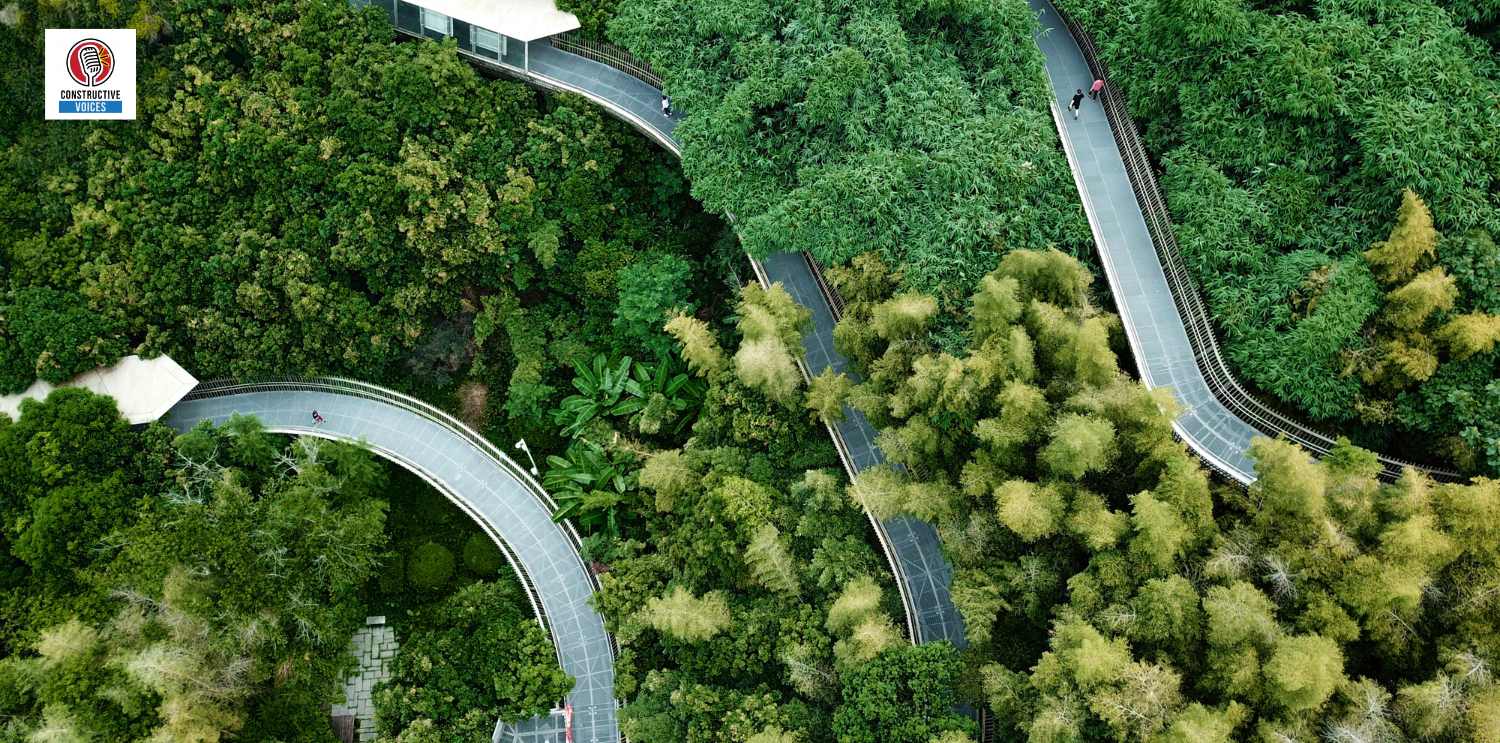
Como os sensores de árvores estão sendo usados ao redor do mundo
Como os sensores de árvores estão sendo usados ao redor do mundo
Trees are essential to urban and natural ecosystems, offering a wide range of benefits, from purifying air and sequestering carbon dioxide to providing shade and enhancing biodiversidade. However, maintaining the health of trees in cities and forests is an ongoing challenge for environmental scientists, city planners, and foresters.
Recent technological advancements, particularly in the field of the Internet of Nature (IoN), have led to the development of “tree sensors.” These sensors are revolutionising the way we monitor and care for trees, providing real-time data that helps to ensure their health and longevity. This article explores how tree sensors are being used around the world, the technology behind them, and the impact they are having on tree management and urban forestry.
O que são sensores de árvores?
Tree sensors are IoT devices designed to monitor the physiological and environmental conditions of trees. They measure various parameters such as soil moisture, sap flow, temperature, humidity, and even the electrical signals emitted by trees. These sensors transmit data wirelessly to a central system, where it is analysed to assess the health and well-being of the trees. This real-time data allows for immediate interventions when trees are under stress due to drought, pests, diseases, or other environmental conditions.
Aplicações globais de sensores de árvores
Sensores de árvores estão sendo cada vez mais usados em ambientes urbanos e rurais ao redor do globo. Abaixo estão alguns exemplos importantes de como esses sensores estão sendo utilizados:
1. Florestas Inteligentes nos Estados Unidos
Os Estados Unidos estão na vanguarda da implementação de sensores de árvores para gerenciar florestas urbanas. Na cidade de Nova York, por exemplo, o Departamento de Parques de Nova York implantou sensores como parte da iniciativa “TreeKIT” para monitorar a saúde de milhares de árvores nos parques e ruas da cidade. Esses sensores fornecem dados sobre a umidade do solo e as condições ambientais, o que ajuda a otimizar os cronogramas de irrigação e detectar sinais precoces de doenças ou infestação de pragas. Esforços semelhantes estão sendo vistos em cidades como São Francisco e Boston, onde sensores de árvores ajudam a manter a saúde das árvores em climas cada vez mais variáveis.
- Departamento de Parques de Nova York: Iniciativa TreeKIT

2. Monitoramento de árvores urbanas em Cingapura
Singapura, conhecida pelo seu conceito de “Cidade Jardim”, também adotou a tecnologia de sensores de árvores para monitorizar a sua vasta área verde urbana. Parques Nacionais Board of Singapore (NParks) uses sensors to measure sap flow, a critical indicator of tree health. The data collected is integrated into a larger “smart city” framework, providing insights into how trees interact with their urban environment. The technology helps Singapore manage its urban heat island effect and enhances its urban resilience against climate change.
- Conselho de Parques Nacionais, Singapura: Gestão da saúde das árvores
3. Gestão da seca na Austrália
In Australia, where drought conditions are becoming more frequent and severe, tree sensors are helping to manage water use efficiently. Melbourne, for example, uses soil moisture sensors to determine the optimal times for watering city trees, conserving water while maintaining tree health. These sensors also help detect trees that are under stress due to insufficient water, allowing for targeted interventions. The sensors provide data on soil salinity levels, helping to identify areas where trees may be at risk of salt damage, a common issue in coastal areas.
- Água de Melbourne: Estratégias de Conservação de Água
4. Prevenção de incêndios florestais na Espanha
In Spain, tree sensors are being used in innovative ways to prevent wildfires. By monitoring the moisture content in trees and surrounding vegetation, sensors can detect early warning signs of drought conditions that may lead to fires. This data is then relayed to local authorities and forest managers, who can take preemptive measures, such as controlled burns or strategic water distribution, to reduce the risk of wildfires.
5. Preservando as florestas tropicais na Amazônia
The Amazon Rainforest, often referred to as the “lungs of the Earth,” faces deforestation and degradation due to logging, mining, and agricultural expansion. In Brazil, tree sensors are being used to monitor the health of the rainforest. Sensors placed in trees measure sap flow, trunk growth, and atmospheric conditions, providing real-time data on the forest’s health. This data is used by environmental organizations and government agencies to develop strategies for preserving these vital ecosystems.

6. Iniciativas Europeias de Cidades Inteligentes
Several European cities, including Amsterdam, Berlin, and Copenhagen, are incorporating tree sensors into broader “smart city” initiatives. These sensors monitor the health of trees and provide data that informs urban planning decisions. For instance, the city of Amsterdam uses sensors to monitor the growth rate and overall health of trees to plan new green spaces and ensure that existing trees are well-maintained. This integration into smart city infrastructure helps cities balance urban development with environmental sustainability.
- Comissão Europeia: Iniciativas de cidades inteligentes
O papel da Dra. Nadina Galle
Dr. Nadina Galle, author, ecological engenheiro and creator of the “Internet of Nature” movement, has been at the forefront of advocating for the use of technology in urban forestry. She argues that technology, like tree sensors, can help cities become more resilient to climate change by providing precise data on the health and growth of urban trees. In her research, Dr. Galle has explored how cities worldwide can leverage tree sensors and other IoT devices to create data-driven urban green spaces that are healthier, more sustainable, and better integrated with human activities.
Em um artigo intitulado "As árvores podem falar: estamos ouvindo?” published on her website, Dr. Galle emphasises the importance of using real-time data to make informed decisions about urban forest management. She highlights examples from cities like Amsterdam, where sensors are used to create digital twins of trees that help urban planners visualise and manage green spaces more effectively.
Confira mais sobre O livro da Dra. Galle em seu site.

Benefícios do uso de sensores de árvores
O uso de sensores de árvores oferece vários benefícios:
- Monitoramento em tempo real: Os sensores fornecem dados contínuos e em tempo real, permitindo respostas imediatas a fatores estressantes ambientais.
- Conservação da água: Ao monitorar os níveis de umidade do solo, as cidades podem otimizar os cronogramas de irrigação, reduzindo o desperdício de água.
- Detecção Precoce de Doenças: Sensores podem detectar sinais precoces de doenças ou infestação de pragas, permitindo um tratamento rápido.
- Resiliência Climática: Data from sensors can help cities understand how trees contribute to cooling and air quality, guiding urban planning efforts.
- Prevenção de incêndios florestais: Em regiões propensas a incêndios florestais, os sensores fornecem dados essenciais sobre os níveis de umidade, ajudando a prevenir incêndios antes que eles comecem.
Desafios e Direções Futuras
Embora os benefícios dos sensores de árvores sejam numerosos, também há desafios para sua adoção generalizada. Isso inclui o alto custo de implantação, a necessidade de manutenção contínua e preocupações com a privacidade de dados. Além disso, há uma necessidade de protocolos padronizados para coleta e análise de dados de sensores para garantir que os dados possam ser efetivamente integrados aos processos de planejamento urbano.
Looking ahead, the future of tree sensors looks promising. As technology becomes more affordable and accessible, it is likely that more cities and rural areas will adopt these devices. Integration with other smart city technologies, such as AI and machine learning, could enhance the predictive capabilities of these sensors, leading to even more effective tree management strategies.
Conclusão
Tree sensors represent a significant advancement in how we care for and manage trees in both urban and rural environments. From conserving water in drought-prone areas to preventing wildfires and maintaining urban greenery, these sensors provide a wealth of data that can help cities and organisations make informed decisions. As highlighted, by experts like Dr. Nadina Galle, the integration of technology into environmental management is not just a trend but a necessary step towards building resilient and sustainable cities of the future.
Referências
- Dra. Nadina Galle – As árvores podem falar: estamos ouvindo?"
- Conselho de Parques Nacionais, Singapura – Gestão da saúde das árvores
- Departamento de Parques de Nova York – Iniciativa TreeKIT
- Água de Melbourne – Estratégias de Conservação de Água
- Comissão Europeia - Iniciativas de cidades inteligentes
Outros podcasts de autores que você pode gostar
Sintonize Alexandra Steed, the ground-breaking author, as she speaks to Jackie De Burca in a series of four podcasts that explore her book, Portrait to Landscape, in depth. You will learn about so many fascinating things when it comes to nature, humans, our landscapes, climate change, biodiversity and how we can tip the balance to live in a more beautiful, nature-positive world.
Be sure to enter the book giveaway below. Alexandra Steed has generously agreed to offer ten copies of her excellent book. Click on the link below:
https://kingsumo.com/g/1v9qy6m/book-giveaway-portrait-to-landscape-a-landscape-strategy-to-reframe-our-future-by-alexandra-steed


Por trás do ambicioso projeto de uma cidade florestal existe uma dura realidade
1 ano atrás[…] e cidades sustentáveis no Trinity College Dublin, Irlanda. Apaixonado por análise de dados, cidades inteligentes e comunicação midiática, Yuyang busca impulsionar o progresso social por meio da tecnologia […]