



Locais naturais sagrados de Vanuatu e biodiversidade
Did you know that Vanuatu, an archipelago of 83 volcanic islands nestled in the Southwest Pacific Ocean, is home to one of the most diverse and unique ecosystems on the planet? Its larger and older islands possess a remarkable variety of terrestrial ecosystems, plants, and animals, making Vanuatu a biodiversidade hotspot of global significance. However, this natural heritage is under threat from various challenges such as climate change, natural disasters, habitat loss, and invasive alien species.
Key Takeaways:
- Vanuatu é um arquipélago de 83 ilhas vulcânicas no sudoeste do Oceano Pacífico, conhecido pela sua rica biodiversidade.
- A biodiversidade do país é vulnerável às alterações climáticas, desastres naturais, perda de habitat e espécies exóticas invasoras.
- Vanuatu has been implementing measures to enhance the implementation of the Convention on Biological Diversity and achieve the 2020 Aichi Biodiversity Targets.
- The protection and preservation of Vanuatu’s sacred natural sites are essential for maintaining the country’s cultural heritage and promoting indigenous rights.
- Investing in green buildings in Vanuatu not only aligns with environmental sustainability but also offers financial and social benefits.
Sítios Naturais Sagrados de Vanuatu e Proteção do Patrimônio Indígena
Vanuatu is renowned for its sacred natural sites, which serve as designated areas for local communities to safeguard cultural and spiritual values, as well as natural resources. These sites play a vital role in the traditional ecological knowledge and practices of indigenous communities, ensuring the preservation of Vanuatu’s rich cultural heritage and endorsing indigenous rights.
The traditional chiefs of Aneityum Island in Vanuatu have established the first “Tabu-Area,” designating it as a protected area to conserve both biodiversity and cultural significance. This groundbreaking initiative exemplifies the essential role that communities play in conservation efforts and natural resource management within Vanuatu.
Community-based management approaches, where local communities actively participate in decision-making and the implementation of conservation measures, are key to ensuring the long-term sustainability of these sacred sites and the protection of Vanuatu’s indigenous heritage.
Preservando o Patrimônio Cultural e os Direitos Indígenas
The preservation and protection of Vanuatu’s sacred natural sites are not just matters of environmental conservation; they are also crucial steps towards maintaining cultural heritage and promoting indigenous rights. By recognizing the spiritual and cultural significance of these sites, Vanuatu acknowledges and respects the traditional ecological knowledge and practices embedded within indigenous communities.
Vanuatu’s sacred natural sites stand as living examples of the strong connections indigenous communities have with nature and their ancestral lands. The preservation of these sites is a vital part of our responsibility to protect our cultural heritage and promote indigenous rights.
Capacitando Comunidades Locais
As comunidades indígenas de Vanuatu têm estado na vanguarda da conservação dos locais naturais sagrados do país e da salvaguarda dos seus valores culturais e ecológicos. As abordagens de gestão comunitária promovem a participação activa e a tomada de decisões, capacitando as comunidades locais para se apropriarem dos esforços de conservação e garantindo a sustentabilidade destes locais para as gerações futuras.
Vanuatu reconhece que a protecção do património indígena não é apenas da responsabilidade do governo, mas requer os esforços de colaboração das comunidades locais, autoridades tradicionais e partes interessadas relevantes.
Promovendo o Desenvolvimento Sustentável
The preservation of Vanuatu’s sacred natural sites not only safeguards cultural and ecological values but also aligns with the country’s commitment to sustainable development. By valuing traditional ecological knowledge and incorporating indigenous practices into conservation strategies, Vanuatu promotes a holistic approach that respects both nature and culture.
This integration of indigenous heritage protection into sustainable development initiatives contributes to the overall well-being of communities and emphasizes the importance of cultural landscapes in long-term environmental conservation.
Esforços de conservação da biodiversidade de Vanuatu
Vanuatu, a country known for its rich biodiversity, is dedicated to the preservation of its unique flora and fauna, including endemic species. The region’s flora, particularly its orchids, have been extensively studied, revealing numerous species exclusive to Vanuatu. The country is also home to a diverse range of bird species, many of which are endemic and face global threats.
The government of Vanuatu has implemented various measures to protect and conserve biodiversity, such as the establishment of protected areas like the Aneityum Tabu-Area. These designated areas not only safeguard natural resources but also promote community-based conservation approaches. Local communities actively participate in managing and conserving these areas, contributing to sustainable development and the preservation of cultural landscapes.
Um aspecto fundamental da conservação em Vanuatu é a protecção das ecologias sagradas, reconhecendo o significado espiritual e cultural de sítios naturais específicos. Estes esforços de conservação visam manter a integridade destes locais sagrados e contribuir para o compromisso de Vanuatu com a Convenção sobre Diversidade Biológica.
Harnessing community-based conservation approaches and prioritizing the preservation of sacred ecologies, Vanuatu strives to achieve biodiversity preservation and foster sustainable development.
The holistic approach to conservation in Vanuatu not only enriches the natural environment but also upholds the cultural heritage of the islands. It reinforces the intrinsic link between the livelihoods of local communities and the health of the ecosystems they rely on.
A importância da conservação baseada na comunidade
Community-based conservation is a cornerstone of Vanuatu’s biodiversity preservation efforts. Engaging local communities in the decision-making process and empowering them to actively participate in conservation activities ensures the long-term sustainability of natural resources. This collaborative approach fosters a sense of ownership and responsibility among communities, creating a lasting impact on biodiversity conservation.
Salvaguardando Ecologias Sagradas
Reconhecendo o valor cultural e espiritual de certos locais naturais, Vanuatu esforça-se por proteger as ecologias sagradas. Estes locais têm um significado imenso para as comunidades locais e contribuem para a paisagem cultural geral do país. Ao conservar estes locais sagrados e a biodiversidade associada, Vanuatu mantém os seus esforços de conservação da ecologia sagrada.
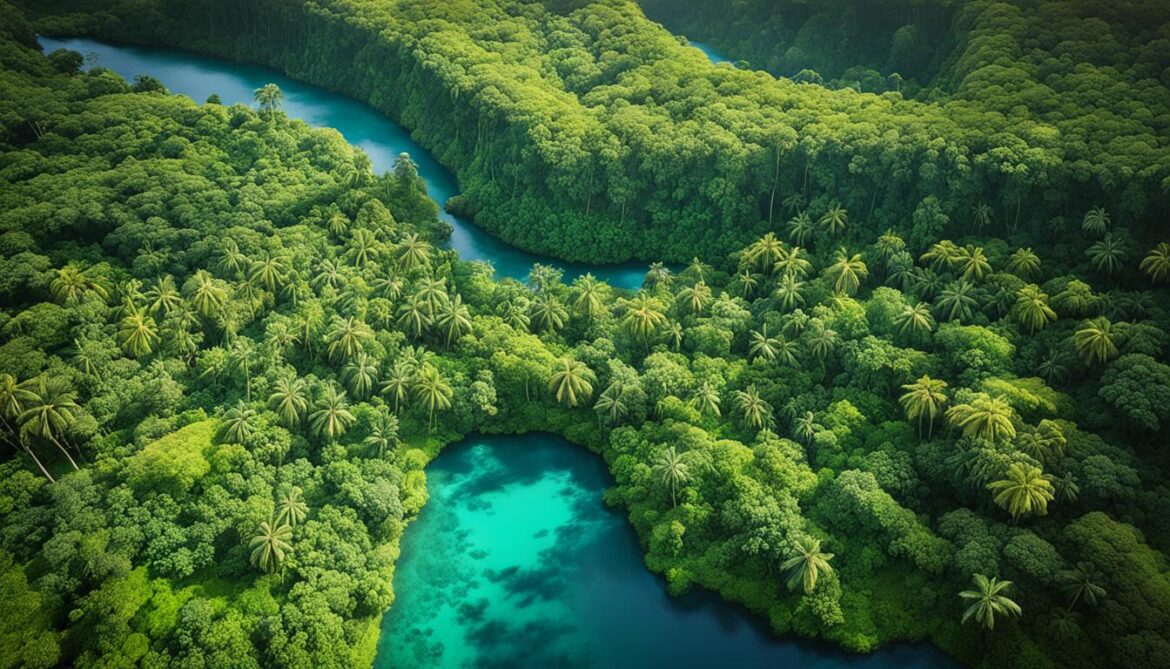
The commitment of Vanuatu to biodiversity preservation extends beyond its borders, as it seeks to contribute to global initiatives for ecological sustainability. With a combination of community-based conservation, the protection of sacred ecologies, and the establishment of protected areas, Vanuatu is taking significant steps towards ensuring the long-term preservation of its unique natural heritage.
Iniciativas de construção verde de Vanuatu
Vanuatu abraçou construção sustentável and eco-friendly architecture, recognizing the importance of resource efficiency and minimizing environmental impact in building practices. Green buildings in Vanuatu prioritize energy efficiency, water conservation, and the use of eco-friendly materials.
The Ministry of Construction actively supports design sustentável and construction methods and has implemented policies to promote green buildings and sustainable urban development across the country.
The government’s focus on fostering environmentally friendly buildings has created significant investment opportunities in Vanuatu’s green building sector. With the rising demand for sustainable construction, investors can contribute to the country’s sustainable development goals while benefitting from financial returns.
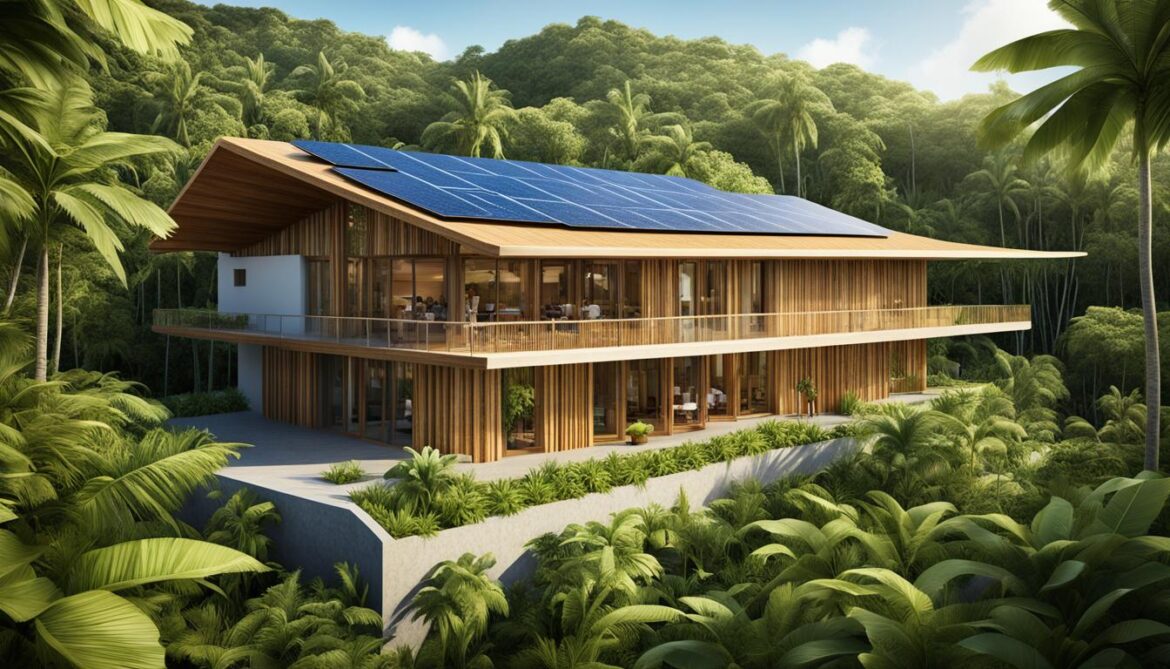
“Investir em edifícios verdes em Vanuatu não só se alinha com a sustentabilidade ambiental, mas também oferece benefícios financeiros e sociais.”
By investing in green buildings, individuals can play a part in conserving the environment, reducing greenhouse gas emissions, and promoting sustainable development in Vanuatu.
Além disso, os edifícios verdes oferecem diversas vantagens. Reduzem os custos operacionais através da eficiência energética e hídrica, têm frequentemente valores de aluguer e revenda mais elevados e estimulam a procura de produtos e serviços sustentáveis, contribuindo, em última análise, para o crescimento económico e a criação de emprego.
Além disso, os edifícios verdes oferecem um ambiente interior mais saudável e confortável, melhorando o bem-estar dos ocupantes e promovendo um sentido de comunidade e sustentabilidade.
Benefícios dos edifícios verdes em Vanuatu:
- Redução do impacto ambiental através da eficiência energética e conservação de recursos
- Long-term cost savings through reduced operating expenses
- Maiores valores de aluguel e revenda
- Melhor saúde e bem-estar dos ocupantes
- Engajamento e colaboração da comunidade
Investir em edifícios verdes em Vanuatu representa uma oportunidade única para alinhar os interesses financeiros com o desenvolvimento sustentável, contribuindo para os esforços do país no sentido da conservação ambiental e da prosperidade a longo prazo.
Oportunidades de investimento em edifícios verdes de Vanuatu:
The growing economy and increasing demand for sustainable urban development in Vanuatu create a favorable environment for investing in green buildings. The International Finance Corporation estimates that the green building sector in Vanuatu represents a significant investment opportunity of nearly $80 billion. By capitalizing on this emerging market, investors can contribute to the country’s sustainable development goals while reaping the financial benefits of investing in environmentally friendly buildings.
Benefícios dos edifícios verdes em Vanuatu
Os edifícios verdes em Vanuatu oferecem uma série de benefícios que contribuem para um futuro mais sustentável e próspero para o país. Estes benefícios abrangem aspectos ambientais, económicos e sociais, tornando os edifícios verdes um investimento valioso para indivíduos, empresas e comunidades.
Vantagens ambientais
One of the primary benefits of green buildings is their positive impact on the environment. They play a significant role in reducing greenhouse gas emissions, which are a major contributor to climate change. By incorporating energy-efficient systems and renewable energy sources, such as solar panels, green buildings help to minimize carbon footprints and conserve valuable resources.
Water conservation is another crucial environmental aspect facilitated by green buildings. Through efficient plumbing fixtures, rainwater harvesting systems, and greywater recycling, these buildings effectively reduce water consumption, helping to preserve water resources in Vanuatu’s fragile island ecosystem.
Green buildings in Vanuatu contribute to the preservation of natural resources and the enhancement of biodiversity conservation, safeguarding the country’s unique flora and fauna for future generations.
Benefícios econômicos
Beyond environmental advantages, green buildings provide substantial economic benefits. Their energy efficiency measures and renewable energy integration result in long-term cost savings. By consuming less energy, these buildings reduce utility bills, providing financial relief to occupants and building owners alike.
Além disso, os edifícios verdes têm frequentemente valores de aluguer e revenda mais elevados devido às suas características sustentáveis e ao aumento da procura. O seu apelo de mercado atrai inquilinos e compradores ambientalmente conscientes, apresentando oportunidades lucrativas para os proprietários.
“O investimento em edifícios verdes estimula a procura de produtos e serviços sustentáveis, contribuindo para o crescimento económico e a criação de emprego em Vanuatu.”
Vantagens Sociais
The social advantages of green buildings cannot be overlooked. These buildings focus on creating healthier and more comfortable indoor environments for occupants. Through proper ventilation, use of non-toxic construction materials, and attention to indoor air quality, green buildings promote occupant well-being, leading to improved productivity, satisfaction, and overall quality of life.
Furthermore, green buildings foster community engagement and collaboration. By incorporating communal spaces, such as rooftop gardens or shared facilities, these buildings encourage social interactions and a sense of belonging. The focus on sustainability and environmental stewardship also promotes a shared goal among community members, fostering a strong sense of community and sustainability.
Investing in green buildings in Vanuatu not only aligns with environmental sustainability but also offers significant financial and social benefits to individuals, businesses, and communities. It is a step towards a greener and more sustainable future for Vanuatu, ensuring the well-being of both present and future generations.
Oportunidades de investimento em edifícios verdes em Vanuatu
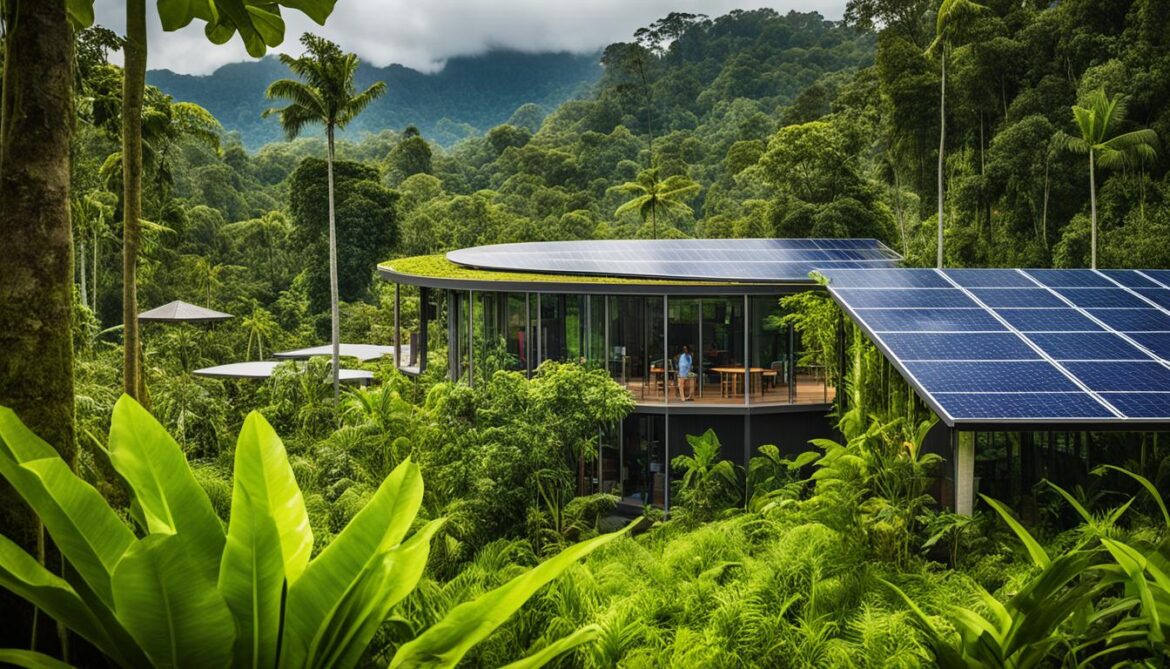
Vanuatu’s green buildings sector offers attractive investment opportunities with the country’s growing economy and population. The demand for sustainable urban development is on the rise, creating a need for green building materials and technologies. In fact, the International Finance Corporation estimates that the green buildings sector in Vanuatu presents a potential investment opportunity worth nearly $80 billion.
Investir em edifícios verdes em Vanuatu vai além de contribuir para a conservação ambiental; também oferece vantagens financeiras significativas. Os edifícios verdes rendem frequentemente valores de aluguer e revenda mais elevados, graças às suas características de eficiência energética e hídrica. Estes edifícios também beneficiam de poupanças a longo prazo através da redução das despesas de manutenção.
O governo de Vanuatu está totalmente empenhado em promover edifícios verdes e apoiar o desenvolvimento sustentável. Implementou políticas e leis que criam um ambiente propício ao crescimento de edifícios ecológicos. Como resultado, o investimento em edifícios verdes em Vanuatu está alinhado com a visão do governo e proporciona um ambiente regulatório estável.
Considerando o crescente mercado de construção sustentável de Vanuatu e as condições favoráveis criadas pelo governo, investir em edifícios verdes em Vanuatu é uma oportunidade atraente para investidores. Não só podem ter um impacto positivo no ambiente, como também podem obter retornos financeiros a longo prazo.
| Oportunidades de investimento | Benefícios |
|---|---|
| Maiores valores de aluguel e revenda | Retornos financeiros e aumento do valor da propriedade |
| Custos operacionais reduzidos através da eficiência energética e hídrica | Economia em contas de serviços públicos e sustentabilidade de custos a longo prazo |
| Economia a longo prazo através da redução de despesas de manutenção | Gestão de edifícios económica |
Investing in green buildings in Vanuatu not only holds lucrative financial prospects but also contributes to the country’s sustainable urban development. By supporting the construction of green buildings, investors can actively participate in the growth of Vanuatu’s economy while promoting environmental sustainability.
Apoio governamental para edifícios verdes em Vanuatu
O governo de Vanuatu compreende a importância do desenvolvimento sustentável e tomou medidas proativas para promover edifícios verdes no país. Ao implementar políticas, iniciativas e regulamentos, o governo pretende criar um ambiente que apoie o crescimento de edifícios e práticas de construção amigos do ambiente.
One of the government’s key focuses is updating technical norms for sustainable construction. By revising these norms, Vanuatu ensures that builders and developers have clear guidelines to follow when incorporating sustainable design principles into their projects.
Furthermore, the government actively promotes energy-efficient practices and technologies within the construction industry. By incentivizing the use of energy-saving solutions, Vanuatu encourages the adoption of sustainable building practices that minimize environmental impact and reduce energy consumption.
Reducing greenhouse gas emissions is another priority for Vanuatu. The government has set goals to decrease carbon footprints through sustainable construction practices. By aligning with international frameworks and conventions, Vanuatu demonstrates its commitment to combat climate change and create a greener future.
Another significant aspect of the government’s support for green buildings is the integration of sustainable design and construction principles into urban development plans. By incorporating green building practices from the early stages of development, Vanuatu ensures that sustainable design is an inherent part of the country’s future urban landscape.
Vanuatu também colabora com organizações internacionais como o Programa das Nações Unidas para o Desenvolvimento (PNUD) e o Banco Mundial para trocar conhecimentos, recursos e melhores práticas em construção sustentável. Esta parceria fortalece os esforços de Vanuatu na promoção e implementação de iniciativas de construção sustentável, beneficiando da experiência e do apoio globais.
Globalmente, o governo de Vanuatu proporciona um ambiente regulamentar estável e incentiva activamente o investimento na construção e desenvolvimento sustentáveis através das suas políticas, iniciativas e parcerias. Este compromisso com edifícios verdes apoia os objectivos mais amplos do país de desenvolvimento sustentável, conservação ambiental e um futuro resiliente.
Práticas Sustentáveis na Arquitetura Verde de Vanuatu
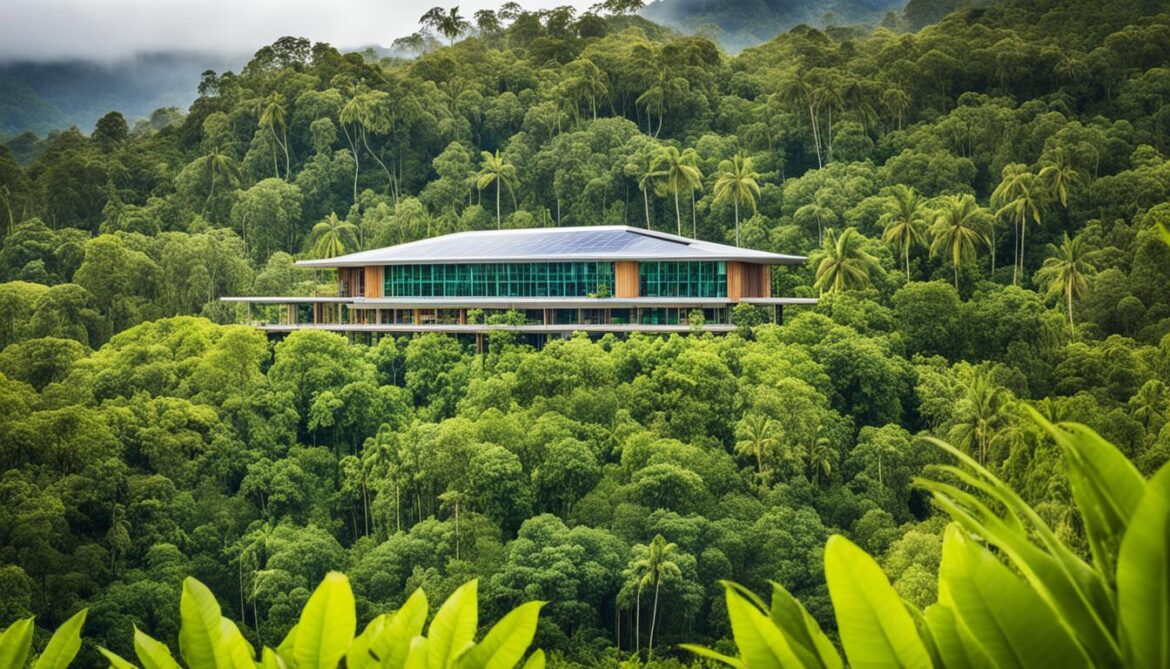
Vanuatu is committed to incorporating sustainable practices in its green architecture to minimize environmental impact and maximize energy efficiency. By utilizing eco-friendly materials, such as recycled and non-toxic options, Vanuatu reduces its carbon footprint and promotes healthier indoor environments for its residents. The use of energy-efficient design is a key aspect of green buildings in Vanuatu, featuring efficient insulation, high-performance windows, advanced lighting systems, and natural ventilation techniques. These design elements help conserve energy and reduce reliance on non-renewable resources.
Vanuatu takes advantage of its abundant sunshine by incorporating solar energy utilization through the installation of solar panels. This move reduces the country’s dependence on fossil fuels and lowers carbon emissions, aligning with Vanuatu’s sustainable development goals. Moreover, Vanuatu faces the constant threat of cyclones, making it crucial to construct cyclone-resistant buildings. Implementing resilient building designs ensures the safety and durability of structures, safeguarding communities from the destructive impacts of cyclones.
By embracing sustainable practices such as using eco-friendly materials, designing for energy efficiency, harnessing solar energy, and constructing cyclone-resistant buildings, Vanuatu’s green architecture contributes to the overall sustainability of the built environment. These initiatives support Vanuatu’s commitment to environmental conservation and sustainable development, creating a greener and more resilient future for the nation.
| Práticas Sustentáveis | Benefícios |
|---|---|
| Materiais ecológicos | – Reduzir a pegada de carbono |
| Design de eficiência energética | - Menor consumo de energia - Poupança de custos |
| Utilização de energia solar | – Diminuição da dependência de combustíveis fósseis – Menores emissões de carbono |
| Edifícios resistentes a ciclones | – Maior segurança e resiliência – Proteção contra desastres naturais |
Conclusão
Vanuatu’s sacred natural sites and biodiversity are pivotal to the country’s environmental conservation, indigenous heritage protection, and sustainable development. The establishment of protected areas and the implementation of community-based conservation approaches exemplify Vanuatu’s commitment to preserving its diverse cultural and natural resources. Community involvement in managing and safeguarding these sites ensures the long-term sustainability of Vanuatu’s indigenous heritage.
Além disso, os edifícios verdes e as práticas de construção sustentáveis têm um papel crucial na redução do impacto ambiental e na promoção da eficiência dos recursos no ambiente construído. Através de políticas e regulamentos, o governo de Vanuatu apoia ativamente o crescimento de edifícios verdes, reconhecendo os benefícios económicos, sociais e ambientais que oferecem. Investir em edifícios verdes não só produz retornos financeiros, mas também contribui para os objectivos de desenvolvimento sustentável de Vanuatu.
Ao adoptar uma abordagem holística que incorpora a preservação cultural, a conservação ambiental e o desenvolvimento sustentável, Vanuatu abre o caminho para um futuro mais verde e sustentável. A preservação dos seus locais sagrados, da biodiversidade e das paisagens culturais demonstra o compromisso do país em equilibrar as necessidades das suas comunidades, preservando o seu património indígena e conservando os seus recursos naturais. Vanuatu é um exemplo brilhante de como a conservação ambiental e o desenvolvimento sustentável podem andar de mãos dadas, criando um futuro melhor para as gerações vindouras.
Perguntas frequentes
O que são locais naturais sagrados?
Sítios naturais sagrados são áreas designadas pelas comunidades locais para proteger os valores culturais e espirituais, bem como os recursos naturais.
Por que os locais naturais sagrados são importantes em Vanuatu?
Os sítios naturais sagrados desempenham um papel significativo no conhecimento e nas práticas ecológicas tradicionais das comunidades indígenas em Vanuatu. Ajudam a preservar o património cultural do país e a promover os direitos indígenas.
Como Vanuatu está conservando sua biodiversidade?
Vanuatu implementou medidas para proteger e preservar a sua biodiversidade, incluindo o estabelecimento de áreas protegidas e a implementação de abordagens de conservação baseadas na comunidade.
Qual é o significado da conservação comunitária em Vanuatu?
As abordagens de conservação baseadas na comunidade, onde as comunidades locais estão activamente envolvidas na tomada de decisões e na implementação, são fundamentais para a conservação sustentável da biodiversidade e a protecção do património indígena de Vanuatu.
Qual é a abordagem de Vanuatu para a construção sustentável?
Vanuatu reconhece a importância da construção sustentável e implementou políticas e regulamentos para promover edifícios verdes e o desenvolvimento urbano sustentável no país.
Quais são os benefícios dos edifícios verdes em Vanuatu?
Os edifícios verdes em Vanuatu oferecem vantagens ambientais, como a redução das emissões de gases com efeito de estufa e a conservação dos recursos hídricos. Proporcionam também benefícios económicos através da redução de custos e estimulam a procura de produtos e serviços sustentáveis. Socialmente, os edifícios verdes promovem a saúde e o bem-estar dos ocupantes e promovem o envolvimento da comunidade.
Que oportunidades de investimento estão disponíveis em edifícios verdes em Vanuatu?
Investir em edifícios verdes em Vanuatu oferece retornos financeiros através de valores mais elevados de aluguel e revenda, economia de custos e redução de despesas de manutenção. O sector dos edifícios verdes representa uma oportunidade de investimento significativa em Vanuatu, com uma procura crescente de desenvolvimento urbano sustentável.
O governo apoia edifícios verdes em Vanuatu?
Sim, o governo de Vanuatu apoia edifícios verdes através de políticas, iniciativas e regulamentos que criam um ambiente favorável para o crescimento de edifícios ecológicos.
Quais são as práticas sustentáveis na arquitetura verde de Vanuatu?
As práticas sustentáveis na arquitetura verde de Vanuatu incluem o uso de materiais ecológicos, design com eficiência energética, utilização de energia solar e a construção de edifícios resistentes a ciclones.