




Аргументы в пользу старовозрастных лесов: почему самые старые леса — наша лучшая защита от изменения климата.
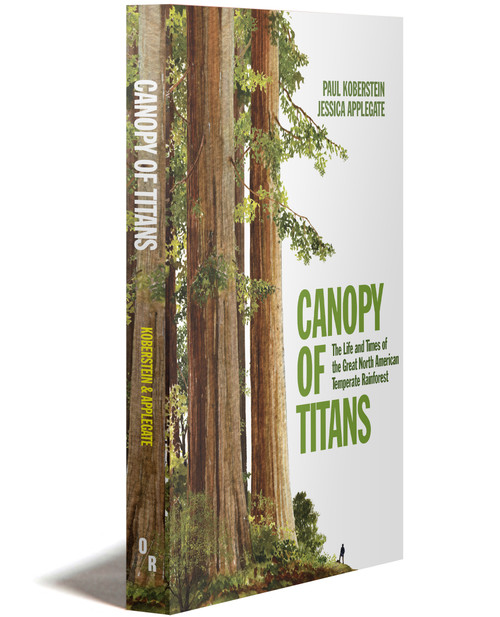
The Pacific Northwest's old-growth forests, stretching 2,500 miles from north of San Francisco into Alaska, are among the most effective carbon-storage systems on Earth — and the older and bigger a tree grows, the more carbon it holds and pulls from the air. That's the central argument of Canopy of Titans by Paul Koberstein and Jessica Applegate, who contend that cutting fossil fuel emissions alone won't solve climate change without also addressing 300 years of legacy carbon already in the atmosphere. Koberstein's solution is disarmingly simple: protect the existing old trees and let them keep working, while sourcing timber, paper, and construction wood from tree farms. The machine, he argues, already exists and is already running — humans just have to stop cutting it down.
- Paul Koberstein and co-author Jessica Applegate wrote Canopy of Titans to investigate what the big trees of the Pacific Northwest can do for the climate.
- The old forests examined in the book stretch roughly 2,500 miles north of San Francisco into Alaska.
- Koberstein argues that older, larger trees store more carbon and continue drawing carbon from the air every day, making them among the planet's most effective carbon-storage systems.
- Koberstein states that halting fossil fuel emissions alone will not solve climate change and that trees are the only mechanism capable of addressing roughly 300 years of legacy atmospheric carbon.
- Canopy of Titans frames forest protection as a hopeful, ready-made climate solution, with Koberstein saying "all we have to do is protect these trees."
- Koberstein contends that timber, paper, and housing wood needs can be met by existing tree farms, so natural old-growth forests can be left standing.
- This article and accompanying audiogram are based on a 2026 interview with Paul Koberstein, who is credited as the author.
What is the main argument of Canopy of Titans?
The book argues that the old, big trees of the Pacific Northwest are among the most effective carbon-storage systems on the planet, and that protecting them is essential climate action. Authors Paul Koberstein and Jessica Applegate frame these forests not as scenery or timber reserves, but as a working climate solution.
Why are older, bigger trees better for climate defence?
According to Paul Koberstein, the older and bigger a tree gets, the more carbon it holds and the more it continues to draw out of the air every day. That makes mature old-growth trees more valuable for carbon storage than younger replacements.
Where are the old-growth forests discussed in Canopy of Titans located?
The forests stretch roughly 2,500 miles north of San Francisco into Alaska, covering the Pacific Northwest coastal region.
Is stopping fossil fuel emissions enough to solve climate change?
Koberstein says no — while we must stop burning fossil fuels, that alone won't be enough. He argues we also need to address the legacy of carbon emitted over the last 300 years, and trees are the only mechanism that can remove it.
How can we still get timber if old-growth forests are protected?
Koberstein says timber, paper, and wood for housing can come from tree farms, which already exist in large numbers. The narrower ask is to leave existing natural old-growth forests standing.
What does Koberstein mean by "the machine already exists"?
He means the carbon-removal system — old-growth forests — is already in place and actively working. Humans don't need to build new technology; we simply need to protect these trees and let them finish the job.
Why has Canopy of Titans been described as a hopeful book?
Despite covering a climate crisis, the book presents a doable, existing solution rather than doom and gloom. One podcaster told Koberstein he expected pessimism but found hope, because protecting old forests is an achievable action.
Which trees does Paul Koberstein say we should prioritize protecting?
Koberstein specifically points to "the old trees, the big trees, the trees that store the most carbon." These mature natural forests, not tree farms, are the priority for protection.



The Forest Behind The Timber: Paul Koberstein Podcast
1 мес. назад[…] The Case for Old Growth: Why the Oldest Forests Are Our Best Climate Defence […]