




สถาปัตยกรรมใดที่เพิ่มความหลากหลายทางชีวภาพ?
อัปเดตเมื่อเดือนพฤศจิกายน 2024
คุณเคยสงสัยหรือไม่ว่า สถาปัตยกรรมสามารถส่งเสริมความหลากหลายทางชีวภาพได้? There is a growing trend in the design industry to create nature-positive buildings that prioritize environmental sustainability and enhance ความหลากหลายทางชีวภาพ. Nature-positive architecture considers the ecological impact of buildings and aims to create structures that work in harmony with nature. Here is how architecture increases biodiversity.
Over the years, human activities have caused significant harm to the environment and resulted in a decline in biodiversity. However, through thoughtful design, architecture can help reverse this trend by creating habitats for wildlife, improving air quality, and reducing carbon emissions. In this article, we will explore how architecture can increase biodiversity and foster a healthier and more sustainable environment.

สกายทีวีแคมปัส อเล็กซานดรา สตีด
ทำความเข้าใจความหลากหลายทางชีวภาพและคุณประโยชน์ของมัน
ความหลากหลายทางชีวภาพหมายถึงความแปรปรวนของสิ่งมีชีวิตบนโลก including the variety and variability of all living organisms, including ecosystems, species, and genetic diversity. Biodiversity contributes to a healthy and sustainable environment by providing essential ecosystem services such as air and water purification, nutrient cycling, and climate regulation, all of which are crucial for human well-being.
The benefits of biodiversity in relation to architecture are numerous. Biodiversity-friendly architecture can help create a balance between human-made structures and the natural environment, promoting a sustainable and healthy coexistence. With rapidly expanding urban areas, incorporating biodiversity into architectural design can create habitats for local flora and fauna, increase green spaces, and enhance the aesthetic beauty of urban landscapes.
Architecture can also play a crucial role in preserving and restoring biodiversity in areas affected by habitat loss and fragmentation, such as urban areas. By blending the built environment with green infrastructure, architects can help create a healthier and more sustainable future.
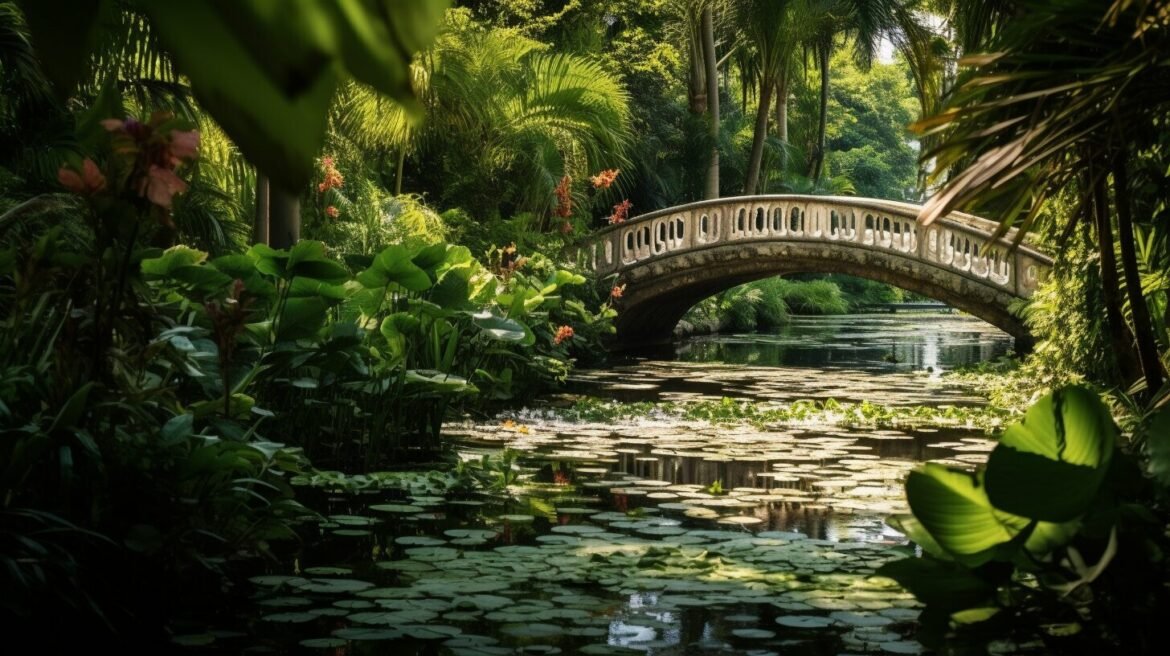
“สถาปัตยกรรมที่เป็นมิตรกับความหลากหลายทางชีวภาพสามารถช่วยสร้างสมดุลระหว่างโครงสร้างที่มนุษย์สร้างขึ้นและสภาพแวดล้อมทางธรรมชาติ ส่งเสริมการอยู่ร่วมกันที่ยั่งยืนและดีต่อสุขภาพ”
บทบาทของสถาปัตยกรรมต่อการอนุรักษ์ความหลากหลายทางชีวภาพ
Architecture has a crucial role to play in biodiversity conservation. By designing buildings and landscapes that prioritize nature, architects can help to create environments that support and enhance local ecosystems. This can improve biodiversity, which is important for maintaining healthy and sustainable environments.
Biodiversity refers to the variety of life on Earth, including all forms of plants, animals, and microorganisms. It is essential for maintaining the balance of ecosystems and providing humans with resources such as food, fuel, and medicine. By conserving biodiversity, we can help to ensure the long-term health and sustainability of our planet.
Architects can contribute to biodiversity conservation by considering the potential impact of their designs on the local environment. This means designing buildings and landscapes that are sensitive to the needs of local ecosystems and that incorporate features that support wildlife and plant life.
| ตัวอย่างคุณลักษณะทางสถาปัตยกรรมที่สามารถรองรับความหลากหลายทางชีวภาพ: | ประโยชน์ต่อระบบนิเวศในท้องถิ่น: |
|---|---|
| Green roofs and living walls | Provide habitat for plants and insects, reducing urban heat island effect and improving air quality. |
| Wildlife habitats in building design | สร้างโอกาสในการวางไข่ให้กับนกและค้างคาว |
| เพิ่มแสงธรรมชาติและการระบายอากาศให้สูงสุด | Reduces energy use and provides better indoor air quality. |
| Sustainable material choices and construction practices | Reduces waste and carbon footprint. |
ผลกระทบของสถาปัตยกรรมต่อระบบนิเวศท้องถิ่น
การออกแบบสถาปัตยกรรมสามารถมีผลกระทบอย่างมีนัยสำคัญต่อระบบนิเวศในท้องถิ่น อาคารและภูมิทัศน์อาจส่งผลต่อสภาพแวดล้อมในท้องถิ่นได้หลายประการ ได้แก่:
- การเปลี่ยนแปลงรูปแบบการระบายน้ำตามธรรมชาติ
- การหยุดชะงักของรูปแบบการอพยพของนกและสัตว์อื่นๆ
- Fragmentation of habitats, which can reduce the population of native species
- Increased pollution and greenhouse gas emissions
เมื่อคำนึงถึงปัจจัยเหล่านี้ สถาปนิกสามารถทำงานเพื่อลดผลกระทบจากการออกแบบที่มีต่อระบบนิเวศในท้องถิ่น และส่งเสริมความหลากหลายทางชีวภาพ
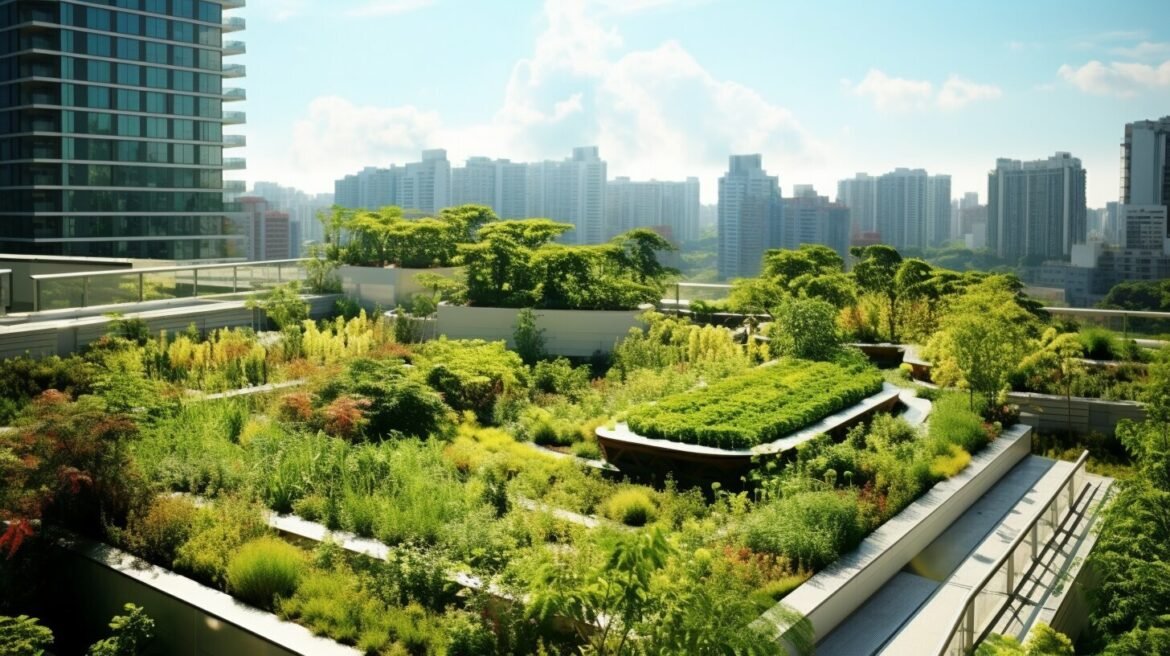
Integrating the needs of local ecosystems into architectural design can provide significant benefits for both the environment and human communities. Nature-positive architecture has the potential to create healthier, more sustainable environments that support biodiversity and promote a better quality of life for all. คุณอาจจะพบ วิธีส่งมอบโซลูชั่นที่อิงธรรมชาติในเมือง มีประโยชน์
การผสมผสานความหลากหลายทางชีวภาพในสถาปัตยกรรมเมือง
Urban areas often experience a lower level of biodiversity due to the prevalence of hard surfaces and lack of green spaces. However, architecture can play a crucial role in promoting biodiversity in urban environments through nature positive design.
One effective strategy for incorporating biodiversity in urban architecture is the use of green roofs and living walls. These features provide essential habitats for birds, insects and other wildlife, and also offer a range of benefits for the building occupants, including improved air quality and reduced energy costs. Design considerations for green roofs and living walls include selecting appropriate plant species for the local environment and ensuring adequate access to water and sunlight.
สิ่งสำคัญอีกประการหนึ่งในการส่งเสริมความหลากหลายทางชีวภาพในสถาปัตยกรรมเมืองคือการบูรณาการแหล่งที่อยู่อาศัยของสัตว์ป่าภายในการออกแบบอาคาร ซึ่งอาจรวมถึงบ้านนก กล่องค้างคาว และสิ่งอำนวยความสะดวกอื่น ๆ ที่ให้ที่พักพิงและโอกาสในการทำรังสำหรับสัตว์ป่าในท้องถิ่น ตัวอย่างเช่น การรวมกล่องค้างคาวไว้ในอาคารสามารถช่วยควบคุมจำนวนแมลงได้ และลดความจำเป็นในการใช้ยาฆ่าแมลงสังเคราะห์
Maximizing natural light and ventilation can also play a role in enhancing biodiversity in urban architecture. By optimizing building designs to take advantage of natural resources, architects can create healthier and more sustainable environments while also promoting biodiversity. For example, incorporating shading devices and orienting buildings to reduce direct sunlight can help to regulate temperatures and reduce energy consumption, while also providing habitat for shade-loving plants and animals.
Sustainable material choices and construction practices are another key element of biodiversity-friendly architecture. Using eco-friendly materials, such as recycled or low-emission products, can help to reduce the environmental impact of a building project. Additionally, minimising waste during construction and implementing sustainable building techniques, such as passive solar heating, can help to create more sustainable and biodiverse environments.
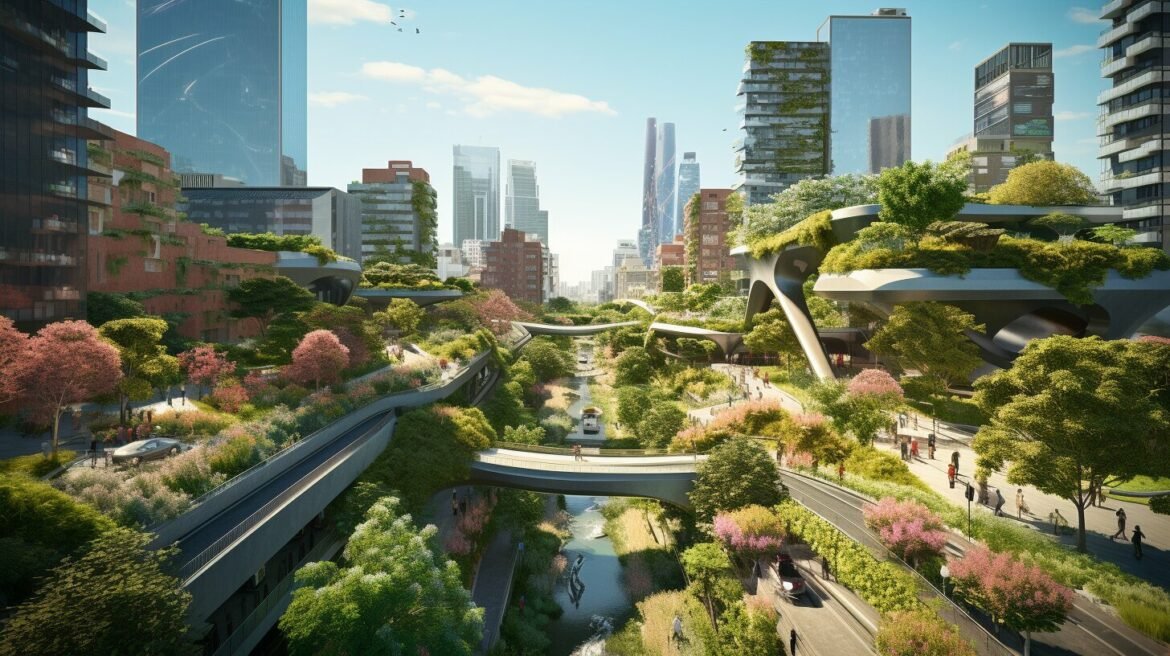
ตัวอย่างนวัตกรรมสถาปัตยกรรมเมืองที่คำนึงถึงธรรมชาติ
One example of successful nature-positive urban architecture is the Bosco Verticale in Milan, Italy. This unique residential building features over 900 trees and over 2000 plants, creating a vertical forest that promotes biodiversity and reduces air pollution. Another example is the Namba Parks building in Osaka, Japan, which incorporates a series of rooftop gardens and terraces that provide essential habitats for local wildlife.
| ประเด็นที่สำคัญ |
|---|
|
หลังคาเขียวและกำแพงมีชีวิต
หลังคาสีเขียวและผนังที่อยู่อาศัยกำลังได้รับความนิยมมากขึ้นในสถาปัตยกรรมสมัยใหม่ ไม่เพียงแต่เพื่อความสวยงามเท่านั้น แต่ยังรวมถึงผลประโยชน์ต่อสิ่งแวดล้อมด้วย คุณสมบัติเหล่านี้สามารถเปลี่ยนสภาพแวดล้อมที่เหมือนป่าคอนกรีตให้กลายเป็นระบบนิเวศที่เจริญรุ่งเรือง เพิ่มความหลากหลายทางชีวภาพ และปรับปรุงคุณภาพอากาศ
Green roofs, also known as rooftop gardens, involve the installation of vegetation on the roof of a building, creating a mini-park in the sky. They help to reduce the urban heat island effect by absorbing heat and providing natural insulation, thus reducing the energy required to heat or cool buildings. They also help to reduce stormwater run-off by absorbing rainwater, reducing the risk of flooding.
Living walls, or vertical gardens, are another way to incorporate greenery into urban environments. These walls can be made up of a variety of plants, including flowers, ferns and herbs, creating a vertical garden that can improve air quality and offer a habitat for pollinators such as bees and butterflies.
Designing and maintaining green roofs and living walls requires careful consideration. Factors such as soil depth, water retention, and irrigation systems are crucial to the success of these features. It’s important to choose the right plants for the local climate and ensure proper maintenance to avoid problems such as leaks or damage to the building’s structure.
อย่างไรก็ตาม ประโยชน์ของหลังคาสีเขียวและผนังที่มีชีวิตในการส่งเสริมความหลากหลายทางชีวภาพและการปรับปรุงสภาพแวดล้อมในเมือง ทำให้สิ่งเหล่านี้เป็นการลงทุนที่คุ้มค่าสำหรับโครงการสถาปัตยกรรมเชิงบวกทางธรรมชาติ
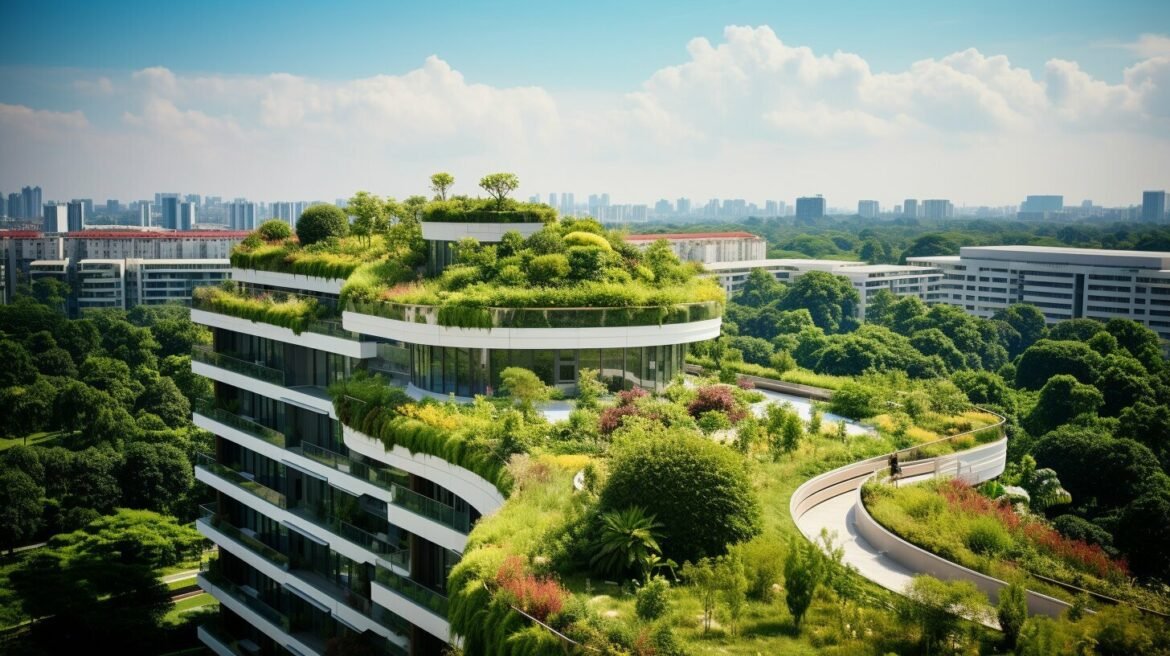
บทบาทของสถาปัตยกรรมต่อการอนุรักษ์ความหลากหลายทางชีวภาพ
สถาปัตยกรรมมีบทบาทสำคัญในการอนุรักษ์ความหลากหลายทางชีวภาพ การออกแบบอาคารทั้งในเมืองและในชนบทสามารถส่งผลกระทบอย่างมีนัยสำคัญต่อระบบนิเวศในท้องถิ่น สถาปนิกสามารถสร้างสภาพแวดล้อมที่ยั่งยืนและดีต่อสุขภาพซึ่งเป็นประโยชน์ต่อทั้งมนุษย์และสัตว์ป่าด้วยการผสมผสานองค์ประกอบที่สนับสนุนความหลากหลายทางชีวภาพ
One important aspect of biodiversity-friendly architecture is the creation of wildlife habitats within building designs. Innovative approaches have been taken to integrate birdhouses, bat boxes, and other features that support local wildlife. For example, the London-based firm Studio Weave created a building that features specially designed hollow bricks that encourage birds to nest in its walls. This project, known as the Ecology of Colour, has helped to increase biodiversity in a previously barren area of the city.
อีกวิธีหนึ่งที่สถาปัตยกรรมสามารถรองรับความหลากหลายทางชีวภาพได้คือการเพิ่มแสงธรรมชาติและการระบายอากาศให้สูงสุด ด้วยการเพิ่มประสิทธิภาพการออกแบบอาคารเพื่อใช้ประโยชน์จากทรัพยากรธรรมชาติ สถาปนิกสามารถเพิ่มความหลากหลายทางชีวภาพในขณะที่ยังลดการใช้พลังงานอีกด้วย แนวทางนี้ไม่เพียงแต่สนับสนุนระบบนิเวศในท้องถิ่นเท่านั้น แต่ยังช่วยแก้ไขข้อกังวลด้านสิ่งแวดล้อมทั่วโลกอีกด้วย
| ประโยชน์ของการเพิ่มแสงธรรมชาติและการระบายอากาศให้สูงสุด |
|---|
| ช่วยลดการใช้พลังงาน |
| ช่วยเพิ่มความหลากหลายทางชีวภาพ |
| สนับสนุนข้อกังวลด้านสิ่งแวดล้อมทั่วโลก |
Sustainable material choices and construction practices are also important in biodiversity-friendly architecture. The use of recycled materials, minimising waste, and implementing eco-friendly building techniques can significantly reduce the environmental impact of construction projects and support local ecosystems.
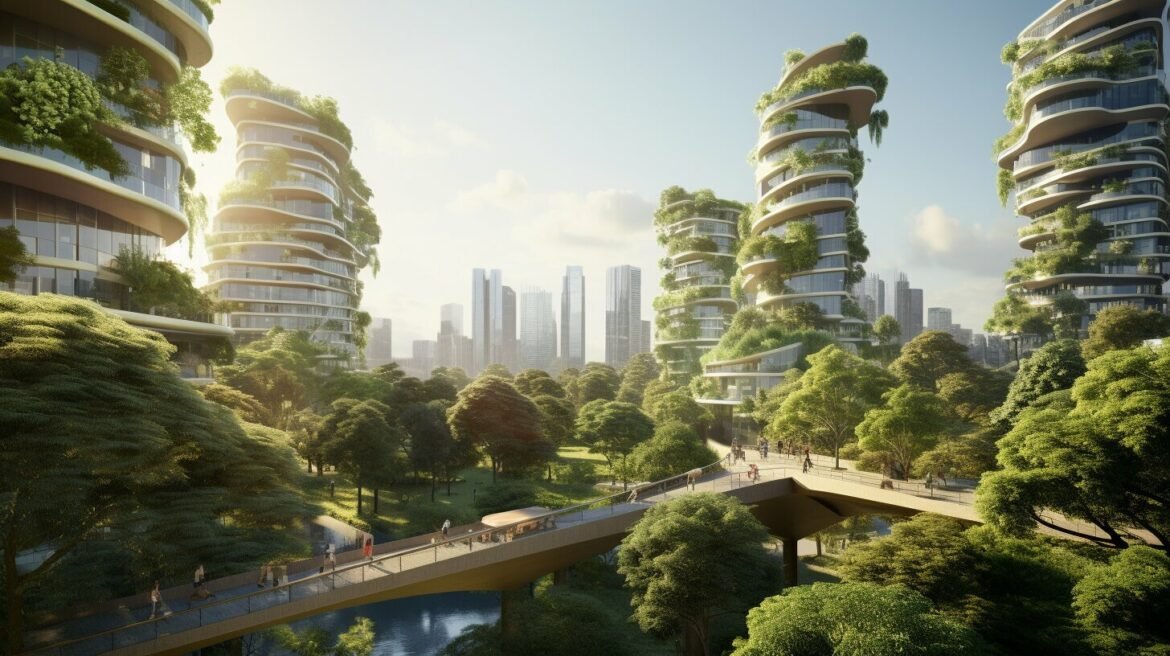
การบูรณาการที่อยู่อาศัยของสัตว์ป่าในการออกแบบอาคาร
การสร้างที่อยู่อาศัยของสัตว์ป่าภายในการออกแบบอาคารเป็นกลยุทธ์ที่มีประสิทธิภาพในการเพิ่มความหลากหลายทางชีวภาพในสภาพแวดล้อมในเมือง สถาปนิกสามารถรวมคุณลักษณะต่างๆ เช่น หลังคาสีเขียว ผนังที่มีชีวิต และที่อยู่อาศัยของนกและแมลง เพื่อสนับสนุนสัตว์ป่าในท้องถิ่น
หลังคาสีเขียวได้รับความนิยมเพิ่มมากขึ้นในเขตเมือง โดยให้ประโยชน์มากมายสำหรับทั้งมนุษย์และสัตว์ป่า ช่วยลดเกาะความร้อนในเมือง ปรับปรุงคุณภาพอากาศ เป็นฉนวน และสร้างที่อยู่อาศัยของพืชและสัตว์หลากหลายสายพันธุ์ นอกจากนี้ หลังคาสีเขียวยังช่วยลดการไหลบ่าของน้ำฝน ซึ่งสามารถลดมลพิษและความเสี่ยงต่อการเกิดน้ำท่วมได้
“การสร้างที่อยู่อาศัยของสัตว์ป่าภายในการออกแบบอาคารเป็นกลยุทธ์ที่มีประสิทธิภาพในการเพิ่มความหลากหลายทางชีวภาพในสภาพแวดล้อมในเมือง”
ผนังที่มีชีวิตเป็นอีกวิธีที่มีประสิทธิภาพในการเพิ่มความหลากหลายทางชีวภาพในเขตเมือง ด้วยการคลุมภายนอกอาคารด้วยพืชพรรณ สถาปนิกสามารถสร้างที่อยู่อาศัยสำหรับพืชและสัตว์หลากหลายสายพันธุ์ ผนังที่มีชีวิตยังสามารถช่วยลดเกาะความร้อนในเมืองและปรับปรุงคุณภาพอากาศได้อีกด้วย
สถาปนิกยังสามารถรวมที่อยู่อาศัยของนกและแมลงเข้ากับการออกแบบอาคารได้ด้วย คุณลักษณะเหล่านี้อาจรวมถึงบ้านนก กล่องค้างคาว และสิ่งปลูกสร้างอื่นๆ ที่รองรับสัตว์ป่าในท้องถิ่น ด้วยการสร้างที่อยู่อาศัยเหล่านี้ภายในการออกแบบอาคาร สถาปนิกสามารถช่วยเพิ่มความหลากหลายทางชีวภาพในเขตเมืองและสนับสนุนระบบนิเวศที่ดีได้
- หลังคาสีเขียวให้ประโยชน์ต่อทั้งมนุษย์และสัตว์ป่า
- ผนังที่มีชีวิตสามารถสร้างที่อยู่อาศัยของพืชและสัตว์หลากหลายสายพันธุ์
- แหล่งที่อยู่อาศัยของนกและแมลงช่วยสนับสนุนสัตว์ป่าในท้องถิ่นและเพิ่มความหลากหลายทางชีวภาพ
สถาปัตยกรรมที่เป็นมิตรกับความหลากหลายทางชีวภาพถือเป็นสิ่งสำคัญสำหรับการสร้างสภาพแวดล้อมที่ยั่งยืนและดีต่อสุขภาพ ด้วยการผสมผสานองค์ประกอบที่สนับสนุนระบบนิเวศในท้องถิ่น สถาปนิกจึงสามารถสร้างอาคารที่เป็นประโยชน์ต่อทั้งมนุษย์และสัตว์ป่าได้
เพิ่มแสงธรรมชาติและการระบายอากาศให้สูงสุด
เมื่อพูดถึงการสร้างสถาปัตยกรรมที่ส่งเสริมความหลากหลายทางชีวภาพ สิ่งสำคัญคือต้องพิจารณาบทบาทของแสงธรรมชาติและการระบายอากาศในการปรับปรุงระบบนิเวศในท้องถิ่น ด้วยการออกแบบอาคารอย่างรอบคอบเพื่อเพิ่มการเข้าถึงทรัพยากรธรรมชาติเหล่านี้ สถาปนิกสามารถช่วยสร้างพื้นที่ที่ไม่เพียงแต่ยั่งยืนมากขึ้นเท่านั้น แต่ยังเป็นมิตรกับสิ่งแวดล้อมโดยรอบอีกด้วย
ประโยชน์ของแสงธรรมชาติและการระบายอากาศมีมากมาย ตัวอย่างเช่น สามารถช่วยลดการใช้พลังงานโดยลดความจำเป็นในการใช้แสงเทียมและเครื่องปรับอากาศ ในทางกลับกันสามารถลดการปล่อยก๊าซคาร์บอนและมีส่วนช่วยให้อนาคตที่ยั่งยืนมากขึ้นสำหรับทุกคน นอกจากนี้ แสงธรรมชาติและการระบายอากาศสามารถช่วยปรับปรุงความเป็นอยู่ที่ดีของผู้อยู่อาศัยในอาคารโดยการเข้าถึงอากาศบริสุทธิ์และแสงธรรมชาติ ซึ่งแสดงให้เห็นว่าช่วยเพิ่มอารมณ์และประสิทธิภาพการทำงาน
แต่สถาปนิกจะใช้ประโยชน์สูงสุดเหล่านี้ได้อย่างไรในขณะที่ยังคงส่งเสริมความหลากหลายทางชีวภาพ? แนวทางหนึ่งคือการรวมคุณสมบัติต่างๆ เช่น ช่องรับแสง หน้าต่าง และระบบระบายอากาศที่ช่วยให้สามารถเข้าถึงทรัพยากรธรรมชาติได้มากขึ้น สิ่งนี้สามารถมีประสิทธิผลโดยเฉพาะอย่างยิ่งในสภาพแวดล้อมในเมือง ซึ่งพื้นที่มักจะอยู่ในระดับพรีเมี่ยมและพื้นที่สีเขียวอาจมีจำกัด
By prioritizing natural light and ventilation, architects can help to create buildings that are both functional and sustainable, while also enhancing the local ecosystem. Whether you’re designing a new building from scratch or retrofitting an existing structure, it’s important to consider how you can make the most of these natural resources.
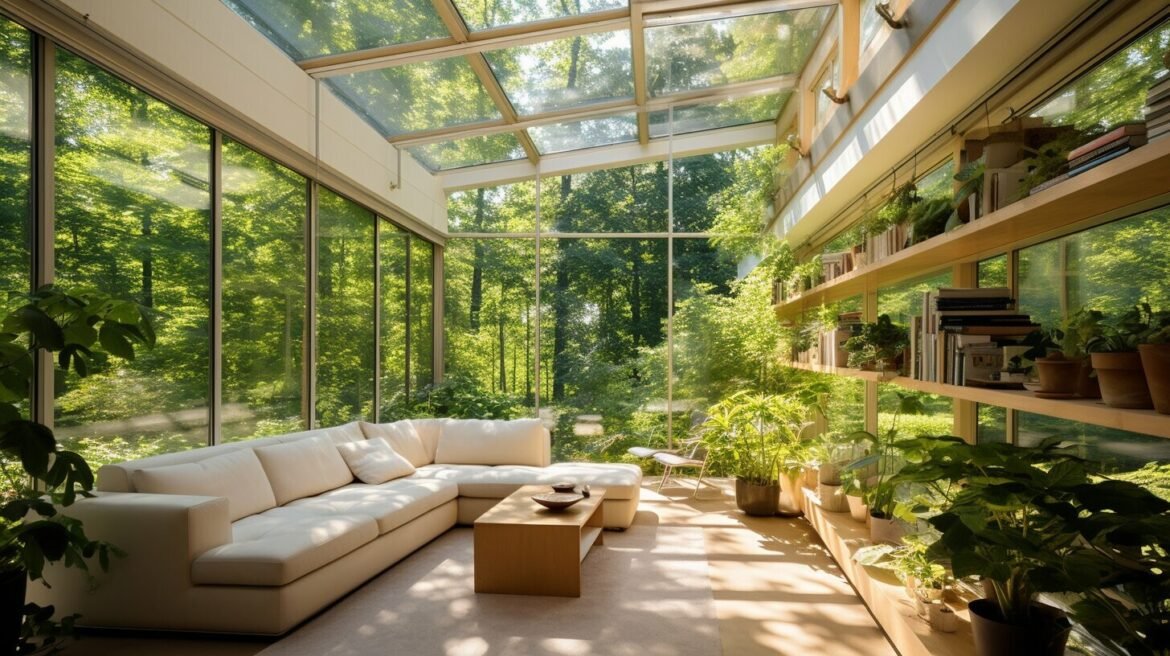
การเลือกใช้วัสดุที่ยั่งยืนและแนวปฏิบัติในการก่อสร้าง
Aside from creating beautiful and functional spaces, architecture has a significant impact on the environment. The construction and operation of buildings account for a significant portion of global greenhouse gas emissions. Therefore, it’s essential to use sustainable materials and construction practices to mitigate the environmental impact of architecture while promoting biodiversity.
เมื่อวางแผนโครงการที่เป็นมิตรต่อความหลากหลายทางชีวภาพ สถาปนิกควรพิจารณาวัสดุและผลิตภัณฑ์ที่มีพลังงานต่ำ วัสดุก่อสร้างที่รีไซเคิลได้หรือชีวภาพ
Using recycled materials and minimizing waste can also reduce a project’s environmental impact. By reusing building materials, architects can reduce the amount of waste that goes to landfills. Choosing locally available, renewable materials also reduces transportation costs, energy consumption, and greenhouse gas emissions.
กระบวนการก่อสร้างก็มีความสำคัญต่อความพยายามด้านความยั่งยืนเช่นกัน เทคนิคการสร้างอาคารที่เป็นมิตรกับสิ่งแวดล้อม เช่น การออกแบบพลังงานแสงอาทิตย์แบบพาสซีฟ สามารถลดการใช้พลังงานได้ ในขณะที่หลังคาและผนังสีเขียวสามารถลดผลกระทบจากเกาะความร้อนในเมือง และปรับปรุงคุณภาพอากาศได้
ด้วยการจัดลำดับความสำคัญของการเลือกวัสดุที่ยั่งยืนและแนวทางปฏิบัติในการก่อสร้าง สถาปนิกสามารถสร้างโครงการที่ส่งเสริมความหลากหลายทางชีวภาพพร้อมทั้งลดอันตรายต่อสิ่งแวดล้อมให้เหลือน้อยที่สุด
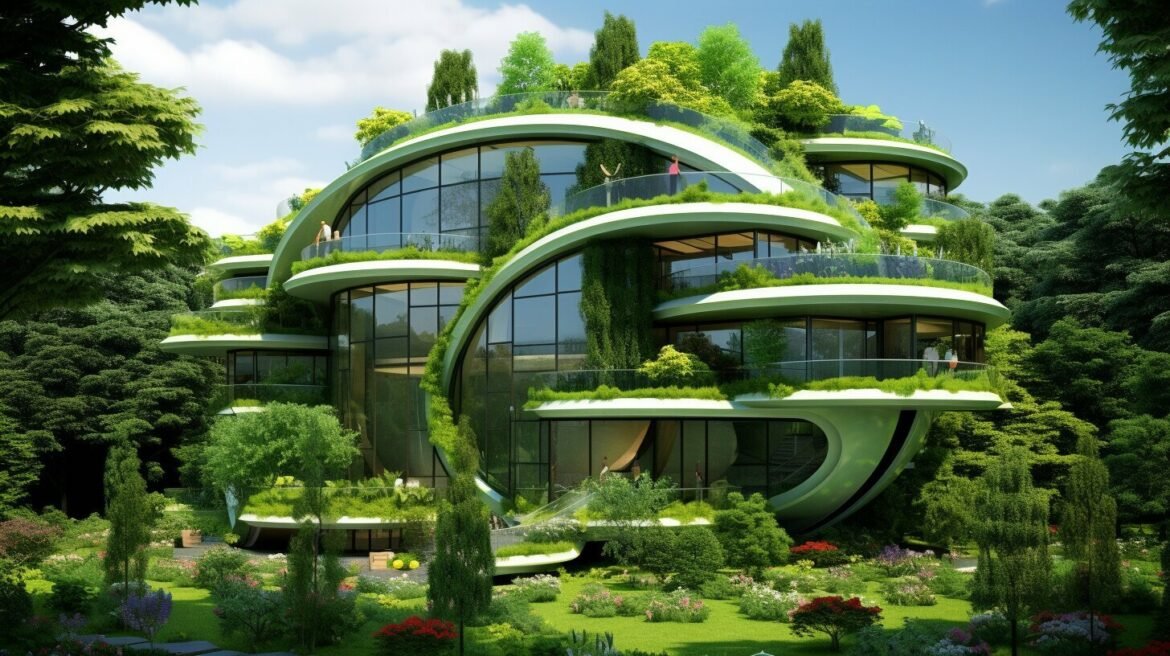
การผสมผสานการเลือกวัสดุที่ยั่งยืนและแนวปฏิบัติในการก่อสร้างถือเป็นสิ่งสำคัญในการส่งเสริมความหลากหลายทางชีวภาพในสถาปัตยกรรม
บทบาทของการมีส่วนร่วมของชุมชนในการอนุรักษ์ความหลากหลายทางชีวภาพ
Community involvement is crucial to the success of biodiversity-friendly architectural projects. Engaging local communities in the planning and development process can create a sense of ownership and responsibility for the sustainable development of their surroundings. By raising awareness of the importance of biodiversity and involving residents in decision-making, architects can foster a sense of pride and respect for the natural environment.
There are many ways to engage communities in biodiversity conservation efforts. Holding public consultations and workshops can provide a platform for residents to voice their concerns and ideas, as well as learn more about the project. This can help to build trust and positive relationships between architects, developers and the community.
สถาปนิกยังสามารถให้โรงเรียนในท้องถิ่นและสถาบันการศึกษาในโครงการที่เป็นมิตรต่อความหลากหลายทางชีวภาพได้ ด้วยการรวมองค์ประกอบทางการศึกษาเข้ากับการออกแบบ สถาปนิกสามารถสร้างโอกาสในการเรียนรู้และสร้างแรงบันดาลใจให้คนรุ่นอนาคตเห็นคุณค่าและปกป้องสิ่งแวดล้อม
นอกจากนี้ สถาปนิกยังสามารถทำงานร่วมกับองค์กรพัฒนาเอกชนในท้องถิ่นและกลุ่มอนุรักษ์เพื่อให้มั่นใจว่าโครงการจะมีความยั่งยืนในระยะยาว ความร่วมมือเหล่านี้สามารถมอบความเชี่ยวชาญที่มีคุณค่า ทรัพยากร และเงินทุนสำหรับโครงการที่เป็นมิตรต่อความหลากหลายทางชีวภาพ ตลอดจนช่วยสร้างการสนับสนุนและแรงผลักดันภายในชุมชน
การมีส่วนร่วมของชุมชนท้องถิ่นในการสร้างสรรค์สถาปัตยกรรมที่เป็นมิตรกับความหลากหลายทางชีวภาพสามารถนำไปสู่โครงการที่ประสบความสำเร็จและยั่งยืนมากขึ้นได้ การให้ผู้อยู่อาศัยมีส่วนร่วมในกระบวนการวางแผนและพัฒนา สถาปนิกสามารถสร้างความรู้สึกเป็นเจ้าของและรับผิดชอบต่อสิ่งแวดล้อมธรรมชาติ และส่งเสริมวัฒนธรรมการอนุรักษ์ความหลากหลายทางชีวภาพ
สถาปัตยกรรมช่วยเพิ่มความหลากหลายทางชีวภาพด้วย Alexandra Steed URBAN
Alexandra Steed is a distinguished landscape architect and founder of URBAN, a London-based practice dedicated to creating spaces that harmonise the human experience with the natural environment. Her work emphasises sustainability, biodiversity, and the transformative power of landscapes. Below is an overview of some of her notable projects:
1.โครงการ SEEPark Pathfinder เฟส 1
โครงการนี้ออกแบบภูมิทัศน์บริเวณ Central Thames Marshland ใหม่ โดยสร้างเครือข่ายเส้นทางยาว 14.7 กม. ที่เชื่อมต่อจุดหมายปลายทางสำคัญ เช่น Coalhouse Fort และ Leigh-on-Sea การออกแบบเน้นที่การเพิ่มความหลากหลายทางชีวภาพ บรรเทาปัญหาน้ำท่วมตามธรรมชาติ และใช้ การก่อสร้างที่ยั่งยืน วัสดุทั้งหมดพร้อมลดการรบกวนสัตว์ป่าในท้องถิ่นให้เหลือน้อยที่สุด
แหล่ง:“SEEPark Central Thames Marshlands Pathfinder Phase 1” Alexandra Steed URBAN ดึงข้อมูลจาก alexandrasteedurban.com.
2. สกาย บิบบ์ พลาซ่า และแกรนท์เวย์
Located in London, this project involves transforming the central plaza and avenue of the SKY TV campus. The design enhances pedestrian comfort and safety, increases green spaces by approximately 2,000 square meters with the addition of 79 new trees, and creates a central campus destination that fosters connectivity and community engagement.

แหล่ง:“SKY BiBB Plaza Phase 01” Alexandra Steed URBAN สืบค้นจาก alexandrasteedurban.com.
3. โรงเรือนและรังผึ้ง SKY
โครงการนี้ผสานเข้ากับการปลูกต้นไม้ที่มีอยู่แล้วในวิทยาเขต SKY โดยสนับสนุนความหลากหลายทางชีวภาพในท้องถิ่นด้วยการให้ที่อยู่อาศัยแก่แมลงผสมเกสรและพื้นที่เพาะพันธุ์สำหรับปลูกพืชที่ใช้ภายในบริเวณ นอกจากนี้ โครงการนี้ยังให้พื้นที่พักผ่อนและแรงบันดาลใจแก่พนักงานของ SKY ในระหว่างวันทำงานอีกด้วย
แหล่ง:“เรือนกระจกและรังผึ้ง SKY” Alexandra Steed URBAN สืบค้นจาก alexandrasteedurban.com.
4. แผนกรอบและแนวทางปฏิบัติของอัลอูลา
In Saudi Arabia, this comprehensive plan covers 25 million hectares and aims to transform AlUla into a premier destination for nature, culture, and heritage. The framework emphasises sustainable development, biodiversity enhancement, and the protection of the region’s unique geological and cultural features.

แหล่ง:“แผนกรอบและแนวทางปฏิบัติของอัลอูลา” Alexandra Steed URBAN สืบค้นจาก alexandrasteedurban.com.
5. กรอบอุทยานหลวง
Focusing on Hyde Park in London, this project proposes proactive improvements to address climate change and biodiversity challenges. The design includes ecological interventions and master planning to enhance habitat diversity while accommodating increasing visitor numbers and various uses.
แหล่ง:“การแข่งขัน Royal Parks Framework” Alexandra Steed URBAN สืบค้นจาก alexandrasteedurban.com.
คำถามที่พบบ่อยเกี่ยวกับสถาปัตยกรรมที่เป็นมิตรกับความหลากหลายทางชีวภาพ
ต่อไปนี้เป็นคำถามและข้อกังวลทั่วไปที่เกี่ยวข้องกับสถาปัตยกรรมที่เป็นมิตรต่อความหลากหลายทางชีวภาพ
ความหลากหลายทางชีวภาพคืออะไร?
ความหลากหลายทางชีวภาพหมายถึงความหลากหลายของสิ่งมีชีวิตที่อาศัยอยู่ในระบบนิเวศที่เฉพาะเจาะจง รวมถึงจำนวนสายพันธุ์ ความแปรผันทางพันธุกรรม และระบบนิเวศต่างๆ ที่พวกมันอาศัยอยู่ ความหลากหลายทางชีวภาพเป็นสิ่งจำเป็นสำหรับการทำงานของระบบนิเวศและให้ประโยชน์ที่สำคัญต่อความเป็นอยู่ที่ดีของมนุษย์
สถาปัตยกรรมที่เป็นมิตรกับความหลากหลายทางชีวภาพคืออะไร?
สถาปัตยกรรมที่เป็นมิตรกับความหลากหลายทางชีวภาพเป็นแนวทางในการออกแบบอาคารที่จัดลำดับความสำคัญของการบูรณาการองค์ประกอบทางธรรมชาติและระบบนิเวศเข้ากับสภาพแวดล้อมที่สร้างขึ้น โดยมีจุดมุ่งหมายเพื่อเพิ่มความหลากหลายทางชีวภาพ ส่งเสริมการพัฒนาที่ยั่งยืน และปรับปรุงคุณภาพชีวิตของทั้งมนุษย์และสัตว์ป่า
สถาปัตยกรรมที่เป็นมิตรต่อความหลากหลายทางชีวภาพมีประโยชน์อะไรบ้าง?
สถาปัตยกรรมที่เป็นมิตรกับความหลากหลายทางชีวภาพมีประโยชน์มากมาย สามารถช่วยปรับปรุงคุณภาพอากาศและน้ำ ควบคุมอุณหภูมิ ลดการใช้พลังงาน เพิ่มมูลค่าทรัพย์สิน และมอบโอกาสในการพักผ่อนหย่อนใจกลางแจ้งและการศึกษา สถาปัตยกรรมที่เป็นมิตรกับความหลากหลายทางชีวภาพสามารถสร้างความรู้สึกถึงสถานที่และความเชื่อมโยงกับระบบนิเวศในท้องถิ่น ส่งเสริมความรู้สึกของชุมชนและความรับผิดชอบต่อสิ่งแวดล้อม
สถาปนิกจะรวมความหลากหลายทางชีวภาพในการออกแบบของพวกเขาได้อย่างไร?
สถาปนิกสามารถรวมความหลากหลายทางชีวภาพเข้ากับการออกแบบได้หลายวิธี ตัวอย่างเช่น พวกเขาสามารถใช้พืชพื้นเมืองและพืชพรรณในภูมิทัศน์ของอาคาร รวมที่อยู่อาศัยของสัตว์ป่าภายในการออกแบบอาคาร และเพิ่มแสงธรรมชาติและการระบายอากาศเพื่อลดการใช้พลังงาน สถาปนิกยังสามารถใช้วัสดุที่ยั่งยืนและแนวปฏิบัติในการก่อสร้างเพื่อลดผลกระทบต่อสิ่งแวดล้อม
ตัวอย่างโครงการสถาปัตยกรรมที่เป็นมิตรต่อความหลากหลายทางชีวภาพที่ประสบความสำเร็จมีอะไรบ้าง
Some notable examples of successful biodiversity-friendly architecture projects include the Bosco Verticale in Milan, Italy, which features vertical forests that provide habitat for birds and insects. The Nk’Mip Desert Cultural Centre in British Columbia, Canada, uses วัสดุก่อสร้างที่ยั่งยืน และนำเอาที่อยู่อาศัยของทะเลทรายมาผสมผสานกับการออกแบบอาคาร หลังคาของพิพิธภัณฑ์ประวัติศาสตร์ธรรมชาติในลอนดอน สหราชอาณาจักร มีหลังคาสีเขียวที่ให้ที่อยู่อาศัยแก่เหล่านกและแมลงพร้อมทั้งยังช่วยลดการใช้พลังงานของอาคารอีกด้วย
ชุมชนจะมีส่วนร่วมในการอนุรักษ์ความหลากหลายทางชีวภาพผ่านสถาปัตยกรรมได้อย่างไร?
Communities can get involved in biodiversity conservation through architecture by participating in community engagement initiatives, such as public consultations, workshops, and design charrettes. They can also work with architects and designers to identify ways to integrate biodiversity into their built environment and advocate for sustainable development practices that prioritize the conservation of natural resources.
ความท้าทายบางประการที่เกี่ยวข้องกับสถาปัตยกรรมที่เป็นมิตรกับความหลากหลายทางชีวภาพมีอะไรบ้าง
Some challenges associated with biodiversity-friendly architecture include the need for specialized knowledge and skills, the limited availability of appropriate materials and technologies, and the higher initial costs of designing and constructing these buildings. Additionally, there may be regulatory barriers, such as zoning laws, that limit the implementation of biodiversity-friendly design strategies.
ฉันจะเรียนรู้เพิ่มเติมเกี่ยวกับสถาปัตยกรรมที่เป็นมิตรต่อความหลากหลายทางชีวภาพได้อย่างไร
There are many resources available to learn more about biodiversity-friendly architecture, including books, websites, and professional organizations. Some notable resources include the International Living Future Institute, the Biophilic Cities Project, and the Sustainable Sites Initiative.



10 เมืองชั้นนำที่เป็นผู้นำด้านความหลากหลายทางชีวภาพในสภาพแวดล้อมที่สร้างขึ้น
3 ปีที่ผ่านมา[…] สถาปัตยกรรมแบบใดที่ช่วยเพิ่มความหลากหลายทางชีวภาพ […]
วิธีส่งมอบโซลูชั่นที่อิงธรรมชาติในเมือง
3 ปีที่ผ่านมา[…] สถาปัตยกรรมแบบใดที่ช่วยเพิ่มความหลากหลายทางชีวภาพ […]
การออกแบบเพื่อความหลากหลาย: สถาปนิกสามารถเพิ่มความหลากหลายทางชีวภาพได้อย่างไร - เรียนรู้จากเสียงที่สร้างสรรค์
2 ปีที่ผ่านมา[... ] https://constructive-voices.com/what-architecture-increases-biodiversity/ [... ]
สถาปัตยกรรมที่ได้รับแรงบันดาลใจจากธรรมชาติ: การส่งเสริมความหลากหลายทางชีวภาพในสภาพแวดล้อมในเมือง
2 ปีที่ผ่านมา[... ] https://constructive-voices.com/what-architecture-increases-biodiversity/ [... ]
สถาปนิกเชิงนิเวศ: การส่งเสริมความหลากหลายทางชีวภาพผ่านการออกแบบที่ยั่งยืน - เรียนรู้จากเสียงที่สร้างสรรค์
2 ปีที่ผ่านมา[... ] https://constructive-voices.com/what-architecture-increases-biodiversity/ [... ]
อาคารสีเขียวก้าวไปอย่างดุเดือด: การบูรณาการความหลากหลายทางชีวภาพในการออกแบบสถาปัตยกรรม
2 ปีที่ผ่านมา[... ] https://constructive-voices.com/what-architecture-increases-biodiversity/ [... ]
Roofscapes for Wildlife: นวัตกรรมทางสถาปัตยกรรมเพื่อเพิ่มความหลากหลายทางชีวภาพ - เรียนรู้จากเสียงที่สร้างสรรค์
2 ปีที่ผ่านมา[... ] https://constructive-voices.com/what-architecture-increases-biodiversity/ [... ]
การออกแบบที่อยู่อาศัย: การมีส่วนร่วมของสถาปนิกต่อการอนุรักษ์ความหลากหลายทางชีวภาพ
2 ปีที่ผ่านมา[... ] https://constructive-voices.com/what-architecture-increases-biodiversity/ [... ]
สถาปัตยกรรมที่มีชีวิต: การออกแบบอาคารที่อยู่ร่วมกับความหลากหลายทางชีวภาพ
2 ปีที่ผ่านมา[... ] https://constructive-voices.com/what-architecture-increases-biodiversity/ [... ]
ความสามัคคีในที่อยู่อาศัย: กลยุทธ์ของสถาปนิกเพื่อการฟื้นฟูความหลากหลายทางชีวภาพ - เรียนรู้จากเสียงที่สร้างสรรค์
2 ปีที่ผ่านมา[... ] https://constructive-voices.com/what-architecture-increases-biodiversity/ [... ]
การสร้างความหลากหลายทางชีวภาพ: โซลูชั่นทางสถาปัตยกรรมเพื่อการฟื้นฟูระบบนิเวศ
2 ปีที่ผ่านมา[... ] https://constructive-voices.com/what-architecture-increases-biodiversity/ [... ]
ความหลากหลายทางชีวภาพของเคนยา: พันธุ์สัตว์และพืช และสิ่งที่อยู่ภายใต้การคุกคาม
2 ปีที่ผ่านมา[…] ขึ้นชื่อในเรื่องความหลากหลายทางชีวภาพอันอุดมสมบูรณ์ โดยมีสัตว์และพืชหลากหลายสายพันธุ์ ตั้งแต่ช้างแอฟริกาที่สง่างามไปจนถึง […]
ความหลากหลายทางชีวภาพของคีร์กีซสถาน: พันธุ์สัตว์และพืช และสิ่งที่อยู่ภายใต้การคุกคาม
2 ปีที่ผ่านมา[…] เป็นประเทศที่มีความหลากหลายทางชีวภาพสูง มีสัตว์และพืชหลากหลายสายพันธุ์ อย่างไรก็ตาม ความหลากหลายทางระบบนิเวศนี้กำลังเผชิญกับ […]
ความหลากหลายทางชีวภาพของบราซิลและสิ่งแวดล้อมสรรค์สร้าง
2 ปีที่ผ่านมา[…] มีชื่อเสียงในเรื่องความหลากหลายทางชีวภาพที่น่าทึ่ง โดยมีสัตว์ต่างๆ […]
แหล่งธรรมชาติอันศักดิ์สิทธิ์ของสเปนและความหลากหลายทางชีวภาพ
2 ปีที่ผ่านมา[…] ความหลากหลายทางนิเวศเพื่อการอนุรักษ์? สถานที่เหล่านี้ได้รับการยกย่องว่ามีส่วนสนับสนุนในการอนุรักษ์ความหลากหลายทางชีวภาพและประเพณีทางวัฒนธรรม ทำให้สเปนเป็นศูนย์กลางทางธรรมชาติและจิตวิญญาณที่ไม่เหมือนใคร […]
ความยั่งยืนทางระบบประสาท: การออกแบบสถานที่ที่สมองสามารถเจริญเติบโตได้ - เสียงแห่งการสร้างสรรค์
5 เดือนที่ผ่านมา[…] ตอนที่สองของมินิซีรีส์เกี่ยวกับการพัฒนาอย่างยั่งยืนทางประสาทวิทยาศาสตร์ สถาปัตยกรรม และวิทยาศาสตร์ทางประสาท ได้นำมาบรรจบกันในบทสนทนาที่ให้ความรู้สึกทั้งเร่งด่วนและน่าประหลาดใจ […]