




以自然方式建造變電站
隨著需求的不斷增加 生物多樣性 在所有領域 施工,在這篇及時的文章中,高級土木設計師 Brian Palmer 伯恩斯與麥當勞,著眼於如何以更環保的方式建造變電站。

Environmental deterioration has captured the world’s attention, there’s a growing focus on the impact of construction projects on their natural environment. The Environment Bill, expected to be enacted this Autumn, will mandate a 10% biodiversity net gain requirement for housing and development projects. Accordingly, National Grid has set a 10% net gain in environmental value target on all construction projects. This is a positive milestone on the road to Net Zero, but to be achieved effectively, it will demand modernisation, innovation, and creative thinking on the part of energy network developers and engineers.
A strategic area where such innovations can help achieve environmental net gain is substations. A substation is just a load of brick, concrete and steel, right? Industrial, ugly, unnatural. However, by prioritising natural capital, biodiversity and architecture sympathetic to the local surroundings, substations can be built ‘the natural way’ to bolster sustainability and societal benefit.
富有同情心的建築
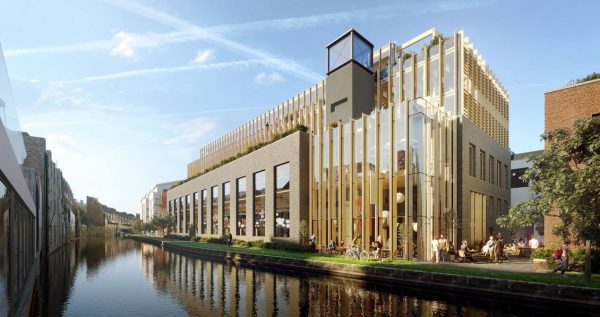
發展富有同情心的建築不僅僅意味著關注正在設計和建造的建築的美觀。這意味著開發具有明確場所感的建築,同時考慮變電站的當地環境和附近的建築物。例如,如果變電站位於農村地區,是否可以將其設計成類似農舍的風格?如果是郊區,磚塊可能更適合融入周圍環境。
富有同情心的建築更考慮當地社區,並且有利於整個地區的福祉。科學研究顯示兩者之間的關係 建築設計 和人類心理具有重要意義。這裡的可持續性不僅僅是對二氧化碳的影響2 水平,為變電站周圍的社區創造更廣泛的利益。
支持社區
Being present on site for an extended period provides the opportunity to share benefits with the local community and make a positive contribution to society. This can include participation in education programmes, helping teach communities about their area and the ways in which they can care for their environment. It is also important to involve the community in key decisions, provide support in the form of jobs, new facilities, and the improved use of the substation area. Progress Power, to take an example, is taking an area of arable land and planting trees and a meadow, making the area generally more attractive to walkers.
生物多樣性
以敏感和優化的方式利用整個變電站場地可為當地野生動物帶來正面影響. 由於氣候危機顯然與生物多樣性枯竭有關,因此在施工過程中培育生物多樣性景觀所帶來的好處超出了變電站本身的直接周圍環境。
實際應用包括透過適當的景觀美化在該地區創建動物棲息地。還有其他人造選擇可以創造有利於動植物繁衍生息的區域。這包括建造冬眠室——動物可以在整個冬天使用的地下房間來保護自己免受寒冷。蝙蝠箱和蜂堤也是創建野生動物友善棲息地的相對簡單的方法。
Planting wildflower meadows in unused areas outside the main substation can create lively feeding and nesting grounds for insects, birds, and small animals. Choosing flora which is consistent with the local area helps support a healthy wildlife population. Consultation with local conservation groups is essential for understanding and implementing appropriate interventions.
Natural capital and ecosystem services
以自然方式建造變電站意味著充分考慮周圍環境及其自然資源的潛力。自然資本通常提供生態系服務,有機地產生環境效益,這種潛力應納入 設計 and construction processes wherever possible. For example, as well as providing habitats for certain wildlife, peat bogs naturally capture carbon, when building roads through peat areas consider constructing floating roads which have lower environmental impact.
土方工程拆除為 建構的一部分 該工藝還可用於變電站現場對野生動物友好的景觀美化,同時還可創建視覺屏蔽。透過不從現場進口或出口材料,可以減少碳影響,同時還可以節省運輸成本和對當地社區的干擾。
同樣,利用自然資本具有潛在的社會經濟效益,這些考慮因素應該在變電站的發展中發揮核心作用。以這種方式利用自然資本的例子包括在周圍的景觀中建造人行道,或為社區公園、果園或林地提供空間。
跳出框框思考可以帶來廣泛的好處
上述考慮因素應該從第一天起就融入設計過程中。建構自然方式應被視為一個整體流程,應從一開始就計算其價值並將其有效地傳達給客戶。其中一些創新可能會增加變電站建設的成本和維護要求。但是,透過將流程有效地建置到專案的整個生命週期中,也可以減輕這種情況。
自然變電站發展的好處遠遠超出了簡單地支持 淨零 議程。誠然,變電站是我們所有人都依賴的重要基礎設施。但我們絕不能低估對社區、野生動物和景觀產生更積極影響的潛力。隨著客戶生產更多增強型 永續發展策略,將永續發展融入設計與建造 流程將補充這一點並在此過程中加強客戶關係。
開發考慮更廣泛的社區和環境積極因素的測量工具和策略至關重要。雖然指標非常重要,但我們必須記住,並非所有收益都可以在電子表格上衡量。畢竟,這才是永續發展的真正意義。

Brian Palmer 是 Burns & McDonnell 的高級土木設計師, 建築專業 資訊模型 (BIM) 管理與生成設計。
該職位 以自然方式建造變電站 最早出現 建築業新聞.