



包層火災可以讓我們了解對更安全和永續材料的需求
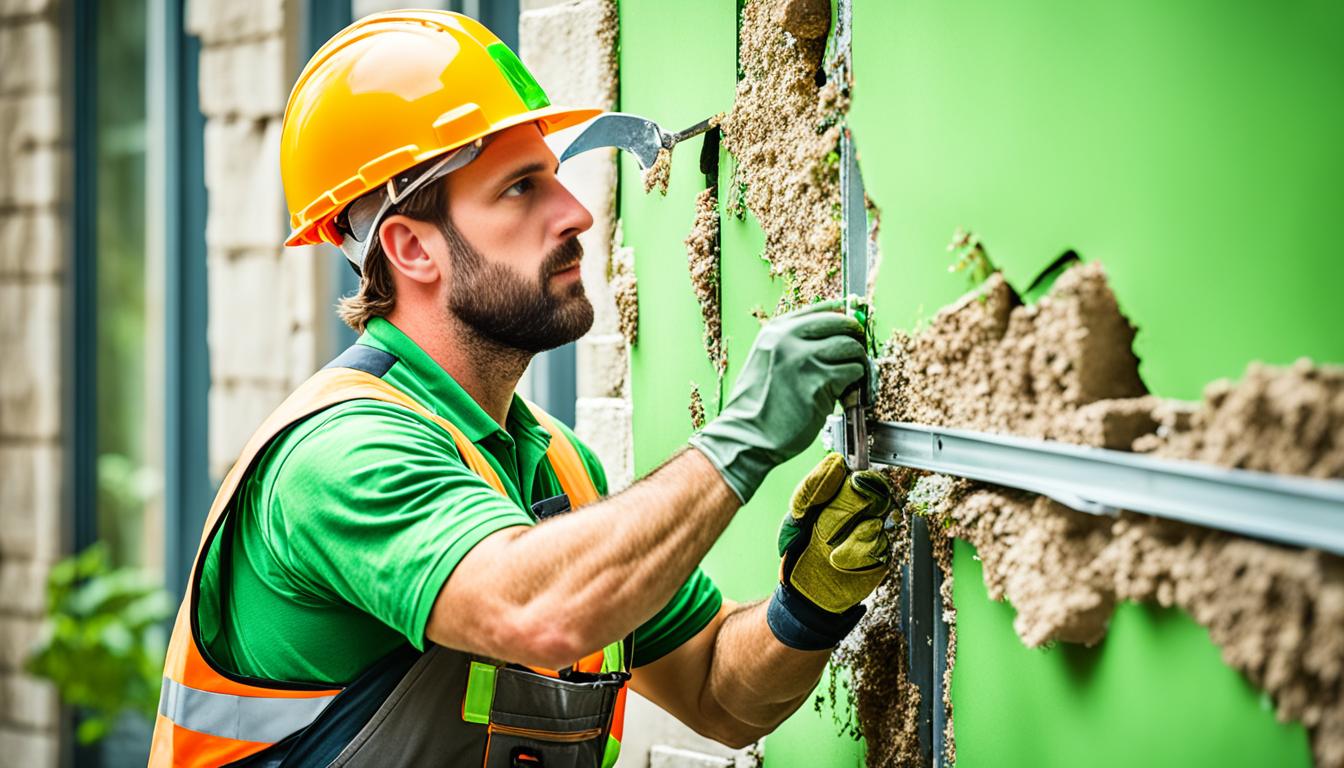
Cladding fires have become a haunting reminder of the importance of building materials’ safety and sustainability. These fires have raised alarms worldwide, prompting a critical re-evaluation of how we construct buildings, what materials we use, and how these choices affect the well-being of occupants, the environment, and society at large.
包層火災的悲劇:給全球敲響警鐘
包層是一種出於美觀或功能目的而用於覆蓋建築物外部的材料,它成為最具破壞性的現代火災之一的核心問題:2017 年倫敦格倫菲爾塔火災。 72 人喪生的火災加速蔓延建築物的鋁複合材料 (ACM) 覆層具有高度易燃的聚乙烯芯。

Grenfell Tower was not an isolated case. Similar fires in countries like Australia, the UAE, and France also revealed the widespread use of unsafe cladding materials, raising serious questions about building regulations and the construction industry’s priorities.
像格倫菲爾這樣的包層火災暴露了全球消防安全標準的差距,凸顯了嚴格監管的必要性。因此,許多國家收緊了消防安全法,禁止使用可燃包層材料,並實施了大規模的建築修復工作。格倫菲爾火災的影響導致世界各地成立了許多消防安全審查委員會和政府應對措施。
But the lessons go beyond fire safety. They bring to light a broader issue that ties directly into the sustainable building agenda: the need for safer, more eco-friendly materials in construction.
對更安全材料的需求
包層火災的核心在於一個重大問題——所使用的材料將成本和外觀置於安全和性能之上。多年來,建築商和建築師轉向 ACM 等材料,因為它們結構輕、靈活性強且價格實惠。然而,這些相同的特性,特別是塑膠芯,使它們容易著火併迅速蔓延。

Safer materials, such as non-combustible mineral wool, fibre cement panels, or terracotta cladding, have become important alternatives. These materials not only have excellent fire resistance but also offer improved durability and energy efficiency, meeting stringent safety standards.
While choosing safer materials may come at a higher initial cost, the long-term benefits far outweigh the expenses. Building occupants are better protected, and developers mitigate the risk of legal and reputational damage. Additionally, fire-resistant materials can reduce the environmental impact associated with rebuilding or repairing fire-damaged structures.
安全背景下的永續材料
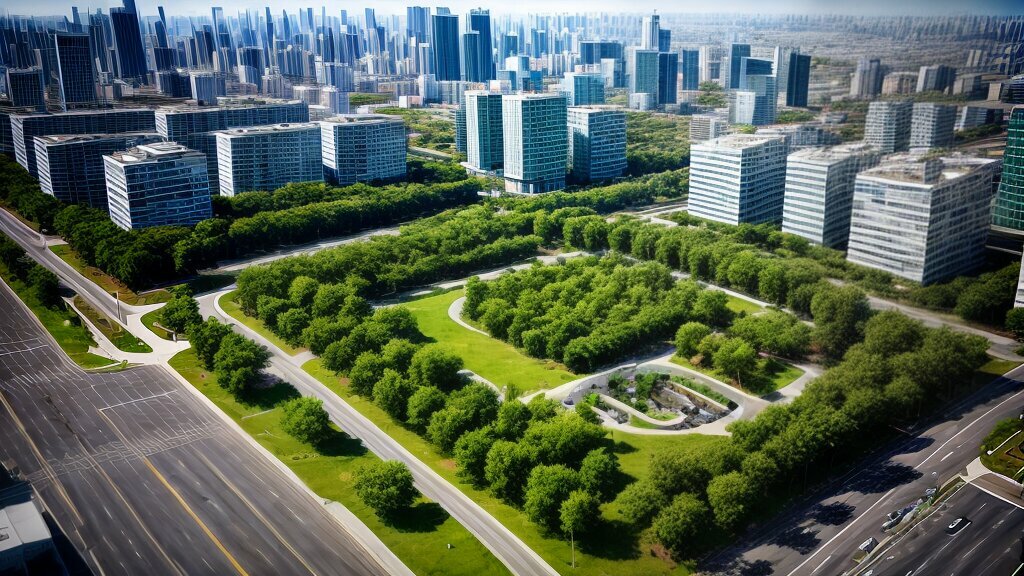
在建築方面,永續性和安全性是相互關聯的。安全可以確保生命的保護,而永續性則可以確保我們的星球的保護。全球對綠色建築實踐的推動鼓勵了安全環保的創新材料的開發。
天然石材和磚: 這些古老的材料本質上是耐火的,並且對環境的影響很小。採石和購買當地材料可減少運輸排放,且其使用壽命長,可最大限度地減少頻繁更換的需要。
回收和升級回收材料: 使用再生鋼、玻璃或塑膠等材料可以減少建築的碳足跡。如果處理得當,這些材料還可以提供出色的耐火性,因為許多材料是專門為安全和永續性而設計的。
工程木材: 雖然木材傳統上是可燃的,但現代工程木製品,例如交叉層壓木材 (CLT) 可以防火。這些產品經過防火處理,並提供了鋼材和混凝土的可再生碳封存替代品。如果設計得當,與包層中使用的塑膠相比,木材產生的有毒煙霧也更少。
天然芯絕緣板: 一些新的包層系統利用大麻、軟木或羊毛等材料作為絕緣芯。這些是無毒的可再生資源,具有天然阻燃性,使其成為石油絕緣材料的可持續且安全的替代品。
監管和道德影響
Cladding fires, particularly the Grenfell disaster, have forced regulatory bodies to revisit their guidelines and inspect thousands of buildings globally. This has led to the banning of certain materials, such as ACM with polyethylene cores, and mandates on retrofitting older buildings with safer alternatives.
對於建築公司和建築師來說,道德責任是明確的:優先考慮安全和永續性,而不是節省成本的捷徑。偷工減料的後果可能是災難性的,正如在包層火災中所看到的那樣,儘管存在已知的安全風險,但由於其經濟實惠,通常仍選擇易燃材料。
In addition, the environmental impact of unsustainable materials cannot be overlooked. The construction industry is a significant contributor to global 碳排放量因火災損壞而需要改造或重建的建築物不僅浪費資源,還會增加產業的碳足跡。
前進:更安全、更綠的未來
包層火災危機向我們表明,安全和永續性必須齊頭並進。展望未來,建築業必須採用既防火又環保的材料。這需要建築師、開發商、材料科學家和監管機構之間的合作,優先考慮長期利益而不是短期利潤。
More than just an industry issue, this is a global human and environmental problem. As climate change accelerates the need for resilient, 節能建築,確保我們的建築材料安全且永續是解決方案的關鍵部分。建築覆層火災的教訓應該提醒我們,在建造未來的住宅、辦公室和建築時,我們不能在安全性和永續性方面妥協。
結語
近年來的包層火災暴露了材料選擇、監管和安全標準的重大缺陷。諸如此類的問題 公寓大樓保險 have also been affected. These fires teach us that the pursuit of affordability or aesthetics must never come at the expense of human life or environmental sustainability. Moving forward, the construction industry must prioritise safer and more 可持續材料 防止未來悲劇發生,幫助建立一個更綠色、更有復原力的世界。
參考文獻:
- 衛報:格倫菲爾大廈火災
- BBC 新聞:包層消防安全危機
- 世界綠建築委員會:彈性建築的永續材料
- [建築研究機構(BRE):高層建築的消防安全](https://www.bregroup.com