



發展中國家的永續建設:挑戰與機遇
歡迎閱讀我們的文章 可持續建設 in developing countries. The construction industry has a significant impact on the environment, and as developing countries continue to experience rapid urbanization, sustainable construction practices are becoming increasingly important. However, implementing sustainable infrastructure development strategies comes with its own set of challenges. In this article, we will explore the challenges and opportunities of sustainable construction in developing countries, including the importance of green building practices, low-carbon construction methods, and the role of government and policies. Read on to educate yourself about 發展中國家的永續發展
發展中國家的永續建設要點:
- 建築業對環境有重大影響。
- 永續建築實踐在發展中國家變得越來越重要。
- 實施永續基礎設施發展策略也面臨一系列挑戰。
- 我們將在本文中探討發展中國家永續建設的挑戰與機會。
發展中國家的綠建築實踐
Green building practices are becoming increasingly important in developing countries, where rapid urbanization and economic growth are driving an increased demand for infrastructure. The use of eco-friendly construction techniques and renewable materials can significantly reduce the environmental impact of construction projects while promoting sustainable development.
綠建築實踐的關鍵考慮因素是使用當地採購的材料和資源。這降低了運輸成本並促進了當地經濟,同時也最大限度地減少了建設項目的碳足跡。此外,使用回收材料和減少廢棄物策略可以進一步減少建築活動對環境的影響。
An important component of green building practices is energy efficiency. Buildings account for a significant portion of global energy consumption, and the use of energy-efficient building design and the integration of renewable energy sources can help reduce this impact. This can be achieved through the use of technologies such as solar panels, wind turbines, and energy-efficient lighting and heating systems.
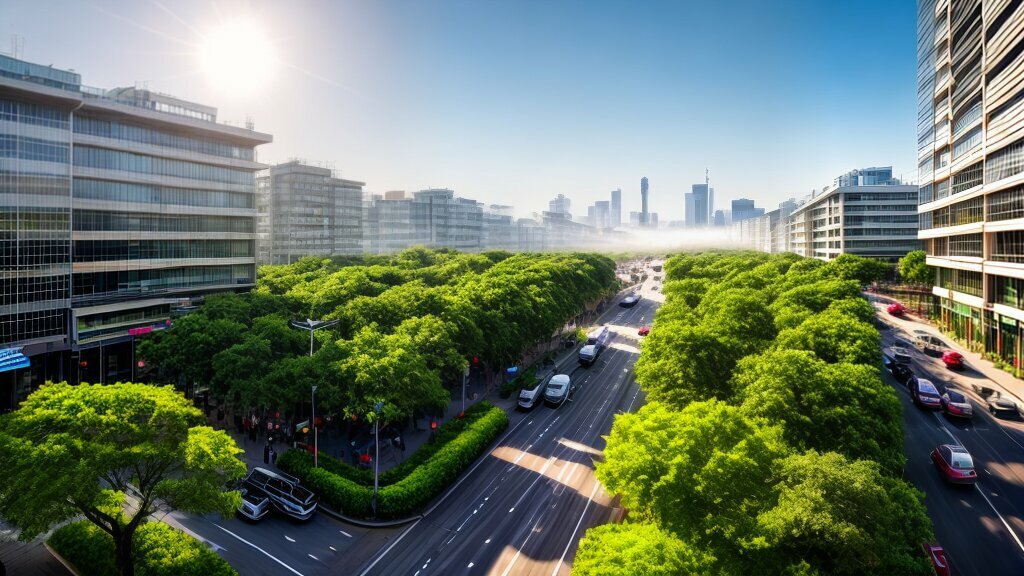
Adopting sustainable infrastructure development strategies can also have significant social and economic benefits. Green buildings are often more comfortable and healthier to live or work in and can lead to improved productivity and well-being. Additionally, sustainable construction projects can create job opportunities and promote local economic development.
總體而言,綠色建築實踐對於促進發展中國家的永續發展至關重要。透過使用當地採購的材料、提高能源效率以及採用永續基礎設施發展策略,建設項目可以減少對環境的影響,同時為當地社區創造社會和經濟效益。
低碳施工方法
With the urgent need to mitigate climate change, it is imperative to adopt low-carbon construction methods in developing countries. These practices have the potential to reduce the carbon footprint associated with construction and can also promote a more sustainable 建設環境.
一種有效的低碳建築方法是採用節能建築設計。該策略涉及被動設計技術的集成,減少對主動加熱和冷卻系統的需求。例如,設計具有充足自然日光和通風的建築物可以減少能源消耗,同時提高室內舒適度。此外,使用隔熱材料和高性能玻璃還可以最大限度地減少熱量損失,從而節省能源。
再生能源也可以整合到建設項目中以減少碳排放。例如,太陽能電池板可以安裝在屋頂上,為照明和電器發電。同樣,風力渦輪機可用於在高風速地區發電。還可以探索使用沼氣池將有機廢棄物轉化為清潔能源,為傳統化石燃料提供替代品。
| 低碳建築的優勢 | 實施低碳建設的挑戰 |
|---|---|
|
|
儘管低碳建築有許多好處,但在發展中國家實施這種做法可能具有挑戰性。這些挑戰包括缺乏意識和技術專長、資金和資源不足、傳統建築實踐變革的阻力以及政策和監管障礙。
儘管如此,隨著政府和利害關係人加大倡議和支持,低碳建築方法可以成功實施,為發展中國家創造更永續的未來。

發展中國家實施永續建設的挑戰
永續建築實踐在發展中國家可能面臨一些挑戰。資源缺乏、環保材料的供應有限、財政限制是一些最重要的議題。此外,缺乏意識和技術專業知識也會阻礙永續建築實踐的實施。
許多發展中國家面臨預算限制,限制了它們對永續建設項目的投資。此外,環保材料和技術的高成本也是採用永續基礎設施發展策略的障礙。由於建築師、工程師和承包商缺乏足夠的知識和專業知識,這種情況變得更加複雜。
需要提高對永續建築實踐的認識和教育,以及針對該領域專業人員的培訓計劃。政府、行業利益相關者和金融機構可以在促進永續建築實踐、提供融資和技術支援方面發揮至關重要的作用。
Despite the challenges, there are opportunities to overcome these obstacles through innovation and collaboration. For example, sustainable construction techniques can be integrated into existing projects, and partnerships can be formed to share knowledge and resources. By leveraging these opportunities and overcoming the challenges, sustainable construction practices can become a mainstream approach in developing countries, improving social and environmental sustainability.
發展中國家的永續建設項目
Real-life examples of sustainable construction projects in developing countries showcase the potential for positive change and the impact of sustainable infrastructure development strategies. These projects contribute to both social and environmental sustainability, promoting inclusive development and community engagement.
One notable example is the Tres Rios wetland restoration project in Costa Rica. This project aims to restore the wetland ecosystem, while also providing wastewater treatment services and creating a habitat for wildlife. The project was successful in creating a sustainable solution for wastewater management and habitat restoration.
| 專案 | 地點 | 產品說明 |
|---|---|---|
| 太陽能灌溉系統 | 塞內加爾、西非 | The project provides access to clean water for irrigation of crops, using solar power as a renewable energy source. This project promoted sustainable agriculture practices and helped to reduce poverty in the region. |
| 綠色學校 | 印尼 | 該項目旨在透過使用環保材料、節能設計和可再生能源,將永續建築實踐融入學校。該計畫促進學生的可持續教育和意識。 |
| 集水系統 | 肯尼亞 | 該項目涉及在學校安裝雨水收集系統,提供清潔水並改善衛生條件。該項目有助於社會和環境的可持續發展,促進清潔水的獲取和可持續的基礎設施發展。 |
這些項目表明永續建築實踐可以在發展中國家實施,促進社會和環境的可持續性。這些舉措可以激發進一步的永續基礎設施發展策略,並為更永續的未來做出貢獻。
政府的角色和政策
發展中國家往往缺乏必要的資源和專業知識來促進永續建築實踐。因此,政府的角色和支持政策對於推動這一領域的進步至關重要。
Policies, regulations, and incentives can encourage the private sector to adopt sustainable practices and invest in eco-friendly infrastructure development. For example, tax breaks and subsidies can offset the initial costs of implementing sustainable construction techniques. The government can also promote green building certification programs to encourage construction companies to follow sustainable practices.
此外,政府與產業利益相關者和當地社區合作開發滿足社會和環境永續目標的永續基礎設施項目也很重要。當地社區的參與可以確保計畫符合他們的需求和優先事項,並且納入環境永續特徵可以保護該地區的自然資源。
案例研究:巴西的 Minha Casa Minha Vida 計劃
The Minha Casa Minha Vida program in Brazil is an example of a successful government initiative that promotes sustainable construction practices. The program aims to provide affordable housing to low-income families while incorporating 可持續設計 雨水收集和太陽能板等功能。這有助於降低能源成本,並增強房屋應對氣候變遷影響的能力。
| 永續建築政策的好處: |
|---|
| 減少碳排放 |
| 提高能源效率 |
| 保護自然資源 |
| 促進包容性發展 |
永續建築政策的實施可以帶來一系列好處,例如減少碳排放、提高能源效率和保護自然資源。此外,永續基礎設施項目可以促進包容性發展,並透過提供清潔水和衛生設施等基本服務來幫助減少社會不平等。

發展中國家的永續城市發展
隨著世界人口持續成長,永續城市發展的需求在發展中國家變得越來越重要。將永續建設實踐融入城市規劃、交通和基礎設施發展對於實現社會和環境永續發展至關重要。
Building sustainable cities requires a holistic approach that considers the needs of communities, the preservation of natural resources, and the reduction of carbon emissions. It is essential to prioritize the development of livable and resilient cities that provide equal access to essential services and amenities for all, regardless of social status or income.
Examples of sustainable urban development initiatives can be found across the world, such as Masdar City in the United Arab Emirates, which aims to be one of the world’s most sustainable cities. The project incorporates renewable energy sources, green public spaces, and transportation systems, all designed to reduce carbon emissions and improve the quality of life of its residents.

另一個例子是巴西的庫里蒂巴市,該市實施了全面的城市規劃系統,包括快速公車、綠地和公共空間。該城市的交通系統旨在環保,為私家車提供高效且經濟的替代方案。它的努力有助於緩解交通擁堵、降低污染水平並提高居民的生活品質。
然而,發展中國家實施永續城市發展實踐面臨資源有限、基礎設施不足和缺乏技術專長等重大挑戰。政府和行業利益相關者的參與對於克服這些挑戰並為子孫後代創建永續城市至關重要。
永續建築的創新解決方案
永續建築實踐需要技術和材料的不斷創新和進步。創新的解決方案可以顯著提高永續建設專案的效率和效果。
例如, 使用3D列印技術可以減少建築垃圾並加快施工進程,同時提供設計彈性。該技術已用於在墨西哥和印度等發展中國家開發低成本住房,為當地居民提供負擔得起且可持續的住房解決方案。
另一個例子 創新解決方案之一是在建築中使用回收材料,例如塑膠廢物和橡膠輪胎。這些材料不僅環保,而且具有成本效益,使其成為資源有限的發展中國家永續建築計畫的理想選擇。
智慧建築系統和感測器也可以在永續建築中發揮重要作用。這些系統可以調節能源消耗、溫度和照明,提高能源效率並降低營運成本。

再生能源技術的進一步進步可以為建築項目提供可持續和可靠的電力來源。太陽能電池板和風力渦輪機可以整合到建築設計中,以提供清潔能源、減少碳排放並促進永續發展。
創新的解決方案和技術對於發展中國家實現永續建設至關重要。政府和產業利害關係人必須繼續投資於研發,以推動該領域的進步。
建築中的社會和環境永續性
隨著發展中國家建築業的持續成長,考慮其對社會和環境永續性的影響非常重要。建設過程會對當地社區和生態系統產生重大影響,因此優先考慮負責任和包容性的發展至關重要。
建設中社會永續性的關鍵方面是社區參與。當地社區必須參與規劃和決策過程,以確保他們的需求和關切得到解決。這可以帶來更有效、更公平的發展,讓所有參與者受益。
促進社會永續發展的另一個挑戰是對建築活動產生的廢棄物進行負責任的管理。回收、減少浪費和再利用材料等策略有助於最大限度地減少對環境的影響並確保採取更永續的方法。
在環境方面,重要的是要考慮建設活動對生態系統和自然資源的影響。這可能涉及最大限度地減少碳排放、減少能源消耗和保護敏感棲息地。使用再生能源和環保材料還可以促進建築的環境永續性。
| 關鍵點: | 為妳而設的優點: |
|---|---|
| 社區參與 | 公平發展與有效成果 |
| 廢物管理 | 最小化環境影響和永續方法 |
| 最大限度地減少碳排放和能源消耗 | 減少環境影響和資源保護 |
| 再生能源和環保材料 | 促進建築環境的永續性 |
透過優先考慮社會和環境永續性,發展中國家的建設項目可以對人類和地球產生積極影響。重要的是要繼續致力於更負責任和包容的發展實踐,以建立更永續的未來。

結語
Overall, sustainable construction in developing countries presents both challenges and opportunities. With the increase in urbanization and population growth, it is crucial to incorporate sustainable building practices to reduce the environmental impact and promote social and economic development.
透過採用綠建築實踐、低碳建築方法和創新解決方案,發展中國家可以實現永續的基礎設施發展。然而,仍有資源有限、缺乏意識以及需要技術專業知識等挑戰,必須透過支持性政策和利害關係人之間的合作來解決這些挑戰。
發展中國家永續建設計畫的現實例子顯示了社會和環境永續性發生積極變化的潛力。透過永續城市發展建立宜居、有韌性的城市將為所有人創造更美好的未來。
隨著我們的前進,繼續研究和合作以推動這一領域的進步非常重要。透過實施永續建築實踐,我們可以為子孫後代創造一個更美好的世界。
常見問題解答:
Q:什麼是永續建築?
答:永續建築是指以盡量減少對環境的影響、提高能源效率以及增強社會和經濟福祉的方式設計、建造和運營建築物的實踐。
Q:什麼是綠建築實踐?
答:綠色建築實踐涉及將環保設計和施工技術融入建築過程中。這些做法旨在減少能源消耗、節約用水並最大限度地減少廢物的產生。
Q:什麼是低碳施工方法?
答:低碳建築方法是專注於減少與建築物建造和營運相關的碳排放的方法。這包括使用節能建築設計、整合再生能源以及利用永續材料。
Q:實施永續建設面臨哪些挑戰?
答:實施永續建設的挑戰包括資源有限、缺乏意識以及需要專業技術知識。然而,有一些策略和解決方案可以克服這些挑戰。
Q:您能提供發展中國家永續建設計畫的例子嗎?
A: Yes, there are numerous examples of sustainable construction projects in developing countries. These projects range from eco-friendly buildings to sustainable infrastructure developments, and they have had a positive impact on social and environmental sustainability.
問:政府在推動永續建設方面發揮什麼作用?
答:政府在促進永續建築實踐方面發揮著至關重要的作用。它可以製定支持性政策、法規和激勵措施,以鼓勵採用永續建築實踐並促進不同利害關係人之間的合作。
Q:永續建設如何促進城市永續發展?
答:永續建設是城市永續發展的重要一環。透過將永續建設實踐納入城市規劃、交通和基礎設施發展,城市可以變得更加宜居、更有彈性和對環境友善。
Q:永續建築有哪些創新解決方案?
答:有多種創新解決方案和技術可以應用於永續建設專案。其中包括材料、施工技術和智慧建築系統的進步。數位化和自動化也有潛力提高永續性。
Q:為什麼社會和環境永續性在建築中很重要?
答:社會和環境永續性是建設計畫的重要面向。確保包容性發展、與社區互動以及負責任地管理廢棄物非常重要。建築活動會對生態系統和自然資源產生重大影響。
其他有趣的文章和播客