


“This conversation makes the case for a shift: from sustainability as a materials-and-energy conversation, to neurosustainability — designing environments that protect sleep, reduce stress load, support movement, and build cognitive resilience across the lifespan.” Jackie De Burca
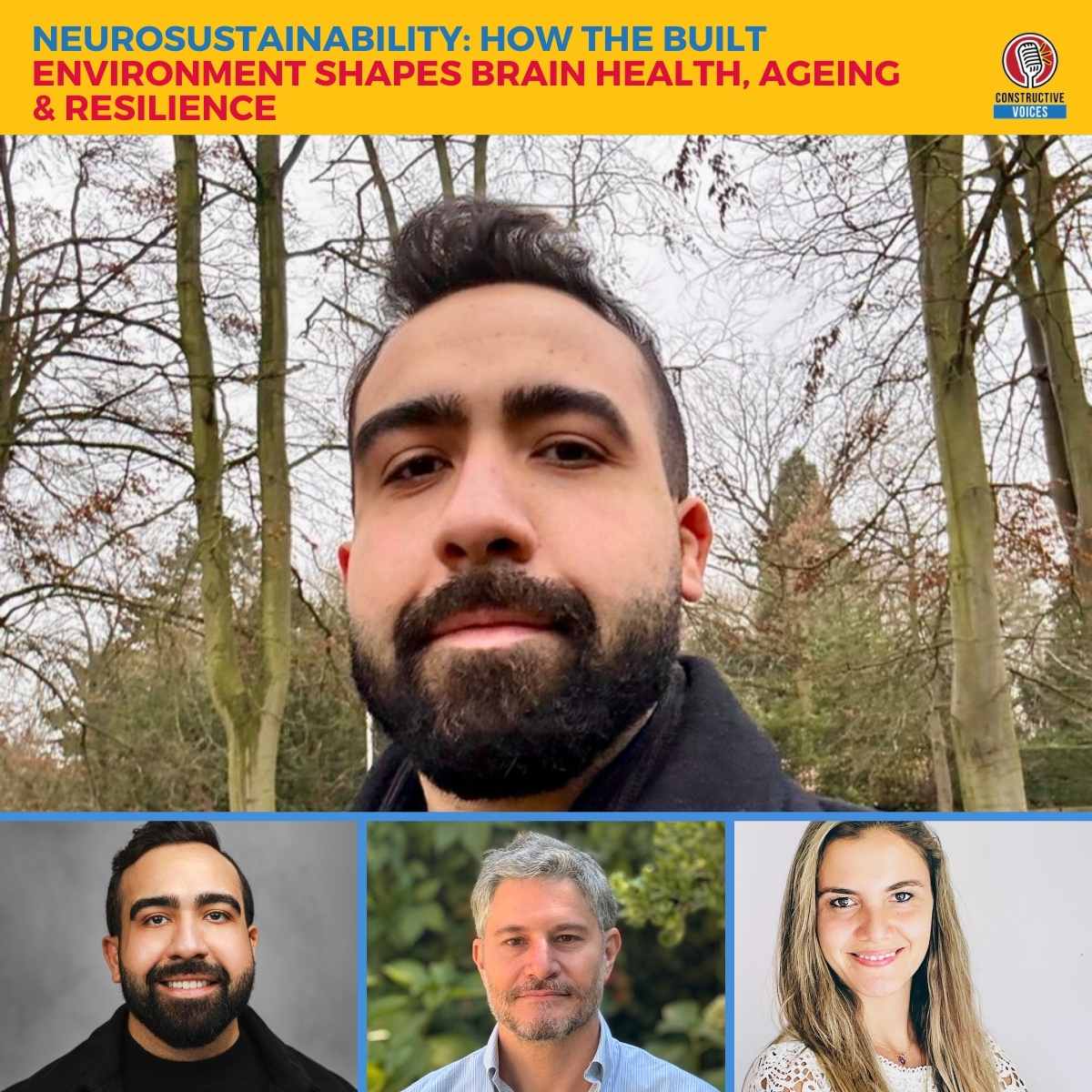
客人:阿古斯丁·伊巴涅斯教授 — Director of Global Research Networks at the Global Brain Health Institute (Trinity College Dublin) and Scientific Director of the Latin American Brain Health Institute
The exposome is the full set of environmental influences (physical, social, and economic) that shape our health and behaviour over time — and why the built environment is the missing “mesoscale” link between global forces (like climate change and inequality) and individual brain outcomes (like cognition, dementia risk, and mental health).
The discussion moves from greenness and air pollution to navigation complexity in cities, indoor air quality, heat, sleep disruption, and the urgent need to reframe sustainability as neurosustainability — designing spaces that support brain plasticity, cognitive reserve, and resilience across the lifespan.

「如果你外出……面對污染……噪音……和……光線……那種刺激其實對大腦非常有害。」布爾欽‧伊基茲
City at night with lights noise pollution
重要要點
1)暴露組是指你生活中所處的完整環境。
Not just air pollution and heat — but also education, safety, housing, and inequality. All of it shapes health and behaviour over time.
People spend most of their time indoors — and improving air quality, comfort, light, and noise where life actually happens can be one of the most direct interventions available.
5)股權不是附加項-它是核心價值。
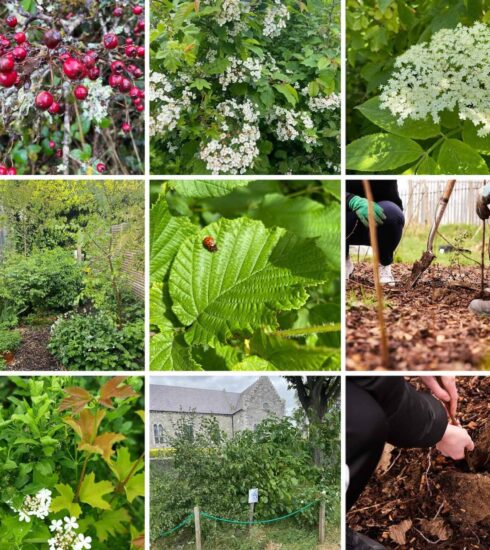
Green space helps if it’s clean, safe, and accessible. But noise, light, heat stress, and pollution can turn “stimulation” into harm.
His research bridges computational neuroscience, aging clocks, exposome science, whole-body health, and artificial intelligence to advance understanding of brain health across diverse populations.
Author of over 500 publications and recipient of major international grants (NIH, NIA, Wellcome Trust, Alzheimer’s Association), he leads multicentre initiatives such as ReDLat and CliCBrain, promoting equitable, transdisciplinary approaches to precision brain health worldwide.