

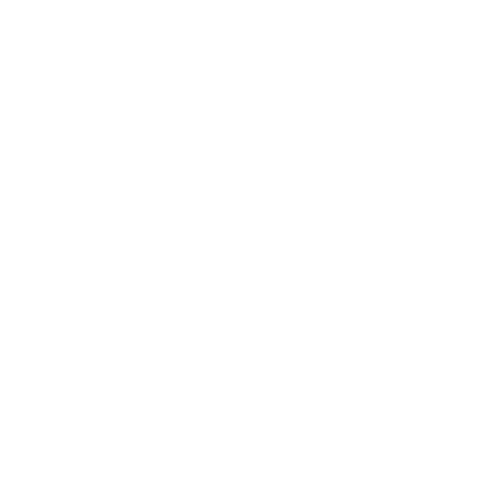



S5, E2: Neuro-Sustainability: Designing Places Where Brains Can Thrive
Guests: Burçin Ikiz (Stanford / EcoNeuro / Neuroclimate Working Group) & Mohamed Hesham Khalil (University of Cambridge)
Neuro-Sustainability: Designing Places Where Brains Can Thrive
What if sustainability wasn’t only about carbon, materials, and energy — but also about the human brain?
In this second episode of the mini-series about neuro-sustainability, neuroscience and architecture meet in a conversation that feels both urgent and surprisingly practical.
We investigate the work of Cambridge scholarship student, Mohamed Hesham Khalil, which we believe should be integrated into planning and architecture around the world.

“We can change diet, can change habits, but we cannot change a built environment. It’s built once and it lasts for tens of years.” Mohamed Hesham Khalil
In this episode, he is joined by Burçin Ikiz, who brings a climate-and-health lens to brain wellbeing across the lifespan.
Mohamed Hesham Khalil brings a design-and-research lens focused on environmental enrichment — and what our homes, streets, workplaces, and neighbourhoods are doing to us every day, whether we notice it or not.
This is not a theoretical chat. It’s about how we design environments that help brains thrive — especially as heat, pollution, and chronic stress become part of daily life for millions.
What you’ll learn
1) What “environmental enrichment” means in the real world
This conversation translates neuroscience into design language: environments that support movement, stimulation, connection, and recovery.
“Don’t use it, you lose it. Just kind of like our muscles in our bodies.” Burçin Ikiz
2) The indoor reality we rarely talk about
If buildings are designed mainly for convenience and comfort, what happens to stimulation, mobility, and everyday brain engagement?
“When we spend like around 90 percent of time indoors… almost no chance for cognitive stimulation or physical activity through the building…” Mohamed Hesham Khalil
3) Heat, buildings, and brain function
As the climate warms, poorly adapted buildings become neurological stressors — not just uncomfortable boxes.
“If most of our buildings… have not been created for this increasingly warming world, it can be very, very hot indoors and that can really affect our brains.” Burçin Ikiz
neuro-sustainability and the built environment
4) Pregnancy, pollution, and lifelong outcomes
The discussion doesn’t dodge the hard evidence: prenatal exposure can shape brain development before birth.
“Even if the parents are exposed to some air pollution… effects on the structural changes of the brain of the fetuses that are not even born yet.” Burçin Ikiz
5) The developing brain and why early life is everything
They break down neurodevelopment in a way that’s easy to grasp — connection-building, then refinement.
“By the time you reach 10 years old, you lose half of those connections that are made in the first two, three years of life.” Burçin Ikiz
6) Mapping risk: from science to neighbourhood action
A standout moment is the push toward tools that help cities prioritise interventions where they’re needed most.
“Brain Vulnerability and Resilience Index that can be mapped out to different neighbourhoods…” Burçin Ikiz








Neurosustainability and the Built Environment Podcast
7 months ago[…] Neuro-Sustainability: Designing Places Where Brains Can Thrive […]