





উন্নয়নশীল দেশগুলিতে টেকসই নির্মাণ: চ্যালেঞ্জ এবং সুযোগ
আমাদের নিবন্ধে স্বাগতম টেকসই নির্মাণ in developing countries. The construction industry has a significant impact on the environment, and as developing countries continue to experience rapid urbanization, sustainable construction practices are becoming increasingly important. However, implementing sustainable infrastructure development strategies comes with its own set of challenges. In this article, we will explore the challenges and opportunities of sustainable construction in developing countries, including the importance of green building practices, low-carbon construction methods, and the role of government and policies. Read on to educate yourself about উন্নয়নশীল দেশে টেকসই উন্নয়ন
উন্নয়নশীল দেশগুলিতে টেকসই নির্মাণের মূল উপায়:
- The construction industry has a significant impact on the environment.
- উন্নয়নশীল দেশগুলিতে টেকসই নির্মাণ অনুশীলন ক্রমশ গুরুত্বপূর্ণ হয়ে উঠছে।
- Implementing sustainable infrastructure development strategies comes with its own set of challenges.
- আমরা এই নিবন্ধে উন্নয়নশীল দেশগুলিতে টেকসই নির্মাণের চ্যালেঞ্জ এবং সুযোগগুলি অন্বেষণ করব।
উন্নয়নশীল দেশগুলিতে সবুজ বিল্ডিং অনুশীলন
Green building practices are becoming increasingly important in developing countries, where rapid urbanization and economic growth are driving an increased demand for infrastructure. The use of eco-friendly construction techniques and renewable materials can significantly reduce the environmental impact of construction projects while promoting sustainable development.
One key consideration in green building practices is the use of locally sourced materials and resources. This reduces transportation costs and promotes local economies, while also minimizing the carbon footprint of construction projects. Additionally, the use of recycled materials and waste reduction strategies can further reduce the environmental impact of construction activities.
An important component of green building practices is energy efficiency. Buildings account for a significant portion of global energy consumption, and the use of energy-efficient building design and the integration of renewable energy sources can help reduce this impact. This can be achieved through the use of technologies such as solar panels, wind turbines, and energy-efficient lighting and heating systems.
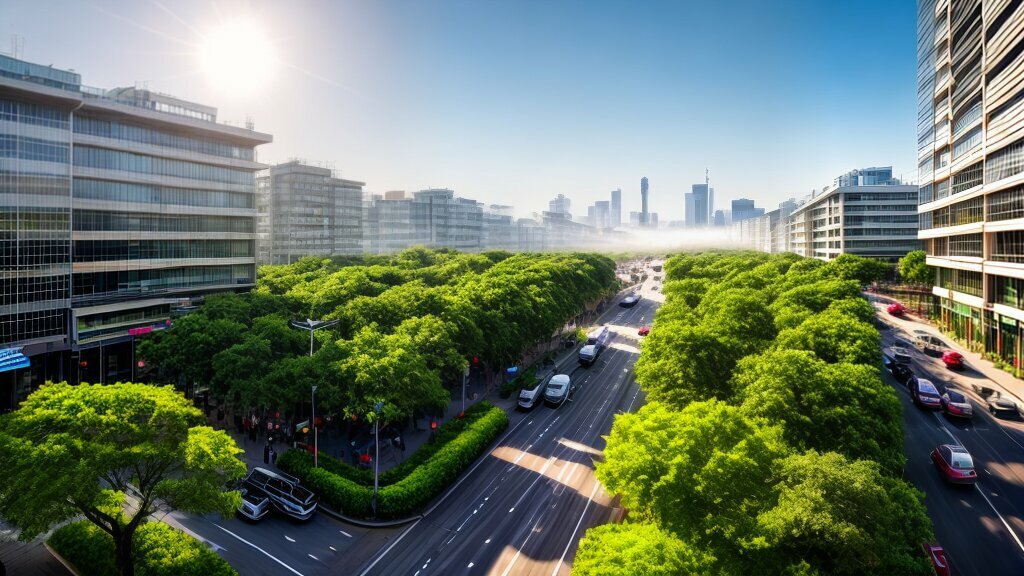
Adopting sustainable infrastructure development strategies can also have significant social and economic benefits. Green buildings are often more comfortable and healthier to live or work in and can lead to improved productivity and well-being. Additionally, sustainable construction projects can create job opportunities and promote local economic development.
Overall, green building practices are essential in promoting sustainable development in developing countries. By using locally sourced materials, promoting energy efficiency, and adopting sustainable infrastructure development strategies, construction projects can reduce their environmental impact while creating social and economic benefits for local communities.
কম-কার্বন নির্মাণের পদ্ধতি
With the urgent need to mitigate climate change, it is imperative to adopt low-carbon construction methods in developing countries. These practices have the potential to reduce the carbon footprint associated with construction and can also promote a more sustainable নির্মিত পরিবেশ.
An effective low-carbon construction method is the use of energy-efficient building design. This strategy involves the integration of passive design techniques that reduce the need for active heating and cooling systems. For example, designing buildings with ample natural daylight and ventilation can reduce energy consumption while enhancing indoor comfort. Additionally, the use of thermal insulation and high-performance glazing can also minimize heat loss, resulting in energy savings.
Renewable energy sources can also be integrated into construction projects to reduce carbon emissions. Solar panels, for instance, can be installed on rooftops to generate electricity for lighting and electrical appliances. Similarly, wind turbines can be used to generate power in areas with high wind speeds. The use of biogas digesters can also be explored to convert organic waste into clean energy, providing an alternative to traditional fossil fuels.
| কম-কার্বন নির্মাণের সুবিধা | কম-কার্বন নির্মাণ বাস্তবায়নে চ্যালেঞ্জ |
|---|---|
|
|
স্বল্প-কার্বন নির্মাণের অসংখ্য সুবিধা থাকা সত্ত্বেও, উন্নয়নশীল দেশগুলিতে এই জাতীয় অনুশীলনগুলি বাস্তবায়ন করা চ্যালেঞ্জিং হতে পারে। এই চ্যালেঞ্জগুলির মধ্যে রয়েছে সচেতনতা এবং প্রযুক্তিগত দক্ষতার অভাব, অপর্যাপ্ত তহবিল এবং সংস্থান, ঐতিহ্যগত নির্মাণ অনুশীলন থেকে পরিবর্তনের প্রতিরোধ, এবং নীতি ও নিয়ন্ত্রক বাধা।
Nonetheless, with increased advocacy and support from governments and stakeholders, low-carbon construction methods can be successfully implemented, contributing to a more sustainable future for developing countries.

উন্নয়নশীল দেশগুলিতে টেকসই নির্মাণ বাস্তবায়নে চ্যালেঞ্জ
Sustainable construction practices can face several challenges in developing countries. The lack of resources, limited availability of eco-friendly materials, and financial constraints are some of the most significant issues. Additionally, a lack of awareness and technical expertise can also hinder the implementation of sustainable construction practices.
Many developing countries face budgetary restrictions that limit them from investing in sustainable construction projects. Moreover, the high cost of eco-friendly materials and technologies is an obstacle to the adoption of sustainable infrastructure development strategies. This situation is further complicated by the lack of sufficient knowledge and expertise among architects, engineers, and contractors.
There is a need for greater awareness and education on sustainable construction practices, as well as training programs for professionals in the field. Governments, industry stakeholders, and financial institutions can play a vital role in promoting sustainable construction practices, providing financing, and offering technical support.
Despite the challenges, there are opportunities to overcome these obstacles through innovation and collaboration. For example, sustainable construction techniques can be integrated into existing projects, and partnerships can be formed to share knowledge and resources. By leveraging these opportunities and overcoming the challenges, sustainable construction practices can become a mainstream approach in developing countries, improving social and environmental sustainability.
উন্নয়নশীল দেশগুলিতে টেকসই নির্মাণ প্রকল্প
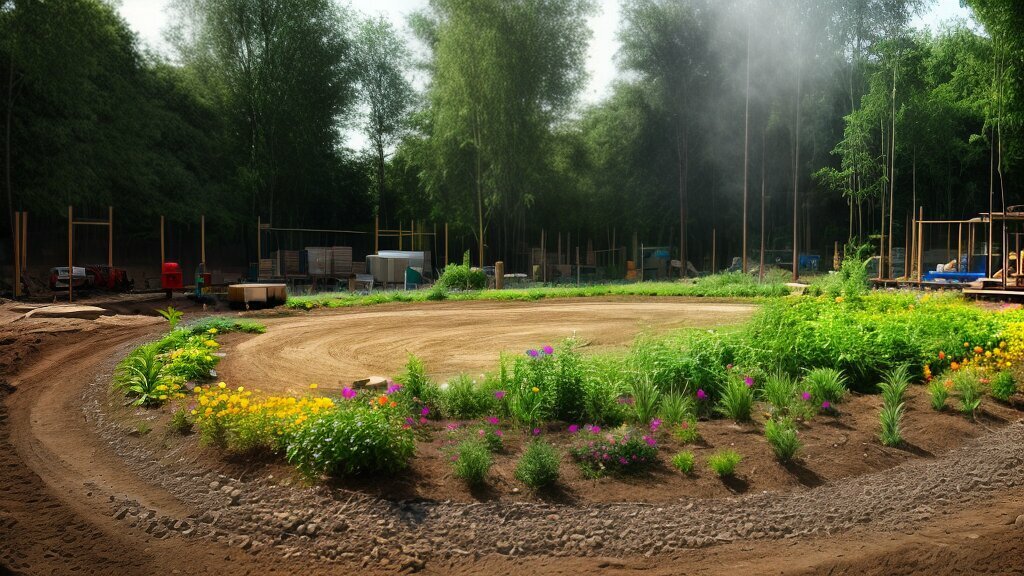
Real-life examples of sustainable construction projects in developing countries showcase the potential for positive change and the impact of sustainable infrastructure development strategies. These projects contribute to both social and environmental sustainability, promoting inclusive development and community engagement.
One notable example is the Tres Rios wetland restoration project in Costa Rica. This project aims to restore the wetland ecosystem, while also providing wastewater treatment services and creating a habitat for wildlife. The project was successful in creating a sustainable solution for wastewater management and habitat restoration.
| প্রকল্প | অবস্থান | বিবরণ |
|---|---|---|
| সৌর-চালিত সেচ ব্যবস্থা | সেনেগাল, পশ্চিম আফ্রিকা | The project provides access to clean water for irrigation of crops, using solar power as a renewable energy source. This project promoted sustainable agriculture practices and helped to reduce poverty in the region. |
| সবুজ বিদ্যালয় | ইন্দোনেশিয়া | এই প্রকল্পের লক্ষ্য ছিল পরিবেশ-বান্ধব উপকরণ, শক্তি-দক্ষ নকশা, এবং নবায়নযোগ্য শক্তির উত্স ব্যবহার করে স্কুলগুলিতে টেকসই নির্মাণ অনুশীলনগুলিকে একীভূত করা। প্রকল্পটি শিক্ষার্থীদের মধ্যে টেকসই শিক্ষা এবং সচেতনতা প্রচার করে। |
| ওয়াটার হার্ভেস্টিং সিস্টেম | কেনিয়া | The project involved the installation of rainwater harvesting systems in schools, providing access to clean water and improving sanitation. This project contributed to both social and environmental sustainability, promoting clean water access and sustainable infrastructure development. |
এই প্রকল্পগুলি দেখায় যে টেকসই নির্মাণ অনুশীলনগুলি উন্নয়নশীল দেশগুলিতে প্রয়োগ করা যেতে পারে, সামাজিক এবং পরিবেশগত স্থায়িত্ব উভয়ই প্রচার করে। এই উদ্যোগগুলি আরও টেকসই অবকাঠামো উন্নয়ন কৌশলগুলিকে অনুপ্রাণিত করতে পারে এবং আরও টেকসই ভবিষ্যতে অবদান রাখতে পারে।
সরকার এবং নীতির ভূমিকা
উন্নয়নশীল দেশগুলিতে প্রায়ই টেকসই নির্মাণ অনুশীলনের জন্য প্রয়োজনীয় সংস্থান এবং দক্ষতার অভাব থাকে। এই কারণে, এই ক্ষেত্রে অগ্রগতি চালনা করার জন্য সরকারের ভূমিকা এবং সহায়ক নীতিগুলি অত্যন্ত গুরুত্বপূর্ণ।
Policies, regulations, and incentives can encourage the private sector to adopt sustainable practices and invest in eco-friendly infrastructure development. For example, tax breaks and subsidies can offset the initial costs of implementing sustainable construction techniques. The government can also promote green building certification programs to encourage construction companies to follow sustainable practices.
Furthermore, it is important for the government to collaborate with industry stakeholders and local communities to develop sustainable infrastructure projects that meet social and environmental sustainability goals. The involvement of local communities can ensure that the projects are aligned with their needs and priorities, and the inclusion of environmentally sustainable features can protect the natural resources of the area.
কেস স্টাডি: ব্রাজিলের মিনহা কাসা মিনহা ভিদা প্রোগ্রাম
The Minha Casa Minha Vida program in Brazil is an example of a successful government initiative that promotes sustainable construction practices. The program aims to provide affordable housing to low-income families while incorporating টেকসই নকশা বৃষ্টির পানি সংগ্রহ এবং সৌর প্যানেলের মতো বৈশিষ্ট্য। এটি জ্বালানি খরচ কমাতে এবং জলবায়ু পরিবর্তনের প্রভাবের জন্য বাড়ির স্থিতিস্থাপকতা বৃদ্ধিতে সাহায্য করেছে।
| টেকসই নির্মাণ নীতির সুবিধা: |
|---|
| কার্বন নির্গমন হ্রাস |
| উন্নত শক্তি দক্ষতা |
| প্রাকৃতিক সম্পদের সুরক্ষা |
| অন্তর্ভুক্তিমূলক উন্নয়নের প্রচার |
টেকসই নির্মাণ নীতি বাস্তবায়নের ফলে কার্বন নিঃসরণ হ্রাস, শক্তির দক্ষতা উন্নত এবং প্রাকৃতিক সম্পদের সুরক্ষার মতো সুবিধার একটি পরিসীমা হতে পারে। অধিকন্তু, টেকসই অবকাঠামো প্রকল্পগুলি অন্তর্ভুক্তিমূলক উন্নয়নকে উন্নীত করতে পারে এবং বিশুদ্ধ পানি এবং স্যানিটেশনের মতো মৌলিক পরিষেবাগুলিতে অ্যাক্সেস প্রদান করে সামাজিক বৈষম্য কমাতে সহায়তা করতে পারে।

উন্নয়নশীল দেশগুলিতে টেকসই নগর উন্নয়ন
As the world’s population continues to grow, the need for sustainable urban development becomes increasingly essential in developing countries. The integration of sustainable construction practices in urban planning, transportation, and infrastructure development is crucial to achieve social and environmental sustainability.
Building sustainable cities requires a holistic approach that considers the needs of communities, the preservation of natural resources, and the reduction of carbon emissions. It is essential to prioritize the development of livable and resilient cities that provide equal access to essential services and amenities for all, regardless of social status or income.
Examples of sustainable urban development initiatives can be found across the world, such as Masdar City in the United Arab Emirates, which aims to be one of the world’s most sustainable cities. The project incorporates renewable energy sources, green public spaces, and transportation systems, all designed to reduce carbon emissions and improve the quality of life of its residents.

Another example is the Curitiba city in Brazil, which has implemented a comprehensive urban planning system that includes bus rapid transit, green areas, and public spaces. The city’s transport system is designed to be environmentally friendly, providing an efficient and cost-effective alternative to private vehicles. Its efforts have helped to alleviate traffic congestion, lower pollution levels, and improve the quality of life of its inhabitants.
যাইহোক, উন্নয়নশীল দেশগুলিতে টেকসই নগর উন্নয়ন অনুশীলনের বাস্তবায়ন উল্লেখযোগ্য চ্যালেঞ্জগুলির মুখোমুখি, যেমন সীমিত সম্পদ, অপর্যাপ্ত অবকাঠামো এবং প্রযুক্তিগত দক্ষতার অভাব। সরকার এবং শিল্প স্টেকহোল্ডারদের সম্পৃক্ততা এই চ্যালেঞ্জগুলি অতিক্রম করতে এবং ভবিষ্যত প্রজন্মের জন্য টেকসই শহর তৈরি করতে গুরুত্বপূর্ণ।
টেকসই নির্মাণের জন্য উদ্ভাবনী সমাধান
টেকসই নির্মাণ অনুশীলনের জন্য প্রযুক্তি এবং উপকরণগুলিতে ক্রমাগত উদ্ভাবন এবং অগ্রগতি প্রয়োজন। উদ্ভাবনী সমাধানগুলি টেকসই নির্মাণ প্রকল্পগুলির দক্ষতা এবং কার্যকারিতা উল্লেখযোগ্যভাবে উন্নত করতে পারে।
এই ক্ষেত্রে, the use of 3D printing technology can reduce construction waste and speed up construction processes, while providing flexibility in design. This technology has been used to develop low-cost housing in developing countries such as Mexico and India, providing affordable and sustainable housing solutions to the local population.
আরেকটি উদাহরণ of innovative solutions is the use of recycled materials such as plastic waste and rubber tires in construction. These materials are not only environmentally friendly but also cost-effective, making them ideal for sustainable construction projects in developing countries where resources are limited.
স্মার্ট বিল্ডিং সিস্টেম এবং সেন্সরগুলিও টেকসই নির্মাণে গুরুত্বপূর্ণ ভূমিকা পালন করতে পারে। এই সিস্টেমগুলি শক্তি খরচ, তাপমাত্রা এবং আলো নিয়ন্ত্রণ করতে পারে, শক্তির দক্ষতা উন্নত করতে পারে এবং অপারেশনাল খরচ কমাতে পারে।

পুনর্নবীকরণযোগ্য শক্তি প্রযুক্তির আরও অগ্রগতি নির্মাণ প্রকল্পগুলির জন্য টেকসই এবং নির্ভরযোগ্য শক্তির উত্স সরবরাহ করতে পারে। সৌর প্যানেল এবং বায়ু টারবাইন পরিষ্কার শক্তি প্রদান, কার্বন নির্গমন হ্রাস এবং স্থায়িত্ব প্রচারের জন্য বিল্ডিং ডিজাইনে একীভূত করা যেতে পারে।
উন্নয়নশীল দেশগুলিতে টেকসই নির্মাণ অর্জনের জন্য উদ্ভাবনী সমাধান এবং প্রযুক্তি অত্যন্ত গুরুত্বপূর্ণ। সরকার এবং শিল্প স্টেকহোল্ডারদের অবশ্যই এই ক্ষেত্রে অগ্রগতি চালানোর জন্য গবেষণা এবং উন্নয়নে বিনিয়োগ চালিয়ে যেতে হবে।
নির্মাণে সামাজিক এবং পরিবেশগত স্থায়িত্ব
As the construction industry in developing countries continues to grow, it is important to consider the impacts on both social and environmental sustainability. The construction process can have significant effects on local communities and ecosystems, making it crucial to prioritize responsible and inclusive development.
নির্মাণে সামাজিক টেকসইতার একটি মূল দিক হল সম্প্রদায়ের অংশগ্রহণ। স্থানীয় সম্প্রদায়গুলিকে অবশ্যই পরিকল্পনা এবং সিদ্ধান্ত গ্রহণের প্রক্রিয়ায় জড়িত থাকতে হবে যাতে তাদের চাহিদা এবং উদ্বেগগুলিকে সমাধান করা হয়। এটি আরও কার্যকর এবং ন্যায়সঙ্গত উন্নয়নের দিকে পরিচালিত করতে পারে যা জড়িত প্রত্যেককে উপকৃত করে।
সামাজিক টেকসইতা প্রচারের আরেকটি চ্যালেঞ্জ হল নির্মাণ কার্যক্রমের দ্বারা উত্পন্ন বর্জ্যের দায়িত্বশীল ব্যবস্থাপনা। কৌশলগুলি যেমন পুনর্ব্যবহার, বর্জ্য হ্রাস করা এবং উপকরণ পুনঃপ্রয়োগ করা পরিবেশগত প্রভাব হ্রাস করতে এবং আরও টেকসই পদ্ধতি নিশ্চিত করতে সহায়তা করতে পারে।
পরিবেশগত দিক থেকে, বাস্তুতন্ত্র এবং প্রাকৃতিক সম্পদের উপর নির্মাণ কার্যক্রমের প্রভাব বিবেচনা করা গুরুত্বপূর্ণ। এতে কার্বন নিঃসরণ কমানো, শক্তি খরচ কমানো এবং সংবেদনশীল আবাসস্থল রক্ষা করা জড়িত থাকতে পারে। পুনর্নবীকরণযোগ্য শক্তির উত্স এবং পরিবেশ-বান্ধব উপকরণগুলির ব্যবহার নির্মাণে পরিবেশগত স্থায়িত্বকেও উন্নীত করতে পারে।
| গুরুত্বপূর্ণ দিক: | উপকারিতা: |
|---|---|
| সম্প্রদায় প্রবৃত্তি | ন্যায়সঙ্গত উন্নয়ন এবং কার্যকর ফলাফল |
| বর্জ্য ব্যবস্থাপনা | ন্যূনতম পরিবেশগত প্রভাব এবং টেকসই পদ্ধতি |
| কার্বন নির্গমন এবং শক্তি খরচ কমানো | পরিবেশগত প্রভাব এবং সম্পদ সংরক্ষণ হ্রাস |
| নবায়নযোগ্য শক্তির উৎস এবং পরিবেশ বান্ধব উপকরণ | নির্মাণে পরিবেশগত স্থায়িত্বের প্রচার |
সামাজিক এবং পরিবেশগত স্থিতিশীলতা উভয়কেই অগ্রাধিকার দিয়ে, উন্নয়নশীল দেশগুলিতে নির্মাণ প্রকল্পগুলি মানুষ এবং গ্রহ উভয়ের উপর ইতিবাচক প্রভাব ফেলতে পারে। আরও টেকসই ভবিষ্যত গড়ে তোলার জন্য আরও দায়িত্বশীল এবং অন্তর্ভুক্তিমূলক উন্নয়ন অনুশীলনের দিকে কাজ চালিয়ে যাওয়া গুরুত্বপূর্ণ।

উপসংহার
Overall, sustainable construction in developing countries presents both challenges and opportunities. With the increase in urbanization and population growth, it is crucial to incorporate sustainable building practices to reduce the environmental impact and promote social and economic development.
সবুজ বিল্ডিং অনুশীলন, কম কার্বন নির্মাণ পদ্ধতি এবং উদ্ভাবনী সমাধান গ্রহণের মাধ্যমে, উন্নয়নশীল দেশগুলি টেকসই অবকাঠামো উন্নয়ন অর্জন করতে পারে। যাইহোক, সীমিত সংস্থান, সচেতনতার অভাব এবং প্রযুক্তিগত দক্ষতার প্রয়োজনের মতো চ্যালেঞ্জ রয়েছে, যা সহায়ক নীতি এবং স্টেকহোল্ডারদের মধ্যে সহযোগিতার মাধ্যমে সমাধান করা আবশ্যক।
উন্নয়নশীল দেশগুলিতে টেকসই নির্মাণ প্রকল্পের বাস্তব জীবনের উদাহরণগুলি সামাজিক এবং পরিবেশগত স্থায়িত্বের ইতিবাচক পরিবর্তনের সম্ভাবনা প্রদর্শন করে। টেকসই নগর উন্নয়নের মাধ্যমে বসবাসযোগ্য এবং স্থিতিস্থাপক শহর নির্মাণ সবার জন্য একটি উন্নত ভবিষ্যত তৈরি করবে।
আমরা এগিয়ে যাওয়ার সাথে সাথে এই ক্ষেত্রে অগ্রগতি চালানোর জন্য গবেষণা এবং সহযোগিতা চালিয়ে যাওয়া গুরুত্বপূর্ণ। টেকসই নির্মাণ অনুশীলন বাস্তবায়ন করে, আমরা ভবিষ্যত প্রজন্মের জন্য একটি উন্নত বিশ্ব তৈরি করতে পারি।
প্রশ্ন:
প্রশ্নঃ টেকসই নির্মাণ কাকে বলে?
উত্তর: টেকসই নির্মাণ বলতে এমনভাবে বিল্ডিং ডিজাইন, নির্মাণ এবং পরিচালনার অনুশীলন বোঝায় যা পরিবেশের উপর তাদের প্রভাব কমিয়ে দেয়, শক্তির দক্ষতা বাড়ায় এবং সামাজিক ও অর্থনৈতিক মঙ্গল বাড়ায়।
প্রশ্ন: সবুজ বিল্ডিং অনুশীলন কি?
উত্তর: সবুজ বিল্ডিং অনুশীলনগুলি বিল্ডিং প্রক্রিয়াতে পরিবেশ বান্ধব নকশা এবং নির্মাণ কৌশলগুলিকে অন্তর্ভুক্ত করে। এই অনুশীলনগুলির লক্ষ্য শক্তি খরচ কমানো, জল সংরক্ষণ করা এবং বর্জ্য উত্পাদন হ্রাস করা।
প্রশ্ন: কম কার্বন নির্মাণ পদ্ধতি কি কি?
A: Low-carbon construction methods are approaches that focus on reducing carbon emissions associated with the construction and operation of buildings. This includes using energy-efficient building design, integrating renewable energy sources, and utilizing sustainable materials.
প্রশ্ন: টেকসই নির্মাণ বাস্তবায়নে চ্যালেঞ্জগুলো কী কী?
উত্তর: টেকসই নির্মাণ বাস্তবায়নে চ্যালেঞ্জের মধ্যে রয়েছে সীমিত সম্পদ, সচেতনতার অভাব এবং প্রযুক্তিগত দক্ষতার প্রয়োজন। যাইহোক, এই চ্যালেঞ্জগুলি অতিক্রম করার জন্য উপলব্ধ কৌশল এবং সমাধান রয়েছে।
প্রশ্ন: আপনি উন্নয়নশীল দেশে টেকসই নির্মাণ প্রকল্পের উদাহরণ দিতে পারেন?
A: Yes, there are numerous examples of sustainable construction projects in developing countries. These projects range from eco-friendly buildings to sustainable infrastructure developments, and they have had a positive impact on social and environmental sustainability.
প্রশ্ন: টেকসই নির্মাণে সরকারের ভূমিকা কী?
উত্তর: টেকসই নির্মাণ অনুশীলনের প্রচারে সরকার একটি গুরুত্বপূর্ণ ভূমিকা পালন করে। এটি টেকসই বিল্ডিং অনুশীলন গ্রহণ এবং বিভিন্ন স্টেকহোল্ডারদের মধ্যে সহযোগিতাকে উৎসাহিত করার জন্য সহায়ক নীতি, প্রবিধান এবং প্রণোদনা তৈরি করতে পারে।
প্রশ্ন: টেকসই নির্মাণ কীভাবে টেকসই নগর উন্নয়নে অবদান রাখে?
A: Sustainable construction is a key component of sustainable urban development. By incorporating sustainable construction practices in urban planning, transportation, and infrastructure development, cities can become more livable, resilient, and environmentally friendly.
প্রশ্ন: টেকসই নির্মাণের জন্য কী ধরনের উদ্ভাবনী সমাধান পাওয়া যায়?
উত্তর: বিভিন্ন উদ্ভাবনী সমাধান এবং প্রযুক্তি রয়েছে যা টেকসই নির্মাণ প্রকল্পে প্রয়োগ করা যেতে পারে। এর মধ্যে রয়েছে উপকরণ, নির্মাণ কৌশল এবং স্মার্ট বিল্ডিং সিস্টেমের অগ্রগতি। ডিজিটালাইজেশন এবং অটোমেশনেরও স্থায়িত্ব উন্নত করার সম্ভাবনা রয়েছে।
প্রশ্ন: নির্মাণে সামাজিক ও পরিবেশগত স্থায়িত্ব কেন গুরুত্বপূর্ণ?
উত্তর: সামাজিক এবং পরিবেশগত স্থায়িত্ব নির্মাণ প্রকল্পের গুরুত্বপূর্ণ দিক। অন্তর্ভুক্তিমূলক উন্নয়ন নিশ্চিত করা, সম্প্রদায়ের সাথে জড়িত হওয়া এবং দায়িত্বের সাথে বর্জ্য ব্যবস্থাপনা করা গুরুত্বপূর্ণ। নির্মাণ কার্যক্রম বাস্তুতন্ত্র এবং প্রাকৃতিক সম্পদের উপর উল্লেখযোগ্য প্রভাব ফেলতে পারে।
Other interesting articles and podcasts
পর্ব 13: কীভাবে মহিলারা টেকসই পরিবর্তন তৈরি করতে পারে, বিশেষ করে IPCC রিপোর্টের আলোকে


