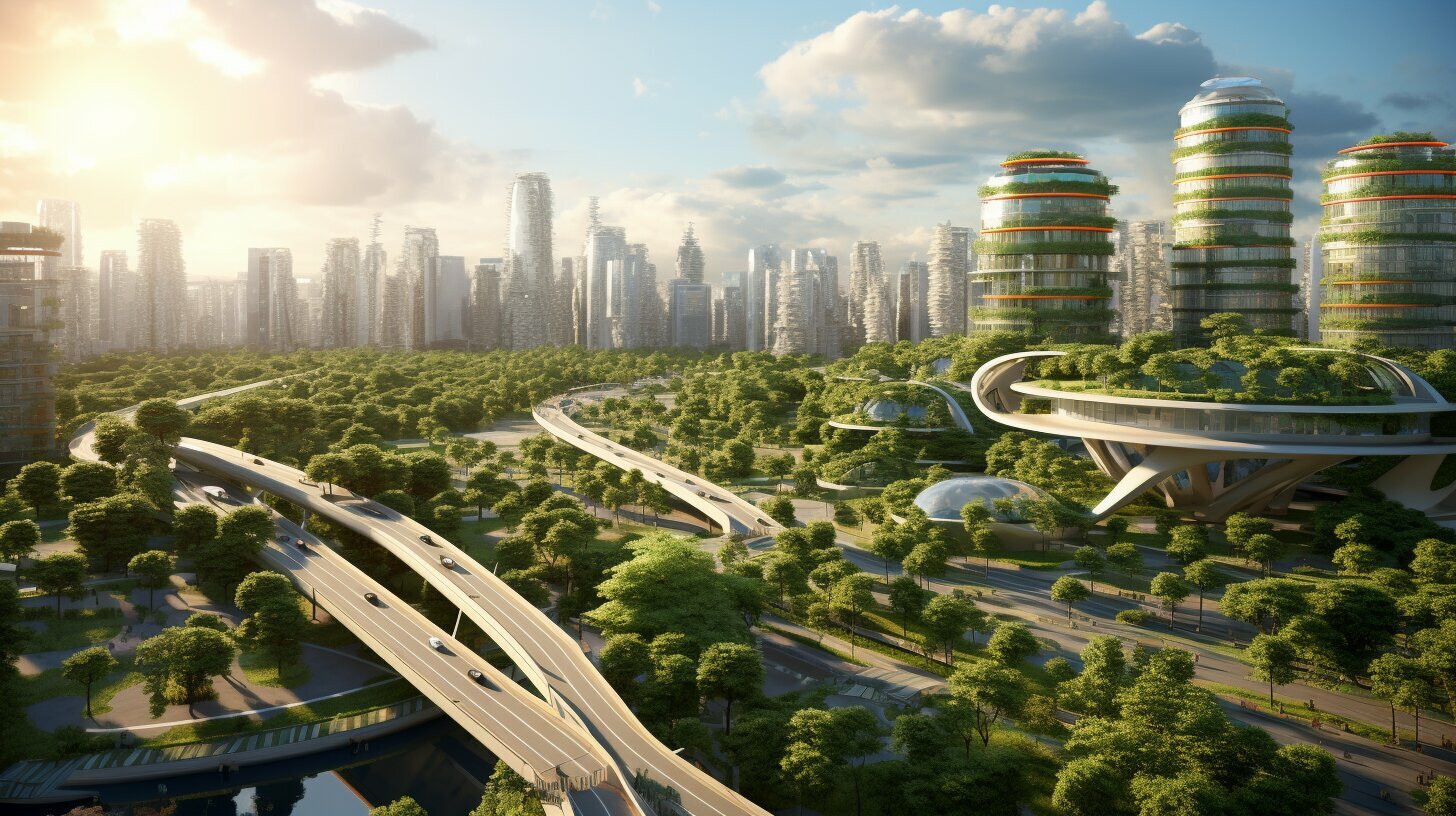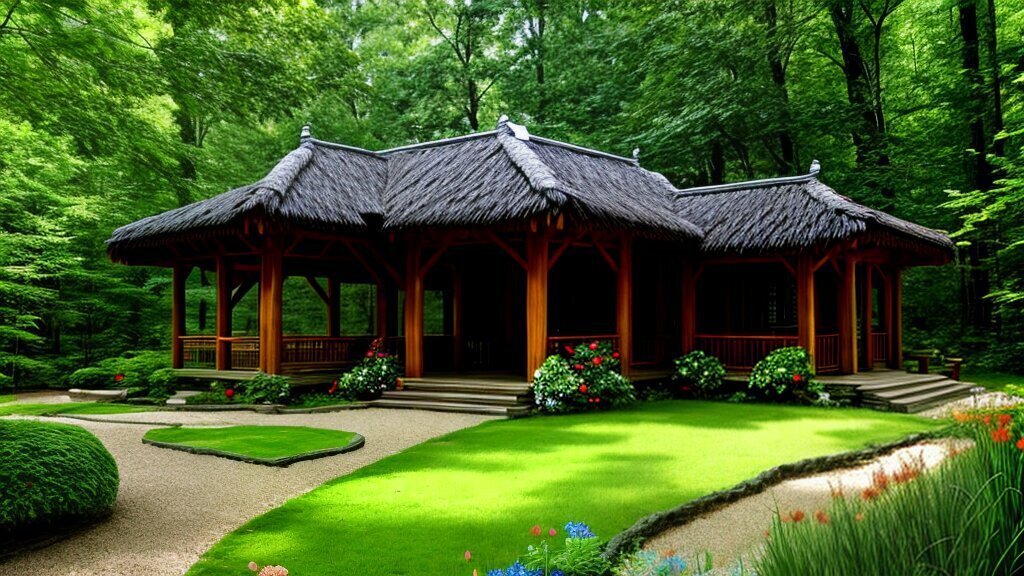





আদিবাসী জ্ঞান এবং টেকসই স্থাপত্য: একটি বিশ্বব্যাপী দৃষ্টিকোণ
As the world continues to grapple with the effects of climate change, টেকসই স্থাপত্য has emerged as a crucial tool for mitigating its impact. At the heart of this movement lies the integration of indigenous knowledge with টেকসই নকশা এবং পরিবেশ বান্ধব নির্মাণ চর্চা।
Indigenous knowledge refers to the cumulative body of knowledge and skills developed by communities over generations through direct contact with the environment. This knowledge is deeply rooted in the natural world and reflects a holistic approach to sustainability that prioritizes long-term environmental health over short-term economic gain.
সঙ্গে দেশীয় জ্ঞান একীকরণ টেকসই আর্কিটেকচার আরও পরিবেশগতভাবে সচেতন ভবিষ্যতের দিকে বিশ্বব্যাপী পরিবর্তনের প্রতিনিধিত্ব করে। এটা গুরুত্বপূর্ণ ভূমিকা স্বীকার করে যে ঐতিহ্যগত বিল্ডিং কৌশল, সাংস্কৃতিকভাবে সংবেদনশীল স্থাপত্য, এবং সম্প্রদায়ের সংযুক্তি play in achieving sustainable building practices.
কী Takeaways:
- আদিবাসী জ্ঞান একটি গুরুত্বপূর্ণ উপাদান টেকসই আর্কিটেকচার.
- Sustainable architecture prioritizes long-term environmental health over short-term economic gain.
- টেকসই স্থাপত্যের সাথে দেশীয় জ্ঞানের একীকরণ আরও পরিবেশগতভাবে সচেতন ভবিষ্যতের দিকে বিশ্বব্যাপী পরিবর্তনের প্রতিনিধিত্ব করে।
ঐতিহ্যগত বিল্ডিং কৌশল এবং সাংস্কৃতিকভাবে সংবেদনশীল স্থাপত্য
কার্যকরী টেকসই স্থাপত্য উভয়ই বিবেচনা করে ঐতিহ্যগত বিল্ডিং কৌশল এবং সাংস্কৃতিক সংবেদনশীলতা, ছাড়াও সবুজ বিল্ডিং অনুশীলন. By incorporating these elements into the construction process, architects can promote the preservation of indigenous knowledge and create eco-friendly buildings that harmonize with the local environment.
ব্যবহার ঐতিহ্যগত বিল্ডিং কৌশল not only preserves cultural heritage but also contributes to sustainable architecture. For example, in many parts of the world, mud brick construction has been used for centuries due to its thermal properties, low cost, and availability. Architects can implement these methods and introduce innovations to create modern buildings that effectively manage heating and cooling without relying on energy-consuming systems.
সাংস্কৃতিক সংবেদনশীলতা টেকসই স্থাপত্যের প্রচারে একটি গুরুত্বপূর্ণ ভূমিকা পালন করে। স্থপতিদের অবশ্যই সাংস্কৃতিক অনুশীলন এবং বিশ্বাসকে সম্মান করতে হবে এবং স্থানীয় পরিবেশের সাথে সামঞ্জস্যপূর্ণ বিল্ডিং ডিজাইন করতে হবে। এর একটি উদাহরণ সাংস্কৃতিকভাবে সংবেদনশীল স্থাপত্য is the design of the Royal Palace in Phnom Penh, Cambodia. The structure fuses traditional Khmer architecture and French colonial influences, creating a building that reflects the history and culture of Cambodia while incorporating modern টেকসই নকশা উপাদান।
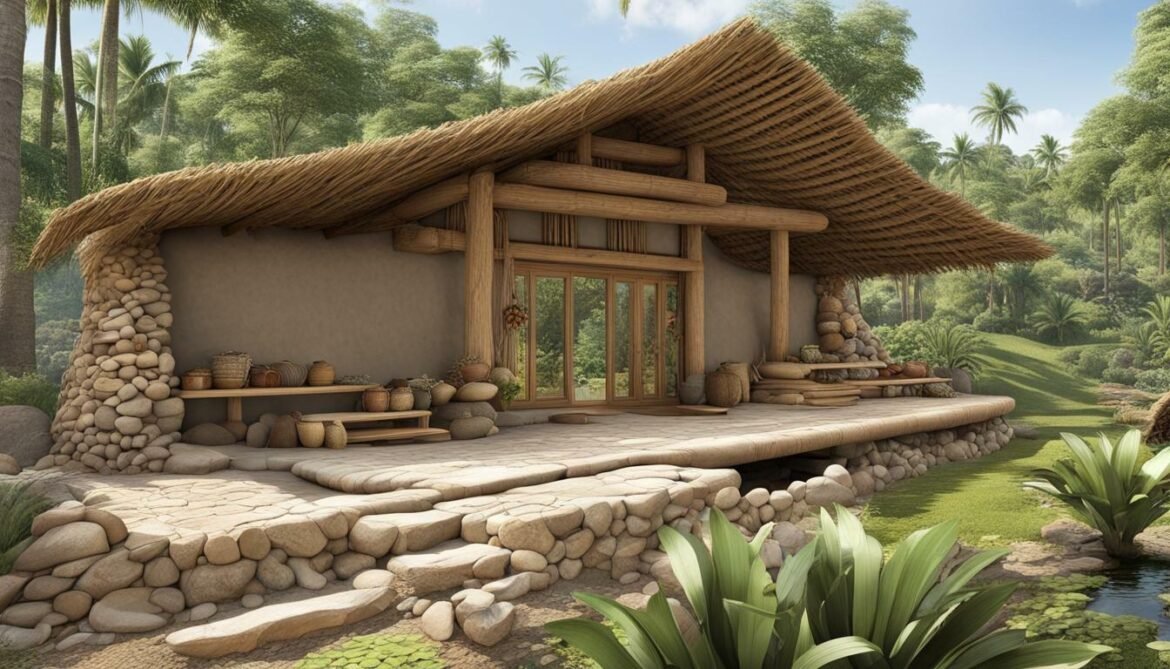
সবুজ বিল্ডিং অনুশীলন such as using locally sourced materials and creating buildings that are energy-efficient and recyclable are also important aspects of sustainable architecture. Not only do they reduce the environmental impact of construction, but they also contribute to the well-being of surrounding communities, by creating healthier and more comfortable living and working environments.
ঐতিহ্যগত বিল্ডিং কৌশল এবং কর্মে সাংস্কৃতিকভাবে সংবেদনশীল আর্কিটেকচার
ঐতিহ্যগত বিল্ডিং কৌশল ব্যবহার এবং সাংস্কৃতিকভাবে সংবেদনশীল স্থাপত্য is evident in the design of the Exploratorium museum in San Francisco, California. The museum, which is built on a pier in San Francisco Bay, features a roof structure that incorporates traditional shipbuilding techniques. The design also integrates sustainable elements, such as a natural ventilation system to reduce energy consumption.
Another example is the Community House in Pemba, Mozambique, designed by the nonprofit group I-Beam. The building uses traditional mud brick construction, and the design incorporates cultural elements, such as an open courtyard for community gatherings.
In conclusion, the integration of traditional building techniques and cultural sensitivities is key to promoting sustainable architecture. Architects who implement these practices can contribute to environmentally conscious construction and preservation of indigenous knowledge. By embracing সবুজ বিল্ডিং অনুশীলন এবং সাংস্কৃতিক ঐতিহ্যকে সম্মান করে, টেকসই স্থাপত্য একটি স্বাস্থ্যকর গ্রহ এবং সম্প্রদায়কে উন্নীত করতে পারে।
দেশীয় উপকরণ এবং টেকসই বিল্ডিং উপকরণ
টেকসই স্থাপত্যের একটি উল্লেখযোগ্য দিক হল এর ব্যবহার দেশীয় উপকরণ. দেশীয় উপকরণ যেগুলি স্থানীয়ভাবে পাওয়া যায়, টেকসইভাবে পাওয়া যায় এবং সম্প্রদায়ের কাছে সাংস্কৃতিকভাবে তাৎপর্যপূর্ণ। এই উপকরণগুলি শতাব্দী ধরে ব্যবহার করা হয়েছে এবং ঐতিহ্যগত বিল্ডিং কৌশলগুলির একটি অপরিহার্য অংশ। টেকসই বিল্ডিং উপকরণ, on the other hand, are those that have a minimal impact on the environment and promote ecological balance. Using both indigenous and টেকসই বিল্ডিং উপকরণ contributes to green building practices, reduces the carbon footprint of construction, and helps preserve natural resources.
এর ব্যবহার দেশীয় উপকরণ in sustainable architecture is not only environmentally friendly, but it also helps preserve the culture and identity of local communities. For example, in Kenya, the use of mud bricks and thatched roofing is common practice in টেকসই নির্মাণ. এটি সম্প্রদায়গুলিকে তাদের সাংস্কৃতিক ঐতিহ্য সংরক্ষণ করার পাশাপাশি অবদান রাখার অনুমতি দেয়৷ পরিবেশ বান্ধব নির্মাণ চর্চা।
| দেশীয় উপাদান | টেকসই বিল্ডিং উপাদান |
|---|---|
| বাঁশ | Recycled Plastic Lumber |
| রৌদ্রপক্ব ইষ্টক | পুনর্ব্যবহৃত ইস্পাত |
| পাথর | বায়ো-গ্লাস |
সেখানে বিভিন্ন হয় টেকসই বিল্ডিং উপকরণ ব্যবহারের জন্য উপলব্ধ, যেমন পুনর্ব্যবহৃত ইস্পাত এবং জৈব-গ্লাস, যা পরিবেশের উপর ন্যূনতম প্রভাব ফেলে। একটি অনন্য এবং টেকসই কাঠামো তৈরি করতে এই উপকরণগুলিকে দেশীয় নির্মাণ সামগ্রীর সাথেও একত্রিত করা যেতে পারে।
Using sustainable building materials also promotes water and energy conservation. For example, using insulation made from recycled materials helps reduce heating and cooling costs, while rainwater harvesting systems reduce water wastage.

সামগ্রিকভাবে, টেকসই স্থাপত্যে দেশীয় এবং টেকসই নির্মাণ সামগ্রীর ব্যবহার সবুজ বিল্ডিং অনুশীলন এবং সাংস্কৃতিক ঐতিহ্য সংরক্ষণের জন্য অপরিহার্য। এই উপকরণগুলি ব্যবহার করে, আমরা নির্মাণের কার্বন পদচিহ্ন কমাতে পারি, পরিবেশগত ভারসাম্যকে উন্নীত করতে পারি এবং প্রাকৃতিক সম্পদ সংরক্ষণ করতে পারি।
নবায়নযোগ্য শক্তি এবং টেকসই আর্কিটেকচার
নবায়নযোগ্য শক্তি sources are becoming increasingly popular in sustainable architecture, with the aim of reducing carbon emissions and achieving more environmentally friendly construction practices. By harnessing the power of natural resources, sustainable architecture can significantly reduce its impact on the environment.
একত্রিত নবায়নযোগ্য শক্তি sources such as solar power, wind turbines, and geothermal energy can provide sustainable buildings with a reliable and cost-effective source of energy. Solar panels, for instance, can be installed on rooftops or facades to generate electricity, reducing the reliance on non-নবায়নযোগ্য শক্তি সূত্র একইভাবে, বায়ু শক্তি উৎপন্ন করার জন্য বিল্ডিংয়ের নকশায় বায়ু টারবাইনগুলি একত্রিত করা যেতে পারে, যা সংরক্ষণ করা যেতে পারে এবং বিল্ডিংয়ের বিদ্যুতকে শক্তি দিতে ব্যবহার করা যেতে পারে।
ভূ-তাপীয় শক্তি হল আরেকটি নবায়নযোগ্য শক্তির উৎস যা টেকসই স্থাপত্যে ব্যবহার করা যেতে পারে। পৃথিবীর দ্বারা উত্পন্ন তাপে ট্যাপ করে, টেকসই বিল্ডিংগুলি শক্তি-নিবিড় গরম এবং কুলিং সিস্টেমের উপর নির্ভর না করে তাদের অন্দর তাপমাত্রা নিয়ন্ত্রণ করতে পারে। এটি বিল্ডিংয়ের শক্তি খরচ কমাতে সাহায্য করে এবং ফলস্বরূপ, এর কার্বন পদচিহ্ন কমিয়ে দেয়।
Integrating renewable energy sources into sustainable architecture is an important step towards achieving more environmentally friendly construction practices. By reducing the reliance on non-renewable energy sources, sustainable buildings can effectively combat climate change and contribute to a more sustainable future.

কমিউনিটি এনগেজমেন্ট এবং টেকসই আর্কিটেকচার
সম্প্রদায় প্রবৃত্তি টেকসই স্থাপত্যের একটি গুরুত্বপূর্ণ উপাদান এবং পরিবেশ বান্ধব নির্মাণ. যখন স্থানীয় সম্প্রদায়গুলি টেকসই বিল্ডিং প্রকল্পে জড়িত থাকে, তখন তারা উন্নয়নে মালিকানা এবং গর্ববোধ তৈরি করে, যার ফলে কাঠামোর আরও ভাল রক্ষণাবেক্ষণ এবং দীর্ঘায়ু হয়। মাধ্যম সম্প্রদায়ের সংযুক্তি, স্থপতি এবং নির্মাতারা নকশায় দেশীয় জ্ঞান এবং সাংস্কৃতিক ঐতিহ্যকে অন্তর্ভুক্ত করতে পারেন, যা প্রকল্পটিকে টেকসই এবং সাংস্কৃতিকভাবে সংবেদনশীল করে তোলে।
সম্প্রদায়ের সম্পৃক্ততা প্রক্রিয়ার অংশ হিসাবে, স্থপতি এবং নির্মাতাদের সক্রিয়ভাবে স্থানীয় বাসিন্দাদের মতামত এবং ইনপুট খোঁজা উচিত। এতে জনসাধারণের সভা করা বা সম্প্রদায়ের সদস্যদের প্রকল্পের নকশা সম্পর্কে প্রতিক্রিয়া জানাতে উত্সাহিত করার জন্য অনলাইন ফোরাম তৈরি করা জড়িত থাকতে পারে। সিদ্ধান্ত গ্রহণের প্রক্রিয়ায় সম্প্রদায়কে সম্পৃক্ত করার মাধ্যমে, চূড়ান্ত প্রকল্পের নকশাটি সম্প্রদায়ের চাহিদা, মূল্যবোধ এবং আকাঙ্ক্ষাগুলিকে আরও ভালভাবে পূরণ করতে পারে, যা শেষ পর্যন্ত প্রকল্পটির জন্য আরও বেশি সন্তুষ্টি এবং সমর্থনের দিকে পরিচালিত করে।
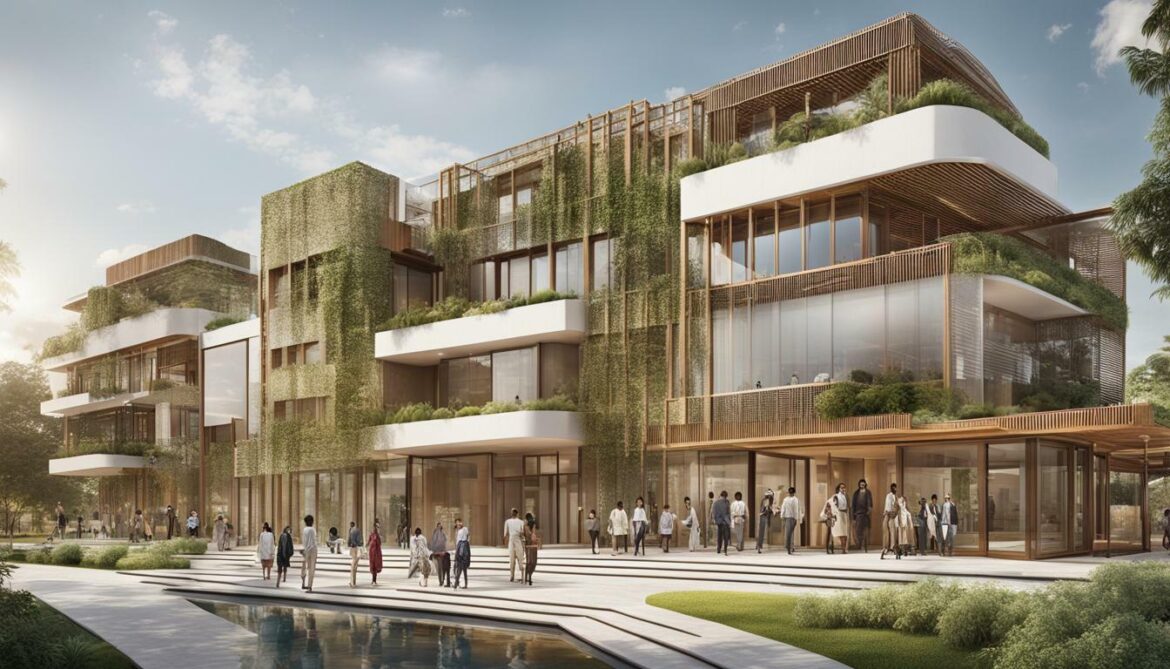
সফল সম্প্রদায়ের সম্পৃক্ততা সম্প্রদায়ের সাথে বিশ্বাস এবং শক্তিশালী সম্পর্ক গড়ে তোলা জড়িত। এটি স্থানীয় সংস্থাগুলির সাথে অংশীদারিত্ব স্থাপন, স্থানীয় শ্রমিকদের নিয়োগ এবং স্থানীয় উপকরণগুলিকে অগ্রাধিকার দেওয়ার অন্তর্ভুক্ত হতে পারে। তদুপরি, সম্প্রদায়ের প্রয়োজনীয়তা এবং মতামতগুলিকে ক্রমাগত বিবেচনায় নেওয়া হয় তা নিশ্চিত করে, প্রকল্পের পুরো জীবনকাল জুড়ে অর্থপূর্ণ সম্প্রদায়ের সম্পৃক্ততা অব্যাহত রাখা উচিত।
পরিশেষে, টেকসই স্থাপত্য তৈরির জন্য সম্প্রদায়ের সম্পৃক্ততা অপরিহার্য যা পরিবেশগত এবং সাংস্কৃতিক উভয় মূল্যবোধকে মূর্ত করে। স্থানীয় সম্প্রদায়ের সাথে যৌথভাবে কাজ করার মাধ্যমে, স্থপতি এবং নির্মাতারা এমন প্রকল্প তৈরি করতে পারেন যা পরিবেশ-বান্ধব এবং সাংস্কৃতিকভাবে সংবেদনশীল, সবার জন্য আরও টেকসই ভবিষ্যত নিশ্চিত করে।
কেস স্টাডিজ: অনুশীলনে দেশীয় জ্ঞান
সফল প্রকল্পগুলির বেশ কয়েকটি চমৎকার উদাহরণ রয়েছে যা একত্রিত হয় দেশীয় জ্ঞান এবং টেকসই স্থাপত্য. এরকম একটি প্রকল্প হল Osoyoos, British Columbia-এ Nk'Mip Desert Cultural Center, যেটি Osoyoos Indian Band-এর সংস্কৃতি ও ইতিহাস প্রদর্শনের জন্য ঐতিহ্যবাহী নির্মাণ কৌশল ব্যবহার করে।
কেন্দ্রের নকশায় পরিবেশ-বান্ধব নির্মাণ অনুশীলন অন্তর্ভুক্ত করা হয়েছে, যেমন স্থানীয়ভাবে উৎপাদিত উপকরণ ব্যবহার করা এবং প্রাকৃতিক আলোকে সর্বাধিক করা। লক্ষ্য ছিল এমন একটি ভবন তৈরি করা যা পরিবেশকে সম্মান করে এবং স্থানীয় সম্প্রদায়ের ঐতিহ্যের প্রতি শ্রদ্ধা জানায়।
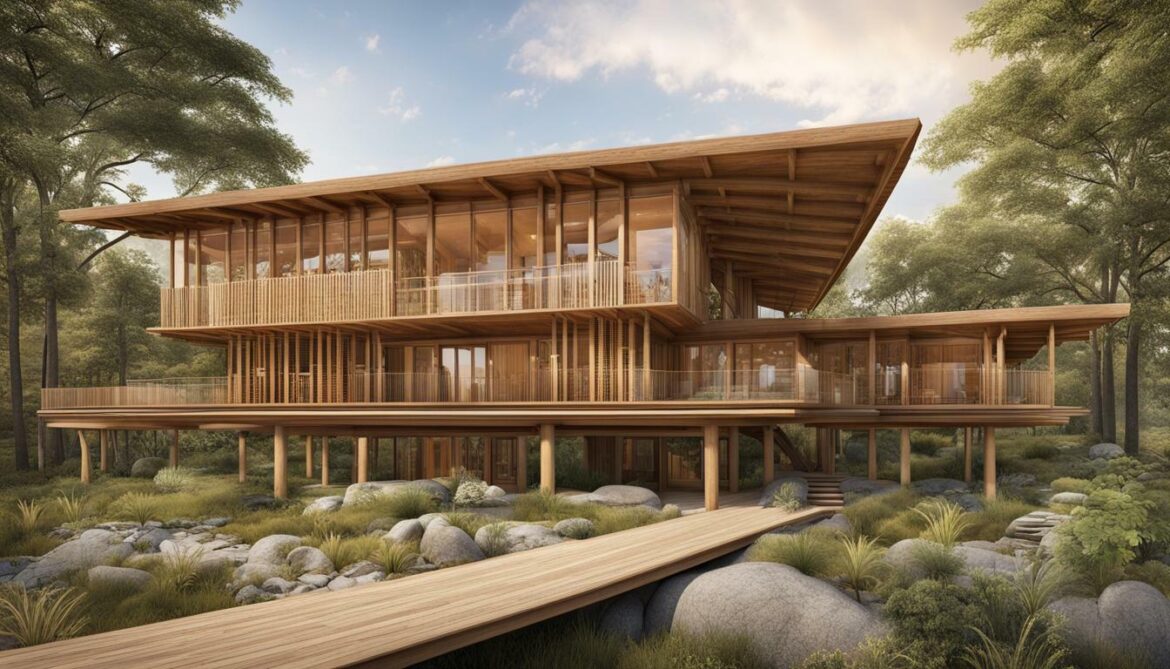
Another example is the Biesbosch Museum in the Netherlands, which was designed to blend in with the surrounding landscape and minimize its impact on the environment. The museum was constructed using sustainable building materials and renewable energy sources, such as solar panels and a ground source heat pump.
নকশা স্থানীয় বিল্ডিং ঐতিহ্য এবং এলাকার ইতিহাস অন্তর্ভুক্ত, সেইসাথে উদ্ভাবনী প্রদর্শন টেকসই নকশা অনুশীলন ফলাফল হল একটি বিল্ডিং যা শুধুমাত্র সুন্দর এবং কার্যকরী নয়, পরিবেশগতভাবেও দায়ী।
Finally, the Earthship Biotecture project in Taos, New Mexico, demonstrates how indigenous knowledge can be used to create sustainable, self-sufficient homes. These homes are constructed using recycled materials, such as old tires and glass bottles, and rely on renewable energy sources, such as solar and wind power.
The design of the Earthship homes incorporates traditional building techniques, such as passive solar heating and natural ventilation, to create a comfortable living environment without relying on fossil fuels. These homes are not only environmentally friendly but also affordable and accessible to people around the world.
এই কেস স্টাডিগুলি উদ্ভাবনী এবং প্রভাবশালী উপায়ে টেকসই স্থাপত্যের সাথে একীভূত হওয়ার জন্য দেশীয় জ্ঞানের সম্ভাবনা প্রদর্শন করে। আধুনিক পরিবেশ-বান্ধব নির্মাণ অনুশীলনের সাথে ঐতিহ্যগত বিল্ডিং কৌশলগুলিকে একত্রিত করে, আমরা এমন বিল্ডিং তৈরি করতে পারি যা পরিবেশকে সম্মান করে এবং স্থানীয় সম্প্রদায়ের সংস্কৃতিকে সম্মান করে।
আদিবাসী জ্ঞান এবং টেকসই স্থাপত্যের ভবিষ্যত
বিশ্বের একটি আরো টেকসই ভবিষ্যতের দিকে অগ্রসর হয়, এর একীকরণ দেশীয় জ্ঞান এবং টেকসই স্থাপত্য has the potential to play a vital role. There is a growing awareness of the importance of preserving indigenous knowledge and culture, and how it can be utilized in conjunction with sustainable design and eco-friendly construction practices.
এর ভবিষ্যত দেশীয় জ্ঞান এবং টেকসই স্থাপত্য looks promising, as more architects, builders and developers are recognizing the value of working with local communities and their traditional building techniques. By utilizing indigenous materials and renewable energy sources, as well as involving the community in the construction process, we can create more sustainable and environmentally conscious buildings.
One potential area for further advancement in sustainable design is the use of natural ventilation systems and passive solar design, which can reduce energy consumption and improve indoor air quality. Additionally, incorporating nature-based designs, such as green roofs and living walls, can improve the overall sustainability and aesthetic appeal of buildings.
টেকসই স্থাপত্যে দেশীয় জ্ঞানকে অন্তর্ভুক্ত করার ক্ষেত্রে যে চ্যালেঞ্জগুলি উদ্ভূত হতে পারে, যেমন যত্নশীল বিবেচনা এবং সাংস্কৃতিক অনুশীলন এবং ঐতিহ্যের প্রতি শ্রদ্ধার প্রয়োজন তা স্বীকার করা গুরুত্বপূর্ণ। যাইহোক, জড়িত সকল পক্ষের মধ্যে খোলা যোগাযোগ এবং সহযোগিতার মাধ্যমে, এই চ্যালেঞ্জগুলি অতিক্রম করা যেতে পারে এবং দেশীয় জ্ঞান এবং টেকসই স্থাপত্যের একীকরণের সুবিধাগুলি উপলব্ধি করা যেতে পারে।
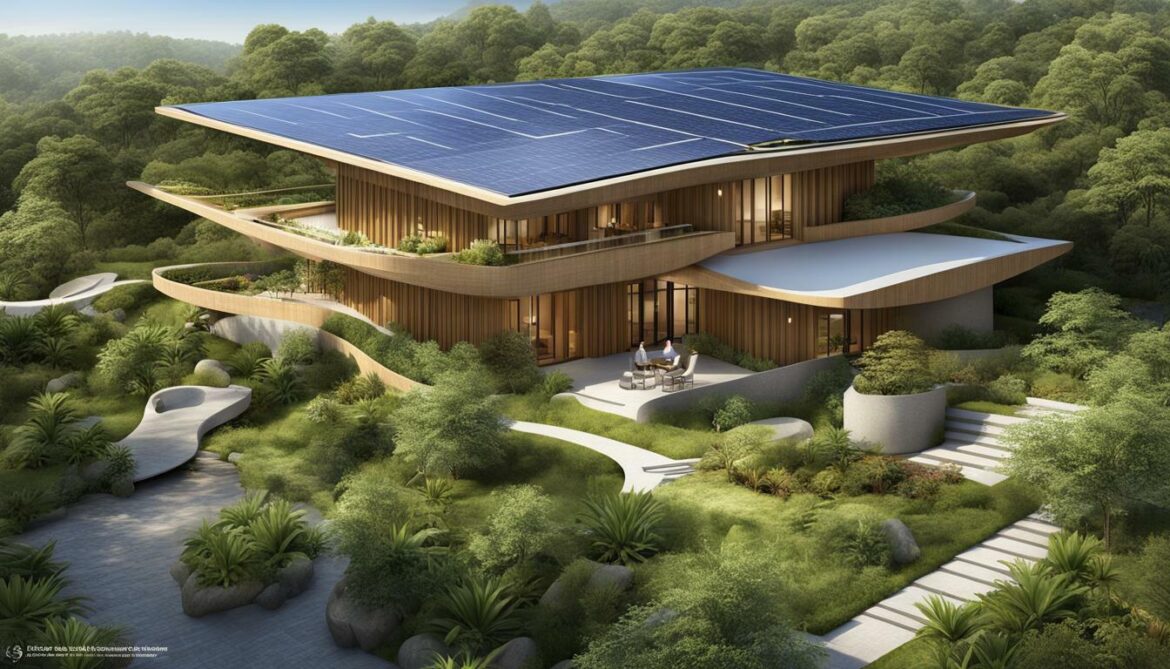
উপসংহারে, দেশীয় জ্ঞান এবং টেকসই স্থাপত্যের ভবিষ্যত আরও টেকসই এবং পরিবেশ সচেতন বিল্ডিং তৈরির জন্য প্রচুর সম্ভাবনা রাখে। ঐতিহ্যগত বিল্ডিং কৌশলগুলিকে অন্তর্ভুক্ত করে, দেশীয় উপকরণ এবং পুনর্নবীকরণযোগ্য শক্তির উত্সগুলি ব্যবহার করে এবং নির্মাণ প্রক্রিয়ায় সম্প্রদায়কে সম্পৃক্ত করে, আমরা এক সময়ে একটি বিল্ডিং আরও টেকসই ভবিষ্যতের দিকে এগিয়ে যেতে পারি।
উপসংহার
টেকসই স্থাপত্যের সাথে দেশীয় জ্ঞানকে অন্তর্ভুক্ত করা আরও পরিবেশগতভাবে সচেতন ভবিষ্যত অর্জনের জন্য অত্যন্ত গুরুত্বপূর্ণ। ঐতিহ্যগত বিল্ডিং কৌশল থেকে শুরু করে দেশীয় উপকরণ এবং নবায়নযোগ্য শক্তির উত্স ব্যবহার করা পর্যন্ত, টেকসই নকশা এবং পরিবেশ-বান্ধব নির্মাণ অনুশীলন স্থানীয় সংস্কৃতি সংরক্ষণ এবং কার্বন পদচিহ্ন কমাতে গুরুত্বপূর্ণ ভূমিকা পালন করে।
Community engagement is equally essential in sustainable architecture projects. Including the local communities in the decision-making process and empowering them to participate in the construction process contributes to the success of eco-friendly projects in the long run.
আদিবাসী জ্ঞান এবং টেকসই স্থাপত্যের ভবিষ্যত
As we look ahead, indigenous knowledge has a crucial role to play in sustainable architecture and design. By continuing to integrate traditional techniques with modern practices, we can create eco-friendly structures that not only reduce the impact on the environment but also contribute to the preservation of local cultures and traditions.
টেকসই নকশা এবং পরিবেশ বান্ধব নির্মাণ অনুশীলনে আরও অগ্রগতির একটি উল্লেখযোগ্য সম্ভাবনা রয়েছে। নবায়নযোগ্য শক্তির উত্সের শক্তিকে কাজে লাগিয়ে এবং টেকসই বিল্ডিং উপকরণ ব্যবহার করে, আমরা আগামী প্রজন্মের জন্য একটি সবুজ ভবিষ্যত তৈরি করতে পারি।
Overall, the integration of indigenous knowledge with sustainable architecture is a powerful tool for fostering environmental sustainability and preserving cultural heritage. Through community engagement, innovative design, and collaborative efforts, we can create a better, more sustainable world.
FAQ
প্রশ্ন: দেশীয় জ্ঞান এবং টেকসই স্থাপত্যের সাথে এর সম্পর্ক কী?
উত্তর: আদিবাসী জ্ঞান বলতে বোঝায় প্রজ্ঞা, দক্ষতা এবং অনুশীলনগুলি যা নির্দিষ্ট সংস্কৃতির মধ্যে প্রজন্মের মধ্যে দিয়ে চলে গেছে। টেকসই স্থাপত্যের সাথে একত্রিত হলে, এটি পরিবেশ-বান্ধব নির্মাণ কৌশল এবং উপকরণ ব্যবহারের উপর জোর দেয়, ডিজাইনের জন্য আরও টেকসই এবং পরিবেশগতভাবে সচেতন পদ্ধতির প্রচার করে।
প্রশ্ন: ঐতিহ্যগত বিল্ডিং কৌশলগুলি কীভাবে টেকসই স্থাপত্যে অবদান রাখে?
A: Traditional building techniques have been developed over centuries and are often rooted in sustainable practices. These techniques utilize locally available materials and emphasize the efficient use of resources. By incorporating them into modern architectural designs, we can reduce the ecological footprint of construction and preserve indigenous knowledge.
প্রশ্ন: দেশীয় উপকরণ কী এবং কীভাবে তারা টেকসই বিল্ডিং অনুশীলনে অবদান রাখে?
উত্তর: দেশীয় উপকরণ হল স্থানীয়ভাবে উৎসারিত উপকরণ যা একটি অঞ্চলের প্রাকৃতিক সম্পদকে প্রতিফলিত করে। এই উপকরণগুলির মধ্যে অ্যাডোব, বাঁশ বা ছোলার মতো পদার্থ রয়েছে। দেশীয় উপকরণ ব্যবহার করে, আমরা সম্পদ-নিবিড় উত্পাদন প্রক্রিয়ার প্রয়োজনীয়তা কমাতে পারি এবং পরিবহন খরচ কমাতে পারি, টেকসই স্থাপত্যকে আরও অ্যাক্সেসযোগ্য করে তুলতে পারি।
প্রশ্ন: নবায়নযোগ্য শক্তি কীভাবে টেকসই স্থাপত্যে ভূমিকা পালন করে?
A: Renewable energy sources, such as solar power or wind energy, provide opportunities to reduce the reliance on non-renewable resources. By incorporating renewable energy systems into architectural designs, buildings can produce their own clean energy, making them more self-sufficient and environmentally friendly.
প্রশ্ন: কেন টেকসই স্থাপত্যে সম্প্রদায়ের সম্পৃক্ততা গুরুত্বপূর্ণ?
উত্তর: টেকসই স্থাপত্যে সম্প্রদায়ের সম্পৃক্ততা অত্যন্ত গুরুত্বপূর্ণ কারণ এটি মালিকানা এবং সহযোগিতার বোধ বৃদ্ধি করে। নকশা এবং নির্মাণ প্রক্রিয়ায় স্থানীয় সম্প্রদায়কে সম্পৃক্ত করার মাধ্যমে, প্রকল্পগুলি বিল্ডিংয়ের দীর্ঘমেয়াদী সাফল্য এবং স্থায়িত্ব নিশ্চিত করে এলাকার অনন্য চাহিদা এবং উদ্বেগগুলিকে আরও ভালভাবে সমাধান করতে পারে।
প্রশ্ন: আপনি বাস্তবে দেশীয় জ্ঞানের উদাহরণ দিতে পারেন?
A: Certainly! One example is the use of traditional building techniques, like rammed earth construction, in modern sustainable architecture. Another example is the incorporation of indigenous materials, such as bamboo, in eco-friendly buildings. These case studies highlight the successful integration of indigenous knowledge into sustainable design and construction practices.
প্রশ্ন: দেশীয় জ্ঞান এবং টেকসই স্থাপত্যের জন্য ভবিষ্যত কী আছে?
A: The future looks promising for the integration of indigenous knowledge and sustainable architecture. As awareness grows about the importance of environmental conservation, there is a greater emphasis on sustainable and eco-friendly practices. Indigenous knowledge plays a vital role in this movement, and we can expect further advancements in sustainable design and construction as we continue to learn from indigenous wisdom.