



জলবায়ু পরিবর্তনের জন্য স্থিতিস্থাপক নকশা: চরম আবহাওয়া ইভেন্টের জন্য বিল্ডিং
Welcome to our latest article on resilient design for climate change and building for extreme weather events. In recent years, the world has witnessed an increasing frequency of natural disasters and extreme weather events, which are attributed to the effects of climate change. Resilient design is a sustainable approach that aims to create buildings and communities that are adaptable to changing climatic conditions.
The need for resilient design has become more critical than ever as the climate continues to change and pose a threat to the safety and wellbeing of communities. In this article, we explore the concept of resilient design and its principles, the role of urban planning and policy, and case studies of successful projects. We will also discuss the importance of evaluating risk and vulnerability and engaging with communities in building resilience.
কী Takeaways:
- স্থিতিস্থাপক নকশা চরম আবহাওয়া ঘটনা এবং জলবায়ু পরিবর্তনের প্রভাবগুলির জন্য নির্মাণের একটি টেকসই পদ্ধতি।
- The principles of resilient design include climate responsive design and eco-friendly design.
- জলবায়ু সহনশীল সম্প্রদায় তৈরির জন্য স্থিতিস্থাপক নগর পরিকল্পনা এবং নীতি অপরিহার্য।
- ঝুঁকি এবং দুর্বলতা মূল্যায়ন করা এবং সম্প্রদায়ের সাথে জড়িত হওয়া স্থিতিস্থাপকতা তৈরির গুরুত্বপূর্ণ উপাদান।
- স্থিতিস্থাপক ডিজাইন কেস স্টাডিগুলি সফল প্রকল্পগুলিকে হাইলাইট করে যা মূল বৈশিষ্ট্য এবং কৌশলগুলি বাস্তবায়ন করেছে।
জলবায়ু স্থিতিস্থাপকতা বোঝা
Climate resilience is the capacity of buildings, communities, and ecosystems to adapt to changing climatic conditions and withstand extreme weather events. As the world faces the challenges of climate change, it is increasingly important to implement climate adaptation measures that can enhance resilience and reduce vulnerability.
জলবায়ু অভিযোজন involves the systematic implementation of strategies and actions to reduce the adverse impacts of climate change. This can include measures such as redesigning buildings and infrastructure to withstand extreme weather events, developing early warning systems, and implementing land-use planning that considers climate change impacts.
There are several climate change solutions that can be adopted to enhance resilience. These include:
- Green Infrastructure: integrating green spaces, such as parks and green roofs, into urban design to improve climate resilience.
- Renewable Energy: implementing clean energy solutions such as solar and wind power to reduce greenhouse gas emissions and increase energy independence.
- Water Management: developing strategies to manage water resources in the face of climate change impacts such as flooding and drought.
By adopting these and other solutions, buildings and communities can become more resilient to the impacts of climate change and ensure a sustainable future for generations to come.
"আমাদের প্রতিকূলতাকে সুযোগে পরিণত করার ক্ষমতা যা আমাদের স্থিতিস্থাপকতার পথে রাখবে।"
- জুডিথ রডিন
স্থিতিস্থাপক নকশা নীতি
জলবায়ু পরিবর্তনের জন্য স্থিতিস্থাপক নকশা বিভিন্ন নীতির উপর নির্ভর করে যা বিল্ডিংগুলিকে পরিবর্তনশীল আবহাওয়ার ধরণগুলির সাথে খাপ খাইয়ে নিতে সক্ষম করে। জলবায়ু প্রতিক্রিয়াশীল নকশা এবং পরিবেশ-বান্ধব নকশা স্থিতিস্থাপক নকশার দুটি গুরুত্বপূর্ণ স্তম্ভ।
জলবায়ু প্রতিক্রিয়াশীল নকশা
Climate responsive design involves designing buildings that can adapt to the local climate. This includes incorporating features that can harness natural light and ventilation, utilizing materials that can withstand extreme temperatures, and using shading devices to reduce heat gain. By tailoring the design of buildings to the climate, they can become more efficient and less reliant on energy-intensive cooling and heating systems.
উপরন্তু, জলবায়ু প্রতিক্রিয়াশীল নকশা ভবনগুলিকে চরম আবহাওয়ার ঘটনাগুলি সহ্য করতে সাহায্য করতে পারে। উদাহরণস্বরূপ, হারিকেন প্রবণ এলাকায় অবস্থিত বাড়িগুলি উচ্চ বাতাস এবং বন্যা থেকে ক্ষতি কমানোর জন্য হারিকেন-প্রতিরোধী জানালা, চাঙ্গা ছাদের কাঠামো এবং উঁচু ভিত্তি অন্তর্ভুক্ত করতে পারে।
ইকো-ফ্রেন্ডলি ডিজাইন
Eco-friendly design focuses on creating buildings that have minimal environmental impact. This can be achieved by using sustainable materials, incorporating renewable energy sources, and reducing energy consumption. By reducing the carbon footprint of buildings, eco-friendly design not only benefits the environment, but can also lead to cost savings for building owners in the long run.
Moreover, eco-friendly design can enhance the resilience of buildings by reducing their reliance on external energy sources. In the event of a power outage caused by an extreme weather event, buildings with sustainable energy sources such as solar panels can continue to operate, ensuring continuity of critical services.
জলবায়ু পরিবর্তনের জন্য স্থিতিস্থাপক নকশা নিশ্চিত করতে গুরুত্বপূর্ণ যে ভবনগুলি চরম আবহাওয়ার ঘটনাগুলির দ্বারা সৃষ্ট চ্যালেঞ্জগুলির সাথে মোকাবিলা করতে সক্ষম। জলবায়ু প্রতিক্রিয়াশীল নকশা এবং পরিবেশ-বান্ধব নকশা নীতিগুলি অন্তর্ভুক্ত করে, ভবনগুলি আরও অভিযোজিত, দক্ষ এবং টেকসই হয়ে উঠতে পারে।

নগর পরিকল্পনায় স্থিতিস্থাপকতাকে একীভূত করা
স্থিতিস্থাপক নগর পরিকল্পনা জলবায়ু-সহনশীল সম্প্রদায় তৈরির জন্য একটি গুরুত্বপূর্ণ কৌশল। নগর পরিকল্পনায় স্থিতিস্থাপকতাকে একীভূত করার মাধ্যমে, সম্প্রদায়গুলি সম্ভাব্য ঝুঁকিগুলি চিহ্নিত করতে পারে এবং তাদের প্রশমিত করার জন্য উপযুক্ত কৌশল বিকাশ করতে পারে। স্থিতিস্থাপক নগর পরিকল্পনার প্রাথমিক বিবেচনাগুলির মধ্যে একটি হল পরিবেশগত, সামাজিক এবং অর্থনৈতিক উদ্বেগের ভারসাম্য বজায় রাখা।
Strategies for resilient urban planning should be tailored to the specific needs of a community. This may involve identifying vulnerable populations, critical infrastructure, and natural resources. For example, in flood-prone areas, resilient urban planning may involve ensuring that critical infrastructure such as hospitals and emergency services are located outside of flood zones.
Community engagement is an essential component of resilient urban planning. Engaging with stakeholders can help to ensure that resilience strategies are appropriate, effective, and accepted by the community. This may involve conducting public consultations, engaging with community groups, and involving residents in the planning process.
স্থিতিস্থাপক নগর পরিকল্পনার জন্য কৌশল
নগর পরিকল্পনায় স্থিতিস্থাপকতাকে একীভূত করার জন্য বিভিন্ন কৌশল ব্যবহার করা যেতে পারে:
| কৌশল | বিবরণ |
|---|---|
| সবুজ অবকাঠামো | This strategy involves using natural systems such as wetlands and forests to mitigate the impacts of climate change. Green infrastructure can help to reduce flood risk, improve air quality, and enhance জীব বৈচিত্র্য. |
| ভূমি ব্যবহার পরিকল্পনা | এতে ঝুঁকিপূর্ণ এলাকাগুলি সুরক্ষিত আছে তা নিশ্চিত করার জন্য জমি কীভাবে ব্যবহার করা হয় তা পরিচালনা করা জড়িত। উদাহরণস্বরূপ, ভূমি ব্যবহারের পরিকল্পনার সাথে বন্যা বা ভূমিধসের ঝুঁকিপূর্ণ এলাকায় উন্নয়ন সীমাবদ্ধ করা জড়িত থাকতে পারে। |
| বিল্ডিং কোড এবং মান | দৃঢ় বিল্ডিং কোড এবং স্ট্যান্ডার্ডগুলি জলবায়ু পরিবর্তনের প্রভাব সহ্য করার জন্য ভবনগুলি তৈরি করা হয়েছে তা নিশ্চিত করতে সাহায্য করতে পারে। এর জন্য কাঠামোগুলিকে বন্যার স্তরের উপরে উন্নীত করা বা উচ্চ বাতাস সহ্য করার জন্য ডিজাইন করা প্রয়োজন। |
স্থিতিস্থাপক নগর পরিকল্পনা একটি বিকশিত ক্ষেত্র, এবং নতুন কৌশল এবং পন্থা ক্রমাগত বিকাশ করা হচ্ছে। যেহেতু সম্প্রদায়গুলি জলবায়ু পরিবর্তনের দ্বারা সৃষ্ট চ্যালেঞ্জগুলির মোকাবেলা করে চলেছে, স্থিতিস্থাপক নগর পরিকল্পনা টেকসই এবং স্থিতিস্থাপক নির্মিত পরিবেশ তৈরিতে ক্রমবর্ধমান গুরুত্বপূর্ণ ভূমিকা পালন করবে।
জলবায়ু সহনশীল পরিকাঠামো ডিজাইন করা
Designing climate resilient infrastructure is key to ensuring the longevity and resilience of our built environments. Sustainable architecture plays a critical role in achieving this goal, as it seeks to minimize the environmental impact of buildings and infrastructure while maximising their efficiency and adaptability.
A key consideration in designing climate resilient infrastructure is to incorporate passive design strategies that work with the surrounding environment to regulate temperature, lighting, and ventilation. This can include orientation of buildings to take advantage of natural light and shading, as well as the use of high-performance glazing and building materials that can reduce the need for artificial lighting and heating.
In addition, incorporating green spaces and vegetation into the design of infrastructure can help to reduce the urban heat island effect and improve air quality. Green roofs and walls can also provide insulation and reduce the amount of stormwater runoff, helping to mitigate flooding and erosion.
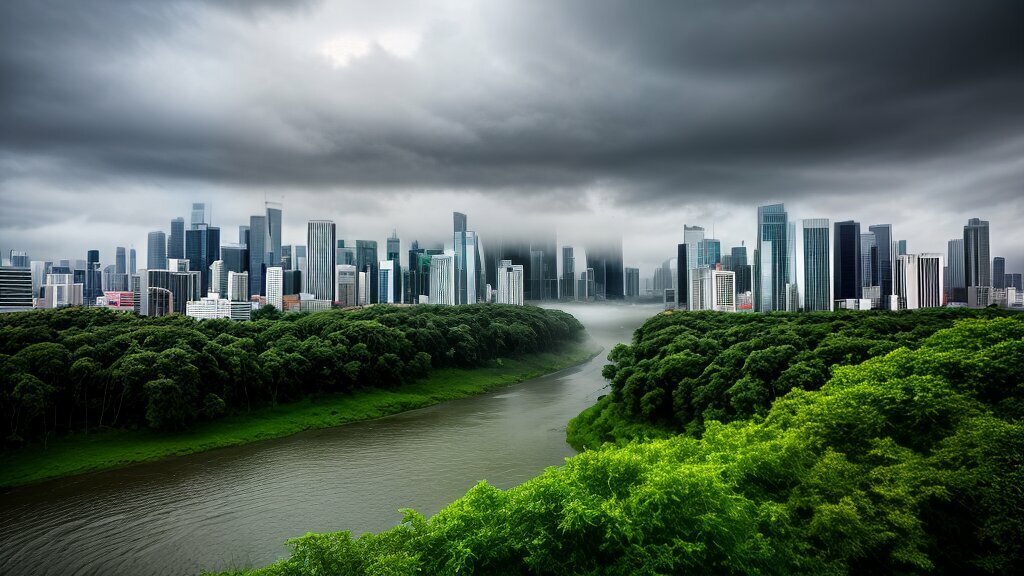
জলবায়ু সহনশীল অবকাঠামোর একটি উদ্ভাবনী উদাহরণ হল আমস্টারডামের এজ বিল্ডিং, যাকে বিশ্বের সবচেয়ে সবুজ অফিস ভবন হিসেবে ডাকা হয়েছে। ভবনটিতে বিভিন্ন ধরণের টেকসই নকশা এর মধ্যে রয়েছে সৌর প্যানেল, ছাদে লাগানো উইন্ড টারবাইন এবং বৃষ্টির পানি সংগ্রহের ব্যবস্থা যা টয়লেট এবং সেচের জন্য পানি সরবরাহ করে। ভবনটিতে স্মার্ট সেন্সর এবং নিয়ন্ত্রণ ব্যবহার করা হয়েছে যা দখলের ধরণ এবং আবহাওয়ার অবস্থার উপর ভিত্তি করে শক্তির ব্যবহার সর্বোত্তম করে তোলে।
Another example is the Jewel Changi Airport in Singapore, which features a striking glass dome that houses a lush forest valley, a waterfall, and walking trails, providing a retreat from the bustling airport environment. The dome incorporates advanced engineering and environmental technologies to regulate temperature and humidity, and to provide natural lighting and ventilation.
Designing climate resilient infrastructure requires innovative thinking and a commitment to sustainability. By incorporating eco-friendly design strategies and technologies, we can create buildings and infrastructure that are not only resilient to the impacts of climate change, but also enhance the wellbeing of their occupants and the surrounding environment.
ঝুঁকি এবং দুর্বলতা মূল্যায়ন
জলবায়ু পরিবর্তনের প্রভাবগুলি আরও ঘন ঘন এবং গুরুতর হয়ে উঠলে, ভবন এবং সম্প্রদায়ের ঝুঁকি এবং দুর্বলতা মূল্যায়ন করা অত্যন্ত গুরুত্বপূর্ণ। ঝুঁকি মূল্যায়ন এবং দুর্বলতা বিশ্লেষণ সম্ভাব্য প্রভাব সনাক্তকরণ এবং উপযুক্ত স্থিতিস্থাপক কৌশল বিকাশের জন্য অপরিহার্য সরঞ্জাম।
ঝুঁকি মূল্যায়নের মধ্যে রয়েছে বিপদগুলি চিহ্নিত করা, তাদের সংঘটনের সম্ভাবনা অনুমান করা এবং সম্ভাব্য পরিণতিগুলি মূল্যায়ন করা। অন্যদিকে, দুর্বলতা বিশ্লেষণ চিহ্নিত বিপদের জন্য ভবন এবং সম্প্রদায়ের সংবেদনশীলতার উপর দৃষ্টি নিবদ্ধ করে। একটি দুর্বলতা বিশ্লেষণ পরিচালনা করে, আমরা বিল্ডিং এবং সম্প্রদায়গুলির শক্তি এবং দুর্বলতাগুলি সনাক্ত করতে পারি এবং তাদের স্থিতিস্থাপকতা বাড়ানোর জন্য ব্যবস্থাগুলি বিকাশ করতে পারি।
The process of evaluating risk and vulnerability is complex and requires the involvement of multiple stakeholders, including architects, urban planners, engineers, and local communities. It is essential to consider a range of climate change scenarios, including both immediate and long-term impacts, to ensure that resilience strategies are effective in the face of an uncertain future.
ঝুঁকি মূল্যায়ন গুরুত্ব
ঝুঁকি মূল্যায়ন জলবায়ু পরিবর্তনের জন্য স্থিতিস্থাপক নকশার একটি গুরুত্বপূর্ণ উপাদান। সম্ভাব্য বিপদগুলি চিহ্নিত করে এবং তাদের সম্ভাবনা এবং পরিণতিগুলি মূল্যায়ন করে, আমরা তাদের প্রভাবগুলি প্রশমিত করতে এবং বিল্ডিং এবং সম্প্রদায়গুলির স্থিতিস্থাপকতা বাড়ানোর জন্য কৌশলগুলি বিকাশ করতে পারি।
For example, in coastal areas, a risk assessment may identify the potential for flooding and storm surge as a significant hazard. By understanding the likelihood and potential magnitude of these events, architects and planners can develop strategies to reduce the risk of damage to buildings and infrastructure, such as elevating buildings above flood levels and designing stormwater management systems that can cope with extreme rainfall events.
নিয়মিত ঝুঁকি মূল্যায়ন এবং দুর্বলতা বিশ্লেষণ পরিচালনার মাধ্যমে, স্থপতি, নগর পরিকল্পনাবিদ এবং প্রকৌশলীরা জলবায়ু পরিবর্তনের প্রভাব মোকাবেলা করার জন্য আরও ভালভাবে প্রস্তুত বিল্ডিং এবং সম্প্রদায়গুলিকে বক্ররেখার থেকে এগিয়ে থাকতে পারেন।

চরম আবহাওয়া ইভেন্টের জন্য বিল্ডিং
জলবায়ু পরিবর্তনের ফলে হারিকেন, বন্যা এবং তাপপ্রবাহের মতো চরম আবহাওয়ার ঘটনাগুলির ফ্রিকোয়েন্সি এবং তীব্রতা বৃদ্ধি পেয়েছে। এই ধরনের ঘটনার জন্য বিল্ডিং একটি স্থিতিস্থাপক নকশা প্রয়োজন যা এই প্রাকৃতিক দুর্যোগের প্রভাব প্রতিরোধ করতে পারে।
স্থিতিস্থাপক বিল্ডিং ডিজাইনে চরম আবহাওয়ার পরিস্থিতি মোকাবেলা করার জন্য কাঠামোর ক্ষমতা বাড়ানোর জন্য বিভিন্ন বৈশিষ্ট্য এবং কৌশল অন্তর্ভুক্ত করা জড়িত। এই বৈশিষ্ট্য অন্তর্ভুক্ত:
| বৈশিষ্ট্য | বিবরণ |
|---|---|
| মজবুত ভিত্তি | নিশ্চিত করুন যে বিল্ডিংটি দৃঢ়ভাবে মাটিতে নোঙর করা আছে এবং বন্যার পানি বা প্রবল বাতাসের প্রভাব সহ্য করতে পারে। |
| মজবুত উপকরণ | এমন উপকরণ ব্যবহার করুন যা চরম আবহাওয়ার বিরুদ্ধে প্রতিরোধী, যেমন রিইনফোর্সড কংক্রিট বা ধাতব ছাদ। |
| ভাল নিরোধক এবং বায়ুচলাচল | নিশ্চিত করুন যে বিল্ডিংগুলি ভালভাবে উত্তাপযুক্ত এবং বায়ুচলাচল রয়েছে যাতে শক্তি খরচ কম হয় এবং বাসিন্দাদের জন্য একটি আরামদায়ক পরিবেশ প্রদান করা যায়। |
| ব্যাকআপ পাওয়ার সিস্টেম | ব্যাকআপ পাওয়ার সিস্টেমগুলি অন্তর্ভুক্ত করুন যেমন জেনারেটর বা ব্যাটারি স্টোরেজ নিশ্চিত করতে প্রয়োজনীয় পরিষেবা যেমন লাইফ সাপোর্ট ইকুইপমেন্ট বা আলো বিদ্যুৎ বিভ্রাটের সময় ব্যাহত না হয়। |
বিল্ডিংয়ের অবস্থান এবং অভিযোজন বিবেচনা করাও গুরুত্বপূর্ণ। বন্যা বা ভূমিধসের ঝুঁকি কমানোর জন্য কাঠামো স্থাপন করা উচিত, পাশাপাশি প্রাকৃতিক বৈশিষ্ট্য যেমন ছায়া এবং বিরাজমান বাতাসের সুবিধা গ্রহণ করে চরম আবহাওয়ার পরিস্থিতিতে তাদের স্থিতিস্থাপকতা বাড়াতে হবে।
সামগ্রিকভাবে, স্থিতিস্থাপক বিল্ডিং ডিজাইন এমন কাঠামো তৈরির জন্য গুরুত্বপূর্ণ যা জলবায়ু পরিবর্তন এবং চরম আবহাওয়ার ঘটনাগুলির প্রভাব মোকাবেলা করতে পারে। বিল্ডিং ডিজাইনে এই বৈশিষ্ট্যগুলি এবং কৌশলগুলিকে অন্তর্ভুক্ত করে, আমরা আরও টেকসই এবং স্থিতিস্থাপক বিল্ট পরিবেশ তৈরি করতে সহায়তা করতে পারি।
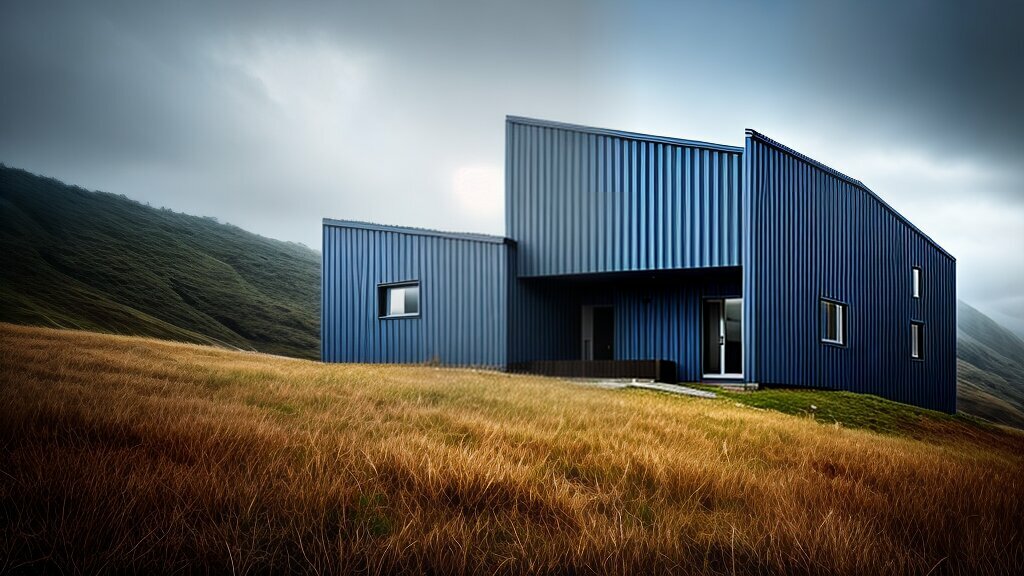
সম্প্রদায়ের স্থিতিস্থাপকতা বৃদ্ধি করা
Community resilience is a crucial aspect of building for climate change. It involves creating communities that can withstand the impacts of extreme weather events and other climate-related challenges. Community resilience is achieved through a combination of physical, social, and economic measures that enhance the ability of communities to adapt and recover from shocks and stresses.
সফল স্থিতিস্থাপকতা কৌশলগুলি বিকাশ এবং বাস্তবায়নের জন্য সম্প্রদায়ের সাথে জড়িত হওয়া অপরিহার্য। একটি অংশগ্রহণমূলক পদ্ধতি যা সিদ্ধান্ত গ্রহণের প্রক্রিয়ায় সম্প্রদায়ের সদস্যদের জড়িত করে তা আরও কার্যকর এবং টেকসই ফলাফলের দিকে নিয়ে যেতে পারে। এটি সম্প্রদায়ের সদস্যদের মধ্যে আস্থা ও মালিকানা গড়ে তুলতেও সাহায্য করে, যা স্থিতিস্থাপক প্রচেষ্টার দীর্ঘমেয়াদী সাফল্যের জন্য অত্যন্ত গুরুত্বপূর্ণ।
সম্প্রদায়ের স্থিতিস্থাপকতা বিভিন্ন পদক্ষেপের সাথে জড়িত, যার মধ্যে রয়েছে:
- সবুজ অবকাঠামো নির্মাণ এবং প্রাকৃতিক ইকোসিস্টেম উন্নত করা
- সামাজিক নেটওয়ার্ক এবং সম্প্রদায় সমর্থন সিস্টেম উন্নয়নশীল
- স্থানীয় ব্যবসা এবং অর্থনীতি সমর্থন
- স্বাস্থ্যসেবা, শিক্ষা এবং অন্যান্য প্রয়োজনীয় পরিষেবাগুলিতে অ্যাক্সেসের উন্নতি করা
সম্প্রদায়ের স্থিতিস্থাপকতা বাড়ানোর মাধ্যমে, আমরা আরও টেকসই, ন্যায়সঙ্গত এবং বাসযোগ্য সম্প্রদায় তৈরি করতে পারি যা ভবিষ্যতের চ্যালেঞ্জগুলির জন্য আরও ভালভাবে প্রস্তুত।
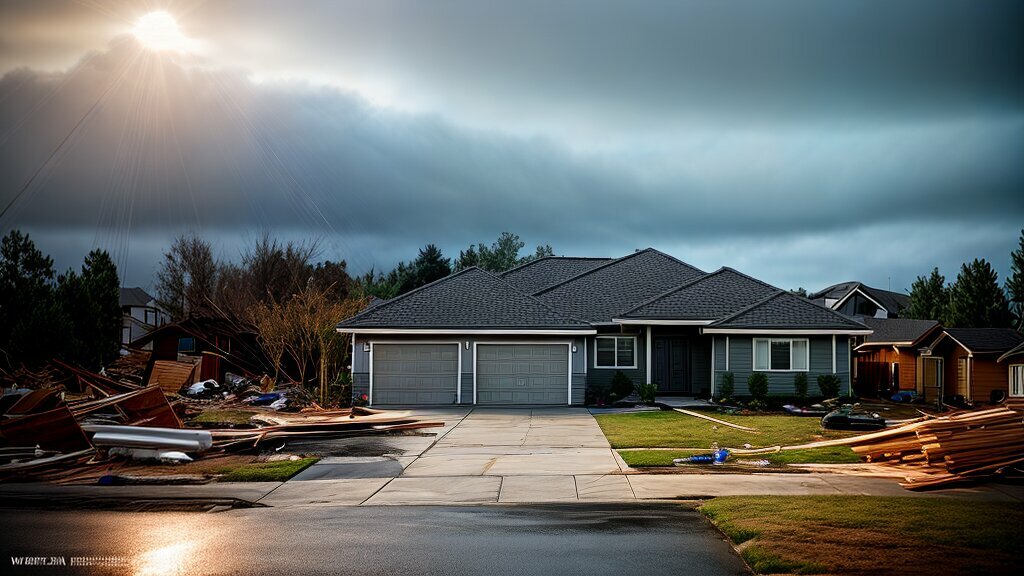
“যখন আমরা স্থিতিস্থাপকতা তৈরি করার বিষয়ে চিন্তা করি, তখন এটি কেবল পাবার কথা নয়। এটি চ্যালেঞ্জের মুখে উন্নতি লাভের বিষয়ে।"
নীতি ও নিয়ন্ত্রণের ভূমিকা
কার্যকর নীতি এবং প্রবিধান জলবায়ু পরিবর্তনের জন্য স্থিতিস্থাপক নকশা প্রচারের মূল চালক। জলবায়ু পরিবর্তন নীতি এবং বিল্ডিং কোড টেকসই এবং স্থিতিস্থাপক নির্মিত পরিবেশ তৈরির জন্য একটি কাঠামো প্রদান করতে পারে। এই নীতিগুলি ভবন এবং অবকাঠামোর জন্য কর্মক্ষমতা মান নির্ধারণ করতে পারে, এবং উদ্ভাবনী প্রযুক্তি এবং উপকরণের ব্যবহারকে প্রচার করতে পারে।
বিল্ডিং কোডগুলির জন্য স্থিতিস্থাপকতা ব্যবস্থাগুলি বাস্তবায়নেরও প্রয়োজন হতে পারে, যেমন বন্যা-প্রতিরোধী উপকরণের ব্যবহার বা ব্যাকআপ পাওয়ার উত্সগুলির ইনস্টলেশন। কার্যকরভাবে নীতি ও প্রবিধান বাস্তবায়নের মাধ্যমে, সরকার স্থিতিস্থাপক নকশা অনুশীলন গ্রহণের জন্য একটি সক্ষম পরিবেশ তৈরি করতে পারে।
স্থিতিস্থাপকতায় বেসরকারি খাতের বিনিয়োগকে উৎসাহিত করার জন্য প্রবিধানগুলিও একটি শক্তিশালী হাতিয়ার হতে পারে। উদাহরণস্বরূপ, গ্রিন বন্ডগুলি স্থিতিস্থাপকতা ব্যবস্থার অর্থায়নের জন্য ব্যবহার করা যেতে পারে, বিনিয়োগকারীদেরকে টেকসই প্রকল্পগুলিকে সমর্থন করার পাশাপাশি আর্থিক রিটার্ন তৈরি করার উপায় প্রদান করে।
It is important to note that comprehensive climate change policies and regulations are necessary to ensure widespread adoption of resilience measures. Without effective policies and regulations, there may be limited incentive for stakeholders to invest in resilience, resulting in a less resilient built environment.

ছবির উৎস: seowriting.ai
কেস স্টাডিজ: সফল স্থিতিস্থাপক ডিজাইন প্রকল্প
জলবায়ু পরিবর্তনের জন্য স্থিতিস্থাপক নকশা শুধুমাত্র একটি তাত্ত্বিক ধারণা নয়, বরং একটি বাস্তব সমাধান যা বিশ্বের বিভিন্ন অংশে বাস্তবায়িত হচ্ছে। এখানে সফল স্থিতিস্থাপক নকশা প্রকল্পের কিছু উদাহরণ রয়েছে যা চিত্তাকর্ষক ফলাফল অর্জন করেছে:
| প্রকল্প | অবস্থান | বিবরণ |
|---|---|---|
| একটি সেন্ট্রাল পার্ক | সিডনি, অস্ট্রেলিয়া | This mixed-use development features a cantilevered heliostat that reflects sunlight into the building and provides natural light and shading. The project also includes vertical gardens that enhance the building’s thermal performance and absorb carbon dioxide. |
| এজ | আমস্টারডাম, নেদারল্যান্ড | এই অফিস বিল্ডিংটি শক্তি খরচ অপ্টিমাইজ করতে এবং এর কার্বন পদচিহ্ন কমাতে বিভিন্ন ধরনের স্মার্ট প্রযুক্তি ব্যবহার করে। এটিতে বৃষ্টির জল সংগ্রহের ব্যবস্থাও রয়েছে যা সেচ এবং টয়লেট ফ্লাশ করার জন্য জল সরবরাহ করে। বিল্ডিংটি 98.4% এর BREEAM স্কোর অর্জন করেছে, যা এখন পর্যন্ত দেওয়া সর্বোচ্চ। |
| ম্যানহাটনের ইস্ট সাইড কোস্টাল রেজিলিয়েন্সি প্রজেক্ট | নিউ ইয়র্ক সিটি, ইউ এস এ | This project aims to protect Manhattan’s east side from future coastal flooding by creating new parks and berms. The design incorporates principles of nature-based solutions, such as dunes and wetlands, to absorb wave energy and reduce flood risk. |
| The Climate Innovation District | লিডসযুক্তরাজ্যের | This sustainable housing development features energy-efficient homes that are built to Passivhaus standards. The project also includes green spaces and electric vehicle charging points to promote sustainable living. |
স্থিতিস্থাপক নকশা প্রকল্পগুলির এই উদাহরণগুলি টেকসই এবং জলবায়ু-স্থিতিস্থাপক বিল্ডিং এবং সম্প্রদায়গুলি তৈরি করার সম্ভাবনা প্রদর্শন করে। একটি স্থিতিস্থাপক নকশা পদ্ধতি অবলম্বন করে, আমরা জলবায়ু পরিবর্তনের প্রভাবগুলি হ্রাস করতে পারি এবং আরও টেকসই ভবিষ্যত তৈরি করতে পারি।

উপসংহার
জলবায়ু পরিবর্তনের জন্য স্থিতিস্থাপক নকশা আগের চেয়ে এখন আরও গুরুত্বপূর্ণ। চরম আবহাওয়ার ঘটনাগুলি আরও ঘন ঘন এবং গুরুতর হয়ে উঠলে, এটি অপরিহার্য যে আমরা নির্মাণ এবং নগর পরিকল্পনার জন্য একটি টেকসই পদ্ধতি অবলম্বন করি। জলবায়ু স্থিতিস্থাপকতা বোঝা এবং স্থিতিস্থাপক নকশার নীতিগুলি প্রয়োগ করে, আমরা এমন বিল্ডিং এবং সম্প্রদায়গুলি তৈরি করতে পারি যা জলবায়ু পরিস্থিতির পরিবর্তনের সাথে খাপ খাইয়ে নিতে পারে।
নগর পরিকল্পনায় স্থিতিস্থাপকতাকে একীভূত করা, জলবায়ু সহনশীল পরিকাঠামো ডিজাইন করা এবং ঝুঁকি ও দুর্বলতার মূল্যায়ন এই প্রক্রিয়ার সমস্ত গুরুত্বপূর্ণ পদক্ষেপ। চরম আবহাওয়া ইভেন্টের জন্য বিল্ডিং যত্নশীল বিবেচনা এবং স্থিতিস্থাপক বিল্ডিং নকশা বৈশিষ্ট্য বাস্তবায়ন প্রয়োজন. সম্প্রদায়গুলির সাথে তাদের স্থিতিস্থাপকতা বাড়ানোর জন্য এবং স্থিতিস্থাপকতা ব্যবস্থার ব্যাপক গ্রহণযোগ্যতা নিশ্চিত করার জন্য ব্যাপক নীতি, বিল্ডিং কোড এবং প্রবিধান গ্রহণ করাও গুরুত্বপূর্ণ।
অব্যাহত স্থিতিস্থাপকতা প্রচেষ্টা
উপস্থাপিত কেস স্টাডিতে যেমন দেখানো হয়েছে, সফল স্থিতিস্থাপক নকশা প্রকল্পগুলি সম্ভব এবং বিভিন্ন সেটিংসে প্রয়োগ করা যেতে পারে। যাইহোক, জলবায়ু পরিবর্তনের প্রভাব সহ্য করতে পারে এমন টেকসই এবং স্থিতিস্থাপক তৈরি পরিবেশ তৈরি করার জন্য অব্যাহত প্রচেষ্টা প্রয়োজন। নিজেদের এবং ভবিষ্যৎ প্রজন্মের জন্য আরও স্থিতিস্থাপক ভবিষ্যত নিশ্চিত করার জন্য প্রয়োজনীয় পদক্ষেপ নেওয়া আমাদের ওপর নির্ভর করে।
FAQ
প্রশ্ন: জলবায়ু পরিবর্তনের জন্য স্থিতিস্থাপক নকশা কি?
উত্তর: জলবায়ু পরিবর্তনের জন্য স্থিতিস্থাপক নকশা বলতে বোঝায় কাঠামো নির্মাণ এবং ডিজাইন করার পদ্ধতি যা চরম আবহাওয়ার ঘটনা এবং জলবায়ু পরিবর্তনের কারণে সৃষ্ট চ্যালেঞ্জের সাথে মানিয়ে নিতে পারে।
প্রশ্ন: চরম আবহাওয়ার ঘটনাগুলির জন্য কেন একটি টেকসই পদ্ধতি গুরুত্বপূর্ণ?
A: A sustainable approach is crucial in building for extreme weather events as it allows for the creation of environmentally-friendly structures that minimize their impact on the climate and enhance their resilience to changing climatic conditions.
প্রশ্ন: জলবায়ু স্থিতিস্থাপকতা কি?
উত্তর: জলবায়ু স্থিতিস্থাপকতা একটি বিল্ডিং বা সম্প্রদায়ের জলবায়ু পরিবর্তনের প্রভাবগুলি সহ্য করার এবং বাউন্স করার ক্ষমতাকে বোঝায়, যার মধ্যে রয়েছে চরম আবহাওয়া ঘটনাগুলি। এতে অভিযোজনযোগ্যতা বাড়ানো এবং দুর্বলতা কমানোর ব্যবস্থা বাস্তবায়ন করা জড়িত।
প্রশ্ন: স্থিতিস্থাপক ডিজাইনের নীতিগুলি কী কী?
উত্তর: স্থিতিস্থাপক নকশার নীতিগুলির মধ্যে রয়েছে জলবায়ু প্রতিক্রিয়াশীল নকশা, যা নিশ্চিত করে যে ভবনগুলি পরিবর্তিত জলবায়ু পরিস্থিতির সাথে খাপ খাইয়ে নেওয়ার জন্য ডিজাইন করা হয়েছে এবং পরিবেশ বান্ধব নকশা, যা টেকসই উপকরণ এবং অনুশীলনের ব্যবহারকে জোর দেয়।
প্রশ্ন: স্থিতিস্থাপকতা কীভাবে নগর পরিকল্পনায় একীভূত করা যায়?
A: Resilience can be integrated into urban planning through the adoption of strategies that consider the impacts of climate change and prioritize the creation of climate resilient communities. This can involve incorporating green infrastructure, designing efficient transportation systems, and promoting sustainable land use.
প্রশ্ন: কেন জলবায়ু স্থিতিস্থাপক অবকাঠামো ডিজাইন করা গুরুত্বপূর্ণ?
A: Designing climate resilient infrastructure is crucial as it ensures that buildings and structures can withstand extreme weather events and adapt to changing climatic conditions. Sustainable architecture plays a key role in achieving climate resilience by promoting the use of innovative design strategies and technologies.
প্রশ্ন: জলবায়ু পরিবর্তনের ক্ষেত্রে ঝুঁকি এবং দুর্বলতা কীভাবে মূল্যায়ন করা হয়?
উত্তর: জলবায়ু পরিবর্তনের সাথে সম্পর্কিত ঝুঁকি এবং দুর্বলতাগুলি ঝুঁকি মূল্যায়ন এবং দুর্বলতা বিশ্লেষণের মতো প্রক্রিয়াগুলির মাধ্যমে মূল্যায়ন করা হয়। এর মধ্যে সম্ভাব্য প্রভাবগুলি চিহ্নিত করা, ভবন এবং সম্প্রদায়ের দুর্বলতা মূল্যায়ন করা এবং উপযুক্ত স্থিতিস্থাপক কৌশল বিকাশ করা জড়িত।
প্রশ্ন: চরম আবহাওয়ার ঘটনাগুলির জন্য নির্মাণের ক্ষেত্রে কী বিবেচনা জড়িত?
উত্তর: চরম আবহাওয়ার ঘটনাগুলির জন্য বিল্ডিং তৈরিতে বিল্ডিং উপকরণ, কাঠামোগত নকশা এবং অবস্থানের মতো বিষয়গুলি বিবেচনা করা হয়। স্থিতিস্থাপক বিল্ডিং নকশা নিশ্চিত করতে গুরুত্বপূর্ণ যে কাঠামোগুলি চরম আবহাওয়ার ঘটনাগুলির প্রভাব সহ্য করতে এবং পুনরুদ্ধার করতে পারে।
প্রশ্ন: সম্প্রদায়ের স্থিতিস্থাপকতা কি?
উত্তর: সম্প্রদায়ের স্থিতিস্থাপকতা একটি সম্প্রদায়ের জলবায়ু পরিবর্তনের প্রভাবগুলি মোকাবেলা করার এবং পুনরুদ্ধার করার ক্ষমতাকে বোঝায়। কমিউনিটির নির্দিষ্ট চাহিদা এবং চ্যালেঞ্জ মোকাবেলা করে এমন স্থিতিস্থাপকতা কৌশল বিকাশ ও বাস্তবায়নে সম্প্রদায়ের অংশগ্রহণ এবং অংশগ্রহণ অপরিহার্য।
প্রশ্ন: স্থিতিস্থাপক নকশা প্রচারে নীতি ও নিয়ন্ত্রণের ভূমিকা কী?
উত্তর: জলবায়ু পরিবর্তনের জন্য স্থিতিস্থাপক নকশা প্রচারে নীতি এবং প্রবিধান একটি গুরুত্বপূর্ণ ভূমিকা পালন করে। বিস্তৃত জলবায়ু পরিবর্তন নীতি, বিল্ডিং কোড, এবং প্রবিধানগুলি স্থিতিস্থাপকতা ব্যবস্থার ব্যাপক গ্রহণ এবং টেকসই নির্মিত পরিবেশ সৃষ্টি নিশ্চিত করার জন্য প্রয়োজনীয়।
প্রশ্ন: আপনি সফল স্থিতিস্থাপক নকশা প্রকল্পের উদাহরণ প্রদান করতে পারেন?
উত্তর: হ্যাঁ, বিশ্বজুড়ে অসংখ্য সফল স্থিতিস্থাপক নকশা প্রকল্প রয়েছে। এই প্রকল্পগুলি উদ্ভাবনী কৌশল এবং বৈশিষ্ট্যগুলি প্রদর্শন করে যা জলবায়ু পরিবর্তনের প্রভাবের মুখে বিল্ডিং এবং সম্প্রদায়ের স্থিতিস্থাপকতা বাড়ানোর জন্য প্রয়োগ করা হয়েছে।