



জিম্বাবুয়ে শীর্ষ সবুজ বিল্ডিং
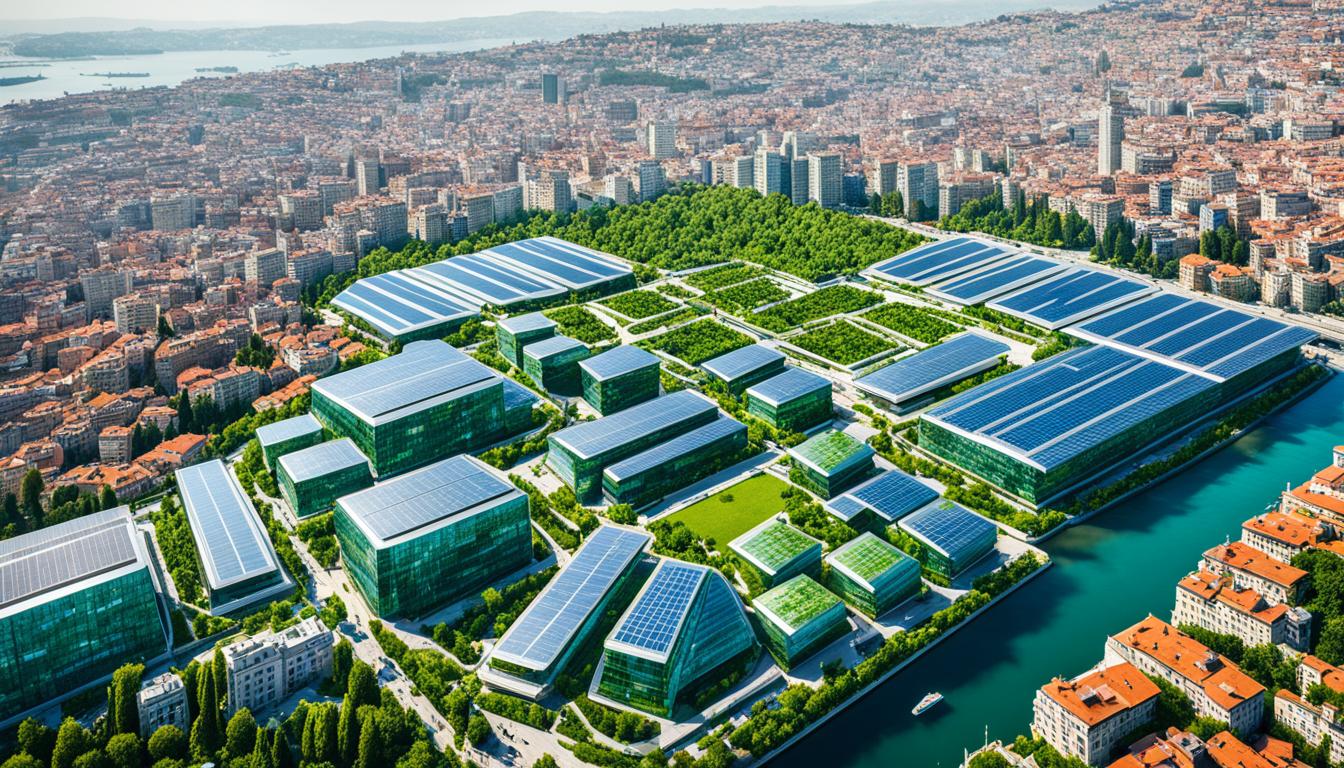
Zimbabwe is a country that has embraced sustainable architecture and eco-friendly construction practices. With a focus on energy efficiency and environmentally friendly design principles, Zimbabwe has become a hub for সবুজ ভবন যে অগ্রাধিকার টেকসই উন্নয়ন. এই নিবন্ধে, আমরা জিম্বাবুয়ের শীর্ষস্থানীয় কিছু অন্বেষণ করব সবুজ ভবন, তাদের তাদের টেকসই নকশা features, and their contribution to a more sustainable future.
- Zimbabwe is home to impressive examples of sustainable architecture and সবুজ ভবন.
- এই বিল্ডিংগুলি উদ্ভাবনী নকশা এবং শক্তি-দক্ষ বৈশিষ্ট্যগুলিকে অন্তর্ভুক্ত করে।
- জিম্বাবুয়ের সবুজ বিল্ডিং অবদান টেকসই উন্নয়ন এবং একটি আরো পরিবেশ বান্ধব ভবিষ্যত।
- জিম্বাবুয়ের শীর্ষ সবুজ ভবন অগ্রাধিকার টেকসই নির্মাণ অনুশীলন and eco-friendly materials.
- এই কাঠামোগুলি মোকাবেলায় একটি গুরুত্বপূর্ণ ভূমিকা পালন করে জলবায়ু পরিবর্তন এবং গ্রিনহাউস গ্যাস নির্গমন হ্রাস.
বায়োমিমিক্রির শীতল বিকল্প: জিম্বাবুয়ের ইস্টগেট কেন্দ্র
The Eastgate Centre in Harare, Zimbabwe, is a prime example of green architecture and sustainable design. This building, designed by architect Mick Pearce in collaboration with Arup engineers, uses biomimicry principles inspired by the self-cooling mounds of African termites. By mimicking the termites’ ventilation system, the Eastgate Centre is able to regulate its temperature without relying on conventional air conditioning or heating. The building’s design also incorporates টেকসই বিল্ডিং উপকরণ, এটি একটি শক্তি-দক্ষ এবং পরিবেশ বান্ধব কাঠামো তৈরি করে।
ইস্টগেট সেন্টারের মূল বৈশিষ্ট্যগুলির মধ্যে একটি হল এর উদ্ভাবনী বায়ুচলাচল ব্যবস্থা, যা উইপোকা ঢিপি দ্বারা অনুপ্রাণিত। উইপোকা ঢিপির মতোই, বিল্ডিংটিতে একটি ধারা এবং ফ্লু রয়েছে যা বায়ুকে স্বাভাবিকভাবে সঞ্চালন করতে দেয়। শীতল রাতে, তাজা বাতাস ভবনের মধ্যে টানা হয় এবং অভ্যন্তরীণ স্থান জুড়ে সঞ্চালিত হয়। দিনের বেলা তাপমাত্রা বাড়ার সাথে সাথে উষ্ণ বায়ু ভেন্টের মাধ্যমে বহিষ্কৃত হয়, একটি প্রাকৃতিক শীতল প্রভাব তৈরি করে।
“The Eastgate Centre is a remarkable example of how biomimicry can revolutionize architecture and design,” says architect Mick Pearce. “By emulating nature’s ingenuity, we can create sustainable and energy-efficient buildings that have a minimal impact on the environment.”
এর বায়োমিমিক্রি-অনুপ্রাণিত বায়ুচলাচল ব্যবস্থা ছাড়াও, ইস্টগেট সেন্টারও অন্তর্ভুক্ত করে টেকসই বিল্ডিং উপকরণ. The use of locally sourced materials, such as brick and concrete, reduces the building’s carbon footprint. The design also prioritizes natural lighting and ventilation, further reducing the need for artificial lighting and air conditioning.
ভবনের ডিজাইনারদের মতে, ইস্টগেট সেন্টারের শক্তি-দক্ষ নকশা উল্লেখযোগ্য খরচ সঞ্চয় হয়েছে. বিল্ডিংটি অনুরূপ আকারের একটি ঐতিহ্যবাহী শীতাতপ নিয়ন্ত্রিত ভবন দ্বারা ব্যবহৃত শক্তির প্রায় 10% ব্যবহার করে। এটি শুধুমাত্র অপারেটিং খরচ কমায় না বরং আরও টেকসই এবং পরিবেশ বান্ধব বিল্ডিংয়ে অবদান রাখে।
ইস্টগেট সেন্টার তার টেকসই নকশার জন্য বিশ্বব্যাপী স্বীকৃতি পেয়েছে এবং জিম্বাবুয়ে এবং তার বাইরেও শক্তি-দক্ষ ভবনের মডেল হয়ে উঠেছে। বায়োমিমিক্রি নীতিগুলির উদ্ভাবনী ব্যবহার এবং টেকসই বিল্ডিং উপকরণ আরও টেকসই ভবিষ্যত তৈরি করতে পরিবেশ সচেতন স্থাপত্যের সম্ভাব্যতা প্রদর্শন করে।
| ইস্টগেট কেন্দ্রের মূল বৈশিষ্ট্য | উপকারিতা |
|---|---|
| বায়োমিমিক্রি-অনুপ্রাণিত বায়ুচলাচল ব্যবস্থা | - শক্তি খরচ হ্রাস - প্রাকৃতিক শীতল প্রভাব - খরচ বাঁচানো |
| টেকসই বিল্ডিং উপকরণ ব্যবহার | - নিম্ন কার্বন পদচিহ্ন - পরিবেশগত ভাবে নিরাপদ - সম্পদ খরচ হ্রাস |
| প্রাকৃতিক আলো এবং বায়ুচলাচল অগ্রাধিকার | - কৃত্রিম আলো এবং এয়ার কন্ডিশনার হ্রাস – Improved indoor air quality - বর্ধিত বাসিন্দা আরাম |
সবুজ ভবন: জিম্বাবুয়েতে জলবায়ু পরিবর্তন মোকাবেলা করা
সবুজ ভবন ঠিকানা একটি গুরুত্বপূর্ণ ভূমিকা পালন করে জলবায়ু পরিবর্তন এবং প্রচার টেকসই নির্মাণ অনুশীলন in Zimbabwe. Traditional buildings contribute significantly to greenhouse gas emissions and consume a substantial amount of energy. Green buildings, on the other hand, prioritize energy efficiency, the use of eco-friendly technologies, and sustainable building practices.
জিম্বাবুয়েতে ক্রমবর্ধমান চাহিদা রয়েছে টেকসই রেট্রোফিটিং বিদ্যমান ভবন এবং গ্রহণ পরিবেশ বান্ধব প্রযুক্তি এর প্রভাব প্রশমিত করতে জলবায়ু পরিবর্তন. By retrofitting buildings with energy-efficient systems and incorporating renewable energy sources, such as solar panels and geothermal heating, Zimbabwe can reduce its carbon footprint and decrease reliance on fossil fuels.
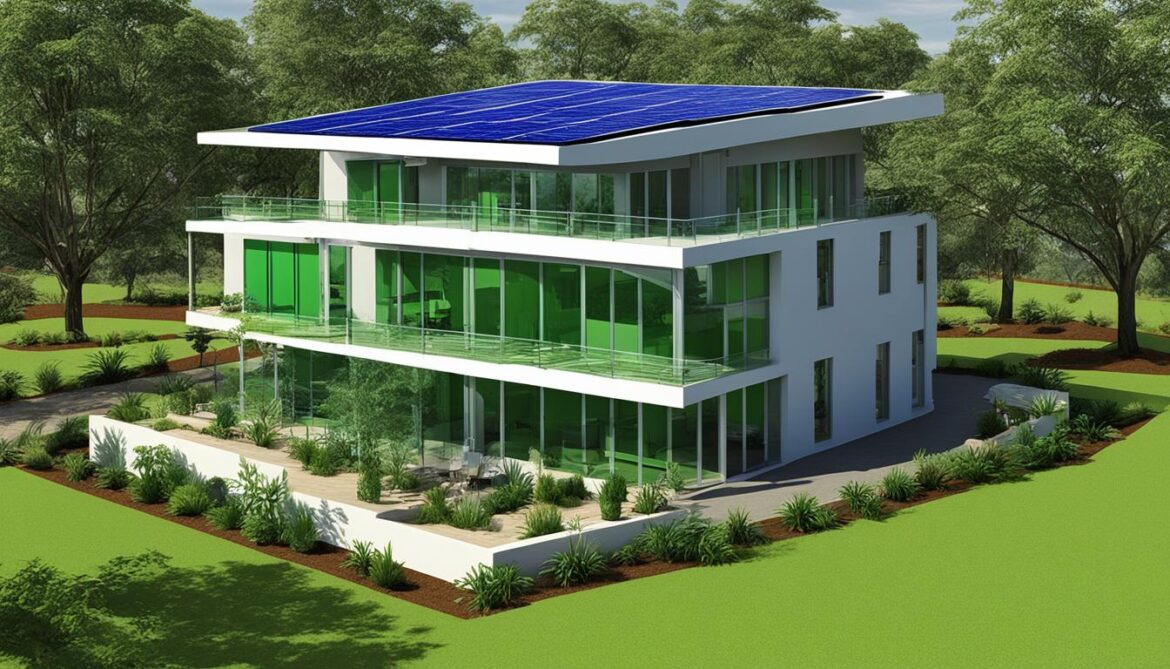
সবুজ বিল্ডিংগুলি শুধুমাত্র গ্রীনহাউস গ্যাস নির্গমন কমাতেই অবদান রাখে না বরং পরিবেশ এবং বাসিন্দাদের মঙ্গলের উপরও ইতিবাচক প্রভাব ফেলে। কাজে লাগিয়ে টেকসই নির্মাণ অনুশীলন এবং পরিবেশ বান্ধব প্রযুক্তি, these buildings provide healthier indoor air quality, optimize energy usage, and minimize waste generation.
অধিকন্তু, জিম্বাবুয়ের সবুজ বিল্ডিংগুলি দিয়ে ডিজাইন করা হয়েছে জলবায়ু পরিবর্তন অভিযোজন in mind. They incorporate features that enhance resilience to changing weather patterns and natural disasters. These features may include advanced insulation, rainwater harvesting systems, and green roofs that provide natural cooling and reduce stormwater runoff.
টেকসই রেট্রোফিটিং এর সুবিধা
টেকসই রেট্রোফিটিং offers numerous benefits for both the environment and building owners. By upgrading existing structures to meet green building standards, Zimbabwe can:
- শক্তি খরচ এবং অপারেটিং খরচ হ্রাস
- অভ্যন্তরীণ বায়ুর গুণমান এবং বাসিন্দাদের আরাম উন্নত করুন
- দক্ষ নদীর গভীরতানির্ণয় ফিক্সচার মাধ্যমে জল খরচ হ্রাস
- বর্জ্য উৎপাদন হ্রাস করুন এবং পুনর্ব্যবহারের প্রচার করুন
কেস স্টাডি: ম্যান্ডেলবাম বিল্ডিং
হারারে ম্যান্ডেলবাম বিল্ডিং এর একটি চমৎকার উদাহরণ হিসেবে কাজ করে টেকসই রেট্রোফিটিং জিম্বাবুয়েতে। মূলত একটি নন-ডেস্ক্রিপ্ট অফিস বিল্ডিং, এটি একটি রূপান্তরের মধ্য দিয়ে গেছে যা বিভিন্ন শক্তি-সাশ্রয়ী বৈশিষ্ট্যগুলিকে অন্তর্ভুক্ত করে। এর মধ্যে রয়েছে:
- নবায়নযোগ্য শক্তি উৎপন্ন করতে ছাদে সোলার প্যানেল স্থাপন
- Implementation of efficient HVAC systems and LED lighting
- পুনর্ব্যবহারযোগ্য এবং স্থানীয়ভাবে তৈরি বিল্ডিং উপকরণ ব্যবহার
- সেচ এবং টয়লেট ফ্লাশিংয়ের জন্য বৃষ্টির জল সংগ্রহের ব্যবস্থার একীকরণ
সার্জারির টেকসই রেট্রোফিটিং of the Mandelbaum Building has resulted in significant reductions in energy consumption, improved indoor air quality, and lower operating costs for the tenants. It serves as a showcase for how green building practices can be applied to existing structures to create sustainable, energy-efficient environments.
টেকসই নির্মাণ অনুশীলন এবং পরিবেশ বান্ধব প্রযুক্তি are essential in mitigating climate change and creating a more sustainable future. In Zimbabwe, the adoption of green building principles and the retrofitting of existing buildings are vital steps towards addressing climate change and ensuring a resilient built environment.
সবুজ বিল্ডিং ধারণা
সবুজ ভবনগুলি এমন কাঠামো যা অগ্রাধিকার দেয় পরিবেশগতভাবে দায়ী নির্মাণ অনুশীলন এবং সম্পদ-দক্ষ নকশা throughout their lifecycle. These buildings are designed to minimize negative environmental impacts and promote sustainable building and consumption practices. To achieve green building status, structures must meet a set of environmentally friendly criteria. These criteria may include the use of recycled or sustainable building materials, energy-efficient systems, waste recycling, water conservation, and natural light and ventilation.
Green buildings play a crucial role in creating a sustainable future by reducing carbon emissions, conserving resources, and improving the quality of our built environment. By incorporating sustainable design principles and practices, these buildings minimize the negative impact on the environment and human health, while maximizing energy efficiency and occupant comfort.
গ্রিন বিল্ডিংয়ের অন্যতম প্রধান দিক হল পরিবেশগতভাবে দায়ী নির্মাণ. This involves using materials and techniques that have a minimal impact on the environment, both during the construction phase and throughout the building’s lifecycle. Green buildings utilize sustainable building materials, such as recycled materials or those with low carbon footprints, reducing the overall environmental impact of the construction process.
"সবুজ বিল্ডিংগুলি কেবল শক্তির দক্ষতা সম্পর্কে নয়, তারা পরিবেশের উপর প্রভাব হ্রাস করার সাথে সাথে মানুষের বসবাস এবং কাজ করার জন্য স্বাস্থ্যকর এবং আরও আরামদায়ক স্থান তৈরি করে।"
সবুজ ভবনের আরেকটি গুরুত্বপূর্ণ দিক হলো সম্পদ-দক্ষ নকশা. This involves optimizing the use of resources throughout the building’s lifecycle. Green buildings prioritize energy efficiency by incorporating energy-saving systems, such as solar panels, high-performance insulation, and efficient heating, ventilation, and air conditioning (HVAC) systems. They also promote water conservation by implementing rainwater harvesting systems, water-efficient fixtures, and other water-saving measures.
সবুজ ভবনের নকশায় প্রাকৃতিক আলো এবং বায়ুচলাচলও অপরিহার্য বিষয়। প্রাকৃতিক আলো এবং তাজা বাতাসে সর্বাধিক অ্যাক্সেসের মাধ্যমে, এই বিল্ডিংগুলি কৃত্রিম আলো এবং যান্ত্রিক বায়ুচলাচল ব্যবস্থার উপর নির্ভরতা হ্রাস করে, যার ফলে শক্তি সঞ্চয় হয় এবং অভ্যন্তরীণ বায়ুর গুণমান উন্নত হয়।
| সবুজ ভবনের সুবিধা | Criteria for Green Building Design |
|---|---|
|
|
সবুজ বিল্ডিংগুলি কেবল পরিবেশের জন্যই নয়, যারা সেখানে বসবাস করে তাদেরও উপকার করে। উন্নত অভ্যন্তরীণ বায়ুর গুণমান সহ, বাসিন্দারা ক্ষতিকারক দূষণকারীর সংস্পর্শে হ্রাস অনুভব করে, যার ফলে শ্বাসযন্ত্রের স্বাস্থ্য এবং সামগ্রিক সুস্থতা উন্নত হয়। উপরন্তু, সবুজ বিল্ডিং থেকে শক্তি এবং খরচ সঞ্চয় বাসিন্দাদের জন্য কম ইউটিলিটি বিলের মধ্যে অনুবাদ করে, তাদের আর্থিক স্থিতিশীলতায় অবদান রাখে।
সবুজ ভবন একটি গুরুত্বপূর্ণ উপাদান টেকসই উন্নয়ন, আরও টেকসই এবং স্থিতিস্থাপক ভবিষ্যতের প্রচার। আলিঙ্গন করে পরিবেশগতভাবে দায়ী নির্মাণ অনুশীলন এবং সম্পদ-দক্ষ নকশা, we can create buildings that harmonize with nature, conserve resources, and contribute to a healthier and more sustainable planet.
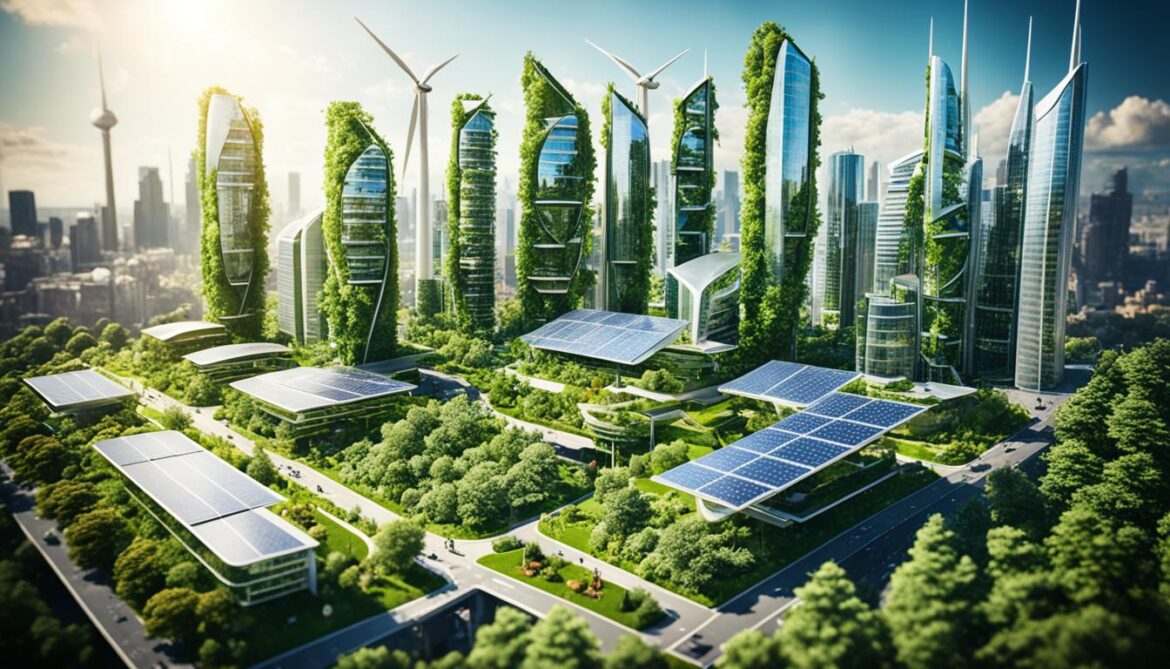
সবুজ ভবনের সুবিধা
সবুজ বিল্ডিংগুলি অনেক সুবিধা দেয় যা আরও টেকসই এবং পরিবেশ বান্ধব ভবিষ্যতে অবদান রাখে। এই ভবন অগ্রাধিকার শক্তি এবং জল সংরক্ষণ, promote the use of eco-friendly and renewable building materials, enhance the natural environment, reduce greenhouse gas emissions, and provide economic and social benefits.
শক্তি এবং জল সংরক্ষণ
একটি চাবি সবুজ ভবনের সুবিধা তাদের ফোকাস হয় শক্তি এবং জল সংরক্ষণ. These structures are designed to minimize energy consumption by incorporating energy-efficient systems and technologies. From efficient lighting fixtures to smart heating and cooling systems, green buildings significantly reduce the amount of energy required for daily operations. This not only helps to lower utility bills but also reduces overall demand on energy resources, leading to a more sustainable and resilient energy infrastructure.
অতিরিক্তভাবে, সবুজ বিল্ডিংগুলি কম প্রবাহের ফিক্সচার, বৃষ্টির জল সংগ্রহের ব্যবস্থা এবং জল-দক্ষ ল্যান্ডস্কেপিংয়ের মাধ্যমে জল সংরক্ষণকে অগ্রাধিকার দেয়। জলের ব্যবহার কমিয়ে, এই বিল্ডিংগুলি সেই অঞ্চলে এই মূল্যবান সম্পদের সংরক্ষণে অবদান রাখে যেখানে পানি ঘাটতি একটি উদ্বেগ।
পরিবেশ বান্ধব বিল্ডিং উপকরণ
Another advantage of green buildings is the use of eco-friendly and renewable building materials. Traditional construction often relies on materials that have a high carbon footprint or deplete natural resources. In contrast, green buildings utilize sustainable materials that are either recycled or have a lower environmental impact.
For example, materials such as bamboo, recycled steel, and reclaimed wood are commonly used in green buildings due to their sustainability and durability. By promoting the use of these materials, green buildings reduce the need for virgin resources and minimize waste generation through the recycling and repurposing of materials.
উন্নত প্রাকৃতিক পরিবেশ
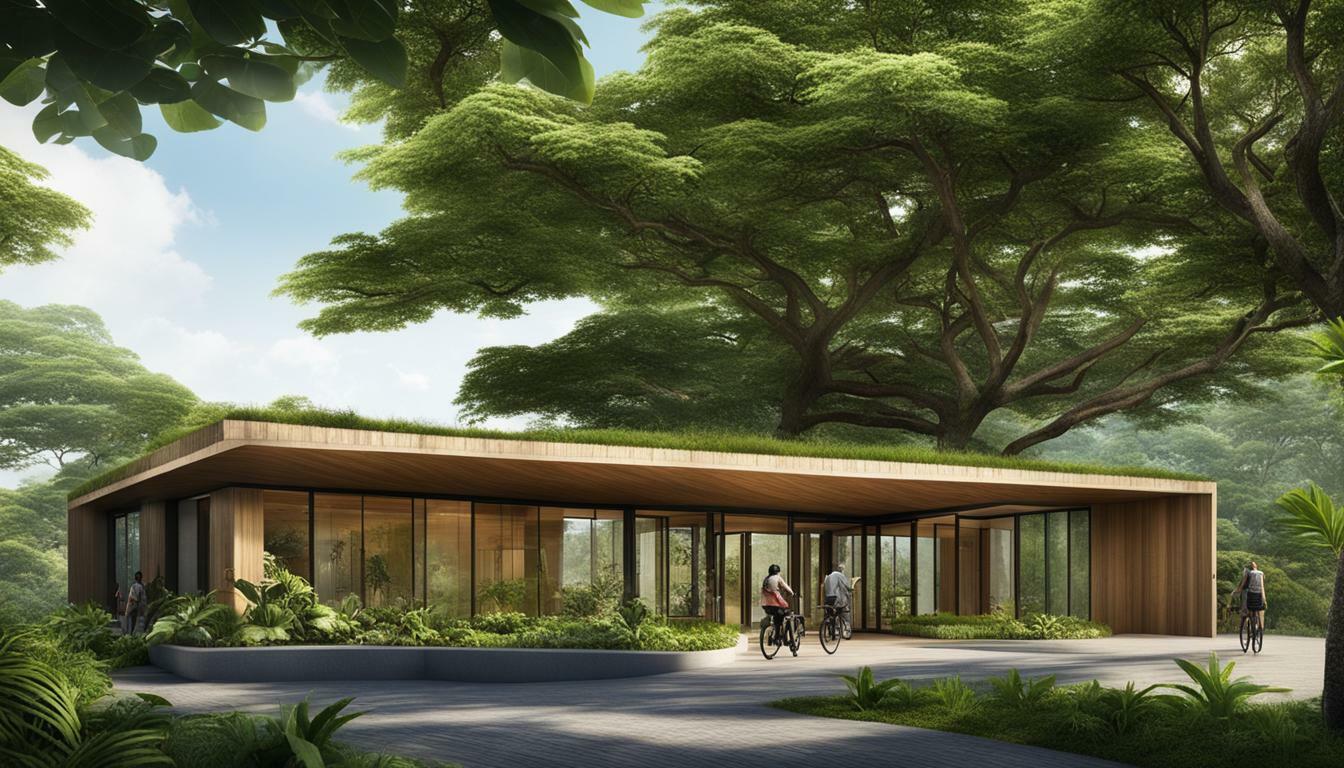
Green buildings go beyond energy and materials to create a built environment that enhances the natural surroundings. They incorporate green spaces, gardens, and vegetation, which not only improve aesthetics but also have numerous environmental benefits. Vegetation helps to filter air pollutants, reduce urban heat island effects, and provide habitats for wildlife.
তদুপরি, সবুজ বিল্ডিংগুলি প্রায়শই উল্লম্ব বাগান এবং সবুজ ছাদের মতো বৈশিষ্ট্যগুলিকে একীভূত করে, যা উন্নত করে জীব বৈচিত্র্য and contribute to a healthier and more sustainable ecosystem. These features help to mitigate the negative impacts of urbanization and create a more harmonious coexistence between human activities and the natural environment.
গ্রীনহাউস গ্যাস নির্গমন হ্রাস
Green buildings play a crucial role in reducing greenhouse gas emissions, which are a major contributor to climate change. By prioritizing energy efficiency and renewable energy sources, these buildings minimize their carbon footprint and help to mitigate the effects of global warming.
সৌর প্যানেল, বায়ু টারবাইন এবং অন্যান্য পুনর্নবীকরণযোগ্য প্রযুক্তি ব্যবহারের মাধ্যমে, সবুজ ভবনগুলি সাইটে পরিষ্কার শক্তি উৎপন্ন করে, জীবাশ্ম জ্বালানী-ভিত্তিক শক্তি ব্যবস্থার উপর নির্ভরতা হ্রাস করে। নবায়নযোগ্য শক্তির উত্সের দিকে এই স্থানান্তর গ্রিনহাউস গ্যাস নির্গমনকে উল্লেখযোগ্যভাবে হ্রাস করে এবং আরও টেকসই এবং জলবায়ু-স্থিতিস্থাপক ভবিষ্যতে অবদান রাখে।
অর্থনৈতিক ও সামাজিক সুবিধা
Green buildings not only bring environmental advantages but also provide economic and social benefits. From a financial perspective, these buildings offer cost savings through improved energy efficiency, leading to reduced utility bills over time. Additionally, green buildings have been shown to have higher property values and increased occupancy rates, making them attractive investments in the real estate market.
Moreover, the construction and operation of green buildings create job opportunities in various sectors, such as architecture, engineering, manufacturing, and maintenance. This promotes economic growth and contributes to the development of a green and sustainable workforce.
From a social perspective, green buildings prioritize the health and well-being of occupants. They provide improved indoor air quality, abundant natural light, and better thermal comfort, resulting in enhanced occupant satisfaction, productivity, and overall well-being.
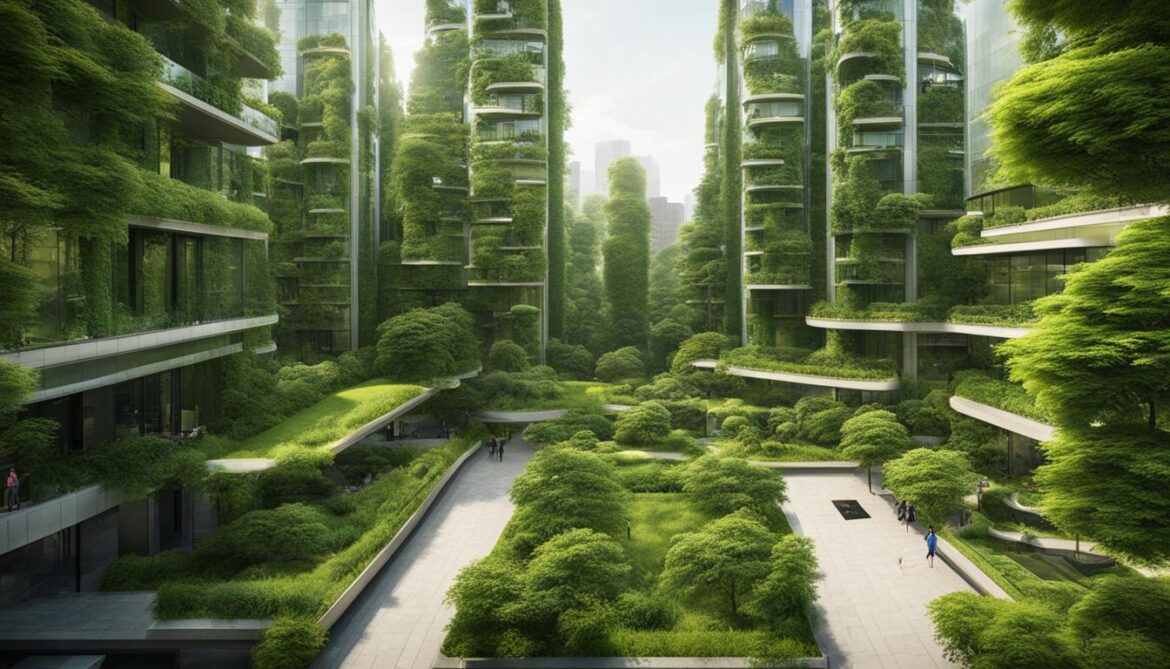
সামগ্রিকভাবে, সবুজ ভবন পরিপ্রেক্ষিতে উল্লেখযোগ্য সুবিধা প্রদান করে শক্তি এবং জল সংরক্ষণ, এর ব্যবহার পরিবেশ বান্ধব বিল্ডিং উপকরণ, প্রাকৃতিক পরিবেশের বর্ধন, গ্রিনহাউস গ্যাস নির্গমন হ্রাসএবং অর্থনৈতিক ও সামাজিক সুবিধা। সবুজ বিল্ডিং অনুশীলনগুলিকে আলিঙ্গন করে, আমরা আরও টেকসই ভবিষ্যত তৈরি করতে পারি যা গ্রহ এবং এর বাসিন্দা উভয়কেই উপকৃত করে।
সবুজ বিল্ডিং এর অসুবিধা
যদিও সবুজ বিল্ডিংগুলি অনেক সুবিধা দেয়, তবে সেগুলি কিছু অসুবিধাও নিয়ে আসে। সবুজ বিল্ডিং অনুশীলন বাস্তবায়নের সম্ভাব্যতা মূল্যায়ন করার সময় এই ত্রুটিগুলি বিবেচনা করা গুরুত্বপূর্ণ।
1. উচ্চ নির্মাণ খরচ
One of the main challenges of green buildings is the higher initial construction costs compared to conventional buildings. The integration of energy-efficient systems, sustainable materials, and eco-friendly technologies often requires specialized expertise and increased investment. This can be a significant barrier for developers and investors.
2. প্রযুক্তিগত সীমাবদ্ধতা
সবুজ বিল্ডিং প্রযুক্তির বাস্তবায়ন সম্মুখীন হতে পারে প্রযুক্তিগত সীমাবদ্ধতা, especially in developing regions. Limited access to advanced building systems and equipment can hinder the adoption of sustainable practices, making it more challenging to achieve the desired energy efficiency and environmental performance.
3. সবুজ উপকরণের প্রাপ্যতা
সবুজ বিল্ডিংগুলি পরিবেশ বান্ধব উপকরণগুলির ব্যবহারের উপর নির্ভর করে, যেমন পুনর্ব্যবহারযোগ্য বা টেকসইভাবে উৎপাদিত পণ্য। যাইহোক, এই উপকরণগুলির প্রাপ্যতা এবং খরচ একটি সীমাবদ্ধতা হতে পারে, বিশেষ করে সীমিত সরবরাহকারী নেটওয়ার্কগুলির সাথে বা যেখানে সবুজ উপকরণগুলি এখনও মূলধারার নয়৷
4. আবহাওয়া নির্ভরতা
সবুজ বিল্ডিংগুলি প্রায়শই সৌর বা বায়ু শক্তির মতো পুনর্নবীকরণযোগ্য শক্তি সিস্টেমগুলিকে অন্তর্ভুক্ত করে, যা প্রচলিত শক্তির উত্সের উপর তাদের নির্ভরতা হ্রাস করে। যাইহোক, এই সিস্টেমের কার্যকারিতা আবহাওয়া পরিস্থিতির উপর নির্ভর করে। অপ্রত্যাশিত আবহাওয়ার ধরণ বা কম পুনর্নবীকরণযোগ্য শক্তির সম্ভাবনা সহ অঞ্চলগুলিতে, সবুজ ভবনগুলির কার্যকারিতা আপোস করা হতে পারে।
Despite these challenges, green buildings continue to play a crucial role in reducing greenhouse gas emissions and promoting sustainable development. The benefits of energy efficiency, environmental stewardship, and occupant well-being outweigh the disadvantages, making green buildings an essential component of the future built environment.
জলবায়ু পরিবর্তন এবং সবুজ বিল্ডিংয়ের প্রতি জিম্বাবুয়ের প্রতিশ্রুতি
জিম্বাবুয়ে জলবায়ু পরিবর্তন মোকাবেলা এবং টেকসই উন্নয়নের জন্য দৃঢ় প্রতিশ্রুতি প্রদর্শন করেছে। জলবায়ু পরিবর্তনের উপর জাতিসংঘের ফ্রেমওয়ার্ক কনভেনশনের সদস্য হিসাবে, জিম্বাবুয়ে জলবায়ু পরিবর্তনের প্রভাব প্রশমিত করতে এবং এর প্রভাবের সাথে খাপ খাইয়ে নিতে সক্রিয় ব্যবস্থা গ্রহণের প্রতিশ্রুতি দিয়েছে। দেশটি তার উদ্দেশ্য জাতীয়ভাবে নির্ধারিত অবদানও জমা দিয়েছে, যা টেকসই উন্নয়নের জন্য তার নির্দিষ্ট লক্ষ্য এবং কৌশলগুলির রূপরেখা দেয়।
জিম্বাবুয়ের টেকসই উন্নয়ন প্রচেষ্টায় ফোকাসের মূল ক্ষেত্রগুলির মধ্যে একটি সবুজ বিল্ডিং উদ্যোগ. এই উদ্যোগগুলির লক্ষ্য পরিবেশ-বান্ধব এবং শক্তি-দক্ষ ভবন নির্মাণের প্রচার করা যা একটি জলবায়ু-স্থিতিশীল অর্থনীতি. সবুজ বিল্ডিংগুলি তাদের জীবনচক্র জুড়ে নেতিবাচক পরিবেশগত প্রভাবগুলি হ্রাস করতে এবং সম্পদের দক্ষতা সর্বাধিক করার জন্য ডিজাইন করা হয়েছে।
Despite Zimbabwe’s commitment to green building practices, implementation is still largely discretionary. To accelerate progress and ensure widespread adoption, stronger legislation and policies are needed to promote sustainable building practices and incentivize developers to prioritize green construction methods.
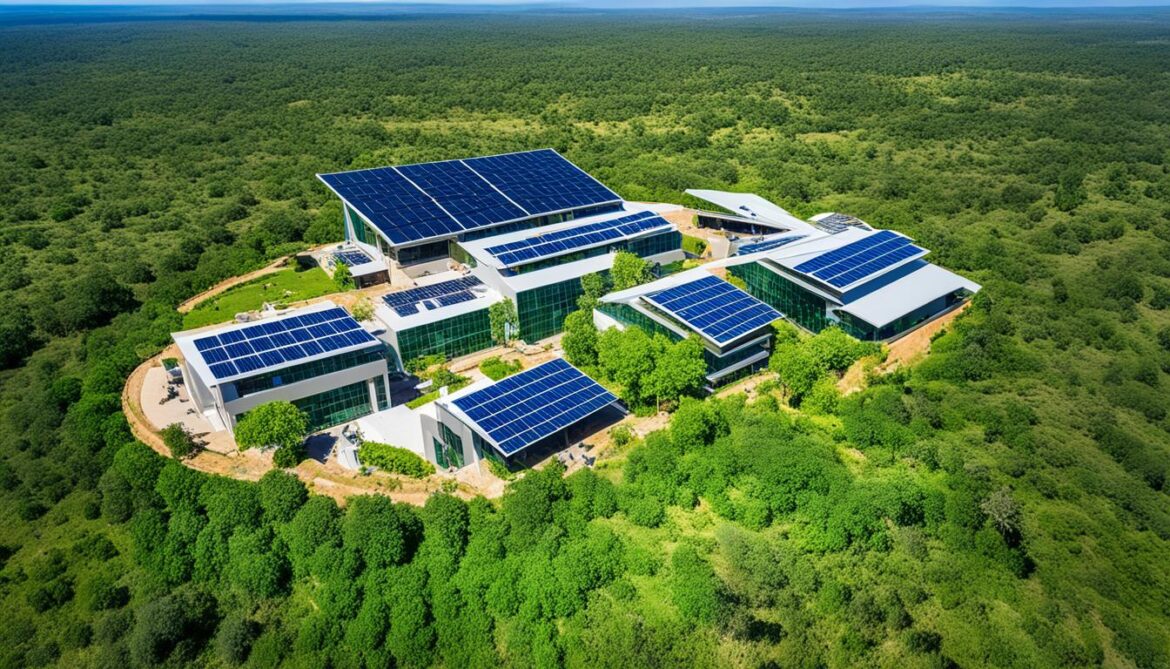
A জলবায়ু-স্থিতিশীল অর্থনীতি জিম্বাবুয়ের দীর্ঘমেয়াদী স্থায়িত্ব এবং বৃদ্ধির জন্য অত্যন্ত গুরুত্বপূর্ণ। বিনিয়োগ করে সবুজ বিল্ডিং উদ্যোগ and adopting sustainable development practices, Zimbabwe can reduce its carbon footprint, improve energy efficiency, and create a more resilient built environment that can withstand the challenges of climate change.
জিম্বাবুয়ের সবুজ বিল্ডিং উদ্যোগের মূল সুবিধা
- শক্তি দক্ষতা প্রচার করে এবং গ্রিনহাউস গ্যাস নির্গমন হ্রাস করে
- সম্পদ খরচ এবং অপচয় কমিয়ে দেয়
- অভ্যন্তরীণ বায়ুর গুণমান এবং বাসিন্দাদের স্বাস্থ্য উন্নত করে
- Creates green jobs and stimulates economic growth
- জলবায়ু পরিবর্তনের প্রভাবের স্থিতিস্থাপকতা উন্নত করে
চ্যালেঞ্জ এবং সুযোগ
While Zimbabwe has made significant progress in recognizing the importance of সবুজ বিল্ডিং উদ্যোগ, several challenges remain. These include limited awareness, financial constraints, and the need for capacity building within the construction industry. However, these challenges also present opportunities for innovation and collaboration among stakeholders to overcome barriers and drive sustainable development forward.
With continued commitment from the government, collaboration with the private sector, and engagement with local communities, Zimbabwe can pave the way for a greener and more sustainable future. By prioritizing জলবায়ু পরিবর্তন অভিযোজন এবং সবুজ বিল্ডিং উদ্যোগ বাস্তবায়ন করে, জিম্বাবুয়ে একটি স্থিতিস্থাপক এবং পরিবেশ সচেতন জাতি গঠনে নেতৃত্ব দিতে পারে।
জিম্বাবুয়েতে টেকসই রেট্রোফিটিং
Sustainable retrofitting is a crucial process in Zimbabwe, as it aims to refurbish existing buildings and transform them into environmentally friendly and energy-efficient structures. In a country where financial resources are limited, small-scale retrofit projects can have a significant impact on reducing the carbon footprint of historical buildings. These projects involve the implementation of various sustainable measures, such as:
- প্রাকৃতিক বায়ুচলাচল ব্যবস্থা: প্রাকৃতিক বায়ুচলাচল ব্যবস্থা অন্তর্ভুক্ত করে, ভবনগুলি কৃত্রিম শীতলকরণের উপর তাদের নির্ভরতা কমাতে পারে এবং শক্তি দক্ষতায় অবদান রাখতে পারে।
- সোলার পাওয়ার সিস্টেম: সৌরবিদ্যুৎ ব্যবস্থার ইনস্টলেশন ভবনগুলিকে পরিষ্কার এবং পুনর্নবীকরণযোগ্য শক্তি ব্যবহার করার অনুমতি দেয়, জীবাশ্ম জ্বালানির উপর নির্ভরতা হ্রাস করে এবং কার্বন নির্গমন হ্রাস করে।
- বৃষ্টির ফসল: রেইন ওয়াটার হার্ভেস্টিং সিস্টেম বাস্তবায়ন করা ভবনগুলোকে পানির সম্পদ সংরক্ষণ করতে এবং পানির খরচ কমাতে সাহায্য করতে পারে।
টেকসই রেট্রোফিটিং ব্যবস্থা গ্রহণ করে, জিম্বাবুয়ে উন্নত করতে পারে জলবায়ু স্থিতিস্থাপকতা of its built environment. These initiatives not only reduce the carbon footprint but also contribute to sustainable development by creating energy-efficient and eco-friendly structures.
জিম্বাবুয়েতে টেকসই রেট্রোফিটিং এর প্রভাব ব্যাখ্যা করতে, নিম্নলিখিত উদাহরণটি বিবেচনা করুন:
“হারারেতে ঐতিহাসিক সরকারি ভবন, মূলত ঐতিহ্যবাহী উপকরণ দিয়ে নির্মিত, একটি টেকসই রেট্রোফিটিং প্রকল্পের অধীনে ছিল। সংস্কারের মধ্যে রয়েছে সৌর প্যানেল স্থাপন, বৃষ্টির জল সংগ্রহের ব্যবস্থা এবং শক্তি-দক্ষ আলো। ফলস্বরূপ, বিল্ডিংয়ের শক্তি খরচ 30% হ্রাস পেয়েছে এবং এর কার্বন নির্গমন 40% হ্রাস পেয়েছে। এই প্রকল্পটি জিম্বাবুয়েতে টেকসই রেট্রোফিটিং এর রূপান্তরমূলক সম্ভাবনা দেখায়।"
নীচের টেবিলটি জিম্বাবুয়েতে টেকসই রেট্রোফিটিং এর সুবিধাগুলিকে সংক্ষিপ্ত করে:
| টেকসই রেট্রোফিটিং এর সুবিধা | বিবরণ |
|---|---|
| পরিবেশগত প্রভাব | উল্লেখযোগ্যভাবে বিদ্যমান বিল্ডিংগুলির কার্বন পদচিহ্ন এবং শক্তি খরচ হ্রাস করে। |
| অর্থনৈতিক সঞ্চয় | উন্নত শক্তি দক্ষতা এবং পুনর্নবীকরণযোগ্য শক্তির উত্স ব্যবহারের মাধ্যমে শক্তি খরচ হ্রাস করে। |
| জলবায়ু স্থিতিস্থাপকতা | Enhances buildings’ ability to withstand climate change impacts, such as extreme weather events. |
| সম্পদ সংরক্ষণ | রেইন ওয়াটার হার্ভেস্টিং এর মাধ্যমে পানি খরচ কমায় এবং রিসোর্স ইউটিলাইজেশন অপ্টিমাইজ করে। |
টেকসই সংস্কারের মাধ্যমে, জিম্বাবুয়ে তার পরিবেশ সংরক্ষণের পাশাপাশি একটি সবুজ ভবিষ্যতের পথ প্রশস্ত করতে পারে স্থাপত্য ঐতিহ্য. অবলম্বন করে পরিবেশ বান্ধব পুনর্নির্মাণ চর্চা, দেশ তার কার্বন পদচিহ্ন কমাতে পারে, উন্নত জলবায়ু স্থিতিস্থাপকতা, এবং আরও টেকসই বিশ্বের জন্য বিশ্বব্যাপী প্রচেষ্টায় অবদান রাখুন।
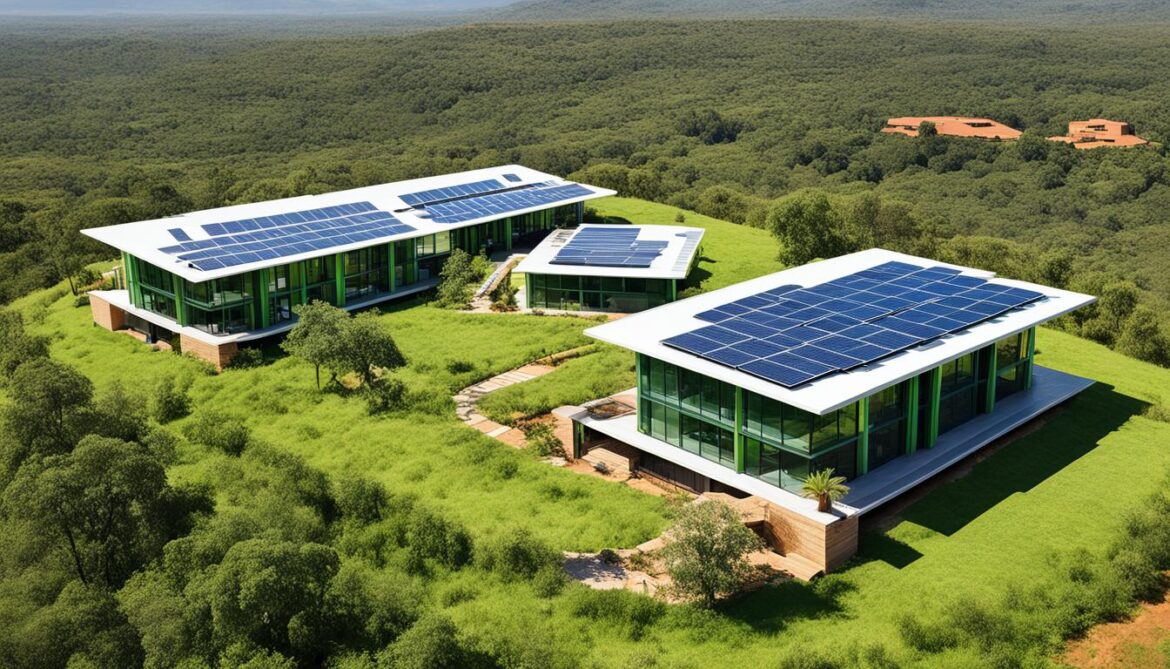
আফ্রিকায় টেকসই বিল্ডিং স্ট্রাকচার
আফ্রিকা বেশ কয়েকটির বাড়ি টেকসই বিল্ডিং কাঠামো যে অন্তর্ভুক্ত পরিবেশ বান্ধব স্থাপত্য এবং সম্পদ-দক্ষ ডিজাইন. এই কাঠামোর লক্ষ্য আরামদায়ক এবং নিরাপদ থাকার জায়গা প্রদান করার সময় সম্পদের ব্যবহার সীমিত করা। কিছু উল্লেখযোগ্য উদাহরণ অন্তর্ভুক্ত:
- The Agostinho Neto University in Angola, which utilizes natural ventilation and lighting. This sustainable building design not only reduces energy consumption but also creates a healthy and productive environment for students and faculty.
- The Sandbag Houses in South আফ্রিকা, ঐতিহ্যবাহী বিল্ডিং উপকরণগুলির একটি সাশ্রয়ী এবং টেকসই বিকল্প হিসাবে স্যান্ডব্যাগ ব্যবহার করে নির্মিত৷ এই পরিবেশ-বান্ধব কাঠামোগুলি কীভাবে সৃজনশীলতা এবং উদ্ভাবন পরিবেশ সচেতন সমাধানের দিকে নিয়ে যেতে পারে তা প্রদর্শন করে।
- The Makoko Floating School in Nigeria, designed to adapt to rising sea levels and provide access to education in coastal communities. Its resource-efficient design incorporates locally sourced materials and addresses the challenges posed by climate change.
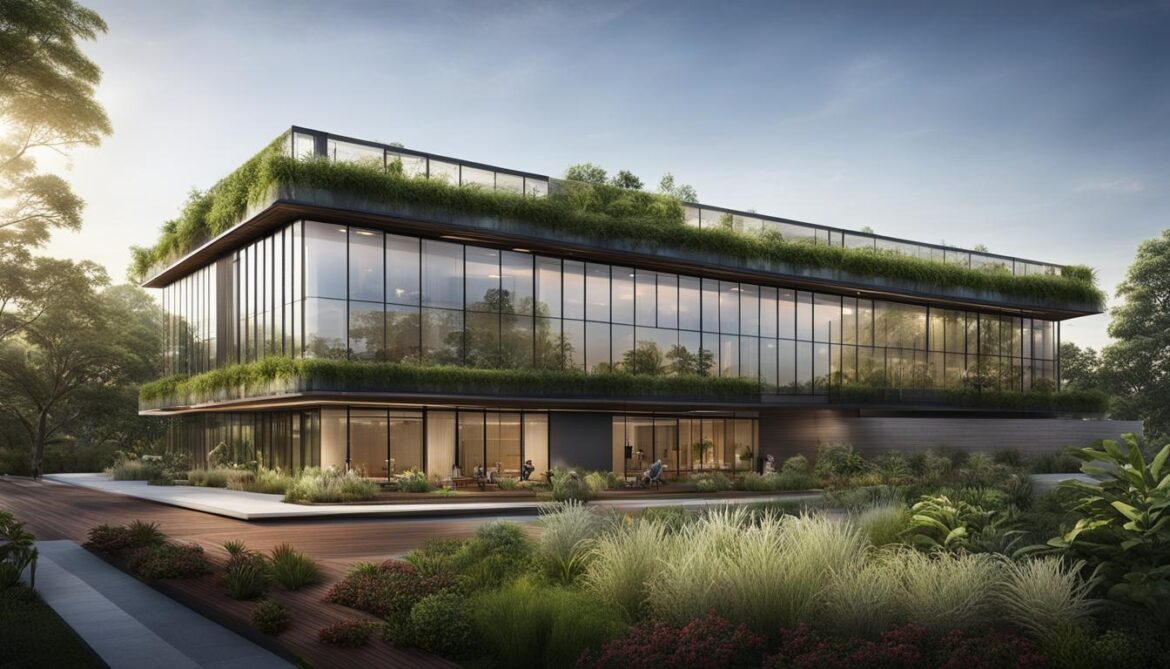
এই উদাহরণগুলি টেকসই বিল্ডিংয়ের জন্য বিভিন্ন পদ্ধতির প্রদর্শন করে আফ্রিকা, পরিবেশগতভাবে দায়ী নির্মাণের জন্য মহাদেশের প্রতিশ্রুতি প্রদর্শন করে। আলিঙ্গন করে পরিবেশ বান্ধব স্থাপত্য এবং সম্পদ-দক্ষ ডিজাইন, Africa can create a built environment that not only meets the needs of its residents but also minimizes its ecological footprint.
আফ্রিকায় টেকসই উন্নয়নের চ্যালেঞ্জ
নির্মিত পরিবেশে টেকসই উন্নয়ন অর্জনে আফ্রিকা বেশ কয়েকটি চ্যালেঞ্জের সম্মুখীন। এই চ্যালেঞ্জ অন্তর্ভুক্ত অরণ্যবিনাশ, জলবায়ু পরিবর্তন, মাটির ক্ষয়, এবং পানি ঘাটতি. The negative impacts of these challenges are far-reaching and pose significant threats to the continent’s ecological balance and socio-economic stability.
অরণ্যউচ্ছেদ, driven by factors such as agricultural expansion, timber extraction, and fuelwood consumption, poses a severe threat to Africa’s forests and biodiversity. The loss of forest cover results in the disruption of ecosystems, increased carbon dioxide levels, and reduced habitat for wildlife. It also exacerbates climate change, as trees play a crucial role in carbon sequestration and climate regulation.
Climate change is another pressing challenge facing Africa. The continent is particularly vulnerable to its adverse effects due to limited adaptive capacities and dependence on climate-sensitive sectors such as agriculture. Rising temperatures, changing rainfall patterns, and increased frequency of extreme weather events pose significant risks to food security, water resources, and human well-being.
মাটির অবক্ষয় এটি একটি জটিল সমস্যা যা কৃষি উৎপাদনশীলতাকে প্রভাবিত করে এবং আফ্রিকার খাদ্য নিরাপত্তাকে হুমকির মুখে ফেলে। ক্ষয়, অত্যধিক চারণ এবং অনুপযুক্ত ভূমি ব্যবহারের অনুশীলনের মতো কারণগুলি পুষ্টিসমৃদ্ধ উপরের মাটির ক্ষয়, জল ধারণ ক্ষমতা হ্রাস এবং উর্বরতা হ্রাসের দিকে পরিচালিত করে। এটি ক্রমবর্ধমান জনসংখ্যাকে খাওয়ানোর জন্য টেকসইভাবে পর্যাপ্ত খাদ্য উত্পাদন করার ক্ষমতাকে বাধা দেয়।
পানি ঘাটতি is a persistent challenge in many parts of Africa, with limited access to clean and safe water for drinking, agriculture, and sanitation purposes. Climate change, population growth, urbanization, and inadequate water management exacerbate this issue, leading to conflicts over scarce water resources and hindered economic development.
To overcome these challenges, it is crucial to leverage Africa’s abundant natural resources effectively and develop innovative solutions that address the specific problems faced by the continent. Sustainable development requires a holistic approach that balances environmental conservation, social well-being, and economic progress. It involves promoting sustainable land management practices, investing in জলবায়ু পরিবর্তন অভিযোজন and mitigation measures, implementing water resource management strategies, and fostering community engagement and education.
“Africa’s journey towards sustainable development requires collaborative efforts, innovative strategies, and a steadfast commitment to preserving our natural heritage.”
Through collective action and partnerships between governments, civil society, and the private sector, Africa can overcome these challenges and pave the way for a more sustainable future. By incorporating sustainable practices into the built environment, such as green building designs, renewable energy systems, and resource-efficient technologies, Africa can mitigate the impacts of অরণ্যবিনাশ, জলবায়ু পরিবর্তন, মাটির ক্ষয়, এবং জলের অভাব।
| চ্যালেঞ্জ | প্রভাব | কার্যপ্রণালী |
|---|---|---|
| অরণ্যউচ্ছেদ | বাস্তুতন্ত্রের ব্যাঘাত কার্বন ডাই অক্সাইডের মাত্রা বেড়েছে জীব বৈচিত্র্য হ্রাস |
Promote reforestation and afforestation Adopt sustainable land management practices দায়ী লগিং এবং কাঠ ব্যবসা উত্সাহিত করুন |
| জলবায়ু পরিবর্তন | রাইজিং তাপমাত্রা বৃষ্টিপাতের ধরণ পরিবর্তন চরম আবহাওয়া ঘটনা বৃদ্ধি ফ্রিকোয়েন্সি |
জলবায়ু পরিবর্তন অভিযোজন এবং প্রশমনে বিনিয়োগ করুন নবায়নযোগ্য শক্তির উত্স প্রচার করুন মূল খাতে জলবায়ু স্থিতিস্থাপকতা বাড়ান |
| মাটির অবক্ষয় | কমেছে কৃষি উৎপাদনশীলতা মাটির উর্বরতা হ্রাস ক্ষয়জনিত ঝুঁকি বৃদ্ধি |
Promote sustainable land management practices কৃষি সংরক্ষণে উৎসাহিত করুন মাটি পুনরুদ্ধার এবং পুনর্বাসনে বিনিয়োগ করুন |
| পানি ঘাটতি | পরিষ্কার জল সম্পদ সীমিত অ্যাক্সেস প্রতিবন্ধী কৃষি উৎপাদনশীলতা স্যানিটেশন চ্যালেঞ্জ |
জল সম্পদ ব্যবস্থাপনা কৌশল বাস্তবায়ন জল সংরক্ষণ এবং দক্ষতা প্রচার পানির অবকাঠামো এবং প্রযুক্তিতে বিনিয়োগ করুন |
চ্যালেঞ্জ মোকাবেলা আফ্রিকায় টেকসই উন্নয়ন requires a long-term commitment, policy reforms, and investment in sustainable infrastructure and technologies. Only through concerted efforts and a shared vision for a sustainable future can Africa overcome these obstacles and create a resilient, thriving, and equitable continent for present and future generations.
উপসংহার
Zimbabwe is undoubtedly at the forefront of sustainable architecture and green building design in Africa. The remarkable achievements showcased by structures such as the Eastgate Centre highlight the country’s commitment to energy efficiency and environmentally friendly construction practices. By embracing sustainable building principles, Zimbabwe is actively contributing to global efforts to combat climate change and create a more sustainable future.
The evolution of sustainable architecture in Zimbabwe signifies a significant shift towards eco-friendly buildings and sustainable development. These green buildings incorporate innovative design features and energy-efficient systems that minimize negative environmental impacts. As a result, Zimbabwe can reduce greenhouse gas emissions, conserve resources, and promote a healthier and more sustainable built environment.
টেকসই বিল্ডিং ডিজাইন এবং নির্মাণের জন্য জিম্বাবুয়ের উত্সর্গ অন্যান্য জাতির জন্য একটি উদাহরণ স্থাপন করে। সবুজ বিল্ডিং নীতি, টেকসই বিল্ডিং উপকরণ, এবং পরিবেশ-বান্ধব প্রযুক্তির একীকরণ একটি সবুজ এবং আরও স্থিতিস্থাপক সমাজ তৈরিতে দেশের প্রতিশ্রুতি প্রদর্শন করে। টেকসই উন্নয়ন এবং পরিবেশগতভাবে দায়িত্বশীল নির্মাণ অনুশীলনকে অগ্রাধিকার দেওয়ার মাধ্যমে, জিম্বাবুয়ে তার নাগরিক এবং গ্রহের জন্য একটি ভাল ভবিষ্যত গঠন করছে।
উপসংহারে, জিম্বাবুয়ের শীর্ষ সবুজ ভবনগুলি টেকসইতার দিকে দেশটির যাত্রায় একটি উল্লেখযোগ্য মাইলফলক উপস্থাপন করে। টেকসই স্থাপত্য এবং সবুজ বিল্ডিং ডিজাইনকে আলিঙ্গন করে, জিম্বাবুয়ে শক্তি-দক্ষ, পরিবেশ বান্ধব, এবং সামাজিকভাবে দায়িত্বশীল কাঠামো তৈরিতে নেতৃত্ব দিচ্ছে। এই প্রচেষ্টাগুলি কেবল আরও টেকসই ভবিষ্যতের জন্য অবদান রাখে না বরং টেকসই উন্নয়নের সন্ধানে জিম্বাবুয়েকে অন্যান্য দেশগুলির জন্য একটি রোল মডেল হিসাবে অবস্থান করে।
FAQ
সবুজ ভবন কি?
সবুজ বিল্ডিংগুলি এমন কাঠামো যা তাদের জীবনচক্র জুড়ে পরিবেশগতভাবে দায়ী নির্মাণ অনুশীলন এবং সম্পদ-দক্ষ নকশাকে অগ্রাধিকার দেয়। এগুলি নেতিবাচক পরিবেশগত প্রভাবগুলি কমিয়ে আনার জন্য এবং টেকসই বিল্ডিং এবং খরচ অনুশীলনকে উন্নীত করার জন্য ডিজাইন করা হয়েছে।
সবুজ ভবন সুবিধা কি কি?
Green buildings offer numerous advantages, including energy and water conservation, the use of eco-friendly and renewable building materials, enhanced natural environments, reduced landfill waste and air pollution, minimized greenhouse gas emissions, cost savings on utility bills, higher property values, increased occupancy rates, and improved indoor air quality and overall health and well-being for occupants.
সবুজ ভবনের অসুবিধাগুলো কী কী?
সার্জারির সবুজ ভবনের অসুবিধা উচ্চ প্রাথমিক নির্মাণ ব্যয় অন্তর্ভুক্ত, প্রযুক্তিগত সীমাবদ্ধতা, limited availability of green construction materials, dependency on weather conditions for energy supply, and potential challenges in securing investment.
টেকসই রেট্রোফিটিং কি?
টেকসই রেট্রোফিটিং হল বিদ্যমান বিল্ডিংগুলিকে পরিবেশ বান্ধব এবং শক্তি-দক্ষ করার জন্য পুনর্নবীকরণের প্রক্রিয়া। এতে প্রাকৃতিক বায়ুচলাচল ব্যবস্থা, সৌরবিদ্যুৎ স্থাপন এবং বৃষ্টির জল সংগ্রহের মতো টেকসই নকশা নীতি এবং অনুশীলনগুলি অন্তর্ভুক্ত করা জড়িত।
জলবায়ু পরিবর্তন এবং সবুজ বিল্ডিং জিম্বাবুয়ের প্রতিশ্রুতি কি?
জিম্বাবুয়ে জলবায়ু পরিবর্তন মোকাবেলা এবং টেকসই উন্নয়ন প্রচারের গুরুত্ব স্বীকার করেছে। দেশটি জলবায়ু পরিবর্তন সম্পর্কিত জাতিসংঘের ফ্রেমওয়ার্ক কনভেনশনের সদস্য এবং টেকসই উন্নয়ন এবং প্রাকৃতিক সম্পদের ব্যবহারে প্রতিশ্রুতিবদ্ধ। যাইহোক, টেকসই বিল্ডিং অনুশীলন প্রচারের জন্য শক্তিশালী আইন এবং নীতির প্রয়োজন রয়েছে।
উৎস লিঙ্ক
- https://www.dlapiper.com/en/insights/publications/2021/10/esg-challenges-in-real-estate-ahead-of-cop26/green-buildings-the-call-for-sustainable-retroffiting-in-zimbabwe
- https://inhabitat.com/building-modelled-on-termites-eastgate-centre-in-zimbabwe/
- https://www.constructafrica.com/blog/sustainable-structures-africa