



থাইল্যান্ডের জীববৈচিত্র্য: প্রাণী ও উদ্ভিদের প্রজাতি এবং কী হুমকির মুখে
আপনি কি জানেন যে থাইল্যান্ড একটি আশ্চর্যজনক 15,000 উদ্ভিদ প্রজাতির আবাসস্থল, যা বিশ্বের মোট 8% প্রতিনিধিত্ব করে? দক্ষিণ-পূর্ব এশিয়ার এই দেশটি সত্যিই ক জীব বৈচিত্র্য হটস্পট, প্রাণী এবং উদ্ভিদ জীবনের একটি অবিশ্বাস্য অ্যারের সঙ্গে brimming. যাইহোক, দুঃখজনক সত্য যে এই প্রজাতির অনেকগুলি এখন হুমকির মুখে।
কী Takeaways:
- থাইল্যান্ডে 15,000 উদ্ভিদ প্রজাতি রয়েছে, যা বিশ্বের মোটের 8%।
- স্তন্যপায়ী প্রাণী, পাখি, সরীসৃপ এবং মাছ সহ বিভিন্ন প্রাণীর প্রজাতি থাইল্যান্ডের সমৃদ্ধ জীববৈচিত্র্যে অবদান রাখে।
- থাইল্যান্ডে 121টি স্তন্যপায়ী প্রজাতি, 184টি পাখির প্রজাতি, 33টি সরীসৃপ প্রজাতি, 5টি উভচর প্রজাতি, 218টি মাছের প্রজাতি এবং 1,131টি উদ্ভিদ প্রজাতি ঝুঁকির মধ্যে রয়েছে।
- থাইল্যান্ডের জীববৈচিত্র্যের প্রধান হুমকির মধ্যে রয়েছে অবৈধ শিকার, বাসস্থান ক্ষতি, ধ্বংসাত্মক মাছ ধরার অনুশীলন, pollution, and invasive species.
- Conservation efforts are underway to protect and preserve Thailand’s unique natural heritage.
থাইল্যান্ডের অনন্য ইকোসিস্টেম এবং বাসস্থান
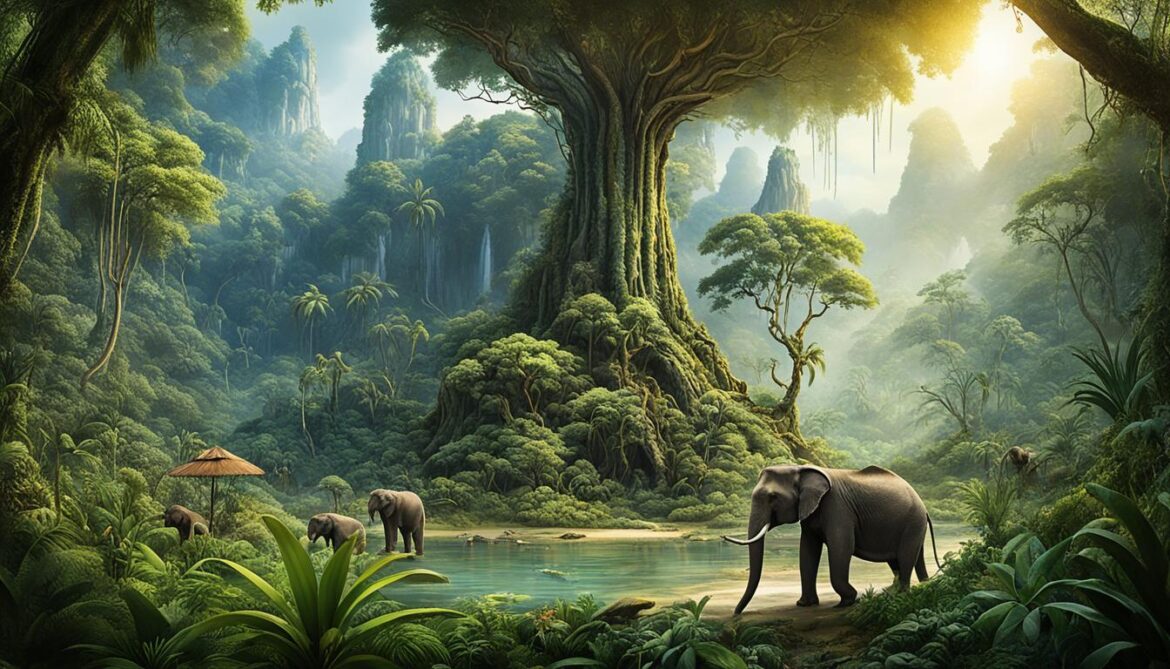
Thailand boasts a remarkable array of ecosystems and habitats, each teeming with life and contributing to the country’s rich biodiversity. From lush forests and majestic mountains to serene wetlands and vibrant coastal areas, Thailand is a haven for a diverse range of plant and animal species.
এই বাস্তুতন্ত্রগুলি কেবল মনোরম প্রাকৃতিক দৃশ্য নয় বরং গুরুত্বপূর্ণ হিসাবে কাজ করে হোম এবং অভয়ারণ্যগুলির জন্য Thai flora and fauna. They provide the necessary conditions for a thriving ecosystem and offer essential resources for the survival of various species.
Thailand is blessed with several biodiversity hotspots that deserve special attention. For instance, the Indochinese region in the north is known for its lush forests, home to numerous rare and endemic plant species. In the south, the Sundiac region boasts stunning marine environments, including coral reefs and seagrass beds, supporting a plethora of marine life.
থাইল্যান্ডের বৈচিত্র্যময় প্রাকৃতিক দৃশ্যের কারণে, যার মধ্যে রয়েছে 15টি পর্বতশ্রেণী এবং অসংখ্য নদী অববাহিকা, দেশটি জৈবিক বৈচিত্র্যের একটি চিত্তাকর্ষক পরিসর প্রদর্শন করে। এই প্রাকৃতিক বৈশিষ্ট্যগুলি অনন্য পরিস্থিতি তৈরি করে যা বিরল এবং স্থানীয় প্রজাতির উপস্থিতি প্রচার করে, থাইল্যান্ডকে জীববৈচিত্র্যের ভান্ডার করে তোলে।
থাইল্যান্ডে নির্বাচিত জীববৈচিত্র্যের হটস্পট:
- ইন্দোচাইনিজ অঞ্চল
- সানডিয়াক অঞ্চল
| বাস্তুতন্ত্র এবং বাসস্থান | জীববৈচিত্র্যের অবদান |
|---|---|
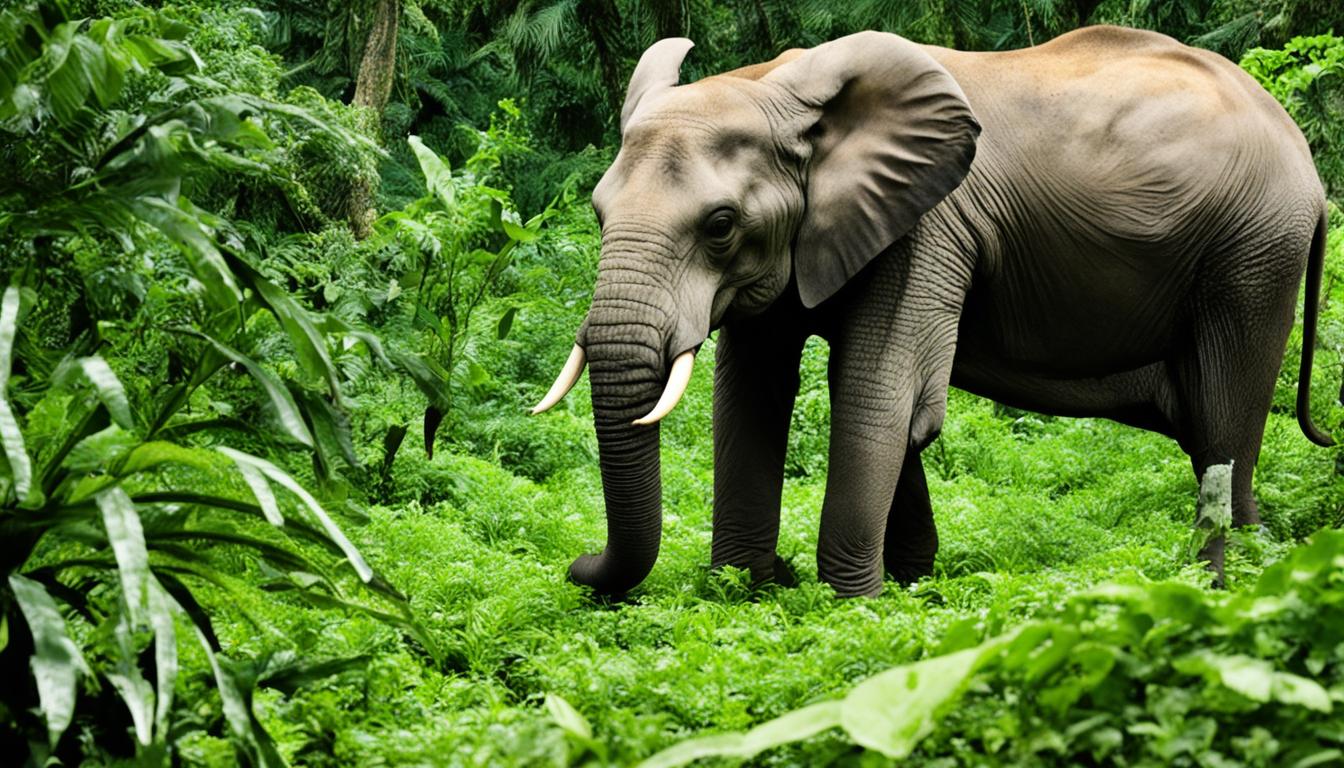
| বন | অর্কিড এবং বাঁশের মতো বিরল উদ্ভিদ প্রজাতির পাশাপাশি গিবন এবং এশীয় হাতি সহ বিভিন্ন প্রাণীর বাসস্থান। |
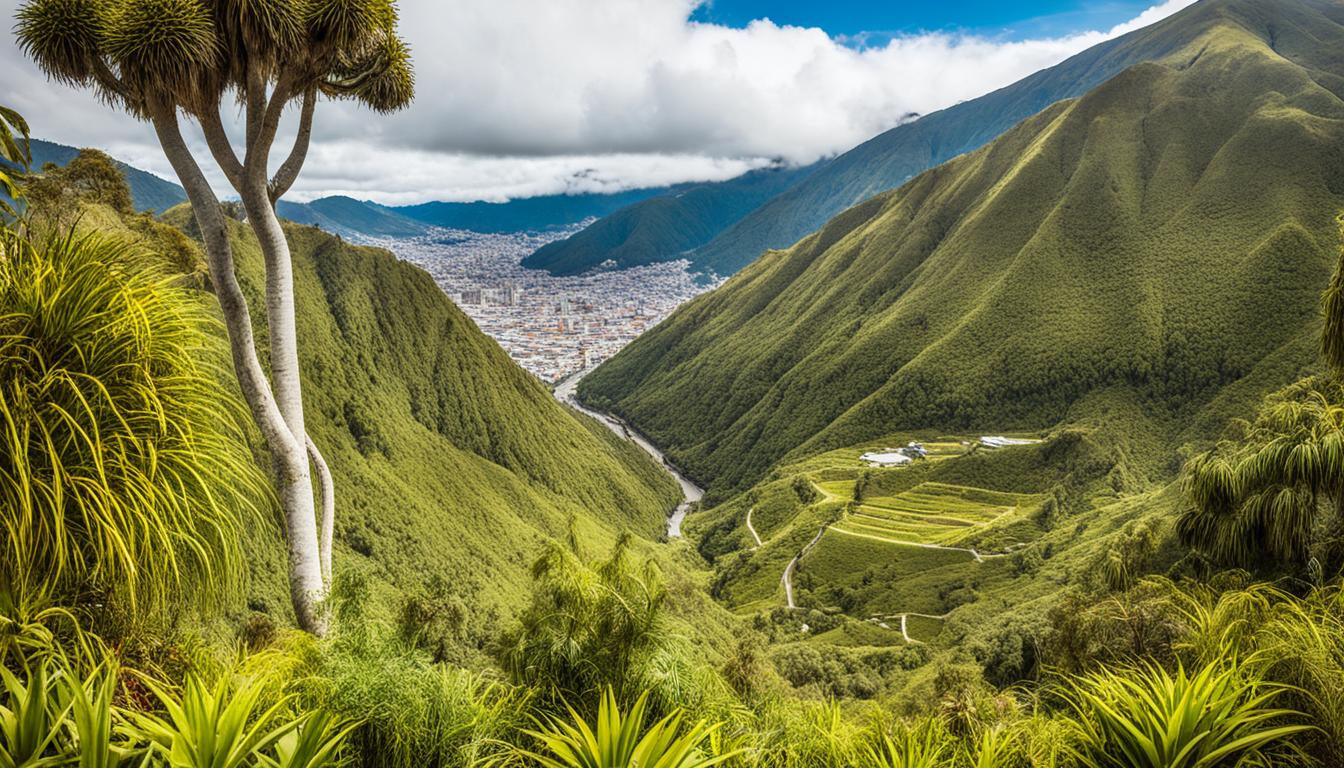
| পর্বতমালা | গ্রীষ্মমন্ডলীয় রেইনফরেস্ট থেকে আল্পাইন তৃণভূমি পর্যন্ত বিস্তৃত উচ্চতাপূর্ণ অঞ্চলকে সমর্থন করুন, বিভিন্ন উদ্ভিদ এবং প্রাণী সম্প্রদায়কে মিটমাট করে। |
| জলাভূমি | Provide critical habitats for migratory birds, waterfowl, and various aquatic species, contributing to the overall ecological balance. |
| উপকূলীয় এলাকায় | ম্যানগ্রোভ বন, সমুদ্রঘাসের বিছানা এবং মোহনায় প্রচুর পরিমাণে, যা সামুদ্রিক এবং স্থলজ প্রাণীর সমৃদ্ধ ভাণ্ডার বজায় রাখে। |
| সামুদ্রিক পরিবেশ | প্রবাল প্রাচীর সহ অবিশ্বাস্য জীববৈচিত্র্য হোস্ট করুন, যেখানে রঙিন মাছ, মলাস্ক এবং অন্যান্য সামুদ্রিক প্রজাতির একটি অ্যারে বৃদ্ধি পায়। |
Thailand’s unique ecosystems and habitats are not only intrinsic to the country’s natural heritage but also vital for the preservation and sustainability of its diverse flora and fauna. Protecting and conserving these areas is crucial in maintaining the delicate balance of the থাই ইকোসিস্টেম এবং দেশের জীববৈচিত্র্যের ভবিষ্যত রক্ষা করা।
থাইল্যান্ডে বিপন্ন প্রজাতি
Thailand is currently experiencing a significant loss of species, with numerous animal and plant species categorized as endangered or threatened. The numbers are alarming, with 121 mammal species, 184 bird species, 33 reptile species, 5 amphibian species, 218 fish species, and 1,131 plant species facing the risk of extinction. These figures emphasize the critical importance of biodiversity conservation efforts in Thailand.
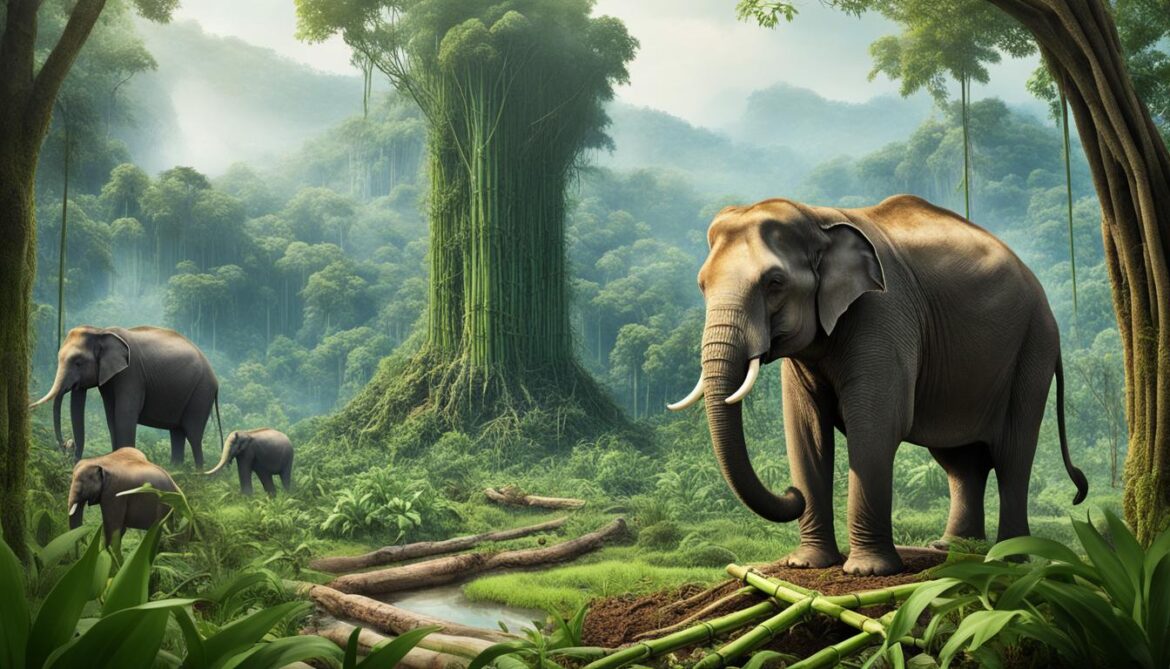
মধ্যে মধ্যে থাইল্যান্ডে বিপন্ন প্রজাতি, বন্য হাতি, বাঘ, গুয়ার, ব্যানটেং, ইরাওয়াডি ডলফিন এবং বিভিন্ন উদ্ভিদ প্রজাতি সহ কিছু উল্লেখযোগ্য উদাহরণ রয়েছে। এই দুর্দান্ত প্রাণী এবং সূক্ষ্ম গাছপালা থাইল্যান্ডের অনন্য বাস্তুতন্ত্রের অপরিহার্য উপাদান এবং তাদের সুরক্ষা দেশের জীববৈচিত্র্য বজায় রাখার জন্য অত্যাবশ্যক।
“The beauty and diversity of Thailand’s wildlife are a testament to the country’s natural heritage, and ensuring the survival of these endangered species is our responsibility.”
Several conservation measures are being implemented to safeguard these endangered species and their habitats. This includes the establishment of wildlife sanctuaries and protected areas dedicated to their preservation. Critical habitats are being identified and safeguarded, and strict regulations on hunting and trade are being enforced to combat illegal activities threatening these species.
The preservation of Thailand’s biodiversity relies on concerted efforts to protect these endangered species, ensuring a sustainable future for both the wildlife and the ecosystems they inhabit. By nurturing and conserving these precious resources, Thailand can continue to be a beacon of biodiversity in Southeast Asia.
থাইল্যান্ডে বিপন্ন প্রজাতি:
| বিভাগ | প্রজাতির সংখ্যা |
|---|---|
| স্তন্যপায়ী | 121 |
| পাখি | 184 |
| সরীসৃপ | 33 |
| উভচর | 5 |
| মীনরাশি | 218 |
| কারখানা | 1,131 |
থাইল্যান্ডে জীববৈচিত্র্যের উপর মানুষের কার্যকলাপের প্রভাব
Human activities have had a significant impact on the biodiversity of Thailand. The country’s rich ecosystems and diverse species face numerous threats, including বাসস্থান ক্ষতি, অবৈধ লগিং, ধ্বংসাত্মক মাছ ধরার অনুশীলন, এবং দূষণ. এই ক্রিয়াকলাপগুলির ফলে মূল্যবান আবাসস্থল যেমন ম্যানগ্রোভ বন এবং প্রবাল প্রাচীরের অবক্ষয় এবং ধ্বংস হয়েছে এবং বিভিন্ন উদ্ভিদ ও প্রাণী প্রজাতির পতনের দিকে পরিচালিত করেছে।
বাসস্থান ক্ষতি is a major concern in Thailand. Forest clearance and urbanization have led to the destruction of natural habitats, displacing numerous species and contributing to the loss of biodiversity. The conversion of land for agricultural purposes and infrastructure development further exacerbates the problem, fragmenting ecosystems and reducing the availability of suitable habitats for wildlife.
অবৈধ লগিং আরেকটি উল্লেখযোগ্য হুমকি সৃষ্টি করে থাইল্যান্ডের জীববৈচিত্র্য। The extraction of timber without proper regulations and sustainable practices results in the destruction of forests, leading to the loss of habitat for numerous plant and animal species. This activity also disrupts the natural balance of ecosystems and contributes to the decline of endangered species.
ধ্বংসাত্মক মাছ ধরার অনুশীলন সামুদ্রিক উপর একটি ক্ষতিকর প্রভাব আছে থাইল্যান্ডে জীববৈচিত্র্য. অতিরিক্ত মাছ ধরা, মাছ ধরার জন্য ডিনামাইট বা সায়ানাইডের ব্যবহার এবং লক্ষ্যবহির্ভূত প্রজাতির ক্যাপচার সূক্ষ্ম সামুদ্রিক বাস্তুতন্ত্রের ক্ষতি করে এবং মাছের জনসংখ্যা হ্রাস করে। এই অনুশীলনগুলি কেবল প্রাকৃতিক ভারসাম্যকে ব্যাহত করে না তবে টেকসই মাছ ধরার অনুশীলনের উপর নির্ভরশীল মাছ ধরার সম্প্রদায়ের জীবিকাকেও হুমকি দেয়।
শিল্প কার্যক্রম এবং কৃষির দূষণ আরও বিপন্ন করে থাইল্যান্ডের জীববৈচিত্র্য। জলাশয় এবং মাটিতে বিষাক্ত পদার্থের মুক্তি বাস্তুতন্ত্রকে ব্যাহত করতে পারে এবং উদ্ভিদ, প্রাণী এবং অণুজীব সহ জীবের ক্ষতি করতে পারে। দূষণ জলের গুণমানকেও প্রভাবিত করে, জলজ বাসস্থানকে দূষিত করে এবং তাদের উপর নির্ভরশীল জীববৈচিত্র্যকে বিপন্ন করে।
The introduction of invasive alien species is also a major concern. Non-native species, whether intentionally or unintentionally introduced, can outcompete native species for resources and disrupt local ecosystems. This can lead to the decline or extinction of native species and negatively impact the overall biodiversity of an area.
এই হুমকিগুলি মোকাবেলা করতে এবং রক্ষার জন্য টেকসই অনুশীলন প্রচারের জন্য জরুরী ব্যবস্থা গ্রহণ করা প্রয়োজন থাইল্যান্ডের জীববৈচিত্র্য। Conservation efforts, such as the establishment of protected areas, the implementation of regulations to control logging and fishing practices, and the adoption of sustainable agricultural and industrial practices, are crucial for the preservation of Thailand’s unique fauna and flora.
| হুমকি | জীববৈচিত্র্যের উপর প্রভাব |
|---|---|
| বাসস্থান ক্ষতি | Loss of natural habitats, displacement of species, fragmentation of ecosystems |
| অবৈধ লগিং | বন ধ্বংস, বাসস্থান হারানো, বিপন্ন প্রজাতির হ্রাস |
| ধ্বংসাত্মক মাছ ধরার অনুশীলন | সামুদ্রিক বাস্তুতন্ত্রের ব্যাঘাত, মাছের জনসংখ্যা হ্রাস |
| দূষণ | বাস্তুতন্ত্রের ব্যাঘাত, জীবের ক্ষতি, বাসস্থানের দূষণ |
| আক্রমণাত্মক এলিয়েন প্রজাতি | স্থানীয় বাস্তুতন্ত্রের ব্যাঘাত, দেশীয় প্রজাতির হ্রাস বা বিলুপ্তি |

এই হুমকিগুলি মোকাবেলা করে এবং টেকসই অনুশীলনের প্রচারের মাধ্যমে, থাইল্যান্ডের জীববৈচিত্র্যের উপর মানুষের ক্রিয়াকলাপের প্রভাব হ্রাস করা সম্ভব। সংরক্ষণ প্রচেষ্টা, শিক্ষা এবং জনসচেতনতার মাধ্যমে আমরা ভবিষ্যত প্রজন্মের জন্য দেশের অনন্য উদ্ভিদ ও প্রাণী সংরক্ষণের জন্য কাজ করতে পারি।
থাইল্যান্ডে জলবায়ু পরিবর্তন এবং জীববৈচিত্র্য
Climate change is a significant factor affecting biodiversity conservation in Thailand. The impacts of rising temperatures, shifting rainfall patterns, and extreme weather events can have far-reaching consequences for ecosystems and species. These changes pose new challenges to the delicate balance of Thailand’s biodiversity.
অনুমান অনুসারে, থাইল্যান্ডের জীববৈচিত্র্যের উপর জলবায়ু পরিবর্তনের প্রভাব উদ্বেগজনক। 2070 সালের মধ্যে, অনেক প্রজাতির জনসংখ্যা হ্রাস পাবে বলে আশা করা হচ্ছে, তাদের বিলুপ্তির ঝুঁকি বেশি হবে। জলবায়ু পরিবর্তনের জন্য প্রজাতির দুর্বলতা পরিবর্তিত হতে পারে, কিছু উভচর ও সরীসৃপ পরিবেশগত অবস্থার পরিবর্তনের কারণে জনসংখ্যা বৃদ্ধির সংখ্যা প্রদর্শন করতে অনুমান করা হয়েছে।
জলবায়ু পরিবর্তনের প্রভাব কমানোর জন্য অভিযোজন ব্যবস্থা অত্যন্ত গুরুত্বপূর্ণ থাইল্যান্ডে জীববৈচিত্র্য. The protection and restoration of habitats play a vital role in providing refuge for species affected by changing climates. Furthermore, the establishment of climate-resilient protected areas is essential for safeguarding biodiversity and maintaining ecological balance.
In addition to habitat conservation, sustainable land and water management practices are necessary to address the challenges posed by climate change. By adopting sustainable practices, such as responsible land use and resource management, Thailand can minimize further damage to its biodiversity and enhance the resilience of its ecosystems.
In উপসংহার, climate change poses a real threat to the biodiversity of Thailand. The projected impacts of rising temperatures, changing rainfall patterns, and extreme weather events highlight the vulnerability of many species. However, with strategic adaptation measures, including habitat protection, the establishment of climate-resilient protected areas, and sustainable land and water management practices, Thailand can mitigate these impacts and preserve its rich biodiversity for future generations.
থাইল্যান্ডে সংরক্ষণ প্রচেষ্টা এবং সুরক্ষিত এলাকা
থাইল্যান্ড সংরক্ষিত এলাকা স্থাপনের মাধ্যমে জীববৈচিত্র্য সংরক্ষণে তার অঙ্গীকার প্রদর্শন করেছে। বর্তমানে, দেশের ভূমি এলাকার প্রায় 22.8% জাতীয় উদ্যান, বন্যপ্রাণী অভয়ারণ্য এবং বন উদ্যান সহ সংরক্ষিত এলাকা হিসাবে মনোনীত। এই সুরক্ষিত এলাকাগুলি গুরুত্বপূর্ণ আবাসস্থল এবং প্রজাতির জন্য গুরুত্বপূর্ণ সুরক্ষা হিসাবে কাজ করে, যা থাইল্যান্ডের অনন্য জীববৈচিত্র্য সংরক্ষণে গুরুত্বপূর্ণ ভূমিকা পালন করে।
25% এর লক্ষ্যমাত্রা কভারেজ অর্জনের লক্ষ্যে সংরক্ষিত এলাকা ব্যবস্থাকে আরও প্রসারিত করার প্রচেষ্টা চলছে। এই সম্প্রসারণটি সারা দেশে বন্যপ্রাণী এবং বাস্তুতন্ত্রের বর্ধিত সুরক্ষায় অবদান রাখবে, যা দীর্ঘমেয়াদী স্থায়িত্ব নিশ্চিত করবে। থাইল্যান্ডের প্রাকৃতিক ঐতিহ্য।
In addition to protected areas, various conservation initiatives and programs are being implemented in Thailand. These initiatives aim to promote sustainable land and resource management practices, raise awareness about the importance of biodiversity conservation, and engage local communities in conservation efforts.
সংরক্ষণ উদ্যোগের মধ্যে রয়েছে:
- জীববৈচিত্র্যের মূল্য এবং এর সুরক্ষার প্রয়োজনীয়তা সম্পর্কে সচেতনতা বাড়াতে শিক্ষা এবং প্রচার কর্মসূচি।
- Sustainable tourism practices that promote responsible environmental behavior and minimize negative impacts on ecosystems.
- ঐতিহ্যগত জ্ঞান এবং অনুশীলনগুলিকে একীভূত করে এমন সম্প্রদায়-ভিত্তিক সংরক্ষণ প্রকল্পগুলি বিকাশ করতে স্থানীয় সম্প্রদায়ের সাথে সহযোগিতা।
- জীববৈচিত্র্য এবং বাস্তুতন্ত্রের কার্যকারিতা বাড়াতে অবনমিত বাসস্থান পুনরুদ্ধার।
These conservation efforts are essential for preserving Thailand’s rich biodiversity and ensuring a sustainable future for both wildlife and people. Through a combination of protected areas, সম্প্রদায়ের সংযুক্তি, এবং টেকসই অনুশীলন, থাইল্যান্ড জীববৈচিত্র্য সংরক্ষণের দিকে গুরুত্বপূর্ণ পদক্ষেপ নিচ্ছে।
| সুরক্ষিত এলাকার ধরন | এলাকা (কিমি²) |
|---|---|
| জাতীয় উদ্যান | ~XXX,XXX |
| বন্যজীবন অভয়ারণ্য | ~XXX,XXX |
| ফরেস্ট পার্ক | ~XXX,XXX |
থাইল্যান্ডের সামুদ্রিক এবং উপকূলীয় জীববৈচিত্র্যের জন্য হুমকি
থাইল্যান্ডের উপকূলীয় এবং সামুদ্রিক বাস্তুতন্ত্রগুলি উল্লেখযোগ্য হুমকির মধ্যে রয়েছে, যা এই অঞ্চলে পাওয়া সমৃদ্ধ জীববৈচিত্র্যকে বিপন্ন করে। উপকূলীয় অঞ্চলগুলি ম্যানগ্রোভ বন এবং প্রবাল প্রাচীরের মতো বিভিন্ন আবাসস্থলের আবাসস্থল, যা সামুদ্রিক জীবনকে সমর্থন করতে এবং এই বাস্তুতন্ত্রের সূক্ষ্ম ভারসাম্য বজায় রাখতে গুরুত্বপূর্ণ ভূমিকা পালন করে।
Mangrove forests, covering around 36% of Thailand’s coastline, are particularly vulnerable to various factors. Illegal wood cutting, shrimp farming, and urban development pose serious risks to the survival of mangroves. These activities disrupt the natural habitat and result in habitat destruction, directly impacting the flora and fauna that rely on mangroves for shelter and sustenance.
Moreover, coastal activities, including tourism and community settlements, have heavily impacted beach forests. The influx of visitors and construction of infrastructure in these areas have caused degradation and loss of habitat, leading to a decline in coastal biodiversity.
Protecting coral reefs is also of great importance as they are vital for marine biodiversity. However, only a small percentage of coral reefs in Thailand are in good condition. Habitat destruction, overfishing, pollution, and the impacts of climate change – including rising sea temperatures and ocean acidification – contribute to the degradation of coral reefs and pose a significant threat to the diverse marine life they support.
Conservation efforts in Thailand are aimed at safeguarding and restoring these precious ecosystems. The establishment of marine protected areas plays a crucial role in preserving উপকূলীয় এবং সামুদ্রিক জীববৈচিত্র্য. নির্দিষ্ট অঞ্চল নির্ধারণ করে যেখানে মানুষের কার্যকলাপ নিয়ন্ত্রিত হয়, সামুদ্রিক সুরক্ষিত এলাকাগুলি সামুদ্রিক জীবনের উন্নতি ও পুনরুদ্ধারের জন্য একটি আশ্রয় প্রদান করে।
Additionally, promoting sustainable fishing practices helps ensure the long-term viability of fish populations and the overall health of marine ecosystems. By implementing responsible fishing techniques, such as selective fishing gear and regulated catch limits, the negative impact of overfishing can be minimized.
It is also essential to address pollution from both land and sea sources. Implementing measures to reduce pollution, such as proper waste management systems and the enforcement of environmental regulations, can help protect marine and coastal biodiversity from harmful substances.
The impacts of climate change, such as rising sea levels and more frequent extreme weather events, further compound the threats to marine and coastal ecosystems. Therefore, it is crucial to integrate climate change adaptation strategies into conservation efforts to increase the resilience of these ecosystems and the species that depend on them.
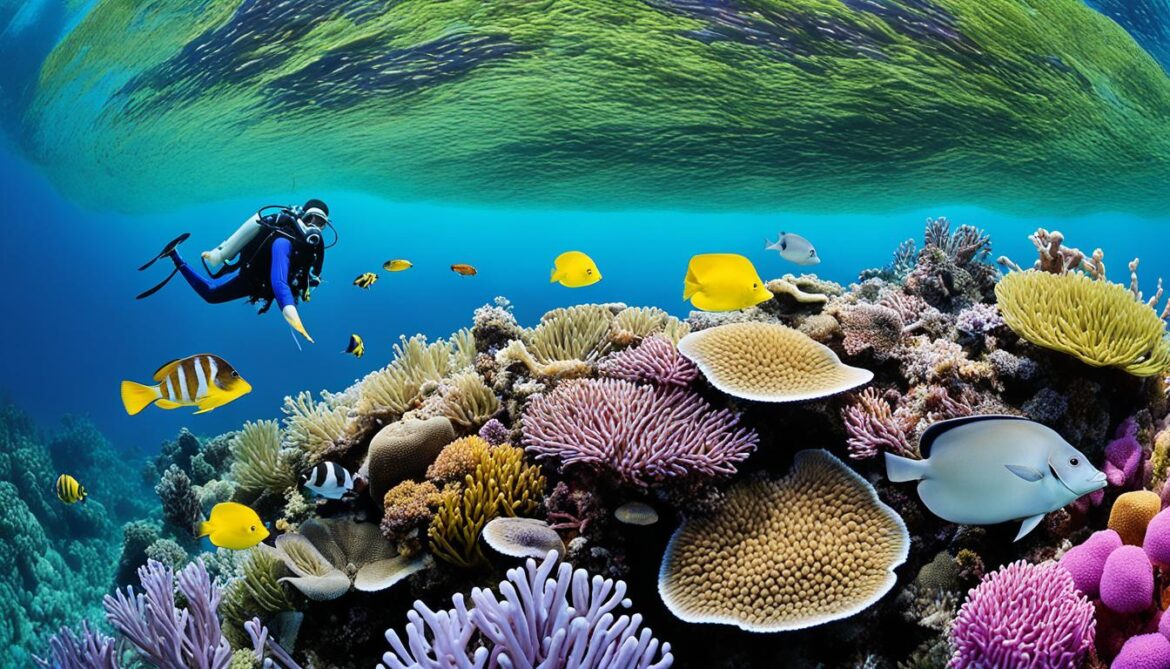
In উপসংহার, থাইল্যান্ড এর সংরক্ষণ উপকূলীয় এবং সামুদ্রিক জীববৈচিত্র্য requires comprehensive conservation strategies that address the various threats these ecosystems face. By protecting and restoring mangrove forests, coral reefs, and other coastal habitats, we can ensure the survival of the diverse plant and animal species that call these areas home. Sustainable fishing practices, pollution reduction, and climate change adaptation measures are essential in safeguarding the long-term health and resilience of Thailand’s marine and coastal ecosystems.
থাইল্যান্ডে সংরক্ষণ নীতি এবং উদ্যোগ
থাইল্যান্ড তার সমৃদ্ধ জীববৈচিত্র্য রক্ষার জন্য বিভিন্ন সংরক্ষণ নীতি ও উদ্যোগ বাস্তবায়ন করেছে। জাতীয় জীববৈচিত্র্য কৌশল এবং কর্ম পরিকল্পনা (এনবিএসএপি) দেশে জীববৈচিত্র্য সংরক্ষণের প্রচেষ্টার দিকনির্দেশনায় একটি গুরুত্বপূর্ণ ভূমিকা পালন করে। এটি জীববৈচিত্র্য রক্ষা, টেকসই ব্যবহারের প্রচার, হুমকি প্রশমন এবং জাতীয় ক্ষমতা শক্তিশালীকরণের উপর দৃষ্টি নিবদ্ধ করে ব্যাপক কৌশল ও কর্ম পরিকল্পনার রূপরেখা দেয়।
থাইল্যান্ডও এই লক্ষ্য অর্জনে সক্রিয়ভাবে কাজ করছে আইচি জীববৈচিত্র্য লক্ষ্যমাত্রা set by the Convention on Biological Diversity (CBD). These targets aim to halt the loss of biodiversity and encourage its sustainable use. Thailand’s endeavors include the establishment of protected areas, conservation of threatened species, and raising public awareness about the importance of biodiversity preservation.
Collaboration with international organizations and research institutions is a crucial aspect of Thailand’s conservation efforts. By partnering with experts and sharing knowledge and resources, Thailand can enhance its conservation policies and initiatives, leading to more effective biodiversity protection.

থাইল্যান্ডে মূল সংরক্ষণ নীতি এবং উদ্যোগ
- জাতীয় জীববৈচিত্র্য কৌশল এবং কর্ম পরিকল্পনা (এনবিএসএপি): থাইল্যান্ডে জীববৈচিত্র্য সংরক্ষণের জন্য একটি ব্যাপক কাঠামো।
- সার্জারির আইচি জীববৈচিত্র্য লক্ষ্যমাত্রা: CBD দ্বারা নির্ধারিত বৈশ্বিক জীববৈচিত্র্য লক্ষ্য অর্জনের জন্য প্রচেষ্টা।
- সংরক্ষিত এলাকা স্থাপন: বিপন্ন প্রজাতির জন্য নিরাপদ আশ্রয়স্থল তৈরি করা এবং গুরুত্বপূর্ণ আবাসস্থল সংরক্ষণ করা।
- Threatened Species Conservation: Focus on conserving endangered species through targeted conservation programs and measures.
- জনসচেতনতা এবং শিক্ষা: জীববৈচিত্র্যের মূল্য এবং এর সুরক্ষার প্রয়োজনীয়তা সম্পর্কে সচেতনতা বৃদ্ধি করা।
সংরক্ষণ নীতি এবং উদ্যোগের প্রতি থাইল্যান্ডের প্রতিশ্রুতি তার অনন্য উদ্ভিদ এবং প্রাণীজগতের দীর্ঘমেয়াদী সংরক্ষণের জন্য অত্যন্ত গুরুত্বপূর্ণ। এই পদক্ষেপগুলি বাস্তবায়ন করে এবং স্টেকহোল্ডারদের সাথে সহযোগিতা করে, থাইল্যান্ড ভবিষ্যত প্রজন্মের জন্য তার প্রাকৃতিক ঐতিহ্যের টেকসইতা নিশ্চিত করতে চায়।
থাইল্যান্ডে জীববৈচিত্র্য সংরক্ষণের ভবিষ্যৎ সম্ভাবনা
সার্জারির জীববৈচিত্র্য সংরক্ষণের ভবিষ্যত থাইল্যান্ডে বিদ্যমান চ্যালেঞ্জ মোকাবেলা এবং কার্যকর সংরক্ষণ প্রচেষ্টা বাস্তবায়নের উপর নির্ভর করে। অবিরত বাসস্থানের ক্ষতি, জলবায়ু পরিবর্তন, টেকসই ভূমি এবং সম্পদ ব্যবস্থাপনা এবং অবৈধ কার্যকলাপ সহ বেশ কয়েকটি মূল চ্যালেঞ্জ রয়েছে যা অবিলম্বে সমাধান করা দরকার। এই চ্যালেঞ্জগুলি থাইল্যান্ডের জীববৈচিত্র্যের জন্য একটি উল্লেখযোগ্য হুমকি সৃষ্টি করে এবং অবিলম্বে পদক্ষেপের প্রয়োজন।
To ensure the long-term conservation of Thailand’s biodiversity, it is essential to strengthen collaboration between stakeholders, including government agencies, NGOs, local communities, and indigenous groups. By working together, we can share knowledge, resources, and expertise, and develop effective strategies and action plans.
জনসচেতনতা বৃদ্ধিও এর জন্য গুরুত্বপূর্ণ জীববৈচিত্র্য সংরক্ষণের ভবিষ্যত থাইল্যান্ডে. জীববৈচিত্র্যের মূল্য ও গুরুত্ব সম্পর্কে জনসাধারণকে শিক্ষিত করে, আমরা দায়িত্বের বোধ জাগিয়ে তুলতে পারি এবং সুরক্ষা ও সংরক্ষণের জন্য ব্যক্তিগত ও সম্মিলিত ক্রিয়াকলাপকে উত্সাহিত করতে পারি। থাইল্যান্ডের প্রাকৃতিক ঐতিহ্য।
টেকসই অনুশীলন বাস্তবায়ন ভবিষ্যতে জীববৈচিত্র্য সংরক্ষণের আরেকটি মূল দিক। এর মধ্যে রয়েছে টেকসই ভূমি ও পানি ব্যবস্থাপনার প্রচার, দূষণ কমানো এবং শিল্প ও কৃষিতে পরিবেশ বান্ধব পন্থা অবলম্বন করা। টেকসই অনুশীলনগুলি গ্রহণ করে, আমরা বাস্তুতন্ত্রের উপর নেতিবাচক প্রভাবগুলি হ্রাস করতে পারি এবং ভবিষ্যতের চ্যালেঞ্জগুলির জন্য জীববৈচিত্র্যের স্থিতিস্থাপকতা বাড়াতে পারি।
Integrating biodiversity considerations into development planning is crucial for the future of conservation in Thailand. By considering biodiversity in decision-making processes for infrastructure development, urban planning, and agricultural expansion, we can ensure that development is sustainable and minimizes its impact on biodiversity.
Lastly, the involvement and participation of local communities, indigenous knowledge, and traditional practices are vital for successful biodiversity conservation. The traditional knowledge of local communities can provide valuable insights and solutions for সংরক্ষণ চ্যালেঞ্জ. সংরক্ষণের প্রচেষ্টায় স্থানীয় সম্প্রদায়কে জড়িত করা স্থানীয় সমর্থন এবং মালিকানাও তৈরি করতে পারে, যা আরও কার্যকর এবং টেকসই ফলাফলের দিকে পরিচালিত করে।

In উপসংহার, দ্য জীববৈচিত্র্য সংরক্ষণের ভবিষ্যত থাইল্যান্ডে বাসস্থানের ক্ষতি, জলবায়ু পরিবর্তন, টেকসই অভ্যাস এবং অবৈধ কার্যকলাপের চ্যালেঞ্জ মোকাবেলার উপর নির্ভর করে। সহযোগিতা জোরদার করে, জনসচেতনতা বৃদ্ধি করে, টেকসই অনুশীলন বাস্তবায়ন করে, জীববৈচিত্র্যকে উন্নয়ন পরিকল্পনায় একীভূত করে এবং স্থানীয় সম্প্রদায়কে সম্পৃক্ত করে, আমরা থাইল্যান্ডের অনন্য এবং বৈচিত্র্যময় জীববৈচিত্র্যের ভবিষ্যতকে সুরক্ষিত করতে পারি।
উপসংহার
থাইল্যান্ড উদ্ভিদ এবং প্রাণী প্রজাতির বৈচিত্র্যের সাথে একটি অসাধারণ জীববৈচিত্র্য নিয়ে গর্ব করে। যাইহোক, এই জীববৈচিত্র্য আবাসস্থল হ্রাস, জলবায়ু পরিবর্তন এবং অবৈধ কার্যকলাপ সহ বিভিন্ন চ্যালেঞ্জের কারণে হুমকির মুখে রয়েছে। থাইল্যান্ডের অনন্য জীববৈচিত্র্য রক্ষার জন্য, সংরক্ষণ প্রচেষ্টা সর্বাগ্রে। সংরক্ষিত এলাকা প্রতিষ্ঠা, সংরক্ষণ নীতিমালা বাস্তবায়ন এবং সচেতনতা বৃদ্ধির প্রচারণার সুরক্ষা ও সংরক্ষণের জন্য গুরুত্বপূর্ণ থাইল্যান্ডের প্রাকৃতিক ঐতিহ্য।
For long-term sustainability, collaboration and commitment from governments, organizations, and individuals are essential. By working together, we can ensure the continued existence of Thailand’s rich biodiversity and secure a future where both humans and nature thrive harmoniously. Let us join hands to protect Thailand’s natural treasures and preserve its invaluable biodiversity for generations to come.
থাইল্যান্ডের জীববৈচিত্র্য কেবল একটি জাতীয় ধন নয়, বিশ্ব ঐতিহ্যও বটে। পরিবেশগত ভারসাম্য বজায় রাখতে এবং গ্রহের প্রাকৃতিক সৌন্দর্য রক্ষায় এর সংরক্ষণ অত্যন্ত গুরুত্বপূর্ণ। থাইল্যান্ডের জীববৈচিত্র্যের মূল্যায়ন ও সুরক্ষার মাধ্যমে, আমরা পৃথিবীর বৈচিত্র্যময় বাস্তুতন্ত্র সংরক্ষণ ও টেকসইভাবে পরিচালনার বিস্তৃত বিশ্বব্যাপী প্রচেষ্টায় অবদান রাখি। একসাথে, আমরা একটি পার্থক্য করতে পারি এবং একটি ভবিষ্যত নিশ্চিত করতে পারি যেখানে জীববৈচিত্র্যের বিকাশ ঘটে।
FAQ
থাইল্যান্ডের জীববৈচিত্র্য কেমন?
থাইল্যান্ড দক্ষিণ-পূর্ব এশিয়ার সবচেয়ে জীববৈচিত্র্য সমৃদ্ধ দেশগুলির মধ্যে একটি, যেখানে 15,000টি উদ্ভিদ প্রজাতি এবং বিভিন্ন ধরণের প্রাণী প্রজাতি রয়েছে।
থাইল্যান্ডে কত প্রজাতি হুমকির মধ্যে রয়েছে?
থাইল্যান্ডে 121টি স্তন্যপায়ী প্রাণী, 184টি পাখি, 33টি সরীসৃপ, 5টি উভচর, 218টি মাছ এবং 1,131টি গাছপালা সহ উল্লেখযোগ্য সংখ্যক বিপন্ন প্রজাতি রয়েছে।
থাইল্যান্ডের জীববৈচিত্র্যের প্রধান হুমকি কি?
প্রধান হুমকির মধ্যে রয়েছে অবৈধ শিকার, বনের ছাড়পত্র এবং নগরায়ন থেকে আবাসস্থলের ক্ষতি, ধ্বংসাত্মক মাছ ধরার অনুশীলন, দূষণ এবং আক্রমণাত্মক প্রজাতির প্রবর্তন।
থাইল্যান্ডের মূল বাস্তুতন্ত্র কি কি?
থাইল্যান্ড বন, পাহাড়, জলাভূমি, উপকূলীয় এলাকা এবং সামুদ্রিক পরিবেশ সহ বিভিন্ন বাস্তুতন্ত্রের আবাসস্থল।
থাইল্যান্ডে কতটি প্রজাতি বিপন্ন হিসাবে শ্রেণীবদ্ধ করা হয়েছে?
থাইল্যান্ডে 121টি বিপন্ন স্তন্যপায়ী প্রজাতি, 184টি বিপন্ন পাখি প্রজাতি, 33টি বিপন্ন সরীসৃপ প্রজাতি, 5টি বিপন্ন উভচর প্রজাতি, 218টি বিপন্ন মাছের প্রজাতি এবং 1,131টি বিপন্ন উদ্ভিদ প্রজাতি রয়েছে।
থাইল্যান্ডের জীববৈচিত্র্যের প্রধান হুমকি কি?
বাসস্থান ধ্বংস, গাছ কাটা, ধ্বংসাত্মক মাছ ধরার মতো অবৈধ কার্যকলাপ, দূষণ এবং জলবায়ু পরিবর্তনের প্রভাব হলো প্রধান হুমকি। থাইল্যান্ডে জীববৈচিত্র্য.
জলবায়ু পরিবর্তন কিভাবে থাইল্যান্ডের জীববৈচিত্র্যকে প্রভাবিত করে?
জলবায়ু পরিবর্তন ক্রমবর্ধমান তাপমাত্রা, বৃষ্টিপাতের ধরণ এবং চরম আবহাওয়ার ঘটনাগুলির মতো চ্যালেঞ্জ তৈরি করে, যা অনেক প্রজাতি এবং বাস্তুতন্ত্রের পতনের দিকে নিয়ে যেতে পারে।
থাইল্যান্ডের জীববৈচিত্র্য রক্ষায় কী করা হচ্ছে?
থাইল্যান্ড সংরক্ষিত এলাকা স্থাপন করেছে, সংরক্ষণ নীতি বাস্তবায়ন করেছে এবং জীববৈচিত্র্য রক্ষা ও সংরক্ষণের জন্য সচেতনতা বৃদ্ধির প্রচারণা চালাচ্ছে।
থাইল্যান্ডের কোন এলাকাগুলো সামুদ্রিক ও উপকূলীয় জীববৈচিত্র্যের জন্য হুমকির সম্মুখীন?
ম্যানগ্রোভ বন, সৈকত বন এবং এই জাতীয় এলাকাগুলিতে সামুদ্রিক ও উপকূলীয় জীববৈচিত্র্যের জন্য হুমকিগুলি প্রকট। প্রবালদ্বীপ।
থাইল্যান্ডে সংরক্ষণের উদ্যোগ এবং নীতিগুলি কী কী?
থাইল্যান্ড জাতীয় জীববৈচিত্র্য কৌশল ও কর্ম পরিকল্পনা বাস্তবায়ন করেছে (এনবিএসএপিএবং বৈশ্বিক লক্ষ্য অর্জনে প্রতিশ্রুতিবদ্ধ। আইচি জীববৈচিত্র্য লক্ষ্যমাত্রা সিবিডি দ্বারা নির্ধারিত।
থাইল্যান্ডে জীববৈচিত্র্য সংরক্ষণের ভবিষ্যৎ সম্ভাবনা কী?
The future depends on addressing challenges such as habitat loss, climate change, and illegal activities. Collaboration, sustainable practices, and community involvement are crucial for successful conservation.