


গ্রোথ থেকে ফ্লোরিশিং: পোস্ট-গ্রোথ সিটি প্ল্যানিং এবং ডিজাইনে উদ্ভাবন
Welcome to an exploration of the latest innovations in post-growth city planning and design, where sustainability takes centre stage. As cities continue to expand rapidly, we must shift our focus from growth at all costs to designing urban environments that foster holistic flourishing for both people and the planet.
এই নিবন্ধে, আমরা ক্ষেত্রের সবচেয়ে উত্তেজনাপূর্ণ উন্নয়ন কিছু মধ্যে delve করব টেকসই নগর উন্নয়ন, highlighting innovations in eco-friendly urban planning, smart cities, inclusive design, green infrastructure, future-proof transportation, and more. By the end of this article, you’ll have a better understanding of how cutting-edge urban design trends are shaping the way we live, work, and play in cities.
কী Takeaways:
- Post-growth city planning prioritizes holistic flourishing over traditional growth-focused approaches.
- Innovations in eco-friendly urban planning include regenerative city design, green infrastructure, and urban agriculture.
- স্মার্ট শহরগুলি আরও দক্ষ, স্থিতিস্থাপক এবং টেকসই শহুরে পরিবেশ তৈরি করতে প্রযুক্তির ব্যবহার করে।
- অন্তর্ভুক্তিমূলক শহুরে নকশা এমন শহরগুলি তৈরি করতে চায় যা সমস্ত বাসিন্দাদের জন্য অ্যাক্সেসযোগ্য, ন্যায়সঙ্গত এবং অন্তর্ভুক্ত।
- সবুজ অবকাঠামো স্থায়িত্ব এবং স্থিতিস্থাপকতা বাড়ানোর জন্য শহুরে ল্যান্ডস্কেপগুলিতে প্রাকৃতিক উপাদানগুলিকে একীভূত করে।
- Future-proof city planning embraces sustainable transportation solutions and circular economy principles.
ইকো-ফ্রেন্ডলি নগর পরিকল্পনা: পুনরুজ্জীবিত শহরের নকশা
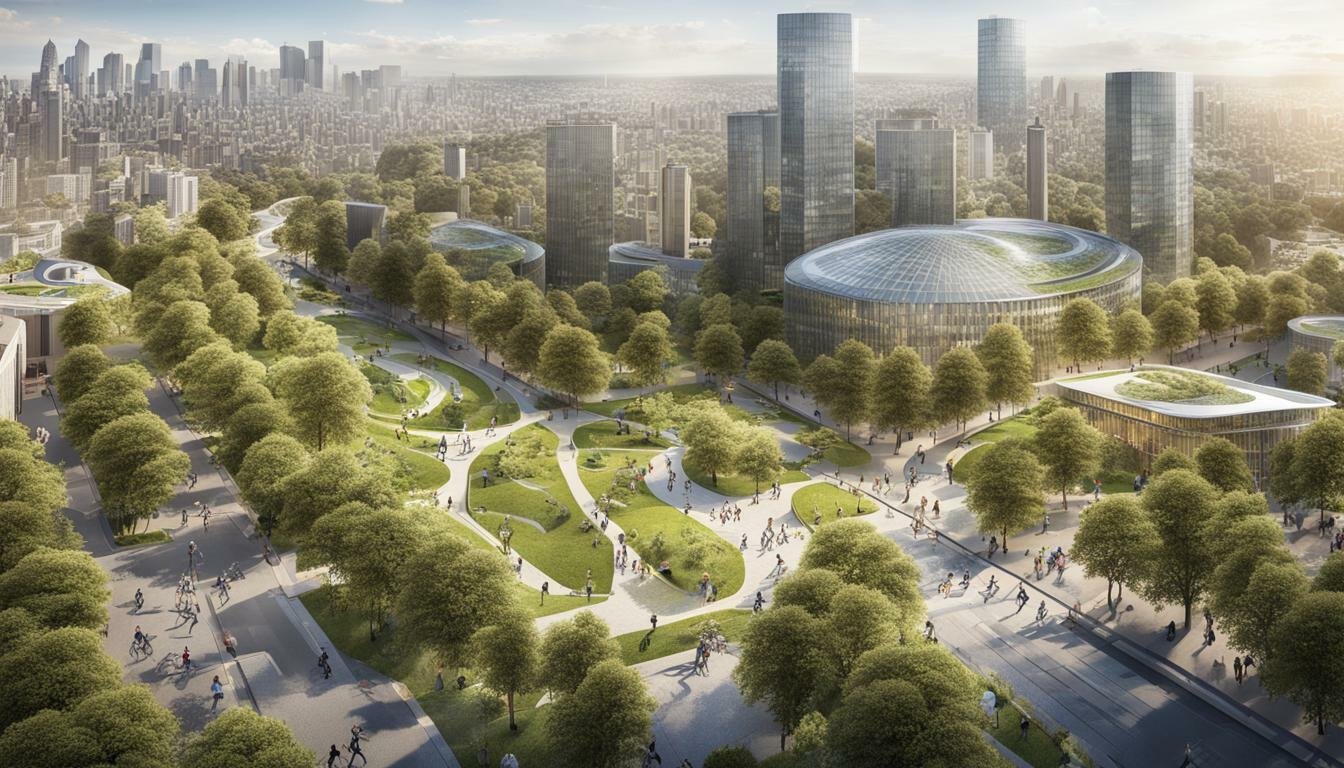
With the urgent need for sustainable urban development, cities are increasingly turning to innovative approaches that prioritize regenerative city design. By restoring and enhancing natural ecosystems within urban areas, these strategies aim to create more resilient, livable, and eco-friendly cities.
সবুজ অবকাঠামো
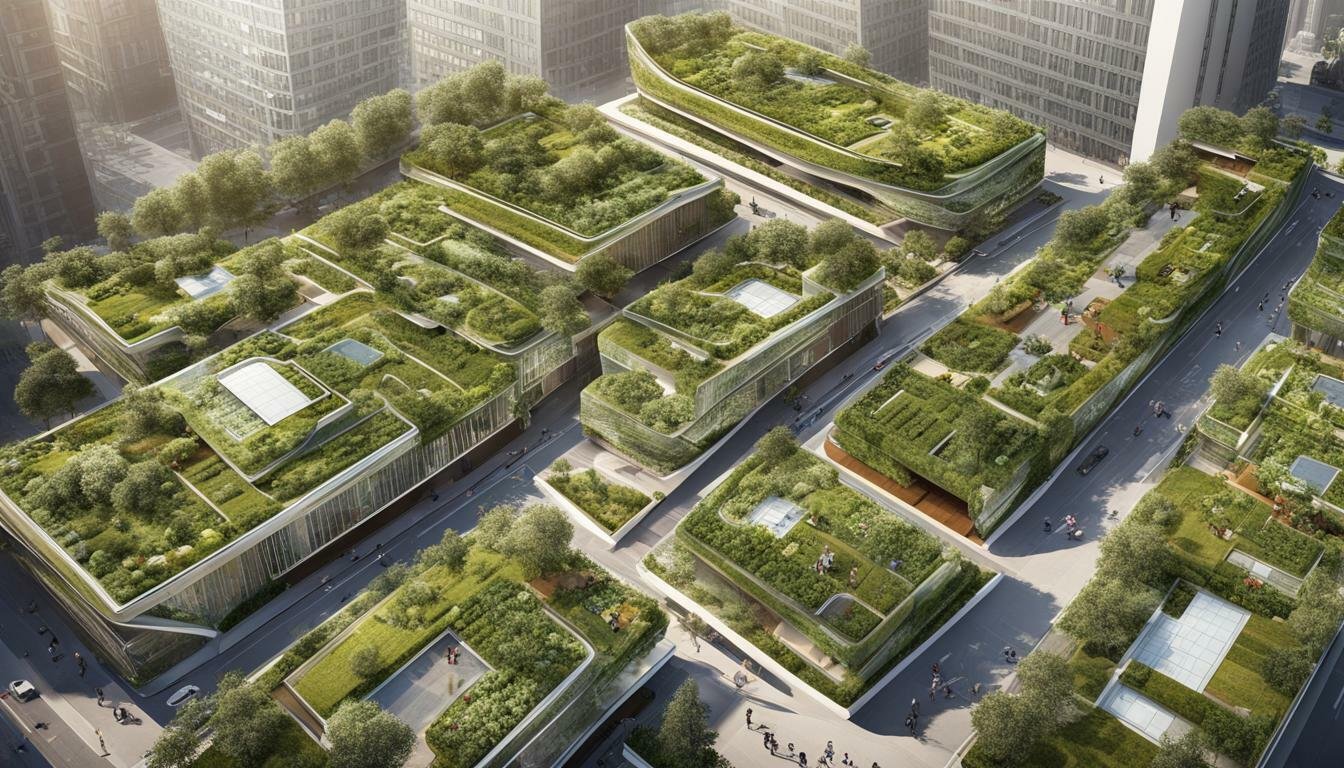
One key strategy is the development of green infrastructure, which involves integrating natural elements such as plants, trees, and water systems into urban landscapes. This can take many forms, including:
| কৌশল | বিবরণ |
|---|---|
| সবুজ ছাদ | Roofs covered in vegetation that help absorb rainwater and provide insulation |
| প্রবেশযোগ্য ফুটপাথ | ফুটপাথ যা বৃষ্টির জলকে মাটিতে শুষে নিতে দেয় |
| শহুরে বন | গাছের দল এবং অন্যান্য গাছপালা যা অসংখ্য পরিবেশগত এবং সামাজিক সুবিধা প্রদান করে |
| রেইন ওয়াটার হার্ভেস্টিং সিস্টেম | যে সিস্টেমগুলি বৃষ্টির জল সংগ্রহ করে এবং পরবর্তীতে ব্যবহারের জন্য সংরক্ষণ করে, সামগ্রিক জল খরচ কমিয়ে দেয় |
These innovative solutions not only enhance the natural environment but also provide numerous economic and social benefits, including improving air quality, reducing the urban heat island effect, and boosting community well-being.
নগর কৃষি
পুনরুজ্জীবিত শহরের নকশার আরেকটি উদ্ভাবনী পদ্ধতি হল শহুরে কৃষি, যার মধ্যে শহুরে এলাকায় শস্য চাষ করা এবং পশুপালন করা জড়িত। সম্প্রদায়ের বাগান এবং ছাদের খামার থেকে অ্যাকোয়াপোনিক সিস্টেম এবং উল্লম্ব চাষ পর্যন্ত এটি অনেক রূপ নিতে পারে।
নগর কৃষি কেবল স্থানীয়ভাবে উৎপাদিত তাজা পণ্যই সরবরাহ করে না বরং এটিকে উৎসাহিত করে সম্প্রদায়ের সংযুক্তি, education, and job creation. It can also help reduce urban food deserts and improve food security.
প্রকৃতি-ভিত্তিক সমাধান
Nature-based solutions are another key aspect of regenerative city design, as they leverage natural systems and processes to address urban challenges.
“Nature-based solutions can deliver over one-third of the climate mitigation needed to limit global warming to 2°C while simultaneously providing multiple co-benefits such as improving water quality, reducing urban heat islands, improving জীব বৈচিত্র্য and providing opportunities for recreation and leisure.” – International Union for Conservation of Nature
Examples of nature-based solutions in urban areas include restoring wetlands to improve water quality, creating green corridors to enhance biodiversity, and using green roofs to reduce the urban heat island effect.

টেকসই, স্থিতিস্থাপক এবং সমৃদ্ধ শহর তৈরির জন্য নগর পরিকল্পনা এবং উন্নয়নে পুনর্জন্মমূলক শহরের নকশা অন্তর্ভুক্ত করা অত্যন্ত গুরুত্বপূর্ণ। সবুজ অবকাঠামো, শহুরে কৃষি এবং প্রকৃতি-ভিত্তিক সমাধানকে অগ্রাধিকার দিয়ে, শহরগুলি তাদের বাসিন্দাদের জীবনযাত্রার মান উন্নত করার সাথে সাথে তাদের প্রাকৃতিক পরিবেশকে উন্নত করতে পারে।
স্মার্ট শহর এবং স্থায়িত্ব: নগর উন্নয়নের জন্য প্রযুক্তি একীভূত করা
As cities continue to grow, the need for sustainable urban development has become increasingly pressing. Fortunately, technology can play a key role in creating more efficient, resilient, and sustainable urban environments. Smart city initiatives leverage technology to improve everything from energy efficiency to waste management, creating a more livable and equitable urban landscape.
One example of sustainable technology in cities is the use of intelligent transportation systems. These systems use data analytics to optimize the flow of traffic, reducing congestion and improving air quality. Additionally, electric vehicles and bike-sharing programs are becoming increasingly prevalent in urban areas, reducing reliance on fossil fuels and promoting sustainable mobility.
Another area where technology is making a difference in sustainable urban development is waste management. Smart bins equipped with sensors can track the amount of waste in real-time, allowing for more efficient collection and disposal. Automated sorting systems can also help to reduce contamination and increase recycling rates.
However, it is important to note that smart cities are not without their challenges. Privacy concerns and data security are paramount when it comes to implementing smart city technology. Additionally, there are concerns about the potential for technology to exacerbate existing inequities in urban areas.
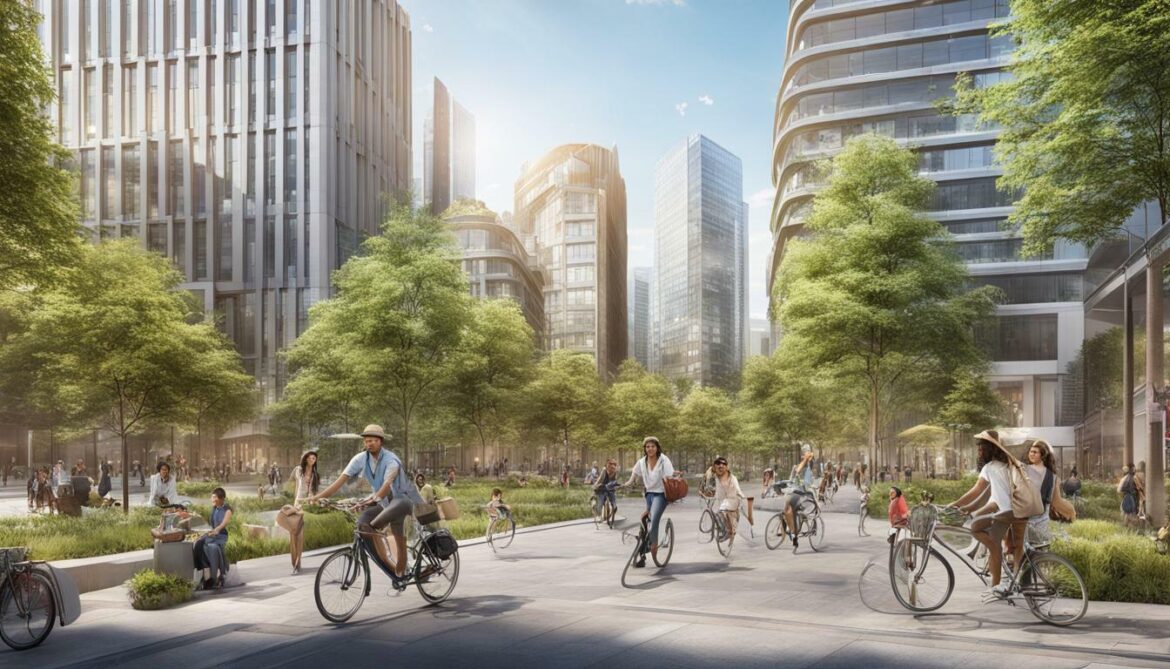
এই চ্যালেঞ্জগুলি সত্ত্বেও, টেকসই নগর উন্নয়নে প্রযুক্তির একীকরণের আরও বাসযোগ্য, ন্যায়সঙ্গত এবং স্থিতিস্থাপক শহর তৈরির সম্ভাবনা রয়েছে। বাসিন্দাদের চাহিদাকে অগ্রাধিকার দিয়ে এবং আরও দক্ষ এবং টেকসই শহুরে পরিবেশ তৈরি করতে প্রযুক্তির ব্যবহার করে, আমরা এমন শহরগুলি তৈরি করতে পারি যা আগামী প্রজন্মের জন্য সমৃদ্ধ হবে।
ইনক্লুসিভ আরবান ডিজাইন: সবার জন্য শহর তৈরি করা
Creating cities that are accessible, equitable, and inclusive for all residents is essential for post-growth city planning and design. Inclusive urban design recognizes and accounts for the diverse needs of individuals, aiming to create urban spaces that are welcoming and accommodating for everyone.
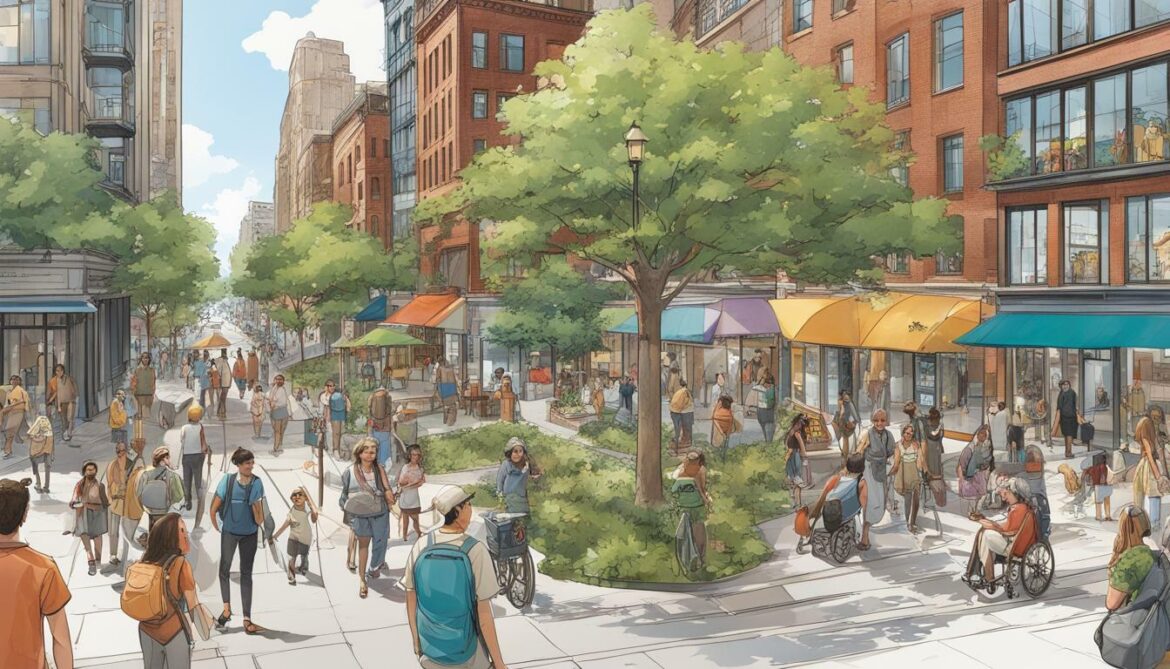
অন্তর্ভুক্তিমূলক শহুরে নকশার একটি পদ্ধতি হল সর্বজনীন নকশা নীতির মাধ্যমে, যার মধ্যে এমন স্থান ডিজাইন করা জড়িত যা বয়স, ক্ষমতা বা গতিশীলতা নির্বিশেষে যতটা সম্ভব বেশি লোক ব্যবহার করতে পারে। এর মধ্যে বিস্তৃত ফুটপাথ, র্যাম্পড কার্ব এবং দৃষ্টি বা শ্রবণ প্রতিবন্ধী ব্যক্তিদের জন্য শ্রবণযোগ্য ট্র্যাফিক সিগন্যালের মতো বৈশিষ্ট্য অন্তর্ভুক্ত থাকতে পারে।
অংশগ্রহণমূলক পরিকল্পনা প্রক্রিয়াগুলিও অন্তর্ভুক্তিমূলক শহুরে নকশার জন্য অপরিহার্য, কারণ এতে প্রত্যেকের চাহিদা বিবেচনা করা হয়েছে এবং নকশা প্রক্রিয়ার মধ্যে অন্তর্ভুক্ত করা হয়েছে তা নিশ্চিত করার জন্য বিস্তৃত সম্প্রদায়ের সদস্যদের কাছ থেকে ইনপুট এবং প্রতিক্রিয়া সংগ্রহ করা জড়িত।
Additionally, accessible infrastructure is crucial to creating inclusive cities. This may include wheelchair-accessible public transport, accessible buildings and facilities, and inclusive public spaces that prioritize accessibility and mobility.
অন্তর্ভুক্তিমূলক শহুরে নকশাকে অগ্রাধিকার দেওয়ার মাধ্যমে, শহরগুলি এমন পরিবেশ তৈরি করতে পারে যা কেবল সকলের কাছেই অ্যাক্সেসযোগ্য নয় বরং সম্প্রদায় এবং সামাজিক সংহতির অনুভূতিও গড়ে তুলতে পারে। এটি সকলের জন্য শহুরে ল্যান্ডস্কেপের মধ্যে অন্তর্ভুক্ত এবং মূল্যবান বোধ করার অনুমতি দেয়, সবার জন্য একটি সমৃদ্ধ, স্বাগত শহর তৈরি করে।
শহরগুলিতে সবুজ অবকাঠামো: স্থিতিস্থাপক শহুরে ল্যান্ডস্কেপ তৈরি করা
As urban areas continue to expand, incorporating green infrastructure into city planning has become increasingly important for sustainability and resilience. Green infrastructure refers to the natural and semi-natural systems that provide a range of benefits, including stormwater management, air purification, and climate regulation. By incorporating green infrastructure into urban design, cities can enhance their ecological, social, and economic sustainability.
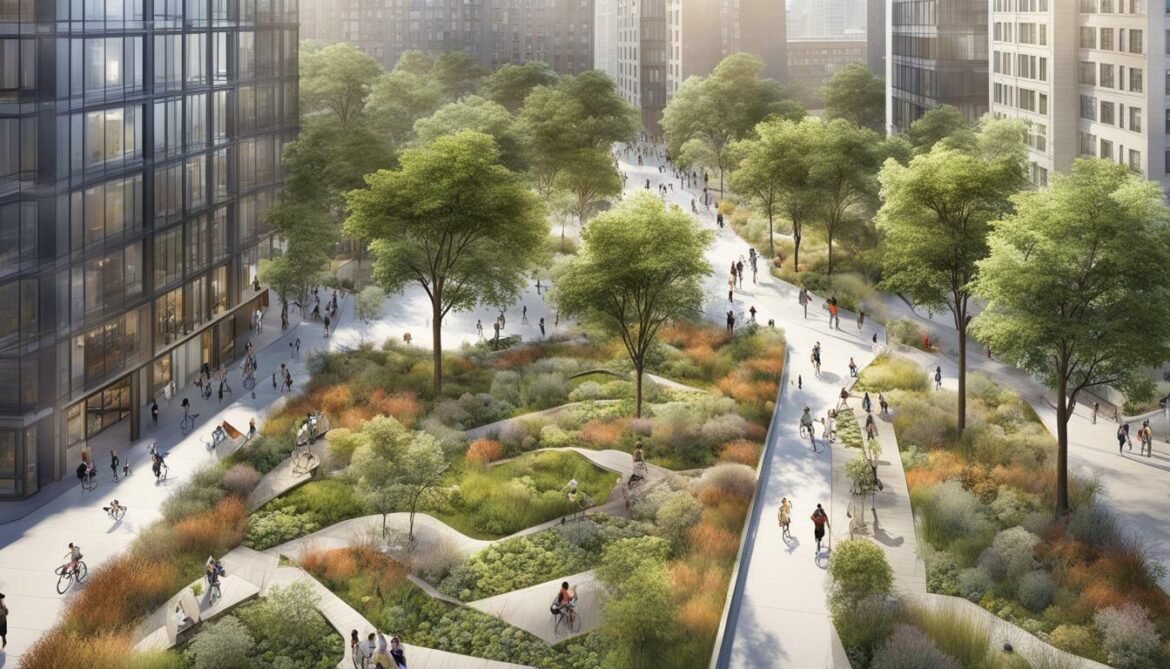
Green infrastructure can take many forms, from small-scale solutions like green roofs and vertical gardens to larger initiatives like urban forests and park systems. For example, Philadelphia’s Green City, Clean Waters program aims to manage the city’s stormwater by using natural systems like rain gardens, permeable pavement, and green roofs. By doing so, the city not only manages its water more sustainably but also enhances its urban biodiversity and provides recreational opportunities for its residents.
শহরগুলিতে সবুজ অবকাঠামোর অন্যান্য উদাহরণগুলির মধ্যে রয়েছে:
- Green corridors: These are linear networks of green spaces that can provide habitat for wildlife while also connecting urban areas.
- রাস্তার গাছ: ফুটপাথ এবং রাস্তার পাশে গাছ লাগানোর মাধ্যমে, শহরগুলি বায়ুর গুণমান উন্নত করতে পারে, শহুরে তাপ দ্বীপের প্রভাবকে কমাতে পারে এবং তাদের রাস্তার দৃশ্যের নান্দনিক আবেদন বাড়াতে পারে।
- ব্রাউনফিল্ড পুনঃউন্নয়ন: পার্কের মতো সবুজ অবকাঠামো প্রকল্পের জন্য দূষিত সাইটগুলি পুনঃব্যবহারের মাধ্যমে, শহরগুলি পূর্বে অব্যবহৃত জমিগুলিকে মূল্যবান সম্প্রদায়ের সম্পদে পরিণত করতে পারে।
Despite the many benefits of green infrastructure, there are also challenges associated with its implementation. These include the initial costs of installation, maintenance and management, and the need for public education and community engagement in the planning process.
"সবুজ অবকাঠামো বলতে প্রাকৃতিক এবং আধা-প্রাকৃতিক ব্যবস্থাকে বোঝায় যা ঝড়ের জল ব্যবস্থাপনা, বায়ু পরিশোধন এবং জলবায়ু নিয়ন্ত্রণ সহ বিভিন্ন সুবিধা প্রদান করে।"
এই চ্যালেঞ্জগুলি সত্ত্বেও, শহরগুলিতে সবুজ অবকাঠামোর সুবিধাগুলি বাড়াবাড়ি করা যায় না। শহুরে ল্যান্ডস্কেপগুলিতে প্রাকৃতিক ব্যবস্থাগুলিকে অন্তর্ভুক্ত করার মাধ্যমে, শহরগুলি তাদের স্থায়িত্ব এবং স্থিতিস্থাপকতা বাড়াতে পারে, পাশাপাশি তাদের বাসিন্দাদের জন্য অসংখ্য সামাজিক ও অর্থনৈতিক সুবিধা প্রদান করতে পারে। তাই, শহর পরিকল্পনা ও নকশায় সবুজ অবকাঠামোকে অগ্রাধিকার দেওয়া গুরুত্বপূর্ণ।
ভবিষ্যত-প্রমাণ শহর পরিকল্পনা: টেকসই পরিবহন এবং এর বাইরে
In today’s urban landscape, sustainable transportation is an essential facet of future-proof city planning. As cities continue to grow, ensuring that residents can move around efficiently and with minimal environmental impact will become increasingly important.
One of the most notable sustainable transportation trends in recent years has been the rise of electric vehicles (EVs). With improvements in battery technology and charging infrastructure, EVs are becoming increasingly accessible and practical for everyday use. In fact, by 2025, it’s estimated that there will be over 145 million EVs on the road globally.
টেকসই পরিবহনের আরেকটি মূল উপাদান হল বাইক-শেয়ারিং প্রোগ্রামের সম্প্রসারণ। এই প্রোগ্রামগুলি প্রাইভেট কারগুলির একটি কম খরচে, পরিবেশ বান্ধব বিকল্প প্রদান করে এবং ব্যায়াম এবং স্বাস্থ্যকর অভ্যাস প্রচার করার সময় যানজট কমাতে সাহায্য করতে পারে। বিশ্বের অনেক শহর ইতিমধ্যেই সফল বাইক-শেয়ারিং স্কিম বাস্তবায়ন করেছে, কিছু এমনকি তাদের বহরে ই-বাইক বা ই-স্কুটার অন্তর্ভুক্ত করেছে।
পথচারী-বান্ধব অবকাঠামোও টেকসই পরিবহনের একটি গুরুত্বপূর্ণ অংশ। নিরাপদ, অ্যাক্সেসযোগ্য ওয়াকওয়ে তৈরি করে এবং পরিবহনের একটি কার্যকর মাধ্যম হিসাবে হাঁটাকে উত্সাহিত করার মাধ্যমে, শহরগুলি গাড়ির উপর নির্ভরতা কমাতে পারে এবং স্বাস্থ্যকর জীবনধারা প্রচার করতে পারে।
Intelligent transportation systems (ITS) are another key area of innovation in sustainable transportation. By utilizing data and technology, ITS can optimize traffic flow, reduce congestion, and minimize transit times. This can be achieved through the use of smart traffic lights, real-time route planning, and other advanced technologies.
Future-proof city planning, however, involves more than just sustainable transportation solutions. It also requires a commitment to circular economy principles, which involve reducing waste and repurposing materials to create a closed-loop system. By adopting circular economy approaches, cities can reduce their environmental impact and create new economic opportunities.
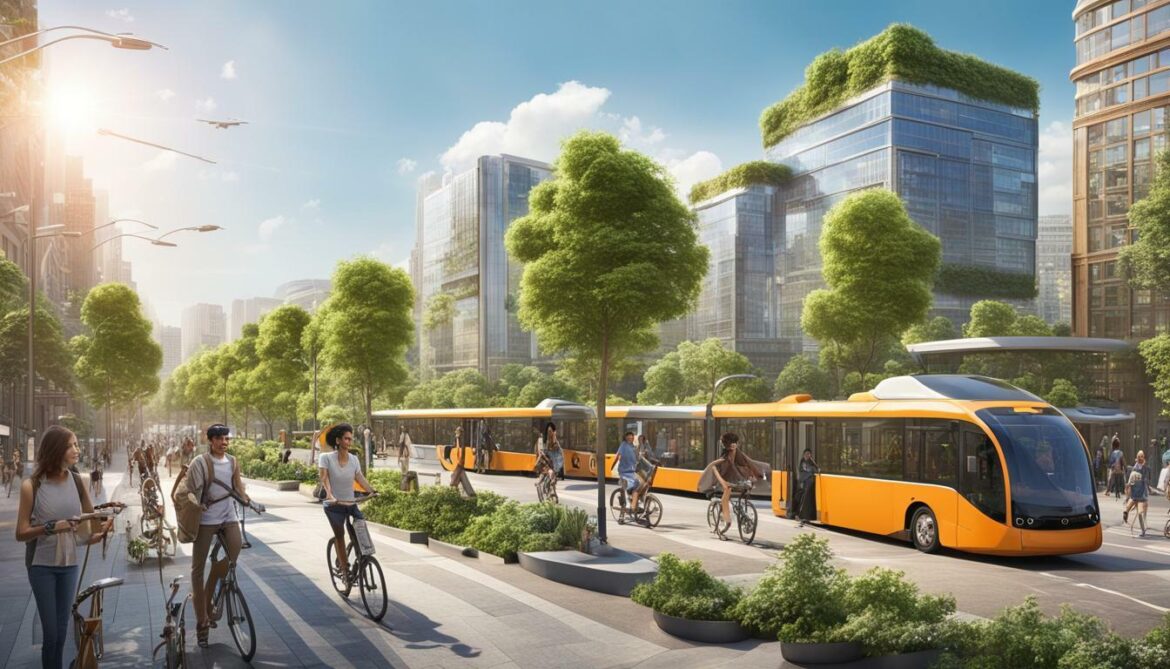
সামগ্রিকভাবে, টেকসই পরিবহন ভবিষ্যৎ-প্রমাণ শহর পরিকল্পনার একটি গুরুত্বপূর্ণ উপাদান। পরিবহণের পরিবেশ-বান্ধব পদ্ধতিকে অগ্রাধিকার দিয়ে এবং বৃত্তাকার অর্থনীতির নীতিগুলিকে আলিঙ্গন করে, শহরগুলি আরও বাসযোগ্য, স্থিতিস্থাপক এবং টেকসই শহুরে পরিবেশ তৈরি করতে পারে।
উপসংহার
উপসংহারে, টেকসই, সমৃদ্ধশালী শহুরে পরিবেশ তৈরির জন্য উত্তরোত্তর নগর পরিকল্পনা এবং নকশা একটি অপরিহার্য পদ্ধতি। পরিবেশ-বান্ধব নগর পরিকল্পনা, স্মার্ট শহর এবং স্থায়িত্ব, অন্তর্ভুক্ত নগর নকশা, সবুজ অবকাঠামো, ভবিষ্যত-প্রমাণ শহর পরিকল্পনা এবং টেকসই পরিবহন সমাধানকে অগ্রাধিকার দিয়ে, শহরগুলি স্থিতিস্থাপকতা তৈরি করতে পারে, প্রাকৃতিক বাস্তুতন্ত্র উন্নত করতে পারে এবং ইক্যুইটি এবং অ্যাক্সেসিবিলিটি প্রচার করতে পারে।
এই নিবন্ধে আলোচিত উদ্ভাবনগুলি নগর উন্নয়নে আরও সামগ্রিক, পুনর্জন্মমূলক পদ্ধতির দিকে একটি পরিবর্তনের প্রতিনিধিত্ব করে যা মানুষ এবং গ্রহ উভয়ের মঙ্গলকে অগ্রাধিকার দেয়। যেহেতু শহরগুলি ক্রমাগত বৃদ্ধি পাচ্ছে এবং নতুন চ্যালেঞ্জগুলির মুখোমুখি হচ্ছে, এটি অত্যন্ত গুরুত্বপূর্ণ যে তারা এই উদ্ভাবনী পদ্ধতিগুলি গ্রহণ করে এবং টেকসই, সমৃদ্ধ এবং স্থিতিস্থাপক শহুরে পরিবেশ তৈরি করতে সহযোগিতামূলকভাবে কাজ করে৷
FAQ
প্রশ্ন: উত্তরোত্তর নগর পরিকল্পনা এবং নকশা কী?
উত্তর: প্রবৃদ্ধি-উত্তর নগর পরিকল্পনা এবং নকশা এমন একটি পদ্ধতিকে বোঝায় যা ঐতিহ্যগত বৃদ্ধি-কেন্দ্রিক মডেলের পরিবর্তে টেকসই নগর উন্নয়ন এবং সামগ্রিক বিকাশকে অগ্রাধিকার দেয়। এর লক্ষ্য হল পরিবেশ বান্ধব, সামাজিকভাবে অন্তর্ভুক্তিমূলক এবং অর্থনৈতিকভাবে স্থিতিস্থাপক শহর তৈরি করা।
প্রশ্ন: পরিবেশবান্ধব নগর পরিকল্পনা কী?
উত্তর: পরিবেশ-বান্ধব নগর পরিকল্পনা এমন শহরগুলি ডিজাইন করার উপর দৃষ্টি নিবদ্ধ করে যেগুলির পরিবেশগত প্রভাব ন্যূনতম এবং প্রাকৃতিক বাস্তুতন্ত্রের পুনরুদ্ধার এবং বর্ধিতকরণের প্রচার করে৷ এটি সবুজ অবকাঠামো, শহুরে কৃষি এবং শহুরে চ্যালেঞ্জগুলির প্রকৃতি-ভিত্তিক সমাধানগুলির মতো কৌশলগুলি জড়িত।
প্রশ্ন: প্রযুক্তি কীভাবে টেকসই নগর উন্নয়নে অবদান রাখতে পারে?
A: Technology can play a crucial role in creating smart and sustainable cities. It can be utilized to improve energy efficiency, optimize waste management, enhance transportation systems, and enable data-driven decision-making for better urban living.
প্রশ্ন: কেন অন্তর্ভুক্তিমূলক শহুরে নকশা গুরুত্বপূর্ণ?
উত্তর: সমস্ত বাসিন্দাদের জন্য অ্যাক্সেসযোগ্য, ন্যায়সঙ্গত এবং অন্তর্ভুক্ত শহরগুলি তৈরি করার জন্য অন্তর্ভুক্তিমূলক নগর নকশা অপরিহার্য। এতে বিভিন্ন চাহিদা বিবেচনা করা এবং অবকাঠামো এবং শহুরে স্থানগুলি সর্বজনীন নকশা নীতি এবং অংশগ্রহণমূলক পরিকল্পনা প্রক্রিয়া মাথায় রেখে ডিজাইন করা হয়েছে তা নিশ্চিত করা জড়িত।
প্রশ্ন: শহরগুলিতে সবুজ অবকাঠামো কী?
উত্তর: শহরের সবুজ অবকাঠামো বলতে প্রাকৃতিক উপাদানের একীকরণ বোঝায়, যেমন সবুজ ছাদ, শহুরে বন এবং ভেদযোগ্য ফুটপাথগুলি শহুরে ল্যান্ডস্কেপে। এটি জীববৈচিত্র্য বৃদ্ধি করে, ঝড়ের পানির ব্যবস্থাপনা এবং বায়ুর গুণমান উন্নত করে স্থায়িত্ব এবং স্থিতিস্থাপকতা প্রচার করে।
প্রশ্ন: ভবিষ্যৎ-প্রমাণ নগর পরিকল্পনা কীভাবে টেকসই নগর উন্নয়নে অবদান রাখতে পারে?
A: Future-proof city planning involves considering long-term sustainability and resilience in urban development. It includes innovative transportation solutions, such as electric vehicles and bike-sharing programs, as well as circular economy principles and climate change adaptation strategies.