



বিল্ট পরিবেশে প্রকৃতির ইতিবাচক ভবিষ্যতের দিকে কোণার দিকে কীভাবে পরিণত করা যায়
Welcome to our article on creating a nature positive future in the built environment. As the world continues to face environmental challenges, it’s crucial that we find ways to reduce our impact on the planet. One way to achieve this is through a nature positive approach to architecture and design in the built environment. In this article, we will explore the steps needed to turn the corner towards a nature positive future, providing practical solutions and innovative ideas for sustainable living.
কী Takeaways:
- নির্মিত পরিবেশে একটি প্রকৃতি ইতিবাচক ভবিষ্যত টেকসই জীবনযাপনের অনুশীলন এবং পরিবেশ বান্ধব উদ্যোগের মাধ্যমে অর্জনযোগ্য।
- We must embrace sustainability in the construction industry and harness renewable energy to promote a greener future.
- সংরক্ষণের জীব বৈচিত্র্য, adapting to climate change, and reducing carbon footprints are crucial steps towards a nature positive future.
- প্রকৃতির ইতিবাচক ভবিষ্যত অর্জনের জন্য শহুরে পরিবেশে টেকসই থাকার জায়গা তৈরি করা এবং দায়িত্বশীল খরচ অনুশীলন করা গুরুত্বপূর্ণ।
নির্মাণ শিল্পে স্থায়িত্ব গ্রহণ করা
The construction industry is responsible for a significant amount of global carbon emissions and resource depletion. However, there are several ways in which the industry can embrace sustainability and contribute to a nature positive future.
সবুজ বিল্ডিং সার্টিফিকেশন
একটি জনপ্রিয় অনুশীলন টেকসই নির্মাণ industry is to acquire green building certifications such as LEED or BREEAM. These certifications require projects to meet specific sustainability criteria, including reducing energy and water consumption, using eco-friendly materials, and implementing efficient waste management practices.
ইকো-বন্ধুত্বপূর্ণ উপকরণ গ্রহণ
Another way for the construction industry to promote sustainability is to use eco-friendly materials such as recycled steel, bamboo, and straw bale. These materials require fewer resources to produce and have a lower carbon footprint than traditional building materials.
দক্ষ বর্জ্য ব্যবস্থাপনা
The construction industry generates a significant amount of waste. However, by implementing efficient waste management practices, such as waste segregation, recycling, and upcycling, the industry can significantly reduce its environmental impact.
By embracing sustainability, the construction industry can play a major role in promoting a nature positive future. From green building certifications to using eco-friendly materials and implementing efficient waste management practices, there are several ways in which the industry can reduce its environmental impact and create a more sustainable future.
পরিবেশ বান্ধব উদ্যোগের মাধ্যমে পরিবেশ সংরক্ষণ।
As we strive towards a nature positive future in the built environment, it is essential that we focus on environmental conservation. There are various eco-friendly initiatives that can contribute to this goal and ensure that we leave a healthier planet for future generations.
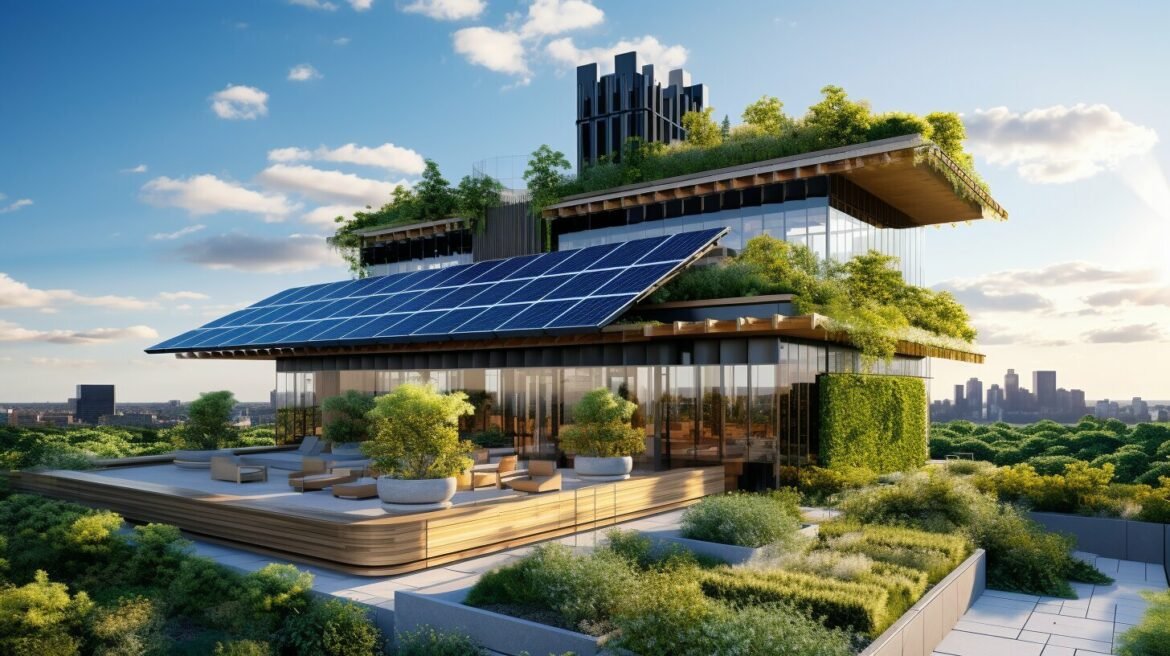
One such initiative is the use of green roofs in building design. These roofs are covered in plants and vegetation, providing natural insulation that reduces energy consumption and absorbs rainwater runoff. Moreover, green roofs create habitats for birds and insects, contributing to biodiversity preservation in urban environments.
| পরিবেশবান্ধব উদ্যোগ | উপকারিতা |
|---|---|
| সৌর প্যানেল | পুনর্নবীকরণযোগ্য শক্তির উত্স ব্যবহার করুন, কার্বন পদচিহ্ন হ্রাস করুন, শক্তি খরচ বাঁচান। |
| জল সংরক্ষণ ব্যবস্থা | Reduce water usage, minimize pollution and waste of resources, save on water costs. |
| পুনর্ব্যবহারযোগ্য প্রোগ্রাম | Reduce waste generation, lower environmental impact, conserve natural resources. |
Solar panels are another eco-friendly solution that can help reduce our reliance on non-renewable energy sources and minimize our carbon footprint. By harnessing the power of the sun, we can generate clean energy that doesn’t produce harmful greenhouse gas emissions. This not only benefits the environment but can also lead to significant savings on energy costs in the long run.
Additionally, water conservation systems can help reduce water usage and minimize pollution and waste of resources. Recycling programs are also an effective way to reduce waste generation and lower our environmental impact while conserving natural resources. By implementing these initiatives, we can contribute to environmental conservation and achieve a nature positive future.
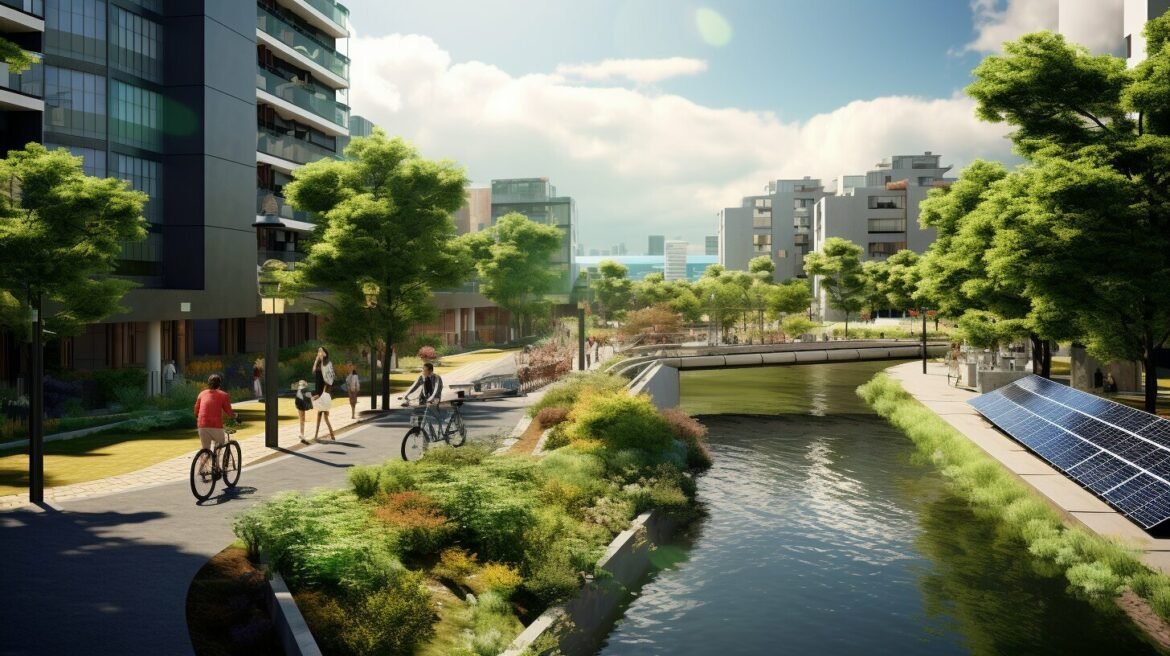
আসুন পরিবেশ-বান্ধব সমাধান গ্রহণ এবং পরিবেশ সংরক্ষণের প্রচারের মাধ্যমে আরও টেকসই ভবিষ্যতের দিকে পদক্ষেপ গ্রহণ করি।
একটি সবুজ ভবিষ্যতের জন্য পুনর্নবীকরণযোগ্য শক্তির ব্যবহার
জলবায়ু পরিবর্তন নিয়ে উদ্বেগগুলি সাম্প্রতিক বছরগুলিতে পুনর্নবীকরণযোগ্য শক্তির উপর ফোকাসকে আরও তীব্র করেছে, অনেক ব্যবসা এবং সম্প্রদায় একটি সবুজ ভবিষ্যতকে উন্নীত করার জন্য প্রকৃতির শক্তিকে কাজে লাগানোর নতুন উপায়গুলি অন্বেষণ করছে৷ সৌর, বায়ু, হাইড্রো এবং ভূ-তাপীয় শক্তি হল কয়েকটি পুনর্নবীকরণযোগ্য সংস্থান যা নির্মিত পরিবেশে ক্রমবর্ধমানভাবে ব্যবহার করা হচ্ছে, যা গ্রিনহাউস গ্যাস নির্গমন কমাতে এবং ঐতিহ্যগত শক্তির উত্সগুলির কারণে সৃষ্ট ক্ষতি হ্রাস করতে সহায়তা করে।
One of the key advantages of renewable energy is its scalability; from small residential solar panels to large-scale wind farms, renewable energy can be adapted to meet the needs of a wide range of communities and industries. Moreover, renewable energy can help reduce energy costs over time, as the technology becomes more widespread and infrastructure is developed to support it.
সবুজ উদ্যোগ
A number of green initiatives are already in place around the world to promote renewable energy adoption and encourage sustainable living. For example, the Green Energy Plan is a government-backed initiative in the UK that provides incentives for businesses and homeowners to invest in renewable energy sources such as solar, wind, and biomass. Similarly, the Carbon Trust is a non-profit organisation that works with companies and public sector organisations to reduce carbon footprints and increase energy efficiency through the use of renewable energy.
Other green initiatives include the development of eco-friendly buildings that are designed to maximise natural light and ventilation, as well as the promotion of sustainable transportation options such as electric and hybrid vehicles. Many communities are also exploring the potential of localised energy production, such as community solar power projects, which can help reduce reliance on traditional energy sources and create a more self-sufficient, resilient energy system.
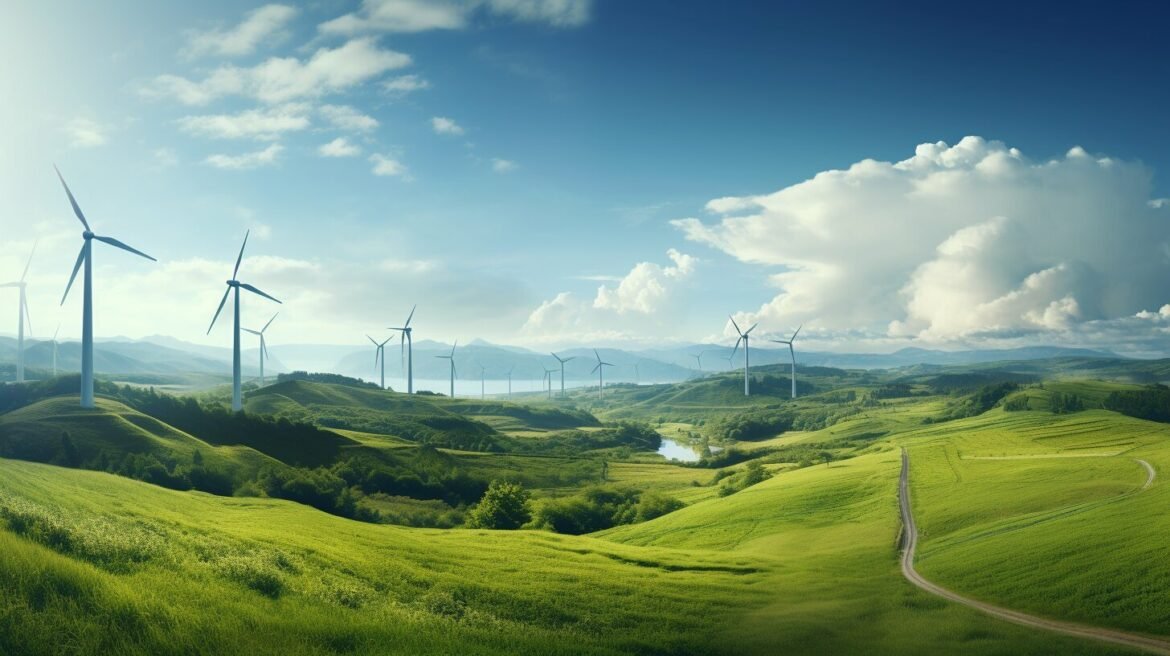
প্রযুক্তির বিকাশ অব্যাহত থাকায় এবং পুনর্নবীকরণযোগ্য শক্তির অবকাঠামো আরও ব্যাপক হয়ে উঠছে, নির্মিত পরিবেশে একটি সবুজ, আরও টেকসই ভবিষ্যতের সম্ভাবনা ক্রমশ বাস্তবসম্মত হয়ে উঠছে। এটি সৌর প্যানেল, বায়ু টারবাইন বা অন্যান্য পুনর্নবীকরণযোগ্য সংস্থান ব্যবহারের মাধ্যমেই হোক না কেন, প্রকৃতির শক্তিকে কাজে লাগানোর সম্ভাবনাগুলি অফুরন্ত। পুনর্নবীকরণযোগ্য শক্তিতে বিনিয়োগ করে এবং সবুজ উদ্যোগকে সমর্থন করে, আমরা নিজেদের এবং আগামী প্রজন্মের জন্য আরও ভাল, আরও টেকসই ভবিষ্যত তৈরি করতে সাহায্য করতে পারি।
নির্মিত পরিবেশে জীববৈচিত্র্য সংরক্ষণ
In the face of rapid urbanization and construction, preserving biodiversity in the built environment has become more important than ever before. The loss of natural habitats, fragmentation of ecosystems, and introduction of non-native species can have devastating effects on local flora and fauna. However, there are strategies and practices that can help mitigate these impacts and promote a nature positive future.
One such strategy is the implementation of green roofs and walls in buildings. Green roofs not only provide habitat for plants and animals but also reduce urban heat island effects and improve air quality. Similarly, green walls can help regulate temperature and humidity while creating vertical gardens for biodiversity.
Another approach is to incorporate green spaces and natural features into urban design. This can include the creation of parks, wetlands, and wildlife corridors that provide habitat and connect fragmented ecosystems. In addition, preserving existing natural areas such as urban forests and wetlands can help maintain biodiversity in otherwise developed areas.
ল্যান্ডস্কেপিং এবং সবুজ স্থানগুলিতে স্থানীয় উদ্ভিদ প্রজাতির ব্যবহার বিবেচনা করাও গুরুত্বপূর্ণ। স্থানীয় গাছপালা স্থানীয় বন্যপ্রাণীদের জন্য খাদ্য ও আশ্রয় প্রদান করে এবং স্থানীয় পরিবেশের সাথে ভালোভাবে খাপ খাইয়ে নেয়, সেচ ও সারের প্রয়োজনীয়তা হ্রাস করে।
সামগ্রিকভাবে, নির্মিত পরিবেশে জীববৈচিত্র্য সংরক্ষণের জন্য টেকসই এবং পরিবেশ-বান্ধব অনুশীলনের প্রতিশ্রুতি প্রয়োজন। সবুজ ছাদের মতো কৌশলগুলি বাস্তবায়ন করে, শহুরে নকশায় সবুজ স্থানগুলিকে অন্তর্ভুক্ত করে এবং স্থানীয় উদ্ভিদের প্রজাতি ব্যবহার করে, আমরা মানুষ এবং বন্যপ্রাণী উভয়ের জন্য আরও প্রকৃতির ইতিবাচক ভবিষ্যত তৈরি করতে পারি।

টেকসই ডিজাইনের মাধ্যমে জলবায়ু পরিবর্তনের সাথে মানিয়ে নেওয়া
জলবায়ু পরিবর্তনের প্রভাব ক্রমশ স্পষ্ট হয়ে উঠছে, তাই এর প্রভাব কমানোর জন্য পদক্ষেপ নেওয়া আগের চেয়েও বেশি গুরুত্বপূর্ণ। নির্মিত পরিবেশে, টেকসই নকশা পরিবর্তিত জলবায়ুর সাথে খাপ খাইয়ে নিতে গুরুত্বপূর্ণ ভূমিকা পালন করতে পারে।
One of the key ways in which sustainable design can help is by reducing energy consumption. By implementing energy-efficient building design, we can reduce our reliance on non-renewable energy sources and lower our carbon footprint. This not only helps to mitigate the effects of climate change but also saves money in the long run.
জলবায়ু পরিবর্তনের মুখে টেকসই নকশার আরেকটি দিক হল প্রাকৃতিক সম্পদের ব্যবহার। সৌর এবং বায়ু শক্তির মতো পুনর্নবীকরণযোগ্য সংস্থানগুলিকে ব্যবহার করে, আমরা আরও টেকসই থাকার জায়গা তৈরি করতে পারি যা পরিবর্তনশীল জলবায়ুর সাথে খাপ খাইয়ে নিতে সক্ষম। এটি শুধুমাত্র পরিবেশের উপর আমাদের প্রভাব কমায় না বরং আরও স্থিতিস্থাপক সম্প্রদায় তৈরি করে।
It’s worth noting that sustainable design is not just about reducing our impact on the environment; it can also improve our quality of life. For example, green spaces can help to reduce the urban heat island effect, creating more pleasant and liveable environments. By designing buildings and cities with sustainability in mind, we can create spaces that are not only better for the environment but also better for our health and wellbeing.
উপসংহারে, নির্মিত পরিবেশে জলবায়ু পরিবর্তনের প্রভাবের সাথে খাপ খাইয়ে নেওয়ার জন্য টেকসই নকশা অপরিহার্য। শক্তির ব্যবহার কমিয়ে, নবায়নযোগ্য সম্পদের ব্যবহার এবং জীবনযাত্রার মান উন্নত করে, আমরা আরও টেকসই এবং স্থিতিস্থাপক সম্প্রদায় তৈরি করতে পারি যারা ভবিষ্যতের চ্যালেঞ্জ মোকাবেলায় আরও ভালভাবে সজ্জিত।

একটি প্রকৃতি ইতিবাচক ভবিষ্যতের জন্য দায়ী খরচ অনুশীলন
ব্যক্তি এবং ব্যবসা হিসাবে, নির্মিত পরিবেশে একটি প্রকৃতি ইতিবাচক ভবিষ্যত তৈরিতে আমাদের একটি গুরুত্বপূর্ণ ভূমিকা রয়েছে। এই লক্ষ্য অর্জনের একটি উপায় হল দায়িত্বশীল খরচ অনুশীলন করা।
দায়িত্বশীল খরচ বলতে আমরা কী কিনি এবং কীভাবে ব্যবহার করি সে সম্পর্কে সচেতন পছন্দ করাকে বোঝায়। এটি করার মাধ্যমে, আমরা বর্জ্য কমাতে পারি, সম্পদ সংরক্ষণ করতে পারি এবং পরিবেশের উপর আমাদের ব্যবহারের প্রভাব কমিয়ে আনতে পারি।
দায়িত্বশীল খরচ অনুশীলন করার একটি উপায় হল পরিবেশ বান্ধব এবং টেকসইভাবে উত্পাদিত পণ্যগুলি বেছে নেওয়া। ফেয়ারট্রেডের মতো শংসাপত্রগুলি সন্ধান করুন, রেইনফরেস্ট অ্যালায়েন্স, বা ফরেস্ট স্টুয়ার্ডশিপ কাউন্সিল (FSC) যখন কফি, চকলেট বা কাগজের মতো পণ্য কেনাকাটা করে। এই শংসাপত্রগুলি গ্যারান্টি দেয় যে পণ্যগুলি পরিবেশগত এবং সামাজিকভাবে দায়িত্বশীল উপায়ে উত্পাদিত হয়েছে।
দায়িত্বশীল ব্যবহার অনুশীলন করার আরেকটি উপায় হল আমাদের একক-ব্যবহারের প্লাস্টিকের ব্যবহার হ্রাস করা। বাইরে যাওয়ার সময় পুনরায় ব্যবহারযোগ্য ব্যাগ, পানির বোতল এবং কফির কাপ সঙ্গে আনুন এবং অতিরিক্ত প্যাকেজিং সহ পণ্য কেনা এড়িয়ে চলুন। এই ধরনের ছোট পরিবর্তনগুলি বর্জ্য হ্রাস এবং প্রাকৃতিক সম্পদ সংরক্ষণে একটি বড় প্রভাব ফেলতে পারে।

অবশেষে, আমরা স্থায়িত্বকে অগ্রাধিকার দেয় এমন ব্যবসাগুলিকে সমর্থন করার জন্য বেছে নিয়ে দায়িত্বশীল খরচ অনুশীলন করতে পারি। যেসব কোম্পানি তাদের কার্বন ফুটপ্রিন্ট কমাতে, নবায়নযোগ্য শক্তি ব্যবহার করে এবং বর্জ্য কমাতে প্রতিশ্রুতিবদ্ধ হয়েছে তাদের সন্ধান করুন। এই ব্যবসাগুলিকে সমর্থন করে, আমরা টেকসই পণ্য এবং পরিষেবাগুলির চাহিদা তৈরি করতে এবং শিল্পকে আরও প্রাকৃতিক ইতিবাচক ভবিষ্যতের দিকে ঠেলে দিতে সাহায্য করতে পারি।
দায়িত্বশীল খরচ অনুশীলন করে, আমরা সবাই নির্মিত পরিবেশে আরও টেকসই, প্রকৃতির ইতিবাচক ভবিষ্যতে অবদান রাখতে পারি।
বিল্ট এনভায়রনমেন্টে কার্বন ফুটপ্রিন্ট কমানো
Reducing carbon footprint in the built environment is essential to achieving a nature positive future. Energy-efficient building design, sustainable transportation options, and responsible consumption are all crucial elements in reducing carbon emissions. According to the World Green Building Council, buildings and construction account for 39% of global carbon emissions, making it imperative for the construction industry to adopt eco-friendly practices.
One way to reduce carbon footprint in the built environment is through the use of renewable energy sources. The adoption of renewable energy technologies such as solar panels, wind turbines, and geothermal systems can significantly reduce carbon emissions. Additionally, buildings can be designed and constructed to be energy self-sufficient, producing their own energy through renewable sources.
কার্বন পদচিহ্ন কমানোর আরেকটি উপায় হল টেকসই পরিবহন বিকল্প ব্যবহার করা। গণপরিবহন, সাইকেল চালানো এবং হাঁটার ব্যবহারকে উৎসাহিত করা কার্বন নিঃসরণকে উল্লেখযোগ্যভাবে কমাতে পারে, বিশেষ করে শহরাঞ্চলে। বাইক লেন এবং পথচারীদের চলার পথ নির্মাণ টেকসই পরিবহন বিকল্পগুলিকে উত্সাহিত করতে পারে এবং ব্যক্তিগত গাড়ির উপর নির্ভরতা হ্রাস করতে পারে।
| টেকসই পরিবহন বিকল্প | Estimated Carbon Savings (per year) |
|---|---|
| একটি গাড়ি থেকে বাইকে পাল্টানো | 1.3 মেট্রিক টন CO2 |
| একটি গাড়ি থেকে পাবলিক ট্রান্সপোর্টে স্যুইচ করা | 1 মেট্রিক টন CO2 |
| একটি গাড়ী থেকে হাঁটা পরিবর্তন | 0.87 মেট্রিক টন CO2 |
Finally, practicing responsible consumption is another critical element in reducing carbon footprint in the built environment. Sustainable design, energy-efficient appliances, and water-saving devices can significantly reduce the environmental impact of buildings. Additionally, reducing waste and promoting recycling can help reduce carbon emissions associated with waste disposal.
Reducing carbon footprint in the built environment is an ongoing process that requires the adoption of sustainable practices in all aspects of construction and daily life. By leveraging renewable energy, promoting sustainable transportation options, and practicing responsible consumption, we can significantly reduce carbon emissions and move towards a nature positive future.

শহুরে পরিবেশে টেকসই থাকার জায়গা তৈরি করা
Urban environments have unique challenges when it comes to creating sustainable living spaces. With limited space and high population density, it can be difficult to balance the need for green spaces with the demands of urban living. However, there are innovative solutions being developed to tackle these challenges and create sustainable living spaces in urban areas.

যেমন একটি সমাধান সবুজ ছাদ উন্নয়ন হয়। এই ছাদগুলি গাছপালা দ্বারা আবৃত, যা বৃষ্টির জল শোষণ করতে, তাপ শোষণ কমাতে এবং শহুরে তাপ দ্বীপের প্রভাবকে প্রশমিত করতে সাহায্য করে। তারা শহুরে বন্যপ্রাণীদের জন্য গুরুত্বপূর্ণ আবাসস্থল প্রদান করে এবং বায়ুর গুণমান উন্নত করে।
আরেকটি পদ্ধতি হল শহুরে ভবনগুলিতে উল্লম্ব বাগানের ব্যবহার। এই উদ্যানগুলি শুধুমাত্র শহরের দৃশ্যে চাক্ষুষ আগ্রহ যোগ করে না, তবে তারা বাতাসকে বিশুদ্ধ করতে এবং শহুরে তাপ দ্বীপের প্রভাবকে কমাতেও সাহায্য করে। এগুলিকে তাজা পণ্য বাড়ানোর জন্যও ব্যবহার করা যেতে পারে, যা শহুরে বাসিন্দাদের জন্য স্থানীয়ভাবে উত্থিত খাবারের উত্স সরবরাহ করে।
| সবুজ ছাদের সুবিধা | উল্লম্ব উদ্যানের সুবিধা |
|---|---|
| তাপ শোষণ হ্রাস | বাতাস শুদ্ধ করুন |
| বায়ুর গুণমান উন্নত করুন | শহুরে তাপ দ্বীপ প্রভাব হ্রাস |
| শহুরে বন্যপ্রাণীদের জন্য আবাসস্থল প্রদান করুন | তাজা পণ্য বাড়ান |
Another way to create sustainable living spaces in urban areas is through the use of green infrastructure. This includes green spaces like parks and gardens, as well as green infrastructure like bioswales and rain gardens. By incorporating these elements into urban design, cities can reduce stormwater runoff, improve air quality, and enhance the overall livability of urban spaces.
Ultimately, creating sustainable living spaces in urban environments requires a multifaceted approach. By incorporating green roofs, vertical gardens, and green infrastructure into urban design, we can create more livable, sustainable cities for the future.
উপসংহার
নির্মিত পরিবেশে প্রকৃতির ইতিবাচক ভবিষ্যত তৈরি করা আমাদের গ্রহের সম্পদ সংরক্ষণ এবং আগামী প্রজন্মের জন্য একটি টেকসই ভবিষ্যত নিশ্চিত করার জন্য একটি গুরুত্বপূর্ণ পদক্ষেপ। নির্মাণ শিল্পে স্থায়িত্ব গ্রহণ করে, পরিবেশ-বান্ধব উদ্যোগ বাস্তবায়ন, নবায়নযোগ্য শক্তির ব্যবহার, জীববৈচিত্র্য সংরক্ষণ এবং আমাদের কার্বন পদচিহ্ন হ্রাস করে, আমরা আমাদের পরিবেশে ইতিবাচক প্রভাব ফেলতে পারি।
আমাদের কাজ এবং পছন্দের জন্য দায়িত্ব নেওয়া আমাদের প্রত্যেকের উপর নির্ভর করে। দায়িত্বশীল খরচ অনুশীলন করা এবং শহুরে পরিবেশে টেকসই থাকার জায়গা তৈরি করা হল কয়েকটি উপায় যা আমরা পার্থক্য করতে পারি।
প্রকৃতির ইতিবাচক ভবিষ্যতের দিকে একসাথে কাজ করে এবং টেকসই নকশা এবং স্থাপত্যে উদ্ভাবন চালিয়ে যাওয়ার মাধ্যমে, আমরা আমাদের শহর এবং সম্প্রদায়গুলিকে জলবায়ু পরিবর্তনের প্রভাবগুলির জন্য আরও টেকসই এবং স্থিতিস্থাপক করে তুলতে পারি। আসুন একটি উজ্জ্বল এবং সবুজ আগামীকাল তৈরি করতে আজই পদক্ষেপ গ্রহণ করি।
FAQ
প্রশ্ন: নির্মিত পরিবেশে একটি প্রকৃতি ইতিবাচক ভবিষ্যত কি?
A: A nature positive future in the built environment refers to a vision where the construction industry and urban development prioritize the preservation and enhancement of nature. It involves sustainable practices that minimize environmental impact and promote biodiversity, resulting in a harmonious and eco-friendly urban landscape.
প্রশ্ন: কেন নির্মাণ শিল্পে স্থায়িত্ব গ্রহণ করা গুরুত্বপূর্ণ?
A: Embracing sustainability in the construction industry is crucial to mitigate the negative environmental effects of urban development. By adopting eco-friendly practices, such as using renewable materials, reducing waste, and implementing energy-efficient designs, we can create buildings that have a minimal carbon footprint and contribute to a more sustainable future.
প্রশ্ন: পরিবেশ বান্ধব উদ্যোগ কীভাবে পরিবেশ সংরক্ষণে অবদান রাখতে পারে?
A: Eco-friendly initiatives play a vital role in environmental conservation as they prioritize the sustainable use of resources and minimize negative impacts. By implementing practices like rainwater harvesting, green roofs, and waste management systems, we can protect ecosystems, conserve water, reduce pollution, and create a healthier environment for both humans and wildlife.
প্রশ্ন: একটি সবুজ ভবিষ্যত প্রচারে নবায়নযোগ্য শক্তির ভূমিকা কী?
A: Renewable energy plays a significant role in promoting a greener future by reducing reliance on fossil fuels and decreasing greenhouse gas emissions. Utilizing solar, wind, and hydroelectric power sources for both residential and commercial purposes can help create a sustainable energy system and contribute to the fight against climate change.
প্রশ্নঃ আমরা কিভাবে নির্মিত পরিবেশে জীববৈচিত্র্য রক্ষা করতে পারি?
A: Preserving biodiversity in the built environment involves incorporating nature-friendly designs and practices. This includes creating green spaces, planting native trees and plants, and implementing wildlife-friendly measures like bird habitats and insect-friendly gardens. By doing so, we can provide habitats for species, promote ecological balance, and enhance the overall quality of urban areas.
প্রশ্ন: জলবায়ু পরিবর্তনের মুখে টেকসই নকশা গুরুত্বপূর্ণ কেন?
A: Sustainable design is crucial in the face of climate change as it allows us to adapt and mitigate its effects. Through energy-efficient buildings, smart urban planning, and resilient infrastructure, we can reduce carbon emissions, improve disaster resilience, and create livable spaces that can withstand the challenges of a changing climate.
প্রশ্ন: কীভাবে দায়িত্বশীল ব্যবহার একটি প্রকৃতির ইতিবাচক ভবিষ্যতের জন্য অবদান রাখে?
A: Responsible consumption, both on an individual and business level, plays a vital role in creating a nature positive future. By making conscious choices like buying sustainably sourced products, minimizing waste, and supporting eco-friendly businesses, we can reduce our ecological footprint and contribute to a more sustainable built environment.
প্রশ্ন: নির্মিত পরিবেশে কার্বন পদচিহ্ন কমাতে কোন কৌশল ব্যবহার করা যেতে পারে?
উত্তর: নির্মিত পরিবেশে কার্বন পদচিহ্ন হ্রাস করার কৌশলগুলির মধ্যে রয়েছে শক্তি-দক্ষ বিল্ডিং ডিজাইন, পুনর্নবীকরণযোগ্য শক্তির ব্যবহার প্রচার করা, সবুজ পরিবহন বিকল্পগুলি গ্রহণ করা এবং কার্যকর বর্জ্য ব্যবস্থাপনা ব্যবস্থা বাস্তবায়ন করা। এই পদক্ষেপগুলি গ্রিনহাউস গ্যাস নির্গমনকে উল্লেখযোগ্যভাবে হ্রাস করতে পারে এবং আরও টেকসই এবং পরিবেশ বান্ধব শহুরে ল্যান্ডস্কেপ তৈরিতে অবদান রাখতে পারে।
প্রশ্ন: আমরা কীভাবে শহুরে পরিবেশে টেকসই থাকার জায়গা তৈরি করতে পারি?
A: Creating sustainable living spaces in urban environments requires innovative solutions that balance environmental, social, and economic factors. This can involve designing green rooftops, implementing urban agriculture, promoting walkability and public transportation, and encouraging community engagement. By integrating sustainability into urban planning, we can create thriving, livable cities for the future.