




মঙ্গোলিয়া জীববৈচিত্র্য: প্রাণী এবং উদ্ভিদের প্রজাতি এবং কী হুমকির মুখে
Mongolia occupies a unique ecological transition zone in Central Asia, where various ecosystems, such as the Siberian taiga forest, Central Asian steppe, Altai Mountains, and Gobi Desert, converge. The country boasts diverse natural belts and zones, including the high mountain alpine belt, mountain taiga belt, mountain forest steppe, rolling steppe, and semi-desert and desert zones. There are a significant number of plant and animal species in Mongolia, with over 5,682 plant species, 472 bird species, and 138 mammal species recorded. However, the জীব বৈচিত্র্য in Mongolia faces threats such as habitat fragmentation, habitat deterioration, water shortages, desertification, and climate change.
কী Takeaways:
- মঙ্গোলিয়া মধ্য এশিয়ার একটি অনন্য পরিবেশগত রূপান্তর অঞ্চলে অবস্থিত, বিভিন্ন বাস্তুতন্ত্রের আবাসস্থল।
- মঙ্গোলিয়ায় 5,682টিরও বেশি উদ্ভিদ প্রজাতি, 472টি পাখির প্রজাতি এবং 138টি স্তন্যপায়ী প্রজাতি রয়েছে।
- মঙ্গোলিয়ার জীববৈচিত্র্যের জন্য হুমকির মধ্যে রয়েছে আবাসস্থল খণ্ডিতকরণ, বাসস্থানের অবনতি এবং জলবায়ু পরিবর্তন।
- Mongolia’s biodiversity is of utmost importance and requires conservation efforts to protect its remarkable species and ecosystems.
- Conservation initiatives, research, and সম্প্রদায়ের সংযুক্তি মঙ্গোলিয়ার জীববৈচিত্র্যের ভবিষ্যৎ সংরক্ষণের জন্য অত্যন্ত গুরুত্বপূর্ণ।
মঙ্গোলিয়ায় উদ্ভিদ জীববৈচিত্র্য
মঙ্গোলিয়ায় 5,682 টিরও বেশি নথিভুক্ত উদ্ভিদ প্রজাতির একটি চিত্তাকর্ষক বিন্যাস রয়েছে। এর মধ্যে রয়েছে 2,950টি ভাস্কুলার উদ্ভিদ প্রজাতি, 445টি শ্যাওলা প্রজাতি, 999টি লাইকেন প্রজাতি এবং 1,288টি শৈবাল প্রজাতি। দেশটির বৈচিত্র্যময় উদ্ভিদ জীবন স্থানীয় বাস্তুতন্ত্রকে সমর্থন করতে এবং প্রয়োজনীয় পরিষেবা প্রদানে গুরুত্বপূর্ণ ভূমিকা পালন করে।
One notable aspect of Mongolia’s plant biodiversity is the presence of medicinal plants. More than 100 plant species in Mongolia are used for their medicinal properties, and an additional 200 species have valuable pharmaceutical applications.
The country’s forests cover 12.1% of the land and are home to 140 species of trees and shrubs. The dominant tree species in Mongolian forests is the larch. The forested areas not only contribute to the overall plant diversity but also provide key habitats for various wildlife species.
মঙ্গোলিয়ায় উদ্ভিদ জীবনের সমৃদ্ধি সত্ত্বেও, সংরক্ষণের জন্য উল্লেখযোগ্য উদ্বেগ রয়েছে। 128 টিরও বেশি উদ্ভিদ প্রজাতি বর্তমানে বিপন্ন বা বিপন্ন হিসাবে শ্রেণীবদ্ধ করা হয়েছে। আবাসস্থলের অবক্ষয়, প্রাথমিকভাবে টেকসই ভূমি ব্যবহার অনুশীলনের কারণে, এবং জলবায়ু পরিবর্তনের প্রভাব মঙ্গোলিয়ায় উদ্ভিদ জীববৈচিত্র্যের জন্য যথেষ্ট চ্যালেঞ্জ তৈরি করে।
মঙ্গোলিয়ায় বিপন্ন উদ্ভিদ প্রজাতি
| উদ্ভিদ পরিবার | বিপন্ন/হুমকিপূর্ণ প্রজাতির সংখ্যা |
|---|---|
| অর্কিডেসি | 35 |
| lamiaceae | 17 |
| একটি Rosaceae | 12 |
| Asteraceae | 8 |
মঙ্গোলিয়ায় বন্যপ্রাণী বৈচিত্র্য
মঙ্গোলিয়া এর জন্য পরিচিত বৈচিত্র্যময় বন্যপ্রাণী, যা দেশের সমৃদ্ধ জীববৈচিত্র্যে অবদান রাখে। সঙ্গে 138 স্তন্যপায়ী প্রজাতি এবং 472 পাখির প্রজাতি recorded, Mongolia is a haven for nature enthusiasts and wildlife researchers.
মঙ্গোলিয়ার বন্যপ্রাণীর উল্লেখযোগ্য বৈশিষ্ট্যগুলির মধ্যে একটি হল একটি সমালোচনামূলক ভূমিকা স্টপওভার এবং প্রজনন স্থল অনেক পরিযায়ী পাখির প্রজাতির জন্য। চারটি প্রধান বৈশ্বিক অভিবাসী রুট মঙ্গোলিয়ার মধ্য দিয়ে যায়, যা এই অসাধারণ এভিয়ান ভ্রমণকারীদের জন্য প্রয়োজনীয় বিশ্রাম এবং খাওয়ানোর জায়গা প্রদান করে।

In addition to migratory birds, Mongolia is home to several অনন্য স্তন্যপায়ী প্রজাতি, যেমন স্থানীয় বন্য ঘোড়া, প্রজেওয়ালস্কির ঘোড়া। এই আইকনিক প্রজাতি সফলভাবে ছিল পুনরায় প্রবর্তিত বিলুপ্তির সম্মুখীন হওয়ার পর 1990 এর দশকের গোড়ার দিকে বন্যের কাছে।
যাহোক, মঙ্গোলিয়ায় বন্যপ্রাণী এর চ্যালেঞ্জ ছাড়া নয়। ক্রমবর্ধমান হুমকি hunting, habitat loss, and climate change অনেক প্রাণী প্রজাতির বেঁচে থাকার জন্য উল্লেখযোগ্য ঝুঁকি তৈরি করে। একসময় প্রচুর পরিমাণে লাল হরিণ সহ স্তন্যপায়ী জনসংখ্যা নাটকীয়ভাবে হ্রাস পেয়েছে, জরুরী সংরক্ষণ পদক্ষেপের প্রয়োজন।
A comprehensive understanding of Mongolia’s wildlife diversity is crucial for effective conservation strategies and the preservation of this unique natural heritage.
মঙ্গোলিয়ায় জীববৈচিত্র্যের জন্য হুমকি
Mongolia’s rich biodiversity faces several threats that pose significant challenges to its conservation and sustainability. These threats include habitat fragmentation, habitat deterioration, desertification, water shortages, and the impact of climate change. Each of these factors contributes to the decline in biodiversity and disrupts the delicate balance of Mongolia’s ecosystems.
Habitat fragmentation, caused by human activities such as road construction and urbanization, results in the division of natural habitats into smaller, isolated patches. This fragmentation restricts the movement of wildlife and disrupts ecological processes, leading to a loss of biodiversity.
Habitat deterioration, primarily through overgrazing and land use changes, has contributed to the degradation of Mongolia’s extensive grasslands. Overgrazing by livestock has reduced vegetation cover and altered the structure of grassland ecosystems, affecting the survival of plant and animal species.
মঙ্গোলিয়ায় মরুকরণ একটি উল্লেখযোগ্য উদ্বেগ, দেশের মোট এলাকার তিন-চতুর্থাংশেরও বেশি ক্ষতিগ্রস্ত। মরুকরণের অগ্রগতির সাথে সাথে, এটি ক্ষতিগ্রস্থ অঞ্চলের জীববৈচিত্র্যকে নেতিবাচকভাবে প্রভাবিত করে, বিশেষ করে স্তন্যপায়ী প্রজাতি যারা ভূগর্ভস্থ বাসস্থানের উপর নির্ভর করে।
মঙ্গোলিয়ায় জলের ঘাটতি একটি জটিল সমস্যা হিসাবে আবির্ভূত হয়েছে, জলের উত্স শুকিয়ে যাওয়া এবং জলজ ও জলাবদ্ধ বাস্তুতন্ত্রের অবনতি। জলের প্রাপ্যতার এই পরিবর্তনগুলি বিভিন্ন উদ্ভিদ এবং প্রাণী প্রজাতির আবাসস্থলকে ব্যাহত করে, তাদের বেঁচে থাকার হুমকি দেয়।
Climate change further exacerbates the challenges faced by Mongolia’s biodiversity. The country has experienced increased droughts, extreme weather events, and rising temperatures, all of which have profound impacts on ecosystems and species. Changes in climate patterns can disrupt plant and animal life cycles, alter habitats, and increase the vulnerability of species to other threats.
আরেকটি তাৎপর্যপূর্ণ উদ্বেগ হ'ল প্রাকৃতিক এবং মানব সৃষ্ট অগ্নিকাণ্ডের ক্রমবর্ধমান ঘটনা, যা বনভূমি এবং স্টেপসের জন্য হুমকিস্বরূপ। এই আগুনগুলি আবাসস্থলের ক্ষতির দিকে পরিচালিত করে, জীববৈচিত্র্য হ্রাস করে এবং বন্যপ্রাণীর জনসংখ্যা হ্রাসে অবদান রাখে।
Efforts to address these threats and protect Mongolia’s biodiversity are crucial. Conservation initiatives, such as promoting sustainable land use practices, implementing effective measures to combat desertification, and mitigating the impacts of climate change, are essential for safeguarding the unique ecosystems and species that call Mongolia home.

By prioritizing nature conservation and raising awareness about the importance of biodiversity, Mongolia can work towards a sustainable future where its natural heritage thrives. The next section will delve into the conservation efforts being made in Mongolia to tackle these challenges and preserve its extraordinary biodiversity.
মঙ্গোলিয়ায় সংরক্ষণের প্রচেষ্টা
মঙ্গোলিয়া বিভিন্ন সংরক্ষণ উদ্যোগের মাধ্যমে তার সমৃদ্ধ জীববৈচিত্র্য সংরক্ষণে দৃঢ় প্রতিশ্রুতি প্রদর্শন করেছে।
One of the key steps taken by the country is the establishment of protected areas, with 14% of Mongolia’s territory designated as special protected areas. These areas serve as sanctuaries for wildlife and plants, safeguarding their habitats and ensuring their long-term survival. Notably, six of these areas have been recognized as World Heritage sites and UNESCO’s Man and the Biosphere reserves, further highlighting their ecological significance.
To ensure the effective conservation of biodiversity, the Mongolian government has enacted laws and regulations that protect wildlife, plants, and their habitats. The Law on Environmental Protection, Law on Wildlife, and Law on the Protection of Plants are instrumental in maintaining the delicate balance of Mongolian ecosystems.
Furthermore, Mongolia is actively implementing the National Biodiversity Conservation Action Plan, which outlines strategies and actions to promote biodiversity conservation across the country. As part of this plan, the government aims to increase the coverage of protected areas to 30%, ensuring a more comprehensive network of sanctuaries for species conservation.
মঙ্গোলিয়ায় সংরক্ষিত এলাকা
মঙ্গোলিয়ার সংরক্ষিত এলাকাগুলি এর জীববৈচিত্র্য সংরক্ষণ প্রচেষ্টার অবিচ্ছেদ্য অংশ। এই অঞ্চলগুলি অসংখ্য প্রজাতির জন্য অত্যাবশ্যক বাসস্থান সরবরাহ করে এবং মঙ্গোলিয়ান বাস্তুতন্ত্রের সামগ্রিক সংরক্ষণে অবদান রাখে। এখানে উল্লেখযোগ্য কিছু মঙ্গোলিয়ায় সংরক্ষিত এলাকা:
| নাম | অবস্থান | আয়তন (হেক্টর) | অবস্থা |
|---|---|---|---|
| গ্রেট গোবি বিশেষ সুরক্ষিত এলাকা | গোবি মরুভূমি | 9,000,000 | বিশেষ সুরক্ষিত এলাকা |
| আলতাই তাভান বোগদ জাতীয় উদ্যান | আলতাই পর্বত | 636,200 | বিশ্ব ঐহিহ্য স্থান |
| আস্তাপোভো-গারমুরুন নেচার রিজার্ভ | খেন্টি পর্বত | 48,490 | ম্যান অ্যান্ড দ্য বায়োস্ফিয়ার রিজার্ভ |
| খুস্তাইন নুরুউ জাতীয় উদ্যান | খেন্টি পর্বত | 50,620 | বিশেষ সুরক্ষিত এলাকা |
These protected areas, along with many others in Mongolia, serve as crucial strongholds for biodiversity conservation. They provide a safe haven for endangered species, support ecological research, and promote sustainable tourism.

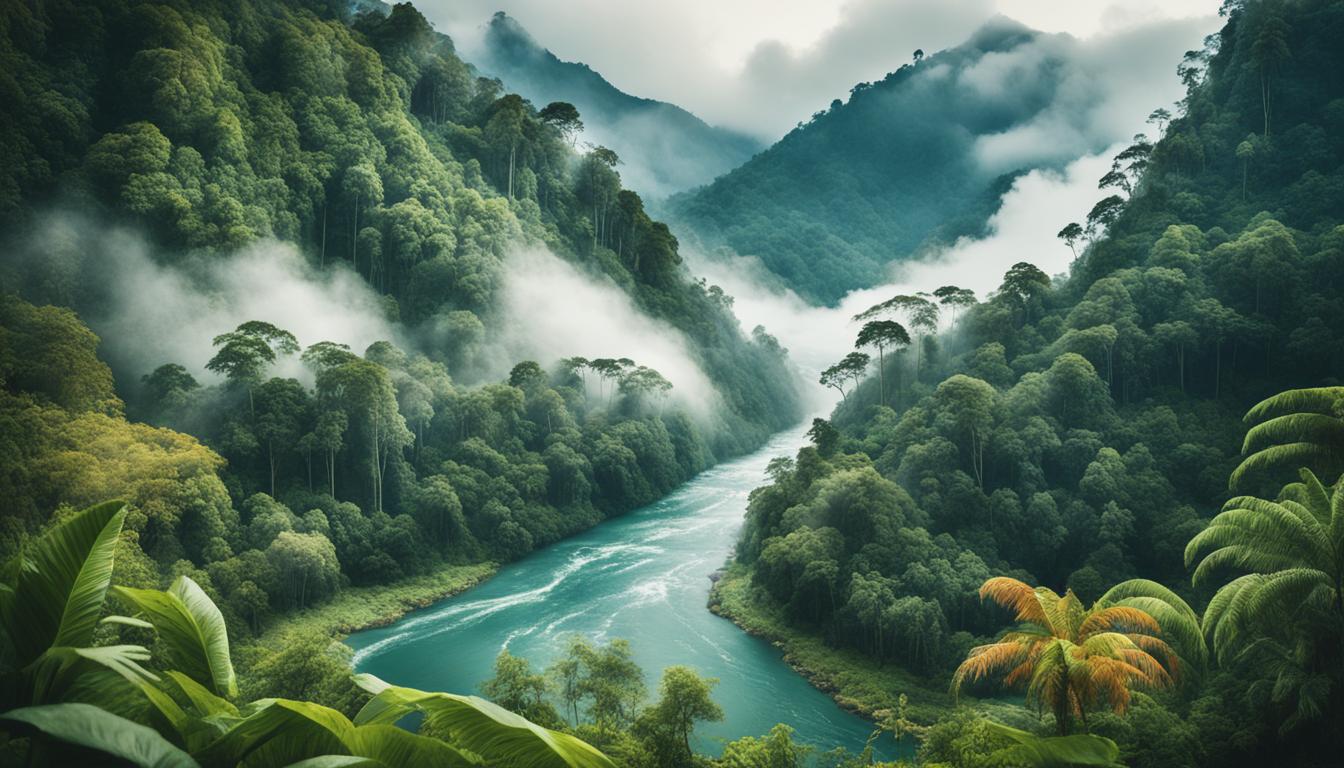
উপরের ছবিটি মঙ্গোলিয়ার সংরক্ষিত এলাকার মধ্যে পাওয়া বৈচিত্র্যময় বন্যপ্রাণী প্রদর্শন করে। এটি দেশে বসবাসকারী অনন্য প্রজাতি সংরক্ষণে এই অভয়ারণ্যগুলির গুরুত্ব তুলে ধরে।
In addition to government-led initiatives, various organizations and communities are actively engaged in biodiversity conservation in Mongolia. Non-governmental organizations, research institutions, and local communities contribute their expertise and efforts to protect and sustain the nation’s biodiversity.
সার্জারির মঙ্গোলিয়ায় সংরক্ষণ প্রচেষ্টা শুধু দেশের জন্যই নয়, বৈশ্বিক জীববৈচিত্র্য সংরক্ষণের জন্যও গুরুত্বপূর্ণ। এর অনন্য বাস্তুতন্ত্র এবং প্রজাতি সংরক্ষণ করে, মঙ্গোলিয়া আমাদের গ্রহের জীববৈচিত্র্যের সূক্ষ্ম ভারসাম্য বজায় রাখতে একটি গুরুত্বপূর্ণ ভূমিকা পালন করে।
মঙ্গোলিয়ায় জীববৈচিত্র্য গবেষণা ও পর্যবেক্ষণ
Biodiversity research and monitoring play a vital role in understanding and conserving Mongolia’s diverse ecosystems. Through collaboration between government agencies, research institutions, and international partners, numerous projects aim to document and study the plant and animal species found in Mongolia.
মঙ্গোলিয়ায় জীববৈচিত্র্য গবেষণার জন্য অংশীদারিত্ব দেশের জীববৈচিত্র্যের অবস্থা এবং প্রবণতা সম্পর্কে অন্তর্দৃষ্টি প্রদান করে এমন মূল্যবান তথ্য সংগ্রহের সুবিধা প্রদান করে। এই তথ্য সংরক্ষণ কৌশল এবং ব্যবস্থাপনা পরিকল্পনা নির্দেশিকা জন্য অত্যন্ত গুরুত্বপূর্ণ.

দীর্ঘ মেয়াদী মঙ্গোলিয়ায় জীববৈচিত্র্য পর্যবেক্ষণ ensures that changes in species diversity and abundance are tracked over time. This monitoring allows scientists to assess the impact of various factors, such as climate change and habitat degradation, on the country’s biodiversity.
মঙ্গোলিয়ায় জীববৈচিত্র্য গবেষণা ফিল্ড সার্ভে, জেনেটিক অ্যানালাইসিস এবং রিমোট সেন্সিং সহ বিভিন্ন পদ্ধতি ব্যবহার করে। এই আন্তঃবিভাগীয় পদ্ধতিগুলি বাস্তুতন্ত্র এবং তারা যে প্রজাতিগুলিকে সমর্থন করে সেগুলির একটি বিস্তৃত বোঝার প্রদান করে।
গবেষকদের মধ্যে অংশীদারিত্ব, সরকারী সংস্থা, এবং স্থানীয় সম্প্রদায়গুলিকে শক্তিশালী করে মঙ্গোলিয়ায় সংরক্ষণ প্রচেষ্টা. By engaging with local stakeholders, scientists gain access to valuable indigenous knowledge about the environment and cultural practices that can contribute to sustainable land use and wildlife conservation.
Overall, biodiversity research and monitoring are essential for protecting and preserving the rich natural heritage of Mongolia. They provide the foundation for informed decision-making and effective conservation practices that will ensure the long-term survival of the country’s unique ecosystems and species.
মঙ্গোলিয়ার জীববৈচিত্র্যের জন্য চ্যালেঞ্জ এবং ভবিষ্যত আউটলুক
মঙ্গোলিয়ার জীববৈচিত্র্য অনেক চ্যালেঞ্জের সম্মুখীন, যার মধ্যে রয়েছে জলবায়ু পরিবর্তন, বাসস্থানের ক্ষতি, অতিমাত্রায় চরানো এবং টেকসই ভূমি ব্যবহার অনুশীলন। জলবায়ু পরিবর্তনের প্রভাব, বিশেষ করে বর্ধিত খরা এবং মরুকরণ, বাস্তুতন্ত্রের জন্য একটি উল্লেখযোগ্য ঝুঁকি তৈরি করে। পশুপালের ক্রমবর্ধমান আকার এবং বন্য প্রাণীদের আবাসস্থলে তাদের আগ্রাসন চ্যালেঞ্জগুলিকে আরও বাড়িয়ে তোলে।
“Climate change poses a significant risk to Mongolia’s biodiversity, and urgent actions are required to mitigate its impact,” warns Dr. Altangerel Batbold, a leading expert in মঙ্গোলিয়ান প্রকৃতি সংরক্ষণ.
যাইহোক, ভবিষ্যতের জন্য আশা আছে, কারণ মঙ্গোলিয়া তার প্রাকৃতিক ঐতিহ্য সংরক্ষণের প্রতিশ্রুতি প্রদর্শন করেছে। সরকার প্রকৃতি সংরক্ষণ ব্যয় জিডিপির 1% বৃদ্ধি করার প্রতিশ্রুতি দিয়েছে, যা জীববৈচিত্র্য রক্ষার গুরুত্ব প্রতিফলিত করে এবং সংরক্ষণের চ্যালেঞ্জ মোকাবেলা করে দেশটির মুখোমুখি।
To ensure the future preservation of Mongolia’s biodiversity, concerted efforts are required to restore and rehabilitate ecosystems, strengthen conservation laws, and raise awareness among local communities. The implementation of sustainable land use practices is crucial, as it can help mitigate the negative impacts of overgrazing and unsustainable practices on biodiversity.
| মঙ্গোলিয়ায় সংরক্ষণের চ্যালেঞ্জ | প্রভাব |
|---|---|
| জলবায়ু পরিবর্তন | বর্ধিত খরা এবং মরুকরণ |
| বাসস্থান ক্ষতি | আবাসস্থলের খণ্ডিতকরণ এবং অবনতি |
| ওভারগ্রাজিং | তৃণভূমির অবনতি এবং সম্পদের জন্য প্রতিযোগিতা |
| টেকসই ভূমি ব্যবহার অনুশীলন | Loss of biodiversity and ecosystem services |
Efforts to address these challenges can help secure a sustainable future for Mongolia’s biodiversity and ensure the conservation of its unique ecosystems for generations to come.

মঙ্গোলিয়ায় জীববৈচিত্র্য সংরক্ষণের গুরুত্ব
জীববৈচিত্র্য সংরক্ষণ মঙ্গোলিয়ার সমৃদ্ধ প্রাকৃতিক ঐতিহ্য সংরক্ষণে একটি গুরুত্বপূর্ণ ভূমিকা পালন করে এবং ইকোসিস্টেম এবং স্থানীয় সম্প্রদায় উভয়ের জন্যই এর সুদূরপ্রসারী সুবিধা রয়েছে। মঙ্গোলিয়ার বৈচিত্র্যময় বাস্তুতন্ত্রের পরিসীমা প্রদান করে বাস্তুসংস্থান সেবা that are essential for the well-being of both wildlife and human populations.
মূল ইকোসিস্টেম পরিষেবাগুলির মধ্যে একটি জল নিয়ন্ত্রণ, যেখানে মঙ্গোলিয়ার অনন্য ল্যান্ডস্কেপ প্রাকৃতিক ফিল্টার হিসাবে কাজ করে, পরিষ্কার জলের অবিচ্ছিন্ন প্রবাহ নিশ্চিত করে। এই ইকোসিস্টেমগুলিও অবদান রাখে জলবায়ু নিয়ন্ত্রণ কার্বন ডাই অক্সাইড শোষণ করে এবং জলবায়ু পরিবর্তনের প্রভাব প্রশমিত করে। উপরন্তু, মঙ্গোলিয়ায় বিভিন্ন উদ্ভিদ বজায় রাখতে সাহায্য করে মাটির উর্বরতা by preventing erosion and promoting nutrient cycling.
মঙ্গোলিয়ার গাছপালা এবং প্রাণীদের মধ্যে পাওয়া জিনগত বৈচিত্র্য অপরিসীম মূল্যের এবং এর জন্য প্রচুর সম্ভাবনা রয়েছে ফসলের উন্নতি এবং বিকাশ ওষুধ. মঙ্গোলিয়ার অনন্য বাস্তুতন্ত্রে উপস্থিত জেনেটিক সংস্থানগুলি ভবিষ্যতের চ্যালেঞ্জগুলির সমাধান প্রদান করতে পারে, যেমন রোগ প্রতিরোধ এবং নতুন ফার্মাসিউটিক্যাল আবিষ্কার।
তাছাড়া উপস্থিতি অনন্য বন্যপ্রাণী এবং অত্যাশ্চর্য প্রাকৃতিক দৃশ্য in Mongolia attracts tourists from around the world, contributing to eco-tourism and সাংস্কৃতিক ঐতিহ্য সংরক্ষণ. পর্যটন থেকে প্রাপ্ত অর্থনৈতিক সুবিধাগুলি স্থানীয় সম্প্রদায়কে সহায়তা করে এবং সুযোগ প্রদান করে টেকসই উন্নয়ন.

মঙ্গোলিয়ায় স্থানীয় সম্প্রদায় এবং জীববৈচিত্র্য সংরক্ষণ
Local communities play a vital role in the conservation of Mongolia’s biodiversity. With their rich traditional knowledge and practices, they contribute to sustainable land use and wildlife conservation efforts. By engaging local communities in conservation initiatives, we can foster the development of community-based conservation projects, which not only promote sustainable livelihoods but also enable communities to reap the benefits of protecting and preserving their natural heritage.
Recognizing and valuing indigenous knowledge and practices is essential for successful biodiversity conservation in Mongolia. Local communities have a deep understanding of their ecosystems and the intricate connections between various species. Their insights can inform conservation strategies and help maintain the delicate balance of the মঙ্গোলিয়ান ইকোসিস্টেম.

সহযোগিতামূলক প্রচেষ্টার মাধ্যমে, আমরা দেশীয় জ্ঞানের সম্পদকে কাজে লাগাতে পারি এবং স্থানীয় সম্প্রদায়কে জীববৈচিত্র্য সংরক্ষণে সক্রিয়ভাবে অংশগ্রহণ করতে সক্ষম করতে পারি। গবেষক, সরকারী সংস্থা এবং সম্প্রদায়ের নেতাদের মধ্যে শক্তিশালী অংশীদারিত্ব গড়ে তোলার মাধ্যমে, আমরা নিশ্চিত করতে পারি যে সংরক্ষণের প্রচেষ্টা স্থানীয় জনগণের চাহিদা এবং মূল্যবোধের সাথে সামঞ্জস্যপূর্ণ।
Community-based conservation not only strengthens the resilience of Mongolia’s ecosystems but also offers sustainable livelihood opportunities for local communities. By promoting practices such as nature-based tourism and sustainable resource management, we can create economic benefits directly tied to biodiversity conservation. This synergy between sustainable livelihoods and conservation fosters a sense of ownership and responsibility, cultivating a long-term commitment to protecting Mongolia’s rich biodiversity.
উপসংহার
Mongolia’s extraordinary biodiversity is a treasure that faces significant threats. However, with dedicated conservation efforts, ongoing research, and meaningful community engagement, there is a glimmer of hope for the future. Preserving Mongolia’s rich biodiversity is not only crucial for the country itself, but also for maintaining global ecological balance and ensuring the well-being of future generations.
বৈচিত্র্যময় বাস্তুতন্ত্র এবং তারা যে উল্লেখযোগ্য প্রজাতিগুলিকে আশ্রয় করে তা রক্ষা করার জন্য, জীববৈচিত্র্য সংরক্ষণে বিনিয়োগ চালিয়ে যাওয়া অপরিহার্য। এর মধ্যে রয়েছে টেকসই ভূমি ব্যবহার অনুশীলন বাস্তবায়ন, জলবায়ু পরিবর্তনের প্রভাব প্রশমিত করা এবং সরকারি প্রতিষ্ঠান, গবেষণা সংস্থা এবং স্থানীয় সম্প্রদায়ের মধ্যে অংশীদারিত্ব বৃদ্ধি করা।
মঙ্গোলিয়ার প্রাকৃতিক ঐতিহ্য সংরক্ষণকে অগ্রাধিকার দিয়ে, আমরা শুধুমাত্র এর অনন্য বাস্তুতন্ত্র রক্ষা করতে পারি না বরং তারা যে মূল্যবান ইকোসিস্টেম পরিষেবা প্রদান করে তা থেকেও উপকৃত হতে পারি। জল ও জলবায়ু নিয়ন্ত্রণ থেকে শুরু করে মাটির উর্বরতা বজায় রাখা এবং টেকসই জীবিকা নির্বাহ করা পর্যন্ত, মঙ্গোলিয়ায় সংরক্ষণ প্রচেষ্টার গুরুত্ব বাড়াবাড়ি করা যাবে না।
Looking ahead, we must remain committed to the long-term survival of Mongolia’s biodiversity. Through collective action and a shared responsibility, we can ensure that future generations can continue to marvel at the wonders of Mongolia’s natural world and appreciate the vital role it plays in our global ecosystem.
FAQ
মঙ্গোলিয়ায় জীববৈচিত্র্য কেমন?
মঙ্গোলিয়ায় সাইবেরিয়ান তাইগা বন, মধ্য এশিয়ার স্টেপ্প, আলতাই পর্বতমালা এবং গোবি মরুভূমি সহ বিভিন্ন ধরনের বাস্তুতন্ত্র রয়েছে। এটি 5,682টিরও বেশি উদ্ভিদ প্রজাতি, 472টি পাখির প্রজাতি এবং 138টি স্তন্যপায়ী প্রজাতির আবাসস্থল।
মঙ্গোলিয়ায় জীববৈচিত্র্যের জন্য হুমকি কি?
মঙ্গোলিয়ার জীববৈচিত্র্য আবাসস্থল বিভক্তকরণ, বাসস্থানের অবনতি, পানির ঘাটতি, মরুকরণ এবং জলবায়ু পরিবর্তনের মতো হুমকির সম্মুখীন।
মঙ্গোলিয়ায় কি বিপন্ন প্রজাতি আছে?
হ্যাঁ, এখানে 128 টিরও বেশি বিপন্ন বা হুমকির মুখে থাকা উদ্ভিদ প্রজাতি রয়েছে এবং লাল হরিণ সহ অনেক স্তন্যপায়ী প্রজাতির জনসংখ্যা ব্যাপকভাবে হ্রাস পেয়েছে।
মঙ্গোলিয়ায় কি সংরক্ষণ প্রচেষ্টা করা হচ্ছে?
মঙ্গোলিয়া সুরক্ষিত এলাকা স্থাপন করেছে, এর 14% অঞ্চল বিশেষ সুরক্ষিত এলাকা হিসেবে মনোনীত হয়েছে। সরকার বন্যপ্রাণী, গাছপালা এবং তাদের আবাসস্থল রক্ষার জন্য আইন ও প্রবিধান প্রণয়ন করেছে এবং জাতীয় জীববৈচিত্র্য সংরক্ষণ কর্ম পরিকল্পনা বাস্তবায়ন করছে।
মঙ্গোলিয়ায় জীববৈচিত্র্য গবেষণার ভূমিকা কী?
জীববৈচিত্র্য গবেষণা এবং পর্যবেক্ষণ মঙ্গোলিয়ার বৈচিত্র্যময় বাস্তুতন্ত্র বোঝা এবং সংরক্ষণে একটি গুরুত্বপূর্ণ ভূমিকা পালন করে। এই প্রচেষ্টায় সরকারী সংস্থা, গবেষণা প্রতিষ্ঠান এবং আন্তর্জাতিক অংশীদারদের মধ্যে সহযোগিতা জড়িত।
মঙ্গোলিয়ার জীববৈচিত্র্যের জন্য চ্যালেঞ্জ এবং ভবিষ্যতের দৃষ্টিভঙ্গি কী কী?
Challenges include climate change, habitat loss, overgrazing, and unsustainable land use practices. The future outlook depends on continued investments in conservation, sustainable land use, and climate change mitigation.
কেন মঙ্গোলিয়ায় জীববৈচিত্র্য সংরক্ষণ গুরুত্বপূর্ণ?
Biodiversity conservation in Mongolia is important as it provides essential ecosystem services, economic benefits, and contributes to eco-tourism and cultural heritage preservation.
মঙ্গোলিয়ায় জীববৈচিত্র্য সংরক্ষণে স্থানীয় সম্প্রদায়ের ভূমিকা কী?
স্থানীয় সম্প্রদায়গুলি মঙ্গোলিয়ায় জীববৈচিত্র্য সংরক্ষণে একটি গুরুত্বপূর্ণ ভূমিকা পালন করে। তাদের ঐতিহ্যগত জ্ঞান এবং অনুশীলন টেকসই ভূমি ব্যবহার এবং বন্যপ্রাণী সংরক্ষণে অবদান রাখতে পারে।
আমি কিভাবে মঙ্গোলিয়ায় জীববৈচিত্র্য সংরক্ষণে জড়িত হতে পারি?
মঙ্গোলিয়ায় জীববৈচিত্র্য সংরক্ষণে জড়িত হওয়া সংরক্ষণ সংস্থাগুলিকে সমর্থন করে, সম্প্রদায়-ভিত্তিক উদ্যোগে অংশগ্রহণ করে এবং সংরক্ষণের গুরুত্ব সম্পর্কে সচেতনতা ছড়িয়ে দিতে পারে।